20-Pin Machine Vision Cable Assembly: A Deep Dive for Engineers
In high-resolution, high-frame-rate machine vision systems, the machine vision cable assemblyis far more than a simple connector. It is the high-speed data and power “highway” between the camera and the host. A 20-pin machine vision cable assembly is a specialized interconnect designed to handle multiple high-speed differential pairs, power, and control signals within a single, robust package.
This article will dissect the 20-pin variant, exploring its structure, applications, key design parameters, and best practices for reliable deployment.
What is a 20-Pin Machine Vision Cable Assembly?
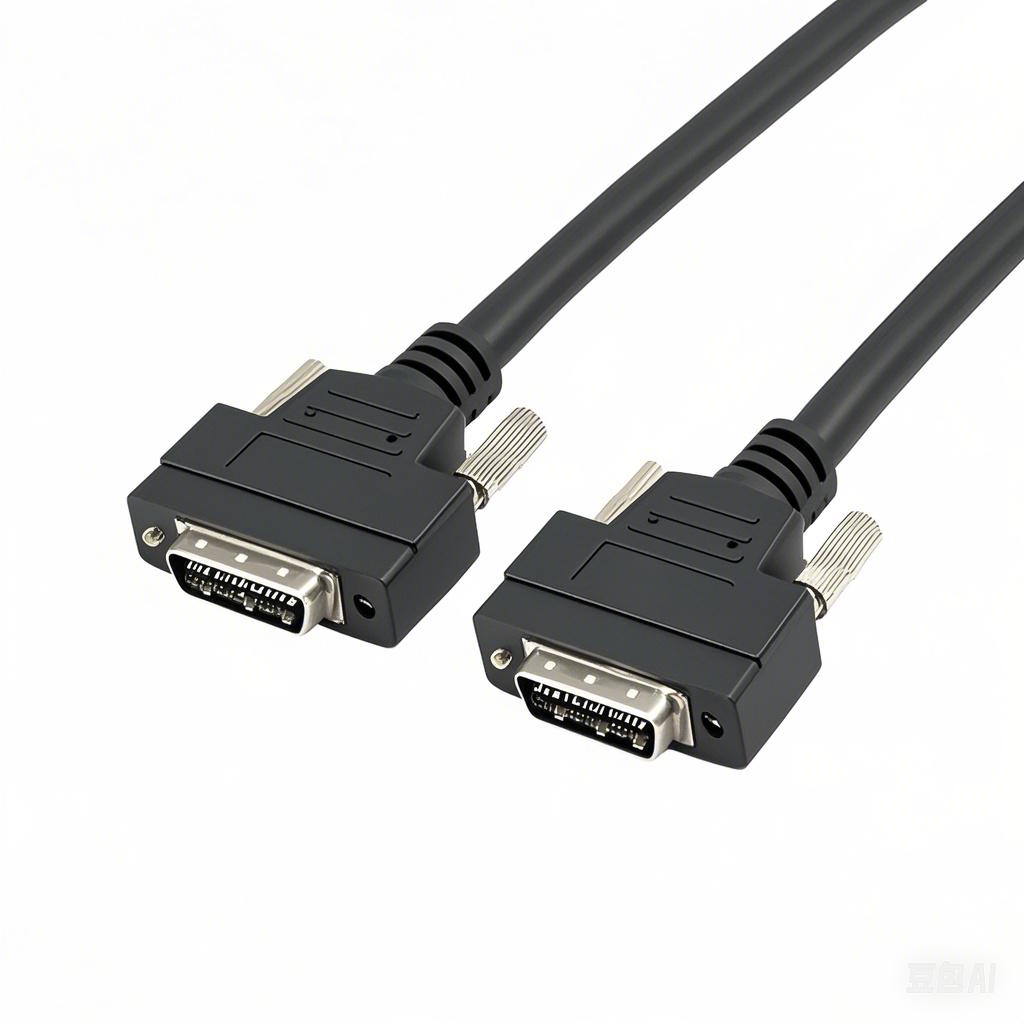
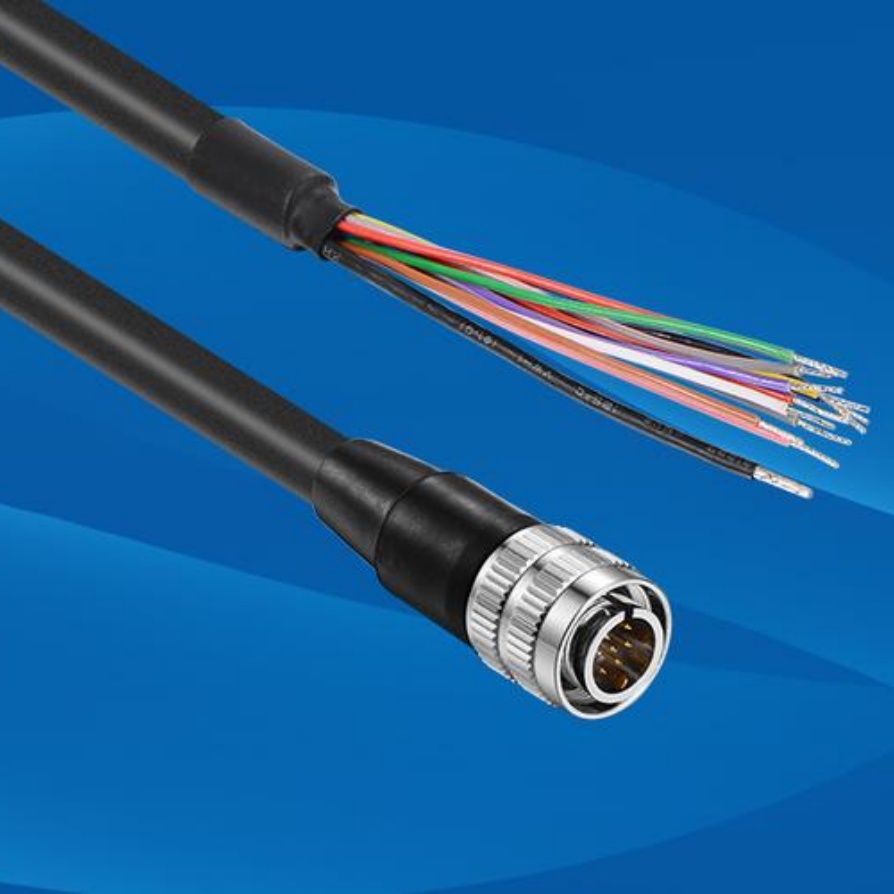
A 20-pin machine vision cable assembly is a custom interconnect solution featuring a 20-pin connector on one or both ends. It is engineered to transmit data, power, and control signals for industrial cameras and vision systems.
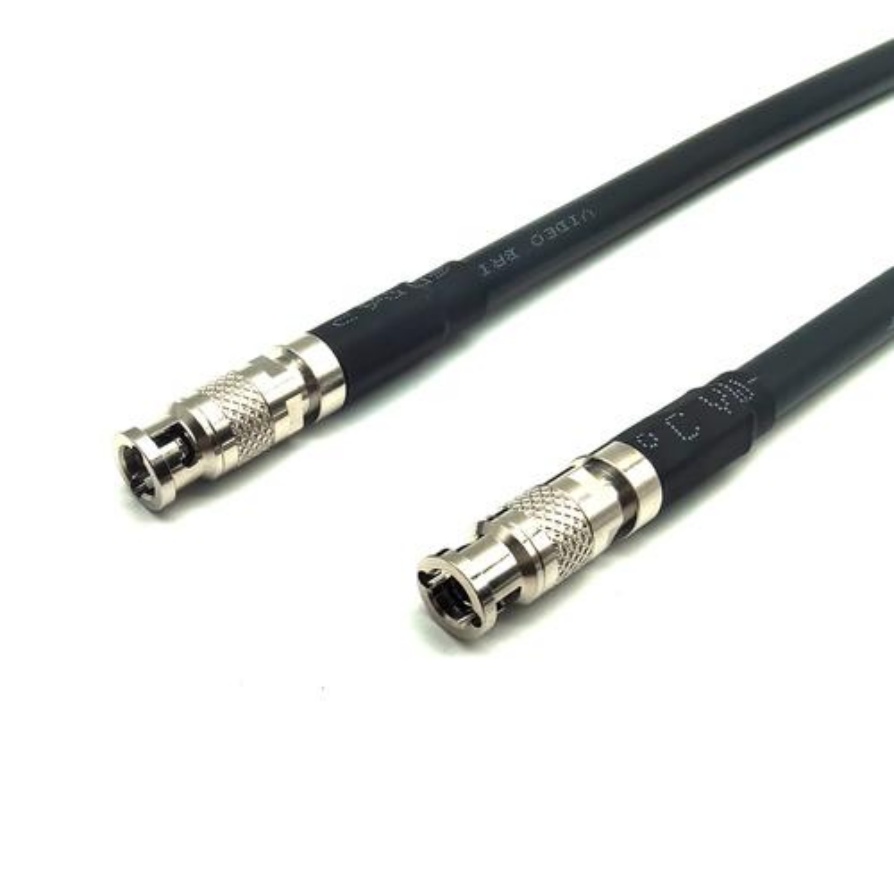
Connector Type: While not standardized to a single protocol, 20-pin connectors are often proprietary or semi-custom. They are common in industrial cameras for multi-lane LVDS/Sub-LVDS, Camera Link, CoaXPress, or custom digital interfaces, as well as in embedded vision modules and test equipment.
Signal & Power Integration: The 20 pins are typically allocated as follows:
High-Speed Data: 3–8 differential pairs (6–16 pins) for image data.
Power: 2–4 pins for supply and ground (e.g., +12V, +5V, GND).
Control/IO: Remaining pins for triggers, GPIO, I²C, or UART.
Key Features: These cables are built to be high-flexfor robotic motion, feature 360° shieldingfor EMI resistance, and use industrial-grade locking mechanismsfor secure connections.
Common Applications
20-pin assemblies are prevalent in scenarios requiring a balance of high-speed data, power, and I/O in a compact form factor.
Industrial Area Scan Cameras: Used for multi-tap CCD/CMOS sensors, where several LVDS data lanes, pixel clock, and control lines are consolidated into one connector.
Embedded Vision Modules: Connects board-to-board or board-to-sensor in smart cameras and industrial PCs, where space is limited but high bandwidth is needed.
3D & Stereo Vision Systems: Carries data from multiple synchronized cameras, along with sync signals and power, over a single, shielded cable bundle.
AOI / Inline Inspection Systems: Deployed on moving platforms like conveyor belts or gantries, requiring high-flex cables that can withstand millions of bending cycles in cable tracks.
Medical & Scientific Imaging: Found in microscopy and imaging stations where a single cable manages data, power, and control to reduce clutter and enhance reliability.
Anatomy of a High-Performance 20-Pin Assembly
A robust 20-pin cable is designed from the inside out, with each layer serving a critical purpose.
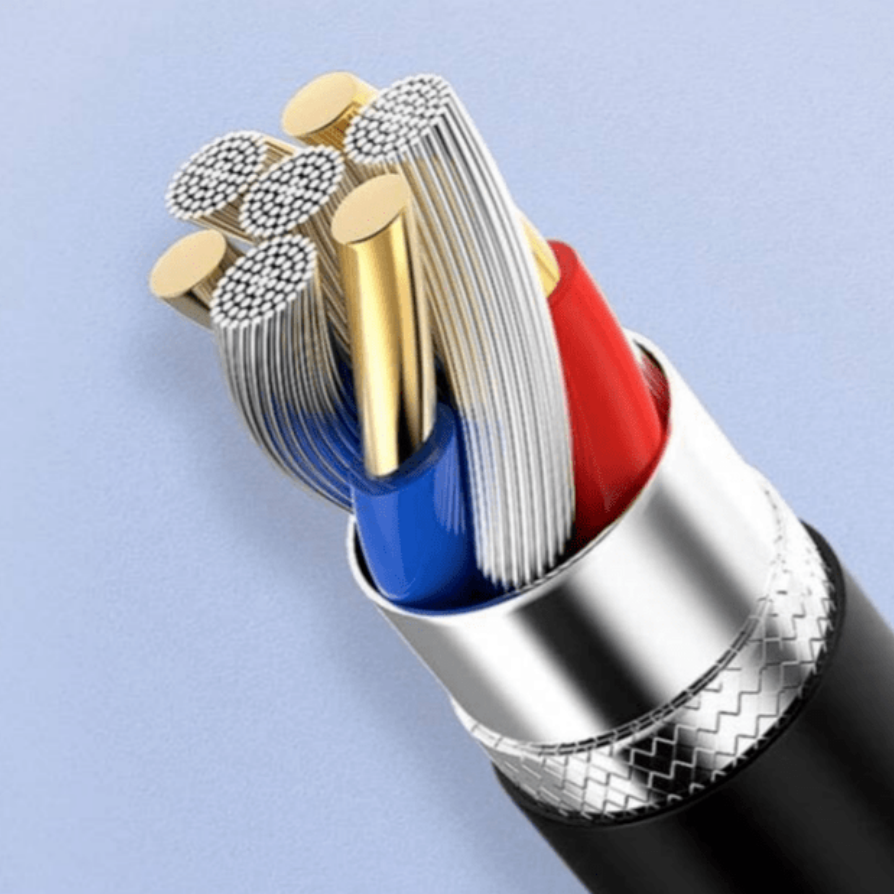
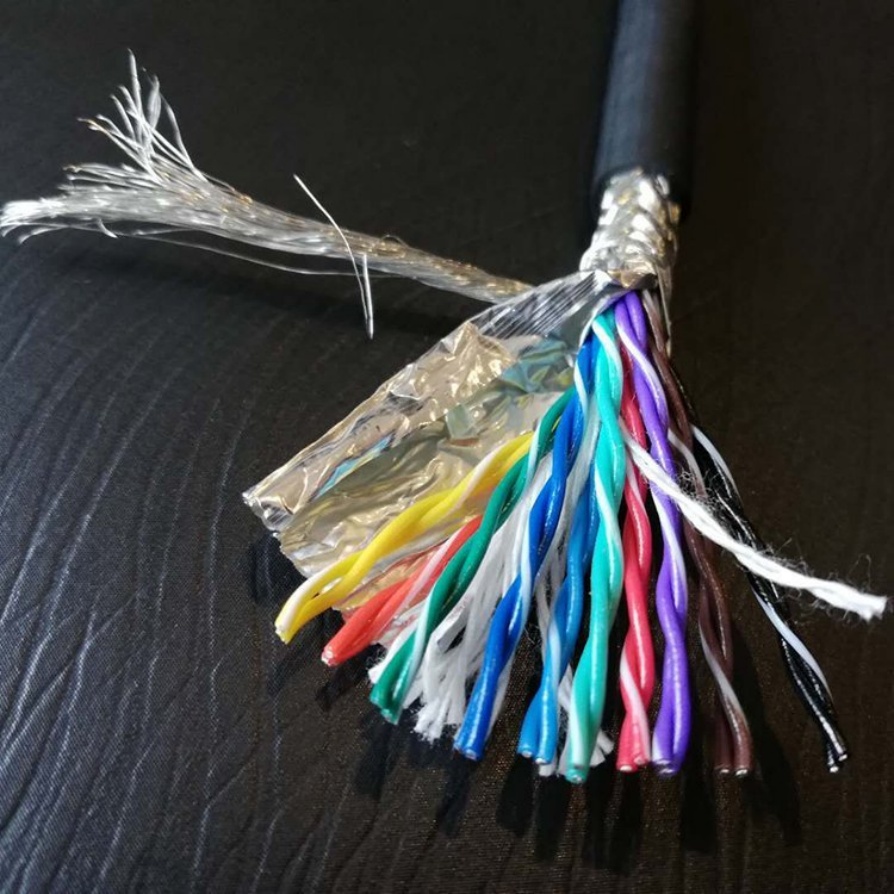
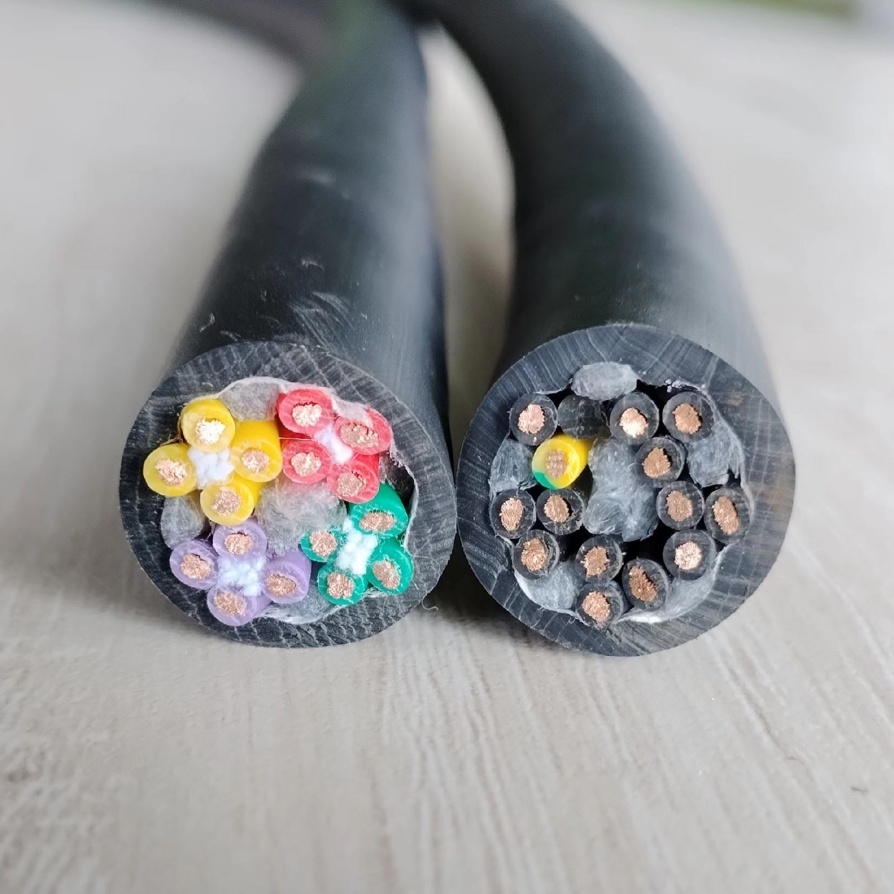
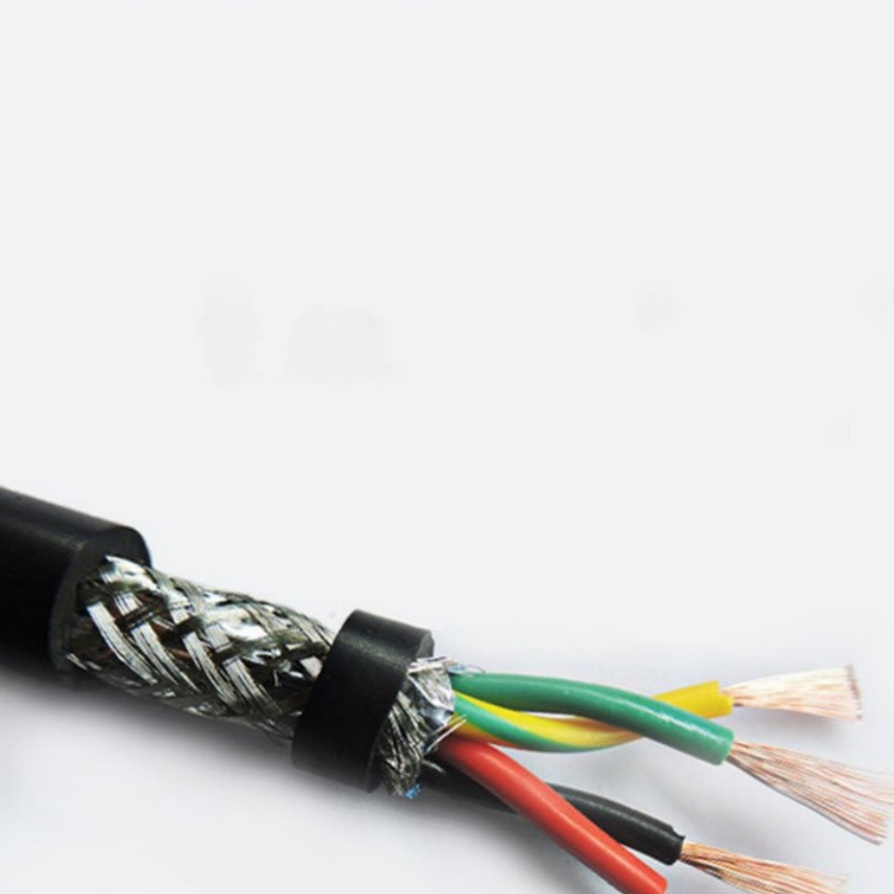
Center Conductors: High-purity stranded copper (typically 26–30 AWG) forms the signal and power cores. Data pairs are twisted to create differential pairs, which is essential for noise rejection.
Insulation & Pair Shielding: Each twisted pair is insulated, and often, an aluminum/polyester tape provides an additional layer of shielding to minimize crosstalk.
Overall Shielding: A braided tinned copper shield surrounds all internal pairs, providing 360° protection against electromagnetic interference (EMI). A drain wire is typically connected to the cable shield.
Inner Jacket: A thin layer of PET or similar material binds the internal components, maintaining the cable’s geometry and preventing deformation.
Outer Jacket: The outermost layer, made of materials like PVC, PUR, or TPE, determines the cable’s flexibility, oil resistance, and flame retardancy. PUR jackets are common for their excellent flex-life.
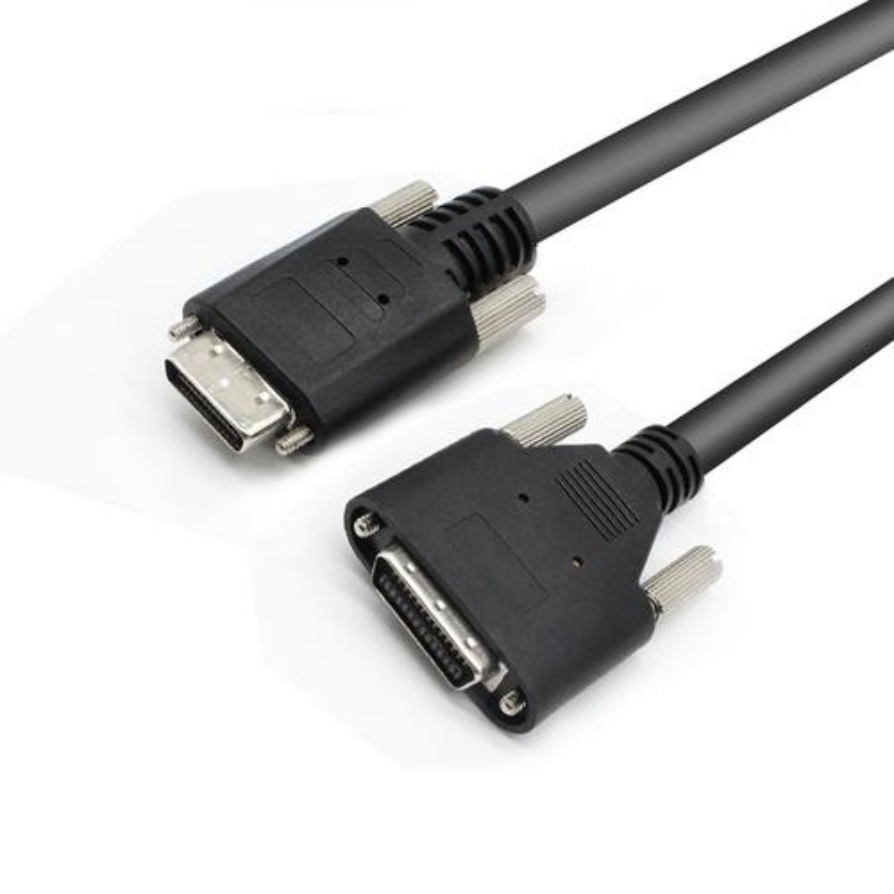
Connector System: The 20-pin connector is usually a high-precision, board-mount type with a metal shell for EMI shielding. Features like thumbscrews, latches, or right-angle orientations ensure a secure, strain-relieved connection.
Key Design Parameters
Selecting or designing a 20-pin assembly requires careful consideration of the following parameters:
Bandwidth & Data Rate: Calculate the required bandwidth (Resolution × Frame Rate × Bits per Pixel × Number of Channels). Ensure the cable’s frequency response and differential impedance (typically 100 Ω ±10%) are suitable for your data rate (e.g., >1 GHz for GigE, several GHz for CoaXPress).
Shielding & EMI Performance: In electrically noisy environments (e.g., near motors), prioritize cables with high braid coverage (>85-90%) and robust overall shielding. Ferrite cores can be added externally for extra noise suppression.
Flex Life & Bend Radius: For moving applications, specify high-flex cables rated for millions of cycles in cable tracks. Adhere to the manufacturer’s minimum bend radius to avoid damaging the internal conductors and shielding.
Mechanical Strain Relief: Use molded strain reliefs on both ends to transfer cable stress away from the solder joints. In robotic applications, a “pigtail + service loop” design is recommended.
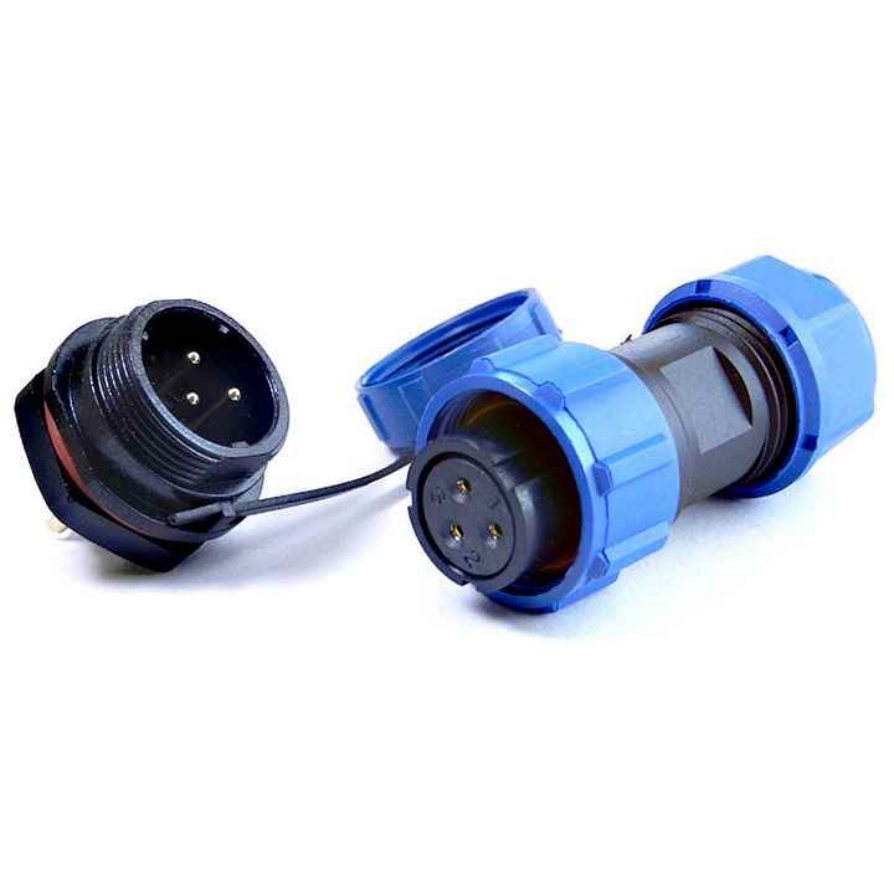
Environmental Resistance: Choose jacket materials based on the operating environment. PUR and TPE offer excellent oil and abrasion resistance. For harsh conditions, consider IP65/IP67-rated connectors and UV-resistant jackets.
Pinout & Signal Integrity: Work with the camera vendor to finalize the pinout. Ensure differential pairs are length-matched and that high-speed pairs are routed adjacently with a consistent twist pitch to minimize skew and crosstalk.
20-Pin vs. Other Common Machine Vision Cables
The 20-pin format sits between smaller ribbon cables and larger multi-pair industrial cables.
Feature
20-Pin Assembly
Multi-Pair Industrial Ethernet (e.g., GigE)
CoaXPress / Camera Link
Ribbon Cable (IDC)
Signal Type
Parallel LVDS / Sub-LVDS, Control
Serial Ethernet (GigE, 10GigE)
Serial (CoaXPress, Camera Link)
Parallel (GPIO, control)
Data Rate
High (camera-specific)
100 Mbps – 10 Gbps
Very High (up to 12.5 Gbps/channel)
Low to Moderate
Cable Size
Compact
Moderate
Moderate to Large
Very Compact
Flex Life
High (if specified)
High (for drag chains)
Moderate
Low (not for flex)
EMI Shielding
High (multi-layer)
High (braided shield)
Very High (coax construction)
Low to Moderate
Use Case
Multi-lane cameras, embedded vision
General-purpose industrial vision
High-speed, long-distance
Internal board connections
🛠️ Best Practices for Deployment
Match the Specs: Ensure the cable’s data rate, shielding, and flex rating meet or exceed the camera and system requirements.
Plan the Routing: Avoid running cables parallel to high-current power lines. Use cable tracks or separators to manage EMI and physical stress.
Use Proper Strain Relief: Secure the cable near the connector with a clamp or bracket to prevent the bend radius from being violated at the entry point.
Test Before Full Deployment: Run a prototype system to check for image artifacts, dropped frames, or intermittent disconnections. Perform basic TDR/TDT tests if possible.
Partner with FRS for Your 20-Pin Assemblies
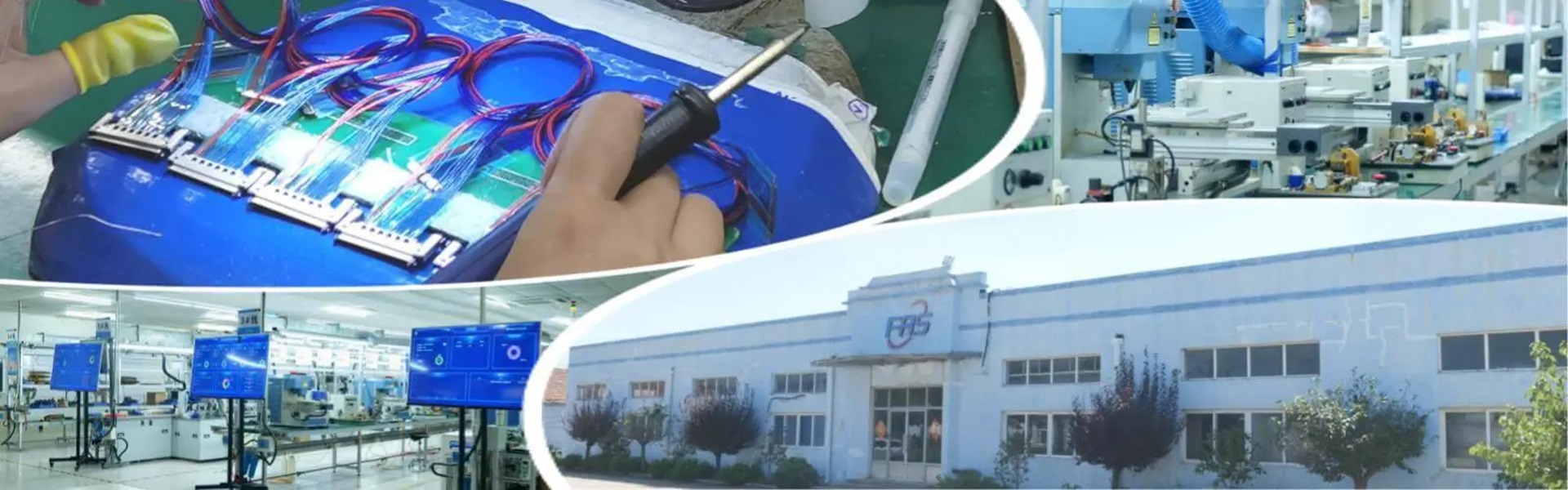
For engineers seeking a reliable manufacturing partner for custom machine vision cable assemblies, FRS offers a comprehensive solution.
20+ Years of Expertise: Specializing in industrial automation and vision cables, including high-flex robotics harnesses and micro-coaxial assemblies.
Customization & Speed: From standard 20-pin LVDS harnesses to complex multi-standard camera links, FRS provides tailored solutions with rapid prototyping capabilities.
Certified Quality: Their factory is certified to ISO9001, IATF 16949, ISO13485, and ISO14001, ensuring high-quality, traceable production.
If you are facing challenges with EMI noise, cable fatigue, or complex OEM/ODM requirements, consider reaching out to FRS for a technical discussion.
Product Overview: Machine Vision Cables
Machine vision cables are specialized components designed to ensure high-speed, stable data transmission and signal integrity in automated imaging systems. Key features include:
Technical S.
Elevate your visual data transmission with the IP67 Waterproof Vision Connection Cable, engineered to deliver seamless performance in the harshest conditions. Designed for industrial, outdoor, and mission-critical applications, this rugg.
Meta Description: Experience seamless 4K/8K video transmission with our High-Speed Anti-Interference Vision Cable. Engineered for crystal-clear visuals, robust durability, and interference-free performance. Perfect for gaming, profes.
Enhance the reliability and performance of your automated systems with our Industrial-Grade Machine Vision Cable—engineered to deliver unparalleled signal integrity, durability, and speed for demanding industrial applications. Designed f.
The Precision Imaging Dedicated Vision Cable is a cutting-edge connectivity solution designed to deliver crystal-clear image transmission in high-stakes environments. Optimized for industrial automation, medical imaging, machine vision, .
Subtitle: A High-Performance Signal Cable Designed for 3D Scanners, Ensuring Lossless Data and Minimal Latency
Product OverviewThe 3D Scanner Vision Signal Cable is a premium signal transmission cable engineered for both industrial a.
Meta Description: Discover premium Robotic Vision System Cables engineered for seamless data transmission, durability, and precision in industrial automation. Ensure flawless vision system performance.
Enhance Automation Precision with.
High-speed factories demand flawless synchronization between machines and vision systems. Yet, challenges like electromagnetic interference (EMI), cable fatigue, and data bottlenecks often disrupt operations. The right machine vision cab.
Meta Description: Discover the Flexible & Bend-Resistant Vision Cable, engineered for precision imaging in demanding environments. Durable, reliable, and built to last. Perfect for industrial, medical, and robotic applications.
Int.
Shielded Twisted-Pair Vision Cable – Ultra-Clear Signal Transmission for Demanding Environments
Ensure flawless video and data transmission in high-interference environments with our Shielded Twisted-Pair (STP) Vision Cable. Engineere.