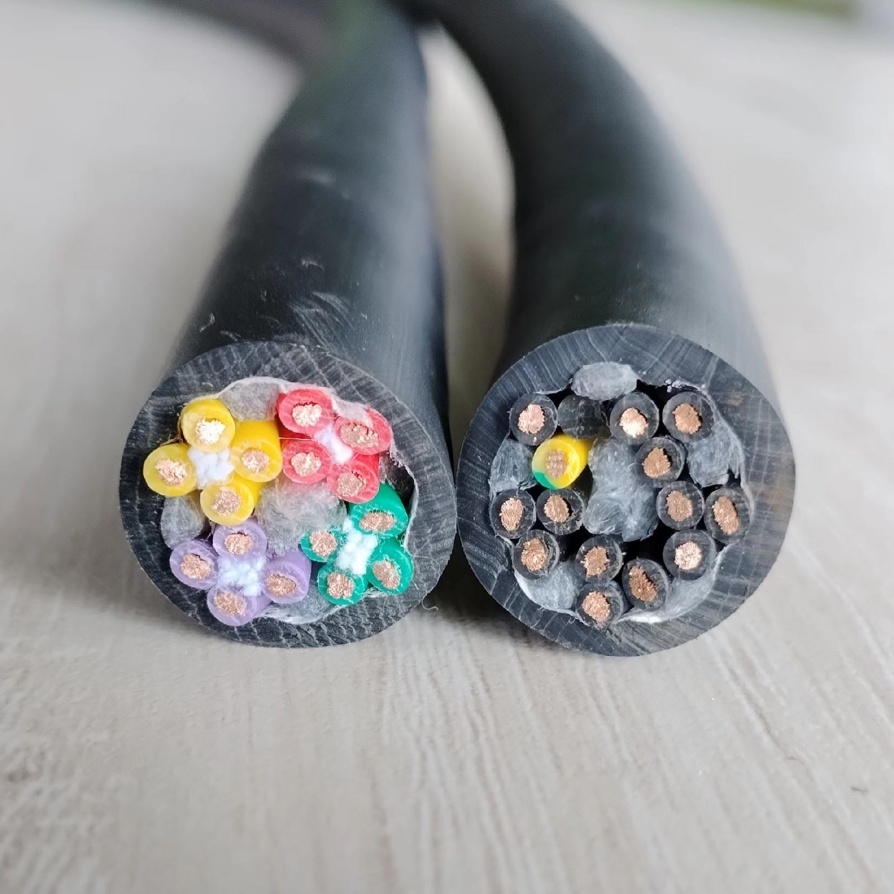
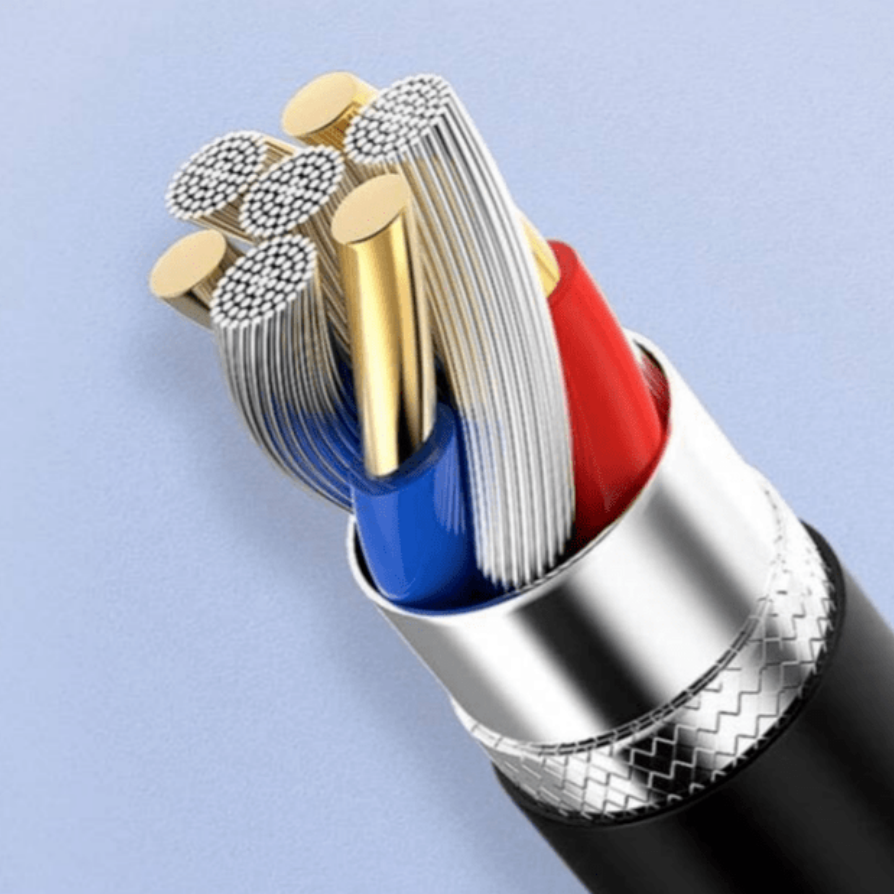
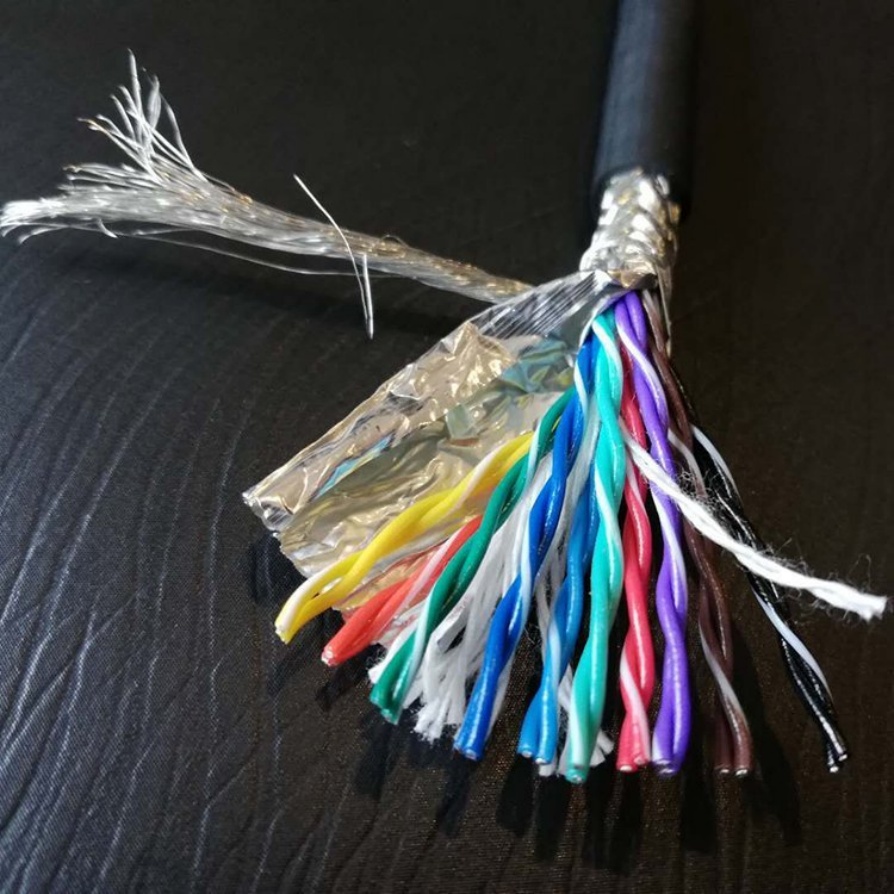
3D Machine Vision Cables: Key Advantages for Industrial Applications
In high-precision industrial automation, 3D machine vision is the critical link between the physical world and digital decision-making. It powers tasks like robotic bin picking, 3D measurement, and robotic assembly by generating millions of XYZ data points per second. However, the performance of this entire system is often bottlenecked by a component that is easy to overlook: the 3D machine vision cable.
This article explores the unique demands of 3D vision systems and the key performance advantages that differentiate high-quality cables, helping you build more stable and reliable 3D vision applications.
The Unique Demands of 3D Machine Vision
3D vision data is far more demanding than 2D. A single frame can contain millions of points, each with X, Y, Z coordinates and additional attributes like intensity or RGB color. This data is transmitted as high-bandwidth, low-latency image streams, often from multiple synchronized cameras.
Key Data Volume Examples:
High-Resolution 3D Camera:4K (3840×2160) @ 60 fps with 16-bit depth can generate data rates exceeding 18 Gbps.
Multi-Camera Systems:In applications like robot guidance, synchronizing 2-4 such cameras can push the required link speed beyond 50–100 Gbps.
This data must travel from the camera to the frame grabber or IPC in real-time, often across vibrating robot arms or within cable tracks. Any data loss, jitter, or delay can lead to:
Missing or distorted 3D point clouds
Inaccurate robot positioning and collision risks
Costly production line downtime
Therefore, the cable is not just a passive wire; it is a high-performance data channel that must maintain signal integrity under real-world industrial stresses.
Common Interfaces and Their Cable Challenges
Different 3D vision systems use various physical layers, each with distinct implications for cable design.
Interface
Typical Use Case
Max Distance
Key Cable Challenge
GigE Vision (1G/5G/10G)
General-purpose 3D inspection, logistics
100m (1G), shorter for 5G/10G
Maintaining signal integrity and EMI immunity over long, moving distances.
USB3 Vision
Compact 3D sensors, lab setups
~3-5m (copper)
Overcoming distance limitations and EMI susceptibility with active optical cables (AOC).
Camera Link / CoaXPress
High-speed, high-resolution 3D
Varies
Managing complex multi-channel coax or coax+power designs with precise impedance control.
GMSL2 / FAKRA
Robotics, embedded vision
~15m
Ensuring high flexibility and fatigue resistance for constant motion in robots and AGVs.
Signal Integrity: The First Pillar of Performance
Signal integrity is paramount for 3D vision. Any degradation—attenuation, reflection, or crosstalk—can corrupt the 3D point cloud, causing jitter or missing data. High-quality cables address this through:
Precise Impedance Control:Maintaining a stable characteristic impedance (e.g., 100 Ω differential) across the entire cable length and across temperature variations is essential to prevent signal reflections that create blind spots in the point cloud.
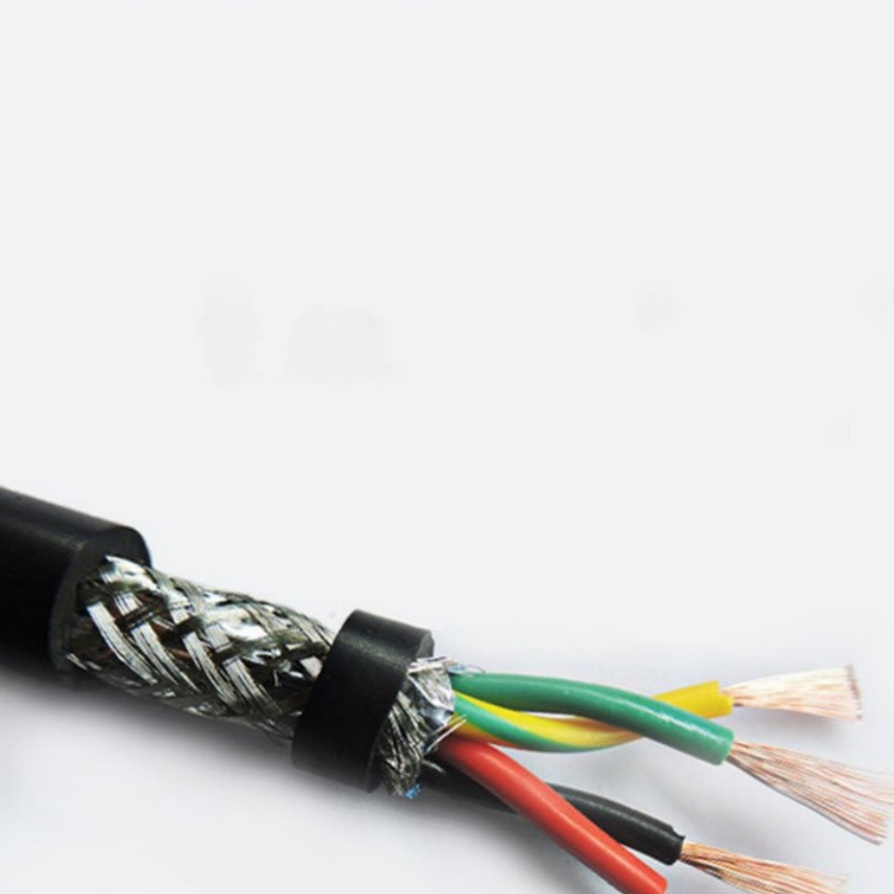
Multi-Layer Shielding:Effective shielding, such as a combination of aluminum foil and tinned copper braid, is critical. For instance, Cat6a Ethernet cables with this shielding can reliably transmit 10Gbps data in electrically noisy factory environments, which is vital for 3D data integrity.
Low-Loss Dielectrics:Premium foamed or foamed-polypropylene dielectrics minimize signal loss, especially at high frequencies, ensuring the 3D data arrives intact.
EMI Immunity: Thriving in Harsh Industrial Environments
Factories are rife with electromagnetic interference (EMI) from motors, servo drives, and welders. For 3D vision, EMI doesn’t just cause image noise; it can corrupt structured 3D data, leading to phantom points or geometry drift. Robust cables combat this with:
Comprehensive Shielding Architectures:Combining braided shields, foil shields, and sometimes drain wires provides multiple layers of protection against both high-frequency noise and ground loops.
Connector-Level Shielding:Metal-shell connectors with 360° shielding and proper grounding are essential. Designs like the M12 X-coded connector offer IP67-rated protection and EMI shielding suitable for demanding 3D inspection tasks.
Cable Routing Discipline:Even the best cable can fail if not routed properly. Maintaining separation from high-current cables and using twisted-pair geometry helps minimize noise coupling.
Mechanical Durability: Built for Constant Motion
Many 3D vision systems are mounted on robots or moving platforms, where cables undergo millions of bending cycles. A cable failure here can halt an entire production line. Durable cables are designed for this reality:
High Flex and Fatigue Life:Cables using fine-strand conductors, flexible insulation, and specialized jacketing (like PUR) are rated for millions of bending cycles, ensuring a long service life on robot arms or in cable tracks.
Tensile and Crush Resistance:Aramid fibers or robust outer jackets protect the internal conductors from being stretched or crushed during installation or operation.
Vibration Resistance:Features like threaded M12 connectors with anti-vibration locking mechanisms ensure a secure connection even in high-vibration environments, preventing intermittent signal loss.
Interface-Specific Cable Technologies
Different interfaces have unique cable requirements to unlock their full potential.
GigE Vision (1G/5G/10G)
Cat6a Ethernet with M12 X-Code:This combination is a workhorse for industrial 3D vision. It supports 10Gbps, features double-layer shielding, and the M12 X-code connector provides a secure, IP67-rated connection. It’s ideal for multi-camera 3D inspection lines where EMI immunity and mechanical stability are critical.
USB3 Vision
Active Optical Cables (AOC):Standard USB3 copper cables are limited to about 3-5 meters. AOCs overcome this by converting electrical signals to light, enabling lossless transmission over 50-100 meters. They are immune to EMI and often include locking screws for industrial reliability, making them perfect for long-reach 3D sensor applications.
GMSL2 / FAKRA
High-Speed Coax with Integrated Power:GMSL2 technology transmits up to 6Gbps of video, control, and power (PoC) over a single coax cable. Paired with FAKRA connectors, this system is lightweight and compact, ideal for multi-camera systems on robots and AGVs. Cables are specifically engineered for high flexibility and durability, passing rigorous flex and torsion tests.
Practical Tips for System Design
Calculate the True Bandwidth:Don’t just look at the camera’s maximum data rate. Account for multiple cameras, protocol overhead, and a safety margin (20-30%) to choose a link with sufficient headroom.
Match the Cable to the Motion Profile:For static or slow-moving cameras, standard industrial Ethernet cables may suffice. For robots or long cable tracks, invest in high-flex or continuous-flex cables designed for dynamic applications.
Prioritize Connector Quality:A great cable with a poor connector is a weak link. Choose connectors with the right locking mechanism (e.g., M12, locking screw USB) and IP rating for your environment.
Test Under Real Conditions:Whenever possible, perform long-term tests with your actual system. Monitor for frame drops, point cloud artifacts, or intermittent disconnections to validate your cable choice.
Conclusion: The Strategic Value of Premium Cables
In 3D machine vision, the difference between a good system and a great one often lies in the quality of the interconnect. Premium 3D machine vision cables are not just passive components; they are active enablers of precision, reliability, and uptime.
By prioritizing signal integrity, EMI immunity, and mechanical durability, you ensure that your 3D vision system performs as intended—delivering accurate data, cycle after cycle. This translates to higher yields, lower scrap rates, and a stronger return on your automation investment.
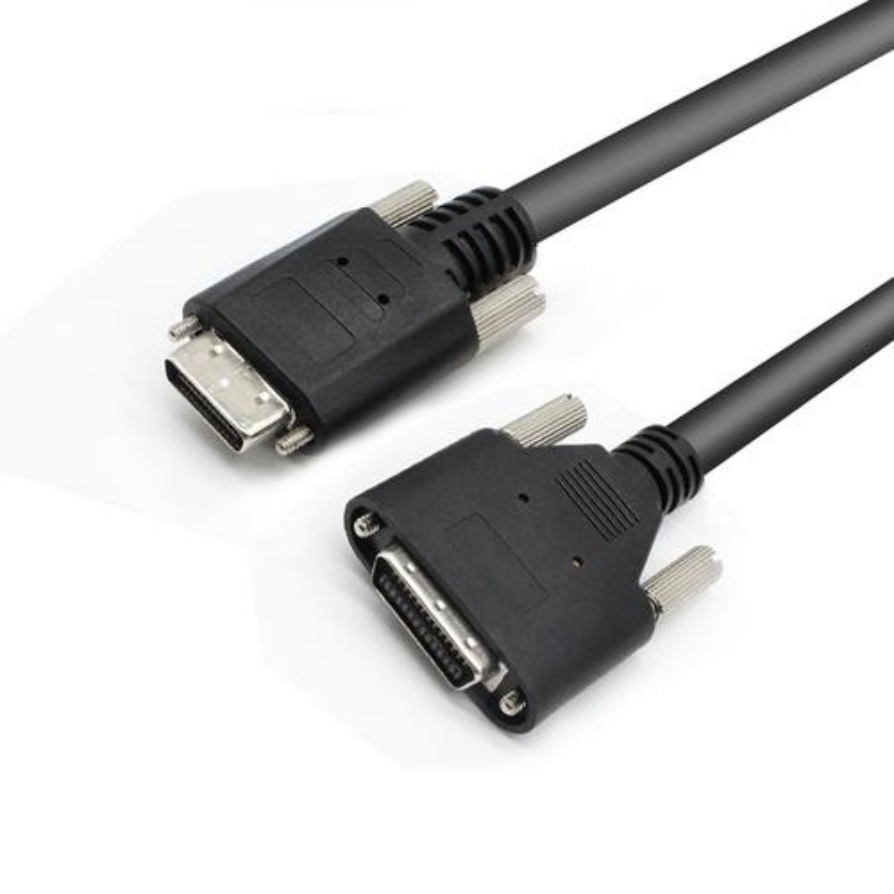
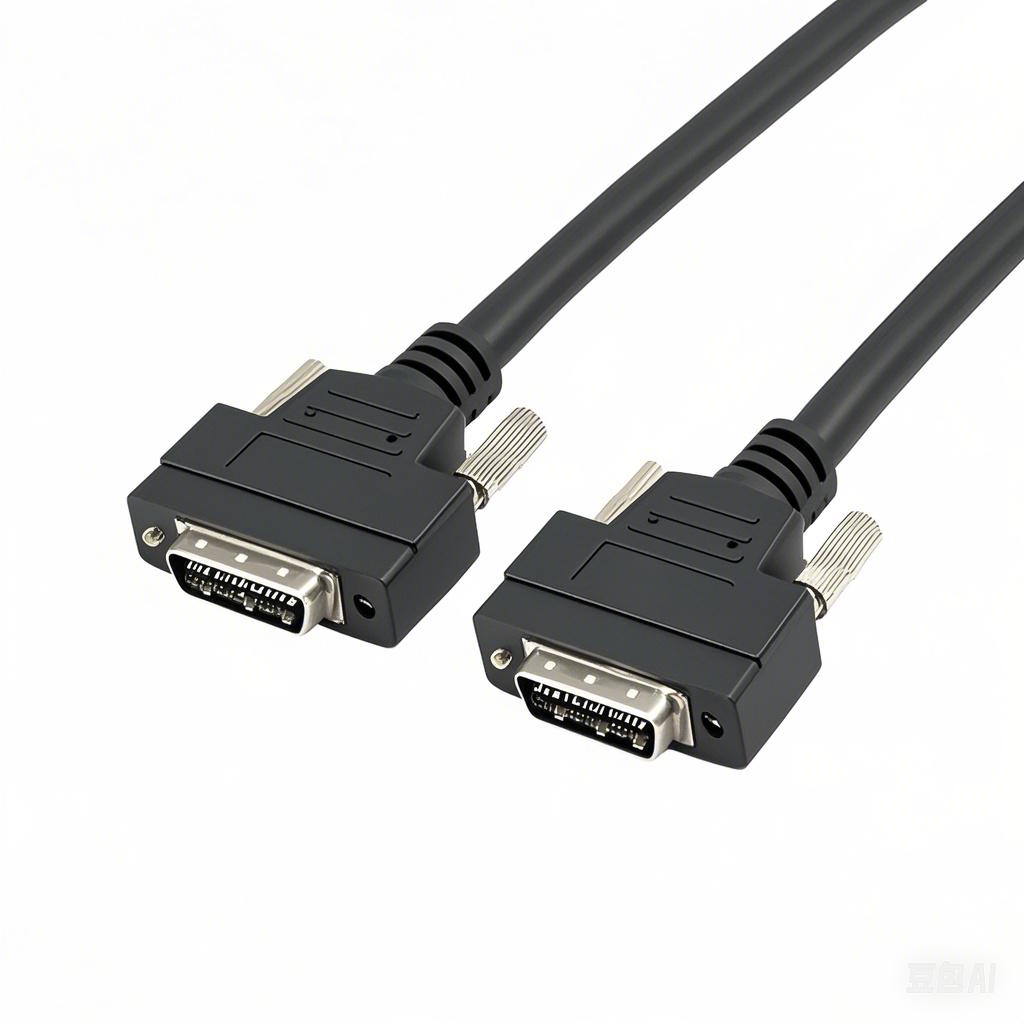
Subtitle: A High-Performance Signal Cable Designed for 3D Scanners, Ensuring Lossless Data and Minimal Latency
Product OverviewThe 3D Scanner Vision Signal Cable is a premium signal transmission cable engineered for both industrial a.
High-speed factories demand flawless synchronization between machines and vision systems. Yet, challenges like electromagnetic interference (EMI), cable fatigue, and data bottlenecks often disrupt operations. The right machine vision cab.
Product Overview: Machine Vision Cables
Machine vision cables are specialized components designed to ensure high-speed, stable data transmission and signal integrity in automated imaging systems. Key features include:
Technical S.
Meta Description: Discover premium Robotic Vision System Cables engineered for seamless data transmission, durability, and precision in industrial automation. Ensure flawless vision system performance.
Enhance Automation Precision with.
The Precision Imaging Dedicated Vision Cable is a cutting-edge connectivity solution designed to deliver crystal-clear image transmission in high-stakes environments. Optimized for industrial automation, medical imaging, machine vision, .
Elevate your visual data transmission with the IP67 Waterproof Vision Connection Cable, engineered to deliver seamless performance in the harshest conditions. Designed for industrial, outdoor, and mission-critical applications, this rugg.
Shielded Twisted-Pair Vision Cable – Ultra-Clear Signal Transmission for Demanding Environments
Ensure flawless video and data transmission in high-interference environments with our Shielded Twisted-Pair (STP) Vision Cable. Engineere.
Meta Description: Discover the Flexible & Bend-Resistant Vision Cable, engineered for precision imaging in demanding environments. Durable, reliable, and built to last. Perfect for industrial, medical, and robotic applications.
Int.
Meta Description: Experience seamless 4K/8K video transmission with our High-Speed Anti-Interference Vision Cable. Engineered for crystal-clear visuals, robust durability, and interference-free performance. Perfect for gaming, profes.
Enhance the reliability and performance of your automated systems with our Industrial-Grade Machine Vision Cable—engineered to deliver unparalleled signal integrity, durability, and speed for demanding industrial applications. Designed f.