What is the voltage rating for machine cable in industrial settings
In the complex and demanding landscape of industrial settings, machine cables serve as the vital lifelines that ensure the seamless operation of machinery, equipment, and entire production lines. Among the numerous critical specifications that define the performance and safety of these cables, the voltage rating stands out as a fundamental factor. Understanding the voltage rating for machine cable in industrial settings is not only essential for ensuring the reliable functioning of industrial systems but also for safeguarding personnel, preventing equipment damage, and complying with industry regulations. This article delves into the intricacies of voltage ratings for machine cables in industrial environments, covering their definition, common ratings across different scenarios, key factors influencing selection, and the risks of improper choice—all while highlighting the significance of machine cable in industrial settings.
Understanding Voltage Rating for Machine Cable
The voltage rating of a machine cable refers to the maximum electrical potential difference that the cable can safely withstand over a specified period without experiencing insulation breakdown, arcing, or other failures that could lead to hazardous conditions. It is typically expressed in volts (V) or kilovolts (kV) and is determined by the cable’s insulation material, design, and construction. For machine cable in industrial settings, this rating is not a arbitrary number; it is carefully calibrated to match the electrical systems in which the cable will be used. Industrial machinery operates on a wide range of voltages, from low-voltage control circuits to high-voltage power distribution lines, making the correct voltage rating selection a cornerstone of industrial electrical safety and efficiency.
It is important to distinguish between the nominal voltage and the rated voltage of a machine cable. The nominal voltage is the voltage level at which the electrical system is designed to operate under normal conditions. The rated voltage of the cable, on the other hand, must be equal to or higher than the nominal voltage of the system to provide a safe margin against voltage fluctuations, surges, or transients that may occur during operation. For example, if an industrial machine operates on a nominal voltage of 480V, the machine cable used should have a voltage rating of at least 480V, and in many cases, a higher rating to account for unexpected voltage spikes.
Common Voltage Ratings for Machine Cable in Industrial Settings
Industrial settings encompass a diverse array of applications, each with unique voltage requirements. As a result, machine cables are available in a range of voltage ratings to suit these varied needs. Below are the most common voltage ratings and their typical applications in industrial environments, further emphasizing the versatility of machine cable in industrial settings.
Low-Voltage Machine Cables (Up to 1kV)
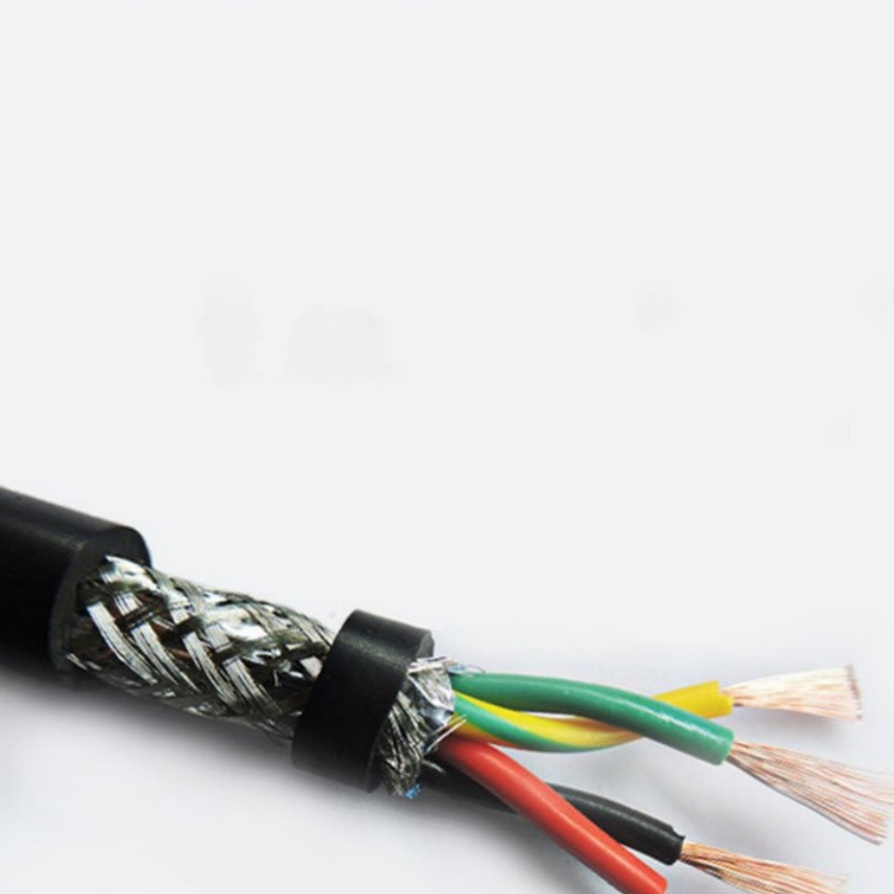
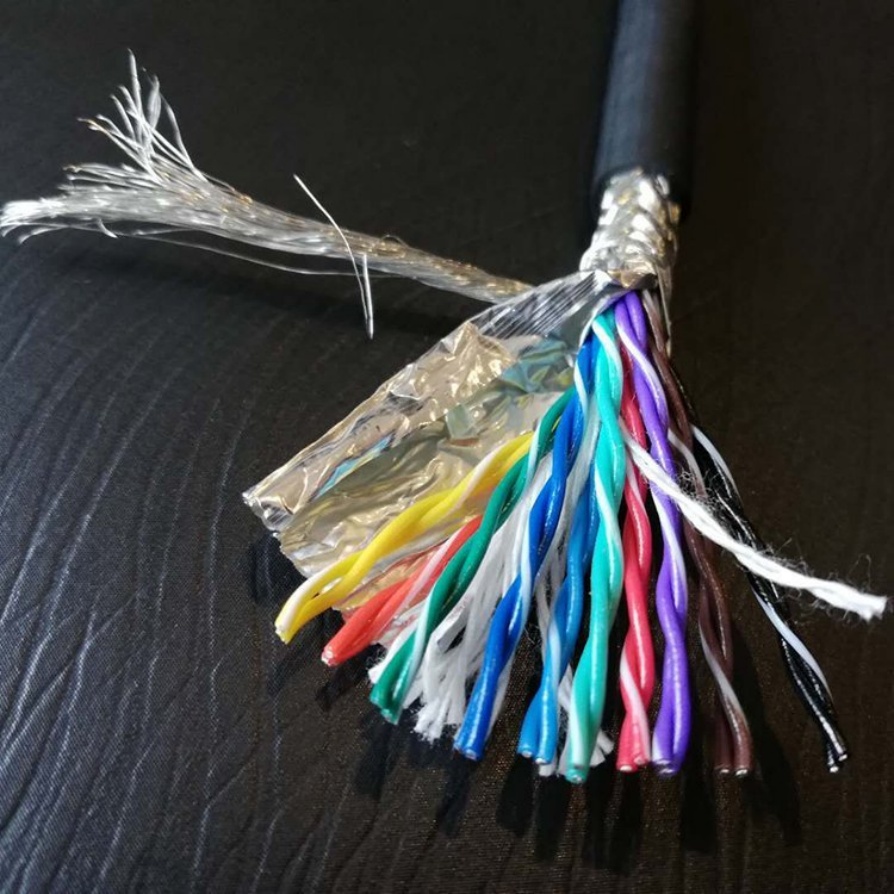
Low-voltage machine cables are the most widely used in industrial settings, with voltage ratings typically ranging from 300V to 1kV. These cables are designed for use in control circuits, signal transmission, and power supply to small to medium-sized industrial machinery such as conveyors, pumps, motors (up to a certain horsepower), and instrumentation equipment. For instance, control cables used to operate the switches, sensors, and actuators of a production line often have a voltage rating of 600V, as they need to handle the low-voltage signals that regulate machine operations.
Another common low-voltage rating is 300V, which is frequently used for signal cables in industrial automation systems. These cables transmit sensitive data between programmable logic controllers (PLCs), human-machine interfaces (HMIs), and other control devices, where maintaining signal integrity at low voltages is crucial. Low-voltage machine cables are characterized by their thinner insulation compared to higher-voltage cables, but they still meet strict industry standards for durability and resistance to industrial hazards such as oil, chemicals, and mechanical stress.
Medium-Voltage Machine Cables (1kV to 35kV)
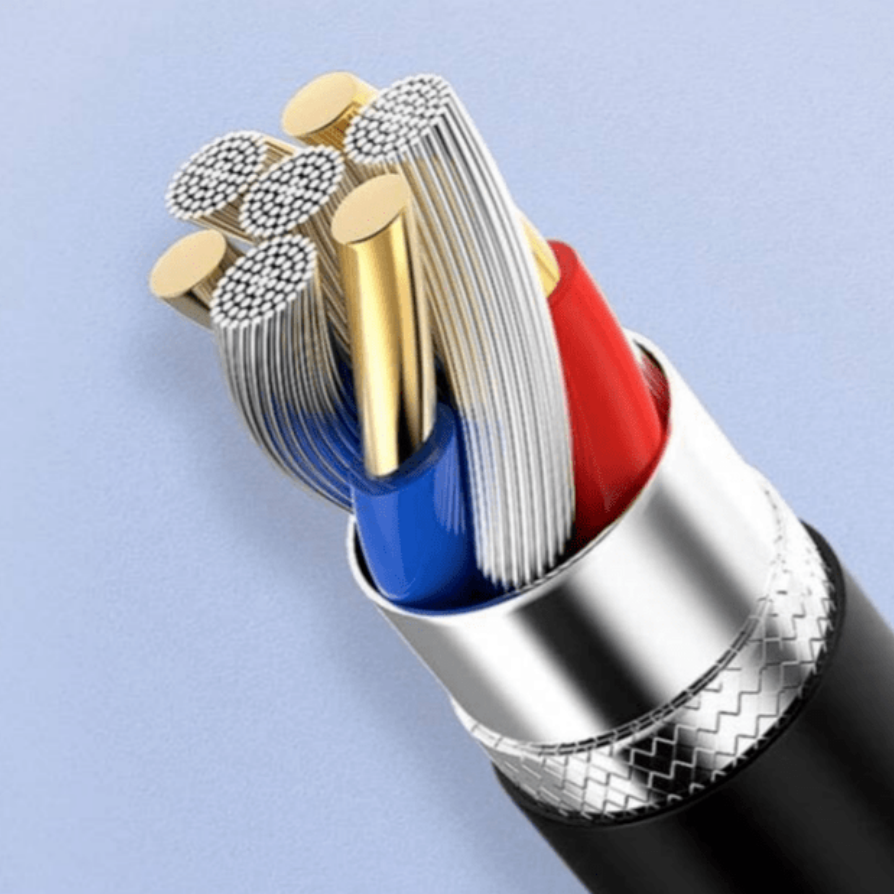
Medium-voltage machine cables are employed in industrial settings where higher power levels are required, such as in large motors, industrial transformers, and power distribution systems within factories or industrial complexes. Voltage ratings in this category include 5kV, 10kV, 15kV, and 35kV, among others. For example, a large industrial motor used in a steel mill or mining operation may require a 10kV machine cable to supply the high power needed for its operation. These cables feature thicker, more robust insulation materials such as cross-linked polyethylene (XLPE) or ethylene propylene rubber (EPR), which provide excellent dielectric strength to withstand the higher voltages.
Medium-voltage machine cables also need to be designed to handle higher current loads, as the power transmitted (P = V × I) increases with voltage. They are often armored or have additional protective layers to prevent damage from mechanical impact, moisture, and extreme temperatures—common challenges in heavy industrial environments. Proper installation and termination of medium-voltage cables are critical, as any flaws in these processes can lead to insulation failure and potentially catastrophic accidents.
High-Voltage Machine Cables (Above 35kV)
High-voltage machine cables are less common in typical industrial settings but are essential in specialized applications such as power generation plants (e.g., hydroelectric, thermal, or nuclear), large-scale chemical processing facilities, and high-voltage testing laboratories. Voltage ratings in this range can go up to 110kV, 220kV, or even higher for specific industrial projects. These cables are engineered with advanced insulation technologies, such as gas-insulated or oil-impregnated insulation, to ensure reliable performance at extremely high voltages.
Due to the high energy levels involved, high-voltage machine cables are subject to the most stringent safety and regulatory requirements. They are often installed in dedicated cable trays or underground ducts, away from personnel and other equipment, to minimize the risk of electric shock or arc flash incidents. Regular inspection and maintenance of high-voltage cables are also mandatory to detect any signs of insulation degradation or damage early on.
Key Factors Influencing Voltage Rating Selection for Machine Cable
Selecting the appropriate voltage rating for machine cable in industrial settings is not a one-size-fits-all process. Several factors must be carefully considered to ensure that the cable meets the specific needs of the application while adhering to safety standards. These factors include:
- System Voltage: The primary factor is the nominal voltage of the electrical system in which the cable will be installed. As mentioned earlier, the cable’s voltage rating must be at least equal to the system’s nominal voltage. For systems with frequent voltage fluctuations or transients (e.g., due to switching operations or motor startups), a higher voltage rating may be recommended to provide an adequate safety margin.
- Application Type: The type of industrial application plays a significant role in voltage rating selection. Control circuits and signal transmission require low-voltage cables, while power distribution to large machinery and equipment demands medium or high-voltage cables. For example, a robotic arm in an automotive assembly line will use a low-voltage control cable, whereas the main power feed to the assembly line’s power distribution panel may use a medium-voltage cable.
- Environmental Conditions: Industrial environments can be harsh, with exposure to extreme temperatures, moisture, chemicals, oil, dust, and mechanical abrasion. These conditions can affect the insulation properties of the cable over time. For instance, cables used in outdoor industrial settings or in areas with high humidity may require a higher voltage rating to compensate for potential insulation degradation caused by moisture. Similarly, cables exposed to chemicals may need specialized insulation materials that maintain their dielectric strength even when in contact with corrosive substances.
- Cable Length: The length of the machine cable can impact voltage drop, which is the reduction in voltage along the length of the cable due to its electrical resistance. For longer cable runs, a higher voltage rating may be necessary to ensure that the voltage at the load end (e.g., the machine) remains within the acceptable operating range. Voltage drop calculations are often performed during the design phase to determine the optimal cable size and voltage rating for long-distance installations.
- Industry Standards and Regulations: Industrial machine cables must comply with various international and regional standards and regulations, such as the International Electrotechnical Commission (IEC) standards, the National Electrical Code (NEC) in the United States, and the British Standards (BS) in the United Kingdom. These standards specify minimum voltage rating requirements for different types of industrial applications, ensuring that cables meet consistent safety and performance criteria. Non-compliance with these standards can result in fines, equipment downtime, and safety hazards.
Risks of Improper Voltage Rating Selection
Choosing the wrong voltage rating for machine cable in industrial settings can have severe consequences, both for personnel safety and the integrity of industrial operations. Some of the key risks include:
- Insulation Breakdown: If a cable’s voltage rating is too low for the system it is connected to, the insulation will eventually break down under the stress of the higher voltage. This can lead to arcing, which is a spark between the cable’s conductors and the ground or other conductors. Arcing can cause fires, damage to equipment, and electric shock to personnel.
- Equipment Failure: Insufficient voltage rating can also result in premature failure of the machine cable and the equipment it powers. For example, a low-voltage cable used in a medium-voltage system may overheat, leading to cable burnout and subsequent shutdown of the connected machinery. This can cause costly production downtime and the need for expensive repairs or replacements.
- Safety Hazards: The most critical risk of improper voltage rating selection is the threat to human life. Electric shock, arc flash, and fires caused by cable failure can result in serious injuries or fatalities. Industrial workplaces are required to prioritize safety, and using cables with the correct voltage rating is a fundamental part of meeting that obligation.
- Regulatory Non-Compliance: Using machine cables that do not meet the required voltage rating standards can lead to violations of industry regulations. This can result in legal penalties, mandatory equipment inspections, and even temporary closure of the facility until the issue is resolved.
FRS: Your Trusted Partner for High-Quality Machine Cable in Industrial Settings
When it comes to selecting machine cable in industrial settings with the correct voltage rating, quality, reliability, and compliance are non-negotiable. That’s where FRS comes in. As a leading manufacturer of industrial machine cables, FRS is committed to producing cables that meet the highest standards of performance, safety, and durability—tailored to the unique needs of industrial applications.
FRS understands the critical role that voltage rating plays in industrial operations. Our extensive range of machine cables covers all common voltage ratings, from low-voltage 300V control cables to high-voltage 110kV power cables, ensuring that we have the perfect solution for any industrial application. Each cable is designed using premium insulation materials, such as XLPE and EPR, and undergoes rigorous testing to ensure compliance with international standards like IEC, NEC, and BS. This means you can trust FRS cables to withstand the harsh conditions of industrial environments, from extreme temperatures and chemicals to mechanical stress and voltage fluctuations.
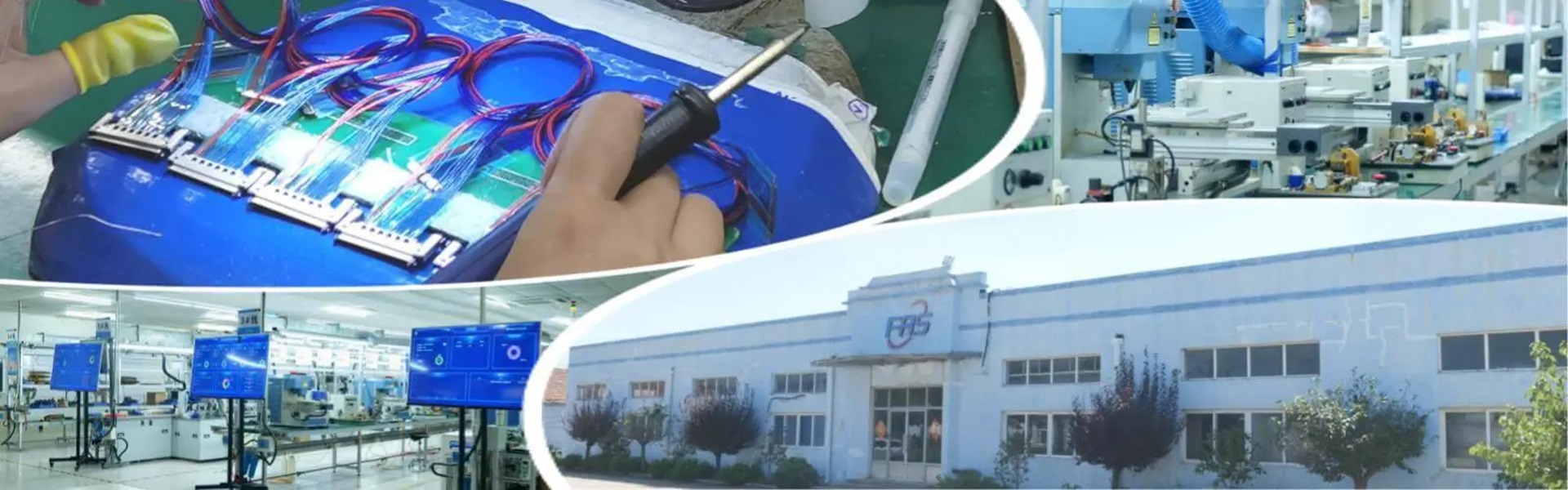
At FRS, we don’t just sell cables—we provide comprehensive solutions. Our team of experienced engineers works closely with customers to understand their specific application requirements, including system voltage, environmental conditions, and performance needs. We offer expert guidance on voltage rating selection, cable design, and installation, ensuring that you get the right cable for the job every time. Our state-of-the-art manufacturing facilities are equipped with advanced technology, allowing us to produce cables in large quantities while maintaining strict quality control. This ensures consistent product quality and on-time delivery, minimizing your production downtime.
Whether you need low-voltage cables for your automation systems, medium-voltage cables for your large motors, or high-voltage cables for your power distribution network, FRS has you covered. With a proven track record of supplying reliable machine cable in industrial settings to customers around the world, FRS is the brand you can depend on for safety, performance, and value. Choose FRS for your industrial machine cable needs and experience the difference that quality and expertise make.