What is the difference between machine cable and instrument cable
In the industrial landscape, cables serve as the lifelines of operations, ensuring the seamless transmission of power and signals across various equipment. However, not all cables are created equal—machine cable and instrument cable, two commonly used types, are designed for distinct purposes, each with unique characteristics tailored to specific industrial needs. Understanding the difference between machine cable and instrument cable is crucial for businesses to select the right solution, avoid operational disruptions, and optimize the performance of their industrial systems. This article delves into the key distinctions between these two cables, covering aspects such as application scenarios, electrical performance, structural design, environmental tolerance, and installation requirements.
1. Application Scenarios: Power Transmission vs. Precision Signal Transfer
The most fundamental difference between machine cable and instrument cable lies in their primary application purposes, which directly dictate their design and performance.
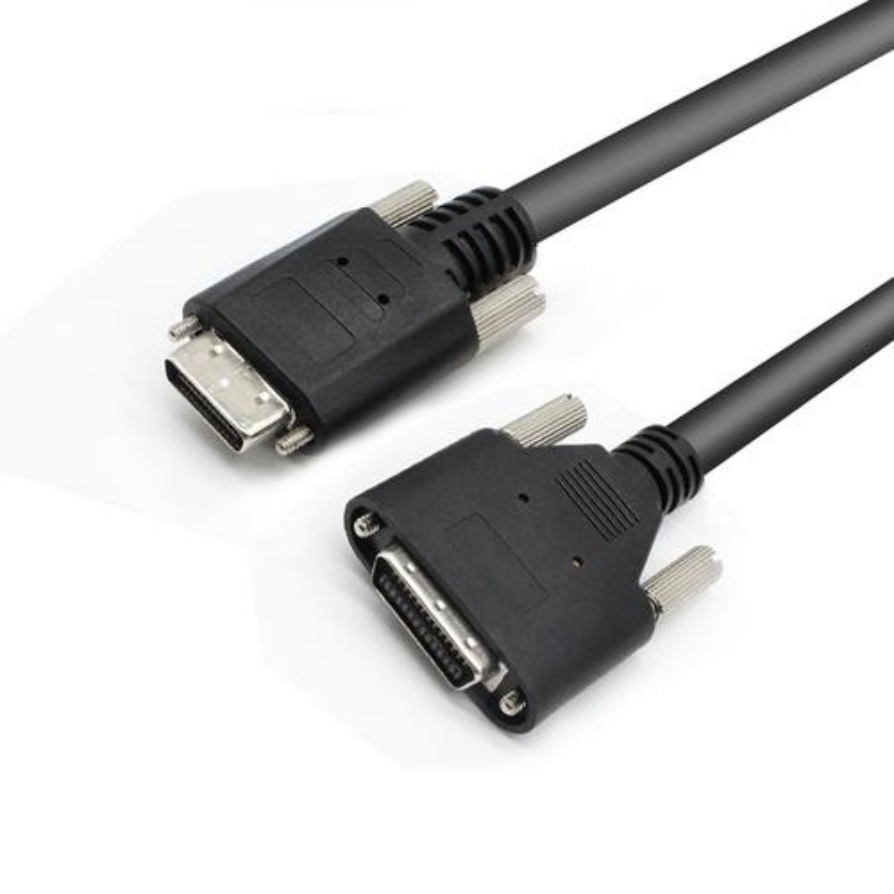
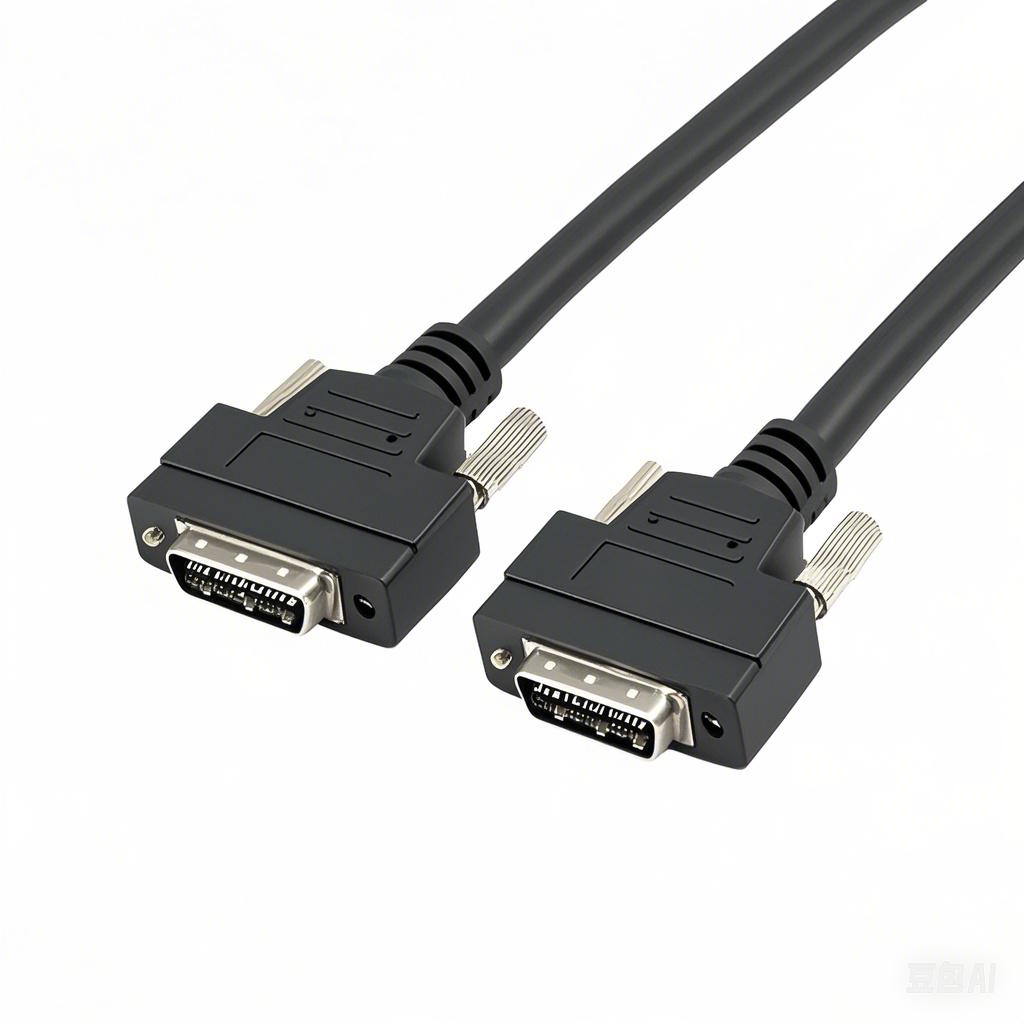
Machine Cable: Power and Basic Control Focus Machine cable, also known as power machine cable or control machine cable, is primarily engineered to transmit electrical power to industrial machinery and handle basic control signals. Its core function is to supply the necessary energy for machines to operate and facilitate simple on/off, start/stop, or speed-adjustment commands. Common applications include connecting motors, pumps, conveyors, compressors, and other heavy-duty industrial equipment in manufacturing plants, factories, and industrial facilities. For example, in an automotive assembly line, machine cables power the robotic arms that weld car parts and transmit control signals to adjust their movement paths. In a mining site, they supply power to crushers and conveyors that transport raw materials. Due to its focus on power delivery, machine cable is designed to handle higher current loads and withstand the mechanical stress associated with heavy machinery.
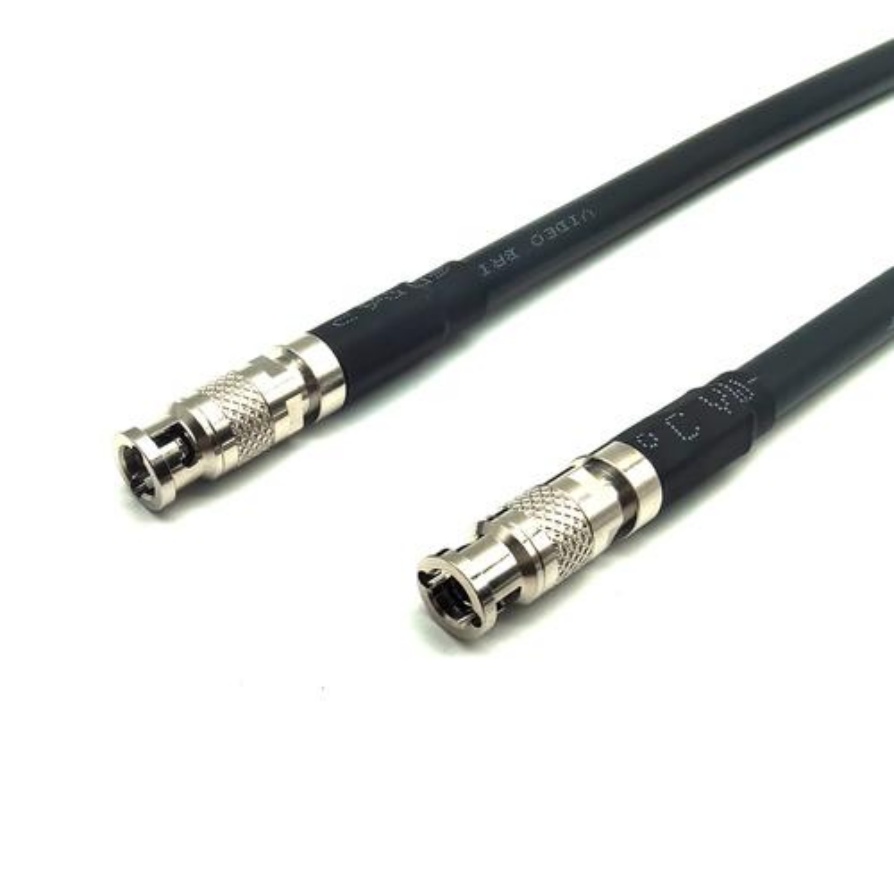
Instrument Cable: Precision Signal Transmission Instrument cable, by contrast, is specialized for transmitting low-voltage, high-precision signals from sensitive instruments, sensors, and measurement devices. Its primary role is to ensure accurate data transfer between components such as pressure sensors, temperature gauges, flow meters, pH analyzers, and control systems like PLCs (Programmable Logic Controllers) or DCS (Distributed Control Systems). These signals are often weak and vulnerable to interference, so instrument cable must prioritize signal integrity. Applications are widespread in industries that rely on precise monitoring and control, such as石油化工 (petrochemical), pharmaceutical manufacturing, food processing, and laboratory environments. For instance, in a chemical plant, instrument cables carry signals from pressure sensors in reaction vessels to the DCS, allowing operators to monitor and adjust pressure levels in real time. In a pharmaceutical lab, they transmit data from chromatographs to computers for accurate chemical analysis. Unlike machine cable, instrument cable is not intended for high-power transmission but rather for preserving the accuracy of delicate signals.
2. Electrical Performance: Current Capacity vs. Signal Integrity
Electrical performance parameters are another critical area where machine cable and instrument cable differ significantly, driven by their respective roles in power and signal transmission.
Machine Cable Electrical Traits Machine cable is designed to handle higher current ratings and voltage levels to meet the power demands of industrial machinery. Typical voltage ratings for machine cables range from 300V/500V to 600V/1000V or higher, depending on the application. Current capacity is determined by the conductor size—machine cables often feature thicker conductors (e.g., 14 AWG to 4/0 AWG) to minimize resistance and heat generation during power transmission. Additionally, machine cable may need to support both AC (alternating current) and DC (direct current) power sources, depending on the equipment it powers. While signal transmission is part of its function, the signals are usually low-frequency and less sensitive, so the emphasis is on reliable power delivery rather than signal precision. However, some machine cables do include basic shielding to reduce interference for control signals, though this is not as robust as that of instrument cables.
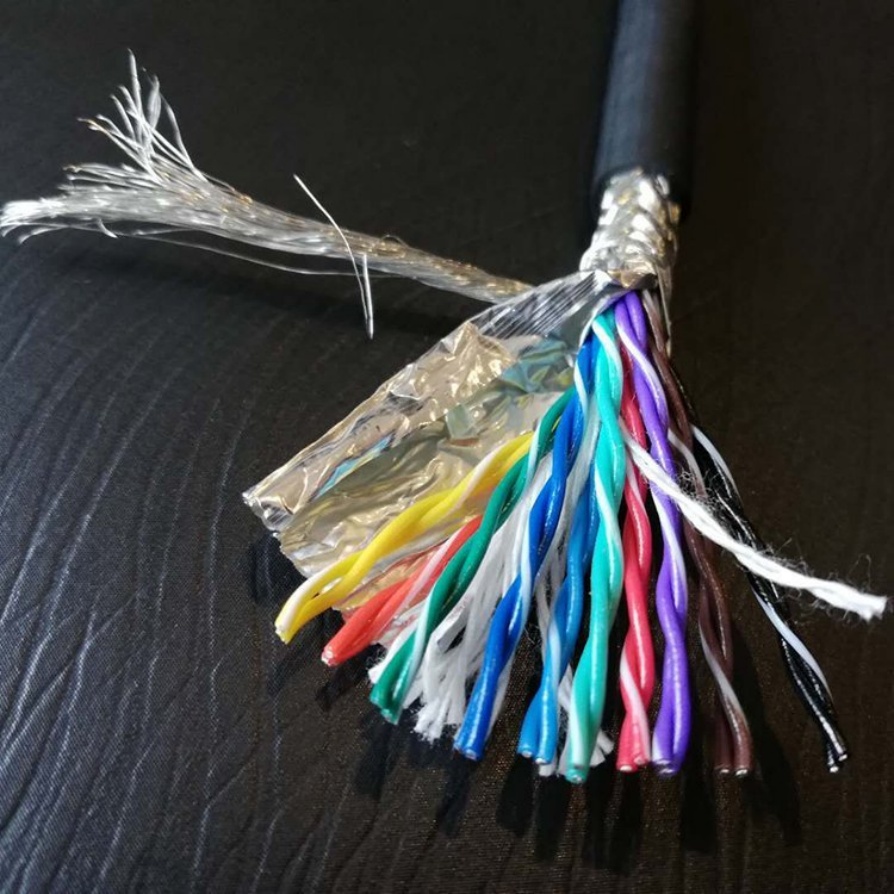
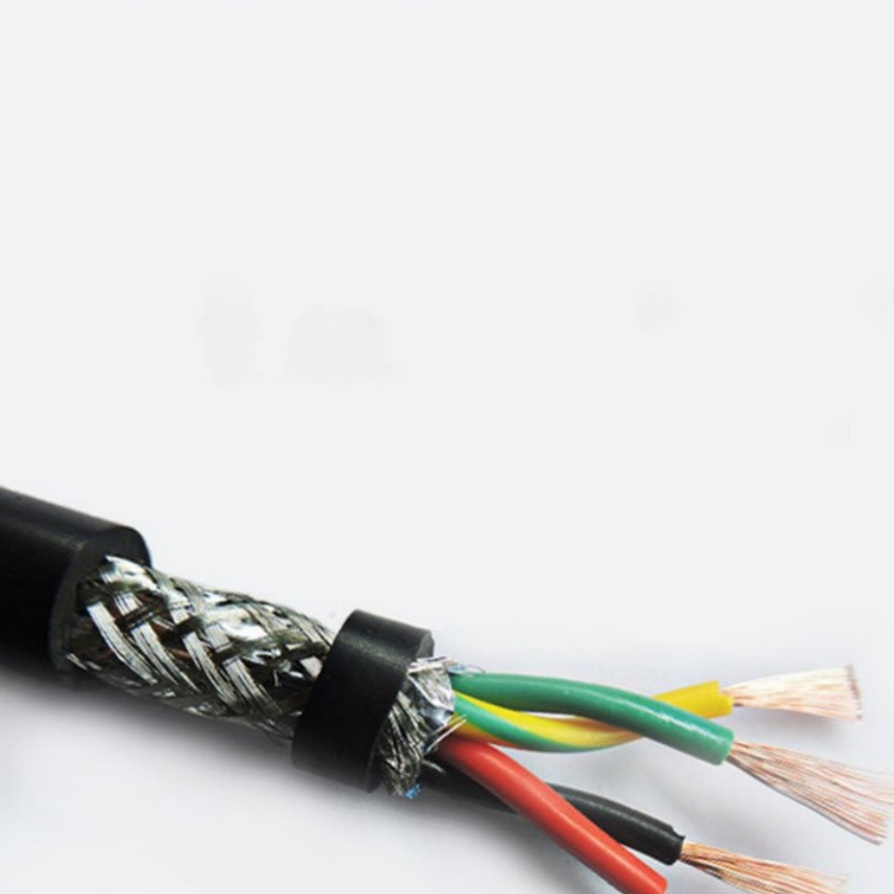
Instrument Cable Electrical Traits Instrument cable operates at much lower voltage levels (often below 300V) and is focused on maintaining signal integrity. The signals transmitted are typically low-amplitude, high-frequency, or analog, making them susceptible to electromagnetic interference (EMI), radio frequency interference (RFI), and crosstalk (interference between adjacent wires). To address this, instrument cable incorporates advanced shielding technologies, such as twisted pairs (to cancel out EMI), foil shielding (for comprehensive coverage), braided shielding (for mechanical durability and EMI protection), or a combination of foil and braid (for maximum interference rejection). Impedance matching is also critical for instrument cable, especially in digital signal applications, to ensure that the signal is not reflected or distorted as it travels from the source to the receiver. Conductor sizes for instrument cables are generally smaller (e.g., 18 AWG to 26 AWG) since they carry minimal current, with the focus on signal clarity rather than current capacity.
3. Structural Design: Durability vs. Signal Protection
The physical structure of machine cable and instrument cable is tailored to their operational requirements, with machine cable prioritizing mechanical durability and instrument cable focusing on signal protection.
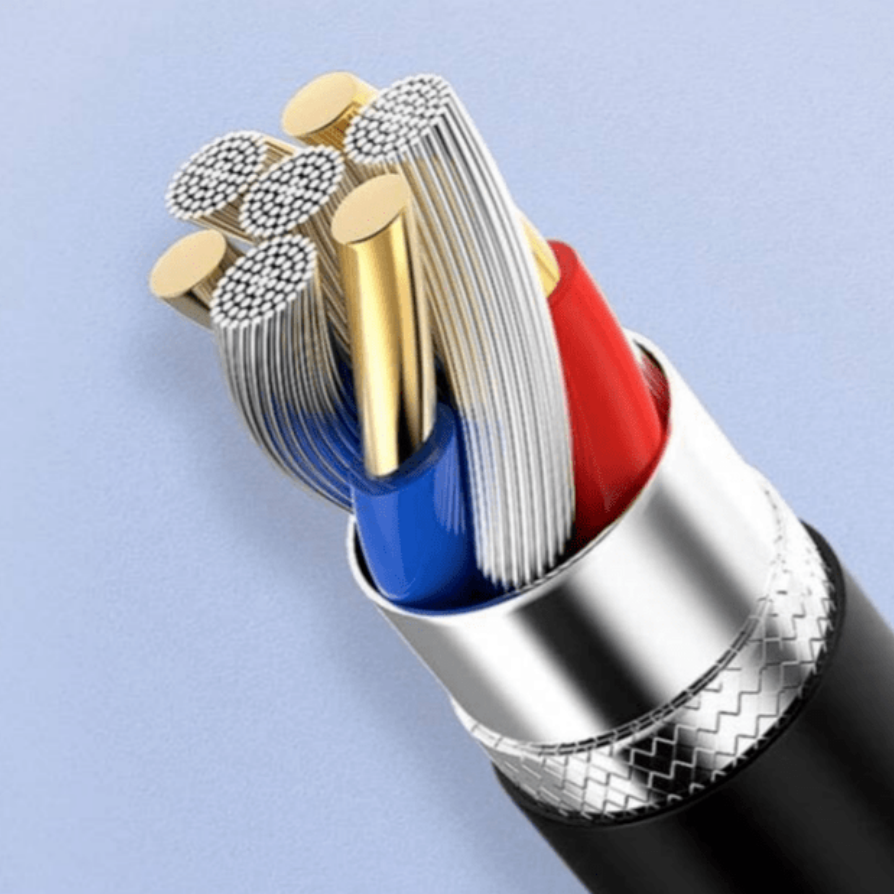
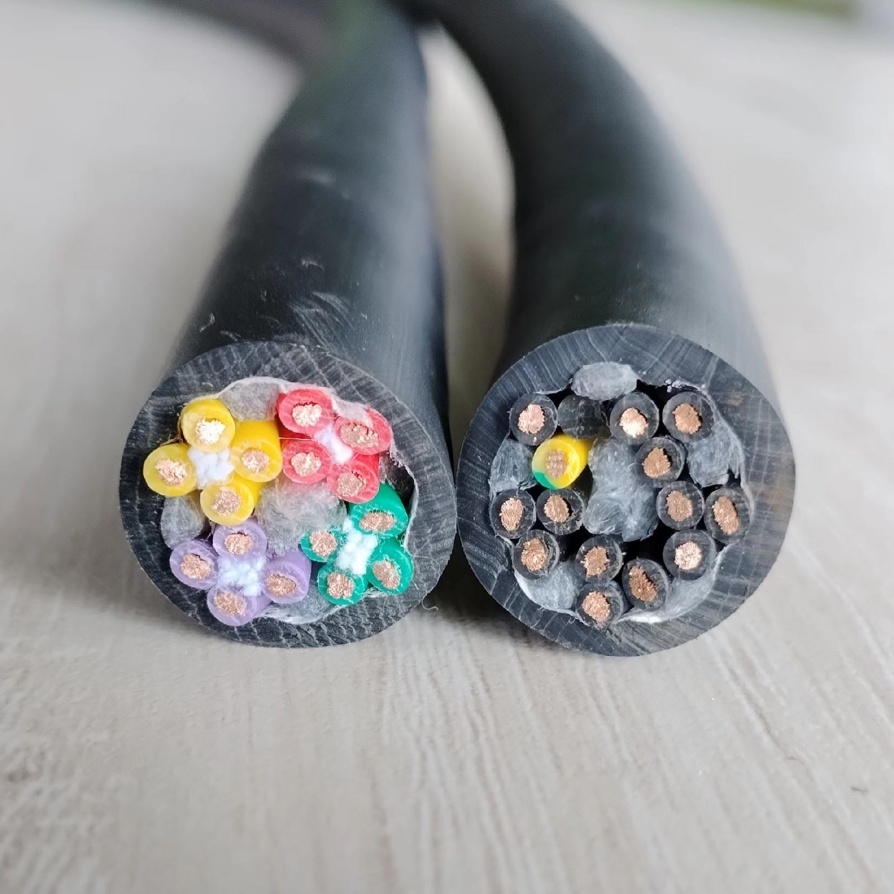
Machine Cable Structure Machine cable is built to withstand harsh industrial environments and mechanical stress. Its structure typically includes: – Conductor: Stranded copper conductors are common, as they offer greater flexibility than solid conductors, allowing the cable to bend and move with machinery without breaking. – Insulation: Materials like PVC (Polyvinyl Chloride), XLPE (Cross-Linked Polyethylene), or EPR (Ethylene Propylene Rubber) are used for insulation. These materials provide good electrical insulation, heat resistance, and resistance to oils and chemicals commonly found in industrial settings. – Sheath: The outer sheath is thick and robust, made from PVC, PUR (Polyurethane), or neoprene. PUR is particularly popular for machine cables due to its excellent abrasion resistance, flexibility, and resistance to oils and solvents. The sheath protects the cable from physical damage, such as impact, crushing, or cuts from machinery parts. – Shielding (Optional): Some machine cables include a braided or foil shield for control signal lines, but this is not universal. When present, it is often lighter than the shielding in instrument cables.
Instrument Cable Structure Instrument cable’s structure is optimized to protect sensitive signals. Key components include: – Conductor: Stranded or solid copper conductors, with stranded conductors preferred for applications requiring flexibility. The conductors are often tinned to prevent corrosion, especially in humid or corrosive environments. – Insulation: High-quality insulation materials like PTFE (Polytetrafluoroethylene), PE (Polyethylene), or PVC are used. PTFE is ideal for high-temperature applications and offers excellent chemical resistance, while PE provides low capacitance, which helps maintain signal integrity. – Shielding: As mentioned earlier, shielding is a critical component. Twisted pairs are standard for most instrument cables, with each pair twisted at a specific pitch to reduce crosstalk. Foil shielding (aluminum-polyester foil) provides 100% coverage against EMI, while braided shielding (copper or tinned copper braid) offers better mechanical strength and grounding. Some high-performance instrument cables use a combination of foil and braid shielding for maximum protection. – Sheath: The outer sheath is usually made from PVC, PE, or PTFE. It is designed to be flexible and resistant to chemicals and environmental factors but is not as thick or heavy as machine cable sheaths, since instrument cables are often installed in less mechanically harsh locations (e.g., control panels, instrument enclosures).
4. Environmental Tolerance: Harsh Conditions vs. Controlled Environments
Machine cable and instrument cable are exposed to different environmental conditions, so their tolerance to factors like temperature, moisture, chemicals, and mechanical stress varies.
Machine Cable Environmental Resistance Machine cables are typically used in exposed, harsh industrial environments, so they must withstand a wide range of temperatures. They can operate in temperatures from -40°C to 105°C or higher, depending on the insulation and sheath materials. For example, XLPE-insulated machine cables can handle higher temperatures than PVC-insulated ones. They are also resistant to oils, greases, solvents, and industrial chemicals, as well as water and moisture (many machine cables are rated IP67 or higher for防水防尘). Additionally, machine cables are designed to resist mechanical abrasion, impact, and vibration from operating machinery. Some are even flame-retardant or halogen-free to meet safety standards in hazardous environments.
Instrument Cable Environmental Resistance Instrument cables are often installed in more controlled environments, such as control rooms, instrument panels, or conduit systems, but they still need to resist certain environmental factors. Temperature tolerance ranges from -20°C to 80°C for standard cables, with high-temperature versions (using PTFE) capable of handling up to 200°C. They are resistant to moisture, chemicals, and oils, but their primary environmental concern is avoiding EMI/RFI sources rather than mechanical damage. Some instrument cables are rated for use in hazardous areas (e.g., Class I, Division 2) where flammable gases or vapors may be present, requiring flame-retardant and low-smoke zero-halogen (LSZH) sheaths.
5. Installation and Maintenance: Flexibility vs. Precision Routing
Installation and maintenance requirements also differ between machine cable and instrument cable, based on their design and application.
Machine Cable Installation Machine cable installation often involves routing through tight spaces, around machinery, or in cable trays. Due to its flexibility (especially with stranded conductors and PUR sheaths), it can be easily bent and maneuvered. However, its thicker sheath and larger size may require more robust support structures, such as heavy-duty cable trays or conduit. Machine cables are also often subject to frequent movement (e.g., on robotic arms or moving conveyors), so they need to have good flex life to avoid fatigue failure. Maintenance involves regular inspections for physical damage, such as cuts, abrasions, or insulation wear, as well as checking for overheating due to overcurrent.
Instrument Cable Installation Instrument cable installation requires precision to minimize signal interference. It should be routed away from high-voltage power cables (which generate EMI) and sources of RFI (e.g., motors, transformers, radio transmitters). Twisted pairs and shielding must be properly grounded to ensure effective interference rejection—incorrect grounding can render shielding useless. Instrument cables are often installed in conduit or cable trays dedicated to low-voltage signals, separate from power cables. They are less flexible than machine cables (especially those with multiple shielding layers) but still need to be routed neatly to avoid kinking or stretching, which can damage the shielding or conductors. Maintenance focuses on checking for signal degradation, loose connections, or damage to the shielding, as these can affect the accuracy of instrument readings.
How to Choose Between Machine Cable and Instrument Cable
Selecting the right cable depends on your specific application needs. Here are key questions to consider: – What is the primary function? If you need to transmit power to machinery or basic control signals, machine cable is the choice. For precise instrument signals, opt for instrument cable. – What are the electrical requirements? Check voltage, current, and signal type (analog/digital, high/low frequency) to match the cable’s electrical ratings. – What is the environment like? Consider temperature, moisture, chemicals, mechanical stress, and EMI/RFI sources to select a cable with appropriate environmental resistance. – What are the installation constraints? Evaluate flexibility, routing space, and grounding requirements to ensure easy and effective installation.
Why Choose FRS for Your Machine and Instrument Cable Needs
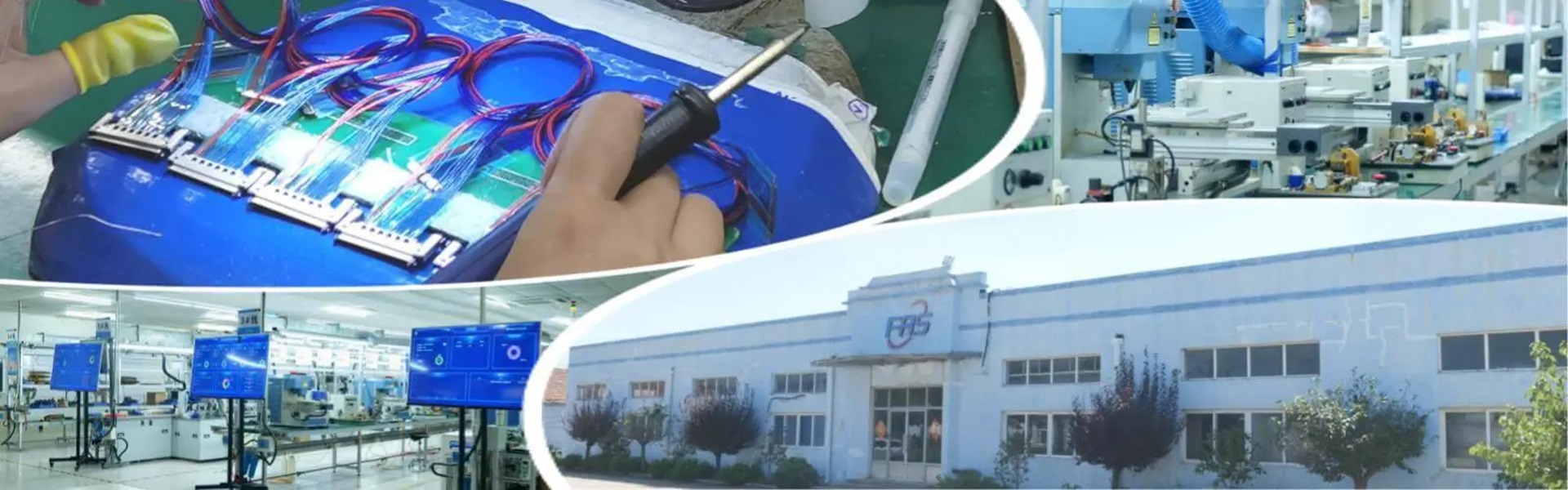
When it comes to sourcing high-quality machine and instrument cables that meet the strict demands of industrial applications, FRS is a trusted partner. With years of experience in manufacturing industrial cables, FRS understands the critical difference between machine cable and instrument cable and leverages this expertise to produce cables tailored to each application. FRS machine cables are engineered for durability and reliable power transmission, featuring robust sheaths, high-current conductors, and resistance to harsh industrial environments. Whether you need cables for manufacturing machinery, mining equipment, or automotive production lines, FRS machine cables deliver consistent performance and long service life. For instrument cables, FRS prioritizes signal integrity, incorporating advanced shielding technologies (twisted pairs, foil/braid combinations) and high-quality insulation materials to ensure accurate data transmission even in EMI-prone environments. Our instrument cables are ideal for petrochemical plants, pharmaceutical labs, and any application where precision monitoring is essential. At FRS, we adhere to strict international standards (e.g., IEC, UL, CSA) in every stage of production, from raw material selection to quality testing. Our state-of-the-art manufacturing facilities are equipped with advanced machinery and quality control systems to ensure that every cable meets or exceeds customer expectations. Additionally, we offer custom cable solutions to address unique application requirements, working closely with customers to design cables that fit their specific needs. Choose FRS for your machine and instrument cable needs, and experience the reliability, performance, and expertise that have made us a leading brand in the industrial cable industry. Contact us today to learn more about our products and how we can support your operations.