How to check for short circuits in machine cable
Machine cables are the lifelines of industrial equipment, and short circuits can lead to equipment downtime, costly repairs, or even safety hazards like fires and electric shocks. Identifying short circuits promptly and accurately is crucial for maintaining operational efficiency and workplace safety. This article outlines a step-by-step guide to checking for short circuits in machine cables, along with key tips to ensure reliable results.
1. Preparation Before Inspection
Before starting any checks, safety must be the top priority. First, disconnect the machine from its power source and lock the power switch to prevent accidental reconnection—this eliminates the risk of electric shock during the inspection. Next, gather the necessary tools: a digital multimeter (DMM) (preferably with a continuity test function), an insulation resistance tester (megohmmeter) for deeper insulation checks, wire strippers (if needed), and a flashlight for inspecting hard-to-reach areas. Additionally, have the machine’s cable schematic or wiring diagram on hand; this helps locate cable routes, connectors, and critical components, making the inspection more efficient.
2. Step-by-Step Short Circuit Detection
Step 1: Visual Inspection
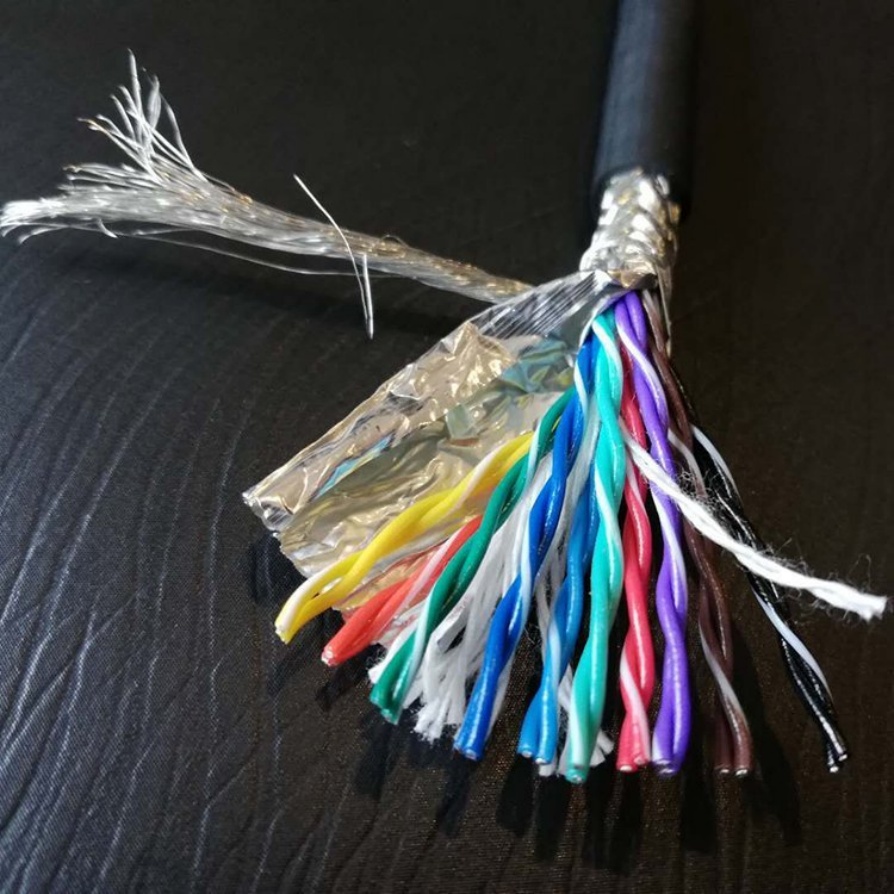
Begin with a thorough visual check of the entire cable length. Look for obvious signs of damage that could cause short circuits, such as: frayed or exposed wires (especially at cable bends, connectors, or areas where the cable rubs against sharp edges), burn marks, melted insulation (indicative of overheating from a short), or signs of moisture intrusion (which can degrade insulation). Pay close attention to cable glands, junction boxes, and connections to terminals—these are common failure points. If any visible damage is found, mark the area for further testing.
Step 2: Continuity Test with Multimeter
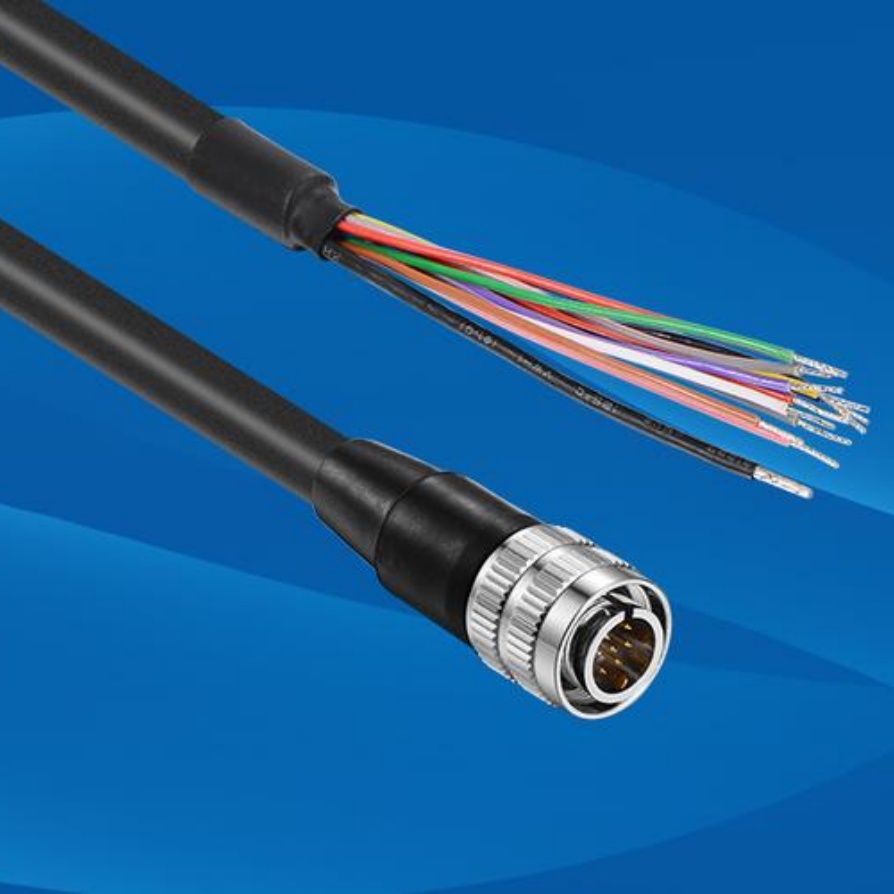
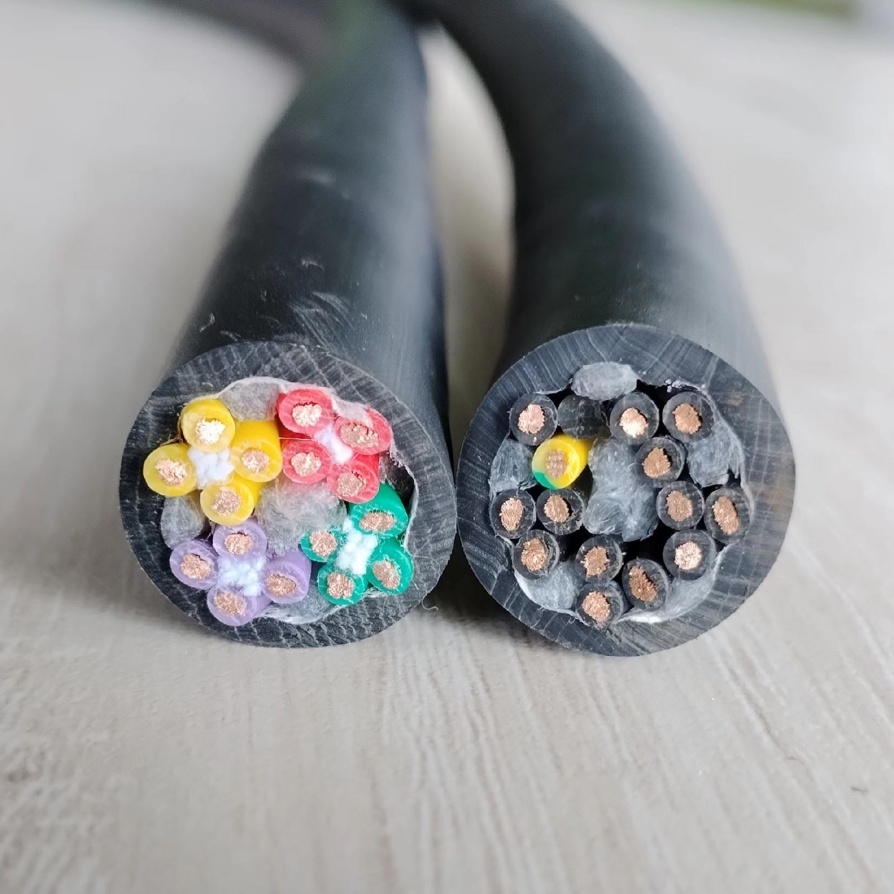
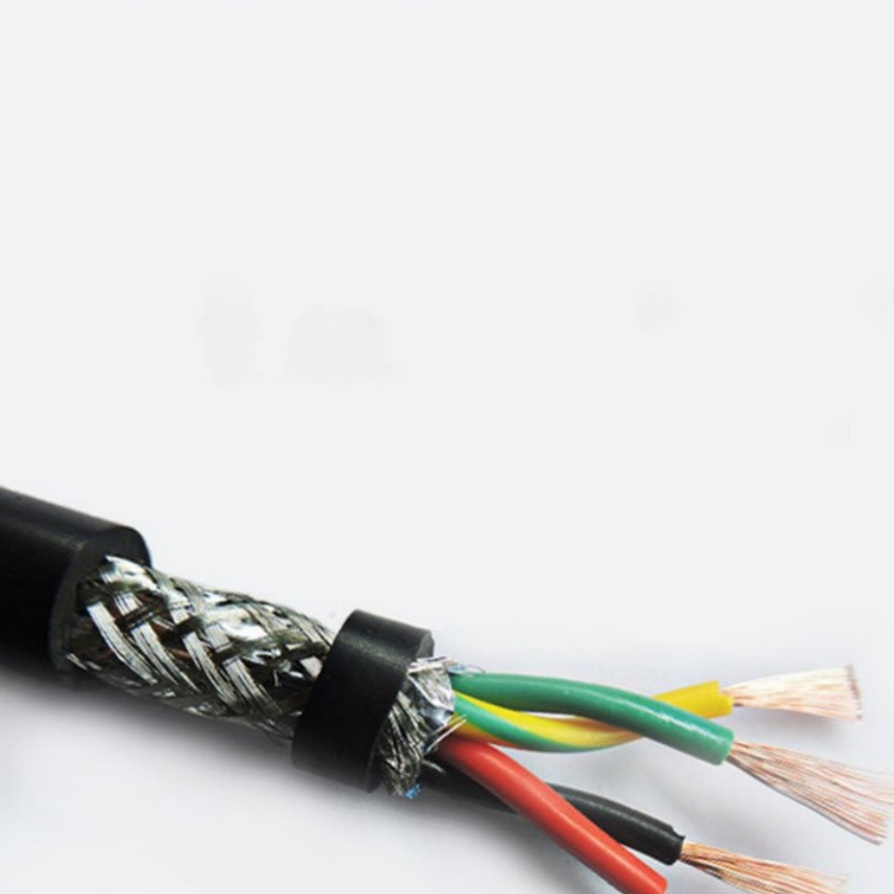
Set your DMM to the continuity mode (usually indicated by a sound icon). For a single-core cable, touch one test lead to one end of the cable conductor and the other lead to the opposite end. A continuous beep indicates the conductor is intact. For multi-core cables, test each core individually: isolate one core by disconnecting it from both ends, then check continuity between its two ends. If continuity is absent, there may be a break, but if continuity exists between two different cores (when they shouldn’t be connected), this confirms a short circuit between those cores.
Step 3: Insulation Resistance Test
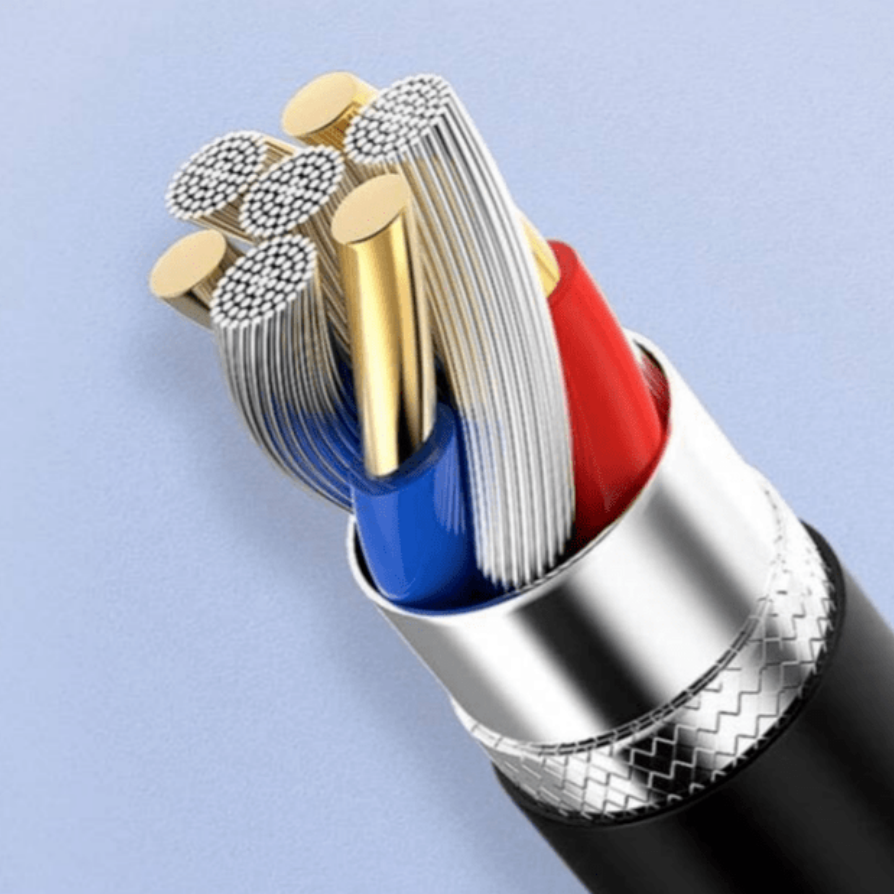
A continuity test can detect direct shorts, but an insulation resistance test (using a megohmmeter) reveals degradation in insulation that may lead to short circuits over time. Set the megohmmeter to the appropriate voltage (typically 500V or 1000V for industrial cables). Connect one lead to the cable conductor and the other lead to the cable’s shielding or ground. For multi-core cables, test each core against ground and against other cores. A healthy cable should show high insulation resistance (usually above 10 MΩ). If the resistance is low (below 1 MΩ), it indicates insulation breakdown, which is a precursor to or cause of short circuits.
Step 4: Localize the Short Circuit
If a short is detected but not visually obvious, use the half-inch method to localize it. Disconnect the cable from both ends and split the cable into two halves. Test each half for a short using the continuity or insulation test. The half that shows the short contains the fault. Repeat this process (splitting the faulty half into smaller sections) until the exact location of the short is found. This method saves time compared to testing the cable inch by inch, especially for long cables.
3. Post-Inspection Actions
Once the short circuit is located, repair or replace the damaged section. For minor insulation damage, use heat-shrink tubing or electrical tape (ensure it’s rated for the cable’s voltage and environment). For severe damage (e.g., frayed conductors or extensive insulation breakdown), replace the entire cable to avoid recurring issues. After repair/replacement, re-test the cable using the same methods to confirm the short has been resolved. Finally, document the inspection findings, including the location of the fault, repair actions taken, and test results—this helps track cable performance and prevent future problems.
4. Key Tips for Reliable Checks
- Always calibrate your testing tools (multimeter, megohmmeter) regularly to ensure accurate readings.
- Keep cables clean and dry during inspection—dirt and moisture can interfere with test results.
- For cables in harsh environments (e.g., high temperature, chemicals), use specialized testing tools rated for those conditions.
- Train personnel on proper testing procedures to avoid human error and ensure safety.
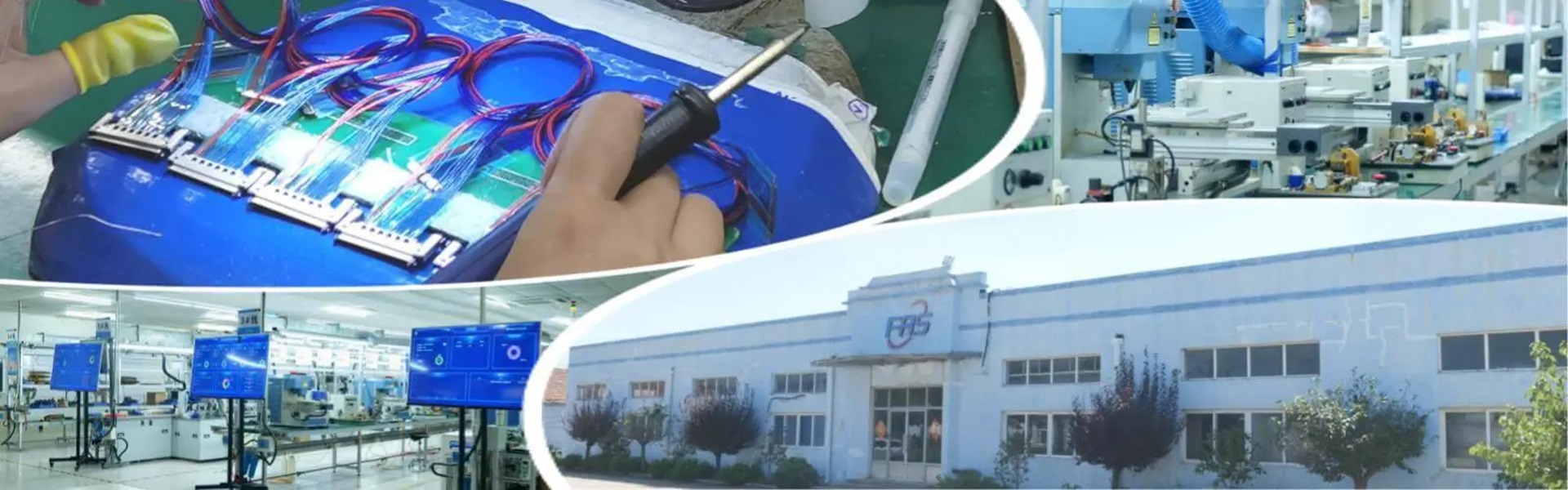
When it comes to machine cables, prevention and timely detection are key. FRS brand factory understands the critical role of high-quality cables in industrial operations. Our machine cables are engineered with durable insulation materials, robust conductors, and严格的 quality control processes to minimize the risk of short circuits. Each cable undergoes rigorous testing—including insulation resistance and continuity checks—before leaving the factory, ensuring reliable performance even in demanding environments. Whether you need replacement cables or custom solutions, FRS delivers products that keep your machines running safely and efficiently. Choose FRS for peace of mind in every connection.