Custom Machine Cable Assemblies: Key Considerations and Applications
In the realm of industrial machinery and precision equipment, standard off-the-shelf cable assemblies often fail to meet the unique demands of specialized systems. Custom machine cable assemblies emerge as a critical solution, tailored to fit specific mechanical, electrical, and environmental requirements. Unlike generic options, these assemblies are engineered to optimize performance, enhance reliability, and reduce downtime in complex machinery setups—making them indispensable for industries where precision and efficiency are non-negotiable.
Key Considerations in Designing Custom Machine Cable Assemblies
Designing effective custom machine cable assemblies requires a holistic approach that aligns with the application’s unique constraints. Below are the most critical factors to prioritize:
1. Electrical Performance Requirements
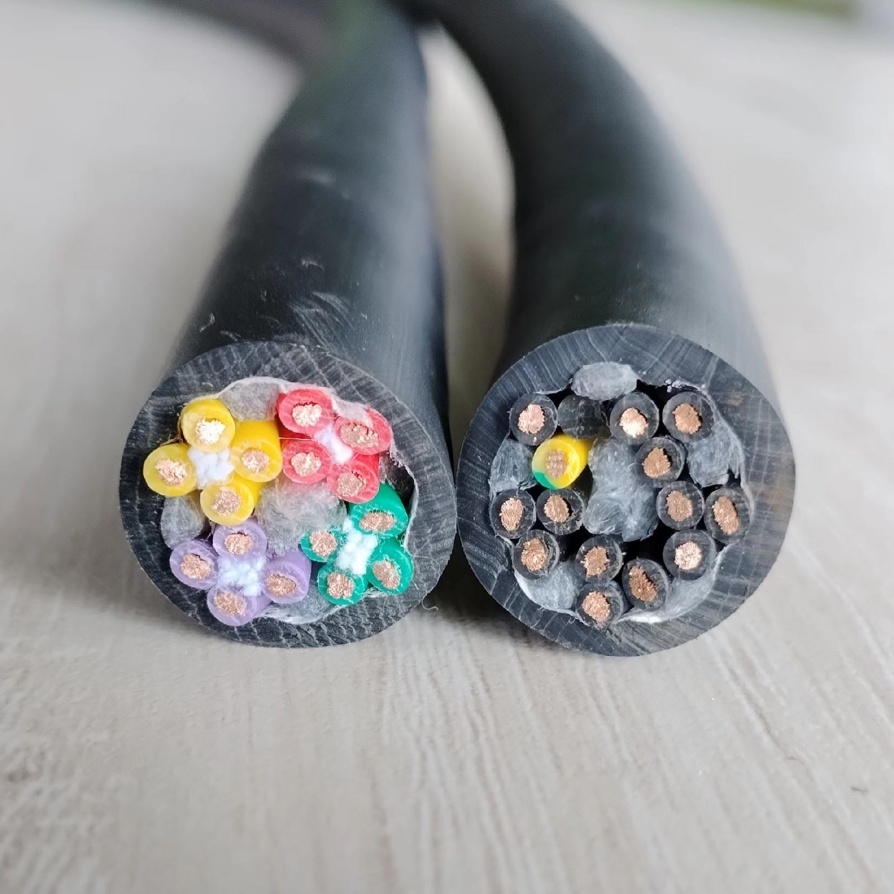
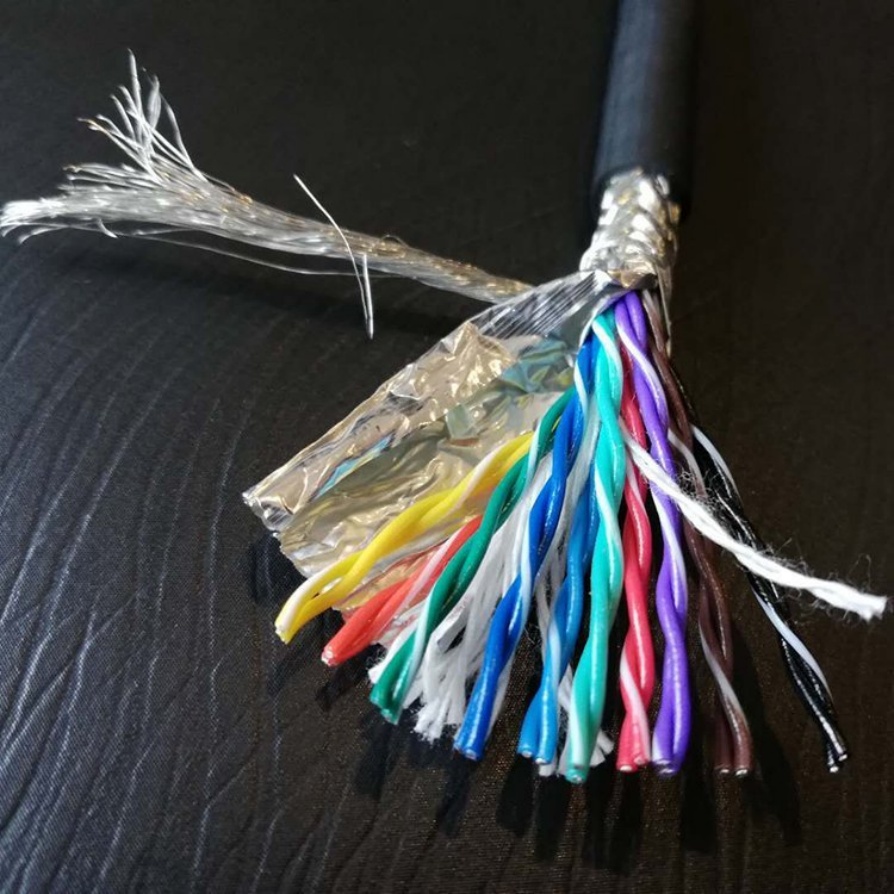
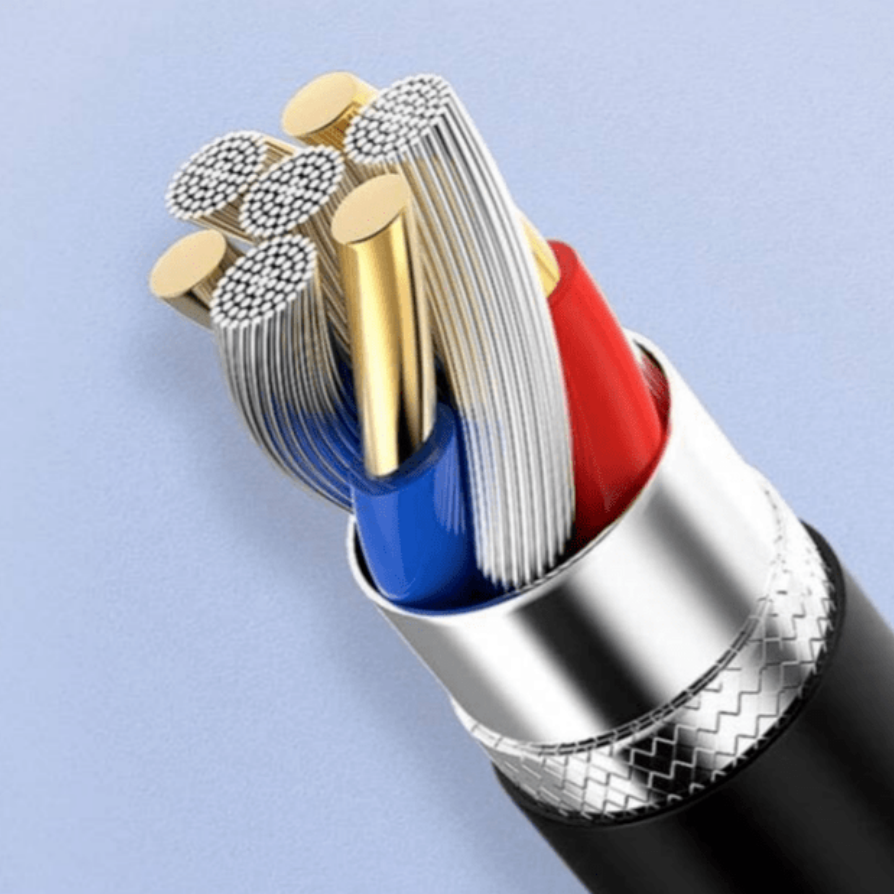
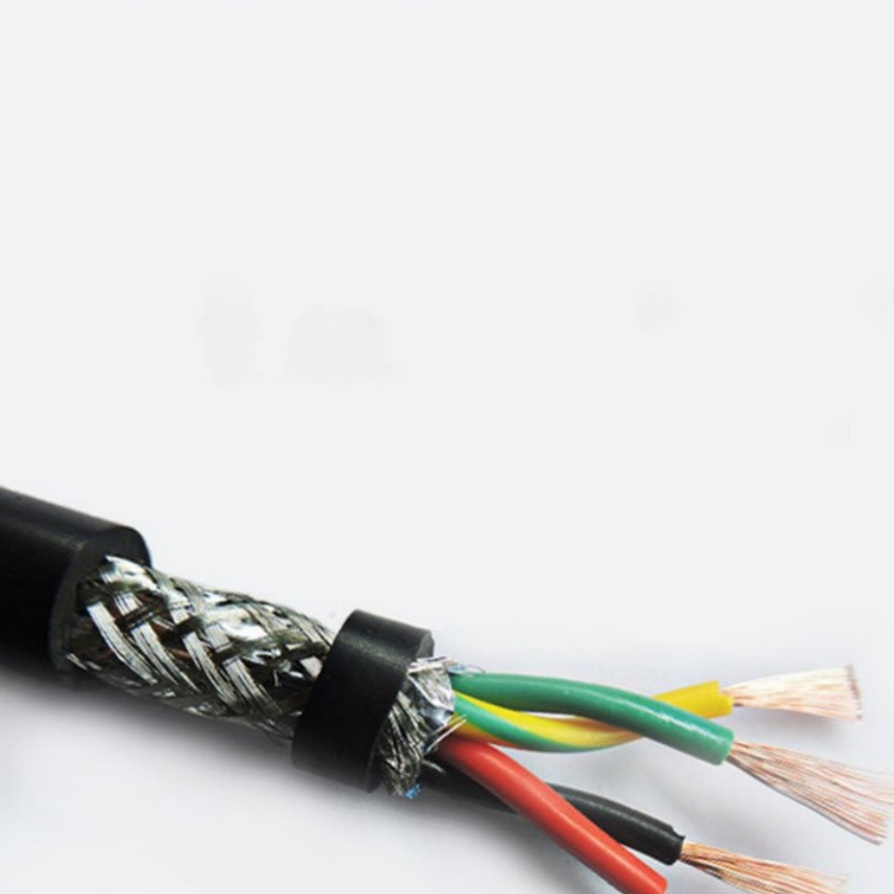
The primary function of any cable assembly is to transmit power or signals accurately. For custom solutions, this means matching the assembly to the machine’s electrical specifications: voltage and current ratings must be sufficient to avoid overheating or signal loss; impedance control is vital for high-frequency data transmission in automated systems; and shielding (such as braided, foil, or spiral shielding) must be selected to minimize electromagnetic interference (EMI) from nearby components. For example, in robotic arms used in automotive manufacturing, shielded custom cables prevent EMI from disrupting precise movement commands.
2. Mechanical Durability and Form Factor
Machine cable assemblies often operate in environments with constant movement, vibration, or physical stress. Custom designs must account for mechanical durability: choosing flexible conductors (like stranded copper) for applications requiring repeated bending; selecting abrasion-resistant jackets (such as PVC, PUR, or TPE) for cables exposed to friction or harsh chemicals; and optimizing the cable’s length and routing to avoid tension or kinking. In packaging machinery, where cables are frequently flexed during conveyor operations, custom assemblies with high flex-life ratings (often 10+ million cycles) ensure long-term reliability.
3. Environmental Adaptability
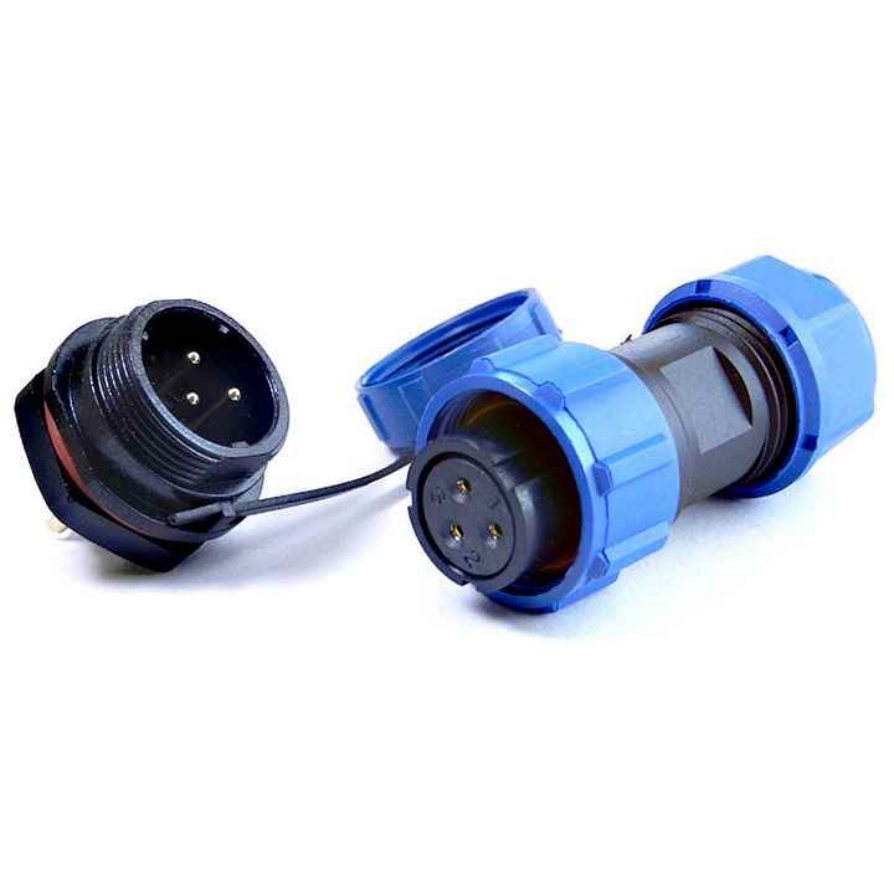
Industrial environments vary widely, and custom cable assemblies must be engineered to withstand extreme conditions. This includes resistance to temperature fluctuations (from -40°C in cold storage to 150°C in industrial ovens), moisture and humidity (IP-rated jackets for washdown areas in food processing), and exposure to oils, solvents, or UV radiation. For outdoor machinery or offshore equipment, custom assemblies with marine-grade materials prevent corrosion and degradation over time.
4. Customization Flexibility
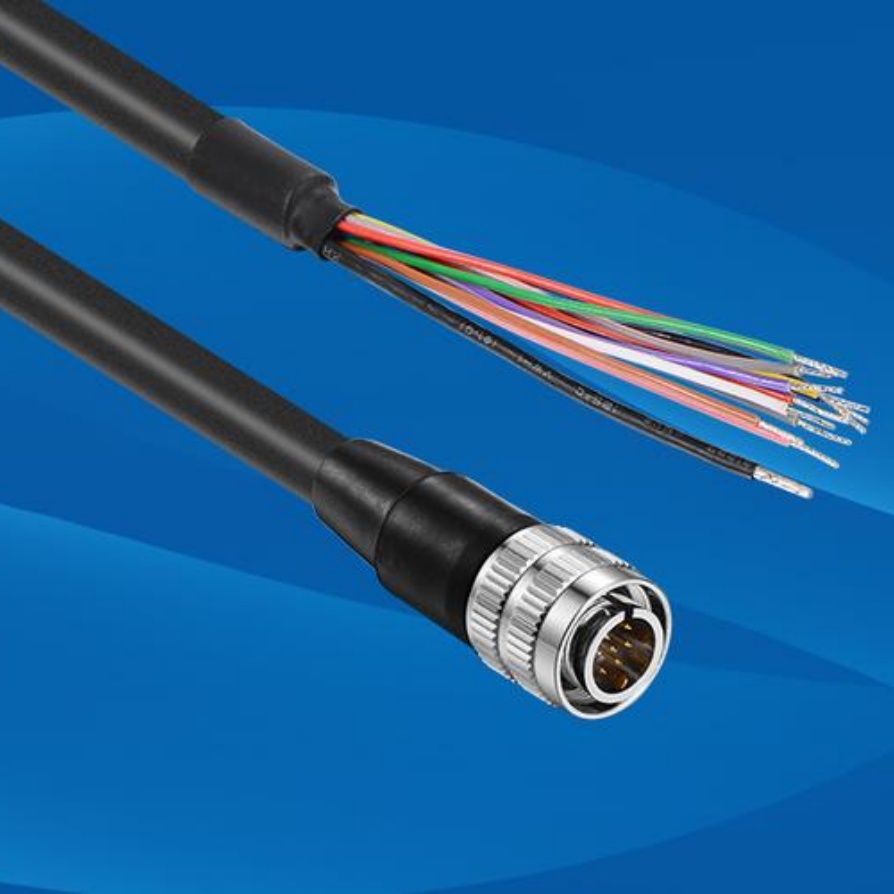
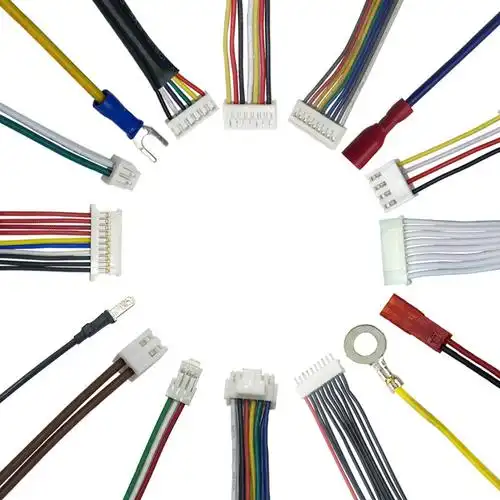
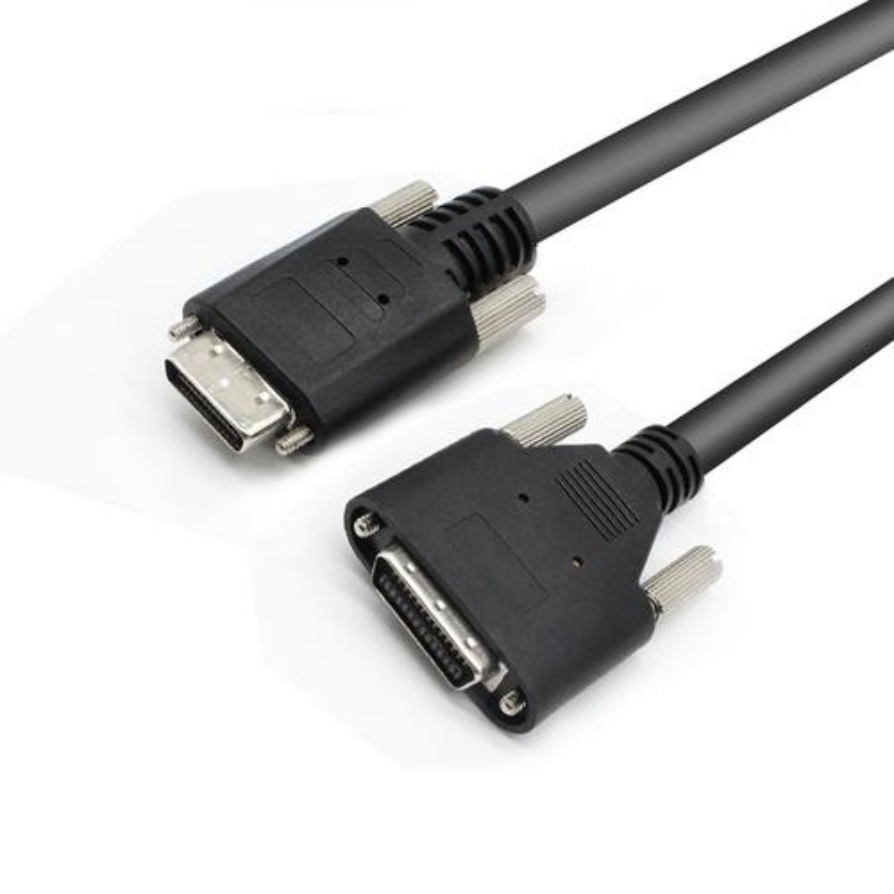
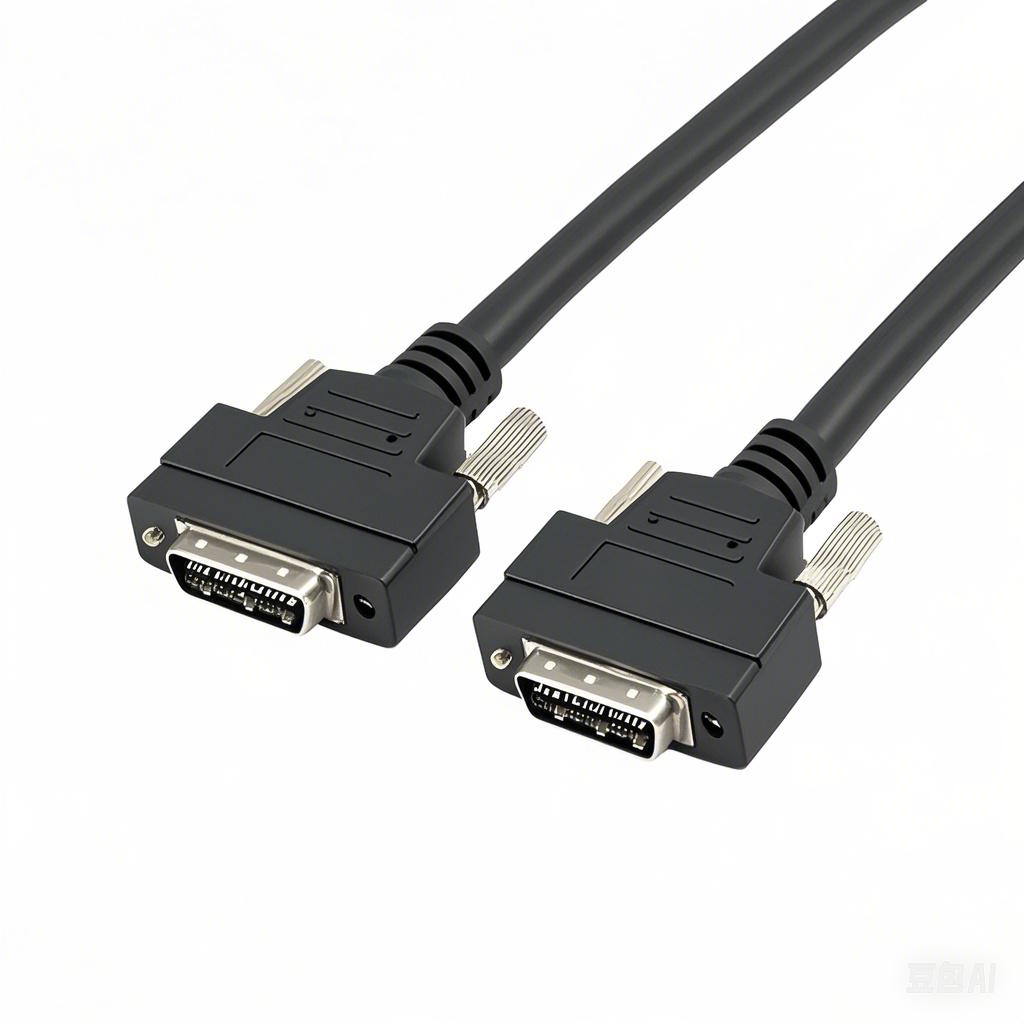
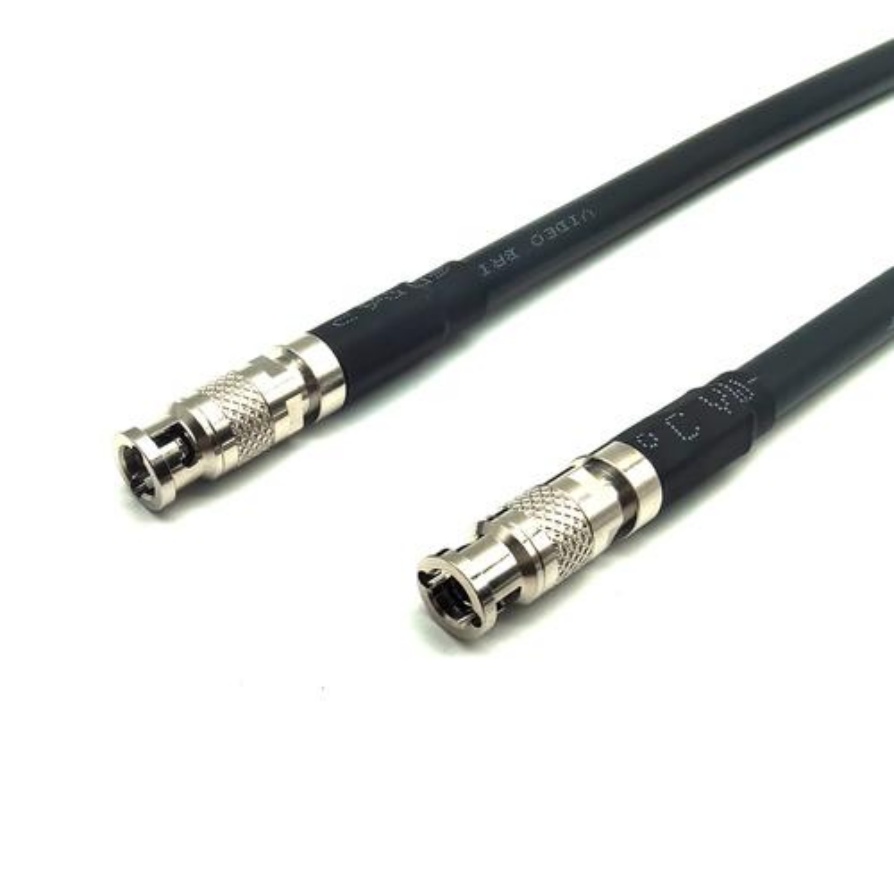
Every machine has unique spatial constraints, so custom assemblies must offer flexibility in terms of connectors, terminations, and bundling. This includes choosing the right connector types (such as M12, D-Sub, or circular connectors) for secure mating; integrating specialized terminations (like crimps, solders, or IDC) for easy installation; and bundling multiple cables into a single harness to reduce clutter and simplify maintenance. In medical imaging equipment, for instance, custom harnesses bundle power, data, and control cables into a compact, sterile design that fits within tight machine enclosures.
Major Applications of Custom Machine Cable Assemblies
The versatility of custom machine cable assemblies makes them essential across numerous industries:
- Industrial Automation: Used in PLCs, sensors, and robotic systems to ensure fast, error-free signal transmission between components.
- Medical Equipment: Tailored to meet strict sterility and safety standards, powering devices like MRI machines, surgical robots, and patient monitors.
- Aerospace and Defense: Engineered for lightweight, high-temperature resistance, and EMI shielding in aircraft, drones, and military equipment.
- Energy Sector: Used in renewable energy systems (solar, wind) and power distribution equipment, withstanding outdoor and high-voltage conditions.
- Automotive Manufacturing: Custom harnesses connect production line machinery, from welding robots to conveyor systems, ensuring seamless operation.
Choosing the Right Partner for Custom Machine Cable Assemblies
The success of a custom cable assembly project depends on partnering with a manufacturer that combines technical expertise, quality control, and responsive service. Look for suppliers with experience in your industry, a proven track record of meeting regulatory standards (such as UL, IEC, or ISO), and the ability to prototype and test assemblies before full-scale production. This ensures that the final product not only meets your specifications but also delivers consistent performance in real-world conditions.
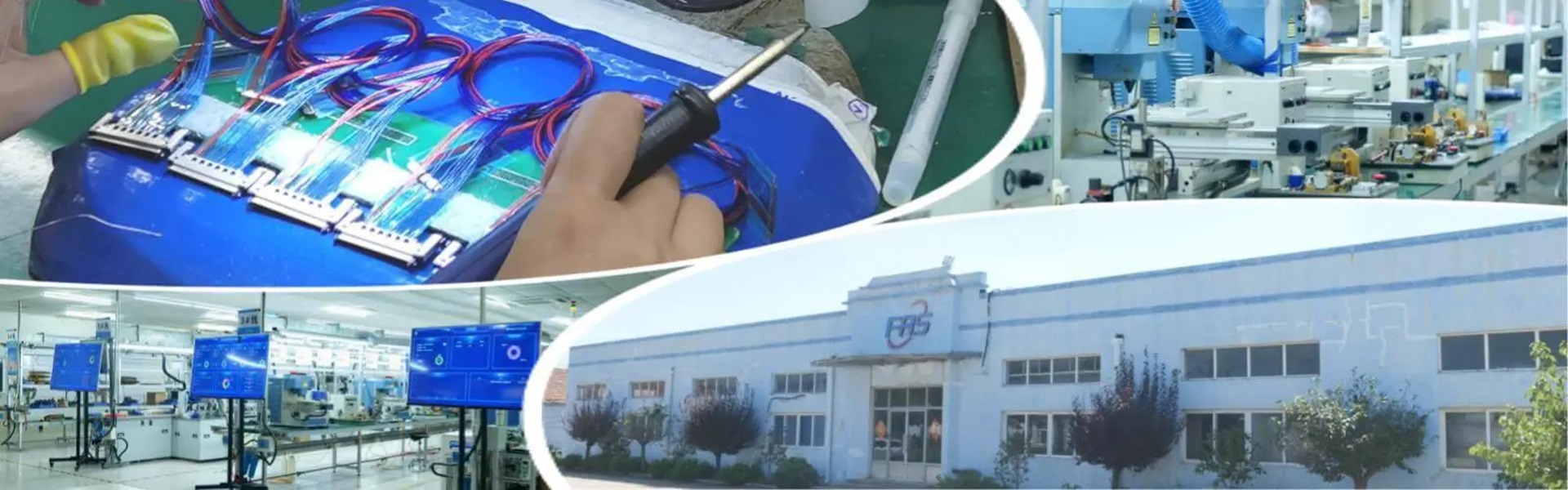
When it comes to reliable custom machine cable assemblies, FRS brand factory stands out as a trusted partner. With years of expertise in engineering tailored cable solutions, FRS prioritizes precision in every step—from design consultation to production. Our team works closely with clients to understand their unique needs, leveraging high-quality materials and strict quality control processes to deliver assemblies that excel in durability, electrical performance, and environmental adaptability. Whether for industrial automation, medical equipment, or aerospace applications, FRS ensures your custom cable assemblies are built to last, minimizing downtime and maximizing operational efficiency. Choose FRS for custom solutions that power your machinery with confidence.