medical machine cable Assemblies
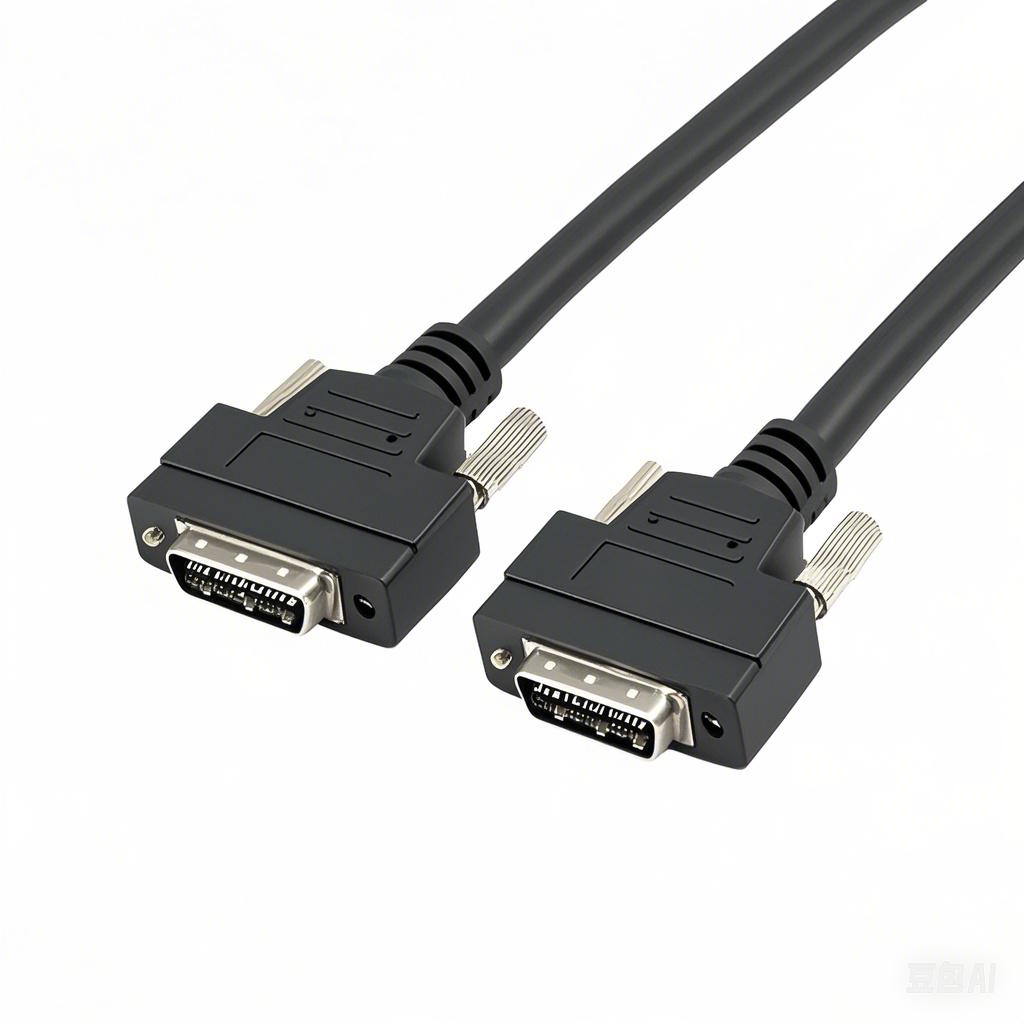
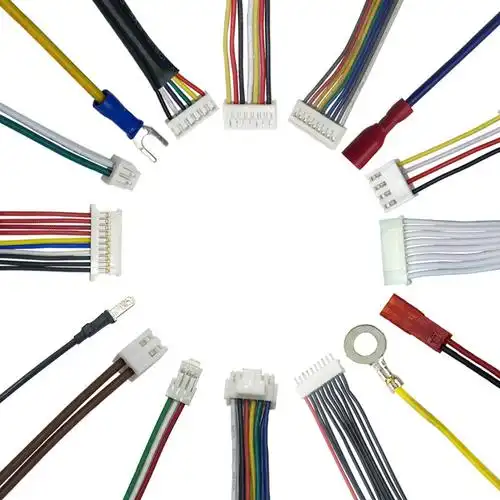
In the complex ecosystem of medical equipment, medical machine cable assemblies serve as the vital nervous system, enabling seamless communication, power transmission, and data transfer between various components. These specialized cable assemblies are not mere connectors; they are precision-engineered solutions that directly impact the performance, reliability, and safety of medical devices, which are critical in clinical settings where patient lives and diagnostic accuracy are at stake.
Key Characteristics of High-Quality Medical Machine Cable Assemblies
To meet the rigorous demands of the medical industry, high-quality medical machine cable assemblies must possess several essential characteristics. Firstly, biocompatibility is non-negotiable. Since these cables may come into contact with patients’ skin or bodily fluids in some applications, they must be made from materials that do not cause allergic reactions or toxic effects. Common biocompatible materials include medical-grade PVC, silicone, and TPE (Thermoplastic Elastomer), which undergo strict testing to comply with standards such as ISO 10993.
Secondly, resistance to sterilization is crucial. Medical equipment requires frequent sterilization to prevent cross-contamination, and cable assemblies must withstand various sterilization methods, including autoclaving (high temperature and pressure), ethylene oxide (EtO) gas, and gamma radiation. The insulation and jacket materials must maintain their structural integrity and electrical properties after repeated sterilization cycles.
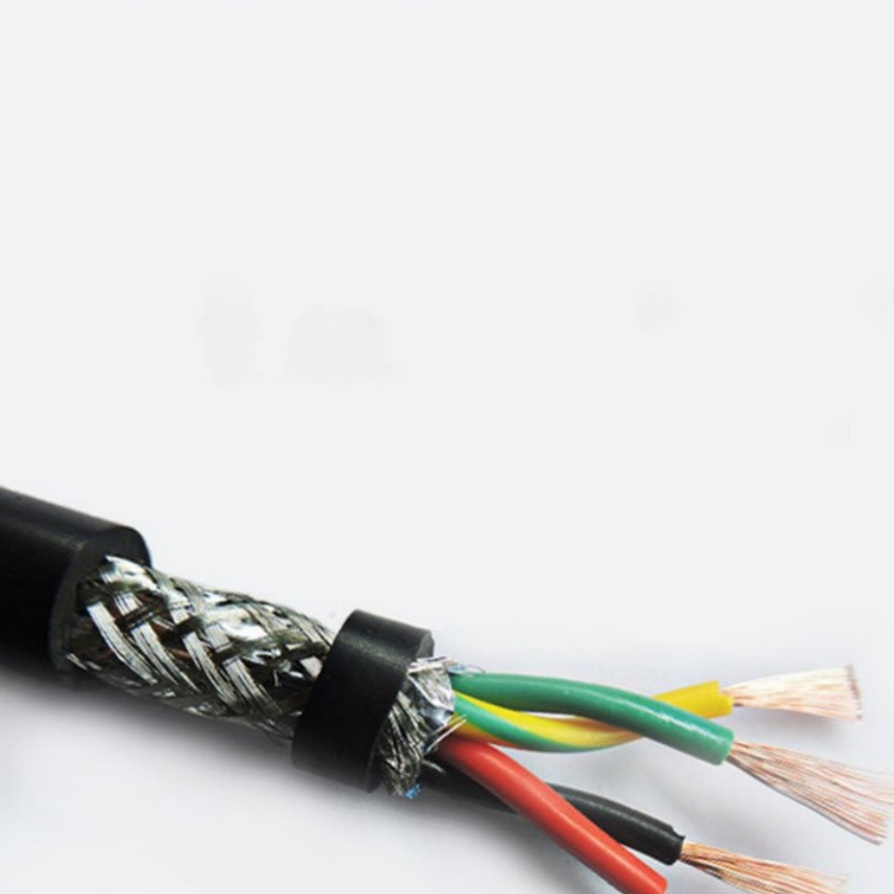
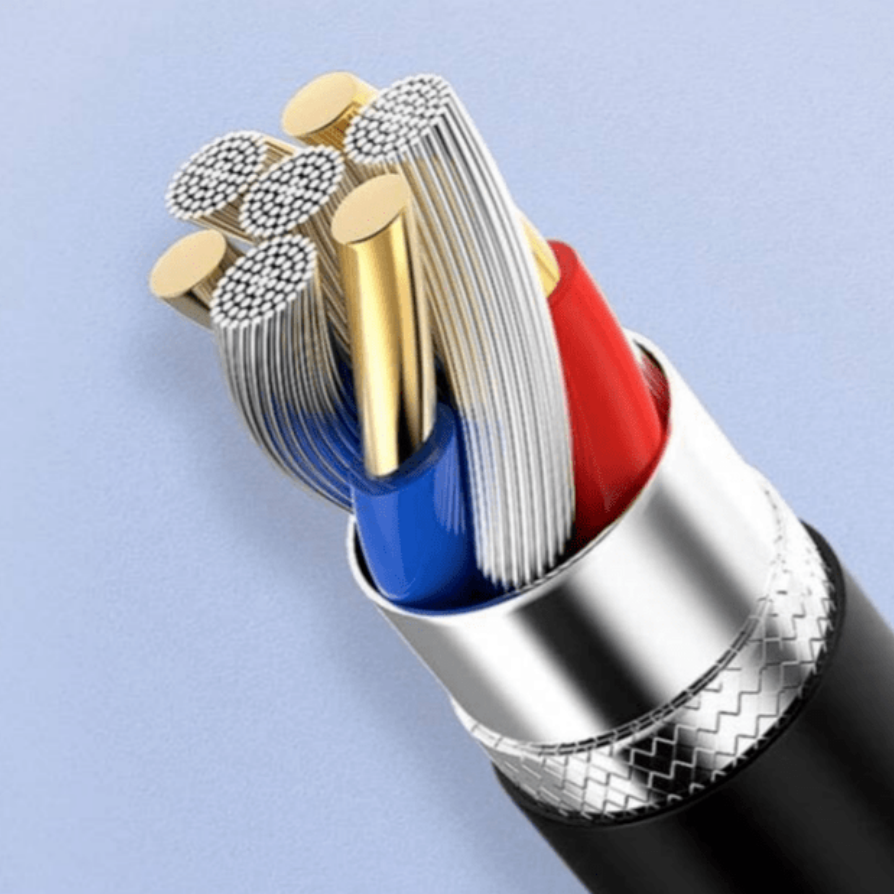
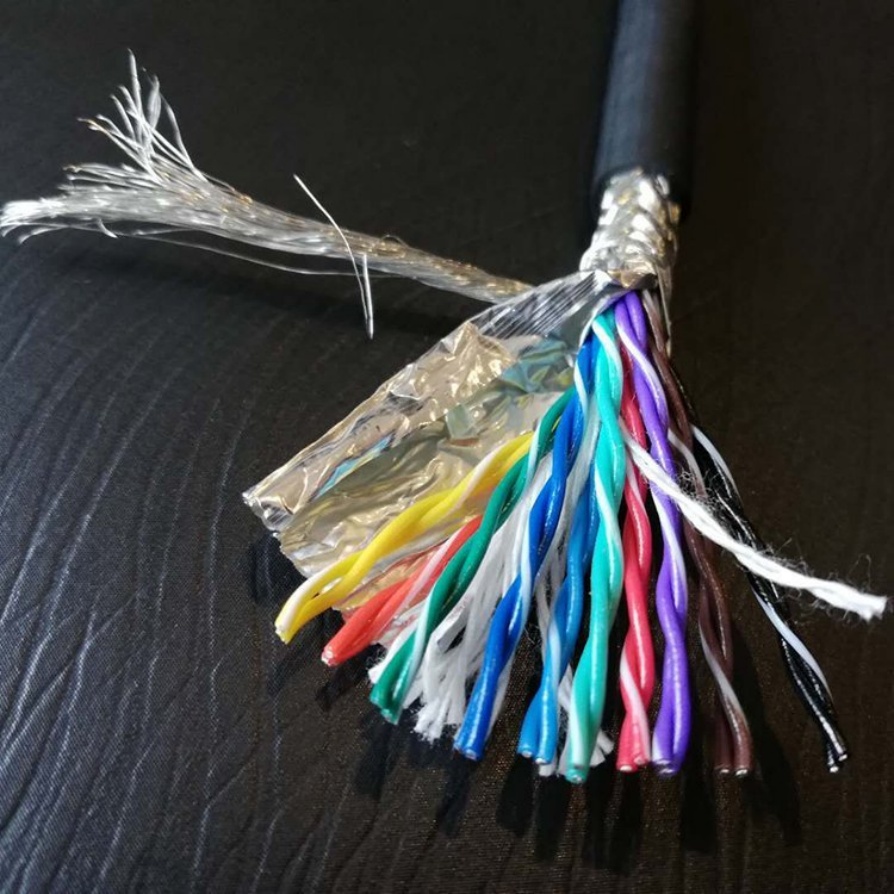
Thirdly, superior shielding performance is necessary to ensure signal integrity. Medical environments are filled with electromagnetic interference (EMI) from other devices such as MRI machines, X-ray equipment, and monitors. Effective shielding, typically using materials like braided copper or aluminum foil, prevents EMI from disrupting the data or power signals transmitted through the cables, which is especially important for diagnostic devices that rely on precise data.
Fourthly, mechanical durability is essential. Medical cables are often subjected to frequent bending, twisting, and movement during daily use. They must be designed to resist wear and tear, with robust jackets and strain reliefs at connection points to prevent cable breakage or conductor damage, which could lead to equipment failure.
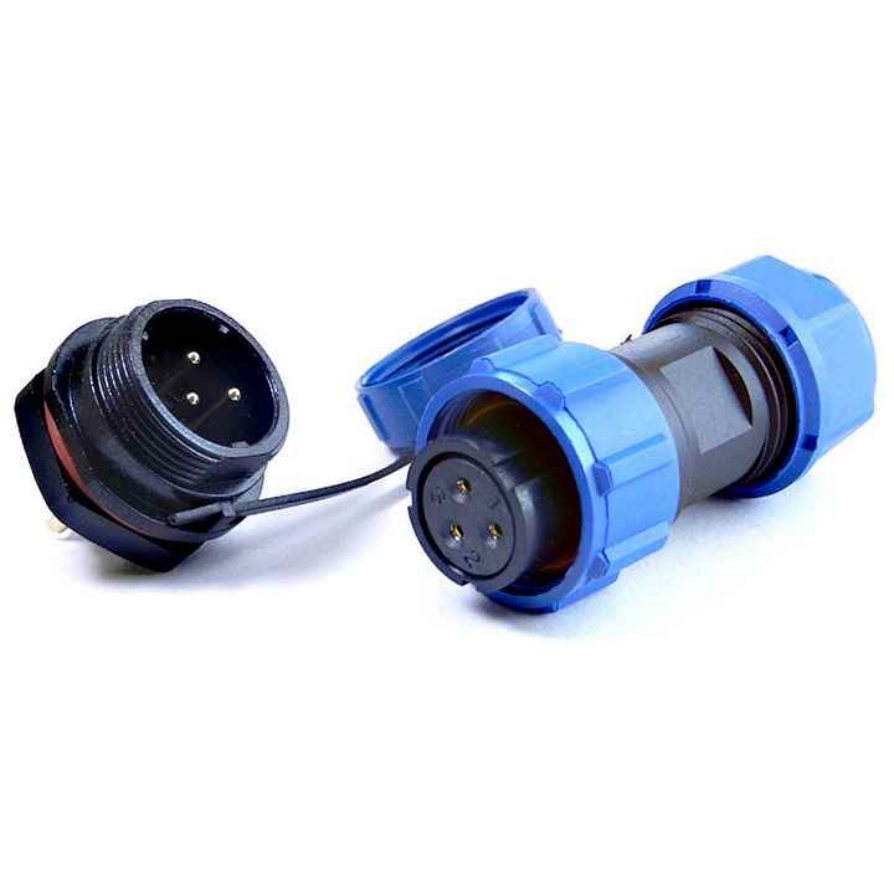
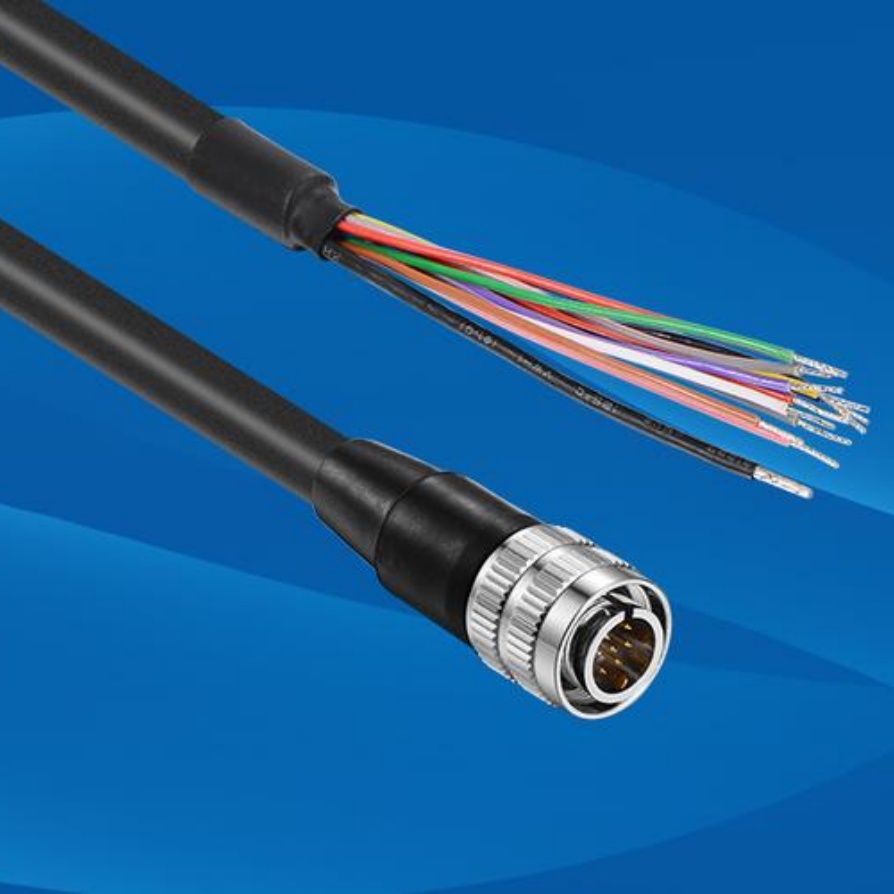
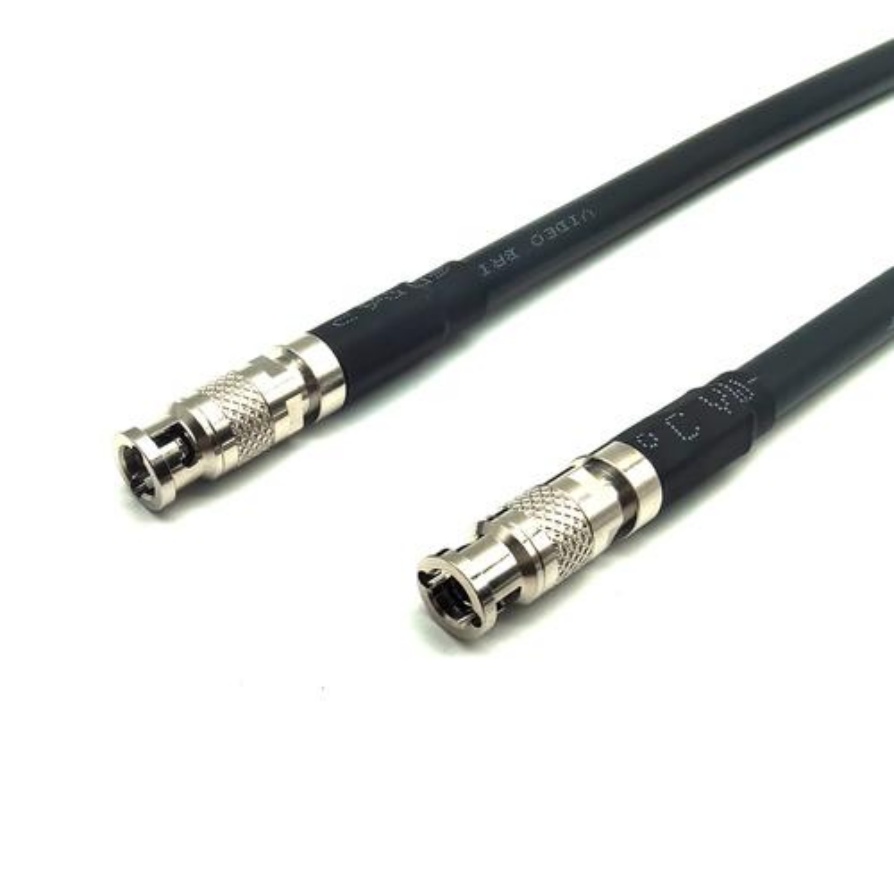
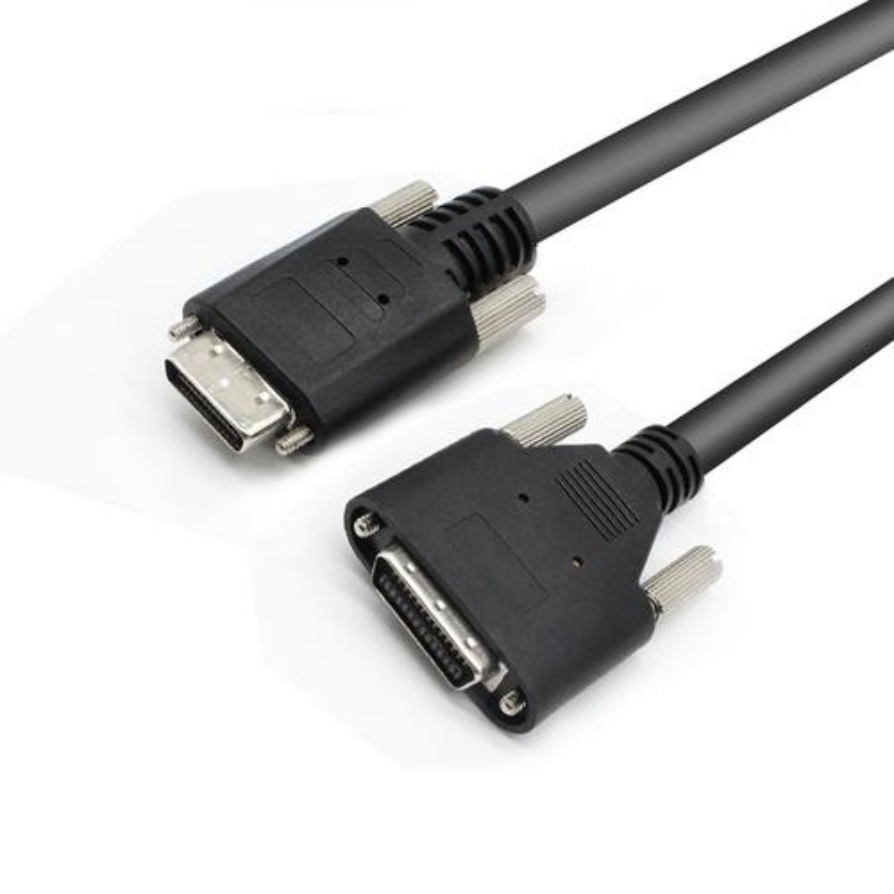
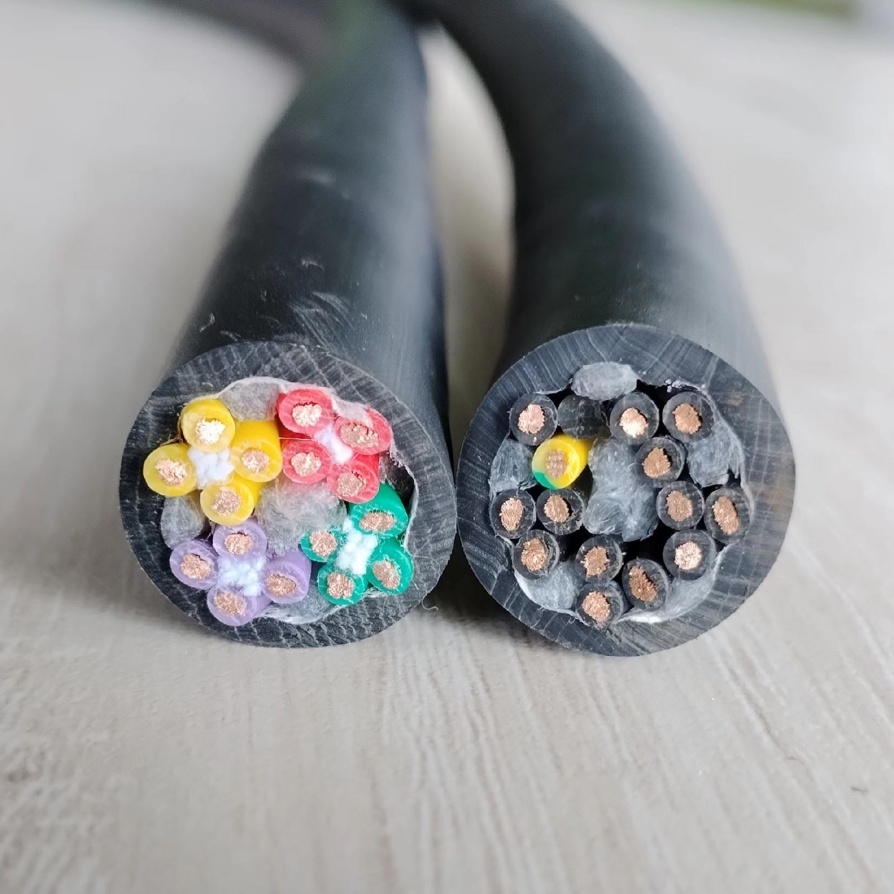
Lastly, customization capabilities are increasingly important. Medical devices come in a wide range of sizes and configurations, and cable assemblies must be tailored to fit specific device designs. This includes custom lengths, connector types (such as USB, HDMI, D-sub, or specialized medical connectors), and conductor counts to meet the unique requirements of each application.
Applications Across Medical Equipment
Medical machine cable assemblies find applications in a diverse array of medical equipment. In diagnostic imaging devices like MRI scanners, CT scanners, and ultrasound machines, these cables transmit high-resolution image data from the scanning probe to the processing unit, requiring low signal loss and high bandwidth. In patient, they carry vital signs data (such as heart rate, blood pressure, and oxygen saturation) from sensors attached to the patient to the monitor display, ensuring real-time and accurate readings.
In surgical equipment, such as laparoscopic tools and robotic surgery systems, cable assemblies provide power and control signals to the instruments, enabling surgeons to perform precise and minimally invasive procedures. They must be flexible to allow for maneuverability during surgery while maintaining sterility. Additionally, in laboratory equipment like analytical instruments and diagnostic test kits, these cables facilitate data transfer between sample handlers, detectors, and computer systems, supporting efficient and reliable testing processes.
Considerations for Selecting Medical Machine Cable Assemblies
When selecting medical machine cable assemblies, several factors should be taken into account. First and foremost is compliance with industry standards. The cables must meet relevant regulatory requirements, such as the FDA’s (Food and Drug Administration) medical device regulations in the United States, CE marking in the European Union, and other regional standards. Compliance ensures that the cables have undergone rigorous testing for safety and performance.
Another consideration is the manufacturer’s expertise and reputation. Choosing a manufacturer with extensive experience in the medical industry ensures that they understand the unique challenges and requirements of medical cable assemblies. They should have a proven track record of producing high-quality products and be able to provide documentation such as material certificates and test reports.
Additionally, quality control processes are critical. Reputable manufacturers implement strict quality control measures throughout the production process, from raw material selection to final inspection. This includes testing for electrical performance (such as resistance, capacitance, and insulation resistance), mechanical strength, and compliance with sterilization requirements.
Finally, technical support and after-sales service should not be overlooked. Manufacturers should offer responsive technical support to assist with custom design requirements and troubleshooting. Reliable after-sales service ensures that any issues with the cable assemblies are resolved promptly, minimizing downtime for medical equipment.
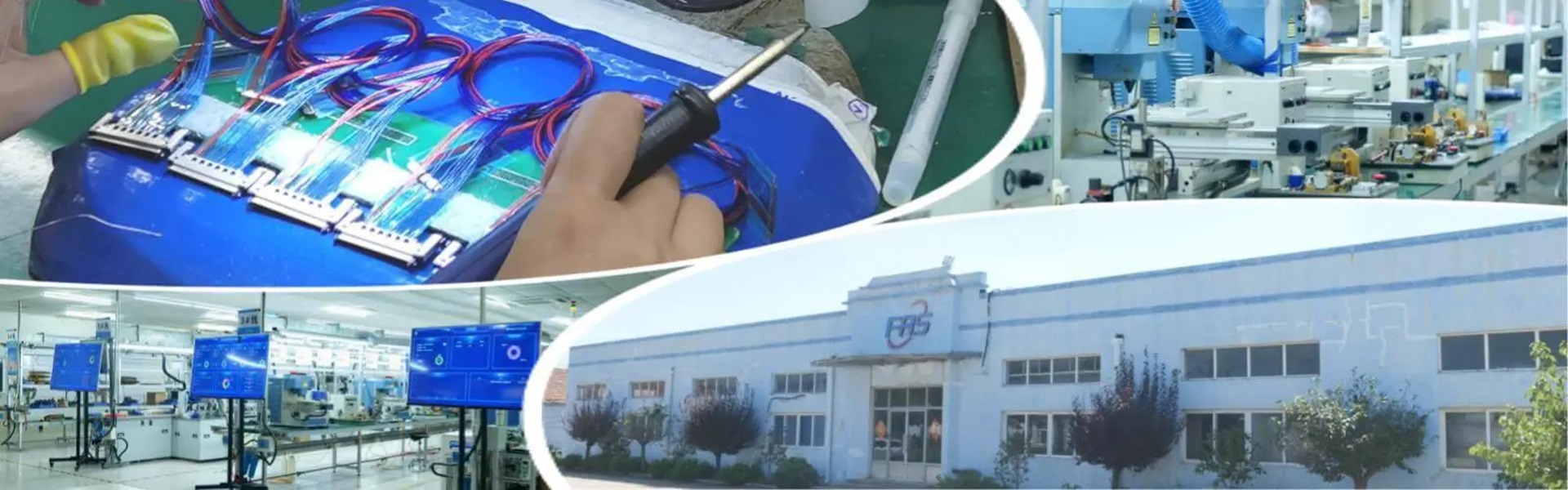
When it comes to sourcing reliable medical machine cable assemblies, FRS brand factory stands out as a trusted partner. With years of experience in the medical industry, FRS specializes in designing and manufacturing custom cable assemblies that meet the highest standards of biocompatibility, sterilization resistance, shielding performance, and durability. Our strict compliance with global regulatory requirements, coupled with rigorous quality control processes, ensures that every product delivers consistent and reliable performance. Whether you need cable assemblies for diagnostic imaging, patient monitoring, surgical equipment, or laboratory devices, FRS has the expertise to provide tailored solutions that fit your specific needs. Choose FRS for medical machine cable assemblies that you can depend on to support the critical work of healthcare professionals.