What is the flexibility of machine cable in humid environments
In industrial settings such as food processing plants, wastewater treatment facilities, and outdoor construction sites, machine cables are often exposed to humid environments. The flexibility of these cables in such conditions is a critical factor affecting equipment operation, maintenance costs, and overall safety. Unlike dry environments, high humidity brings challenges like moisture absorption, corrosion, and material degradation, all of which can compromise a cable’s ability to bend, twist, and move without damage. Understanding the flexibility of machine cables in humid environments requires examining key influencing factors, practical maintenance strategies, and performance standards.
Key Factors Affecting Cable Flexibility in Humid Environments
The flexibility of machine cables in humidity is primarily determined by three core elements: material composition, structural design, and anti-corrosion protection.
1. Material Composition: The insulation and sheath materials of cables play a decisive role. Traditional PVC cables may harden or become brittle over time when exposed to prolonged humidity, as moisture penetrates microcracks and accelerates plasticizer loss. In contrast, thermoplastic polyurethane (TPU) and ethylene propylene diene monomer (EPDM) rubber are superior choices. TPU exhibits excellent hydrolysis resistance, maintaining its elasticity even in 95% relative humidity for extended periods. EPDM rubber, with its non-polar molecular structure, repels moisture effectively and retains flexibility across a wide temperature range, making it ideal for outdoor humid applications.
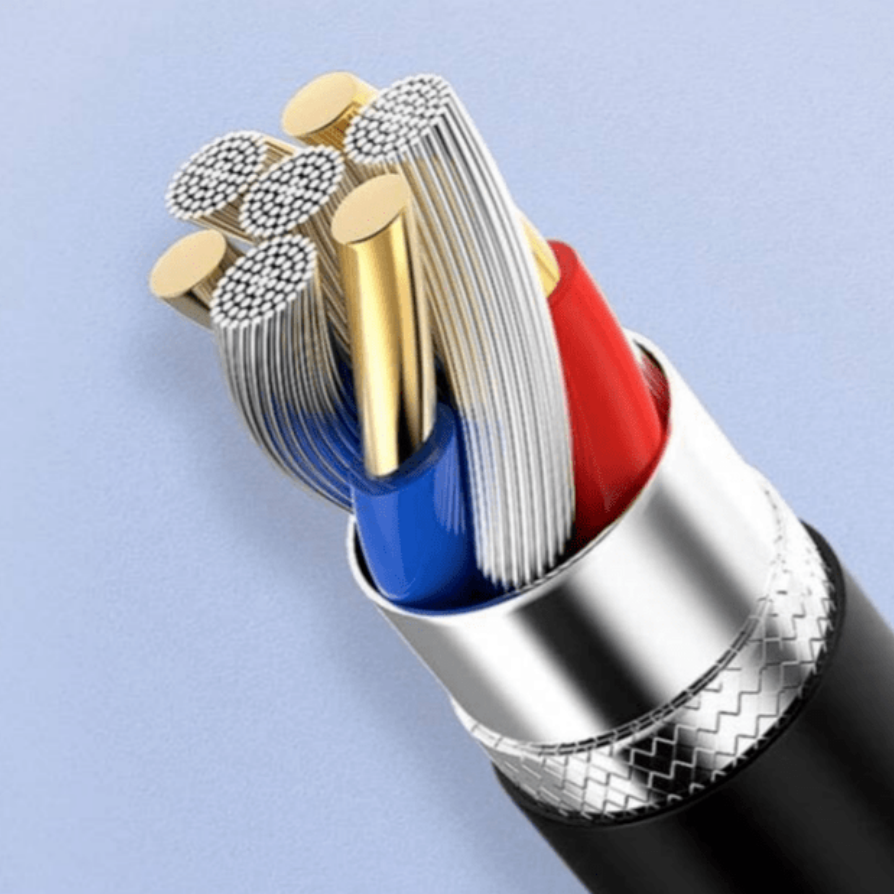
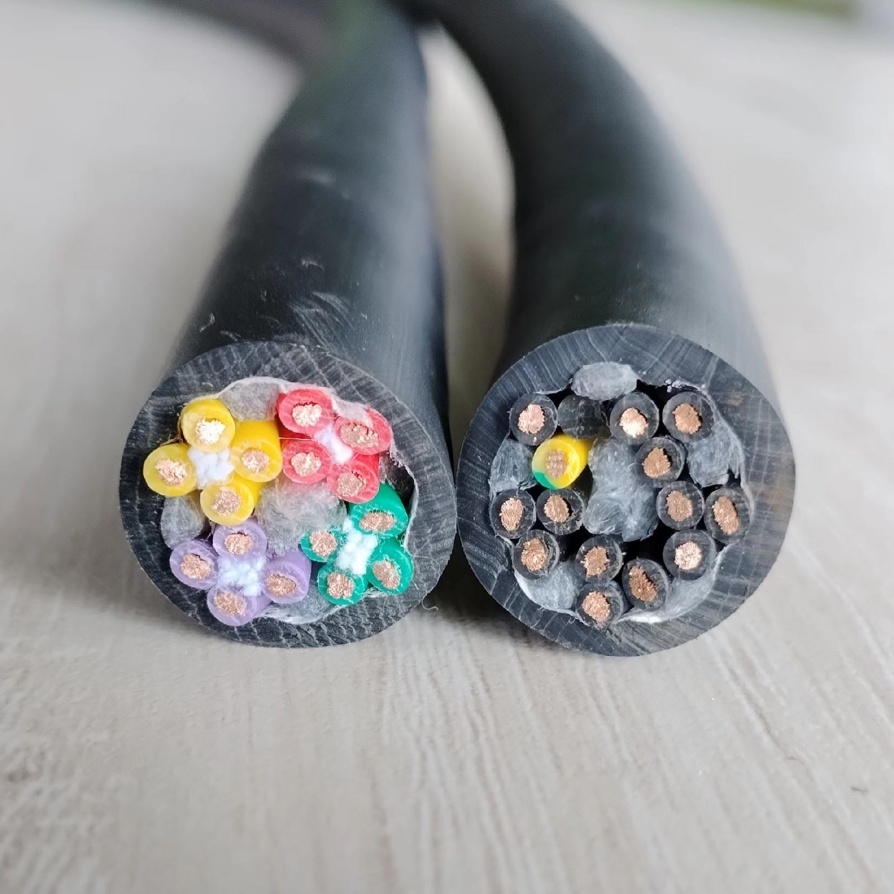
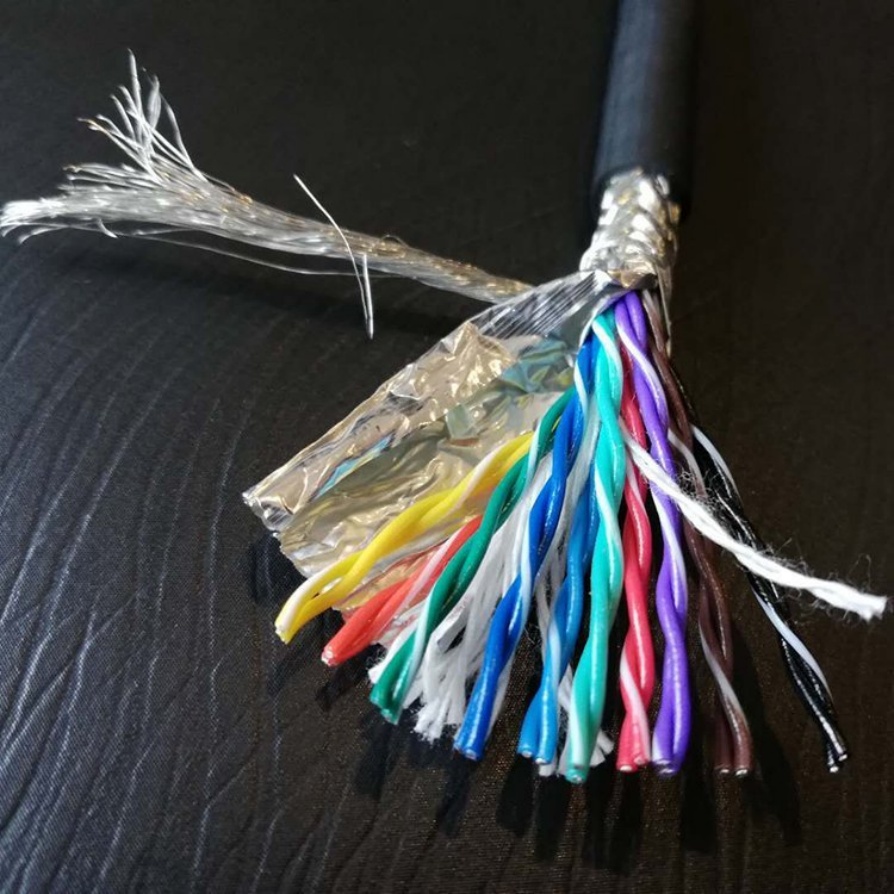
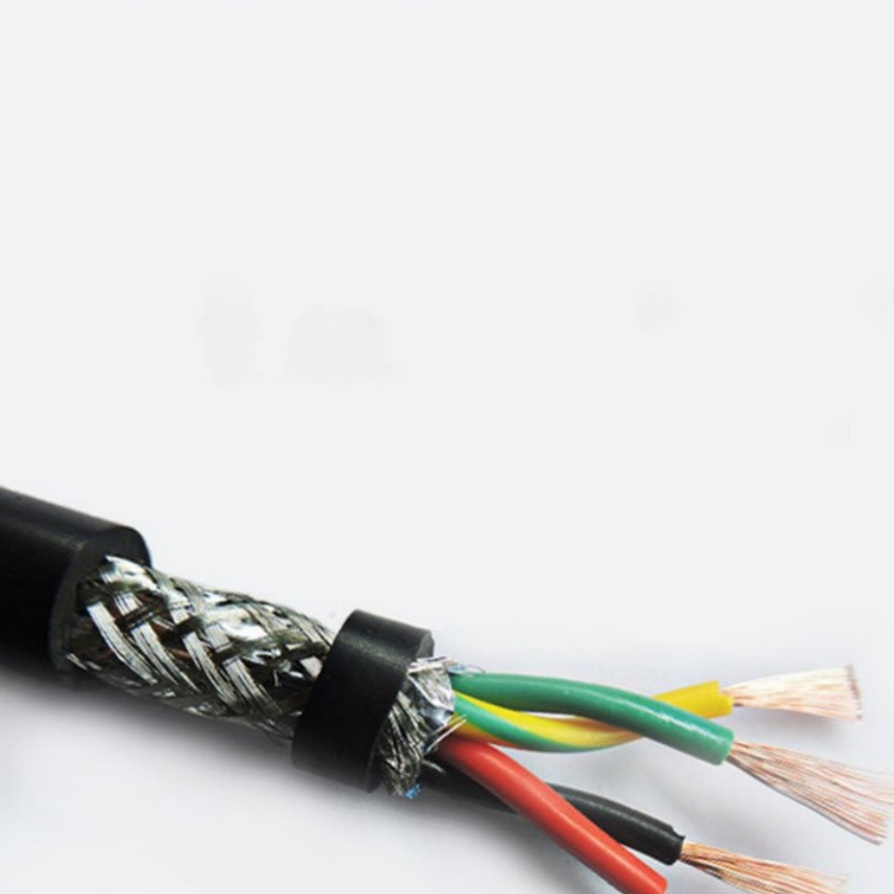
2. Structural Design: A cable’s internal structure directly impacts its flex life in humid conditions. Cables with stranded conductors (as opposed to solid conductors) offer better flexibility because individual strands can move independently. For example, fine-stranded copper conductors with a twisted lay length reduce stress during bending. Additionally, the arrangement of shielding layers matters—braided shielding (instead of foil shielding) allows for greater flexibility while maintaining electromagnetic interference (EMI) protection. Some high-performance cables also integrate a water-blocking tape or gel-filled core to prevent moisture from spreading along the cable length, preserving structural integrity and flexibility.
3. Anti-Corrosion Protection: Humidity often leads to corrosion of metallic components, such as conductors and shielding. Corroded conductors increase resistance and can cause overheating, while rusted shielding becomes rigid and prone to cracking. Cables with tinned or silver-plated copper conductors create a barrier against oxidation, ensuring long-term conductivity and flexibility. Furthermore, sheath materials infused with anti-microbial additives prevent mold and mildew growth, which can degrade organic materials and hinder flexibility in enclosed, humid spaces like control cabinets.
Practical Strategies to Maintain Cable Flexibility in Humid Settings
Even with high-quality cables, proper usage and maintenance are essential to sustain flexibility in humid environments.
- Regular Inspection: Schedule monthly checks for signs of moisture damage, such as swelling, discoloration, or stiffness in the cable sheath. Use a megohmmeter to test insulation resistance—values below the manufacturer’s threshold indicate moisture absorption and potential flexibility loss.
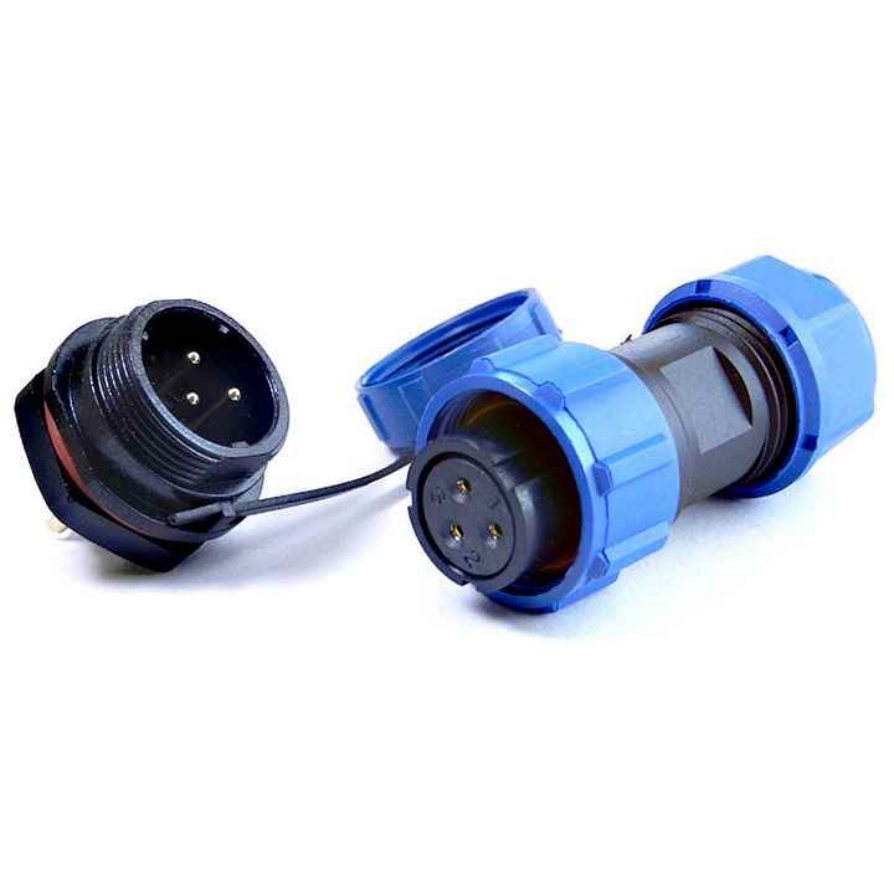
- Proper Installation: Avoid tight bends beyond the cable’s minimum bend radius (typically 5-10 times the cable diameter) and ensure cables are not kinked. Use cable glands with IP67 or higher ingress protection ratings to seal entry points into equipment, preventing water ingress. In outdoor applications, route cables away from standing water and use UV-resistant conduits to shield against both humidity and sunlight.
- Environmental Control: Where possible, install dehumidifiers in enclosed areas with high humidity (e.g., electrical rooms). For cables in submerged or extremely wet conditions, choose submersible-rated cables with hermetically sealed connectors to maintain flexibility and prevent water damage.
Case Study: Cable Flexibility in a Seafood Processing Plant
A large seafood processing plant in coastal Maine faced frequent cable failures in its conveyor systems due to high humidity (85-90% year-round) and occasional water splashes. Initially, standard PVC cables became rigid after 6-8 months, leading to downtime for replacements. After switching to EPDM-sheathed, tinned-copper stranded cables with water-blocking cores, the cables maintained flexibility for over 3 years. Regular inspections and the use of IP68 cable glands further extended their lifespan, reducing maintenance costs by 40% annually. This case highlights how material selection and protective measures directly enhance cable flexibility in humid industrial environments.
Choose Reliable Machine Cables for Humid Environments with FRS
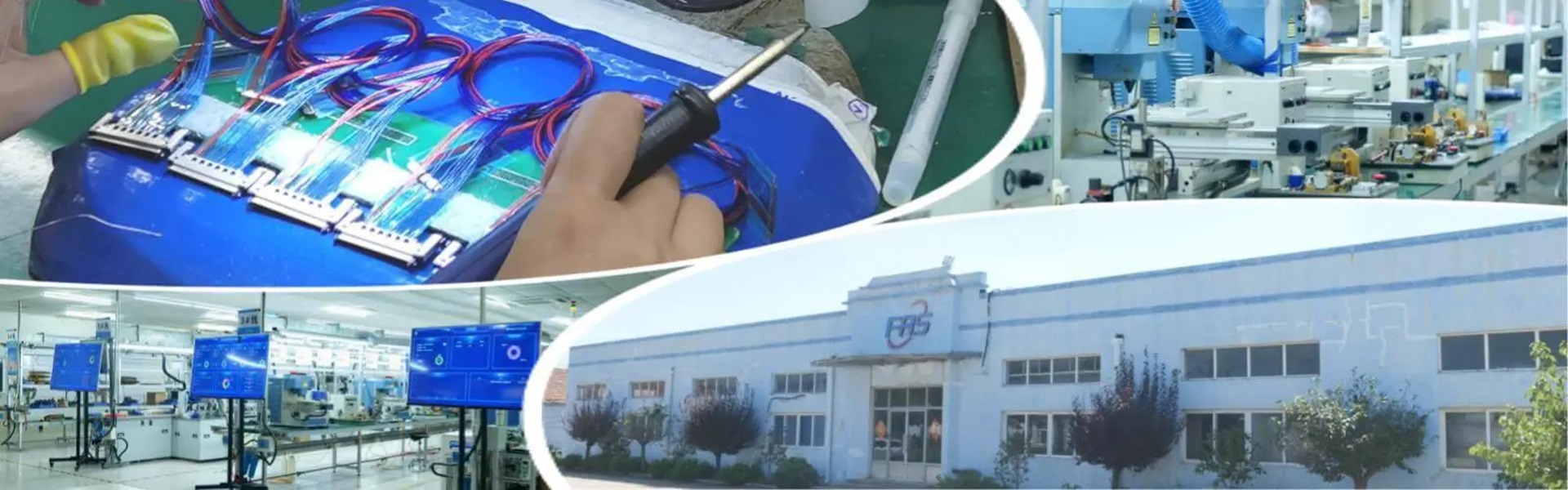
When it comes to ensuring long-lasting flexibility and performance of machine cables in humid conditions, FRS brand factory stands out as a trusted partner. FRS specializes in manufacturing machine cables with premium TPU and EPDM sheaths, combined with tinned-copper conductors and advanced water-blocking technology. Each cable undergoes rigorous testing in simulated humid environments (up to 98% relative humidity) to guarantee flex life and resistance to moisture, corrosion, and mold. Whether for food processing, wastewater treatment, or outdoor machinery, FRS cables deliver consistent flexibility and reliability, minimizing downtime and maximizing operational efficiency. Choose FRS—your solution for durable machine cables in challenging humid environments.