How to distinguish the quality of machine cable Assemblies?
In the complex ecosystem of industrial machinery, machine cable assemblies serve as the “nervous system” that transmits power, signals, and data between components. Their quality directly determines the operational stability, safety, and lifespan of the entire equipment. Poor-quality cable assemblies may lead to frequent downtime, signal interference, equipment damage, or even serious safety accidents such as short circuits and fires. For manufacturers, maintenance teams, and procurement professionals, mastering the ability to distinguish the quality of machine cable assemblies is crucial to reducing operational risks and controlling costs. This article will detail the key indicators and practical methods for identifying high-quality machine cable assemblies, helping you make informed decisions in selection and procurement.
1. Start with Material Selection: The Foundation of Quality
The quality of raw materials is the root of a reliable machine cable assembly. Every component, from conductors to insulation layers and shielding materials, affects the overall performance. When evaluating material quality, focus on the following aspects:
1.1 Conductor Material and Gauge
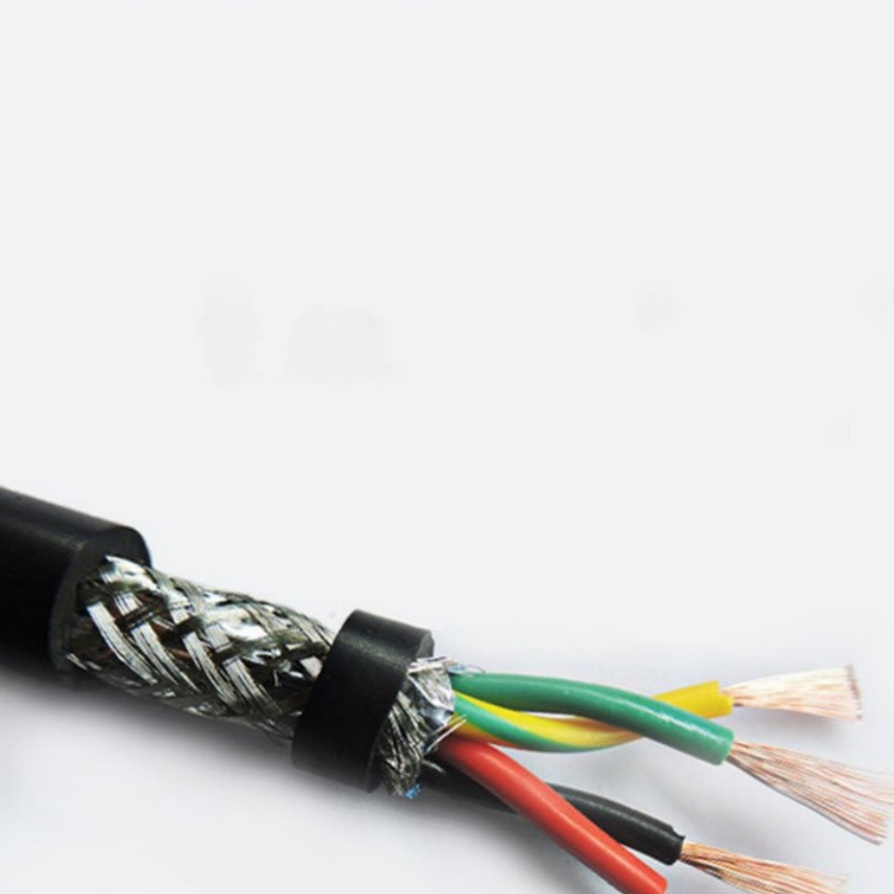
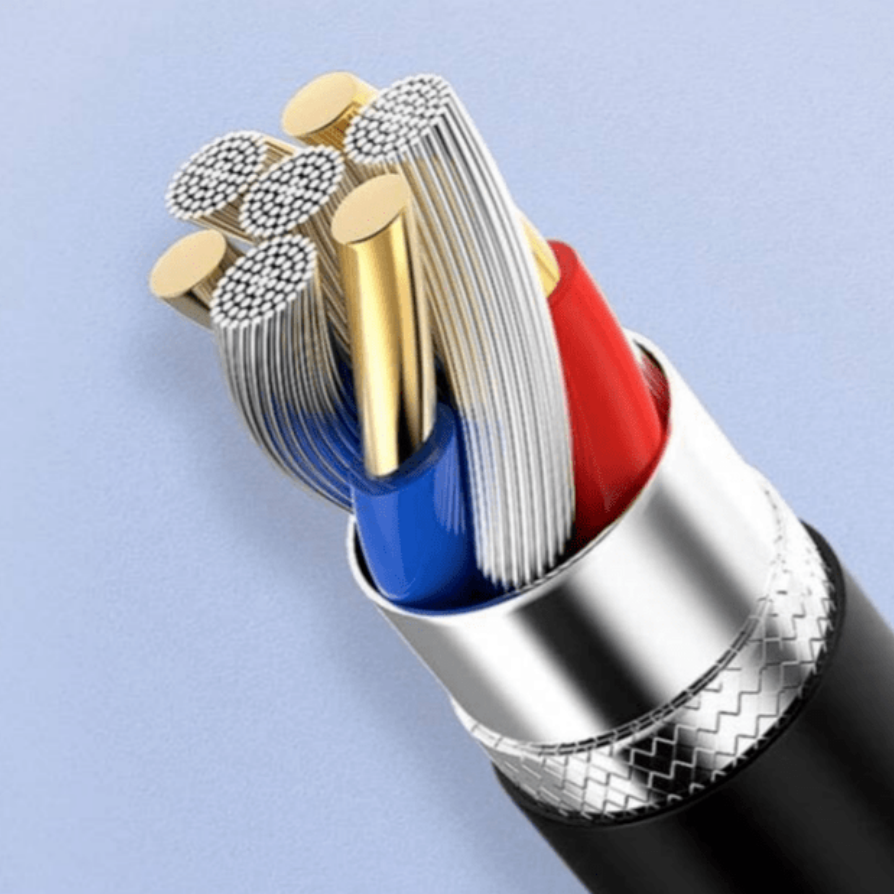
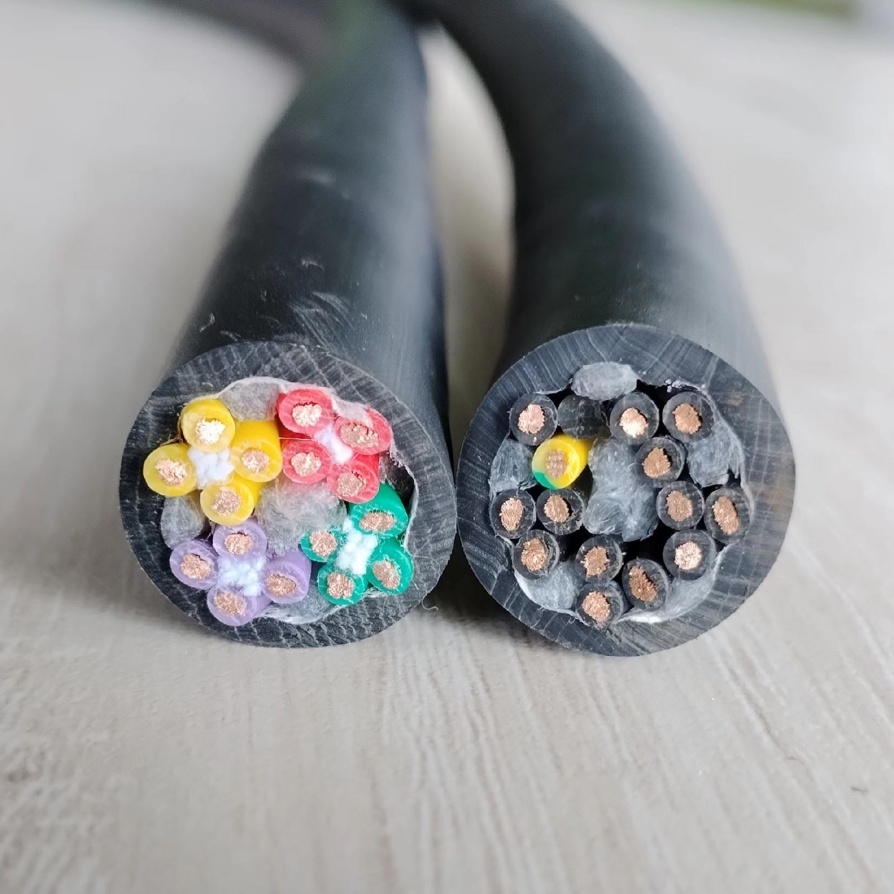
Conductors are responsible for current and signal transmission, so their material and specification accuracy are non-negotiable. High-quality machine cable assemblies typically use oxygen-free copper (OFC) or tinned oxygen-free copper as conductor materials. Oxygen-free copper has lower resistivity, better conductivity, and stronger corrosion resistance compared to ordinary copper. Tinned copper further enhances oxidation resistance, making it suitable for harsh environments with high humidity or chemical exposure. To verify the conductor quality, you can check the cross-section of the cable: the copper should be bright in color, uniform in texture, and free of impurities or voids. Additionally, the conductor gauge must strictly comply with industry standards (such as AWG specifications). A gauge that is too small will cause excessive current density, leading to overheating; a gauge that is too large may waste resources and affect installation flexibility.
1.2 Insulation and Sheath Materials
Insulation layers prevent short circuits between conductors, while sheath materials protect the entire cable from external damage. High-quality insulation and sheath materials should have excellent electrical insulation properties, temperature resistance, wear resistance, and chemical resistance. Common high-performance materials include PVC (polyvinyl chloride) for general environments, XLPE (cross-linked polyethylene) for high-temperature applications (up to 125°C or higher), and PTFE (polytetrafluoroethylene) for extreme conditions with strong chemicals or high temperatures. To assess these materials, you can perform simple tests: gently pinch the insulation layer with your fingers—high-quality materials will not deform or crack easily. Rub the surface with a hard object; there should be no obvious scratches. For temperature resistance, you can inquire about the material’s temperature range certification and check if it meets the operating environment requirements of your machinery.
1.3 Shielding Materials
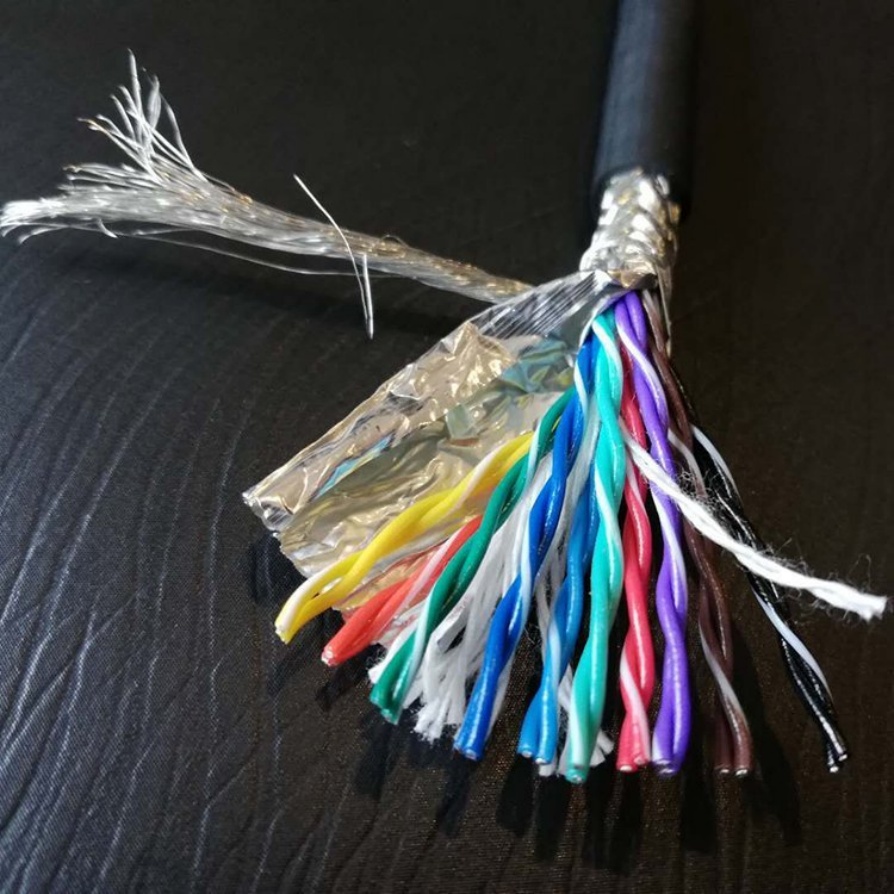
In industrial environments filled with electromagnetic interference (EMI) and radio frequency interference (RFI), shielding is essential for ensuring signal integrity. High-quality machine cable assemblies use shielding materials such as braided copper, aluminum foil, or a combination of both. Braided shielding provides better flexibility and EMI/RFI rejection, while aluminum foil shielding offers comprehensive coverage. The density of braided shielding (measured by the percentage of coverage) is a key indicator—ideally, it should be above 85% for most industrial applications. You can visually inspect the shielding layer: it should be evenly braided, without loose threads or gaps. Poor shielding will result in signal distortion, affecting the precision of machine operations, especially in automated production lines or precision machining equipment.
2. Evaluate Manufacturing Processes: The Guarantee of Reliability
Even with high-quality materials, substandard manufacturing processes can render machine cable assemblies unreliable. The craftsmanship directly affects the cable’s mechanical strength, electrical performance, and durability. Pay attention to the following process details:
2.1 Crimping Process
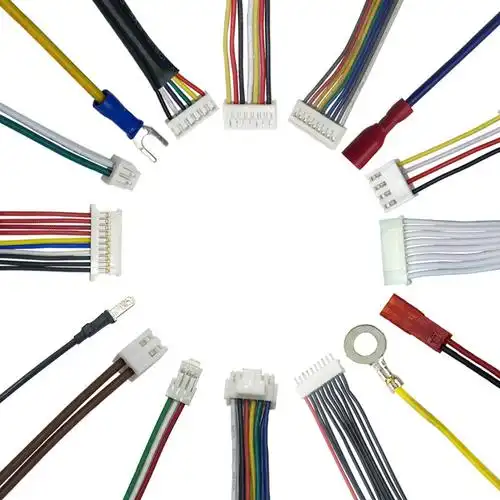
Crimping is the process of connecting conductors to terminals or connectors, and it is a critical link in ensuring electrical conductivity and mechanical stability. A high-quality crimp should have a tight, uniform connection between the conductor and the terminal, with no gaps or looseness. You can check the crimp joint: the insulation layer should be properly seated in the terminal’s insulation barrel, and the conductor should be fully enclosed in the wire barrel. Pull the terminal gently—there should be no movement. Poor crimping may cause increased contact resistance, leading to overheating or intermittent signal transmission. Some reputable manufacturers use automated crimping equipment with precise pressure control, ensuring consistent crimp quality across all products.
2.2 Welding Process (if applicable)
For certain high-current or high-reliability applications, welding may be used instead of crimping. High-quality welding joints should be smooth, shiny, and free of solder balls, cold joints, or oxidation. Cold joints (caused by insufficient heating) will result in poor conductivity, while solder balls may cause short circuits. You can inspect the weld under good lighting—there should be no visible defects. Additionally, the welding area should be properly insulated to prevent electrical leakage.
2.3 Jacket Molding and Assembly
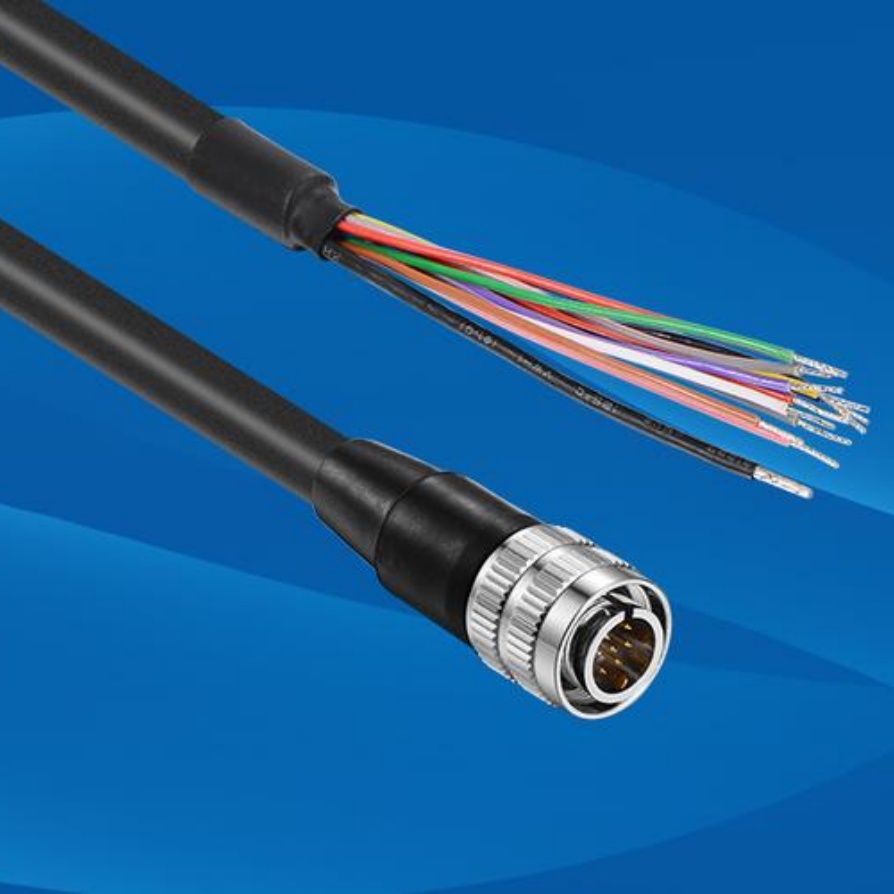
The outer jacket of the cable assembly should be evenly molded, with no bubbles, cracks, or uneven thickness. The jacket should tightly wrap the internal components (conductors, insulation, shielding) to provide effective protection. When examining the assembly, check the transitions between connectors and the jacket—there should be no gaps, and the bonding should be firm. Poor jacket molding will allow moisture, dust, or chemicals to enter the cable, damaging internal components and shortening the service life. Additionally, the overall assembly should be neat, with no tangled wires or misaligned connectors.
3. Test Performance Indicators: Verify Quality with Data
Performance testing is the most direct way to confirm the quality of machine cable assemblies. Reputable manufacturers will conduct a series of strict tests before delivering products. When evaluating, you should request test reports and pay attention to the following key indicators:
3.1 Electrical Performance Tests
These tests include resistance testing, insulation resistance testing, and dielectric strength testing. Conductor resistance should be within the range specified by industry standards (e.g., IEC or UL standards)—lower resistance indicates better conductivity. Insulation resistance measures the resistance between conductors or between conductors and ground; it should be sufficiently high (usually above 100 MΩ at room temperature) to prevent leakage current. Dielectric strength testing checks the insulation’s ability to withstand high voltage without breakdown—this is crucial for safety in high-voltage applications. Ask the manufacturer for test data such as DC resistance values, insulation resistance values, and dielectric breakdown voltage.
3.2 Mechanical Performance Tests
Mechanical tests evaluate the cable assembly’s ability to withstand physical stress during installation and use. Common tests include tensile strength testing, bending testing, and flex testing. Tensile strength ensures that the cable does not break under pulling force; bending and flex testing simulate the cable’s movement during machine operation (e.g., in robotic arms or moving components). A high-quality cable assembly should withstand thousands of bending cycles without damage to conductors or insulation. For example, industrial robot cables may require flex testing up to 10 million cycles. Check if the manufacturer’s test results meet the mechanical requirements of your application scenario.
3.3 Environmental Adaptability Tests
Machine cable assemblies often operate in harsh environments, so environmental adaptability is essential. Tests include temperature cycling testing (exposing the cable to extreme high and low temperatures), humidity testing, salt spray testing (for outdoor or marine applications), and chemical resistance testing. For example, a cable used in a food processing plant should resist cleaning chemicals, while a cable in an automotive factory should withstand oil and grease. The test results should show that the cable’s performance remains stable under these environmental conditions. If your machinery operates in a specific harsh environment, ensure that the cable assembly has passed the corresponding tests.
4. Check Certification and Compliance: Ensure Regulatory Conformity
Certification from authoritative organizations is a testament to the quality and safety of machine cable assemblies. Compliance with international or regional standards ensures that the product meets strict quality and safety requirements. Common certifications include:
- UL (Underwriters Laboratories): A widely recognized safety certification in North America, covering electrical safety, flammability, and other aspects.
- CE (Conformité Européenne): Indicates compliance with European Union safety, health, and environmental protection standards.
- IEC (International Electrotechnical Commission): International standards for electrical and electronic technologies, ensuring global compatibility.
- RoHS (Restriction of Hazardous Substances): Restricts the use of certain hazardous materials in electrical and electronic equipment, ensuring environmental friendliness.
When selecting a cable assembly, check if it has the necessary certifications for your market or application. Reputable manufacturers will prominently display these certifications on their products or technical documents. Avoid products without any certifications, as they may not meet basic safety and quality standards.
5. Assess Structural Design: Adaptability to Application Scenarios
A well-designed machine cable assembly should not only meet performance requirements but also be adaptable to the specific installation and operating conditions of the machinery. Key design factors include:
5.1 Mechanical Stress Relief
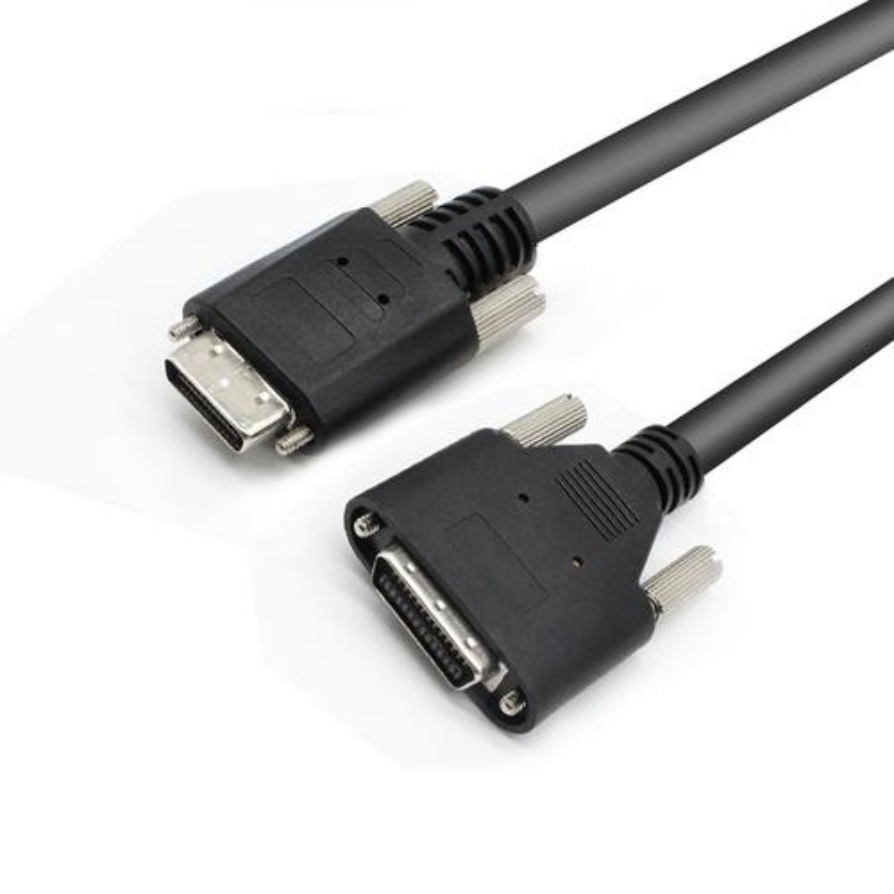
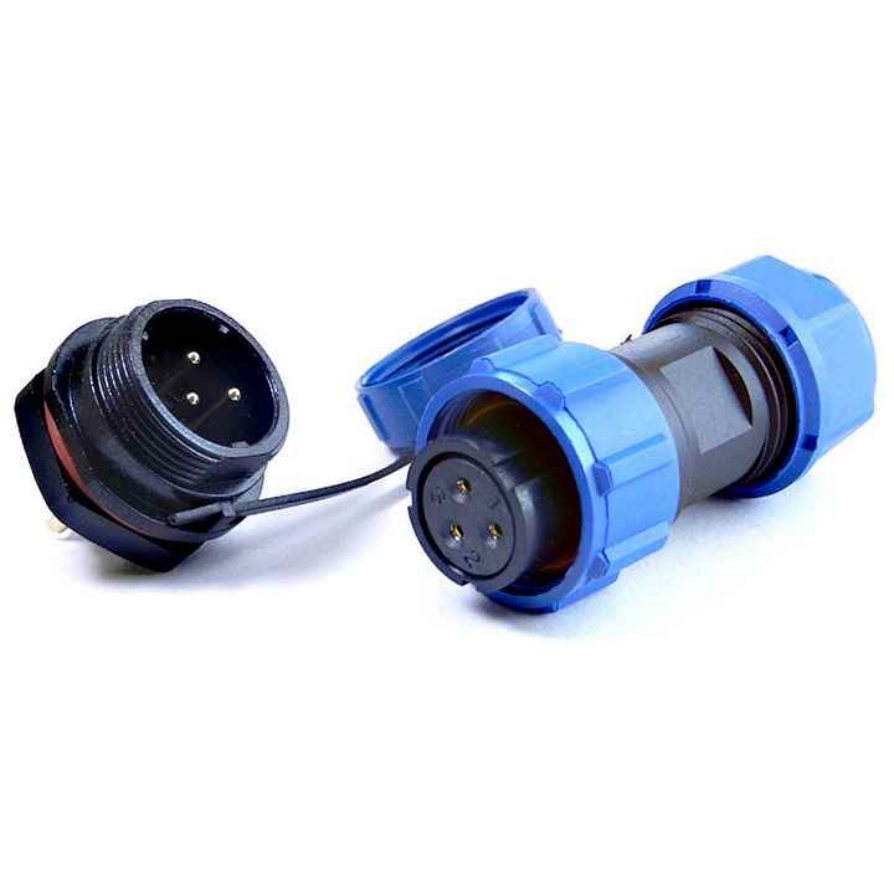
Cable assemblies are often subjected to tension, bending, or vibration during use. A good design includes stress relief features, such as strain relief boots at the connector ends. These boots distribute mechanical stress, preventing the cable from breaking at the junction with the connector. Check if the strain relief is made of durable material (e.g., rubber or thermoplastic) and if it fits tightly with the connector and cable.
5.2 Space Optimization
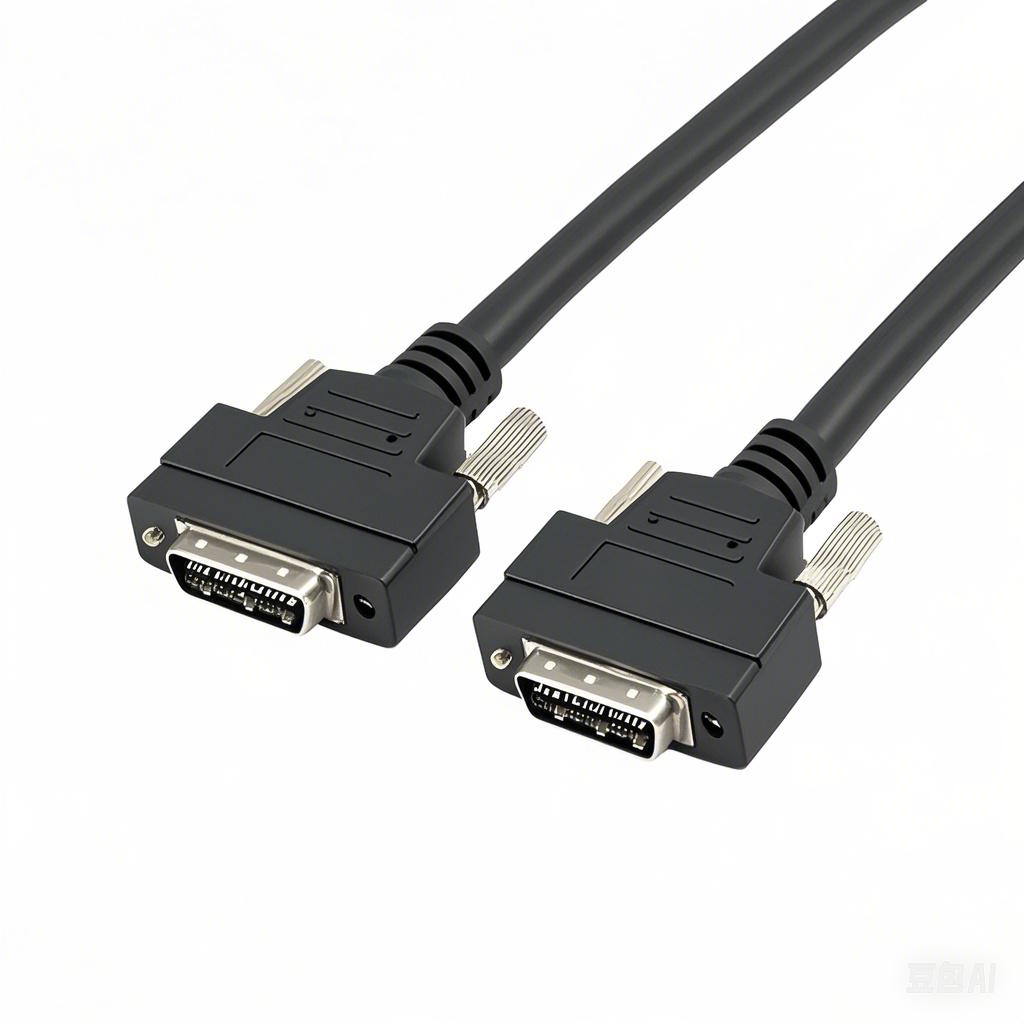
Industrial machinery often has limited space for cable routing. High-quality cable assemblies are designed with flexibility and compactness in mind, allowing easy installation in tight spaces. For example, flat cables or miniaturized connectors may be used to save space. Additionally, the length of the cable should be precise—too long may cause tangling, while too short may strain the connections.
5.3 Protection Level
The IP (Ingress Protection) rating indicates the cable assembly’s protection against dust and water. For example, IP67 means complete protection against dust and temporary immersion in water up to 1 meter. Choose a cable assembly with an appropriate IP rating based on the environment—e.g., IP65 or higher for dusty or wet environments, and IP20 for clean indoor environments.
6. Consider Customization Capabilities and After-Sales Service
Industrial applications vary widely, and standard cable assemblies may not meet specific requirements. A manufacturer with strong customization capabilities can tailor cable assemblies to your unique needs, such as custom lengths, connector types, shielding options, or color coding. When evaluating customization services, inquire about the manufacturer’s design cycle, minimum order quantity, and ability to adapt to design changes.
After-sales service is another important factor. High-quality manufacturers stand behind their products with warranties and responsive technical support. Check the warranty period (typically 1-5 years for industrial cable assemblies) and the manufacturer’s after-sales policy. A reliable manufacturer will quickly resolve issues such as product defects or performance problems, minimizing downtime for your machinery.
Why Choose FRS for Your Machine Cable Assemblies?
When it comes to distinguishing high-quality machine cable assemblies, FRS stands out as a trusted partner that excels in every key indicator mentioned above. As a professional manufacturer with years of experience in the industry, FRS is committed to delivering reliable, high-performance cable assemblies that meet the demanding needs of industrial applications.
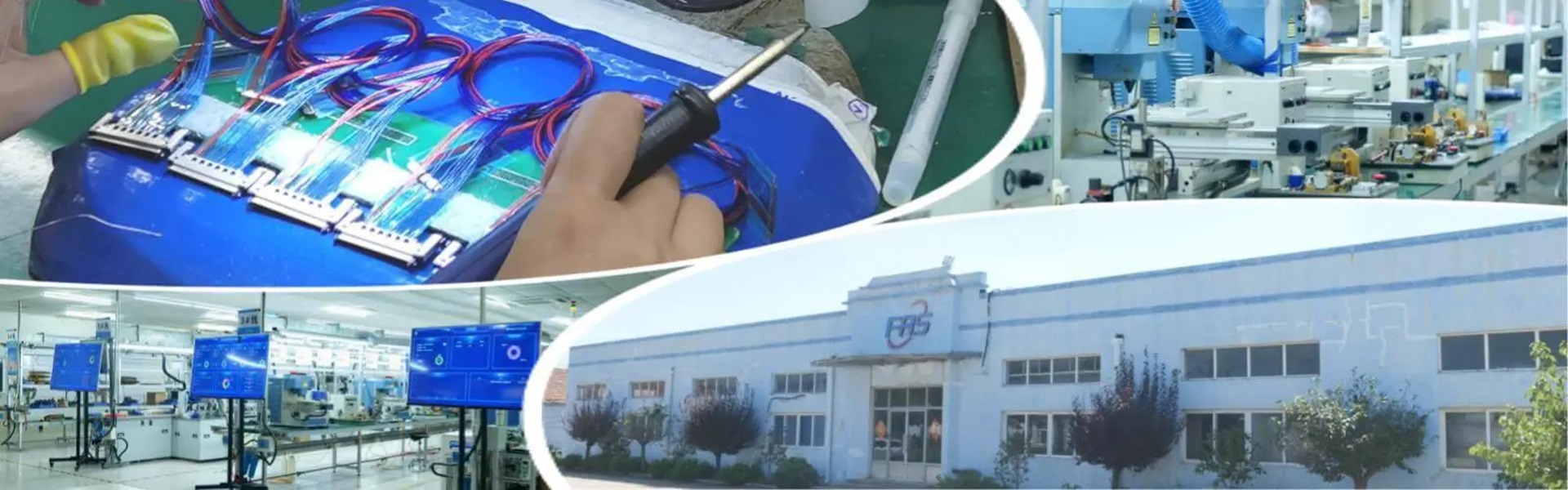
At FRS, we start with premium materials: our conductors are made of high-purity oxygen-free copper for excellent conductivity, insulation and sheath materials are selected from top-grade XLPE, PTFE, and PVC to ensure temperature and chemical resistance, and shielding layers use high-density braided copper or aluminum foil for superior EMI/RFI rejection. Our manufacturing processes are controlled with precision—we use automated crimping and welding equipment to ensure consistent joint quality, and our jacket molding is done with advanced machinery to achieve uniform, bubble-free results.
Every FRS machine cable assembly undergoes rigorous performance testing, including electrical, mechanical, and environmental tests, with detailed test reports provided for each batch. We hold UL, CE, IEC, and RoHS certifications, ensuring our products comply with global quality and safety standards. Our structural design team focuses on mechanical stress relief, space optimization, and appropriate IP ratings, tailoring solutions to your specific application scenarios. Whether you need standard products or custom-designed cable assemblies, FRS can deliver with short lead times and flexible minimum order quantities.