unshielded machine cable Assemblies
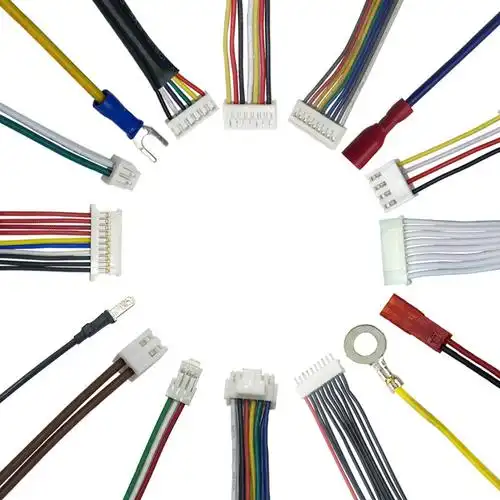
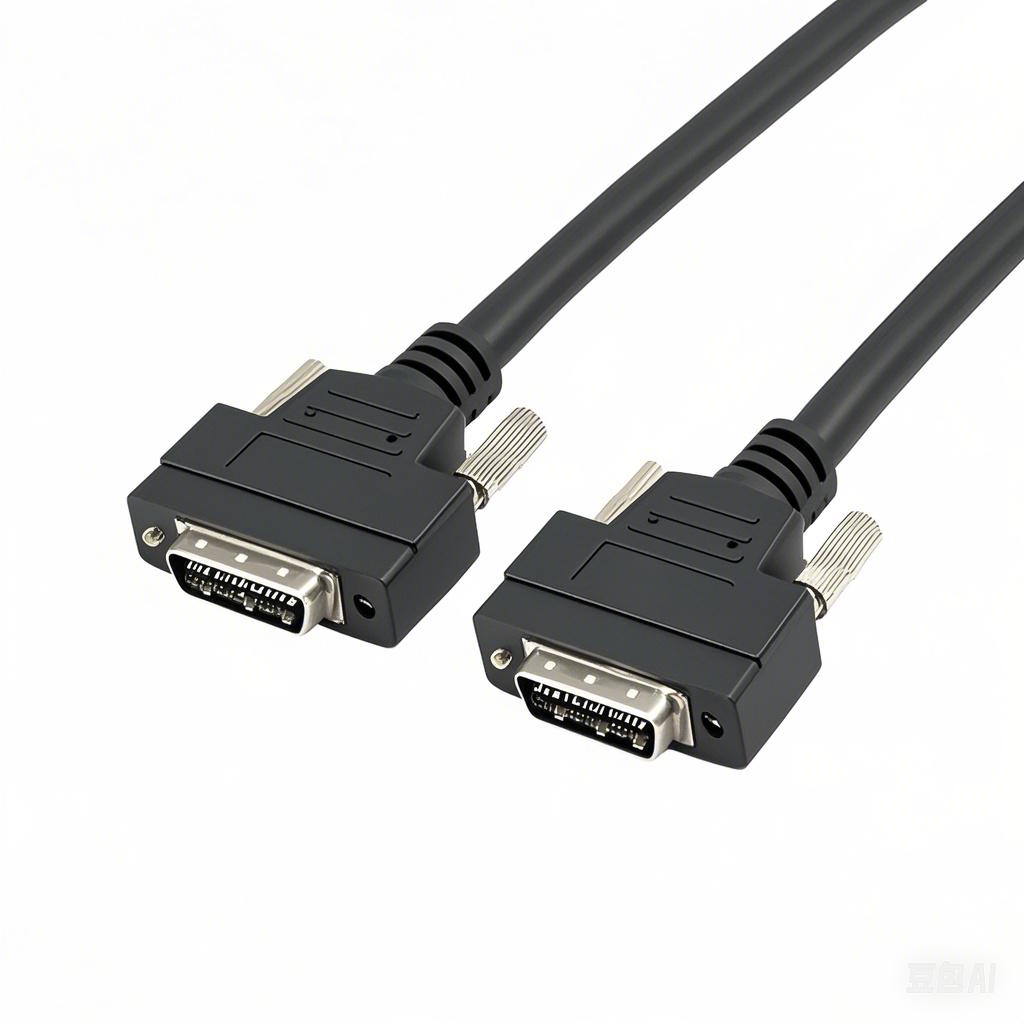
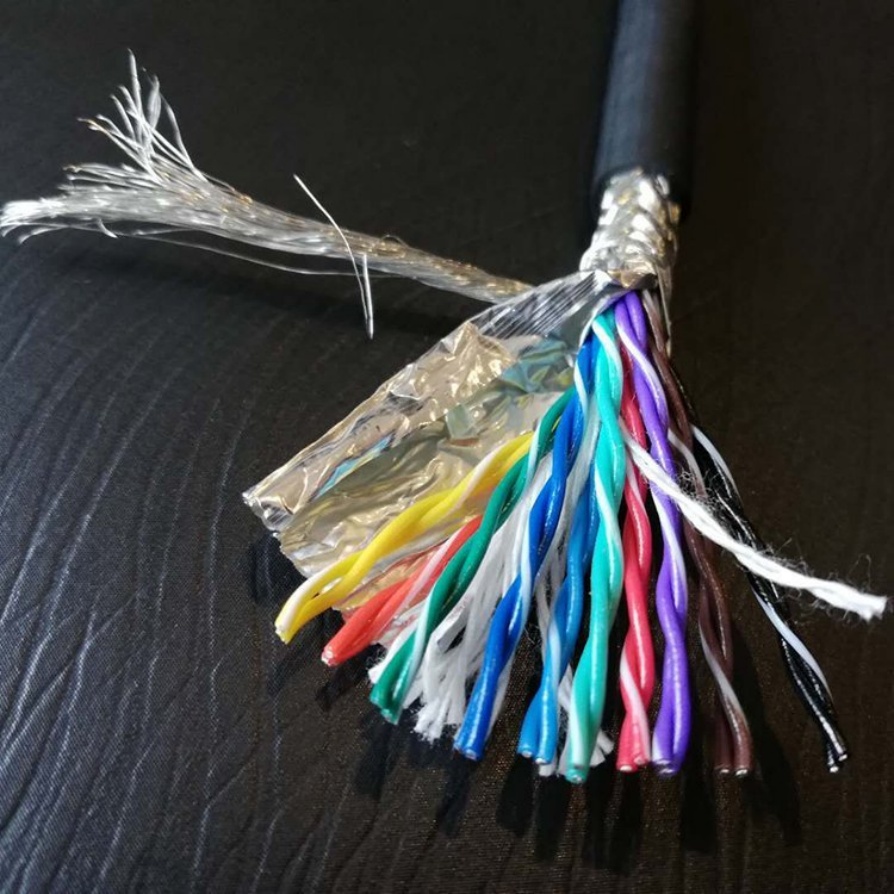
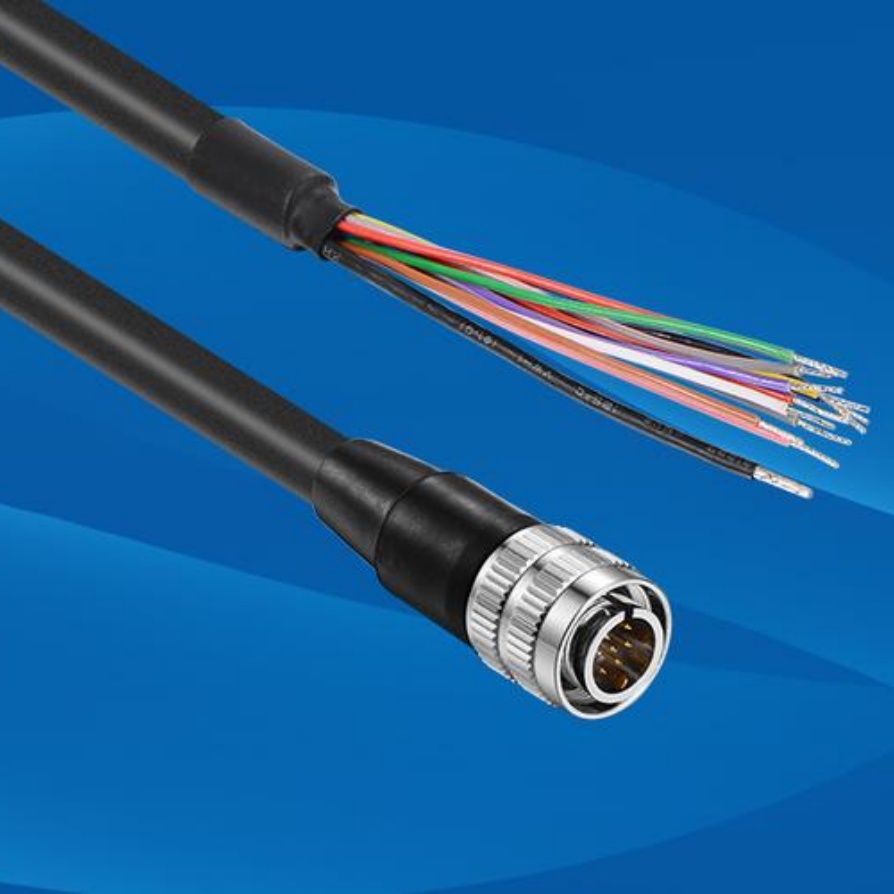
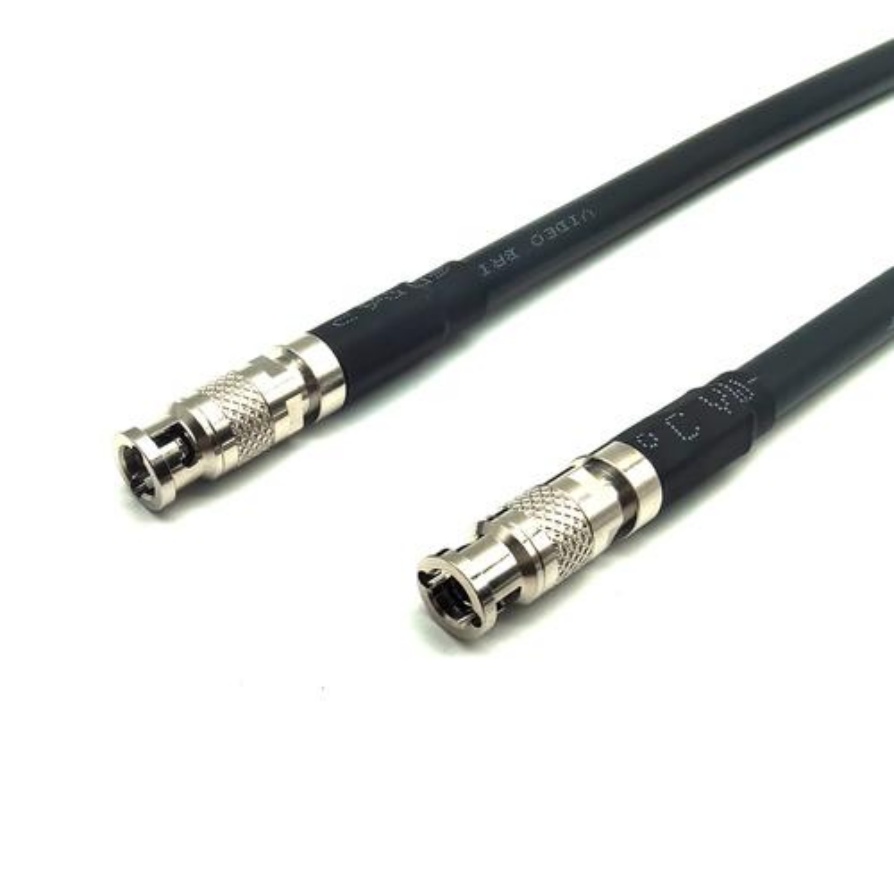
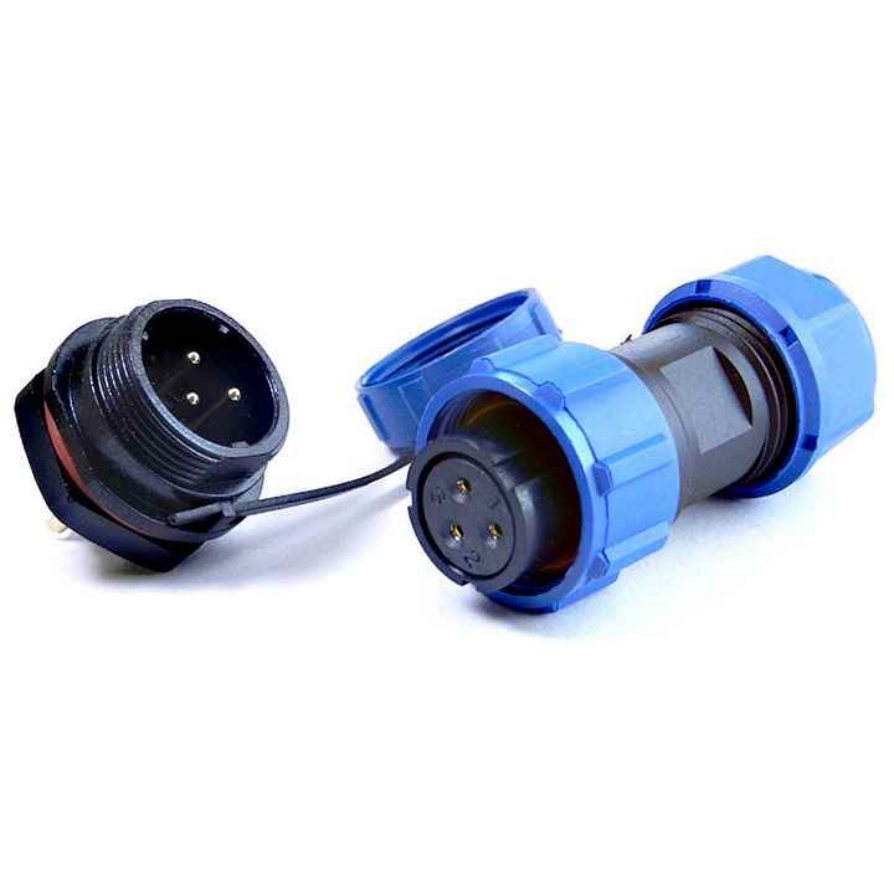
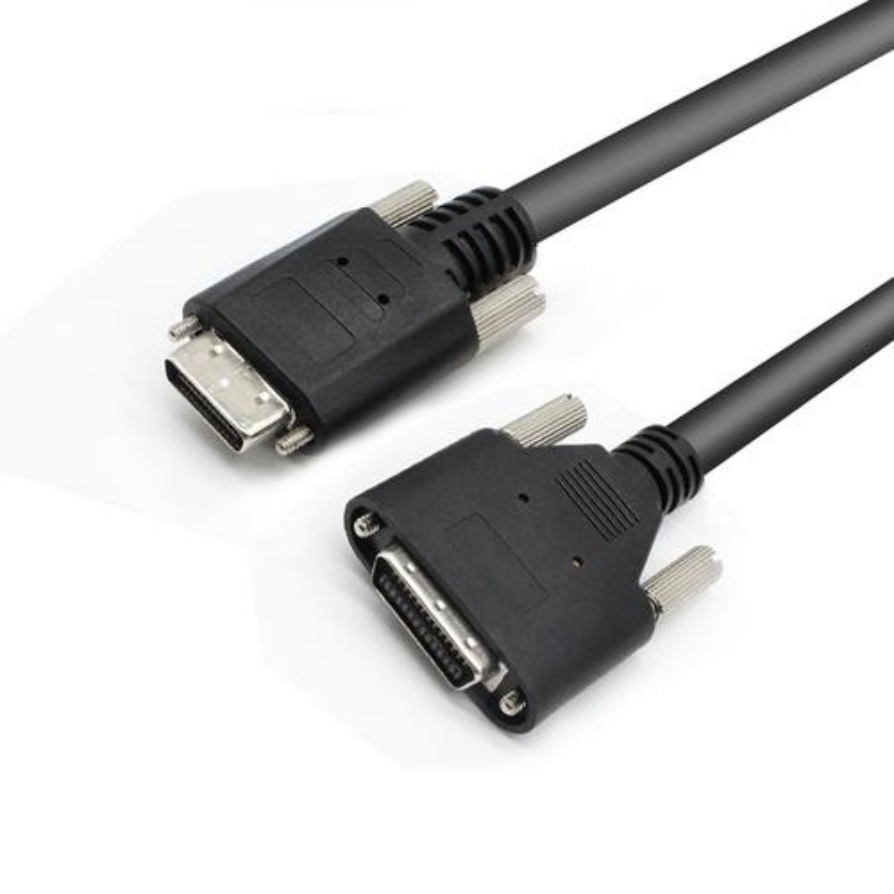
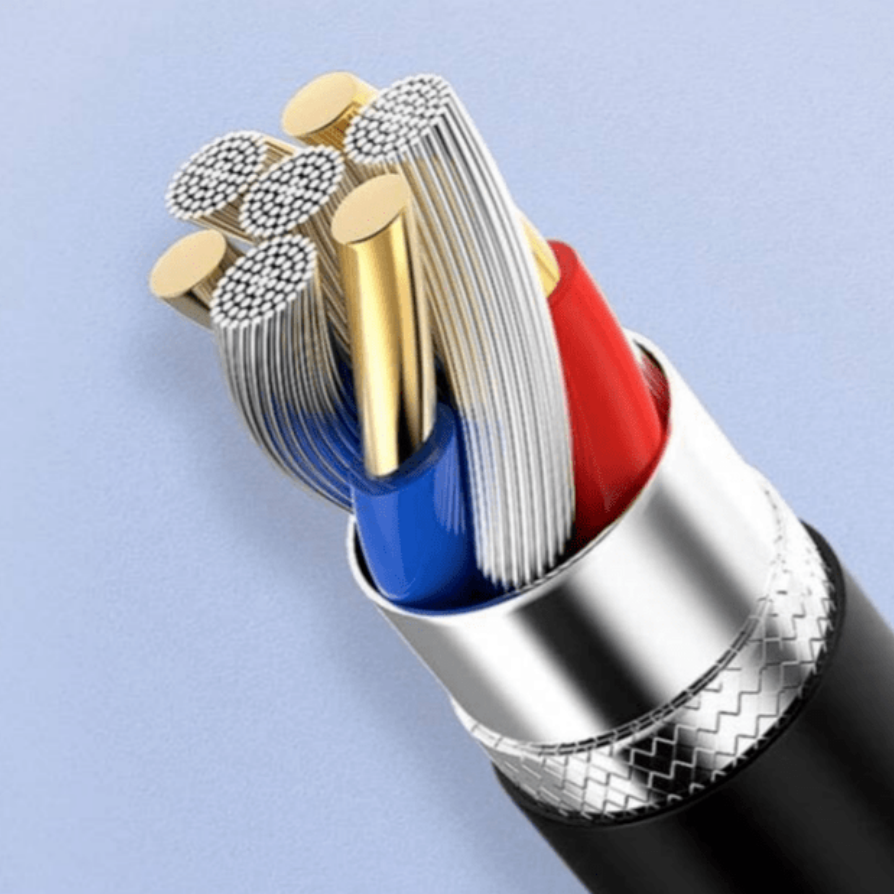
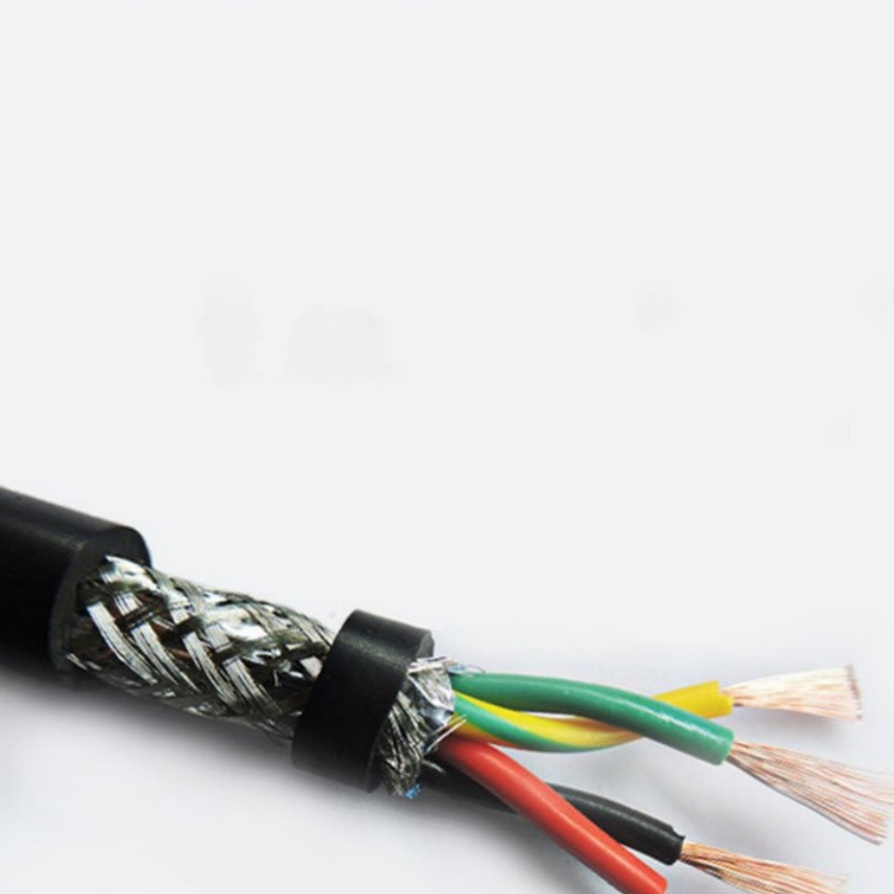
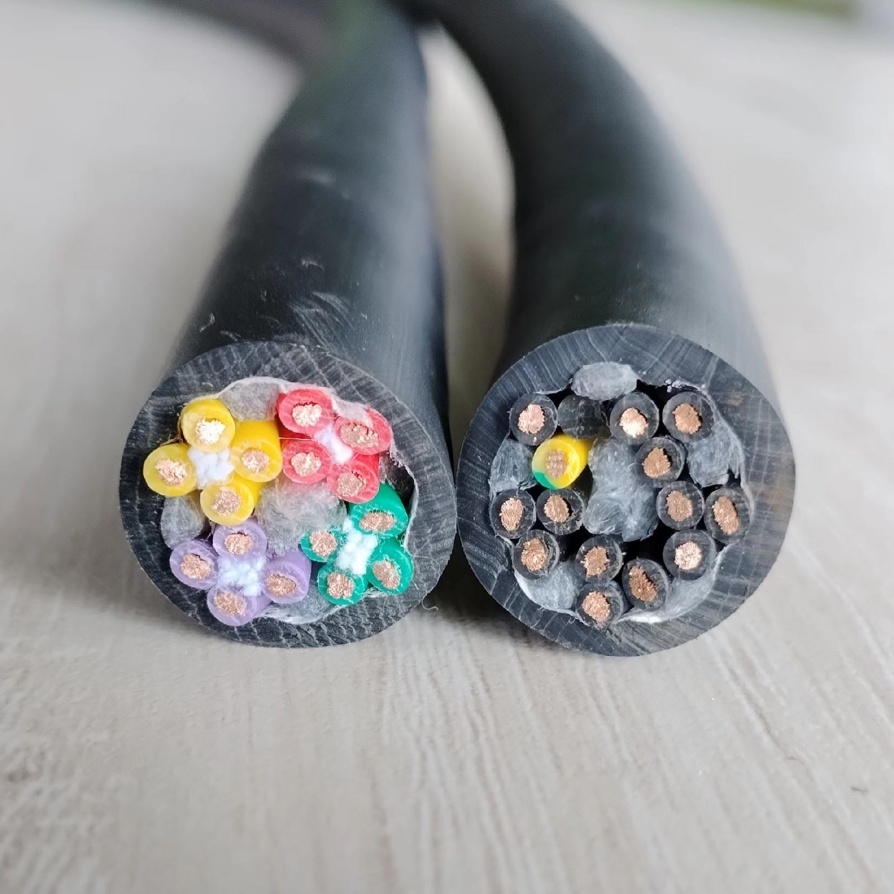
Unshielded machine cable assemblies are essential components in industrial automation and machinery systems, designed to transmit power, signals, or data between different parts of a machine without the added layer of shielding. Unlike shielded cable assemblies that incorporate metallic braids or foils to block electromagnetic interference (EMI), unshielded versions prioritize flexibility, cost-effectiveness, and simplicity in environments where EMI risks are minimal or well-managed.
Key Characteristics of Unshielded Machine Cable Assemblies
One of the primary advantages of unshielded machine cable assemblies is their flexibility. Without the rigid shielding layer, these cables can bend and twist more easily, making them ideal for applications where machinery components move frequently, such as robotic arms, conveyor systems, and packaging equipment. This flexibility also simplifies installation in tight spaces, reducing the need for complex routing.
Cost-effectiveness is another notable feature. The absence of shielding materials lowers production costs, making unshielded assemblies a budget-friendly choice for industries that operate on tight margins but don’t require EMI protection. Additionally, their lighter weight compared to shielded counterparts reduces the overall load on machinery, potentially extending the lifespan of moving parts.
Unshielded machine cable assemblies also offer excellent heat dissipation. The simpler construction allows for better airflow around the conductors, preventing overheating in high-temperature industrial environments. This makes them suitable for use in applications like plastic molding machines or metal processing equipment, where temperature control is crucial.
Common Applications
These cable assemblies find widespread use in industries where EMI interference is not a significant concern. In the food and beverage processing sector, they are used to connect sensors, motors, and control panels in equipment like filling machines and labelers. Their flexibility and resistance to moisture (when specified with appropriate jackets) make them suitable for washdown environments.
In packaging machinery, unshielded machine cable assemblies transmit signals between photoelectric sensors and control units, ensuring precise coordination of packaging processes. They are also utilized in material handling equipment such as forklifts and automated guided vehicles (AGVs), where their lightweight design and durability withstand constant movement and vibration.
Another key application area is textile machinery, where the cables connect various components of looms and spinning machines. The flexibility of unshielded assemblies allows them to adapt to the rapid, repetitive motions of these machines without signal degradation.
Selection and Installation Considerations
When selecting unshielded machine cable assemblies, it’s important to consider the cable gauge based on the current or signal requirements of the application. Thicker gauges are suitable for higher power transmission, while thinner gauges are ideal for low-voltage signal transmission. The conductor material (typically copper) should also be evaluated for conductivity and corrosion resistance, especially in harsh environments.
The insulation and jacket materials play a critical role in durability. Materials like PVC (polyvinyl chloride) are cost-effective and offer good resistance to oil and chemicals, making them suitable for general industrial use. For high-temperature applications, fluoropolymers like PTFE provide superior heat resistance. Additionally, the jacket should be flexible enough to accommodate the machine’s movement without cracking.
During installation, proper cable routing is essential to avoid excessive tension or bending. Unshielded cables should be kept away from high-voltage sources or EMI-generating equipment to minimize potential interference. Using cable ties or clamps to secure the assemblies can prevent damage from vibration, ensuring reliable performance over time.
Maintenance Tips
Regular maintenance of unshielded machine cable assemblies helps extend their lifespan. Periodic inspections should check for signs of wear, such as cracked jackets, exposed conductors, or loose connections. Any damaged cables should be replaced immediately to prevent equipment downtime or safety hazards. Keeping the cables clean and free from debris also helps maintain optimal performance, especially in dusty or dirty industrial environments.
Choose FRS for Reliable Unshielded Machine Cable Assemblies
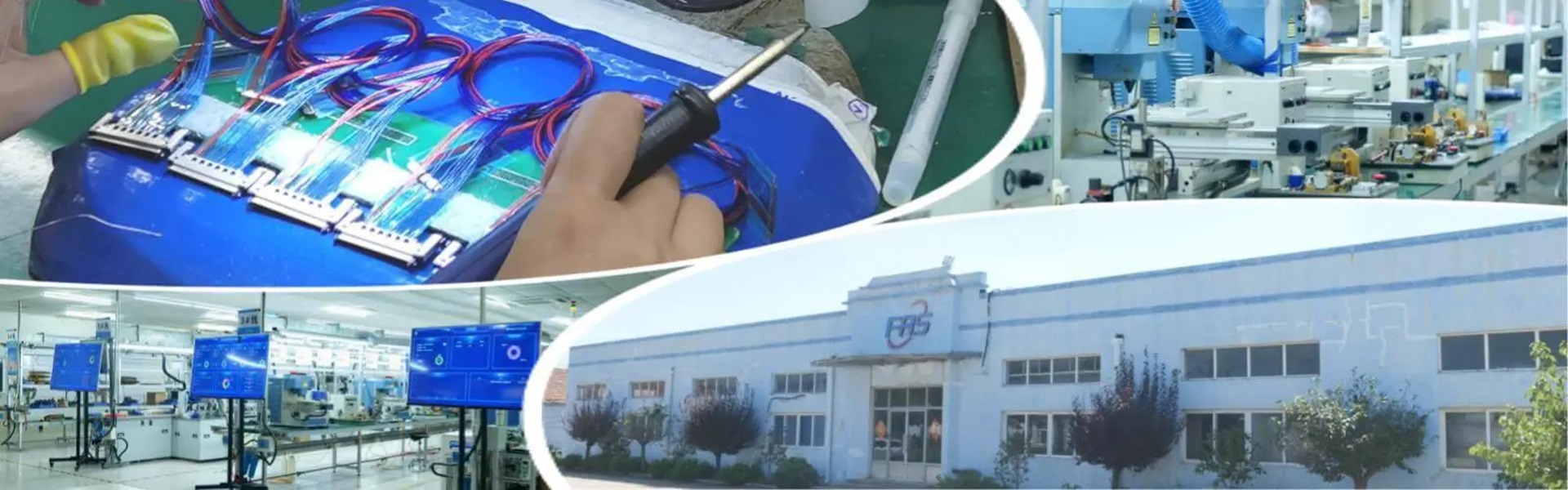
When it comes to sourcing high-quality unshielded machine cable assemblies, FRS brand factory stands out as a trusted partner. With years of experience in industrial cable manufacturing, FRS specializes in producing custom unshielded assemblies tailored to meet the unique needs of your application. Our cables are crafted using premium copper conductors and durable insulation/jacket materials, ensuring flexibility, cost-effectiveness, and long-lasting performance. From food processing to packaging and material handling, FRS unshielded machine cable assemblies deliver consistent reliability in even the most demanding industrial settings. Partner with FRS today for cables that keep your machinery running smoothly.