Are there high-temperature machine cable options for furnaces
Yes, there are specialized high-temperature machine cable options designed specifically for furnace applications. Furnaces operate in extreme thermal environments, where standard cables would quickly degrade, leading to equipment failure, safety hazards, or frequent replacements. High-temperature machine cables are engineered to withstand the intense heat, thermal cycling, and often harsh chemical conditions present in furnace systems, making them essential components for reliable and safe furnace operation.
Key Characteristics of High-Temperature Furnace Cables
To perform effectively in furnace settings, these cables must possess several critical attributes. First and foremost is temperature resistance. Depending on the furnace type (e.g., industrial ovens, metal melting furnaces, heat treatment furnaces), operating temperatures can range from 200°C to over 1000°C. High-temperature cables are rated for specific temperature limits, with some able to endure continuous exposure to 600°C or more, and short-term peaks even higher.
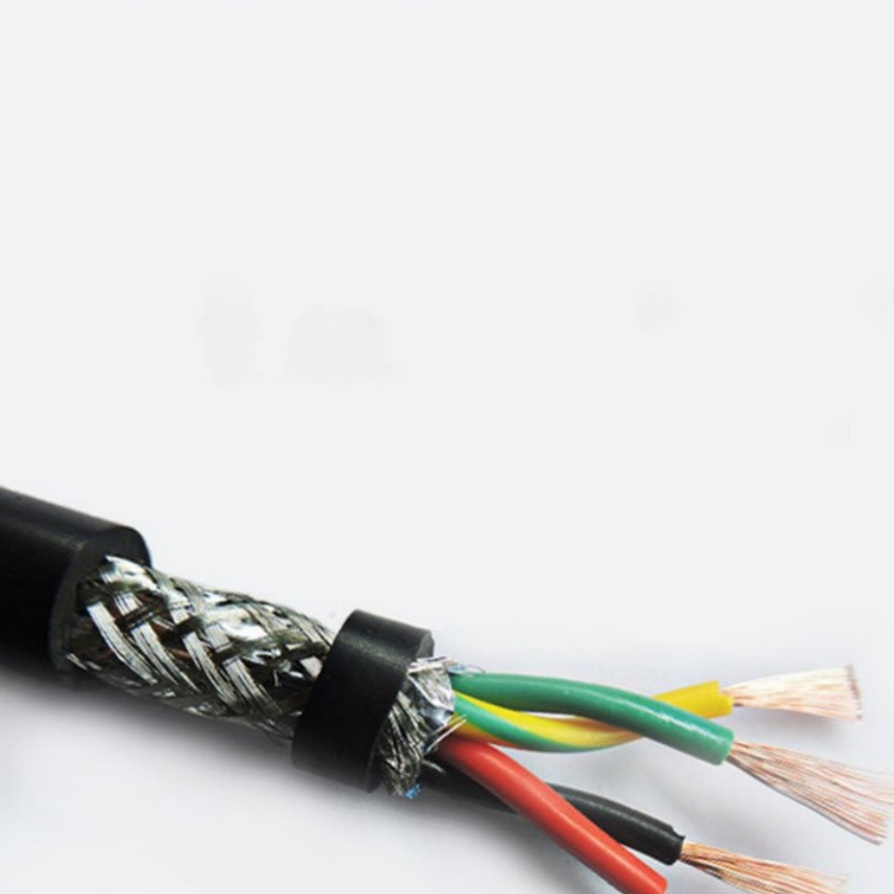
Another vital feature is insulation and jacketing materials. Common materials include silicone rubber, fluoropolymers (such as PTFE, FEP, and PFA), and mineral insulation (like magnesium oxide). Silicone rubber cables offer flexibility and good heat resistance up to around 200-300°C, making them suitable for less extreme furnace areas. Fluoropolymers excel in higher temperatures (up to 260°C continuous) and resist chemicals, oils, and solvents, ideal for furnaces handling corrosive materials. Mineral-insulated (MI) cables, consisting of a metal sheath (copper or stainless steel) surrounding mineral insulation and conductors, can withstand the highest temperatures—up to 1000°C—along with fire and physical damage.
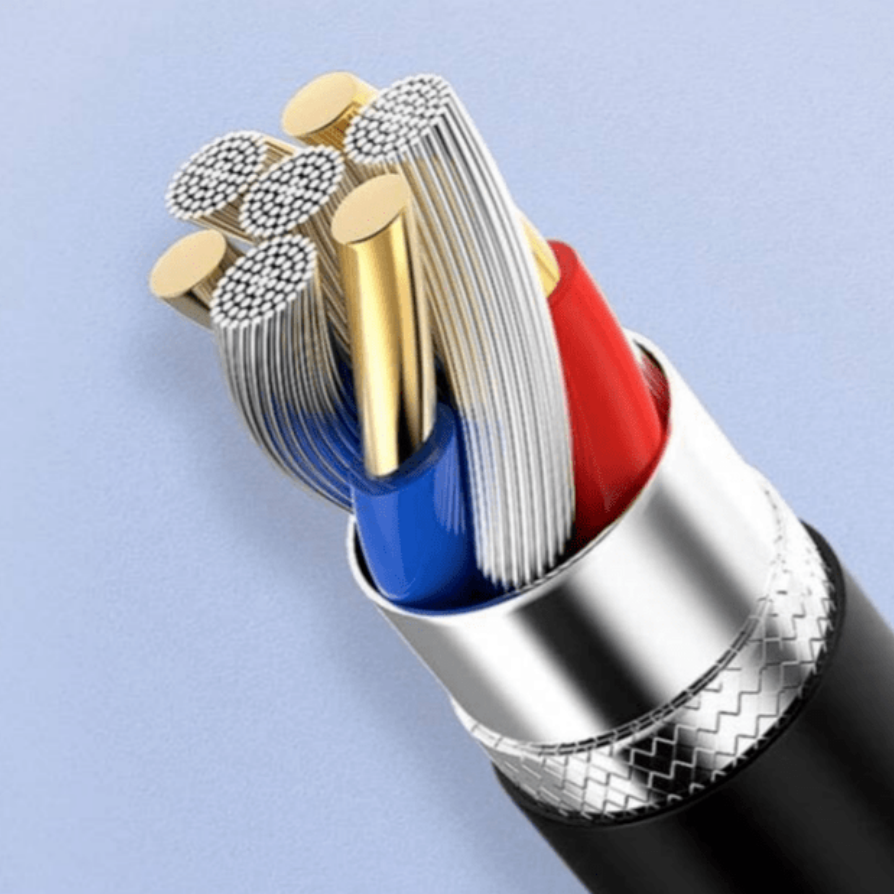
Mechanical strength is also crucial. Furnace environments may involve vibration, abrasion from moving parts, or contact with heavy machinery. High-temperature cables are constructed with durable conductors (often tinned copper or nickel-plated copper) and reinforced jackets to resist wear and tear. Additionally, thermal cycling resistance prevents the cable from becoming brittle or cracking when exposed to repeated heating and cooling cycles, a common occurrence in furnace operations.
Common Types of High-Temperature Cables for Furnaces
- Silicone Rubber High-Temperature Cables: These cables are flexible, lightweight, and cost-effective. They are commonly used in furnace control systems, thermocouple leads, and power supply for auxiliary components like fans or pumps. Their temperature rating typically ranges from -60°C to 200°C (continuous) and 300°C (short-term), making them suitable for moderate-heat furnace zones.
- Fluoropolymer (PTFE/FEP/PFA) Cables: Known for their excellent chemical resistance and high-temperature performance, these cables are used in furnaces where exposure to acids, alkalis, or industrial solvents is likely. PTFE-insulated cables can handle continuous temperatures up to 260°C and short-term peaks of 300°C, making them ideal for process control wiring in high-heat, corrosive furnace environments.
- Mineral-Insulated (MI) Cables: The most rugged option for extreme furnace conditions, MI cables use a metal sheath (copper, stainless steel, or Inconel) and magnesium oxide insulation. They can withstand continuous temperatures up to 750°C (copper sheath) or 1000°C (stainless steel/Inconel sheath) and are fire-resistant, waterproof, and impervious to chemicals. They are often used for power wiring in the hottest parts of furnaces, such as heating elements or molten metal handling systems.
Considerations When Selecting Furnace Cables
Choosing the right high-temperature cable requires evaluating several factors. First, temperature range: Determine the maximum continuous and peak temperatures the cable will encounter, then select a cable with a rating that exceeds these values to ensure longevity. Second, installation environment: Assess if the cable will be exposed to chemicals, moisture, vibration, or physical impact—this will dictate the insulation and jacketing material (e.g., fluoropolymers for chemicals, MI cables for physical damage). Third, mechanical requirements: Flexibility may be needed for wiring in tight spaces (silicone or fluoropolymer cables), while rigidity might be preferred for fixed installations (MI cables). Finally, certifications and compliance: Ensure the cable meets industry standards (e.g., IEC, UL, CSA) for safety and performance in industrial furnace applications.
Conclusion
High-temperature machine cables are indispensable for furnace operations, with options tailored to different temperature ranges, environmental conditions, and mechanical needs. From flexible silicone rubber cables for control systems to robust mineral-insulated cables for extreme heat, selecting the right cable ensures reliable furnace performance, reduces downtime, and enhances safety.
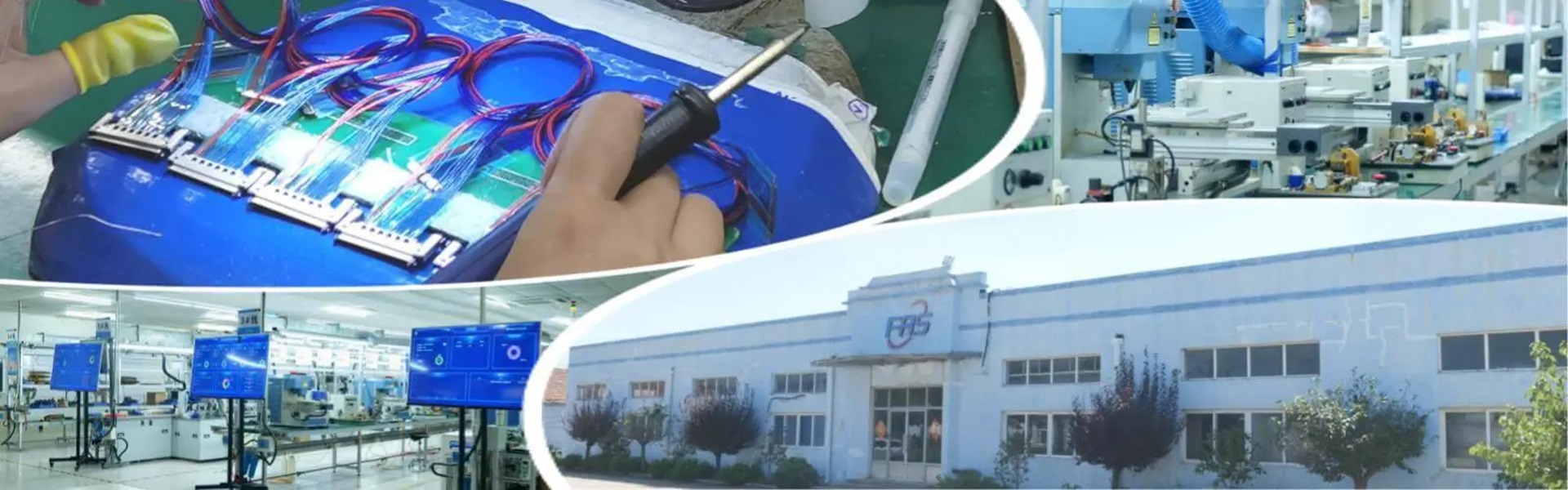
When it comes to sourcing high-quality high-temperature machine cables for furnaces, FRS brand factory stands out as a trusted partner. With years of expertise in industrial cable manufacturing, FRS produces a comprehensive range of furnace cables—including silicone rubber, fluoropolymer, and mineral-insulated types—all engineered to meet strict temperature and performance standards. FRS cables undergo rigorous testing to ensure durability in harsh furnace environments, providing customers with reliable solutions that minimize maintenance costs and maximize operational efficiency. Choose FRS for your furnace cable needs, and experience the peace of mind that comes with superior quality and专业 support.