How to Calculate the Resistance of Machine Cable
Machine cables are the lifeline of industrial equipment, and their resistance directly impacts operational efficiency, energy consumption, and safety. Accurate resistance calculation is critical for engineers, maintenance technicians, and equipment designers to ensure optimal cable selection, prevent overheating, and avoid system failures. This article breaks down the practical steps, key factors, and actionable methods to calculate machine cable resistance—with no jargon or irrelevant theory, just straightforward guidance for real-world application.
Core Principles of Cable Resistance Calculation
The resistance of a machine cable follows Ohm’s law and is rooted in the physical properties of the conductor. The fundamental formula for calculating DC resistance (the primary focus for most industrial applications) is:
R = (ρ × L) / A
Where:
- R = Resistance of the cable (ohms, Ω)
- ρ (rho) = Resistivity of the conductor material (Ω·m, ohm-meters)
- L = Length of the cable conductor (meters, m)
- A = Cross-sectional area of the conductor (m², square meters)
This formula is the foundation of all calculations. The key is to correctly identify and input each parameter—mistakes here will lead to inaccurate results that could compromise equipment performance.
Key Parameters to Confirm Before Calculation
1. Resistivity (ρ) of the Conductor Material
Resistivity is an intrinsic property of the material, representing its ability to oppose electric current. Machine cables typically use copper or aluminum conductors, with copper being the most common for industrial applications due to its lower resistivity.
- Copper (20°C): ρ = 1.72 × 10⁻⁸ Ω·m (standard reference value)
- Aluminum (20°C): ρ = 2.82 × 10⁻⁸ Ω·m
Note: Resistivity increases with temperature. For applications where cables operate above 20°C, adjust ρ using the temperature coefficient (α): ρ(T) = ρ(20°C) × [1 + α(T – 20)]. For copper, α = 0.00393/°C; for aluminum, α = 0.00403/°C.
2. Conductor Length (L)
Measure the actual length of the cable conductor, not the cable’s outer length. For machine cables, this includes the entire path from the power source to the equipment, accounting for bends, loops, and excess length (add 5-10% for installation allowances). Avoid using the cable’s nominal length from the manufacturer—always verify with on-site measurements or detailed drawings.
3. Cross-Sectional Area (A)
The cross-sectional area of the conductor is specified by the cable’s gauge (e.g., AWG, mm²). Machine cables often use metric sizes (mm²) in industrial settings. Convert the area to m² for the formula (1 mm² = 1 × 10⁻⁶ m²).
Example: A 16 mm² copper conductor has an area A = 16 × 10⁻⁶ m².
Step-by-Step Calculation Guide (with Practical Example)
Let’s walk through a real-world scenario to illustrate the process:
Scenario: Calculate the resistance of a 15-meter machine cable with a 25 mm² copper conductor, operating at 30°C.
Step 1: Confirm Resistivity at Operating Temperature
- ρ(20°C) for copper = 1.72 × 10⁻⁸ Ω·m
- Temperature coefficient α = 0.00393/°C
- ρ(30°C) = 1.72 × 10⁻⁸ × [1 + 0.00393 × (30 – 20)] = 1.72 × 10⁻⁸ × 1.0393 ≈ 1.788 × 10⁻⁸ Ω·m
Step 2: Input Length and Cross-Sectional Area
- L = 15 m
- A = 25 mm² = 25 × 10⁻⁶ m²
Step 3: Apply the Resistance Formula
R = (ρ × L) / A = (1.788 × 10⁻⁸ × 15) / (25 × 10⁻⁶) ≈ (2.682 × 10⁻⁷) / (2.5 × 10⁻⁵) ≈ 0.0107 Ω
Result: The cable’s resistance at 30°C is approximately 0.0107 ohms.
Critical Notes for Machine Cable Applications
1. AC vs. DC Resistance
For high-frequency or AC applications (e.g., variable-frequency drives), skin effect and proximity effect increase resistance. For most low-to-medium frequency machine operations (50-60 Hz), DC resistance is sufficient for accurate calculations. For high-frequency systems, multiply the DC resistance by a correction factor (typically 1.05-1.15) based on cable diameter and frequency.
2. Multi-Core Machine Cables
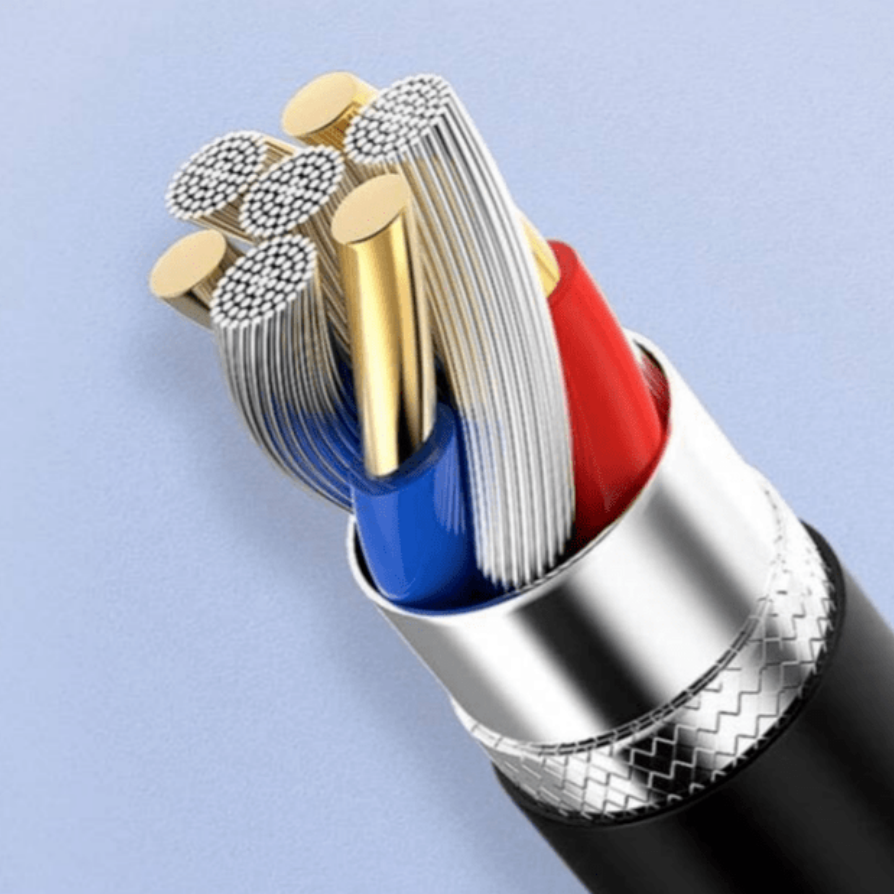
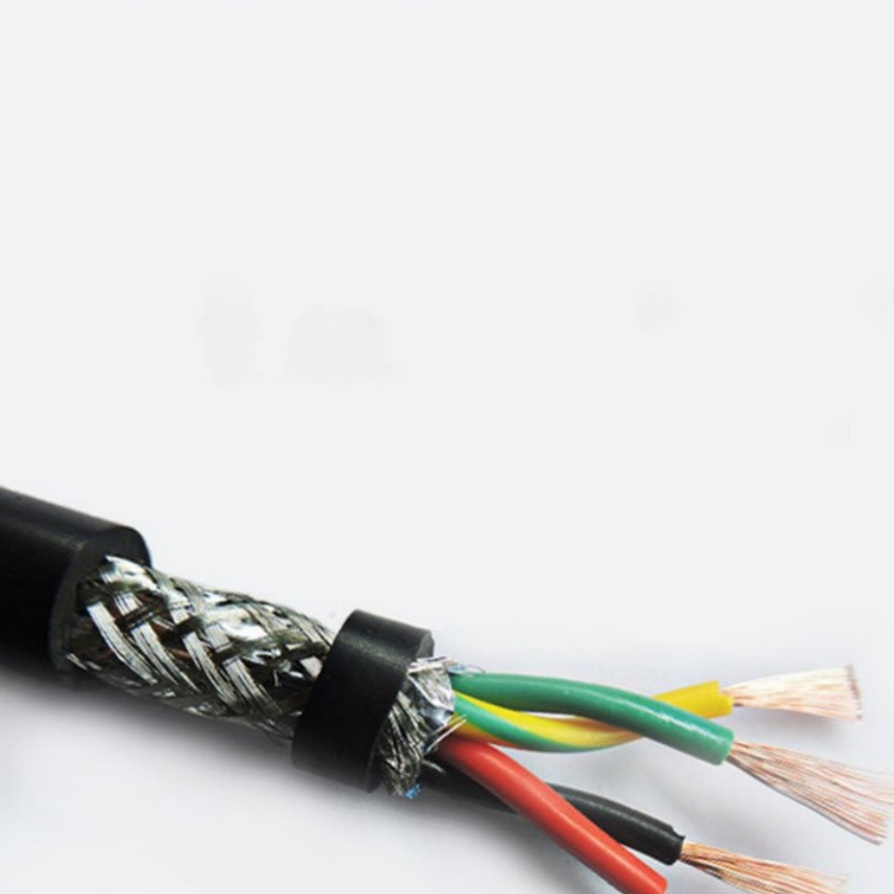
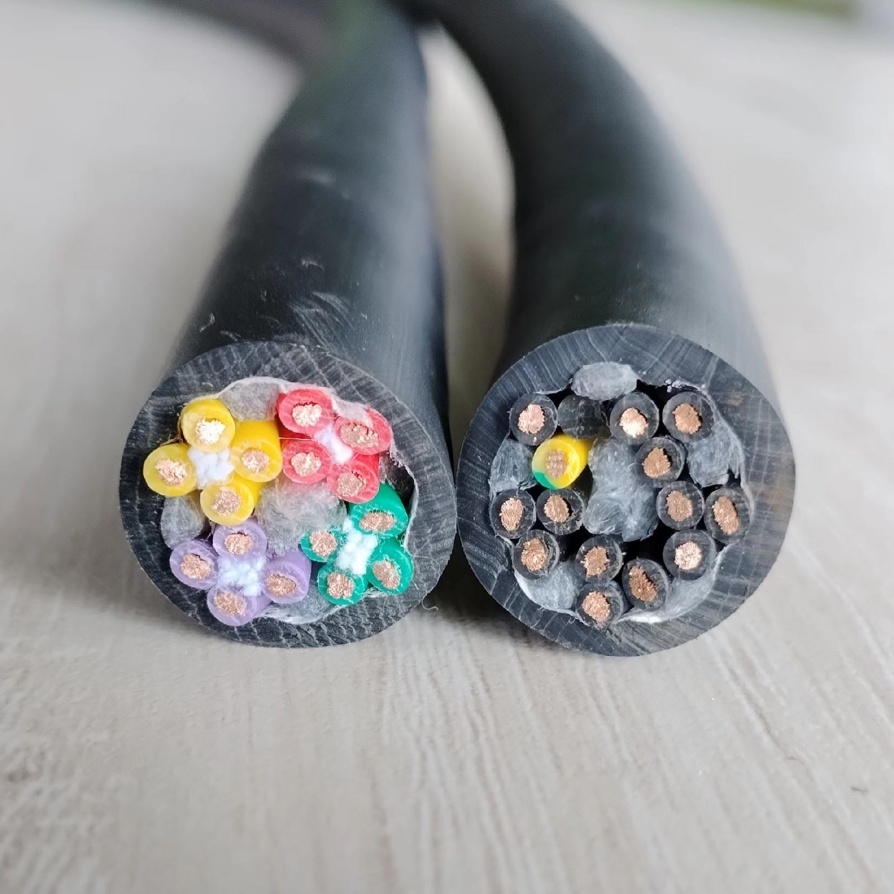
Many machine cables are multi-core (e.g., 3-core, 4-core). Calculate the resistance of each core individually using the same formula—each core has its own conductor area and length. Do not sum the cross-sectional areas of multiple cores; treat them as separate conductors.
3. Cable Aging and Damage
Over time, factors like corrosion, mechanical damage, or insulation degradation can increase resistance. For critical equipment, recalculate resistance periodically or after maintenance to ensure performance remains within safe limits.
Choose FRS: Reliable Machine Cables for Precise Performance
Accurate resistance calculation starts with high-quality cables—ones that maintain consistent conductor material, precise cross-sectional area, and stable performance over time. FRS brand factory specializes in manufacturing industrial machine cables engineered for reliability and precision. Our cables use high-purity copper conductors with strict dimensional control, ensuring resistivity and cross-sectional accuracy that align with your calculations. Whether for heavy-duty machinery, automation systems, or precision equipment, FRS cables deliver consistent resistance, low energy loss, and long-term durability. Trust FRS to power your operations with cables designed for performance—every calculation, every time.