The question of whether machine cables can be used in medical devices is a critical one for manufacturers, healthcare providers, and safety regulators alike. In short, standard machine cables are not suitable for direct use in medical devices. Medical equipment operates in uniquely demanding environments and is subject to stringent safety, performance, and compliance requirements that go far beyond the capabilities of typical industrial machine cables. Below is a detailed breakdown of the key considerations, differences, and best practices to ensure safe and effective cable selection for medical applications.
1. Core Requirements for Medical Device Cables
Medical devices—ranging from diagnostic equipment (e.g., MRI machines, ultrasound scanners) to life-support systems (e.g., ventilators, defibrillators)—rely on cables to transmit power, data, and signals. These cables must meet rigorous standards to protect patients, clinicians, and equipment. The most critical requirements include:
Biocompatibility: Cables that come into contact with patients (e.g., on wearable monitors or surgical tools) must be made from materials that do not cause allergic reactions, toxicity, or tissue irritation. This requires compliance with standards like ISO 10993, which tests for biological safety. Standard machine cables often use PVC or rubber compounds that may contain harmful additives, making them unsuitable for patient contact.
Electrical Safety: Medical devices are classified into “patient-connected” or “patient-isolated” categories, each with strict limits on leakage current and insulation resistance. Cables must prevent electrical shock, even in wet or conductive environments (e.g., operating rooms). Machine cables, designed for industrial settings, may not have the double insulation or grounding features needed to meet medical safety standards like IEC 60601-1.
Sterilization Resistance: Many medical cables must withstand repeated sterilization via autoclaving (high temperature/pressure), ethylene oxide (EtO), or chemical disinfection. Machine cables are often not engineered to resist these processes—their jackets may crack, insulate degrade, or performance decline after just a few sterilization cycles.
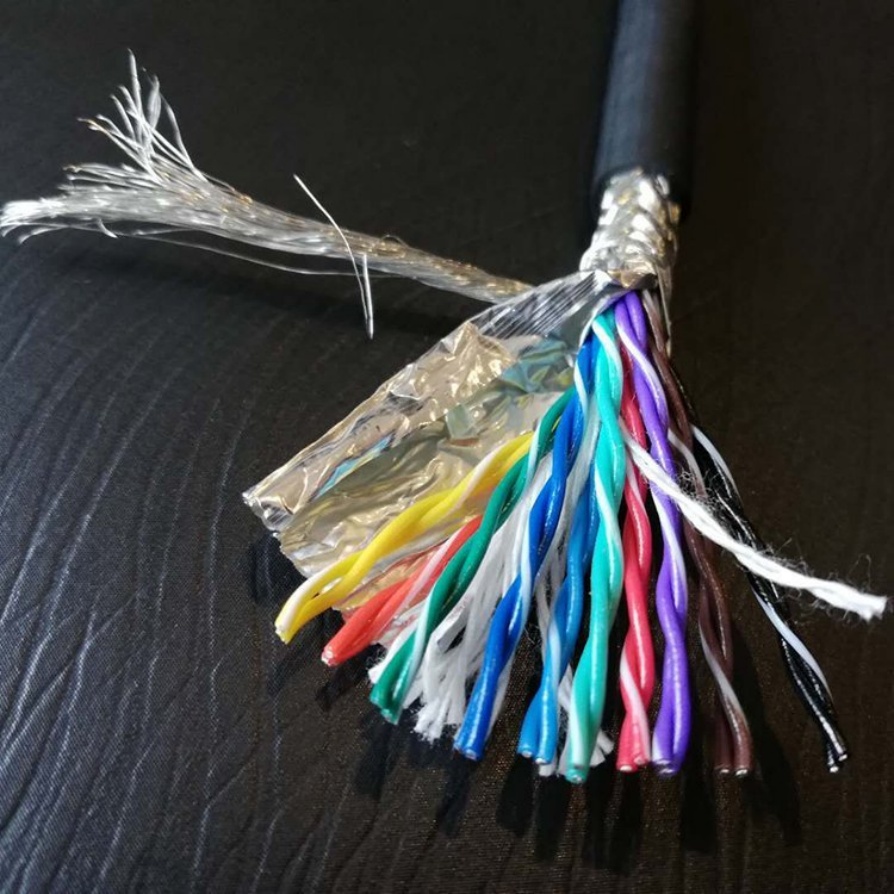
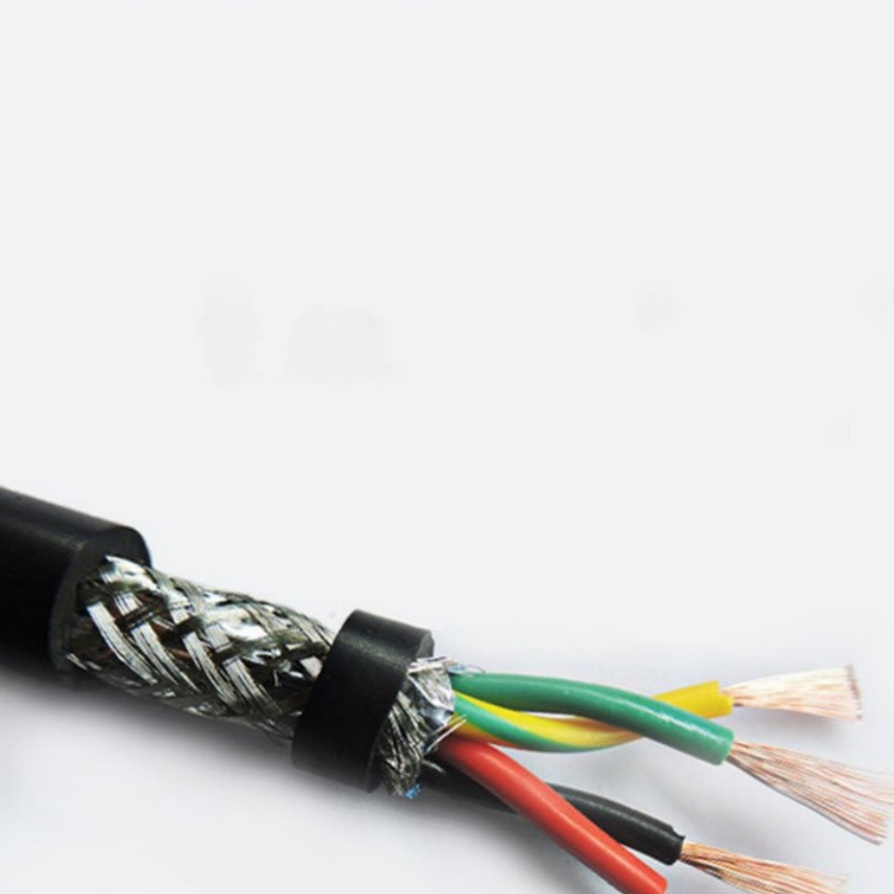
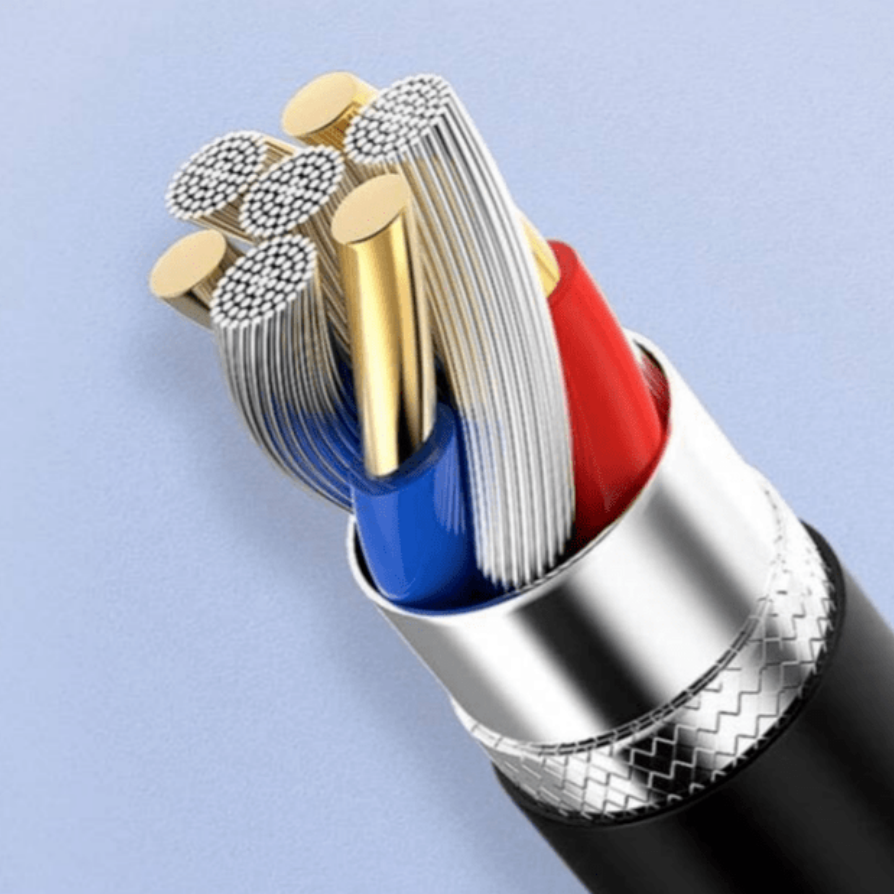
Signal Integrity: Advanced medical devices (e.g., MRI, CT scanners) require cables to transmit high-frequency, low-noise signals without interference. Machine cables typically lack shielding (or use basic shielding) and may introduce signal loss or electromagnetic interference (EMI), compromising diagnostic accuracy or device functionality.
Regulatory Compliance: Medical cables must adhere to region-specific regulations, such as the U.S. FDA’s 510(k) clearance, EU MDR (Medical Device Regulation), or China NMPA standards. These regulations mandate extensive testing and documentation, which standard machine cables do not undergo.
2. Key Differences Between Machine Cables and Medical-Grade Cables
To further illustrate why machine cables are incompatible, here’s a direct comparison of their core characteristics:
Double insulation; foil/braid shielding for EMI immunity
Sterilization Resistance
Not designed for repeated sterilization
Resistant to autoclaving, EtO, and chemical cleaners
Compliance
Industrial standards (e.g., IEC 60245)
Medical standards (e.g., IEC 60601-1, ISO 10993)
3. Practical Guidelines for Selecting Medical Device Cables
When sourcing cables for medical devices, follow these steps to ensure safety and performance:
Assess the Application Context: Determine if the cable will be patient-contacting (critical for biocompatibility), used in sterile environments (requires sterilization resistance), or transmit sensitive signals (needs high shielding).
Verify Compliance Certifications: Always request documentation proving compliance with IEC 60601-1, ISO 10993, and regional regulations (FDA, MDR). Avoid cables without third-party testing reports.
Prioritize Customization: Medical devices often have unique form factors (e.g., flexible cables for endoscopic tools, small-diameter cables for wearable devices). Work with manufacturers that offer custom cable designs tailored to your device’s needs.
Test for Long-Term Durability: Evaluate cables under real-world conditions, such as repeated bending (for portable devices) or exposure to cleaning agents, to ensure they maintain performance over their lifecycle.
4. FRS: Your Trusted Partner for Medical-Grade Cables
When it comes to medical device cables, cutting corners with machine cables risks patient safety, regulatory non-compliance, and product failure. FRS, a leading manufacturer of medical-grade cables, understands the unique challenges of the healthcare industry. Our cables are engineered to meet the strictest global standards—including IEC 60601-1, ISO 10993, and FDA 510(k) requirements—with biocompatible materials, advanced shielding for signal integrity, and robust sterilization resistance.
Whether you need custom cables for diagnostic equipment, life-support systems, or wearable medical devices, FRS offers end-to-end solutions from design to production. Our team of experts works closely with clients to optimize cable performance for their specific applications, ensuring reliability, safety, and regulatory compliance. Choose FRS for medical cables you can trust—because when it comes to healthcare, quality is non-negotiable.
Elevate your visual data transmission with the IP67 Waterproof Vision Connection Cable, engineered to deliver seamless performance in the harshest conditions. Designed for industrial, outdoor, and mission-critical applications, this rugg.
Product Overview: Machine Vision Cables
Machine vision cables are specialized components designed to ensure high-speed, stable data transmission and signal integrity in automated imaging systems. Key features include:
Technical S.
Meta Description: Discover premium Robotic Vision System Cables engineered for seamless data transmission, durability, and precision in industrial automation. Ensure flawless vision system performance.
Enhance Automation Precision with.
High-speed factories demand flawless synchronization between machines and vision systems. Yet, challenges like electromagnetic interference (EMI), cable fatigue, and data bottlenecks often disrupt operations. The right machine vision cab.
The Precision Imaging Dedicated Vision Cable is a cutting-edge connectivity solution designed to deliver crystal-clear image transmission in high-stakes environments. Optimized for industrial automation, medical imaging, machine vision, .
Meta Description: Discover the Flexible & Bend-Resistant Vision Cable, engineered for precision imaging in demanding environments. Durable, reliable, and built to last. Perfect for industrial, medical, and robotic applications.
Int.
Enhance the reliability and performance of your automated systems with our Industrial-Grade Machine Vision Cable—engineered to deliver unparalleled signal integrity, durability, and speed for demanding industrial applications. Designed f.
Shielded Twisted-Pair Vision Cable – Ultra-Clear Signal Transmission for Demanding Environments
Ensure flawless video and data transmission in high-interference environments with our Shielded Twisted-Pair (STP) Vision Cable. Engineere.
Meta Description: Experience seamless 4K/8K video transmission with our High-Speed Anti-Interference Vision Cable. Engineered for crystal-clear visuals, robust durability, and interference-free performance. Perfect for gaming, profes.
Subtitle: A High-Performance Signal Cable Designed for 3D Scanners, Ensuring Lossless Data and Minimal Latency
Product OverviewThe 3D Scanner Vision Signal Cable is a premium signal transmission cable engineered for both industrial a.