HDMI vision cableHDMI
In the realm of digital connectivity, HDMI cables have long been the backbone of transmitting audio and video signals. However, as display technologies advance—with 8K resolution, high dynamic range (HDR), and immersive audio becoming increasingly mainstream—the demand for more powerful connectivity solutions has grown. Enter the HDMI vision cable, an upgraded variant designed to meet the rigorous demands of modern home entertainment, professional setups, and gaming systems. Unlike standard HDMI cables, HDMI vision cables are engineered to deliver uncompromised performance, ensuring that every detail of your visual content is rendered with precision and clarity.
Core Advantages of HDMI Vision Cables
The primary appeal of HDMI vision cables lies in their enhanced transmission capabilities. Most standard HDMI cables struggle to support 8K@60Hz or 4K@120Hz signals without signal loss or artifacts. In contrast, HDMI vision cables boast a higher bandwidth—typically up to 48Gbps when compliant with the latest HDMI 2.1 standard. This bandwidth allows them to handle ultra-high-definition (UHD) video streams effortlessly, preserving HDR metadata that brings out vivid colors, deep blacks, and bright highlights. Whether you’re watching a blockbuster movie with Dolby Vision or playing a fast-paced game with variable refresh rate (VRR), an HDMI vision cable ensures smooth, lag-free performance.
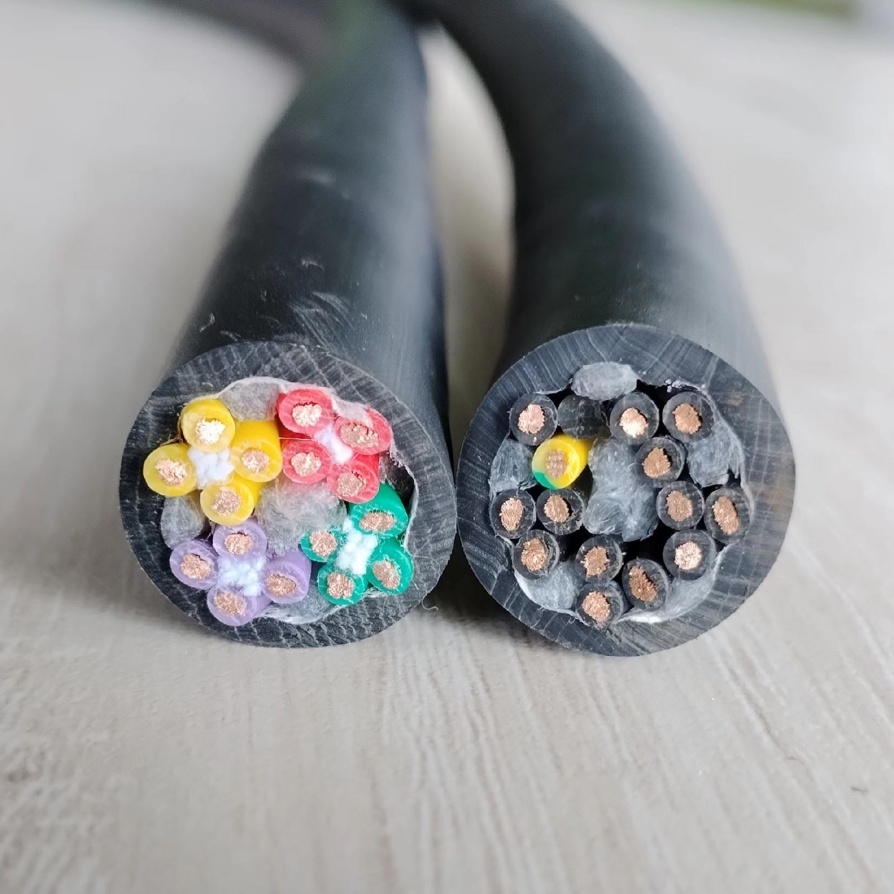
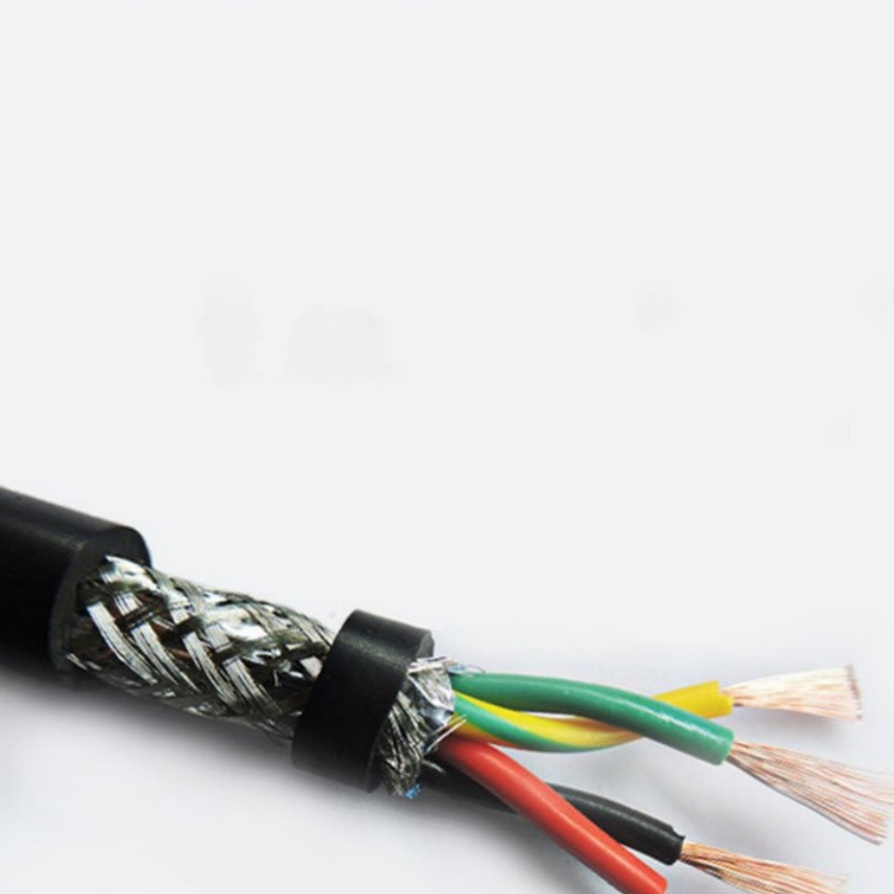
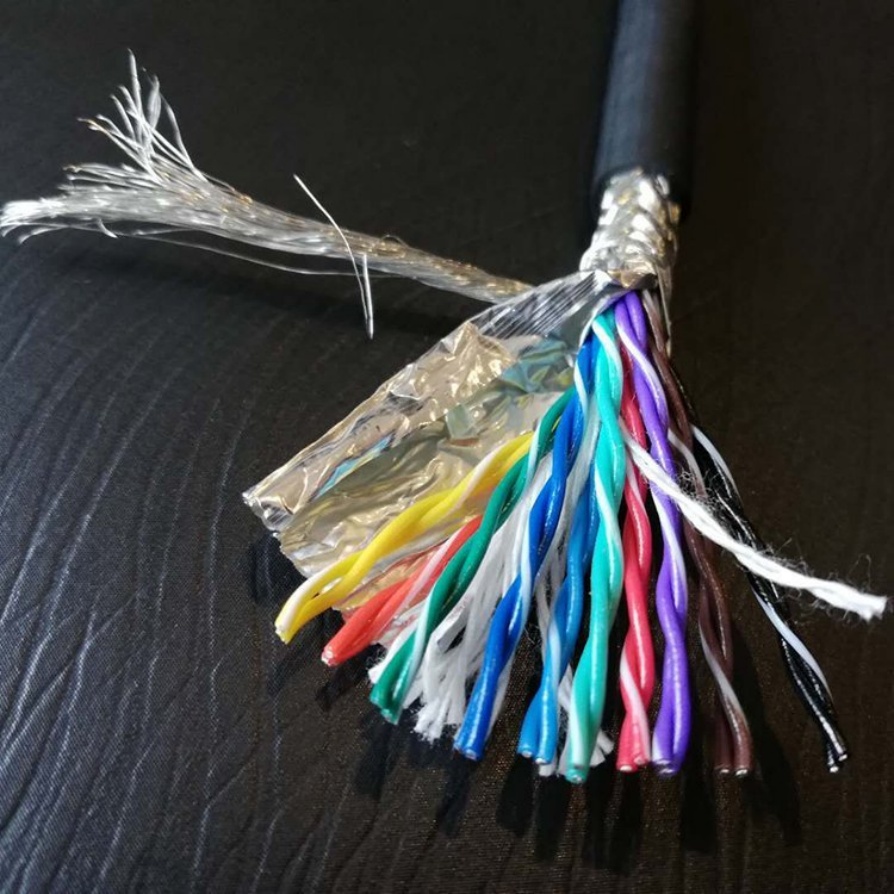
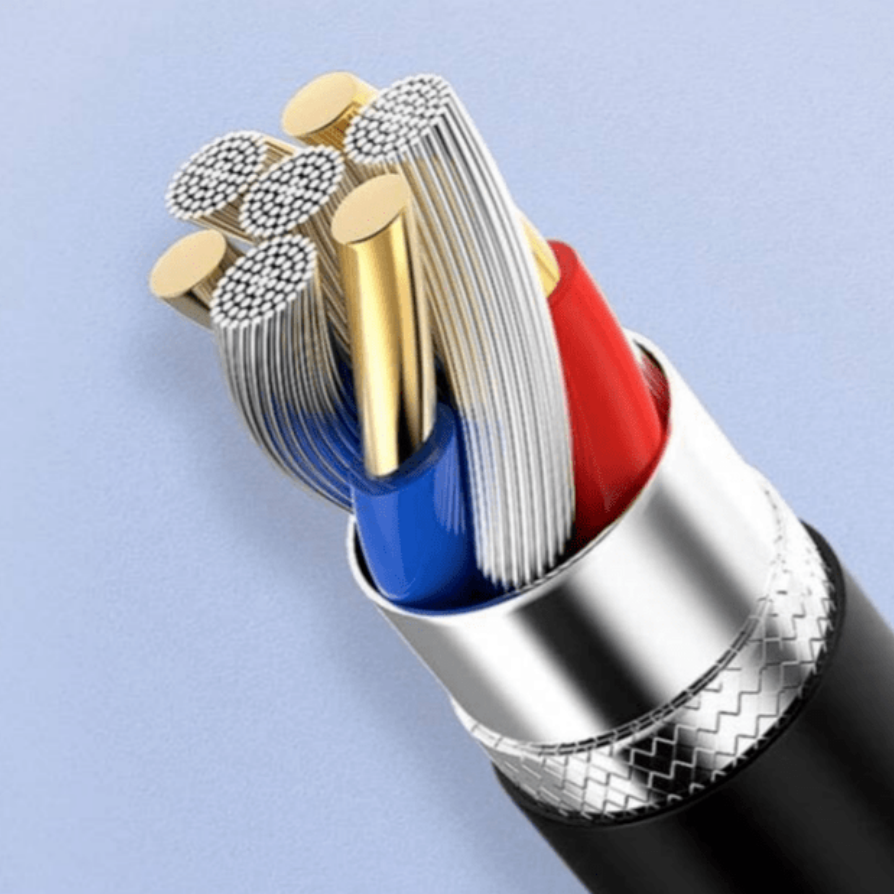
Another key benefit is broader compatibility. HDMI vision cables are backward-compatible with older HDMI versions, meaning you can use them with your existing devices—such as Blu-ray players, soundbars, and laptops—while future-proofing your setup for upcoming 8K TVs and gaming consoles. Additionally, many HDMI vision cables feature advanced shielding, such as braided copper shielding or aluminum foil layers, which minimizes electromagnetic interference (EMI) and radio frequency interference (RFI). This shielding is crucial in environments with multiple electronic devices, as it prevents signal degradation that can cause screen flicker or audio distortion.
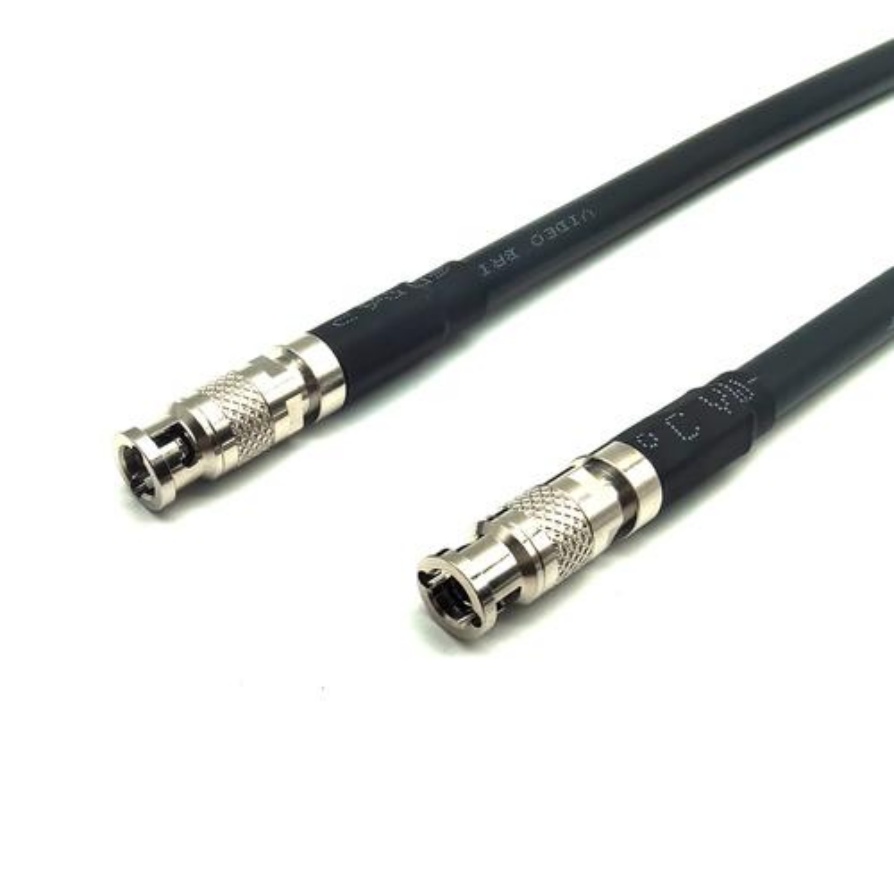
Durability is also a standout feature. HDMI vision cables are constructed with high-quality materials, including gold-plated connectors that resist corrosion and ensure a stable connection over time. The cable jacket is often made of flexible yet robust materials like nylon braid, which can withstand frequent bending, twisting, and wear—making them ideal for both fixed installations (e.g., home theaters) and portable use (e.g., connecting a laptop to a projector).
How to Choose the Right HDMI Vision Cable
When selecting an HDMI vision cable, there are several factors to consider to ensure it meets your specific needs. First, check the HDMI version compliance. Look for cables certified as HDMI 2.1, as this is the current standard that supports 8K@60Hz, VRR, and eARC (enhanced Audio Return Channel) for immersive 3D audio formats like Dolby Atmos. Avoid cables labeled “HDMI 2.1 compatible” unless they have official certification, as uncertified cables may not deliver the promised performance.
Cable length is another important consideration. Signal degradation increases with cable length, so for distances under 3 meters, a standard HDMI vision cable will work perfectly. For longer runs (3–10 meters), opt for an active HDMI vision cable, which includes built-in signal boosters to maintain signal integrity. If you need to run cables through walls or ceilings, choose in-wall rated HDMI vision cables, which meet fire safety standards and are designed for permanent installation.
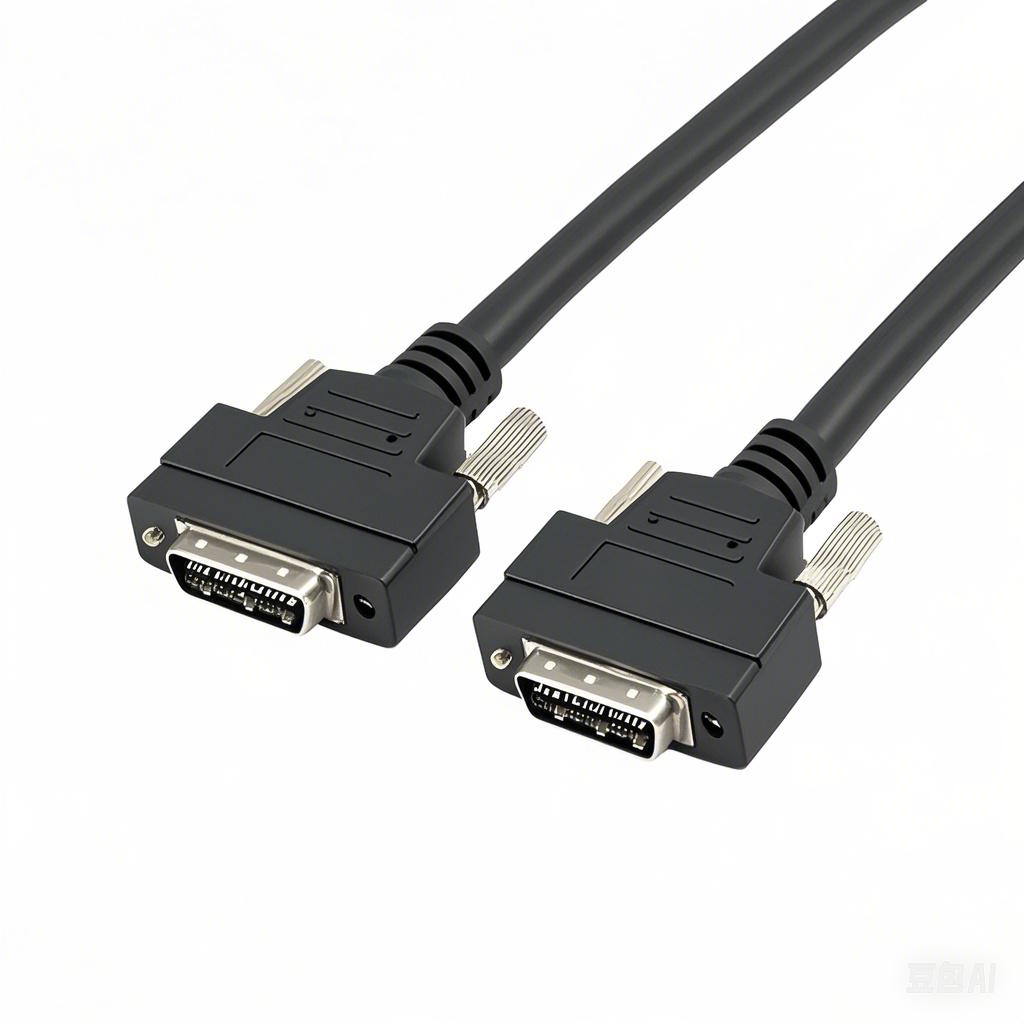
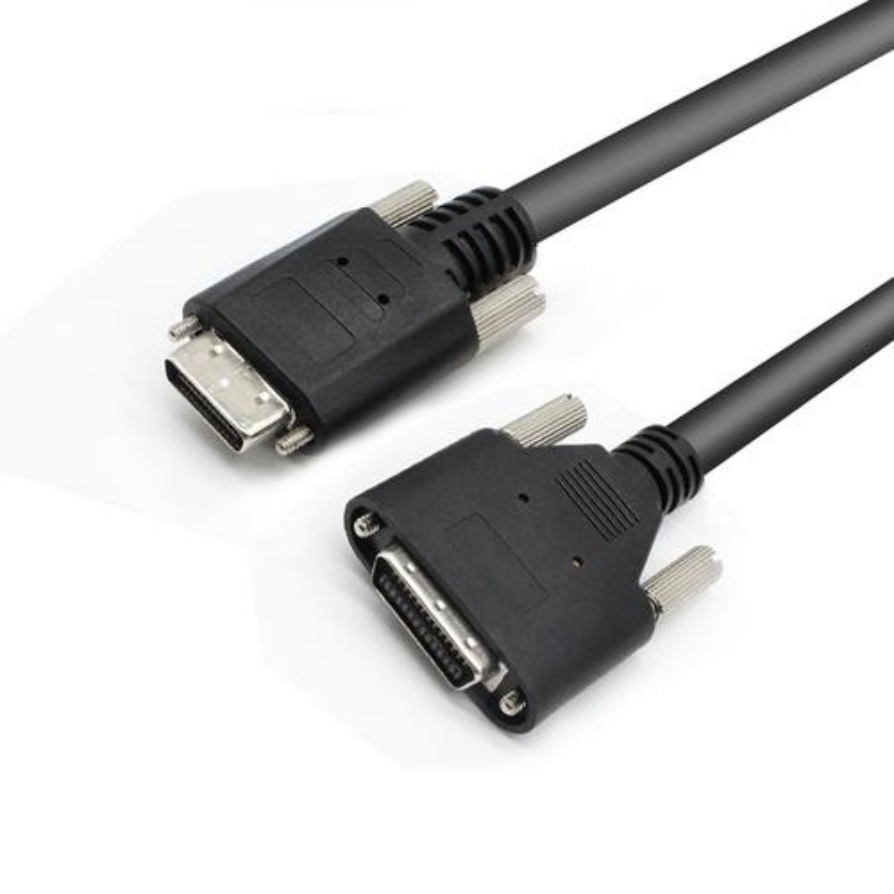
Finally, consider the intended use case. Gamers may prioritize cables with low latency and support for VRR and Auto Low Latency Mode (ALLM), while home theater enthusiasts might focus on HDR compatibility and eARC support. For professional setups, such as video editing suites or conference rooms, cables with locking connectors can prevent accidental disconnections during critical tasks.
Practical Applications of HDMI Vision Cables
HDMI vision cables are versatile and suitable for a wide range of scenarios. In home entertainment, they connect 8K TVs to 8K Blu-ray players or streaming devices, ensuring that you experience movies and shows as the creators intended. Gamers benefit from their ability to support 4K@120Hz and VRR, which reduces screen tearing and input lag for a more responsive gaming experience. Professional users, such as photographers and videographers, rely on HDMI vision cables to connect high-resolution monitors to cameras or editing workstations, allowing for accurate color grading and previewing of UHD content.
In commercial settings, HDMI vision cables are used in digital signage, where crisp, high-quality visuals are essential for capturing audience attention. They also play a key role in conference rooms, enabling seamless presentations from laptops to large projectors or interactive displays without compromising on image quality.
Why Choose FRS Brand HDMI Vision Cables?
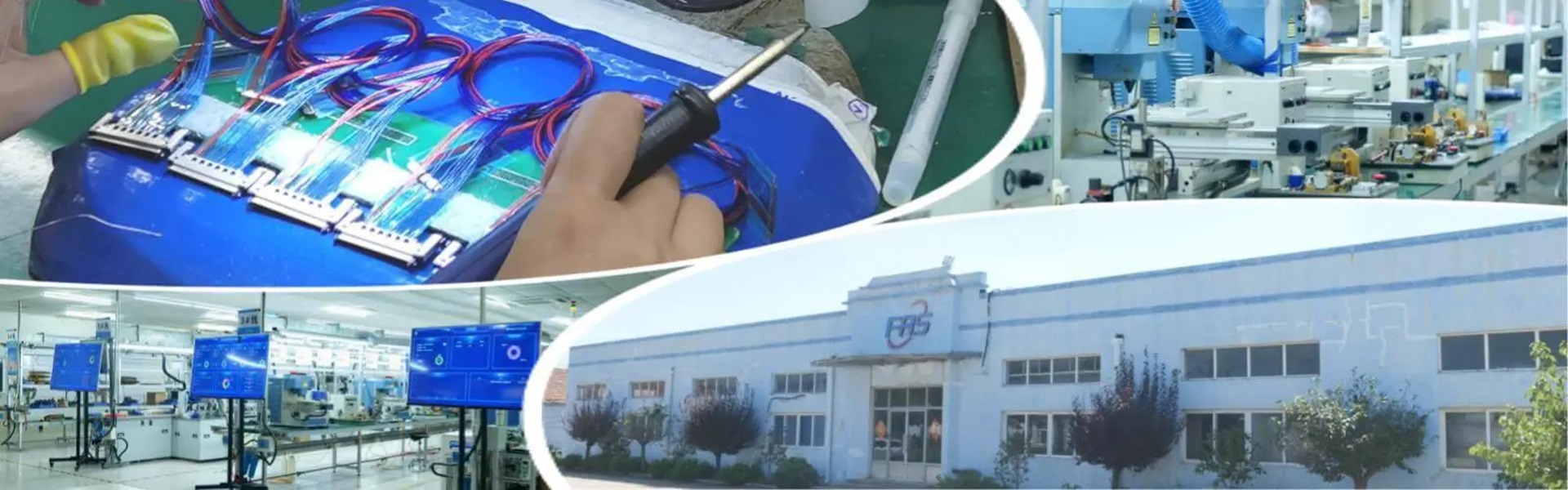
When it comes to investing in an HDMI vision cable, quality matters—and FRS Brand Factory delivers on every front. As a leading manufacturer of digital connectivity solutions, FRS specializes in producing HDMI vision cables that meet the strictest industry standards. Each FRS HDMI vision cable is rigorously tested for bandwidth, signal integrity, and durability, ensuring that it performs reliably in any setup. With HDMI 2.1 certification, gold-plated connectors, and advanced shielding, FRS cables deliver the ultra-clear visuals and immersive audio you expect from a premium HDMI vision cable. Whether you’re upgrading your home theater, building a gaming rig, or outfitting a professional workspace, FRS Brand Factory has the perfect HDMI vision cable to elevate your connectivity experience. Choose FRS—where quality meets innovation.