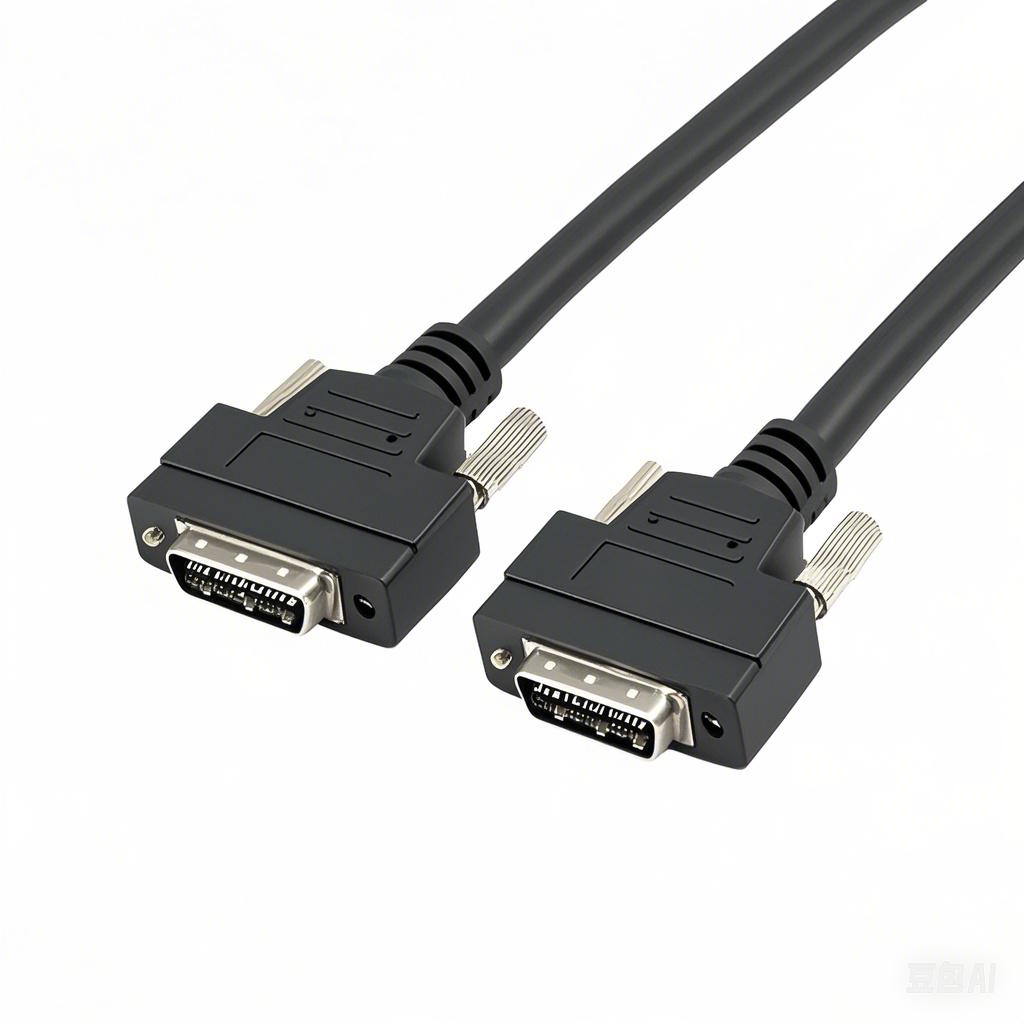
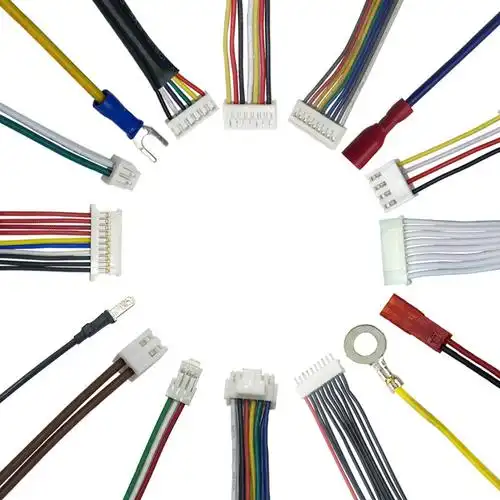
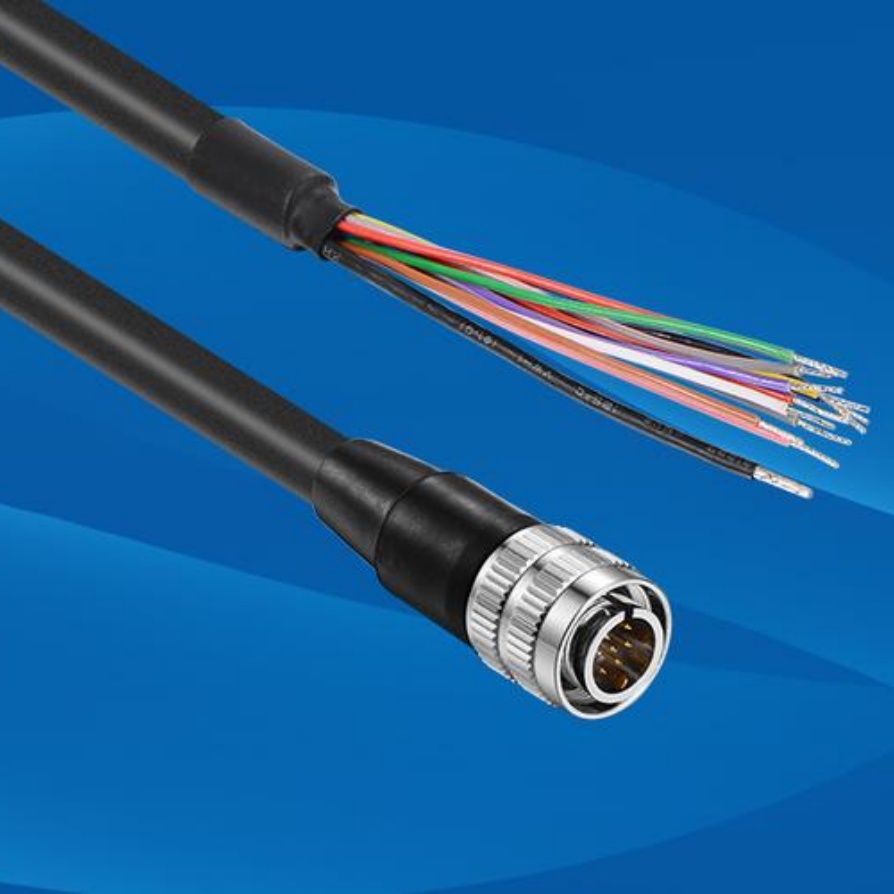
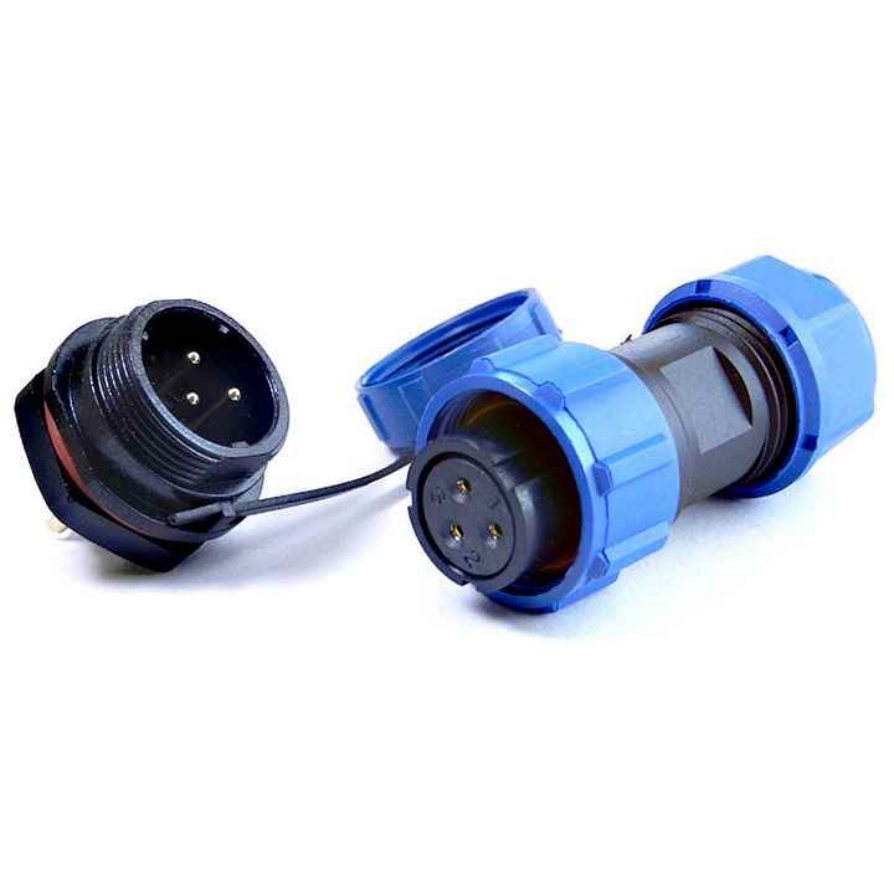
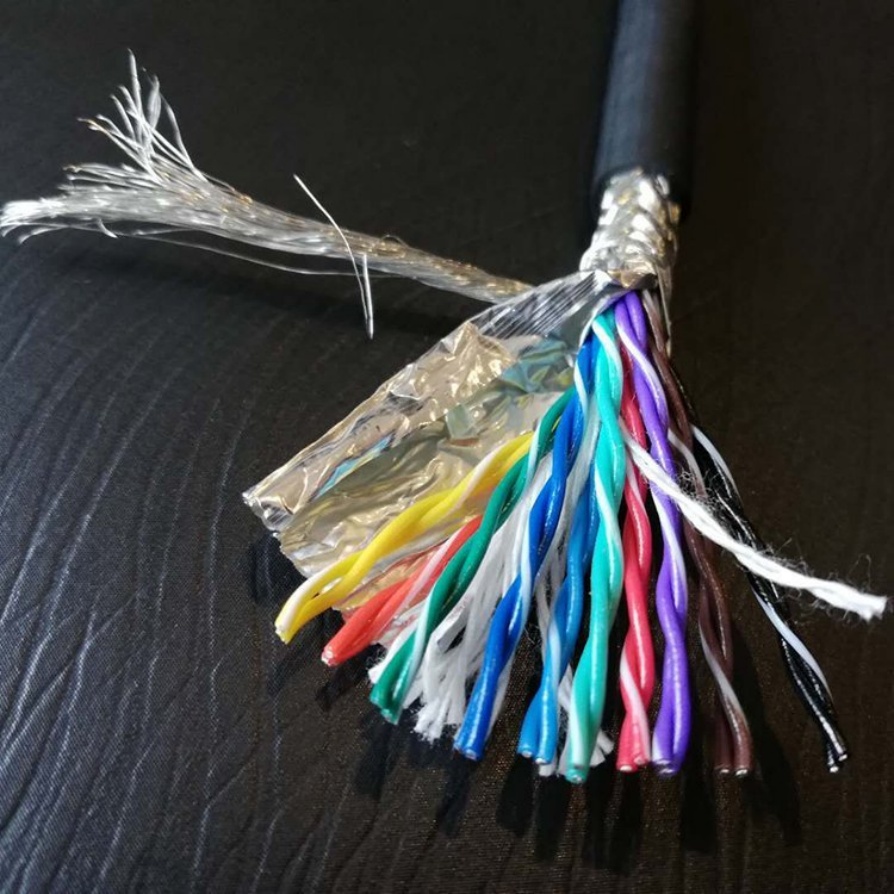
multi – core machine cable Assemblies
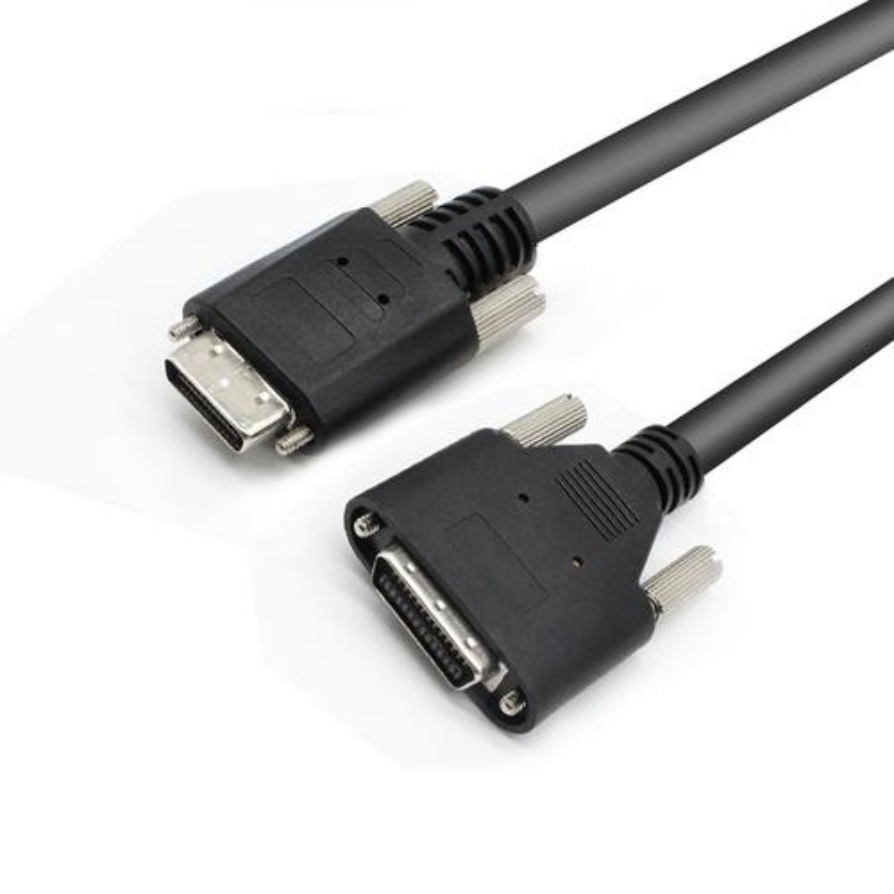
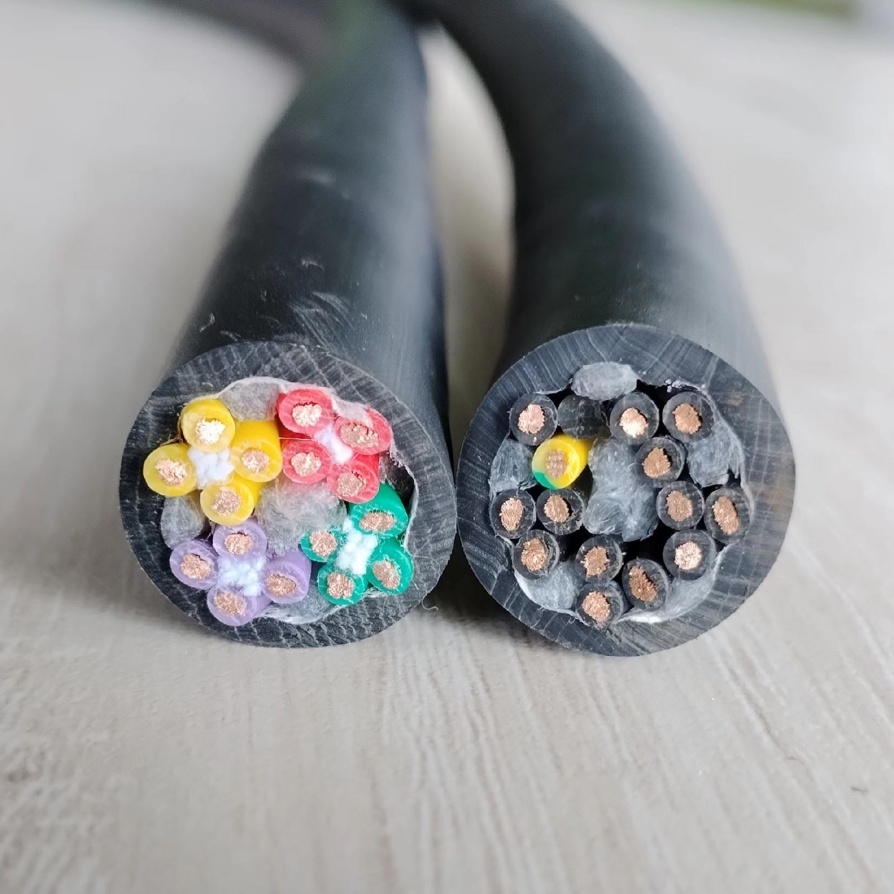
In the complex ecosystem of industrial machinery, multi-core machine cable assemblies serve as the vital nervous system, enabling the seamless transmission of power, signals, and data between various components. Unlike single-core cables that handle limited functions, these assemblies integrate multiple insulated conductors within a single outer sheath, making them indispensable for modern equipment that demands high efficiency, space optimization, and reliable performance.
Key Characteristics of High-Quality Multi-Core Machine Cable Assemblies
The performance of multi-core machine cable assemblies hinges on several core features, each tailored to withstand the rigorous conditions of industrial environments.
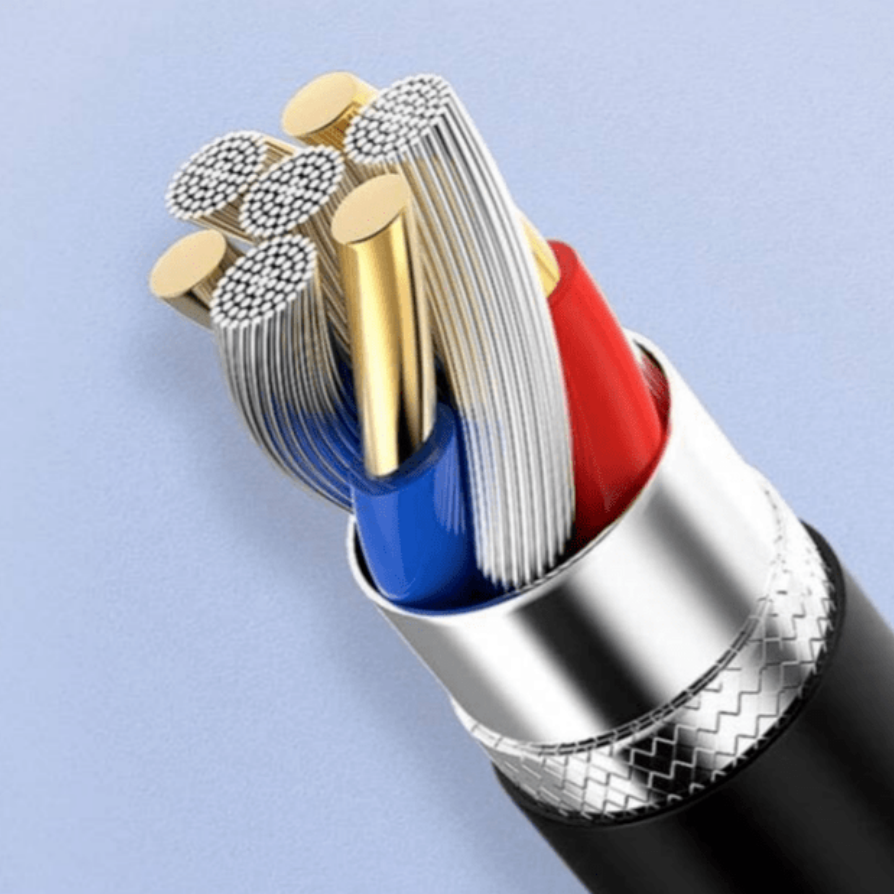
- Conductor Material and Gauge: High-purity copper is the preferred conductor material due to its excellent electrical conductivity and flexibility. The gauge of the conductors varies based on the current-carrying requirements—thicker gauges for higher power transmission and thinner ones for signal circuits. For example, machinery requiring 10A current may use 16AWG conductors, while low-power sensors might rely on 24AWG conductors.
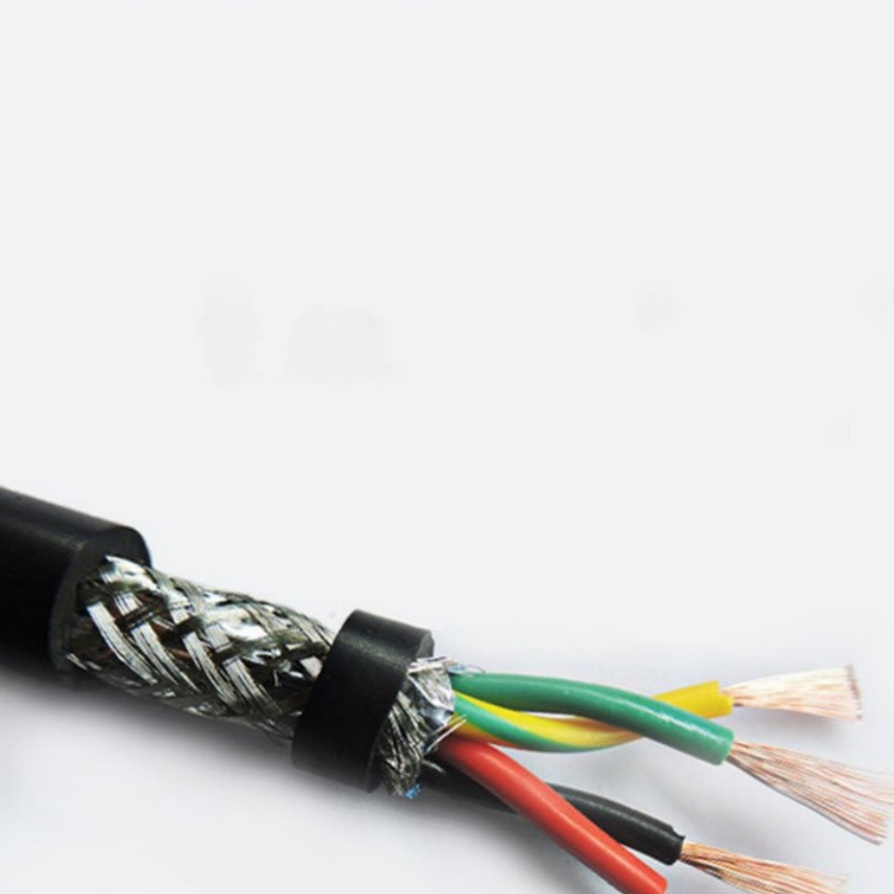
- Insulation and Sheath Materials: Insulation materials such as PVC, XLPE, and PEEK are selected based on temperature resistance, chemical compatibility, and flexibility. PVC is cost-effective for general-purpose applications, while XLPE excels in high-temperature environments up to 125°C. The outer sheath, often made of TPE or PUR, provides mechanical protection against abrasion, oil, and moisture, ensuring longevity in harsh settings like factories with heavy machinery or wet conditions.
- Shielding Design: To mitigate electromagnetic interference (EMI) and radio frequency interference (RFI), many multi-core assemblies incorporate shielding layers. Options include braided shielding (typically tinned copper), foil shielding, or a combination of both. Braided shielding offers superior flexibility and EMI rejection, making it suitable for moving parts in machinery, while foil shielding is ideal for high-frequency signal transmission.
Critical Applications Across Industries
Multi-core machine cable assemblies find widespread use in diverse sectors, where their ability to consolidate multiple functions into one solution drives operational efficiency.
- Industrial Automation: In robotic arms, conveyor systems, and CNC machines, these assemblies transmit power to motors and feedback signals from encoders simultaneously. Their flexibility allows them to withstand repeated bending during machine movement without signal degradation.
- Medical Equipment: Devices like MRI machines, surgical robots, and patient monitors rely on multi-core cables to transfer sensitive data and power without interference. The use of biocompatible and flame-retardant materials ensures compliance with strict medical safety standards.
- Automotive Manufacturing: Automotive production lines use these assemblies in welding robots, assembly stations, and quality control equipment. They must resist oil, grease, and high temperatures common in automotive plants, while maintaining reliable connections for precision operations.
- Renewable Energy: Solar inverters and wind turbine control systems use multi-core cables to connect sensors, actuators, and power modules. The cables are designed to withstand outdoor elements like UV radiation and extreme temperatures, ensuring consistent energy production.
Factors to Consider When Selecting Multi-Core Machine Cable Assemblies
Choosing the right assembly requires a thorough assessment of application-specific needs to avoid performance issues or premature failure.
- Current and Voltage Requirements: Calculate the maximum current each conductor will carry to select the appropriate gauge, preventing overheating. Ensure the insulation rating matches the system voltage to avoid electrical breakdown.
- Environmental Conditions: Evaluate factors such as temperature range, exposure to chemicals, moisture, and mechanical stress (e.g., bending, torsion). For example, a cable used in a food processing plant must be resistant to water and cleaning chemicals, while one in a steel mill needs high-temperature tolerance.
- Flexibility and Durability: For machinery with moving parts, choose cables with high flex life (e.g., 10 million cycles or more) to prevent conductor breakage. The sheath material should be abrasion-resistant to withstand contact with sharp edges or heavy components.
- Compliance with Standards: Ensure the assemblies meet industry standards such as IEC, UL, or CE. Compliance guarantees safety, compatibility, and adherence to regulatory requirements in different regions.
FRS: Your Trusted Partner for Premium Multi-Core Machine Cable Assemblies
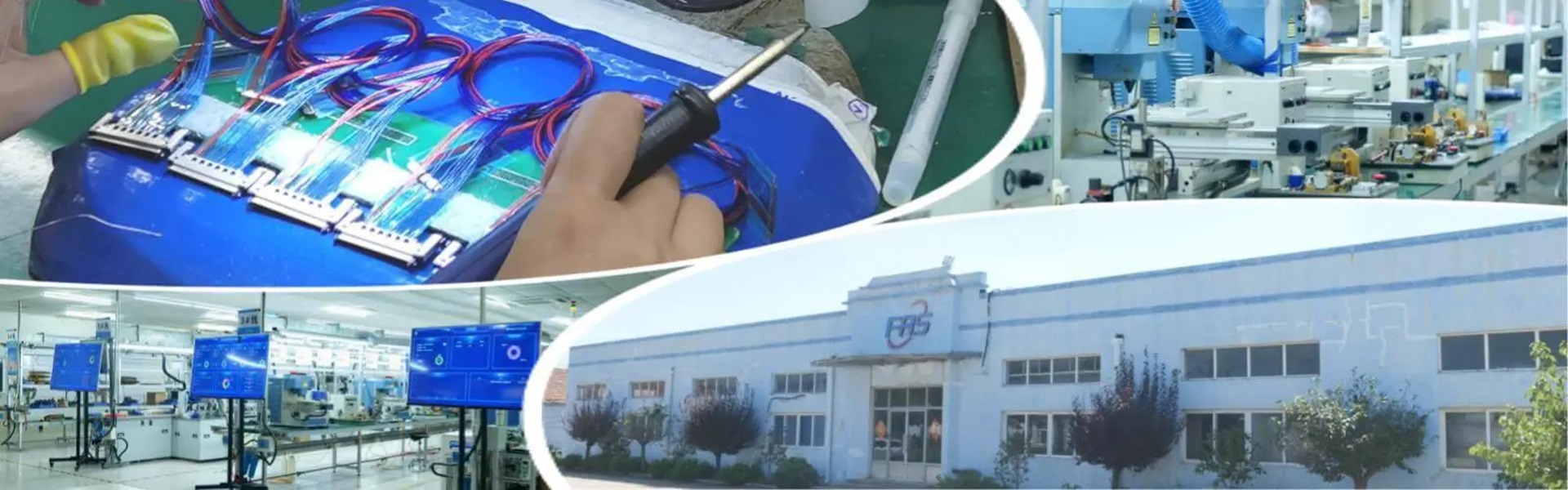
When it comes to reliable, high-performance multi-core machine cable assemblies, FRS brand factory stands out as a leader in the industry. With years of expertise in cable design and manufacturing, FRS prioritizes quality at every stage—from selecting top-grade materials to implementing rigorous testing procedures. Our assemblies are tailored to meet the unique demands of industrial, medical, automotive, and renewable energy applications, offering custom solutions for conductor counts, gauges, shielding, and sheath materials. Backed by strict quality control and responsive customer support, FRS ensures that your machinery operates with uninterrupted efficiency. Choose FRS for multi-core machine cable assemblies that deliver durability, performance, and peace of mind.