high – voltage machine cable Assemblies
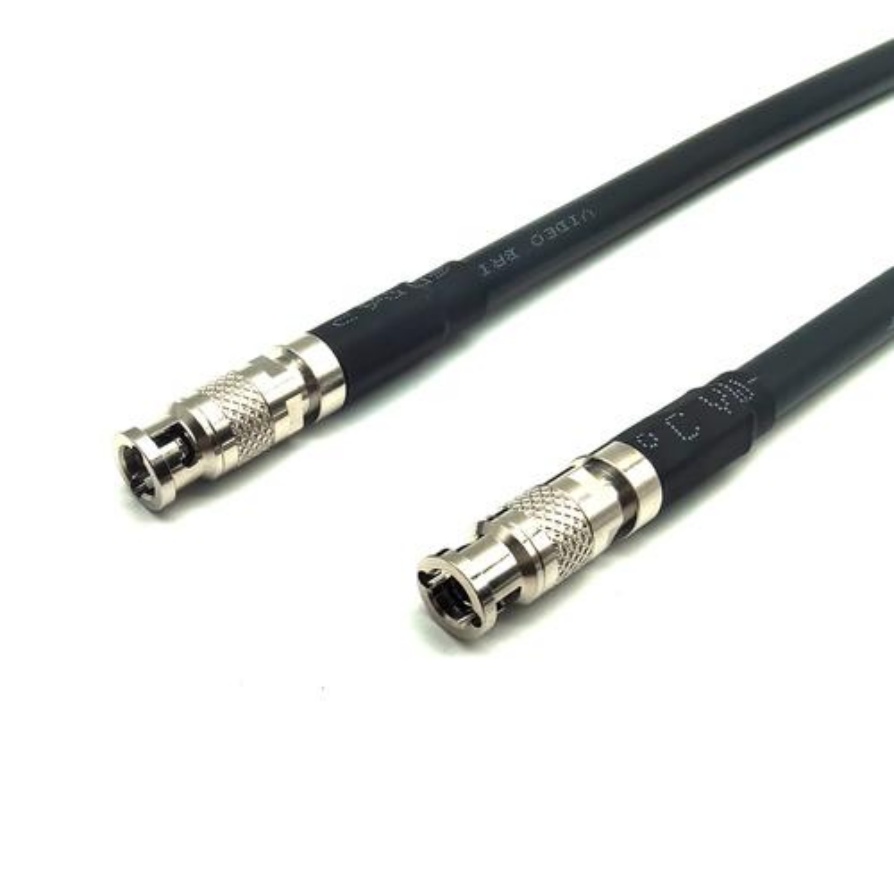
High-voltage machine cable assemblies are critical components in various industrial and commercial applications, serving as the lifeline for transmitting electrical power between high-voltage equipment and machines. Their performance directly impacts the safety, efficiency, and reliability of the entire electrical system, making them indispensable in scenarios where high power transmission is required.
Key Characteristics of High-Voltage Machine Cable Assemblies
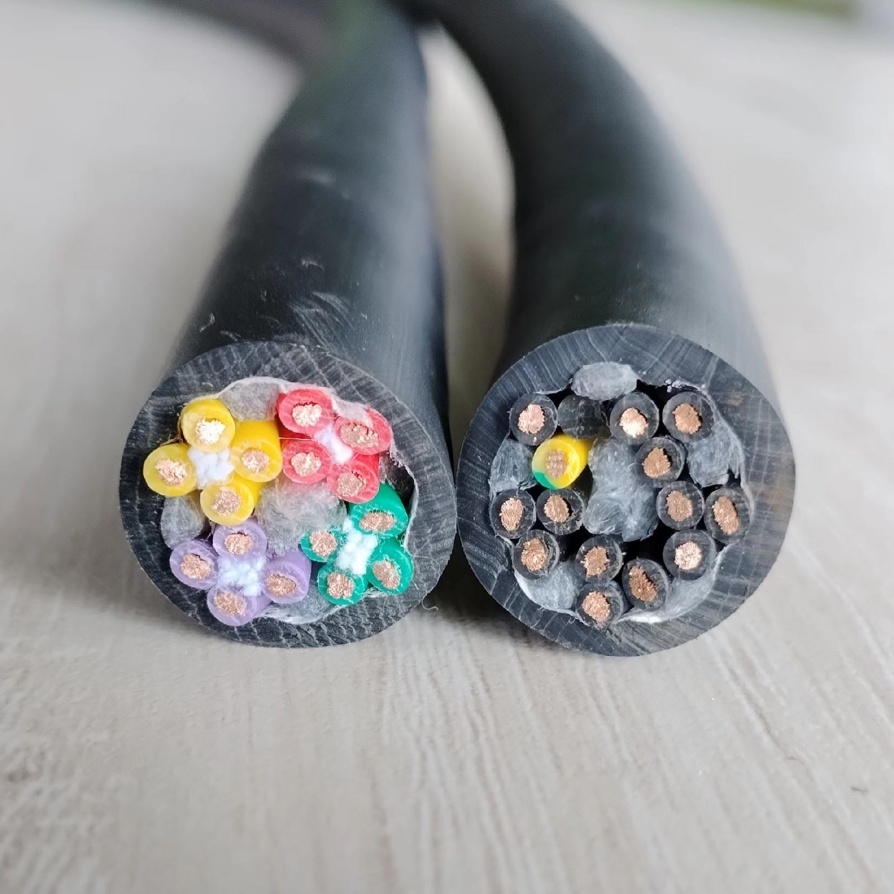
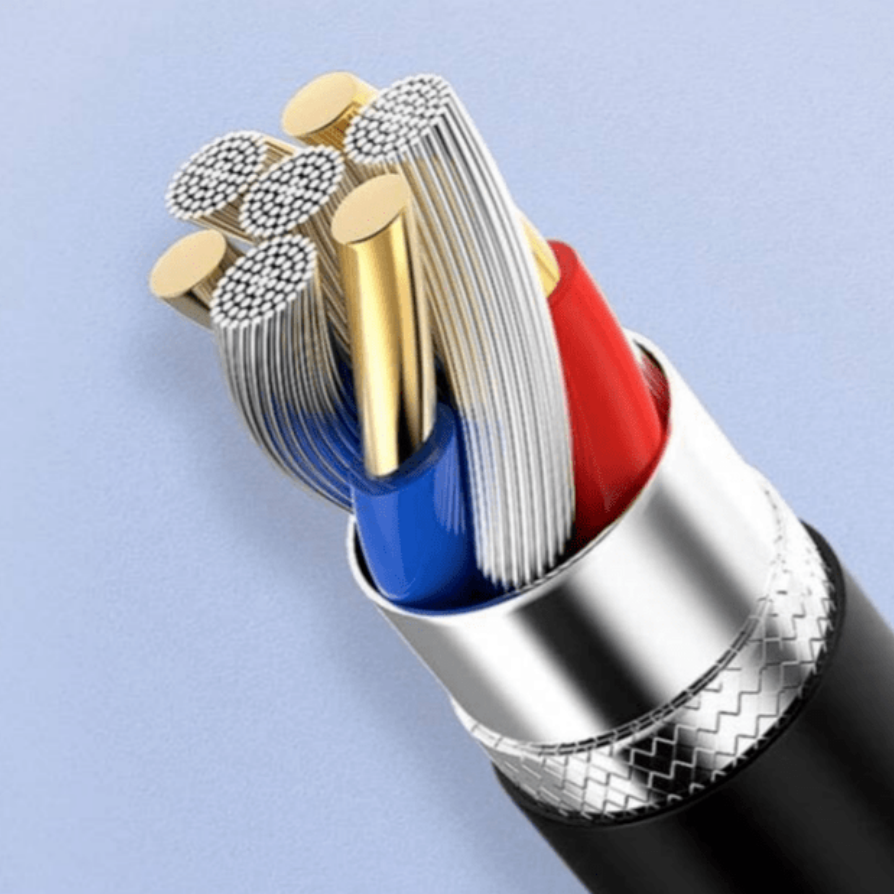
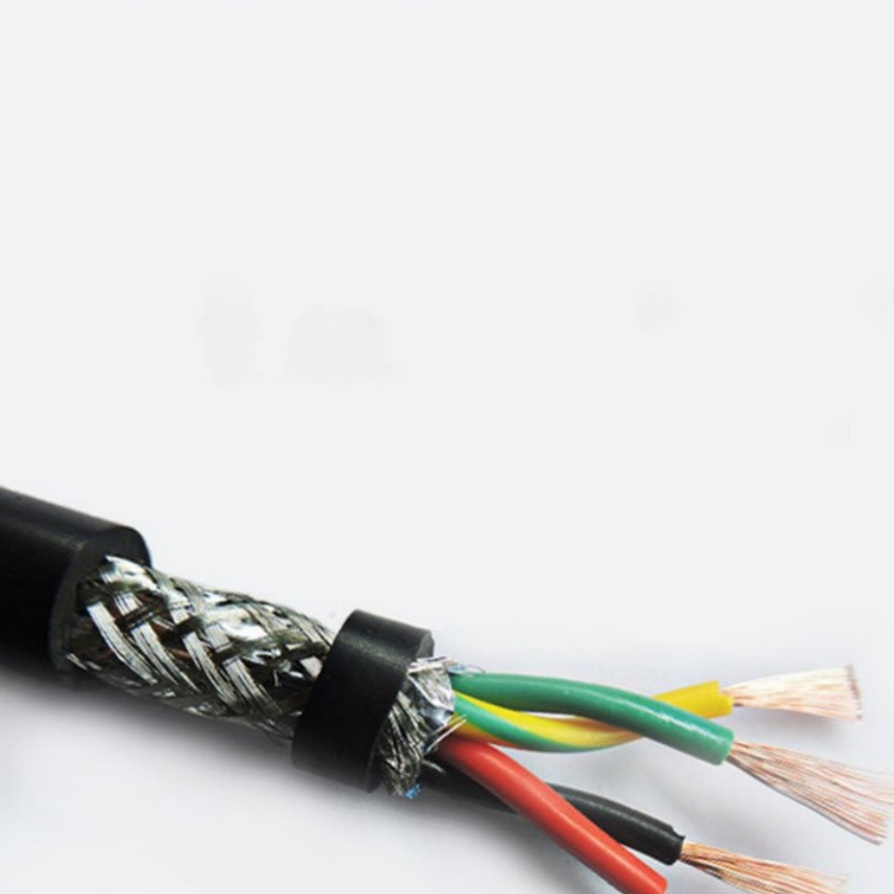
1. Superior Insulation Performance: Given the high voltage they carry, these cable assemblies are equipped with advanced insulation materials such as cross-linked polyethylene (XLPE) or ethylene propylene diene monomer (EPDM). These materials offer excellent dielectric strength, resistance to electrical breakdown, and thermal stability, ensuring that the cables can operate safely under high voltage conditions without leakage or short-circuit risks. XLPE, for instance, can withstand continuous operating temperatures up to 90°C and has good resistance to aging, extending the service life of the cable assemblies.
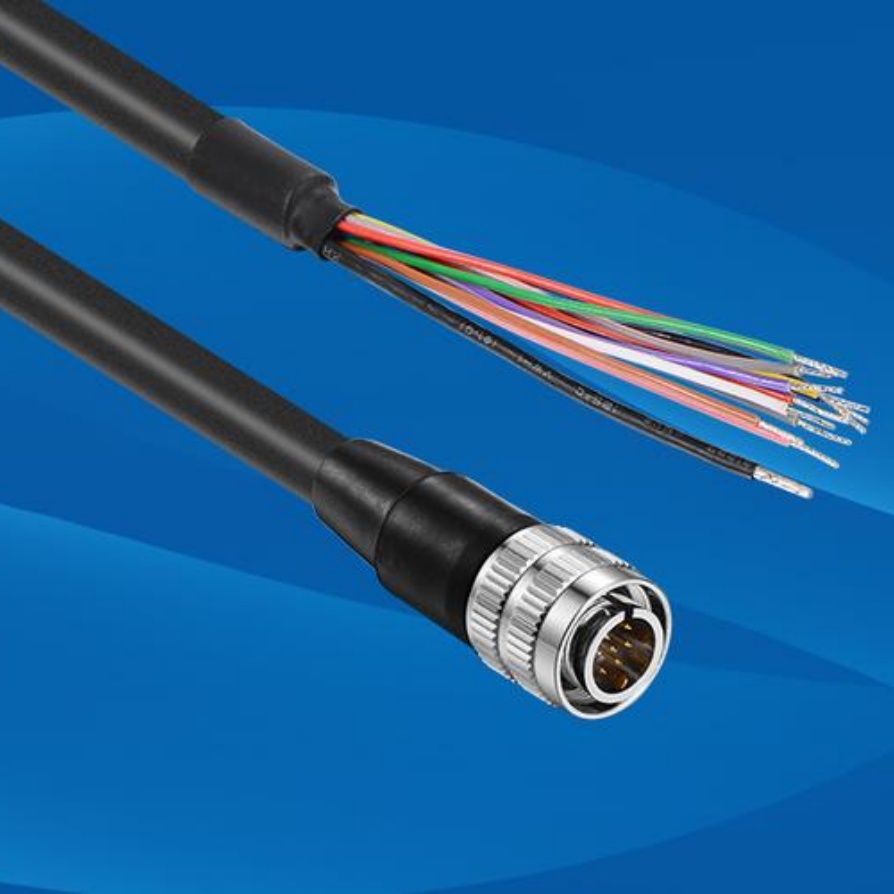
2. Mechanical Durability: High-voltage machine cable assemblies often operate in harsh environments, including exposure to mechanical stress, vibration, moisture, and chemical substances. To cope with these challenges, they are designed with robust outer jackets made of materials like polyurethane (PU) or polyvinyl chloride (PVC). These jackets provide excellent abrasion resistance, tear resistance, and protection against oil, grease, and other corrosive agents, ensuring the cables maintain their structural integrity even in demanding working conditions.
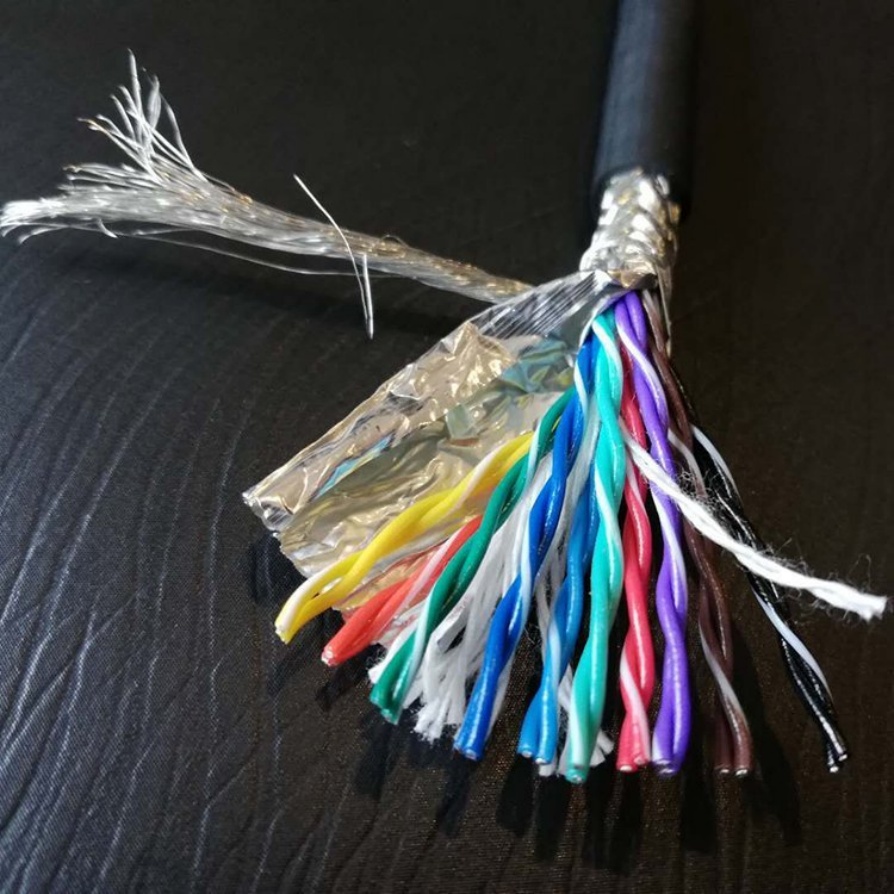
3. Effective Shielding: Electromagnetic interference (EMI) and radio frequency interference (RFI) can significantly affect the performance of high-voltage equipment. High-voltage machine cable assemblies are therefore equipped with shielding layers, typically made of copper tape, braided copper, or aluminum foil. These shields effectively block external interference and prevent the cables from emitting interference that could disrupt nearby electronic devices, ensuring stable and reliable power transmission.
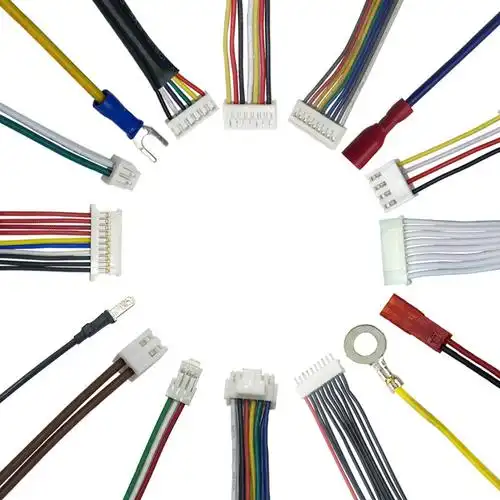
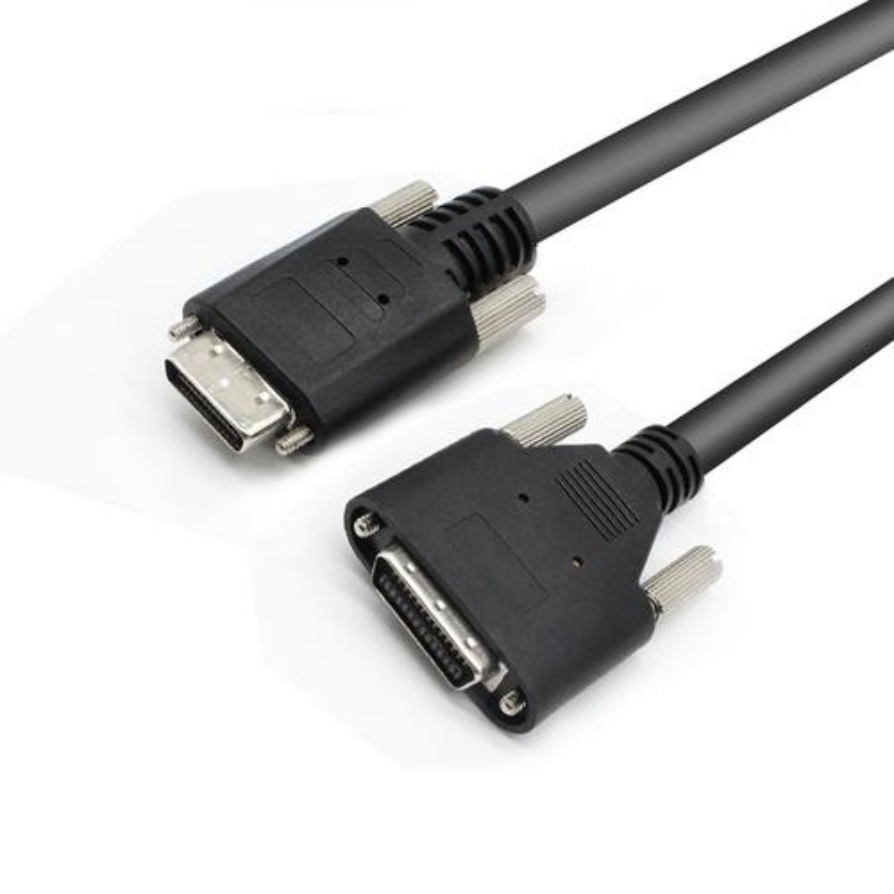
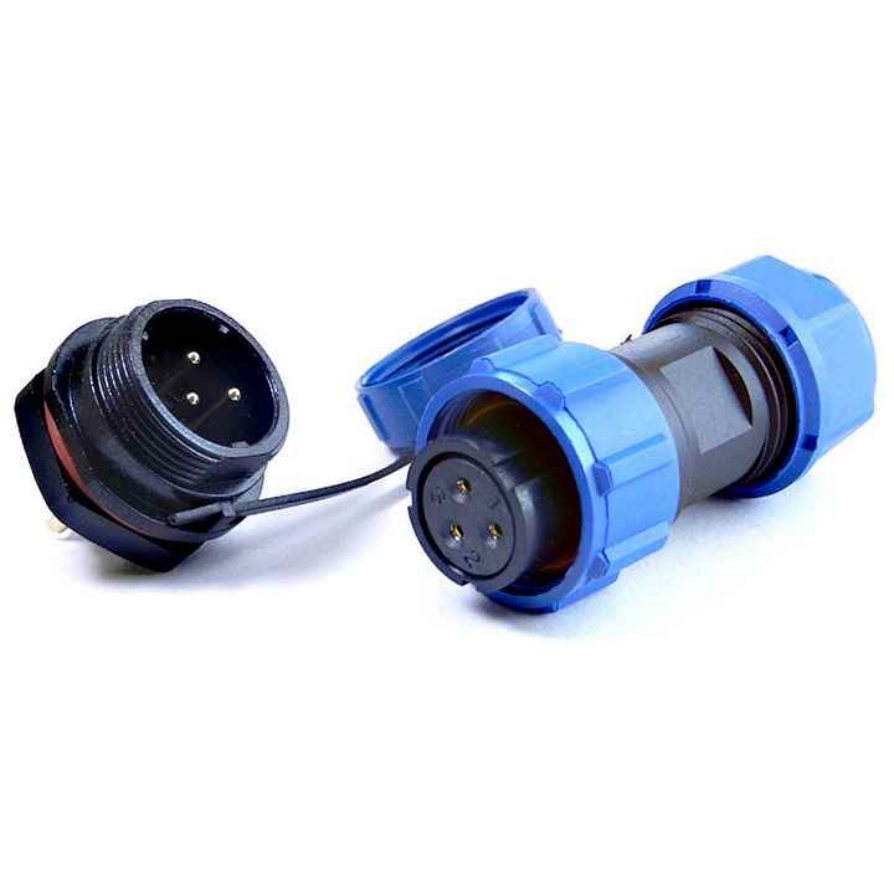
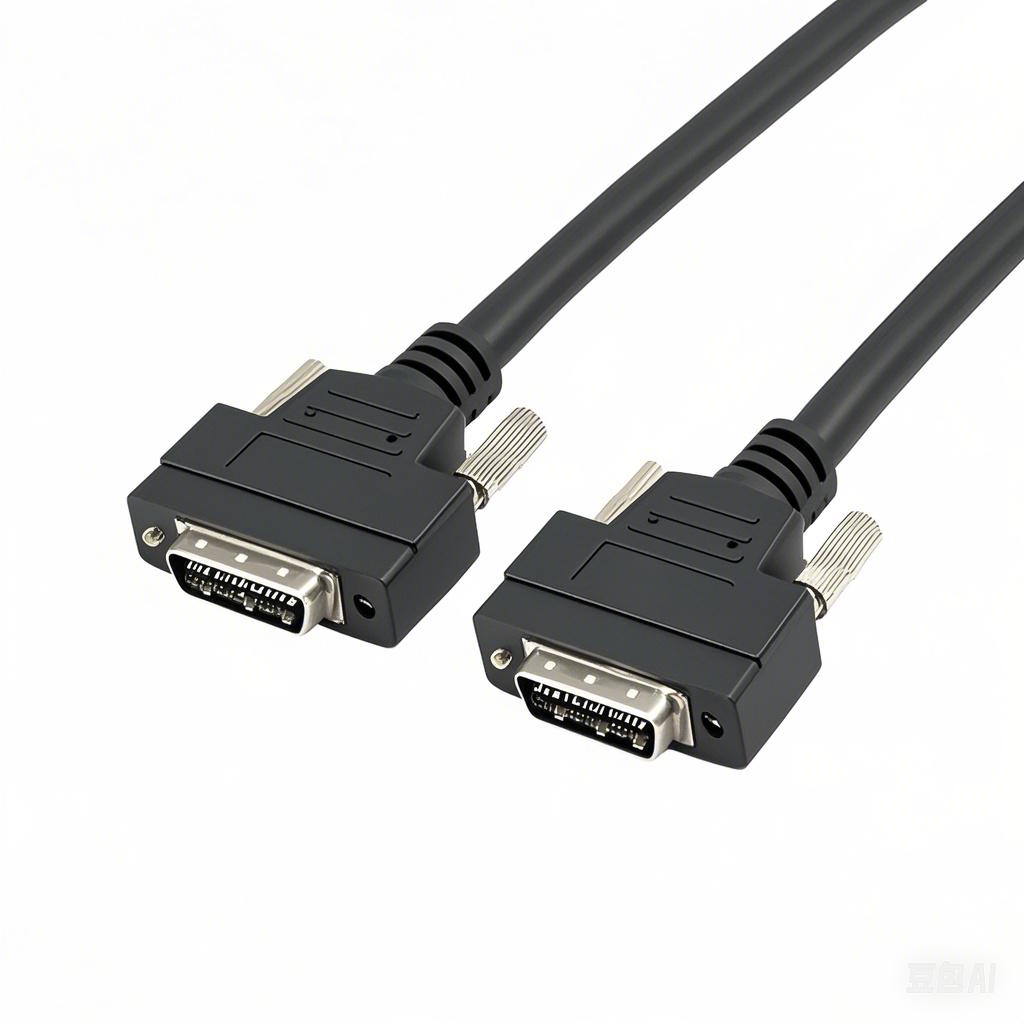
4. Customization Capabilities: Different high-voltage machines have unique requirements in terms of cable length, conductor size, connector type, and environmental resistance. Reputable manufacturers offer customization options to tailor cable assemblies to specific application needs. This includes selecting the appropriate conductor gauge to handle the required current, choosing connectors that match the equipment’s interfaces (such as DIN, MIL-SPEC, or custom connectors), and adjusting the cable length to fit the installation space.
Main Application Areas
1. Industrial Manufacturing: In industries such as automotive, aerospace, and heavy machinery manufacturing, high-voltage machine cable assemblies are used to power large motors, transformers, and welding equipment. For example, in automotive production lines, high-voltage cable assemblies supply power to robotic arms and stamping machines, ensuring smooth and efficient operation.
2. Renewable Energy: The renewable energy sector, including wind and solar power, relies heavily on high-voltage machine cable assemblies. In wind turbines, these cables transmit high-voltage power generated by the turbine to the grid connection point. In solar power plants, they connect solar inverters to the high-voltage distribution system, enabling the efficient transfer of generated electricity.
3. High-voltage machine cable assemblies are essential in electric trains, trams, and subway systems. They power the traction motors, control systems, and auxiliary equipment, ensuring the safe and reliable operation of the vehicles. These cables must be able to withstand frequent vibration, temperature fluctuations, and exposure to harsh weather conditions.
4. Medical Equipment: Medical devices such as magnetic resonance imaging (MRI) machines, computed tomography (CT) scanners, and linear accelerators require high-voltage power. High-voltage machine cable assemblies designed for medical applications must meet strict safety and hygiene standards, including resistance to sterilization processes and low emission of particulate matter.
Considerations for Selection
When selecting high-voltage machine cable assemblies, several factors should be taken into account. Firstly, voltage rating is crucial – the cable assembly must be rated for the specific voltage of the equipment it will be used with to avoid electrical breakdown. Secondly, environmental conditions such as temperature range, humidity, and exposure to chemicals or oils should be considered to choose a cable with the appropriate jacket and insulation materials. Thirdly, current-carrying capacity must match the current requirements of the machine to prevent overheating. Finally, compliance with industry standards (such as IEC, UL, or CSA) ensures that the cable assemblies meet safety and performance regulations.
FRS Brand Factory: Your Trusted Partner for High-Voltage Machine Cable Assemblies
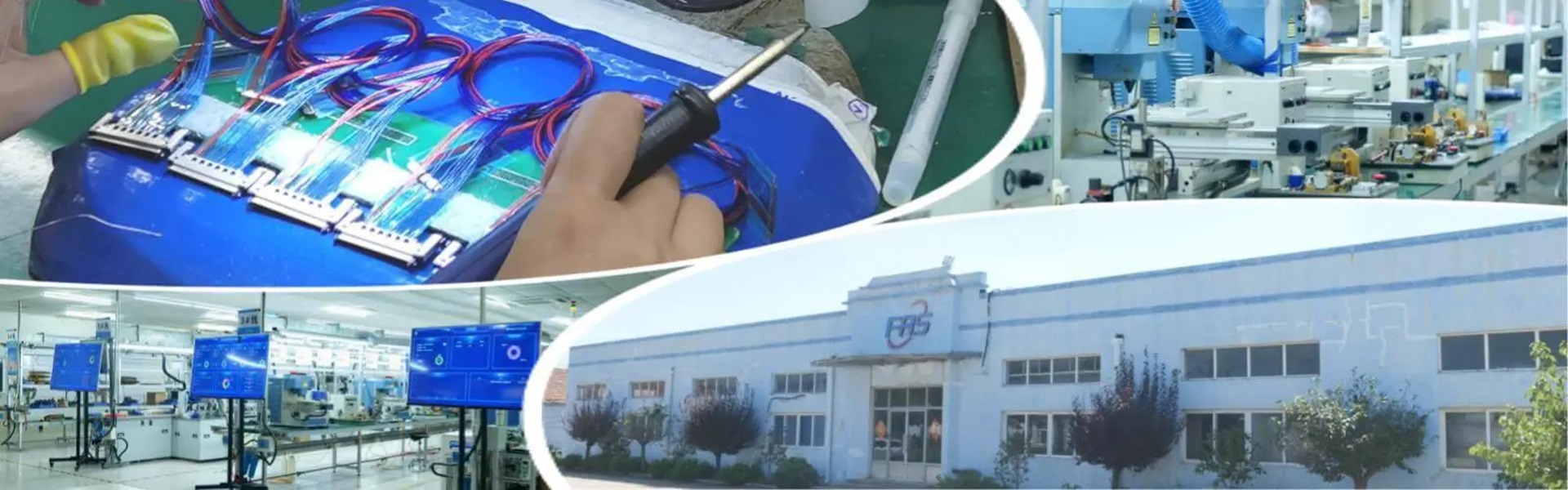
When it comes to high-voltage machine cable assemblies that combine reliability, performance, and customization, FRS brand factory stands out as a leading choice. With years of experience in the industry, FRS is dedicated to研发 R&D and producing high-quality cable assemblies that meet the diverse needs of global customers. Our products feature superior insulation, durable shielding, and严格的 strict quality control processes, ensuring they can operate safely and efficiently in even the most demanding environments. Whether you require standard configurations or custom solutions tailored to your specific application, FRS has the technical expertise and production capabilities to deliver. Choose FRS for high-voltage machine cable assemblies that you can trust to power your operations seamlessly.