How to select machine cable Assemblies based on operating temperature
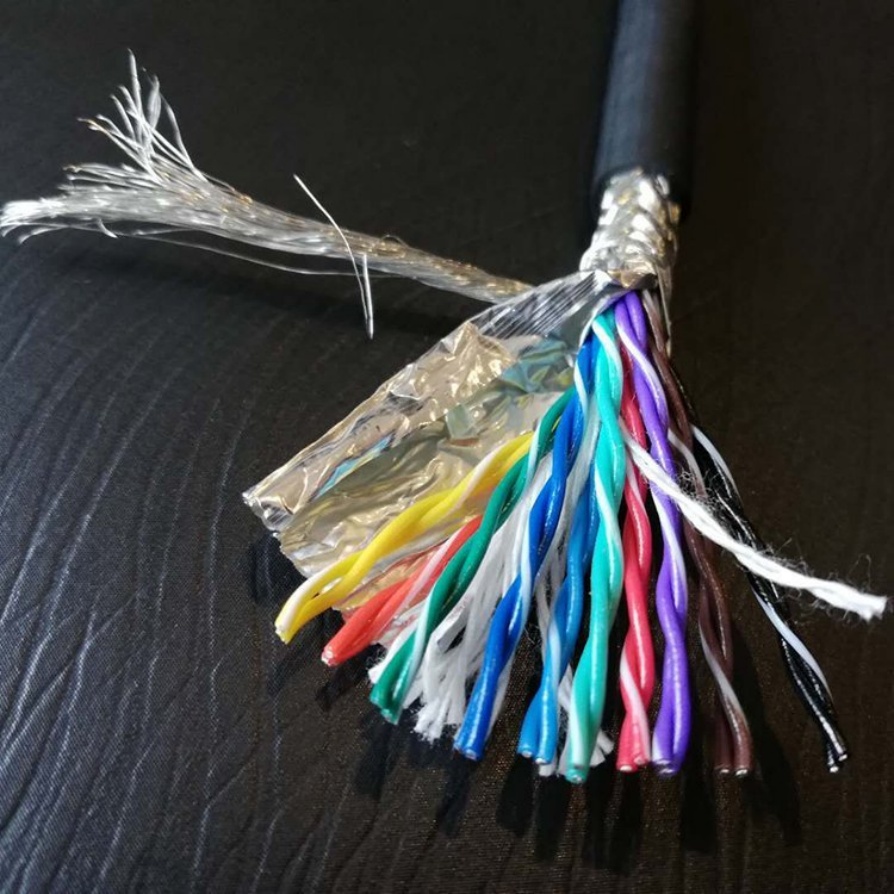
In the complex ecosystem of industrial machinery, machine cable assemblies serve as the vital nervous system, transmitting power, signals, and data to ensure seamless operation. However, one of the most critical yet often overlooked factors in selecting machine cable assemblies is the operating temperature of the application environment. The performance, durability, and safety of cable assemblies are directly impacted by temperature fluctuations—too high, and insulation may melt or degrade; too low, and materials may become brittle, leading to cracks and signal loss. To select machine cable assemblies that meet your operational needs and deliver long-term reliability, it is essential to take a systematic approach centered on operating temperature. This guide will walk you through the key steps and considerations to make informed decisions when selecting machine cable assemblies based on temperature requirements.
1. Understand the Operating Temperature Range: The Foundation of Selection
Before diving into cable specifications, the first step to select machine cable assemblies is to clearly define the exact operating temperature range of your application. This range is not just the ambient temperature of the environment where the machinery is located; it also includes localized heat sources, such as motors, transformers, or heated process equipment, which can raise the temperature around the cable. Additionally, you must account for seasonal temperature variations, especially if the machinery is used outdoors or in unconditioned spaces.
To accurately determine the temperature range, use calibrated temperature sensors to measure both the minimum and maximum temperatures the cable will be exposed to during normal operation, startup, shutdown, and any transient conditions (e.g., peak load periods). For example, a cable used in a automotive manufacturing plant’s welding area may face ambient temperatures of 25°C but localized heat spikes up to 150°C from welding torches. In contrast, a cable in a cold storage facility might operate at -30°C for extended periods.
Once you have this temperature data, you can narrow down your options to machine cable assemblies that are rated to perform within this specific range. Ignoring this step can lead to premature cable failure, unplanned downtime, and even safety hazards like short circuits or fires.
2. Match Cable Materials to Temperature Requirements
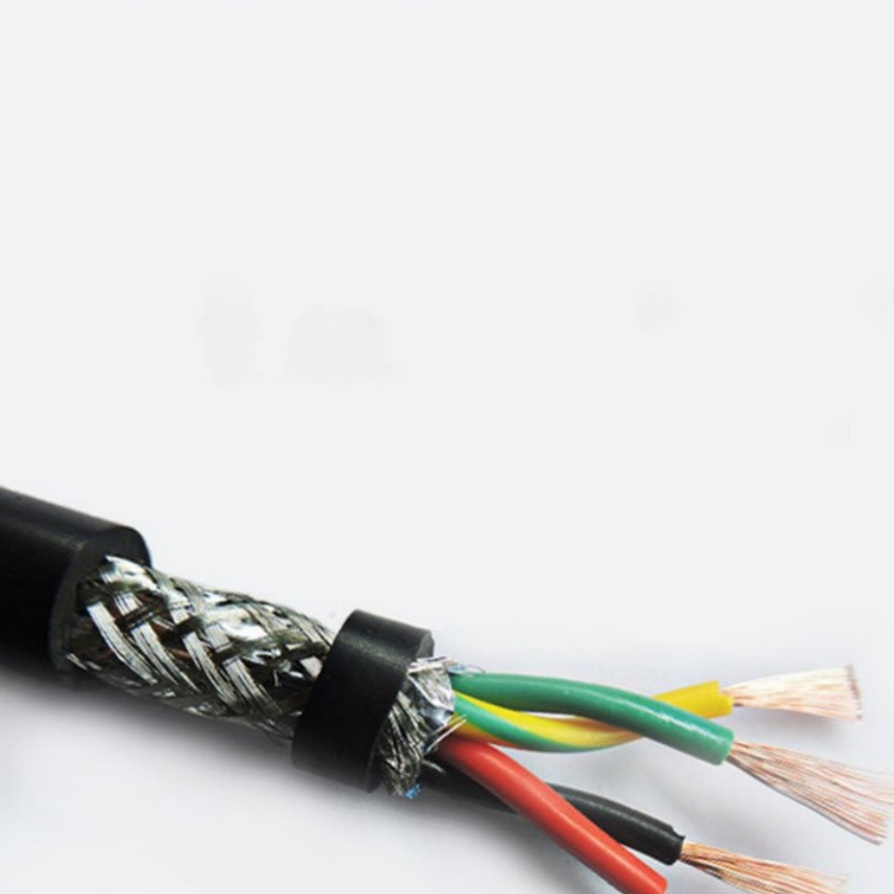
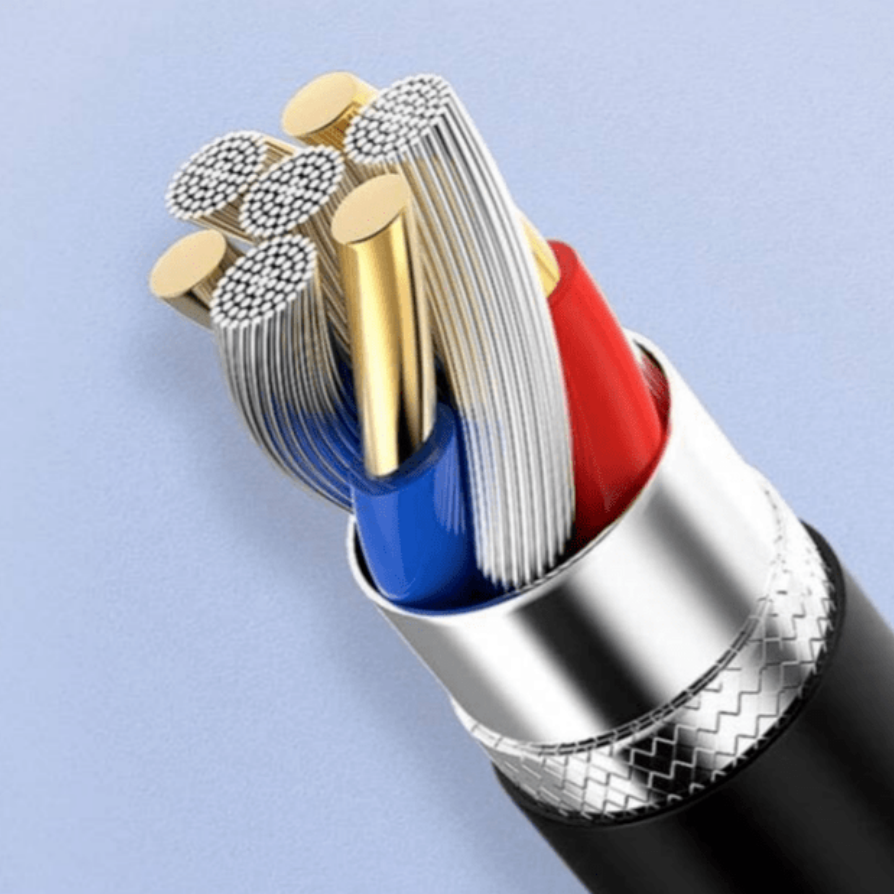
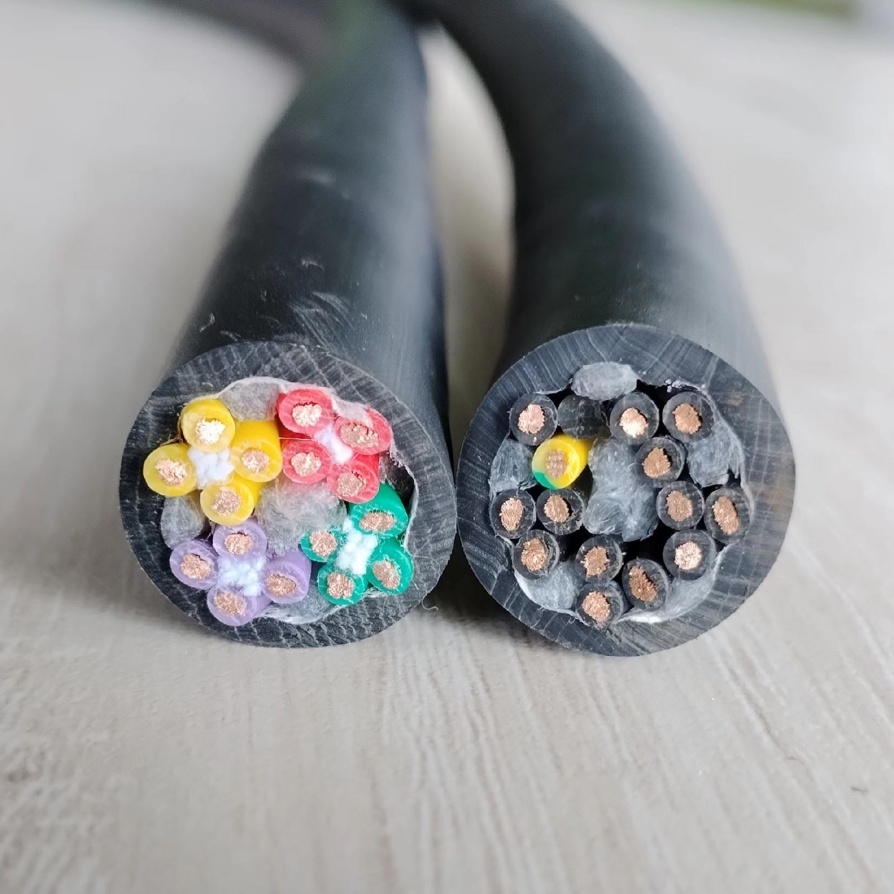
The performance of machine cable assemblies under temperature stress is primarily determined by their core materials: conductors, insulation, and jackets (sheathing). Each material has distinct temperature tolerances, and selecting the right combination is crucial to ensure the cable functions as intended.
Conductor Materials
Copper is the most common conductor material in machine cable assemblies due to its excellent electrical conductivity and ductility. However, at high temperatures, copper’s resistance increases slightly, but it remains stable up to around 150°C. For applications exceeding 150°C, silver-plated copper conductors are preferred, as silver has better high-temperature oxidation resistance and maintains conductivity at temperatures up to 200°C. In extremely high-temperature environments (e.g., aerospace or industrial furnaces), nickel-plated copper or pure nickel conductors may be required, as they can withstand temperatures above 250°C.
Insulation Materials
Insulation is the layer that protects the conductor and prevents electrical leakage, so its temperature resistance is paramount. Here are some common insulation materials and their temperature ratings to consider when selecting machine cable assemblies:
- Polyvinyl Chloride (PVC): A cost-effective option for low-temperature applications, PVC-insulated cables typically operate between -15°C and 70°C. However, PVC tends to soften at high temperatures and become brittle in cold conditions, making it unsuitable for extreme environments.
- Polyethylene (PE): Offers better low-temperature flexibility than PVC, with a range of -40°C to 80°C. Cross-linked polyethylene (XLPE) provides improved heat resistance, extending the upper limit to 90°C or 105°C for high-temperature grades.
- Polyurethane (PU): Known for its excellent abrasion resistance and flexibility, PU insulation works well in temperatures from -40°C to 90°C. It is a popular choice for machine cable assemblies in robotics and automation, where movement and temperature fluctuations are common.
- Polytetrafluoroethylene (PTFE): A high-performance material suitable for extreme temperatures, PTFE insulation can withstand -200°C to 260°C. It also resists chemicals and moisture, making it ideal for harsh industrial environments like chemical processing or high-heat manufacturing.
- Ethylene Propylene Diene Monomer (EPDM): Provides good heat and weather resistance, with a temperature range of -40°C to 125°C. EPDM-insulated cables are often used in outdoor or wet applications, such as construction machinery or marine equipment.
Jacket Materials
The jacket (outer sheath) of machine cable assemblies protects the inner components from physical damage, moisture, and environmental contaminants. Like insulation, jacket materials have specific temperature ratings: PVC Jacket: Matches PVC insulation, with a range of -15°C to 70°C. It is economical but not ideal for extreme temperatures.Polyurethane (PU) Jacket: Offers flexibility and abrasion resistance from -40°C to 90°C, suitable for dynamic applications.PTFE Jacket: Withstands the same extreme temperatures as PTFE insulation (-200°C to 260°C) and is resistant to chemicals and oils.Neoprene Jacket: Provides good weather and oil resistance, operating between -30°C and 90°C. It is commonly used in automotive and industrial machinery exposed to oils and solvents.3. Consider Temperature-Related Environmental FactorsWhen selecting machine cable assemblies based on operating temperature, it is not enough to only look at the temperature range—you must also consider how other environmental factors interact with temperature to affect cable performance.
Temperature Fluctuations
Rapid temperature changes (thermal cycling) can cause materials to expand and contract, leading to fatigue and cracking over time. For example, a cable used in a machine that alternates between hot and cold cycles (e.g., food processing equipment that heats and cools) needs materials with good thermal stability. PTFE and XLPE are excellent choices for such applications, as they can withstand repeated thermal cycling without degrading.
Moisture and Humidity
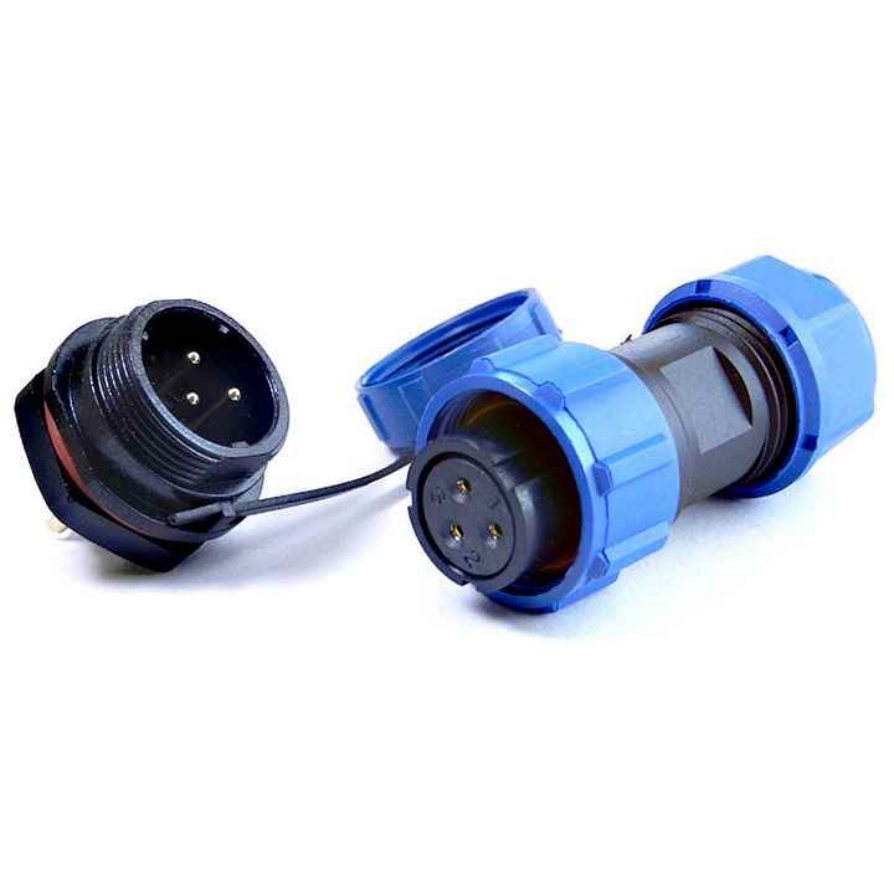
High humidity or exposure to water can exacerbate the effects of temperature on cable assemblies. For instance, in a high-temperature, high-humidity environment (e.g., a steam turbine room), moisture can seep into damaged insulation, causing short circuits. Look for machine cable assemblies with water-resistant jackets (e.g., EPDM or PTFE) and sealed connectors to prevent moisture ingress.
Chemical Exposure
Chemicals, oils, and solvents can degrade cable materials, especially at high temperatures. For example, in a chemical plant, a cable exposed to corrosive chemicals and high temperatures requires a jacket material like PTFE or fluorinated ethylene propylene (FEP), which are resistant to both heat and chemicals. Always check the cable’s chemical resistance ratings alongside its temperature rating.
Mechanical Stress
Temperature can affect the mechanical properties of cable materials. At low temperatures, many materials become brittle and less flexible, increasing the risk of damage during installation or movement. In high-temperature environments, materials may soften, reducing their tensile strength. For applications with mechanical stress (e.g., cables in moving parts of machinery), select machine cable assemblies with materials that maintain flexibility and strength across the operating temperature range—PU and EPDM are good options for moderate temperatures, while PTFE works for extreme heat.
4. Evaluate Performance Testing and Certifications
To ensure that the machine cable assemblies you select will perform reliably under the specified temperature conditions, look for products that have undergone rigorous performance testing and hold relevant industry certifications. Certifications indicate that the cable meets strict standards for safety, quality, and performance.
Some key certifications to consider include:
- UL (Underwriters Laboratories): UL certifications, such as UL 1015 (for general-purpose wires) or UL 2464 (for flexible cords), include temperature ratings that indicate the maximum temperature the cable can withstand. For example, a UL 1015 cable with a 105°C rating is suitable for applications up to that temperature.
- CSA (Canadian Standards Association): Similar to UL, CSA certifications ensure compliance with Canadian safety standards for temperature and performance.
- CE (Conformité Européenne): CE marking indicates that the cable meets European Union safety, health, and environmental requirements. For industrial cables, the CE marking often includes compliance with EN standards (e.g., EN 50525 for low-voltage cables).
- ATEX/IECEx: For cables used in explosive environments (where temperature and other factors can increase fire risk), ATEX (European) and IECEx (international) certifications are essential. These certifications ensure the cable is flame-retardant and does not ignite or propagate flames in hazardous areas.
Additionally, ask manufacturers for test reports that demonstrate the cable’s performance under temperature stress, such as thermal aging tests (where the cable is exposed to high temperatures for extended periods to check for degradation) or cold-bend tests (to verify flexibility at low temperatures).
5. Account for Installation and Routing Implications
The way machine cable assemblies are installed and routed can also impact their temperature exposure. Even if a cable is rated for a certain temperature range, poor installation can lead to localized overheating or cold spots.
For example: Proximity to Heat Sources: Avoid routing cables directly next to motors, heaters, or other heat-generating components. If this is unavoidable, use heat shields or select cables with higher temperature ratings to compensate.Airflow and Ventilation: Ensure that cables are installed in areas with adequate airflow to dissipate heat. Cables bundled tightly together can trap heat, leading to higher operating temperatures than the ambient environment.Bending Radius: At low temperatures, cables become less flexible, so it is important to adhere to the manufacturer’s recommended minimum bending radius during installation. Bending a cable beyond this radius can crack the insulation or jacket, exposing the conductor to damage.Conclusion: Choose FRS for Reliable Machine Cable Assemblies Tailored to Temperature NeedsSelecting machine cable assemblies based on operating temperature is a critical step in ensuring the efficiency, safety, and longevity of your industrial machinery. By understanding your application’s temperature range, matching materials to those conditions, considering environmental factors, verifying certifications, and planning for proper installation, you can avoid costly downtime and equipment failure.
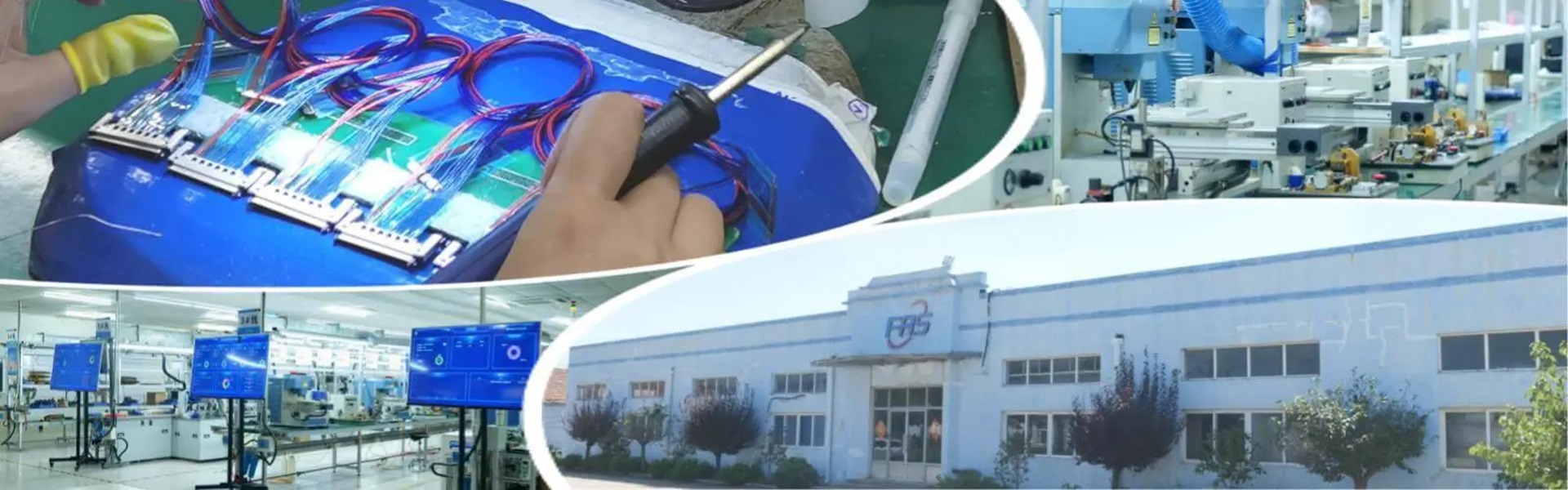
When it comes to sourcing high-quality machine cable assemblies that meet strict temperature requirements, FRS is your trusted partner. As a leading manufacturer with years of expertise in industrial cable solutions, FRS prioritizes precision and durability in every product. Our machine cable assemblies are engineered using premium materials—from PTFE for extreme heat to PU for low-temperature flexibility—ensuring they perform reliably across the most demanding temperature ranges. We conduct rigorous testing, including thermal aging, cold-bend, and chemical resistance tests, and our products hold UL, CSA, and CE certifications to guarantee compliance with global standards.
At FRS, we understand that every application is unique. That’s why we offer customizable machine cable assemblies, tailored to your specific temperature, environmental, and mechanical needs. Whether you need cables for high-heat welding equipment, cold storage facilities, or dynamic robotic systems, our team of experts will work with you to design the perfect solution. With FRS, you can trust that your machine cable assemblies will deliver consistent performance, reduce downtime, and keep your operations running smoothly. Choose FRS for machine cable assemblies that are built to withstand the test of temperature—and time.