How to choose shielded vs unshielded machine cable Assemblies
In the complex ecosystem of industrial machinery, machine cable assemblies serve as the vital nervous system, transmitting power, signals, and data to ensure seamless operation. Among the key decisions engineers and procurement professionals face is selecting between shielded and unshielded machine cable assemblies. While both types fulfill essential roles, their performance varies significantly based on environmental conditions, application requirements, and operational demands. This guide delves into the core differences between these two cable types, focusing on the characteristics and advantages of unshielded machine cable assemblies, to help you make an informed choice that aligns with your specific needs.
Understanding the Basics: Shielded vs. Unshielded Machine Cable Assemblies
Before diving into the selection process, it’s critical to grasp the fundamental construction and functionality of each cable type. Machine cable assemblies, in general, consist of conductors (for power or signal transmission), insulation (to separate conductors), and an outer jacket (for mechanical protection). The key distinction lies in the presence or absence of a shielding layer.
What Are Unshielded Machine Cable Assemblies?
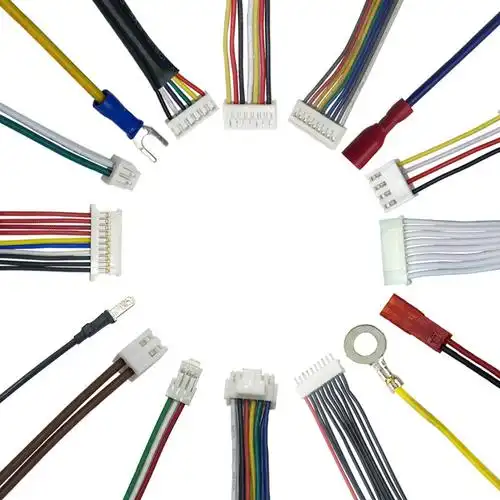
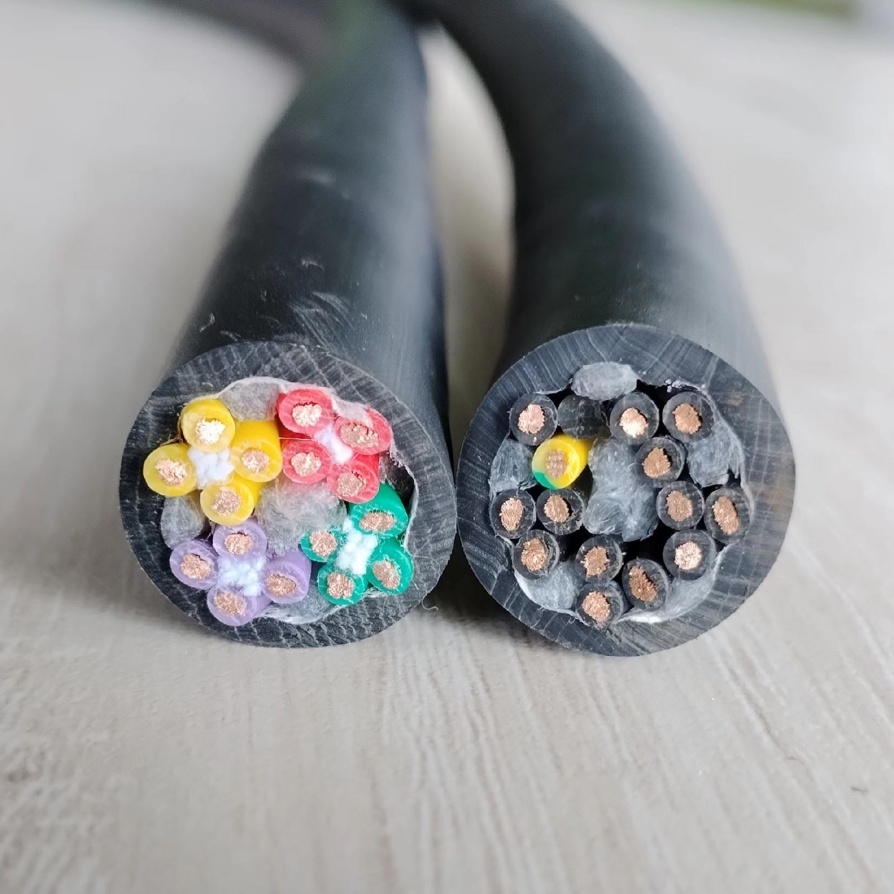
Unshielded machine cable assemblies, as the name suggests, lack the additional metallic shielding layer found in their shielded counterparts. Their structure typically includes stranded or solid conductors wrapped in high-quality insulation (such as PVC, PE, or PUR), bundled together, and encased in a durable outer sheath. This streamlined design prioritizes flexibility, lightweight construction, and cost-effectiveness without compromising on basic performance.
Unshielded machine cable assemblies are engineered to handle standard industrial environments where electromagnetic interference (EMI) and radio frequency interference (RFI) levels are low. They excel in applications where installation space is limited, and the focus is on efficient power or signal transmission without the need for extra interference protection.
What Are Shielded Machine Cable Assemblies?
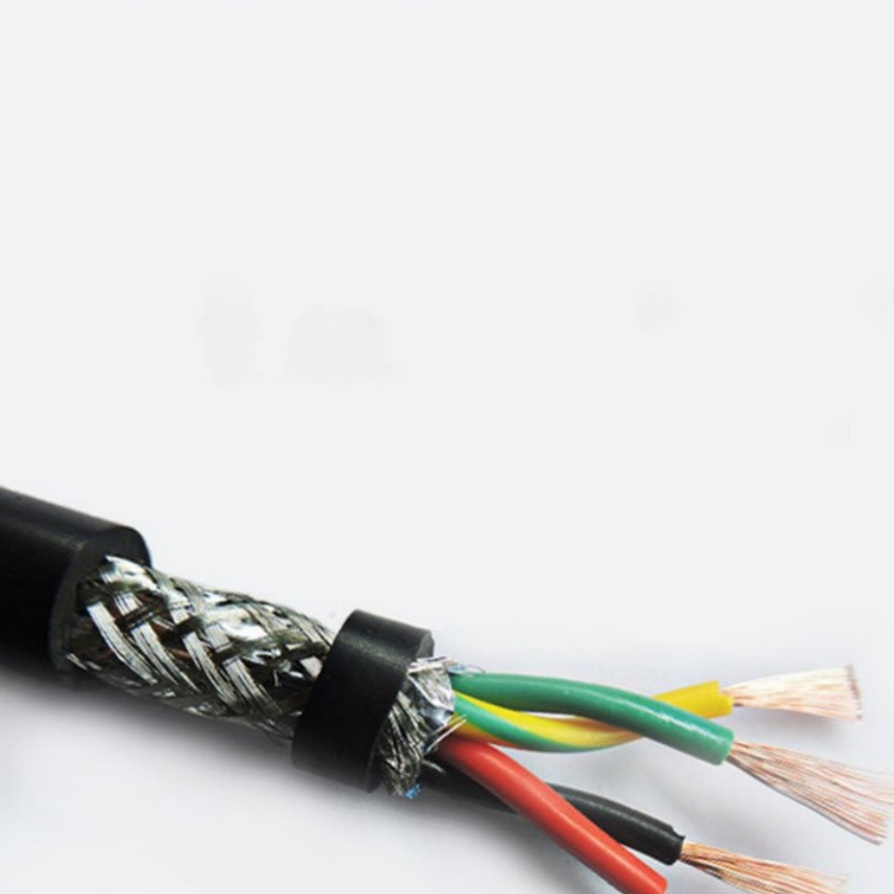
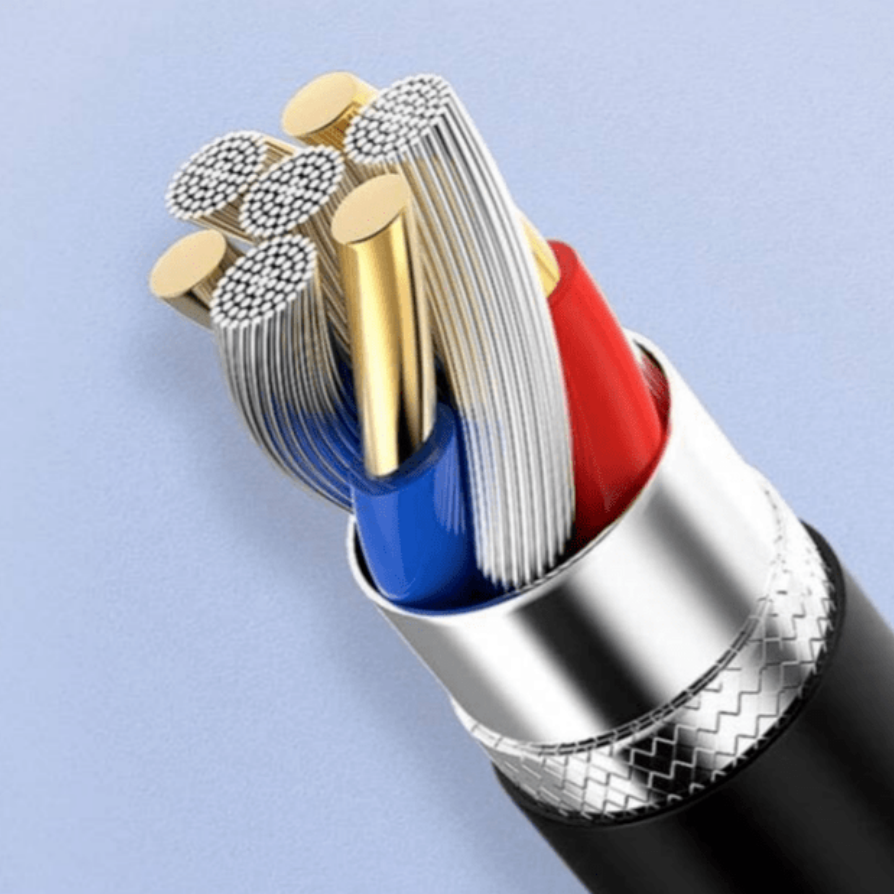
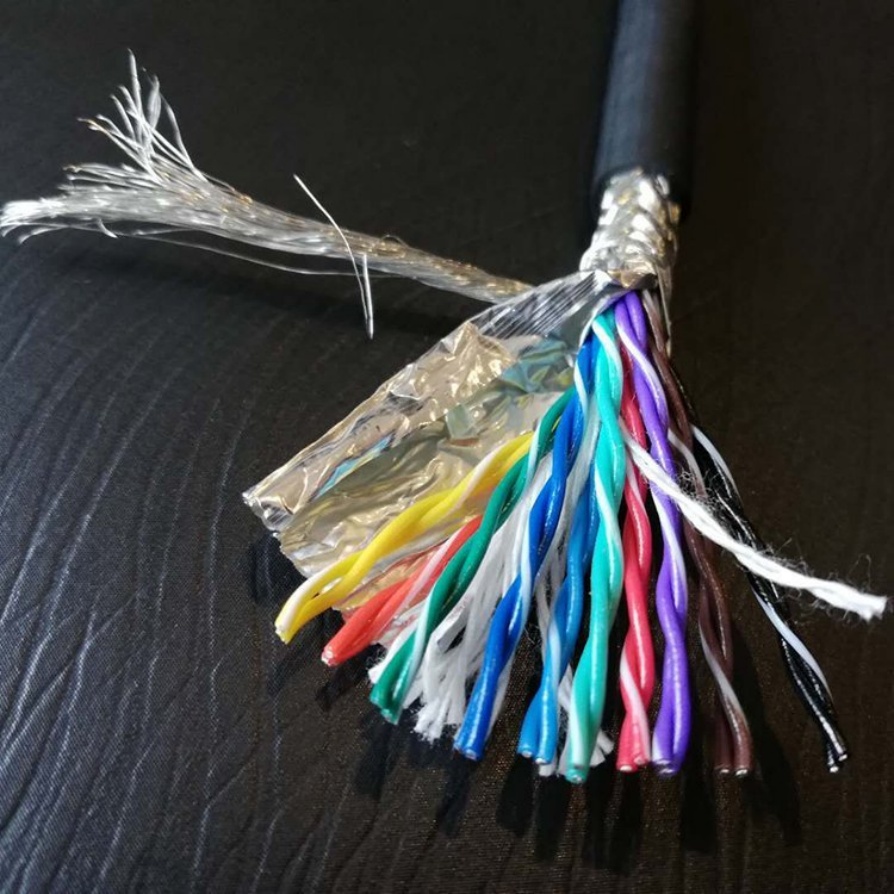
Shielded machine cable assemblies incorporate a metallic shielding layer—usually made of braided copper, aluminum foil, or a combination of both—between the insulation and the outer jacket. This shielding acts as a barrier, absorbing or reflecting EMI/RFI to prevent interference from disrupting signal transmission or damaging sensitive components. Shielded cables are ideal for high-interference environments, such as near large motors, transformers, or radio frequency equipment, where unimpeded signal integrity is critical.
Key Factors to Consider When Choosing Between Shielded and Unshielded Machine Cable Assemblies
Selecting the right cable type requires a thorough evaluation of your application’s unique requirements. Below are the most important factors to consider, with a focus on when unshielded machine cable assemblies are the optimal choice.
1. Environmental Interference Levels
The primary driver for choosing shielded cables is the presence of high EMI/RFI. If your machinery operates near heavy-duty electrical equipment (e.g., welding machines, large pumps, or power distribution panels) that emits significant interference, shielded cables are necessary to maintain signal clarity. However, in low-interference environments—such as light industrial settings, packaging lines, or office automation equipment—unshielded machine cable assemblies perform exceptionally well.
For example, in a food processing plant where the main equipment consists of conveyors and small motors, the EMI levels are minimal. Here, unshielded cables can reliably transmit power and basic control signals without interference, eliminating the need for the extra cost and complexity of shielding.
2. Installation Space and Flexibility
Unshielded machine cable assemblies have a slimmer profile compared to shielded cables because they lack the shielding layer. This makes them ideal for applications where installation space is tight, such as inside compact control cabinets, between closely packed machinery components, or in conduit with limited capacity.
Additionally, unshielded cables tend to be more flexible, allowing for easier routing around corners or moving parts. In applications that require frequent cable movement—like robotic arms or sliding doors—unshielded machine cable assemblies offer better durability and resistance to fatigue compared to their stiffer shielded counterparts.
3. Cost Efficiency
Cost is a significant consideration for most businesses, and unshielded machine cable assemblies offer a clear advantage in this area. The absence of the shielding layer reduces material and manufacturing costs, making unshielded cables more budget-friendly than shielded options. For large-scale projects that require hundreds or thousands of cable assemblies, choosing unshielded cables can result in substantial cost savings without sacrificing performance in appropriate environments.
It’s important to note that while shielded cables are more expensive, they are a necessary investment in high-interference environments. However, using shielded cables in low-interference settings is a waste of resources. By accurately assessing your interference levels, you can opt for unshielded machine cable assemblies where possible and allocate your budget more effectively.
4. Application-Specific Requirements
Different industrial applications have unique demands that influence cable selection. Let’s explore some common scenarios where unshielded machine cable assemblies are the preferred choice:
- Light Industrial Machinery: Equipment like small conveyors, packaging machines, and textile looms typically operate with low EMI and simple signal requirements. Unshielded cables provide reliable power and control without overengineering.
- Office Automation and Commercial Equipment: Printers, copiers, and HVAC control systems in commercial buildings operate in low-interference environments. Unshielded machine cable assemblies are lightweight, easy to install, and cost-effective for these applications.
- Low-Voltage Power Transmission: For transmitting low-voltage power to sensors, indicators, or small motors, unshielded cables are sufficient. They can handle the power load while maintaining efficiency.
- Indoor, Controlled Environments: In environments with stable temperatures, low moisture, and minimal physical damage risks (e.g., cleanrooms or assembly lines with protected cable runs), unshielded cables thrive.
On the other hand, shielded cables are better suited for applications like aerospace and defense (where signal integrity is critical), medical equipment (to avoid interference with sensitive devices), and heavy manufacturing (near large motors and transformers).
5. Durability and Environmental Resistance
Both shielded and unshielded machine cable assemblies are designed to withstand industrial conditions, but their durability features can vary. Unshielded cables often come with robust outer jackets made of materials like PUR (polyurethane) or TPE (thermoplastic elastomer), which offer resistance to oil, chemicals, abrasion, and temperature extremes. This makes them suitable for harsh but low-interference environments, such as automotive assembly lines (where oil and grease are present) or outdoor enclosures (with temperature fluctuations).
When evaluating durability, it’s important to consider the cable’s jacket material and rating (e.g., IP67 for water and dust resistance) rather than just the presence of shielding. Many unshielded machine cable assemblies meet or exceed industry standards for durability, making them a reliable choice in a wide range of conditions.
Common Misconceptions About Unshielded Machine Cable Assemblies
Despite their advantages, there are some common misconceptions about unshielded machine cable assemblies that can lead to incorrect selection. Let’s address these:
- Misconception 1: Unshielded cables are always less reliable. This is only true in high-interference environments. In low-interference settings, unshielded cables are just as reliable as shielded ones, and their simpler design can reduce the risk of issues like shield grounding problems.
- Misconception 2: All industrial applications require shielded cables. While some high-sensitivity applications do, the majority of light to medium industrial applications operate perfectly well with unshielded cables. Overusing shielded cables increases costs unnecessarily.
- Misconception 3: Unshielded cables can’t handle harsh environments. As mentioned earlier, unshielded cables with durable jackets (like PUR) are resistant to oil, chemicals, and temperature extremes. Their lack of shielding doesn’t affect their environmental durability.
Why Choose FRS for Your Unshielded Machine Cable Assemblies?
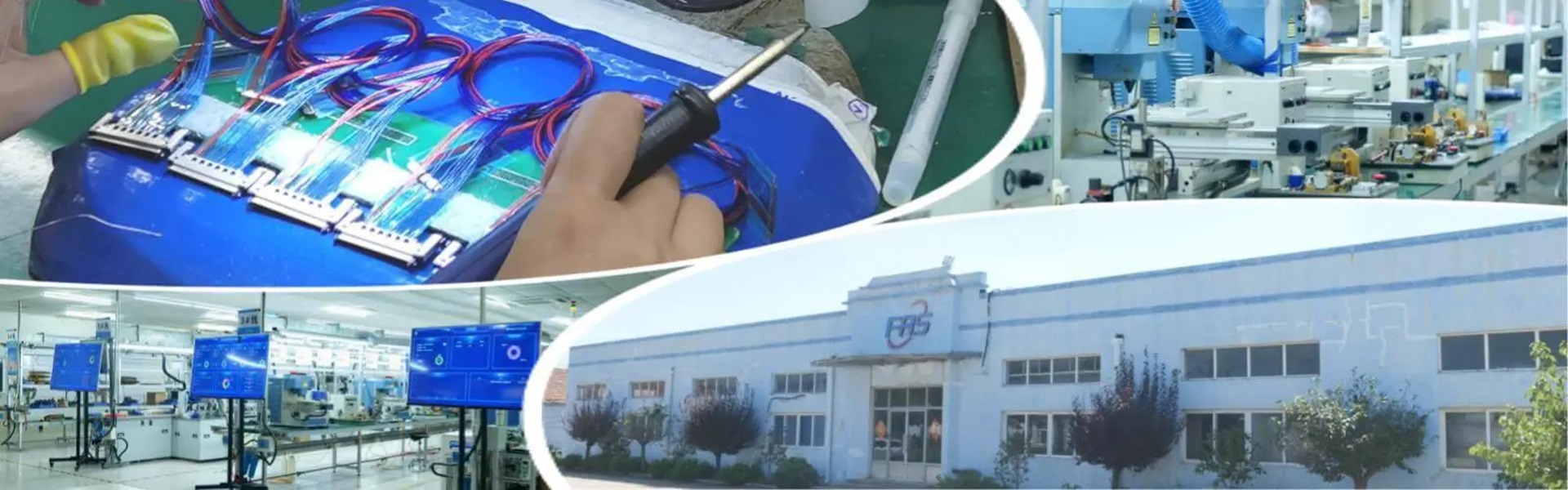
When it comes to selecting high-quality unshielded machine cable assemblies that meet your performance and budget needs, FRS is the trusted partner for businesses worldwide. With years of experience in designing and manufacturing industrial cable solutions, FRS understands the unique demands of diverse industries and delivers products that excel in reliability, durability, and cost-effectiveness.