Which machine cable Assemblies are compatible with servo motors?
Servo motors are critical components in precision motion control systems, used extensively in industries such as manufacturing, robotics, automotive, and aerospace. Their performance relies heavily on the compatibility of machine cable assemblies, as improper cable selection can lead to signal interference, power loss, reduced motor lifespan, and even system failures. Understanding which cable assemblies work with servo motors is essential for ensuring optimal system efficiency and reliability.
Key Types of Machine Cable Assemblies Compatible with Servo Motors
1. Power Cable Assemblies for Servo Motors
Power cable assemblies supply the necessary electrical energy to servo motors, and their compatibility is determined by voltage rating, current capacity, and conductor material. Most servo motors require power cables that can handle low-voltage (24V DC to 48V DC) or medium-voltage (100V AC to 480V AC) inputs, depending on the motor’s design.
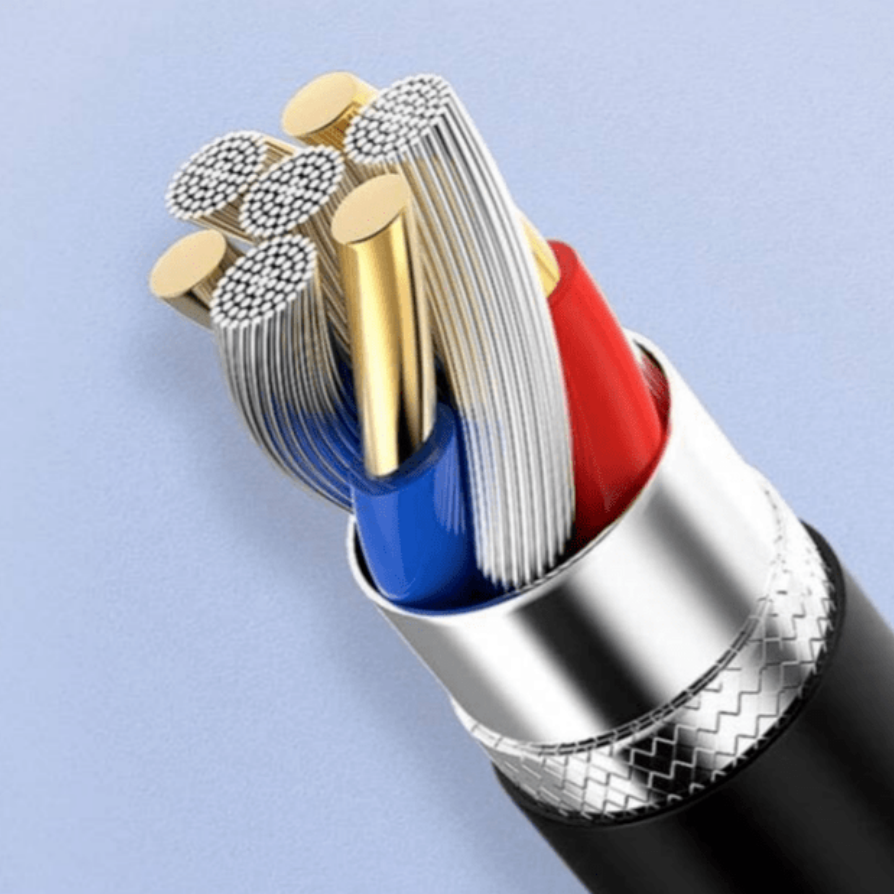
High-quality power cables for servo motors typically feature stranded copper conductors, which offer flexibility and reduce signal loss. They also include insulation materials like PVC, XLPE, or PTFE to withstand temperature variations (ranging from -40°C to 125°C in industrial environments) and chemical exposure. Additionally, power cables may incorporate a grounding conductor to minimize electrical noise and ensure safety.
For high-power servo motors (e.g., those used in heavy machinery), power cable assemblies with larger conductor gauges (such as 12 AWG or 10 AWG) are necessary to handle higher current loads without overheating.
2. Signal Cable Assemblies for Servo Feedback
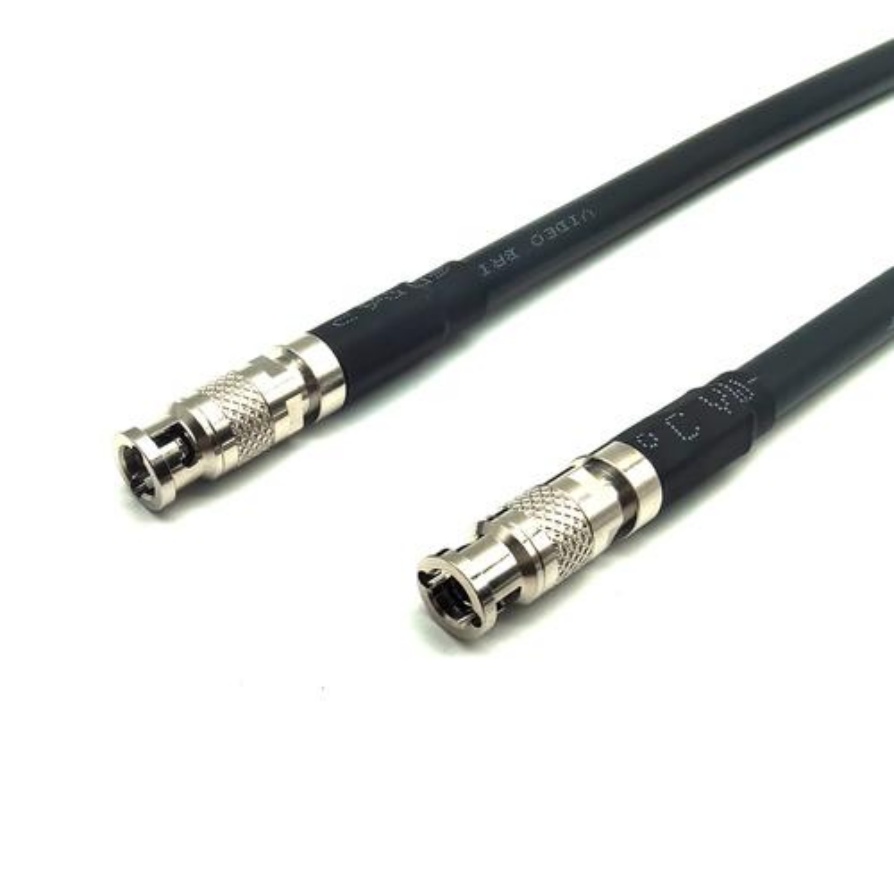
Servo motors rely on feedback signals to maintain precision positioning, making signal cable assemblies a vital compatibility component. These cables transmit data between the servo motor’s encoder or resolver and the controller, requiring low signal attenuation and strong interference resistance.
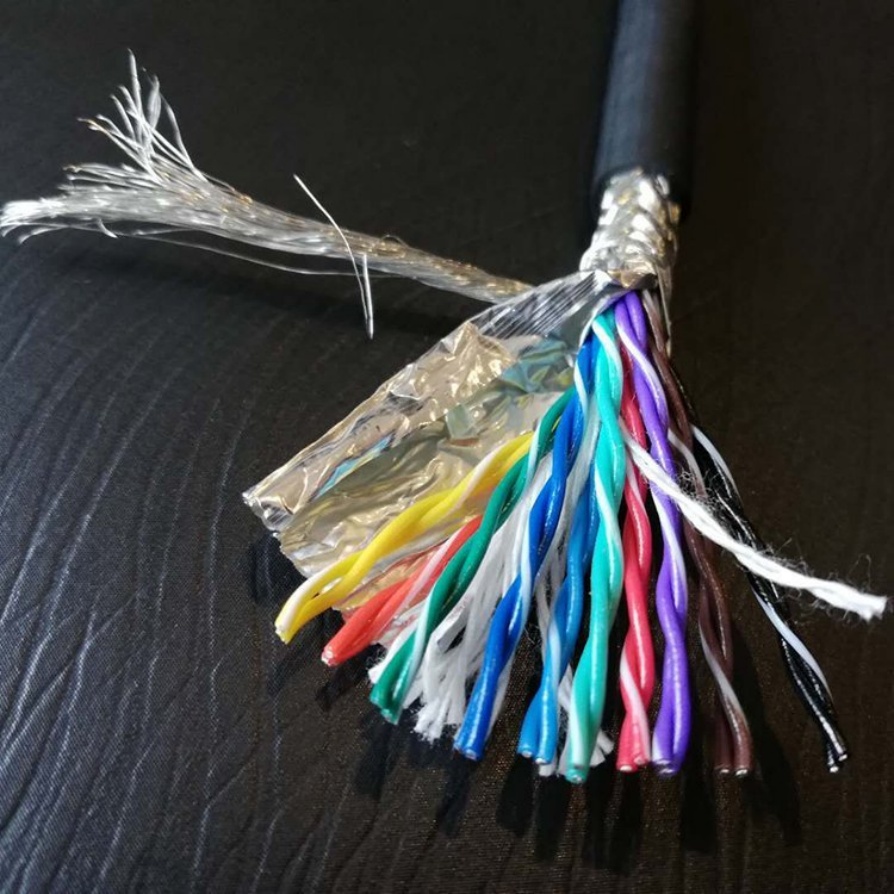
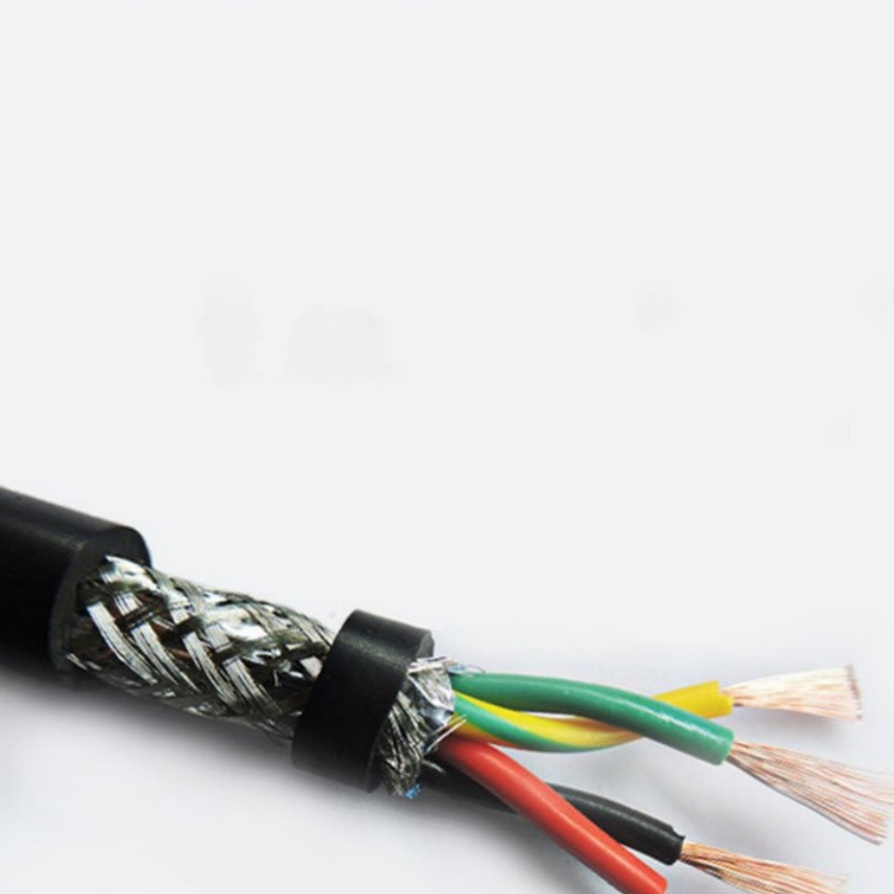
Shielded twisted-pair (STP) cables are the most common choice for servo feedback. The twisted pairs reduce electromagnetic interference (EMI) from nearby power cables, while the shielding (aluminum foil or braided copper) blocks external noise. For applications with high EMI levels (e.g., near welding equipment or high-frequency machinery), double-shielded cables provide enhanced protection.
Impedance matching is another key factor for signal cable compatibility. Most servo encoders require cables with an impedance of 100Ω or 120Ω to ensure accurate signal transmission at high speeds (up to 1 MHz or more for modern servo systems).
3. Encoder Cable Assemblies
Encoder cable assemblies are a specialized type of signal cable designed specifically for servo motor encoders. They are compatible with different encoder types, including incremental encoders and absolute encoders.
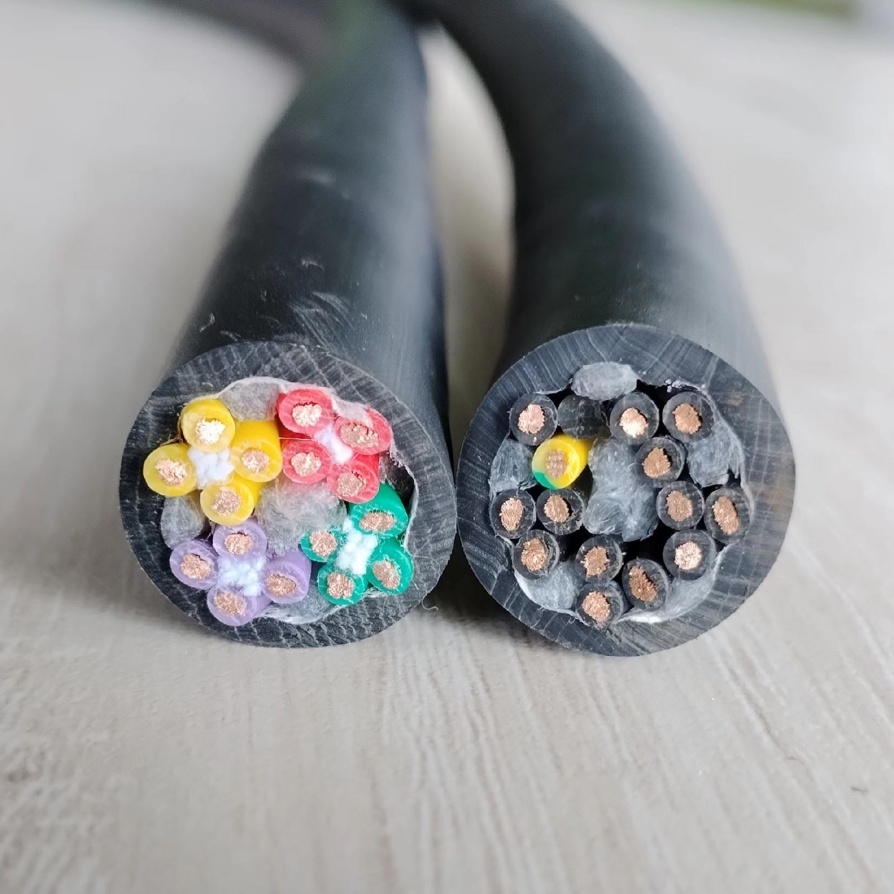
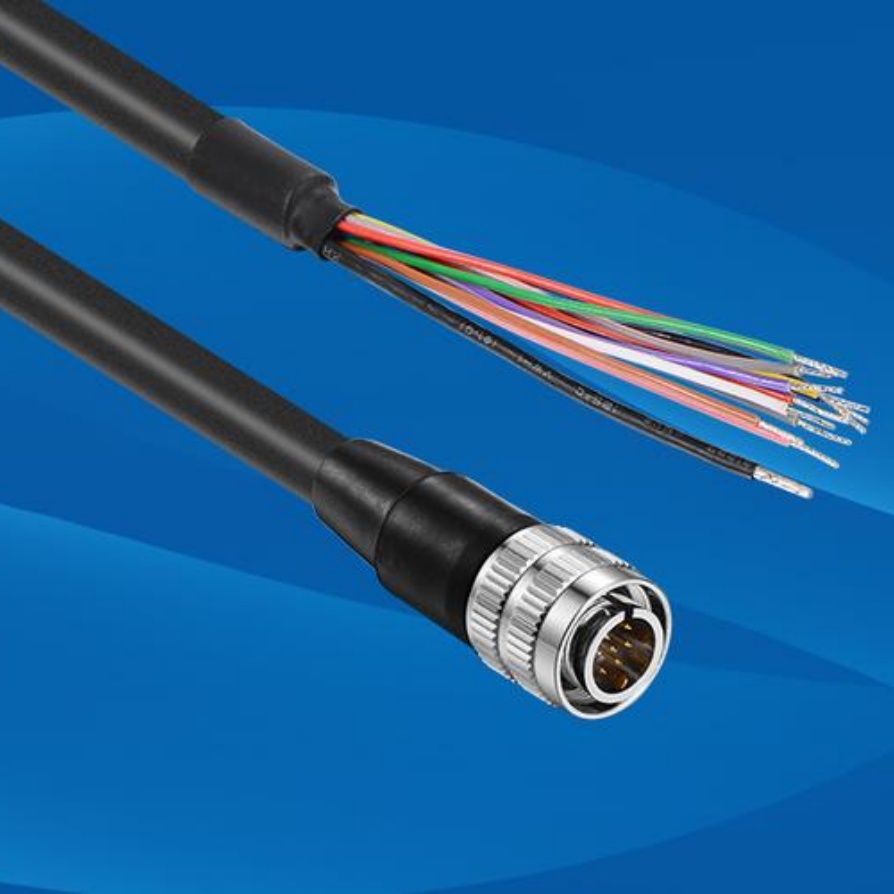
Incremental encoder cables typically have 4 to 8 conductors to transmit A, B, Z, and ground signals, while absolute encoder cables may have more conductors (e.g., 12 to 24) to carry position data, power, and communication signals (such as RS-485 or Ethernet/IP). These cables often feature color-coded conductors for easy installation and are rated for flexible or fixed installations based on the application’s motion requirements.
Factors Affecting Compatibility Between Cable Assemblies and Servo Motors
- Voltage and Current Ratings: The cable assembly must match the servo motor’s voltage and current specifications to avoid overloading or underpowering the motor. Using a cable with insufficient current capacity can cause overheating and cable damage.
- Environmental Conditions: Industrial environments may expose cables to moisture, dust, oil, extreme temperatures, or mechanical stress. Cable assemblies with IP67 or IP68 ratings are suitable for wet or dusty environments, while cables with rugged jackets (e.g., polyurethane) resist abrasion and chemical exposure.
- Motor Mounting and Motion: Servo motors in robotic arms or moving parts require flexible cable assemblies (e.g., chain-flex cables) that can withstand repeated bending without signal degradation. Fixed-mounted motors may use rigid cables for cost-effectiveness.
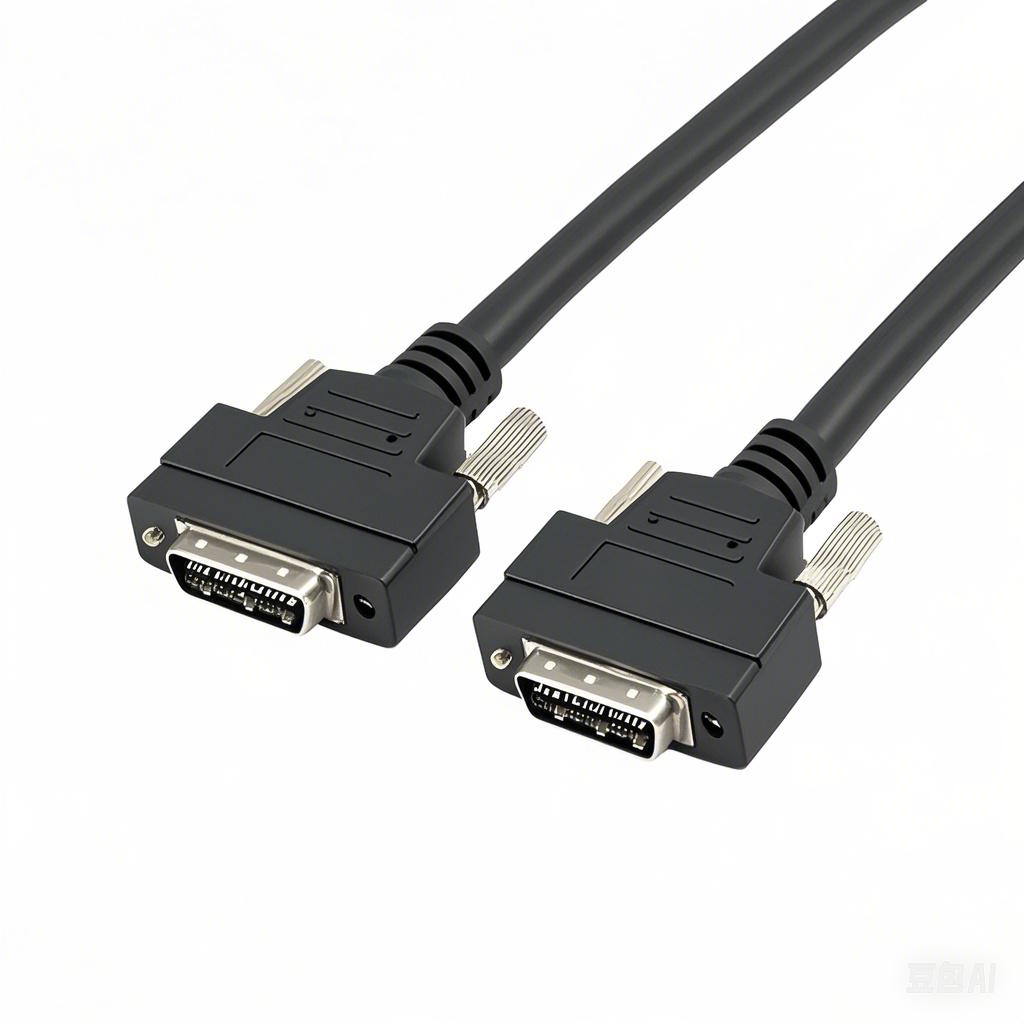
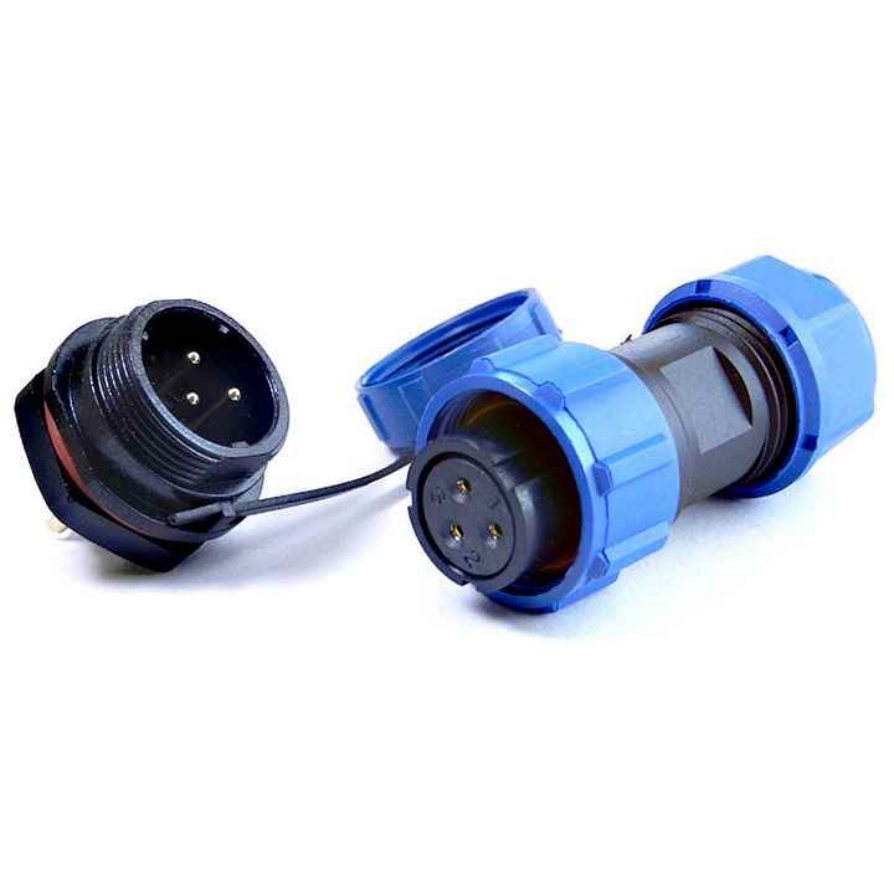
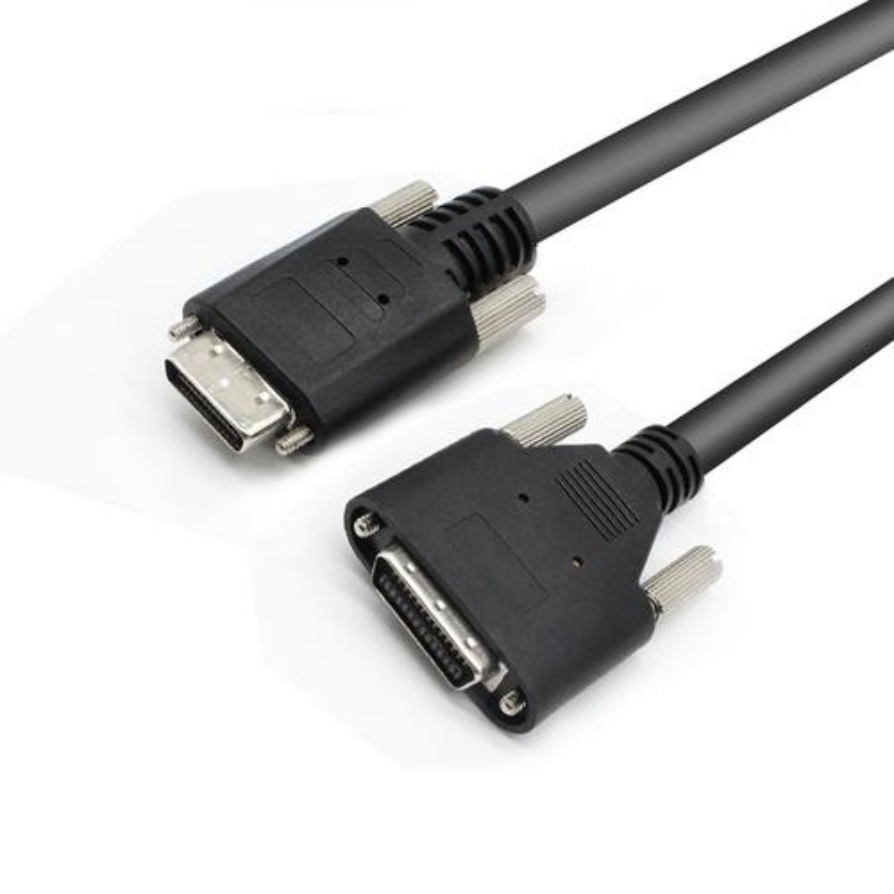
- Controller Compatibility: The cable assembly must also be compatible with the servo controller’s input/output (I/O) ports. For example, Ethernet-based servo systems require Cat5e or Cat6 cables with RJ45 connectors, while traditional systems may use D-sub or terminal block connectors.
Practical Tips for Selecting Compatible Cable Assemblies
1. Refer to the Motor Datasheet: Always check the servo motor manufacturer’s datasheet for recommended cable specifications, including conductor gauge, voltage rating, and shielding requirements.
2. Consider System Integration: Ensure the cable assembly works with other components in the motion control system, such as encoders, drives, and controllers.
3. Prioritize Quality: Low-quality cables may save costs initially but can lead to frequent system downtime. Choose cables from reputable manufacturers that meet industry standards (e.g., UL, CE, or IEC).
FRS: Your Trusted Partner for Servo Motor Cable Assemblies
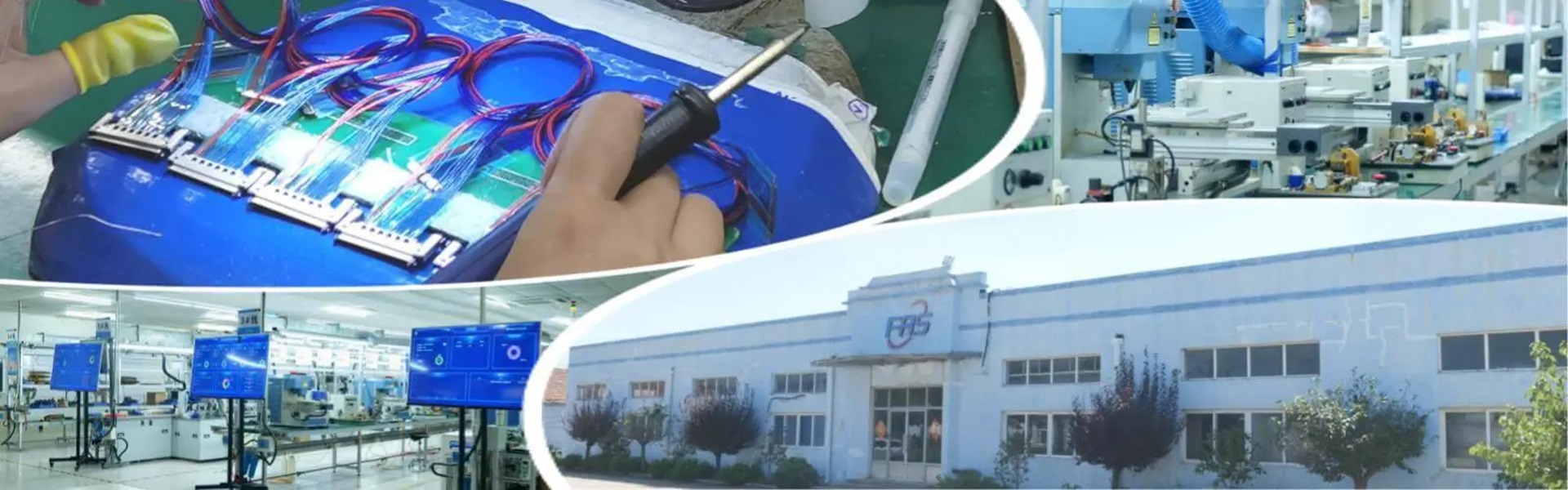
When it comes to compatible, high-performance machine cable assemblies for servo motors, FRS brand factory stands out as a reliable solution provider. With years of experience in industrial cable manufacturing, FRS offers custom cable assemblies tailored to meet the unique requirements of servo motor systems. Our products include power cables, signal cables, and encoder cables that adhere to strict quality standards, ensuring compatibility with leading servo motor brands.
FRS cable assemblies feature premium materials, advanced shielding technologies, and rigorous testing to withstand harsh industrial environments. Whether you need flexible cables for dynamic applications or rugged cables for fixed installations, FRS delivers consistent performance and durability. Partner with FRS today to enhance the efficiency and reliability of your servo motor systems.