oil – resistant machine cable Assemblies
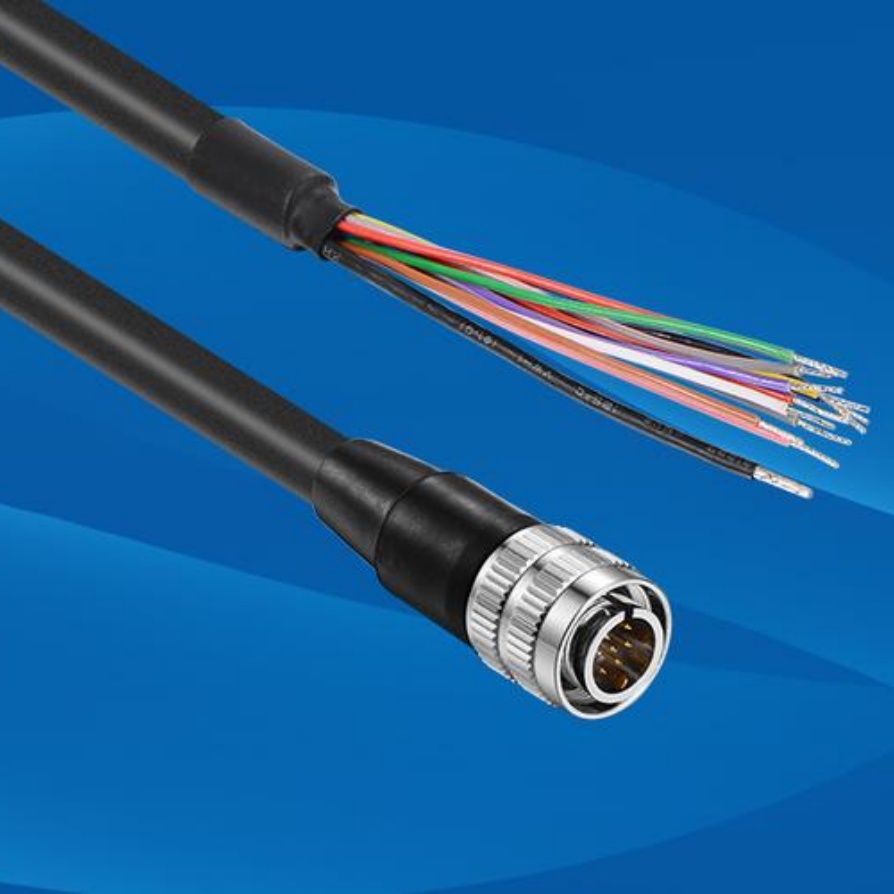
In industrial environments where machinery operates in close contact with oils, lubricants, and chemical fluids, the reliability of cable assemblies is paramount. Oil – resistant machine cable assemblies stand as a critical component, ensuring seamless power transmission, signal integrity, and operational safety even in harsh oil – rich conditions. Unlike standard cable assemblies, these specialized products are engineered to withstand the corrosive effects of various oils, preventing insulation degradation, conductor exposure, and subsequent equipment failure.
Key Characteristics of High – Performance Oil – Resistant Machine Cable Assemblies
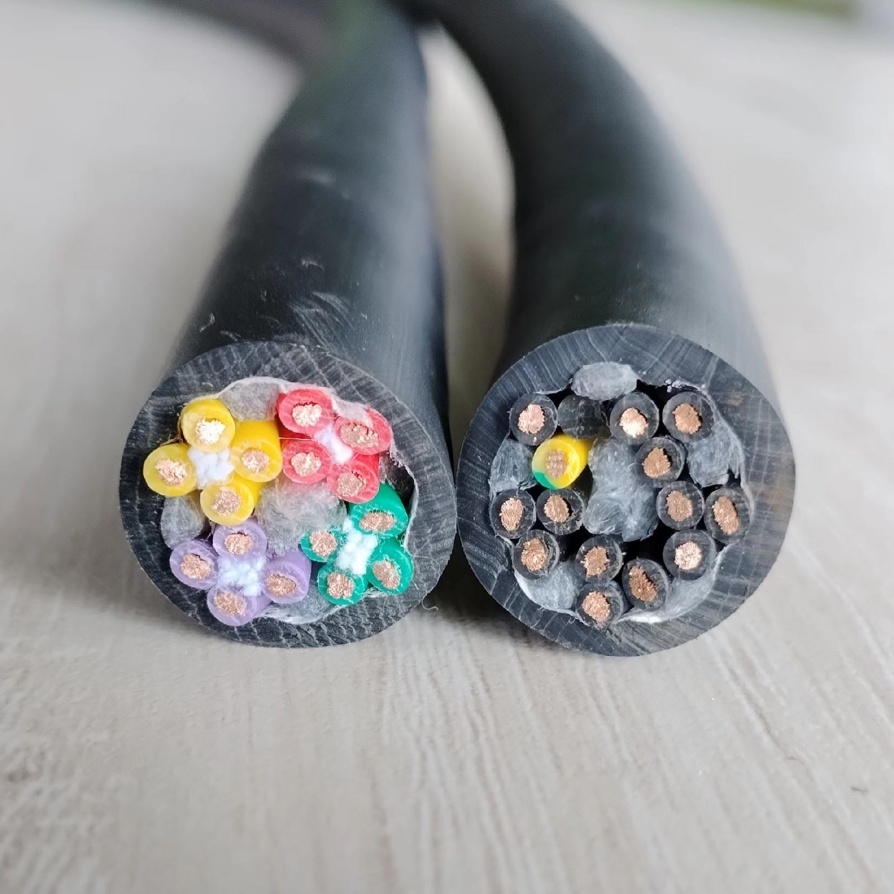
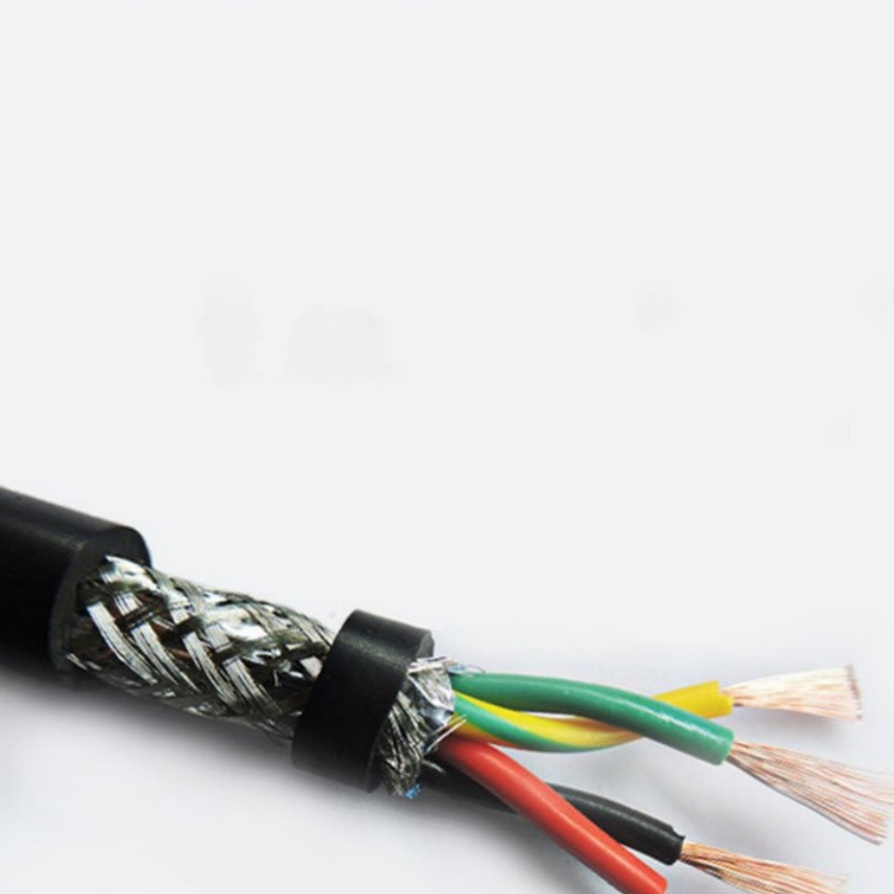
The effectiveness of oil – resistant machine cable assemblies lies in their carefully selected materials and structural design. The insulation and sheathing materials are the first line of defense against oil penetration. Common materials include chlorinated polyethylene (CPE), ethylene propylene diene monomer (EPDM), and polyurethane (PU). CPE offers excellent resistance to mineral oils, greases, and solvents, while EPDM excels in withstanding high temperatures alongside oil exposure. PU, on the other hand, combines oil resistance with exceptional abrasion resistance, making it ideal for applications where cables are subject to mechanical wear.
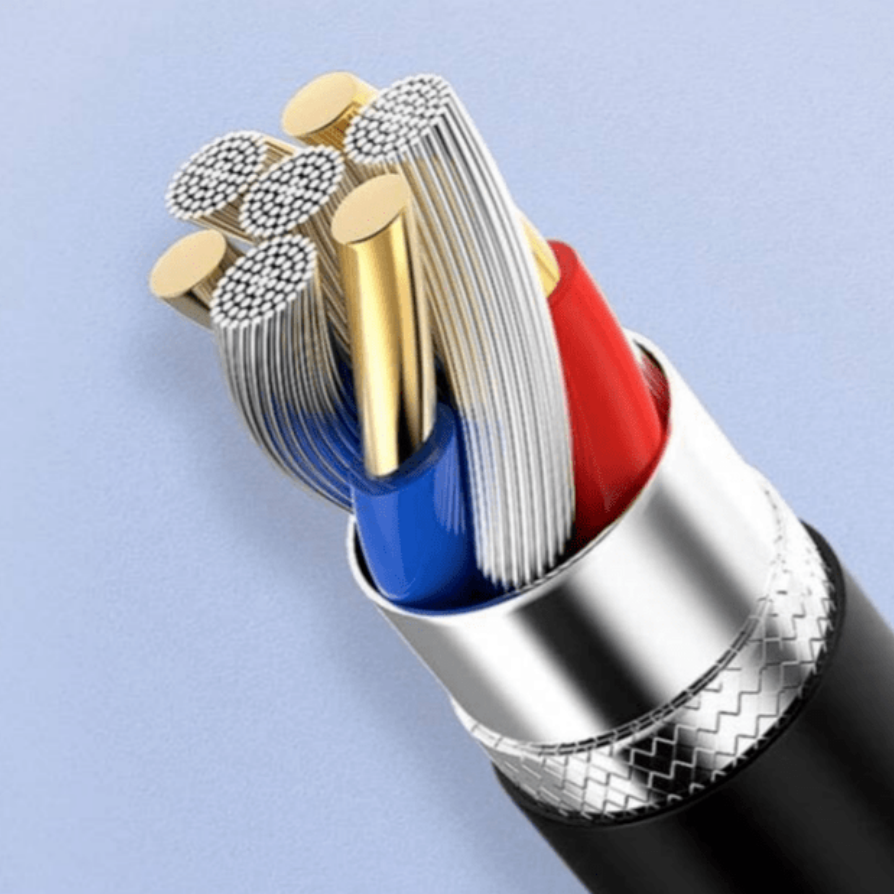
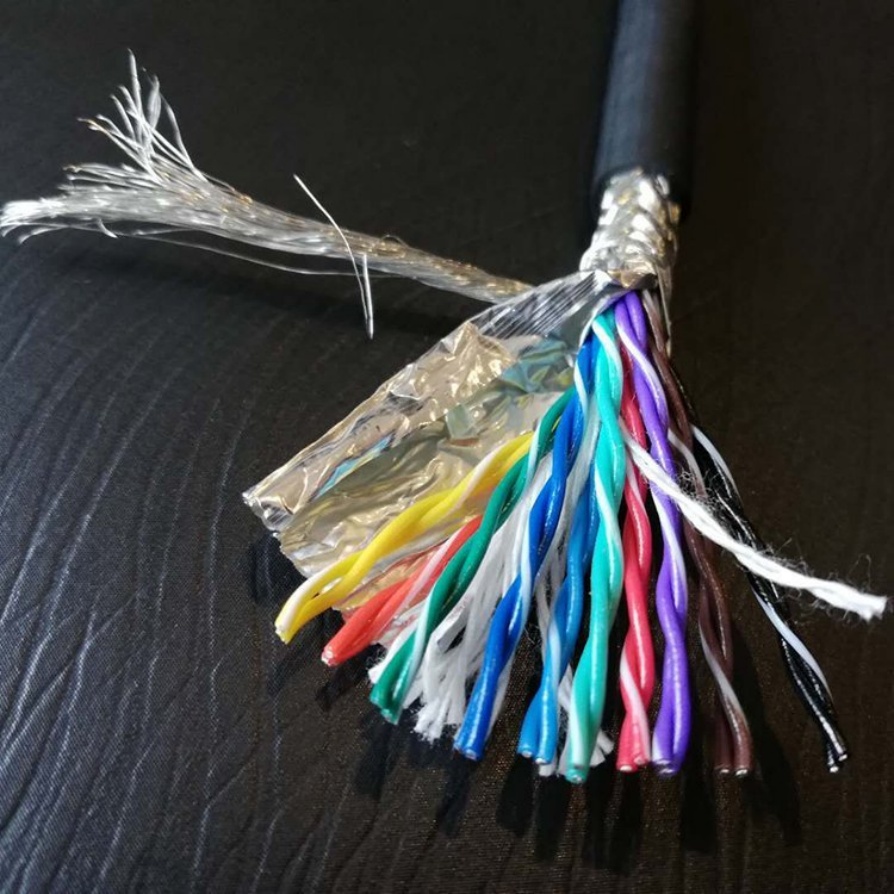
Beyond material selection, these cable assemblies feature robust conductor designs. Stranded conductors are often used to enhance flexibility, allowing the cables to bend and move with the machinery without compromising electrical performance. Additionally, shielding layers such as braided tinned copper or aluminum – mylar tape are integrated to protect against electromagnetic interference (EMI), which is crucial in industrial settings where multiple electronic devices operate simultaneously. This shielding ensures that signals transmitted through the cables remain clear and accurate, avoiding disruptions to machine control systems.
Temperature resistance is another vital characteristic. Oil – resistant machine cable assemblies must endure a wide range of temperatures, from the cold of industrial freezers to the heat of engine compartments or manufacturing processes. High – temperature variants can withstand continuous exposure to temperatures up to 150°C, while low – temperature options remain flexible even at -40°C, ensuring reliable operation in extreme environmental conditions.
Primary Application Areas
Oil – resistant machine cable assemblies find extensive use across various industries where oil is an inherent part of operations. In the industrial manufacturing sector, they are employed in machinery such as CNC machines, hydraulic systems, and lubrication units. These machines rely on precise signal transmission to control movements and processes, and oil – resistant cables prevent downtime caused by cable failure due to oil exposure.
The automotive and transportation industry is another major user. From engine bays to transmission systems, automotive cables are constantly in contact with motor oil, gear oil, and fuel. Oil – resistant cable assemblies ensure the proper functioning of critical systems like ignition, braking, and navigation, contributing to vehicle safety and performance. Similarly, in heavy – duty vehicles such as trucks and construction equipment, these cables withstand the harsh conditions of off – road operations and frequent oil contamination.
In the oil and gas industry, where equipment operates in oil – rich and potentially explosive environments, oil – resistant machine cable assemblies are essential. They are used in drilling rigs, refineries, and pipeline systems, providing reliable power and signal transmission while resisting the corrosive effects of crude oil, gasoline, and other petroleum products. The cables are also designed to meet strict safety standards to prevent fire and explosion hazards.
Other application areas include the marine industry (for ship engines and hydraulic systems), agricultural machinery (exposed to oil and fertilizer), and food processing (where food – grade oils are used, requiring cables that meet hygiene standards alongside oil resistance).
Considerations for Selection and Installation
Choosing the right oil – resistant machine cable assembly requires careful consideration of several factors. First, it is essential to identify the type of oil the cable will encounter. Different oils have varying chemical compositions, and some cables may perform better against mineral oils than synthetic oils or solvents. Manufacturers provide detailed chemical resistance charts to help users select the appropriate cable for their specific application.
Environmental conditions such as temperature range, humidity, and exposure to sunlight or chemicals should also be evaluated. For example, cables used outdoors may require additional UV resistance, while those in wet environments need water – resistant properties alongside oil resistance. The mechanical requirements, such as flexibility, bend radius, and tensile strength, must match the machinery’s movement and installation layout to prevent cable damage during operation.
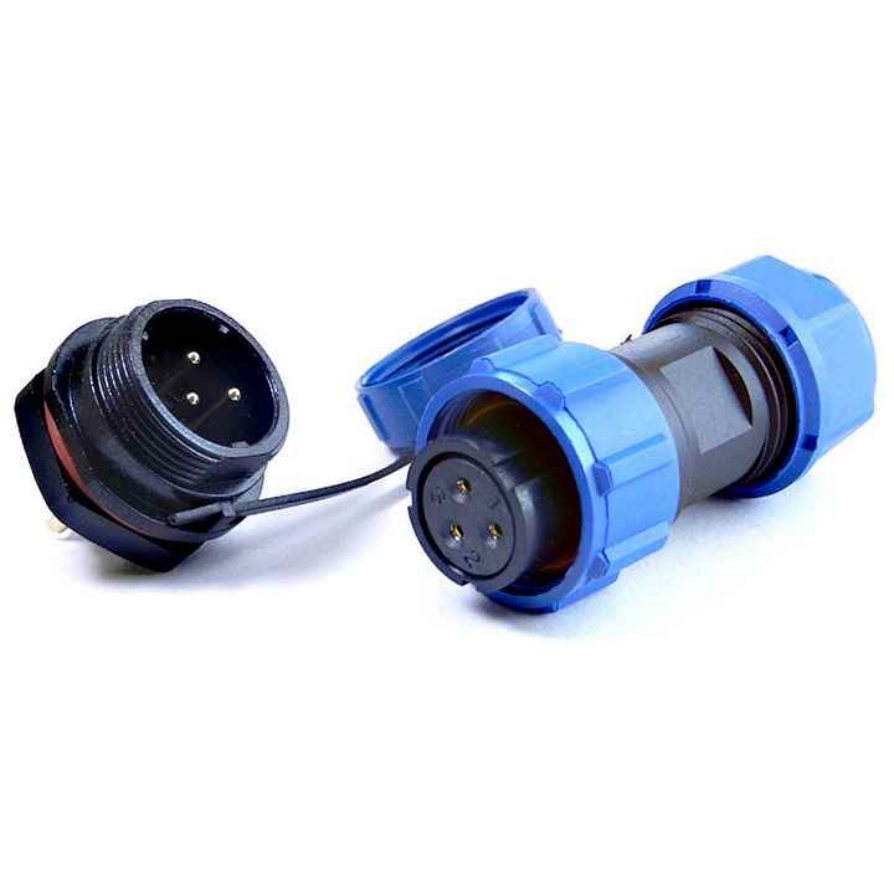
Proper installation is equally important to maximize the lifespan of oil – resistant machine cable assemblies. Cables should be routed away from sharp edges and moving parts that could cause abrasion. Using cable glands and connectors that are compatible with the cable’s sheathing material ensures a tight seal, preventing oil from entering the cable ends. Additionally, avoiding over – bending or stretching the cables during installation helps maintain their structural integrity and electrical performance.
FRS: Your Trusted Partner for Oil – Resistant Machine Cable Assemblies
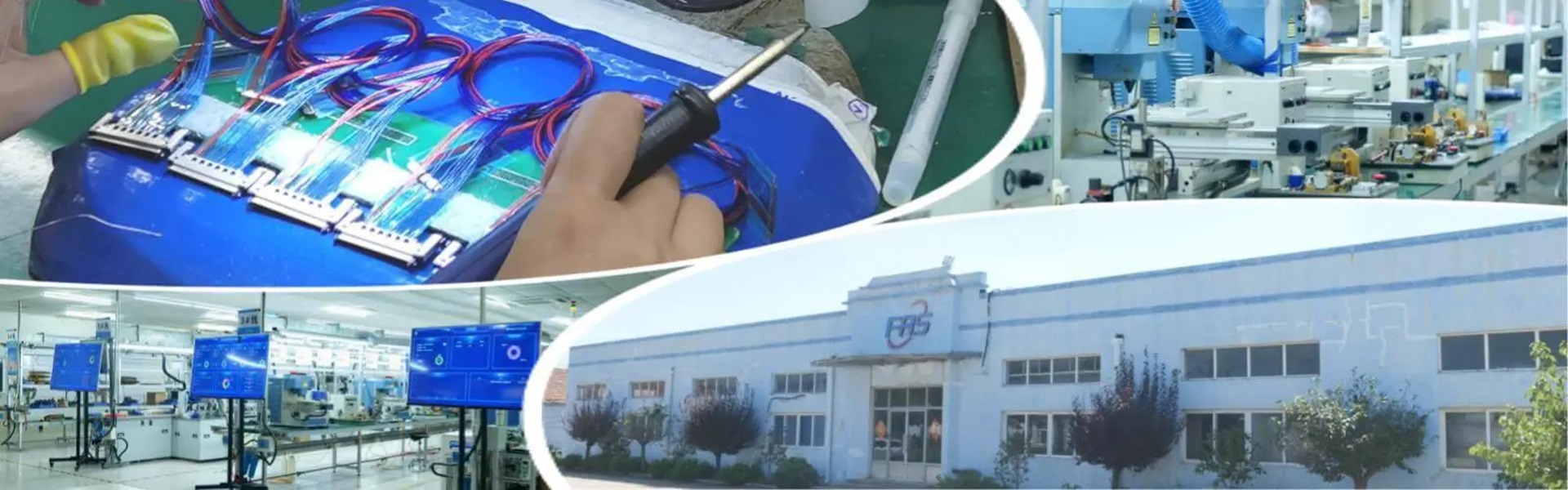
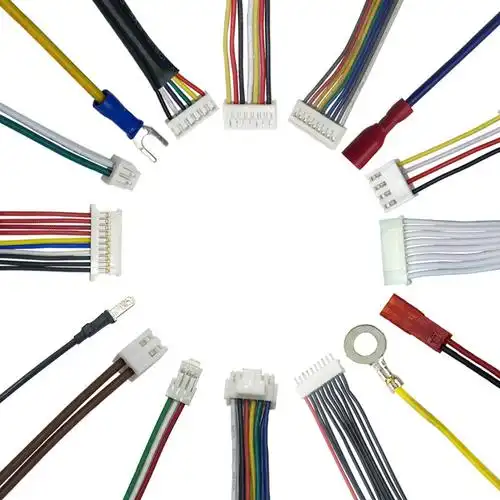
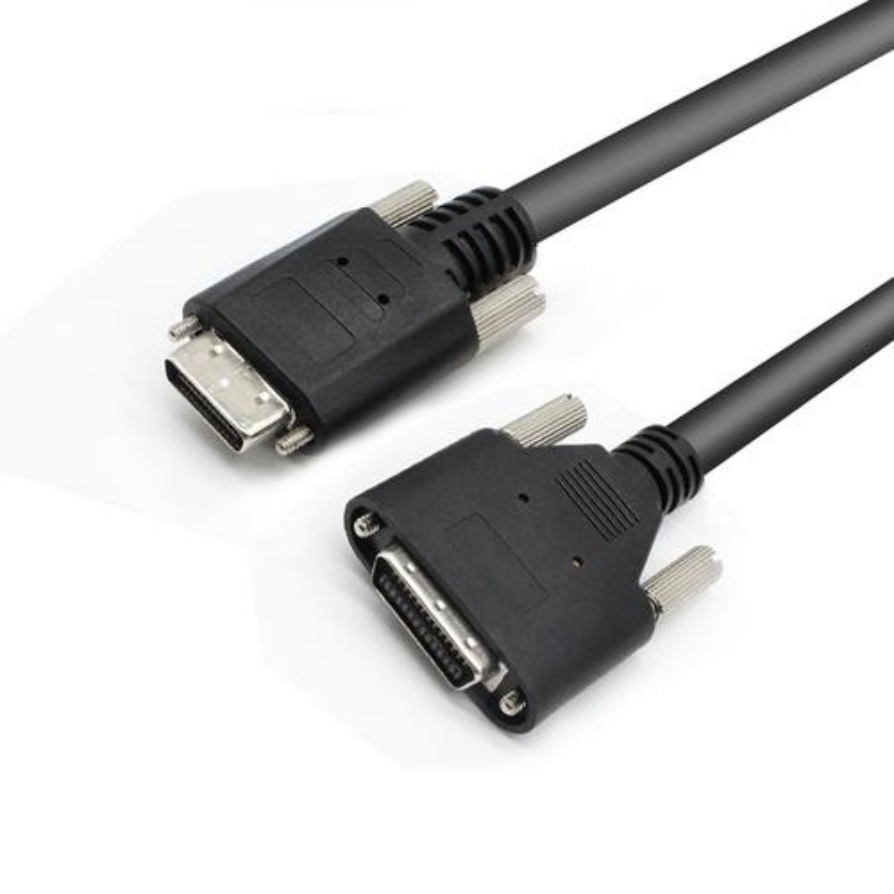
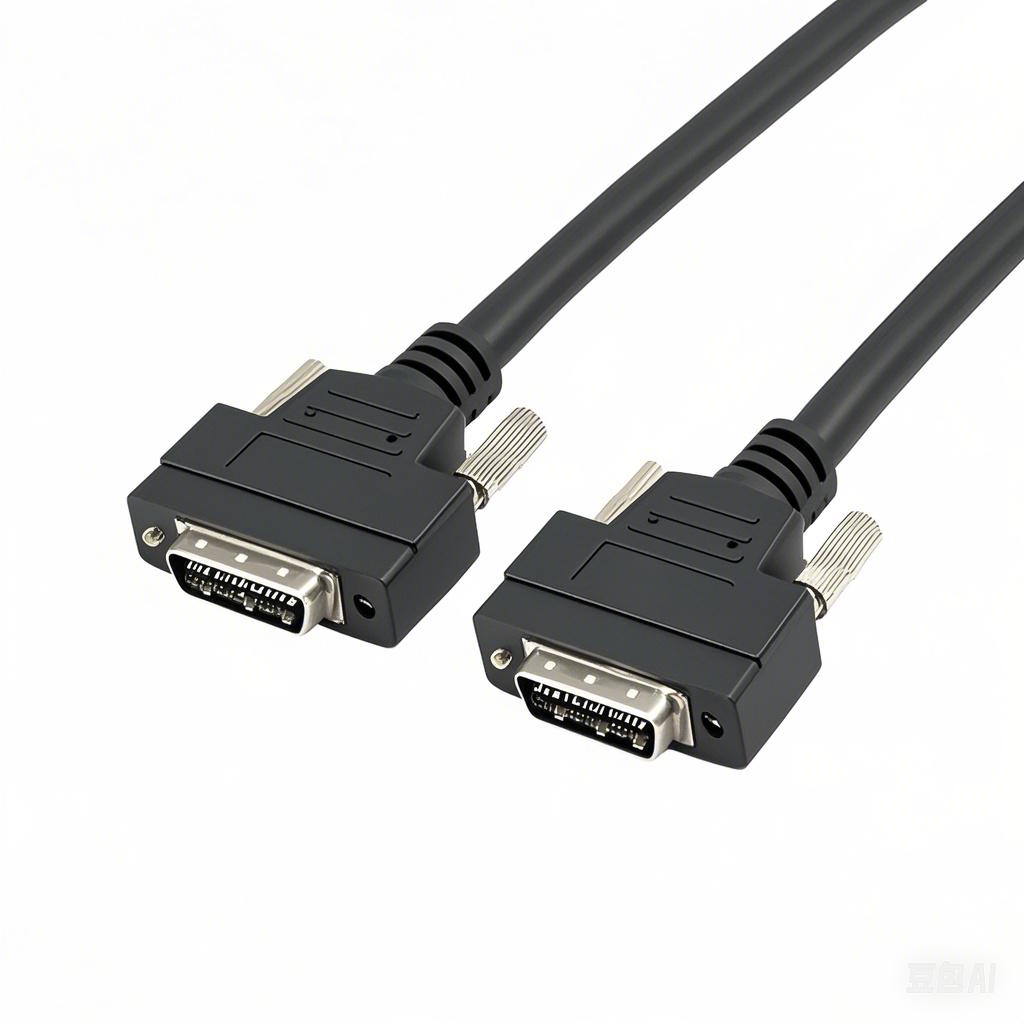
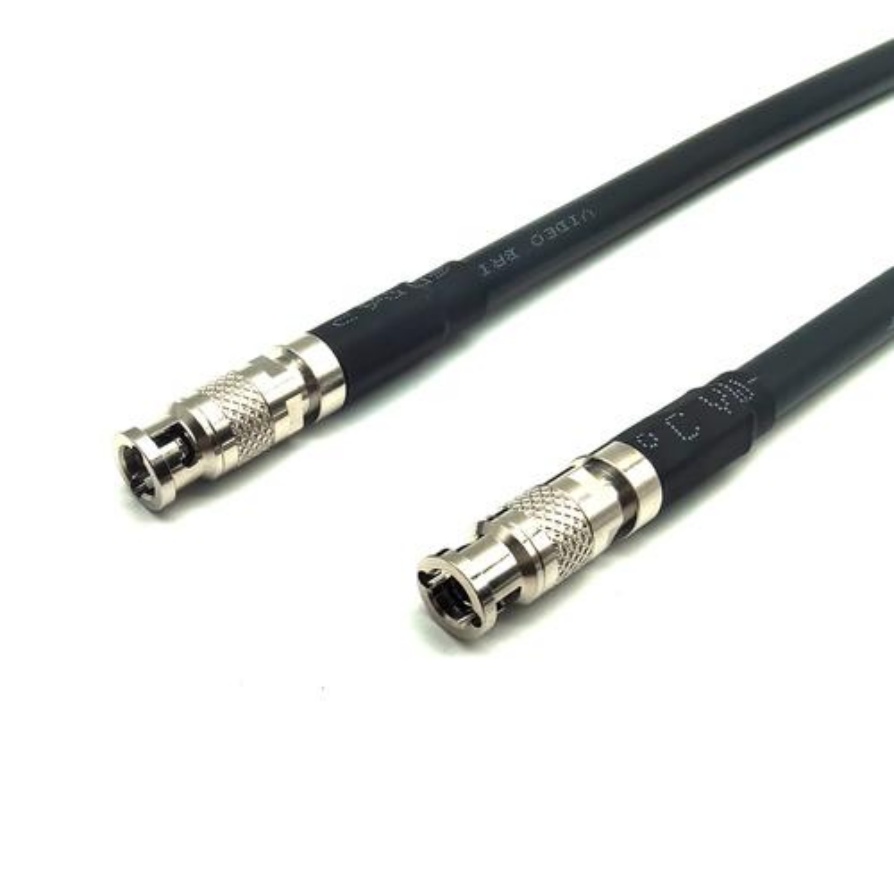
When it comes to reliable, high – quality oil – resistant machine cable assemblies, FRS brand factory stands out as a leading provider. With years of experience in engineering and manufacturing industrial cables, FRS combines advanced technology with strict quality control to produce cable assemblies that meet the demanding needs of various industries. Our products feature premium materials, including CPE, EPDM, and PU, ensuring exceptional oil resistance, temperature tolerance, and mechanical durability. We offer customized solutions tailored to your specific application requirements, from conductor size and shielding type to connector configurations. Backed by comprehensive testing and certification, FRS oil – resistant machine cable assemblies deliver consistent performance, minimizing downtime and maximizing operational efficiency. Choose FRS for cables that you can rely on in the harshest oil – rich environments.