Which material of machine cable Assemblies has better wear resistance
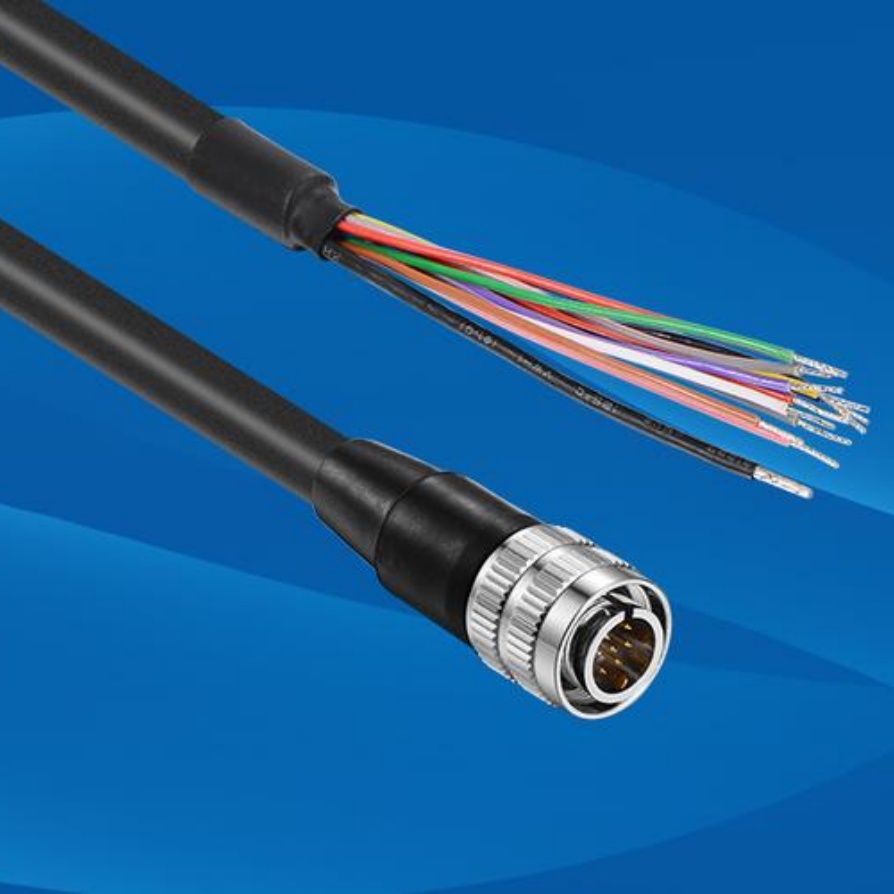
In industrial environments, machine cable assemblies are critical components that ensure the stable operation of equipment. Wear resistance is one of the most important performance indicators for these cables, as frequent friction, mechanical impact, and exposure to harsh conditions can lead to sheath damage, core exposure, and even equipment failure. Choosing the right material for machine cable assemblies directly affects their service life, maintenance costs, and overall operational efficiency. This article will analyze the wear resistance of common machine cable assembly materials to help users make informed decisions.
1. Common Materials for Machine Cable Assemblies and Their Wear Resistance
1.1 Polyurethane (PU)
Polyurethane is widely recognized as one of the materials with excellent wear resistance for machine cable assemblies. Its molecular structure gives it high elasticity and toughness, allowing it to absorb impact energy and reduce friction damage. PU cables can withstand repeated bending, dragging, and contact with rough surfaces without easily showing signs of wear such as scratches or cracks. Additionally, PU has good resistance to oil, chemicals, and hydrolysis, making it suitable for harsh industrial environments like automotive manufacturing, material handling, and robotics. In wear resistance tests, PU cables typically outperform many other materials, with a service life 3-5 times longer than some conventional options in high-wear scenarios.
1.2 Polyvinyl Chloride (PVC)
PVC is a cost-effective material commonly used in machine cable assemblies. While it offers basic insulation and mechanical protection, its wear resistance is relatively moderate compared to PU. PVC cables are prone to hardening and cracking under long-term friction or exposure to high temperatures, which reduces their service life. They are more suitable for low-wear environments with stable conditions, such as office equipment, light industrial machinery, or fixed installation scenarios where the cables are not frequently moved or rubbed. Due to their lower cost, PVC cables are still a popular choice for applications with low wear requirements and tight budgets.
1.3 Neoprene (Chloroprene Rubber)
Neoprene is a synthetic rubber known for its good balance of wear resistance, oil resistance, and weather resistance. It performs better than PVC in terms of wear resistance, especially in environments where the cables are exposed to oils, solvents, or outdoor elements. Neoprene cables have good flexibility and can maintain their performance over a wide temperature range (-40°C to 100°C). However, their wear resistance is still slightly lower than that of PU. They are commonly used in marine equipment, construction machinery, and outdoor industrial applications where a combination of wear and environmental resistance is needed.
1.4 Silicone Rubber
Silicone rubber is famous for its excellent high-temperature resistance and flexibility, but its wear resistance is relatively poor compared to the aforementioned materials. Silicone cables are easily scratched or abraded when in contact with rough surfaces or under repeated friction. They are mainly used in high-temperature environments such as aerospace, medical equipment, and industrial ovens, where wear is not the primary concern, and high-temperature stability is crucial. In applications requiring both high temperature and wear resistance, silicone is often combined with other wear-resistant materials as a composite sheath.
1.5 PTFE (Polytetrafluoroethylene)
PTFE is a high-performance plastic with exceptional chemical resistance, high-temperature resistance, and low friction coefficient. While its low friction property helps reduce some wear, its wear resistance itself is not as strong as PU. PTFE cables are rigid compared to rubber materials, making them less suitable for dynamic applications that require frequent bending. They are typically used in specialized industries such as chemical processing, semiconductor manufacturing, and high-precision instruments, where chemical inertness and high-temperature resistance are prioritized over extreme wear resistance.
2. Key Factors Affecting the Wear Resistance of Machine Cable Assemblies
Apart from the base material, several other factors also influence the wear resistance of machine cable assemblies:
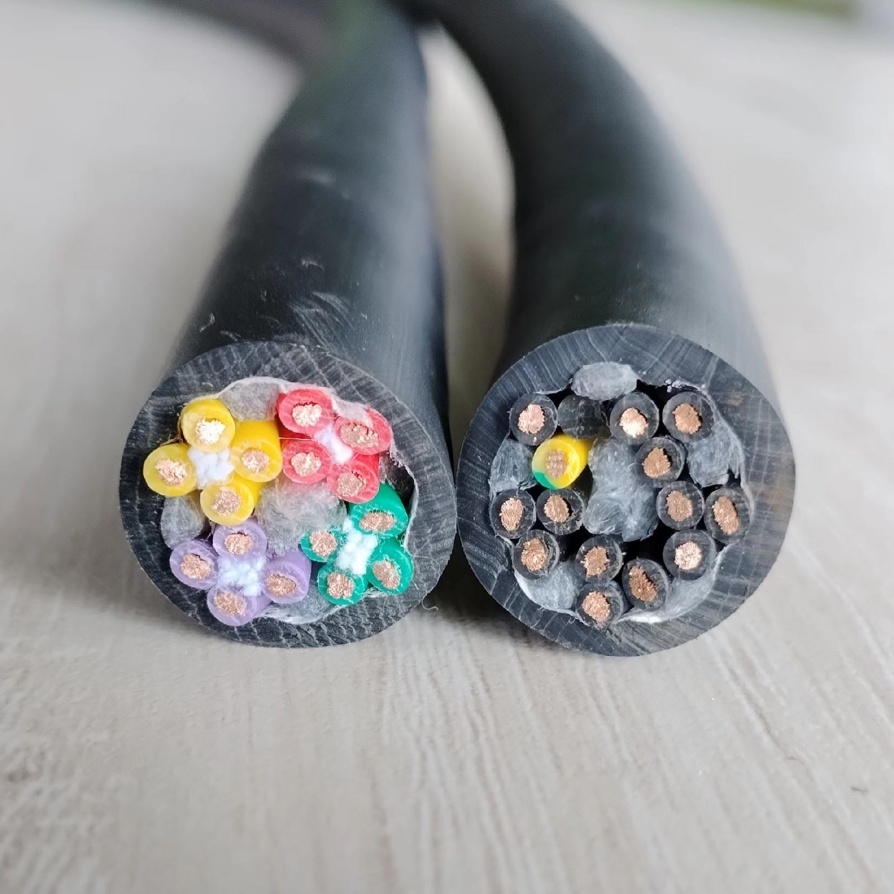
- Sheath Thickness: A thicker sheath generally provides better wear resistance, but it may reduce the cable’s flexibility. The optimal thickness should be determined based on the specific application’s wear intensity and flexibility requirements.
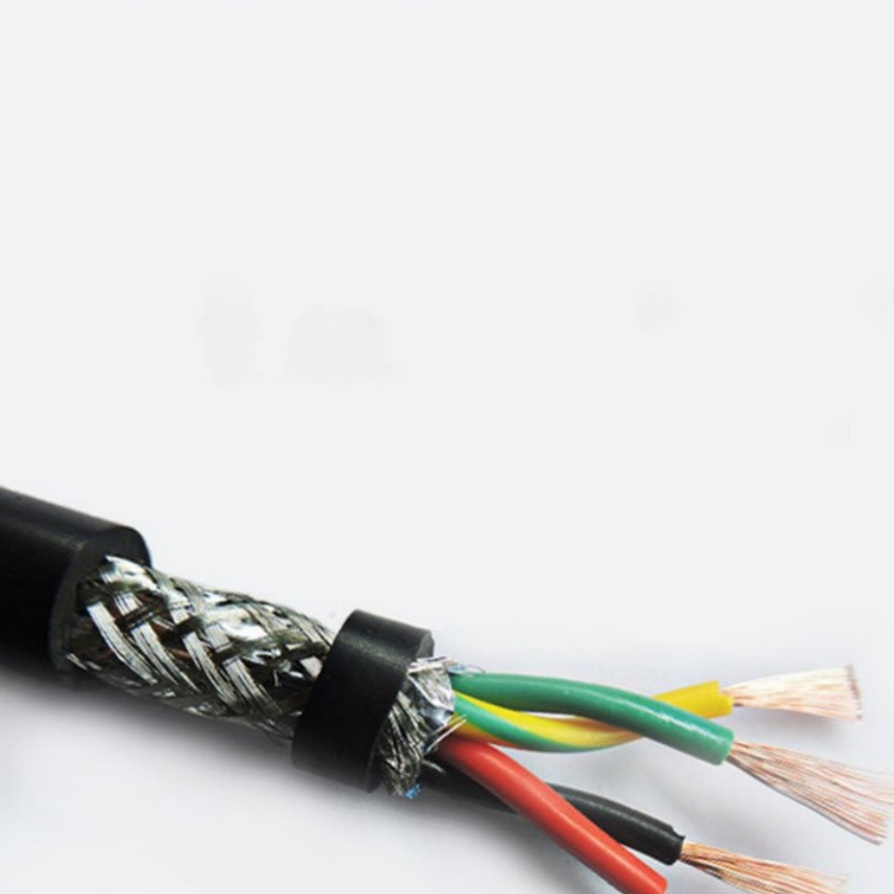
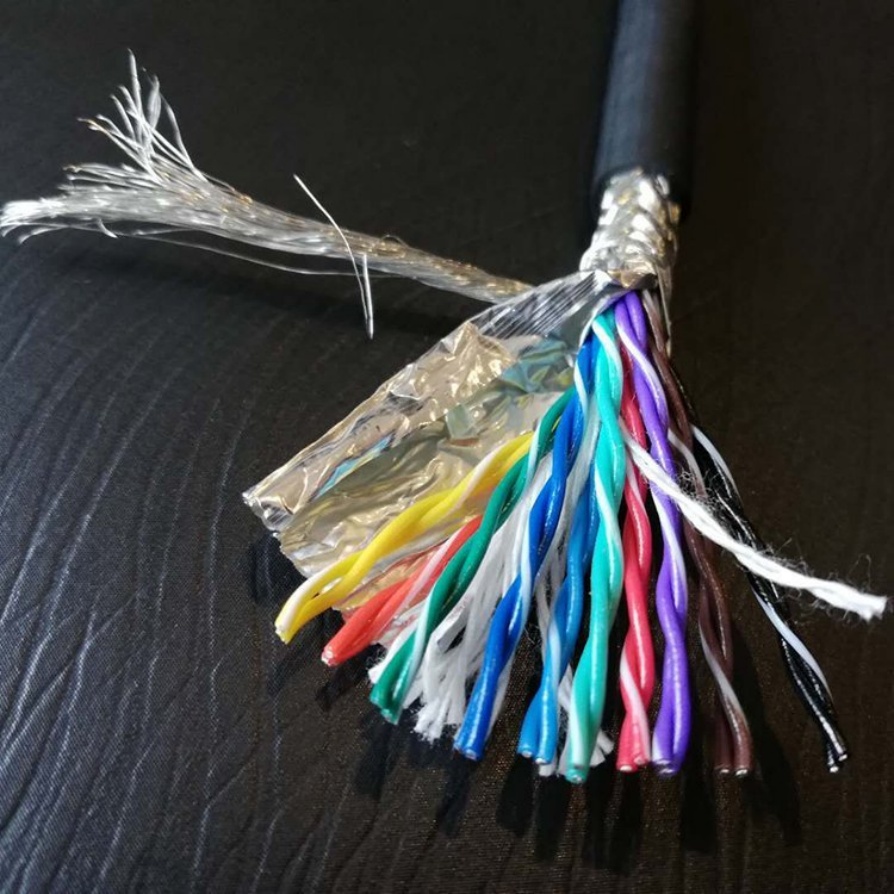
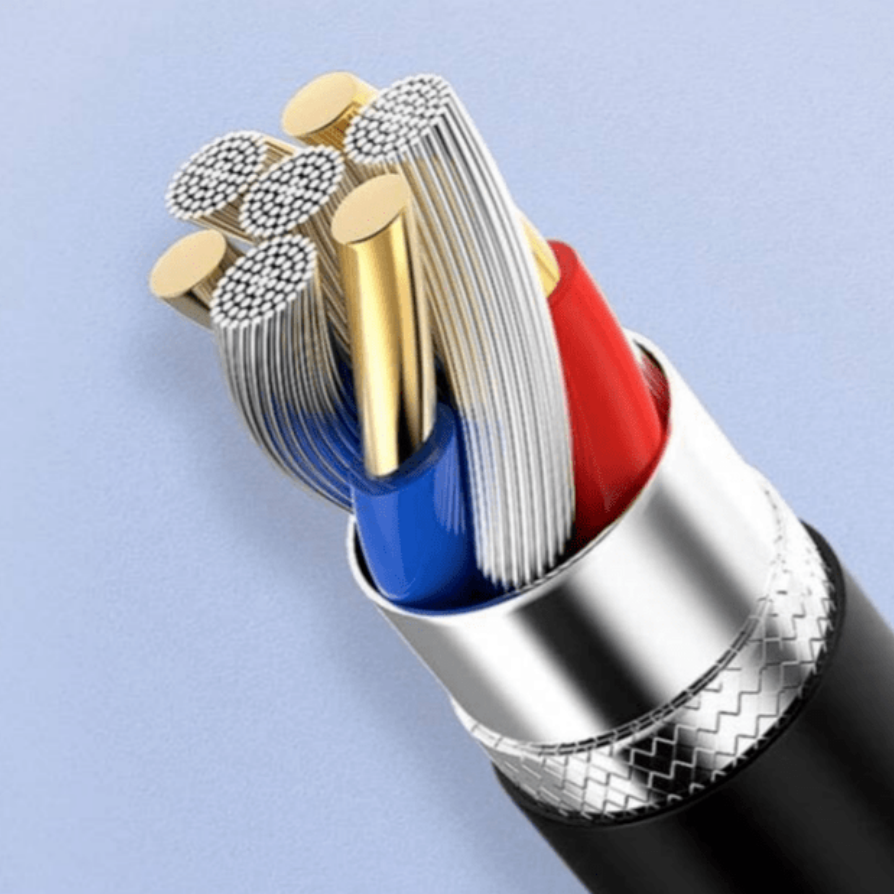
- Reinforcement Layer: Cables with a reinforcement layer (such as braided steel or aramid fibers) can significantly improve their mechanical strength and wear resistance. The reinforcement layer acts as a barrier, absorbing part of the friction and impact force before it reaches the sheath.
- Environmental Conditions: Factors like temperature, humidity, chemical exposure, and the type of abrasive particles in the environment can accelerate wear. For example, high temperatures may soften the sheath material, reducing its wear resistance, while abrasive dust can cause rapid abrasion.
- Installation and Usage Habits: Proper installation, avoiding excessive bending, dragging over sharp edges, or overloading the cable can extend its service life. Using cable protectors or guides in high-wear areas can also reduce direct friction.
3. How to Choose the Right Material for Your Application
When selecting the material for machine cable assemblies based on wear resistance, consider the following steps:
- Assess the Wear Intensity: Determine whether the cable will be in low, medium, or high-wear conditions. High-wear scenarios include robotics arms, material conveyors, and mobile machinery, while low-wear scenarios include fixed control panels.
- Consider Environmental Factors: Check if the cable will be exposed to oils, chemicals, high/low temperatures, or outdoor elements. This will help narrow down materials with the required additional properties.
- Balance Performance and Cost: While PU offers the best wear resistance, it may be more expensive than PVC. Choose a material that meets the performance requirements without exceeding the budget.
- Consult with Experts: If unsure, consult with cable assembly manufacturers who can provide customized recommendations based on your specific application.
4. FRS Brand: Your Trusted Partner for Wear-Resistant Machine Cable Assemblies
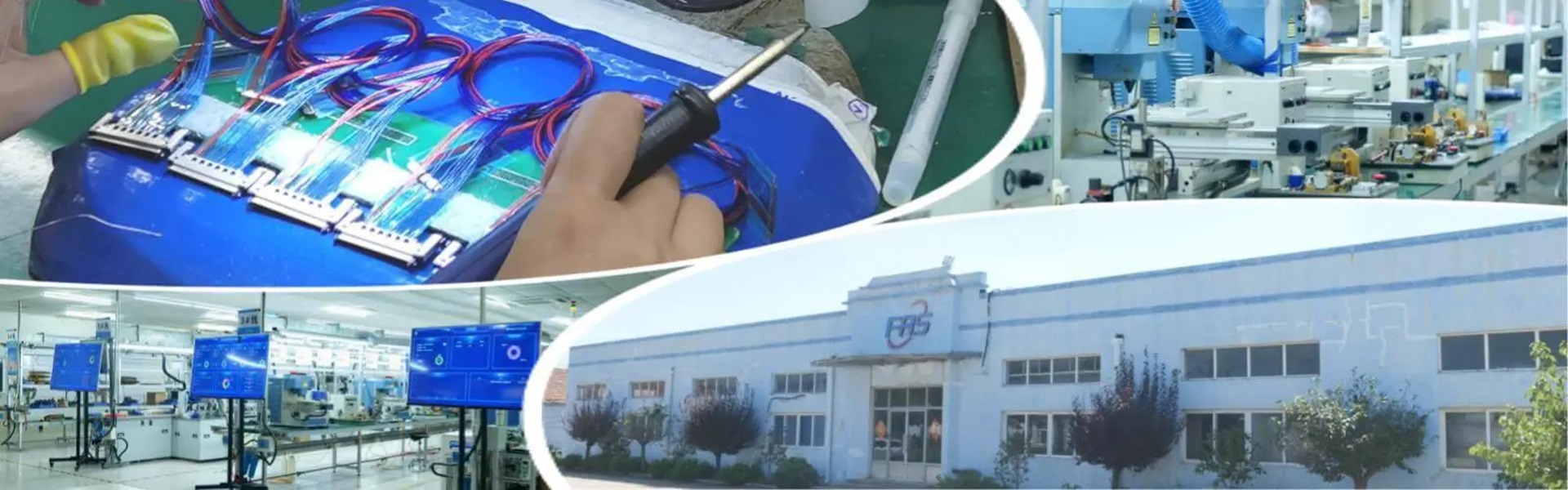
When it comes to machine cable assemblies with superior wear resistance, FRS brand factory stands out as a reliable choice. FRS specializes in developing and producing high-quality cable assemblies tailored to various industrial needs. We prioritize material selection, using top-grade polyurethane (PU) as the primary material for high-wear applications, ensuring our cables offer exceptional durability and long service life. Our cables are also equipped with reinforced layers and optimized sheath thickness to further enhance wear resistance. Additionally, FRS’s team of experts works closely with customers to understand their specific application requirements, providing customized solutions that balance performance, reliability, and cost-effectiveness. Whether you need cables for robotics, automotive manufacturing, or heavy machinery, FRS brand machine cable assemblies deliver the wear resistance and stability your equipment demands. Choose FRS, and experience the difference in quality and performance.