How to choose machine cable for a metalworking machine
Selecting the right machine cable is critical for the safe, efficient, and long-term operation of metalworking machines. Metalworking environments are harsh, with factors like extreme temperatures, mechanical stress, oil exposure, and electromagnetic interference (EMI) posing significant challenges to cable performance. A poorly chosen cable can lead to frequent downtime, equipment malfunctions, or even safety hazards. This guide outlines key considerations to help you make an informed decision when choosing machine cables for metalworking applications.
1. Understand the Machine Type and Operational Demands
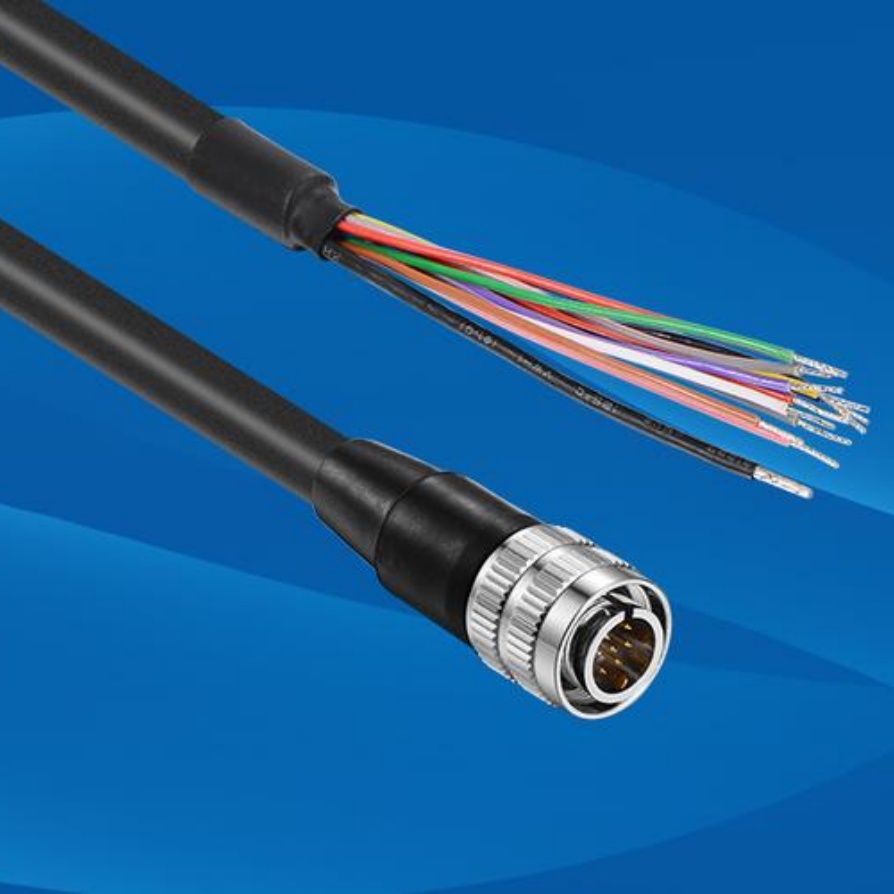
Different metalworking machines have unique cable requirements based on their movement, power needs, and precision. For example: CNC Lathes and Milling Machines: These machines involve frequent axial and radial movements (e.g., spindle rotation, tool turret indexing). Cables here need high flexibility to withstand repeated bending without fatigue. Look for cables with fine-stranded conductors (typically Class 5 or Class 6 per IEC 60228) and a flexible outer sheath, as they can endure millions of bending cycles without breaking.Laser Cutting and Plasma Cutting Machines: These high-power machines demand cables with excellent current-carrying capacity. Additionally, the intense electromagnetic fields generated by laser or plasma systems require cables with effective shielding (e.g., braided copper shielding) to prevent EMI from disrupting control signals or nearby equipment.Presses and Stamping Machines: These machines exert heavy mechanical stress on cables due to sudden impacts and vertical movements. Cables must have high tensile strength and abrasion resistance. Reinforced sheaths (e.g., with aramid fibers or steel tape) can prevent damage from mechanical wear and tear.
2. Evaluate Environmental Conditions
Metalworking shops are notoriously harsh, so cables must resist the following environmental factors: Oil, Coolants, and Chemicals: Cutting oils, emulsions, and cleaning agents can degrade cable sheaths over time. Opt for cables with oil-resistant materials like polyurethane (PUR) or special PVC blends. PUR is particularly ideal as it offers superior resistance to oils, chemicals, and hydrolysis compared to standard PVC.Extreme Temperatures: Welding machines, furnaces, or high-speed cutting processes generate heat, while some shops may have cold storage areas. Choose cables rated for the specific temperature range of your facility—for high-temperature zones, consider cables with silicone or fluoropolymer (PTFE) insulation; for cold environments, flexible PVC or PUR that remains pliable at low temperatures.Metal Debris and Abrasion: Flying metal chips and constant contact with machine parts can abrade cable sheaths. Cables with a tough, abrasion-resistant outer layer (e.g., PUR or armored with steel wire braid) will last longer than those with standard sheaths.Moisture and Humidity: Damp environments can cause corrosion or electrical leakage. Look for cables with water-resistant sheaths and moisture-proof insulation, such as those with a polyethylene (PE) inner layer.
3. Prioritize Electrical Safety and Performance
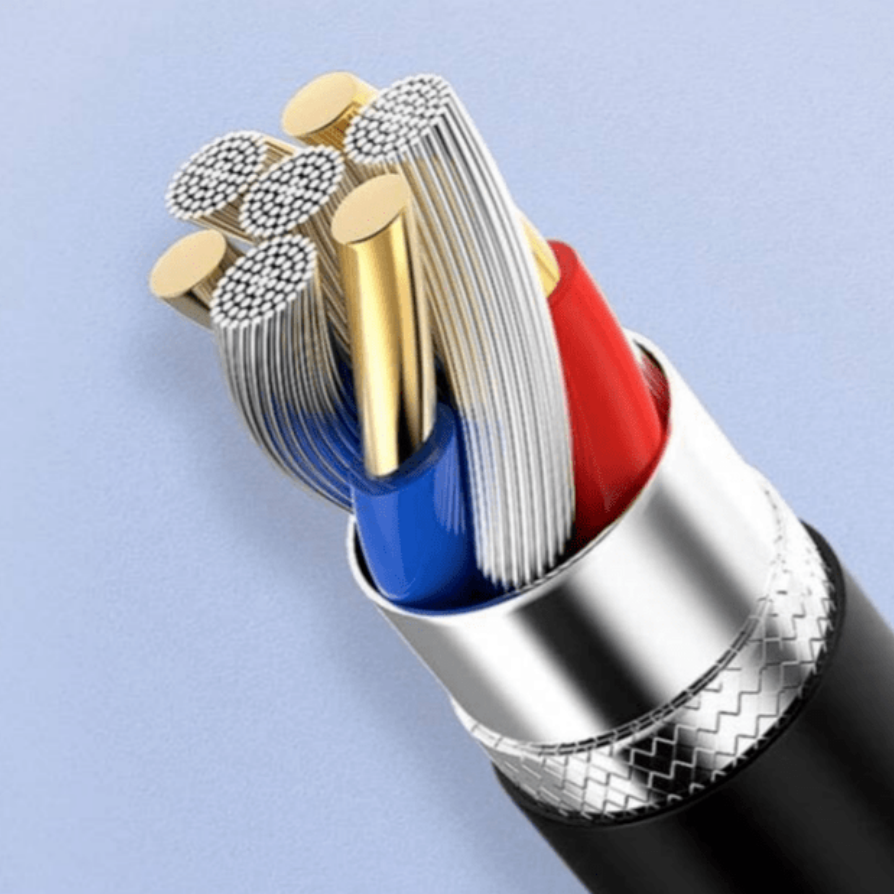
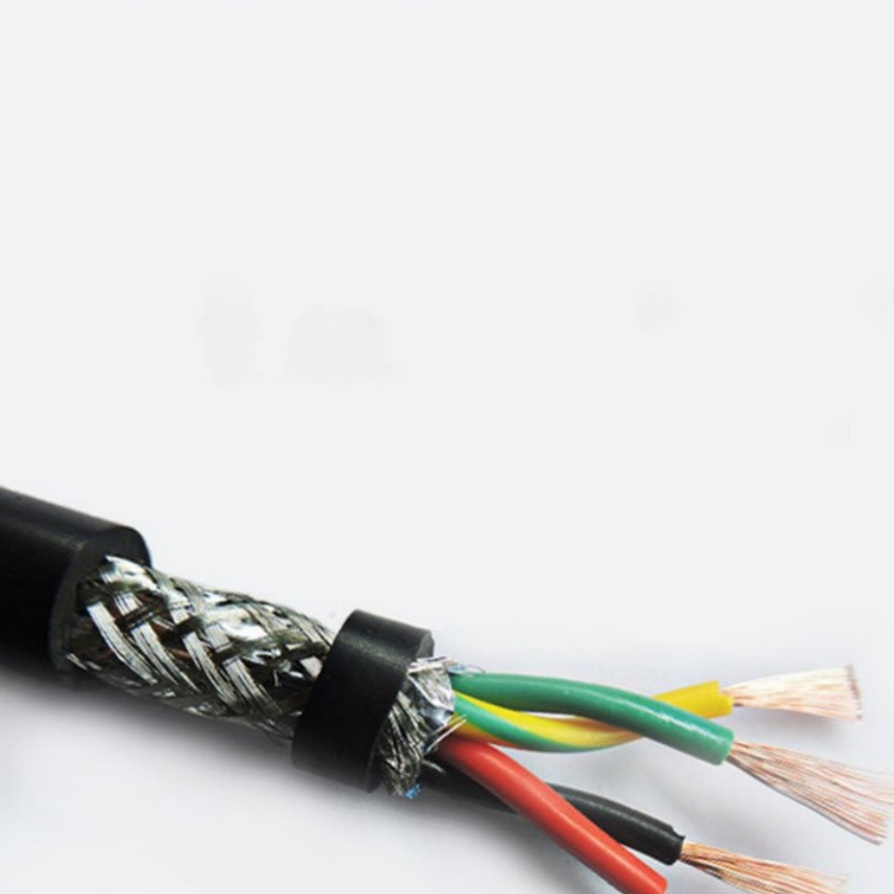
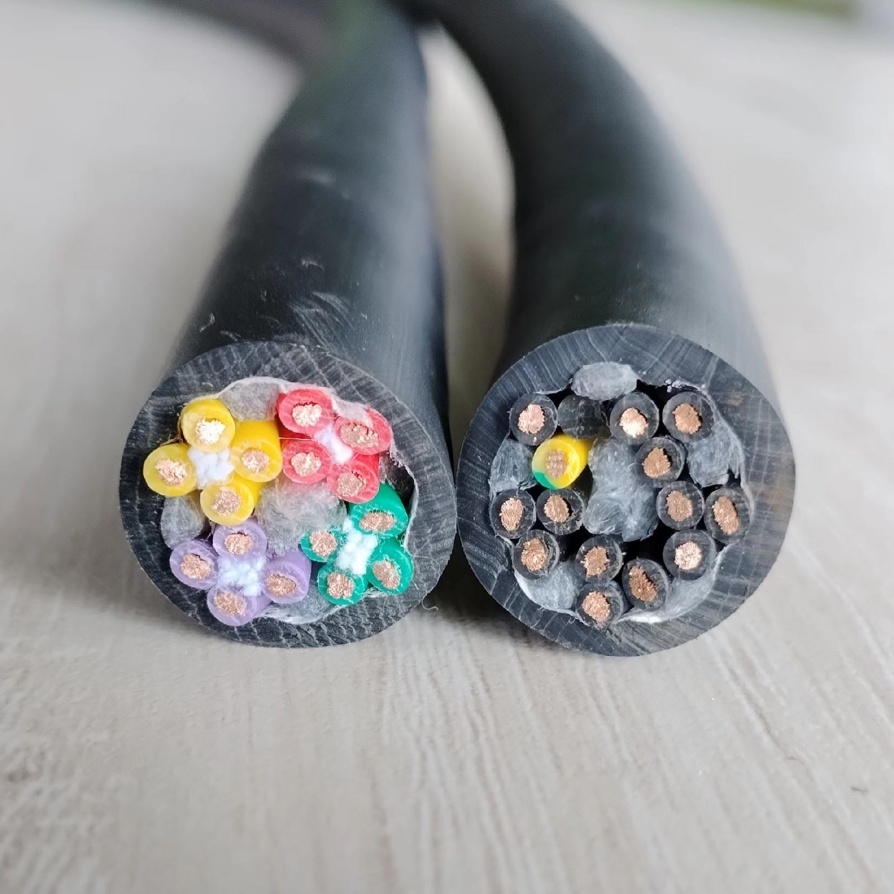
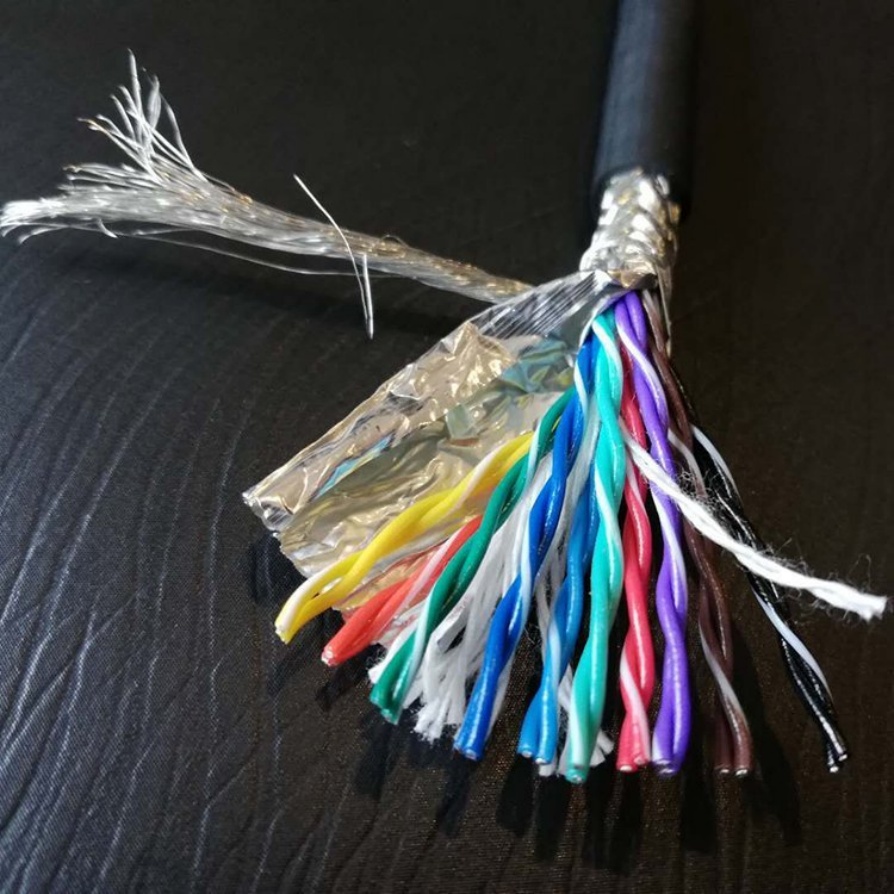
Electrical parameters are non-negotiable when selecting machine cables, as they directly impact safety and equipment functionality: Voltage and Current Ratings: Ensure the cable’s voltage rating (e.g., 600V, 1kV) matches or exceeds the machine’s operating voltage. The current rating should be sufficient to handle the machine’s maximum current draw—undersized cables can overheat, leading to insulation melting or fire risks. Refer to the machine’s technical manual for exact voltage and current specifications.Insulation and Shielding: Insulation prevents short circuits between conductors. For high-voltage applications, thicker insulation or materials with high dielectric strength (e.g., XLPE) are necessary. Shielding is crucial for control cables to reject EMI from motors, inverters, or other electrical devices. Braided copper shielding or foil shielding with a drain wire provides effective EMI protection, ensuring stable signal transmission for precision controls.Grounding: Use dedicated grounding cables to protect operators and equipment from electric shock. Grounding cables should have low resistance (typically ≤1Ω) and be sized according to local electrical codes.
4. Consider Installation and Maintenance
Cables that are easy to install and maintain can reduce downtime and labor costs: Flexibility and Bend Radius: Cables routed through tight spaces or moving components (e.g., cable tracks) need a small minimum bend radius. Flexible cables with fine-stranded conductors are easier to install and less likely to kink.Marking and Identification: Cables with clear markings (e.g., voltage rating, conductor size, manufacturer) simplify installation and maintenance. Color-coded conductors also help with proper wiring.Durability and Longevity: Investing in high-quality cables may have a higher upfront cost but reduces the need for frequent replacements. Look for cables with a proven track record in metalworking applications or those backed by manufacturer warranties.
Choose FRS for Reliable Metalworking Machine Cables
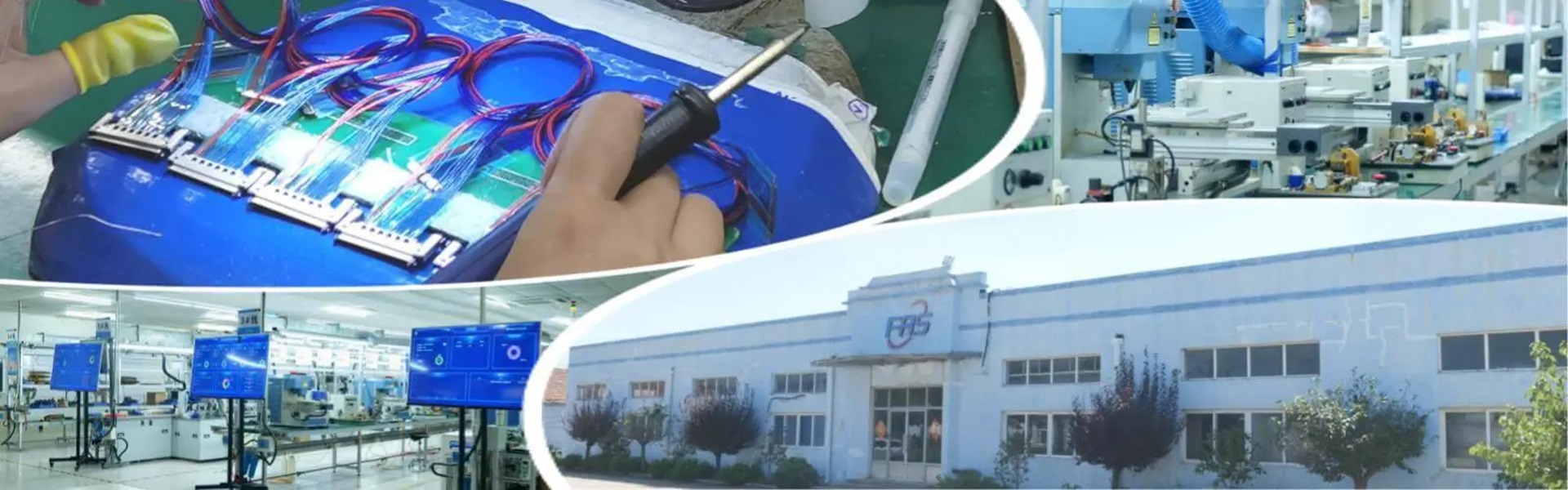
When it comes to machine cables for metalworking, FRS brand factory stands out as a trusted partner. FRS cables are engineered to meet the rigorous demands of metalworking environments—with oil-resistant PUR sheaths, high-flexibility conductors, and robust shielding to combat EMI and mechanical stress. Each cable is tested to exceed industry standards for voltage, current, and temperature resistance, ensuring safety and performance. Whether you need cables for CNC machines, laser cutters, or presses, FRS offers customized solutions tailored to your specific machine and operational needs. With FRS, you get not just cables, but a reliable connection to minimize downtime and maximize productivity in your metalworking shop.