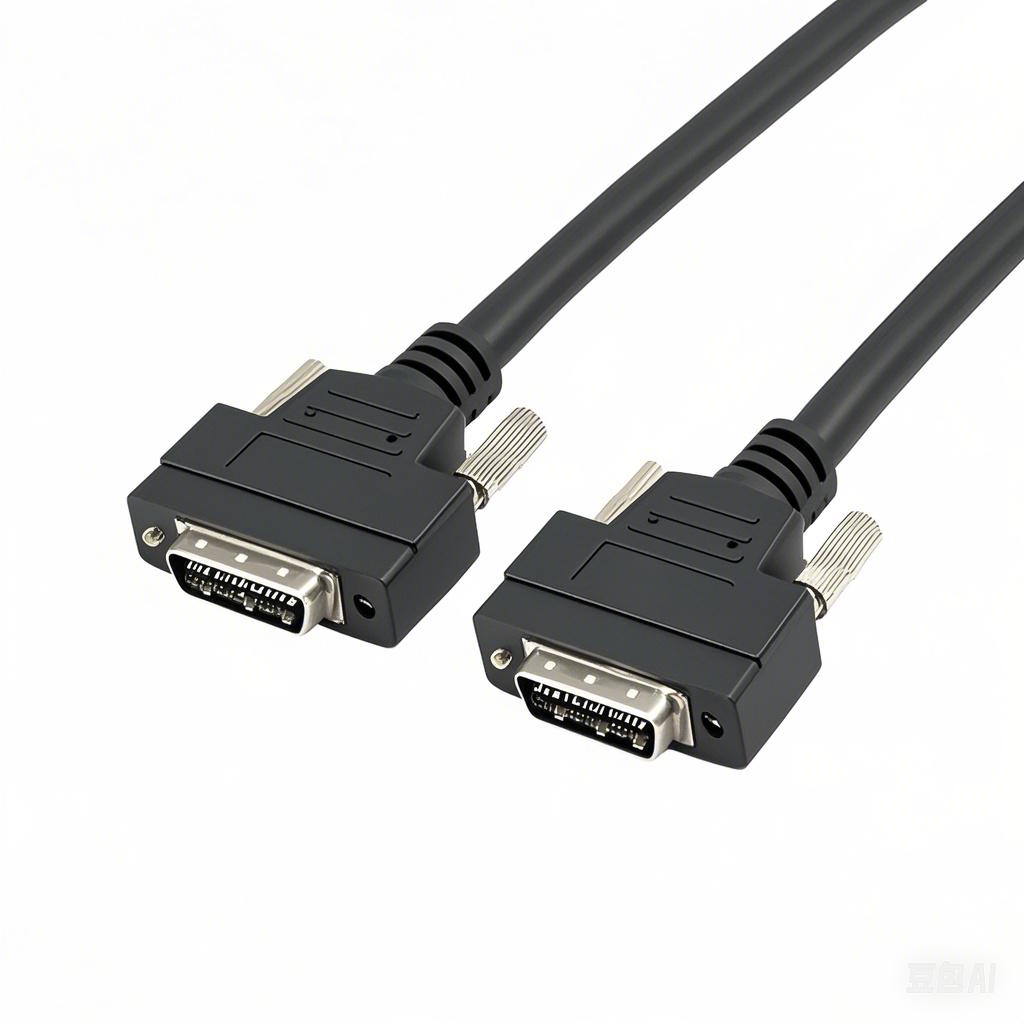
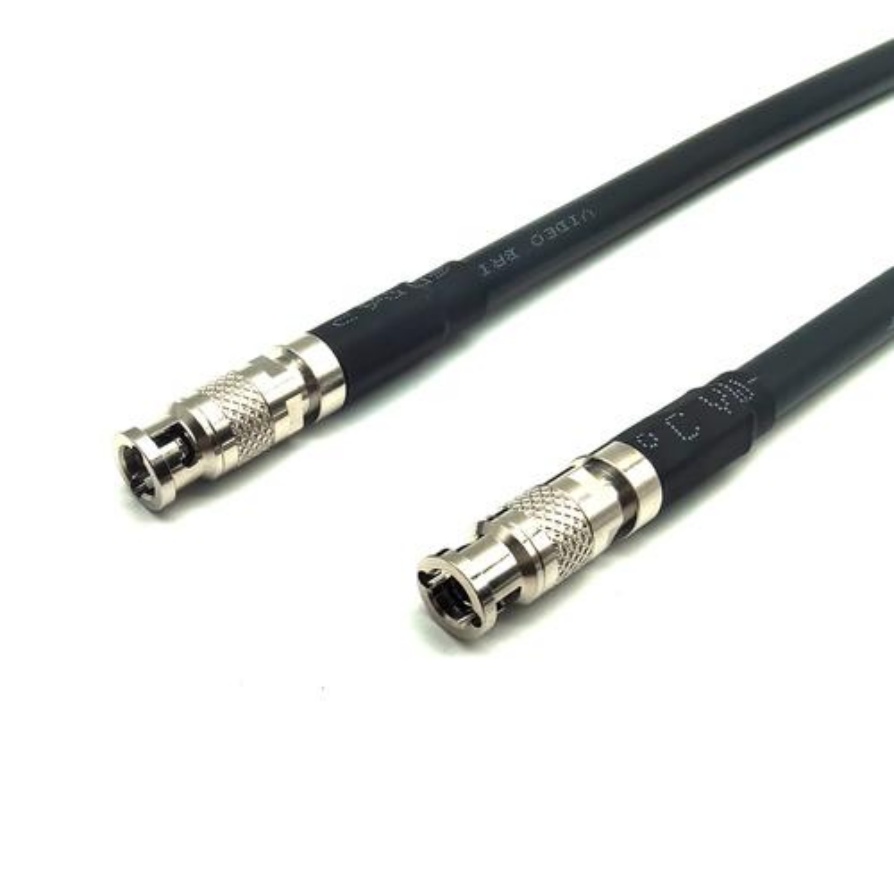
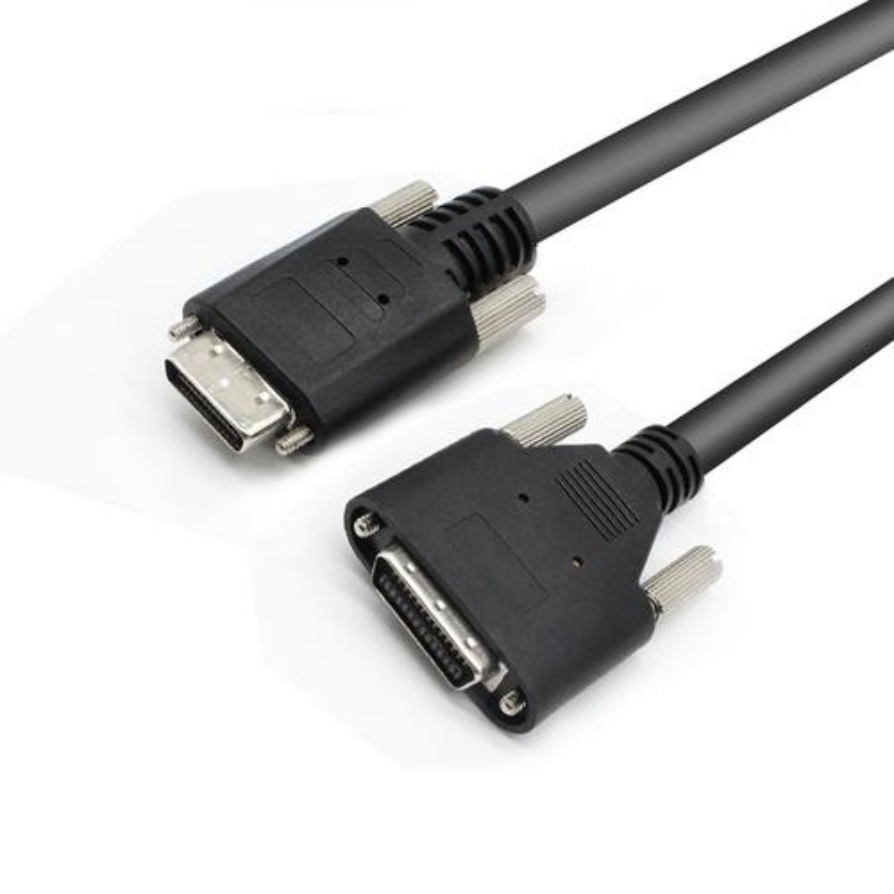
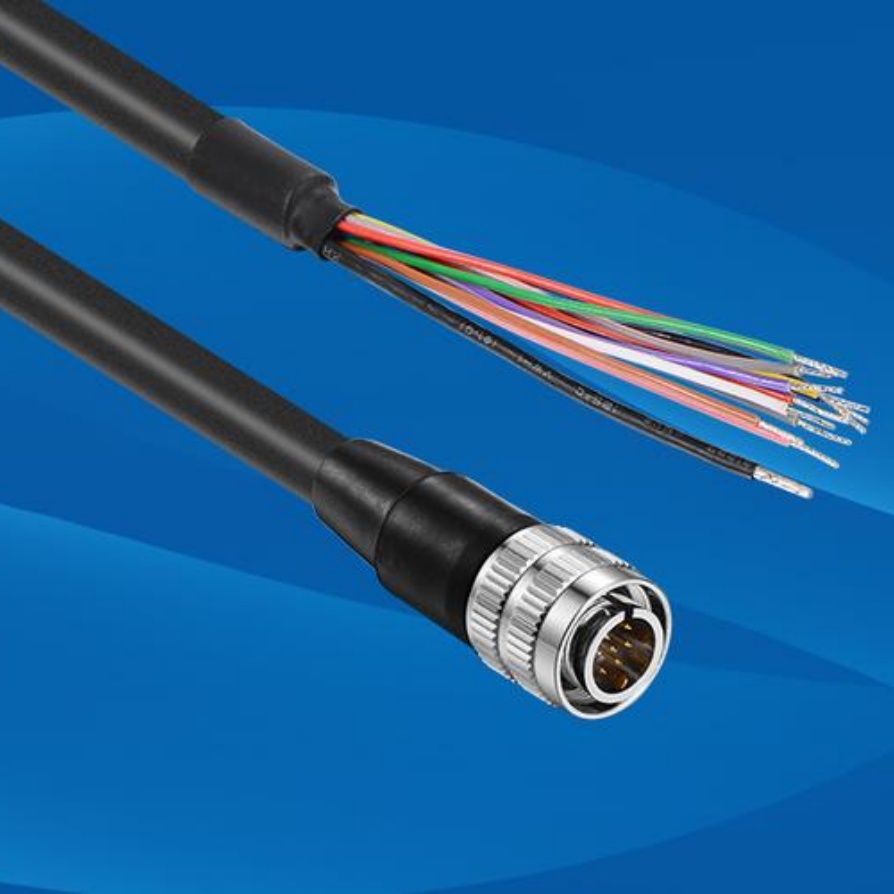
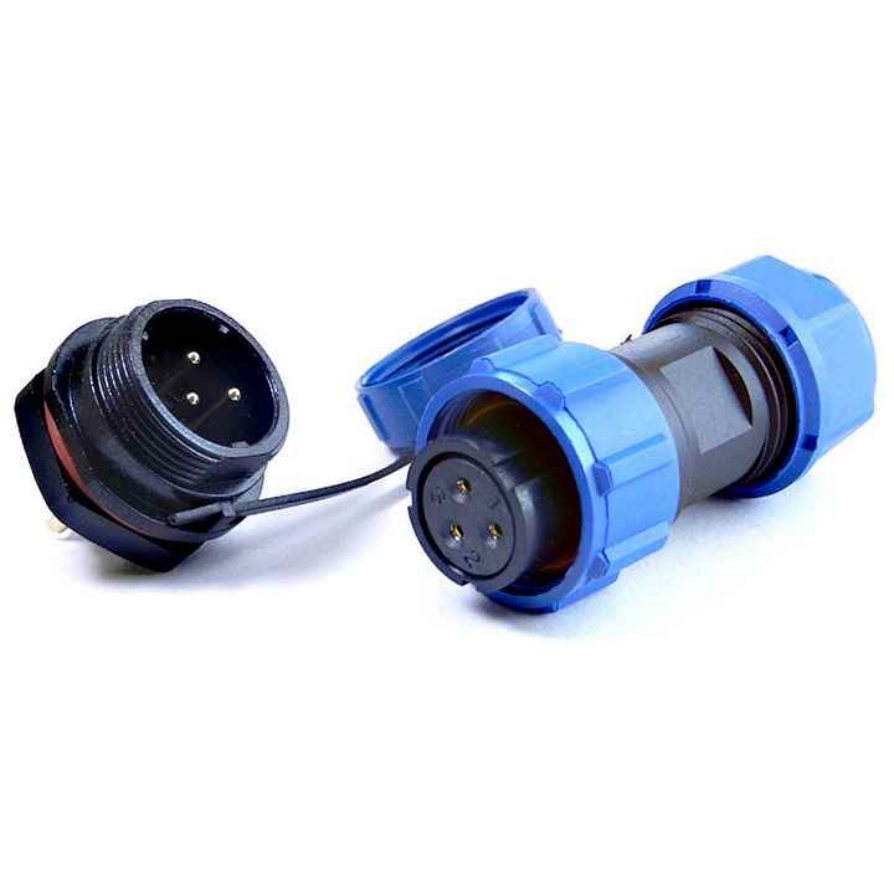
flame – retardant machine cable Assemblies
In industrial environments where machinery operates continuously, the reliability and safety of cable assemblies are paramount. Among the various types of industrial cables, flame-retardant machine cable assemblies stand out as a critical component, especially in sectors where fire hazards pose significant risks to personnel, equipment, and production processes. These specialized cable assemblies are engineered to resist ignition, slow down flame propagation, and minimize the release of toxic smoke and corrosive gases when exposed to high temperatures or fire, making them indispensable for ensuring operational safety and compliance with strict industry standards.
Key Characteristics of High-Quality Flame-Retardant Machine Cable Assemblies
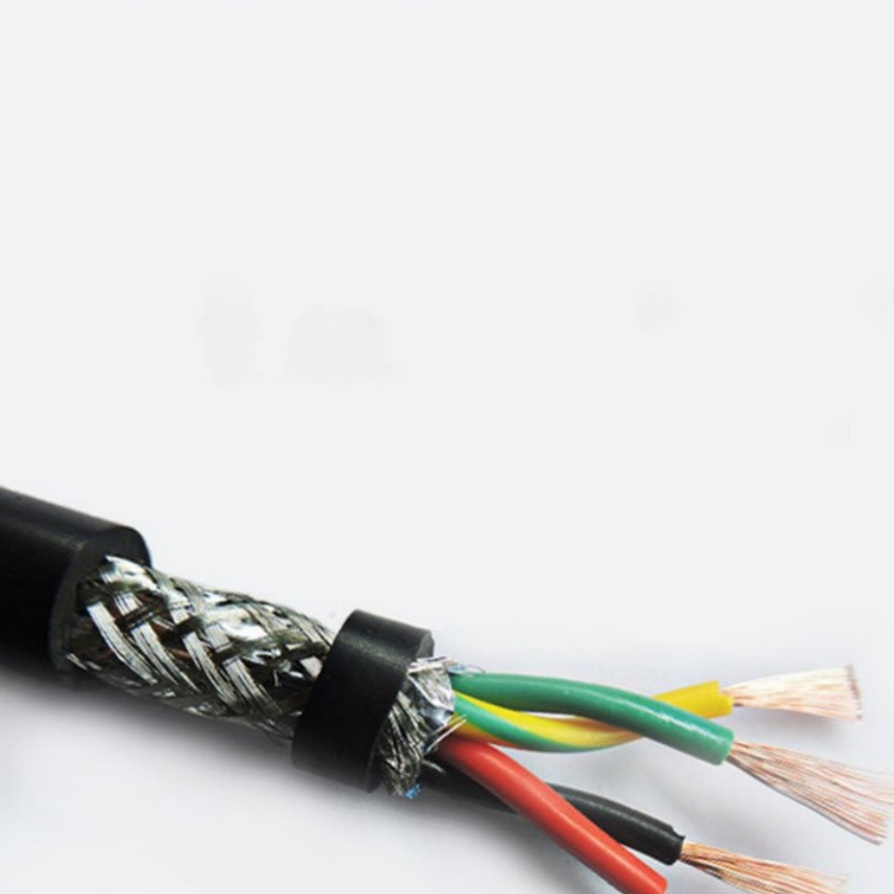
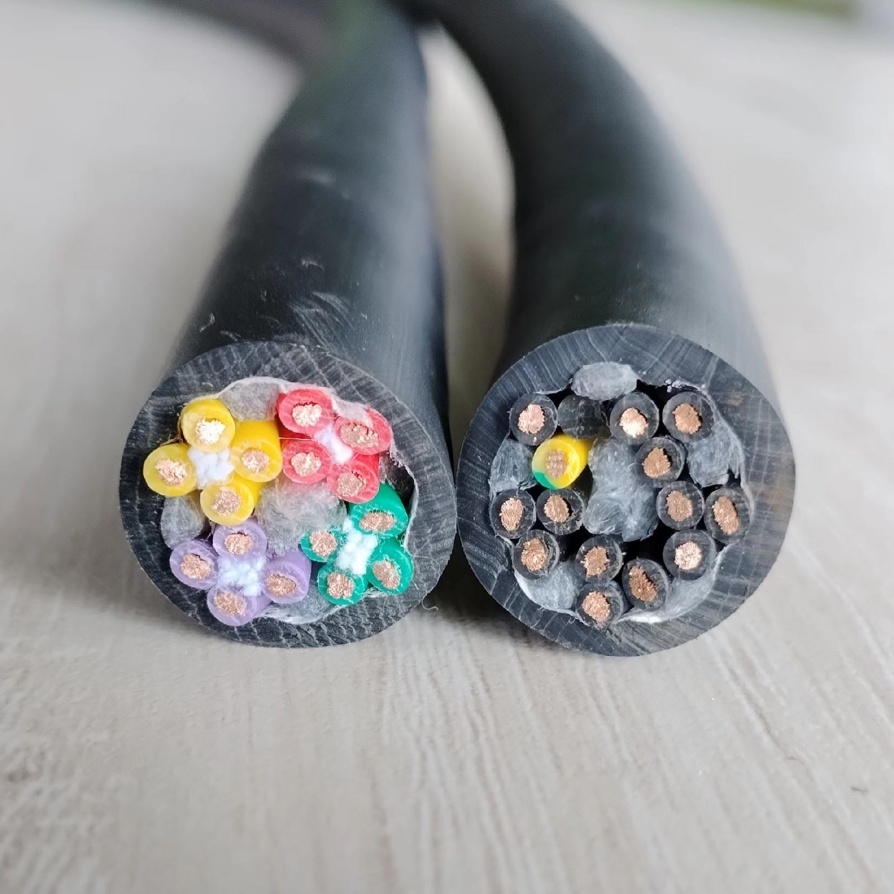
High-performance flame-retardant machine cable assemblies are defined by a set of core characteristics that distinguish them from standard cable assemblies. Firstly, flame-retardant materials are the foundation. The insulation and sheathing of these cables are typically made from materials such as PVC (Polyvinyl Chloride), XLPE (Cross-Linked Polyethylene), or LSZH (Low Smoke Zero Halogen). LSZH materials, in particular, are highly favored in enclosed spaces like data centers, hospitals, and underground tunnels because they emit minimal smoke and no halogen-based toxic gases, reducing the risk of respiratory harm and equipment damage during a fire.
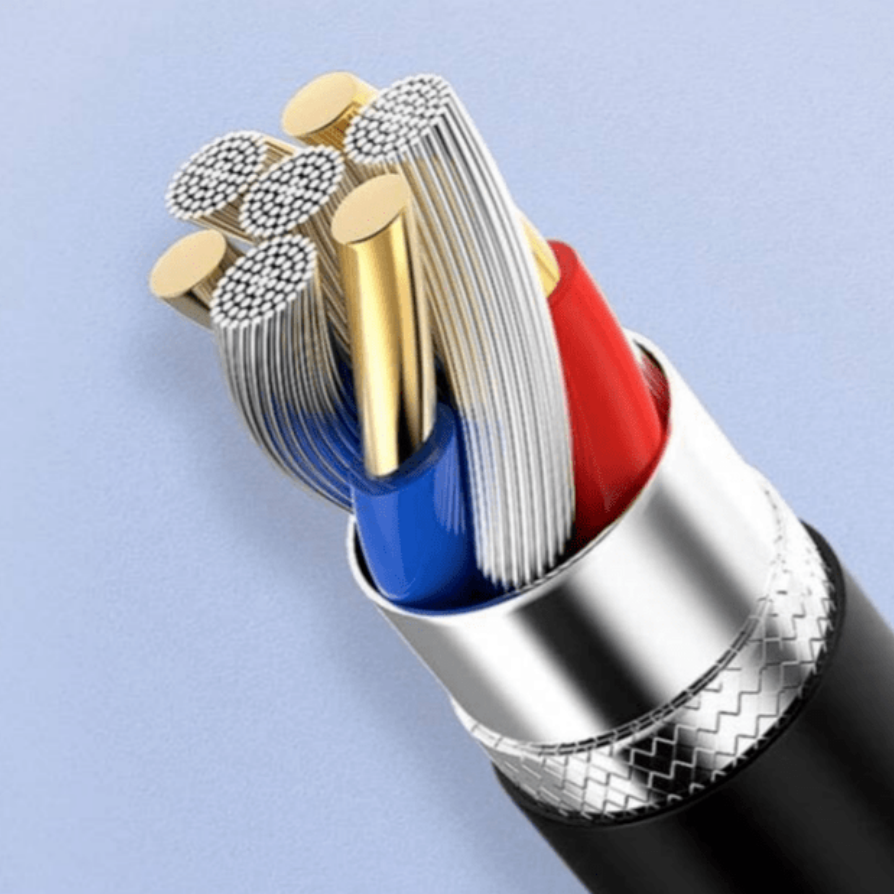
Secondly, mechanical durability is essential. Industrial machinery often operates in harsh conditions involving vibration, abrasion, and frequent bending. Flame-retardant machine cable assemblies must be designed to withstand these mechanical stresses without compromising their flame-retardant properties. Reinforced conductors and robust sheathing materials ensure that the cables maintain their structural integrity even in high-wear applications, such as robotic arms, conveyor systems, and heavy-duty manufacturing equipment.
Thirdly, temperature resistance plays a vital role. Different industrial environments have varying temperature ranges, and flame-retardant cables must be rated for the specific temperatures they will encounter. For example, cables used in automotive manufacturing plants or foundries may need to withstand extreme heat, while those in cold storage facilities must remain flexible and functional at low temperatures. High-quality assemblies are tested to meet strict temperature ratings, ensuring consistent performance across a wide range of operating conditions.
Critical Applications Across Industries
Flame-retardant machine cable assemblies find applications in a diverse range of industries where fire safety is a top priority. In the automotive industry, they are used in vehicle manufacturing lines, especially in areas where welding or high-temperature processes are involved. These cables connect robotic welding equipment, conveyor belts, and control systems, ensuring that any potential fire from welding sparks does not spread through the cable infrastructure.
The energy sector, including power generation plants and oil refineries, relies heavily on flame-retardant cable assemblies. In power plants, cables are used to transmit electrical signals and power between generators, transformers, and control rooms. A fire in this environment could lead to catastrophic power outages or explosions, making flame-retardant cables a critical safety measure. Similarly, in oil refineries, where flammable hydrocarbons are present, these cables help prevent fires from spreading through electrical systems.
In the manufacturing industry, especially in sectors like electronics, textiles, and food processing, flame-retardant machine cable assemblies are essential. Electronics manufacturing facilities use these cables in SMT (Surface Mount Technology) machines, pick-and-place robots, and testing equipment. Textile mills, where lint and fabric dust can be flammable, rely on flame-retardant cables to reduce the risk of fire ignition from electrical arcing. Food processing plants, which often have strict hygiene and safety standards, use LSZH flame-retardant cables to avoid contamination from toxic smoke in case of a fire.
Selection and Installation Best Practices
Selecting the right flame-retardant machine cable assembly requires careful consideration of several factors. First, identify the application requirements. Determine the operating temperature range, mechanical stresses (vibration, abrasion), and environmental conditions (moisture, chemicals) the cable will face. This information will help you choose the appropriate material (LSZH, XLPE, etc.) and cable rating.
Second, comply with industry standards. Different regions and industries have specific standards for flame-retardant cables, such as UL 94 (Underwriters Laboratories) for flame retardancy, IEC 60332 for fire propagation, and NEC (National Electrical Code) for electrical safety. Ensure that the cable assemblies you select meet or exceed these standards to avoid compliance issues and ensure maximum safety.
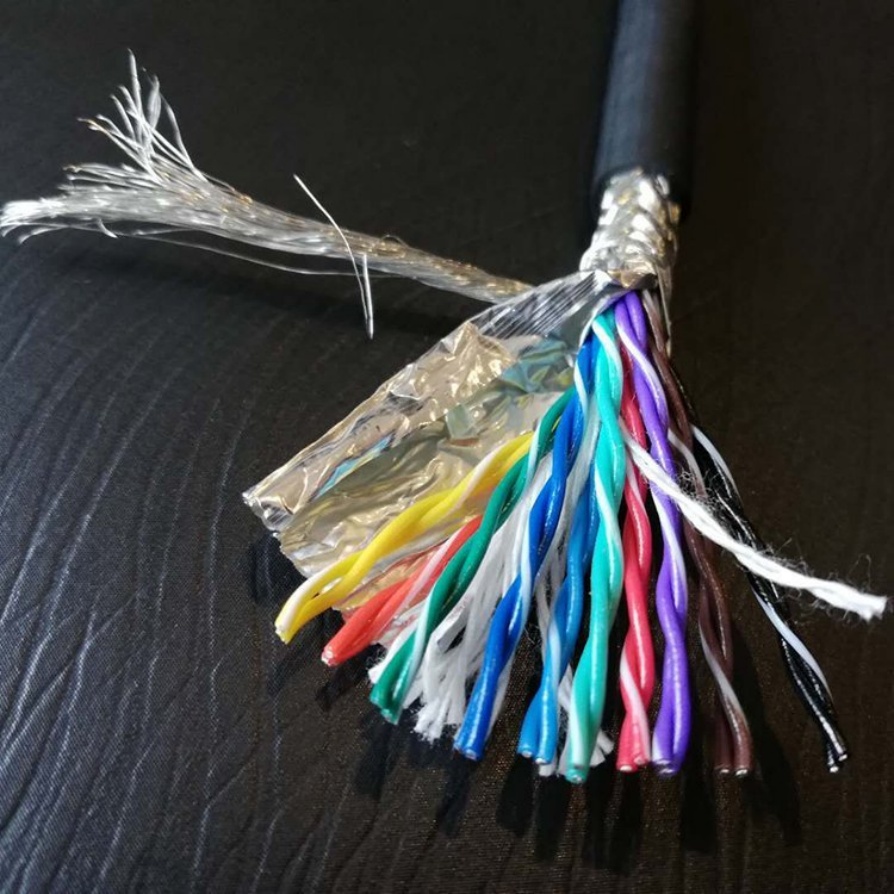
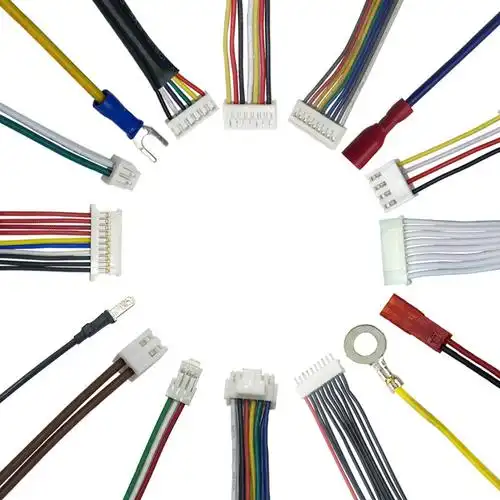
Proper installation is equally important to maintain the flame-retardant properties of the cables. Avoid over-bending the cables, as this can damage the insulation and sheathing, compromising their flame-retardant capabilities. Use appropriate cable management tools, such as cable trays, conduit, and clamps, to secure the cables and prevent them from coming into contact with hot surfaces or sharp edges. Additionally, ensure proper termination using high-quality connectors that are compatible with the cable type, as loose or poorly terminated connections can cause electrical arcing and increase fire risk.
Why Choose FRS Flame-Retardant Machine Cable Assemblies?
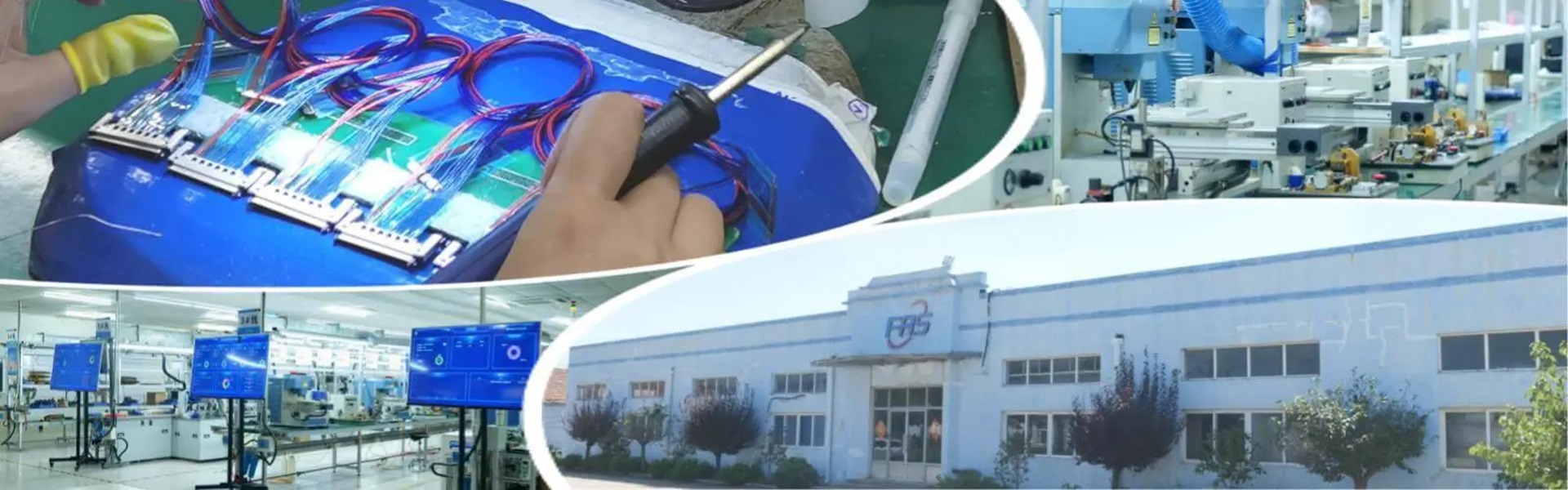
When it comes to flame-retardant machine cable assemblies, FRS brand factory stands out as a trusted partner for industrial clients worldwide. With years of experience in designing and manufacturing high-performance industrial cables, FRS is committed to delivering products that meet the highest standards of safety, durability, and reliability.
FRS flame-retardant machine cable assemblies are crafted using premium materials, including LSZH and XLPE, ensuring excellent flame retardancy, low smoke emission, and resistance to mechanical stress and extreme temperatures. Each assembly undergoes rigorous testing, including flame propagation tests, temperature cycling tests, and mechanical durability tests, to ensure compliance with global standards such as UL 94, IEC 60332, and NEC.
Whether you need cable assemblies for automotive manufacturing, power generation, or electronics production, FRS offers customized solutions tailored to your specific application requirements. Our team of engineering experts works closely with clients to understand their needs and provide technical support throughout the selection, installation, and maintenance process.
For industrial safety you can rely on, choose FRS flame-retardant machine cable assemblies. Contact us today to learn more about our products and how we can support your operational safety goals.