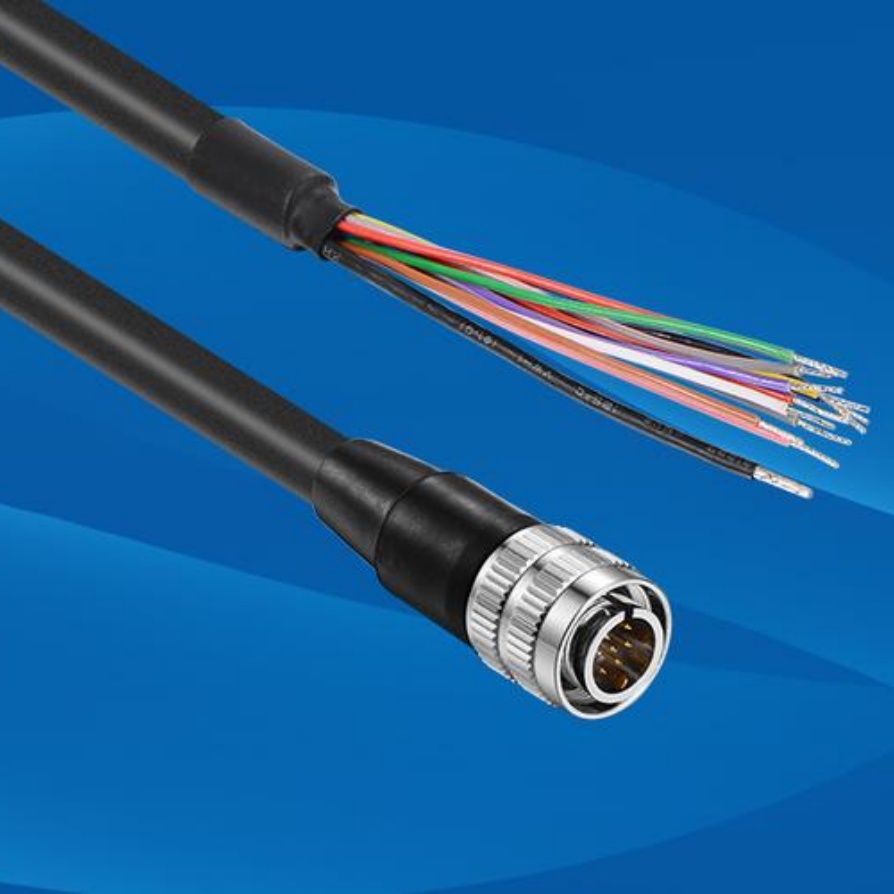
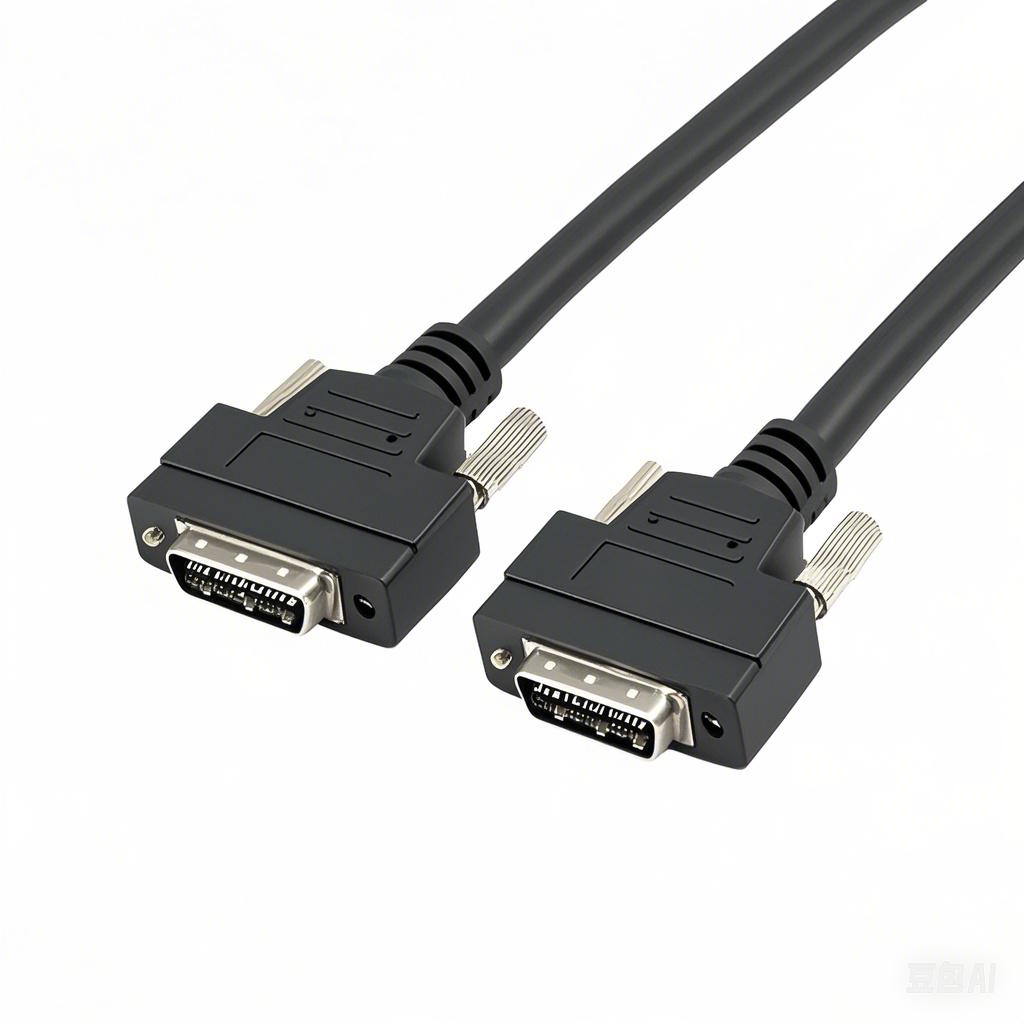
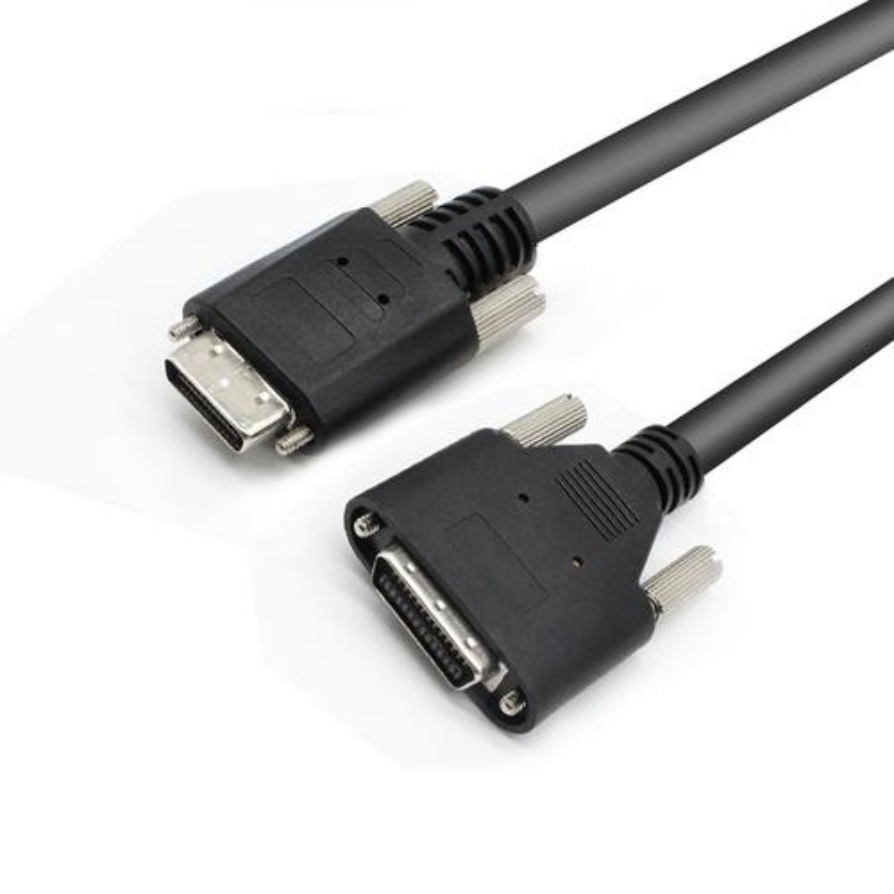
Waterproof machine vision cable
In the rapidly evolving landscape of industrial automation, machine vision systems have emerged as the “eyes” of smart factories, enabling precise inspection, measurement, and quality control across a wide range of industries. However, the performance and reliability of these systems are heavily dependent on the cables that transmit critical data and power between cameras, controllers, and other components. Among the various types of cables available, the waterproof machine vision cable stands out as a game-changer, especially in harsh and demanding industrial environments where exposure to moisture, dust, chemicals, and extreme temperatures is inevitable.
A waterproof machine vision cable is not just a standard cable with a basic protective layer; it is a specialized component engineered to withstand the harshest conditions while ensuring uninterrupted data transmission and stable power supply. Unlike regular cables that may fail quickly when exposed to water or humidity, these cables are designed with advanced waterproofing technologies and durable materials that provide exceptional resistance to water ingress, corrosion, and environmental degradation. This makes them an indispensable choice for industries such as automotive manufacturing, food and beverage processing, pharmaceutical production, marine engineering, and outdoor surveillance systems, where reliable machine vision performance is critical to operational efficiency and product quality.
Key Features of Waterproof Machine Vision Cables
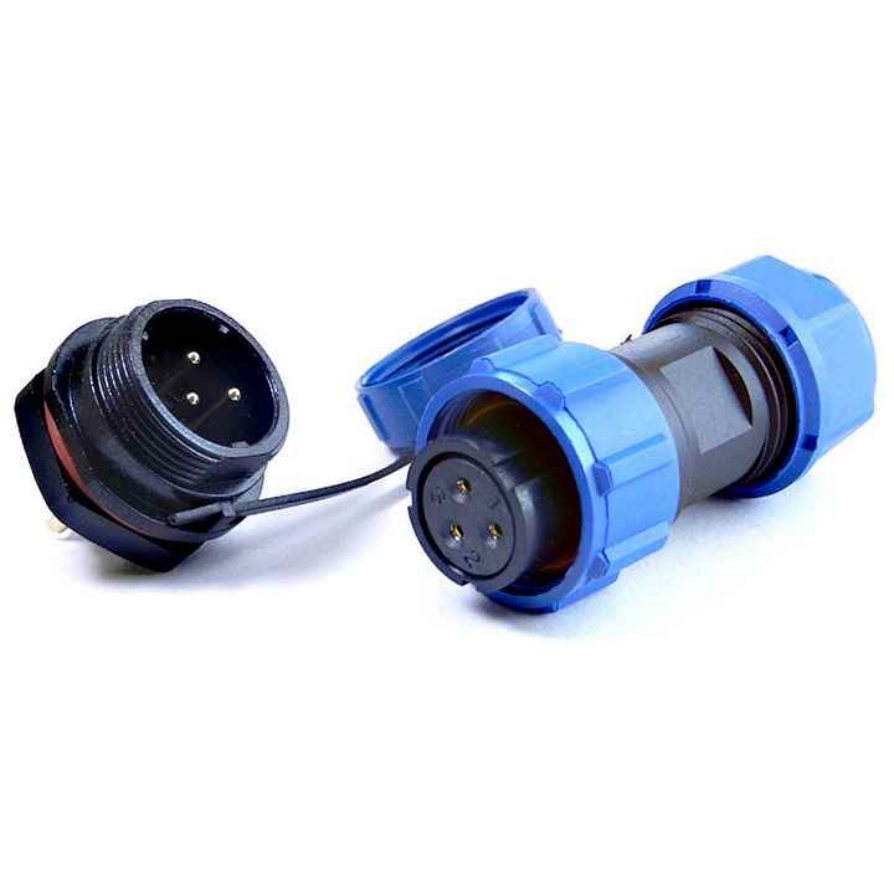
To meet the rigorous demands of industrial environments, waterproof machine vision cables incorporate a range of high-performance features that set them apart from conventional cables. One of the most important features is their superior waterproofing rating. These cables typically comply with international standards such as IP67, IP68, or even IP69K, which indicate their ability to resist dust and water. For example, an IP68 rating means the cable can be submerged in water at a certain depth for a specified period without suffering any damage, while an IP69K rating ensures resistance to high-pressure, high-temperature water jets, making it suitable for hygiene-critical applications like food processing where frequent washdowns are required.
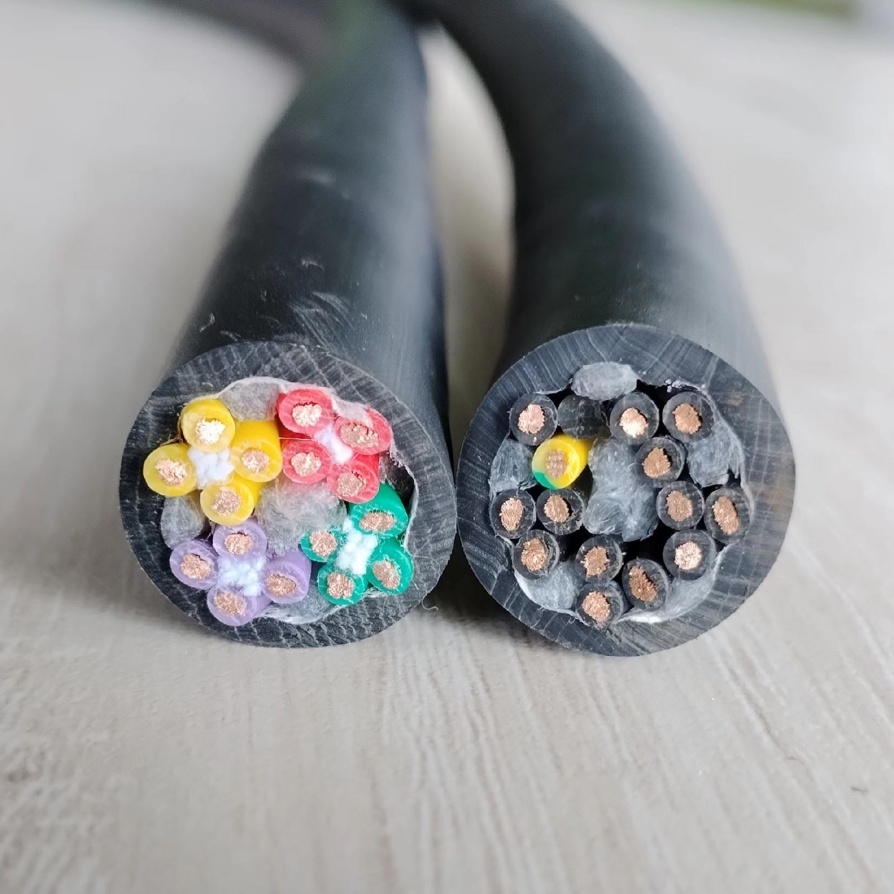
Another key feature is the durable outer jacket. The outer layer of waterproof machine vision cables is usually made from materials such as polyurethane (PU), polyvinyl chloride (PVC), or thermoplastic elastomer (TPE), which offer excellent mechanical strength, flexibility, and resistance to abrasion, oil, chemicals, and UV radiation. This robust outer jacket protects the internal conductors and shielding from physical damage, ensuring the cable can withstand the rigors of industrial use, including repeated bending, twisting, and exposure to harsh chemicals.
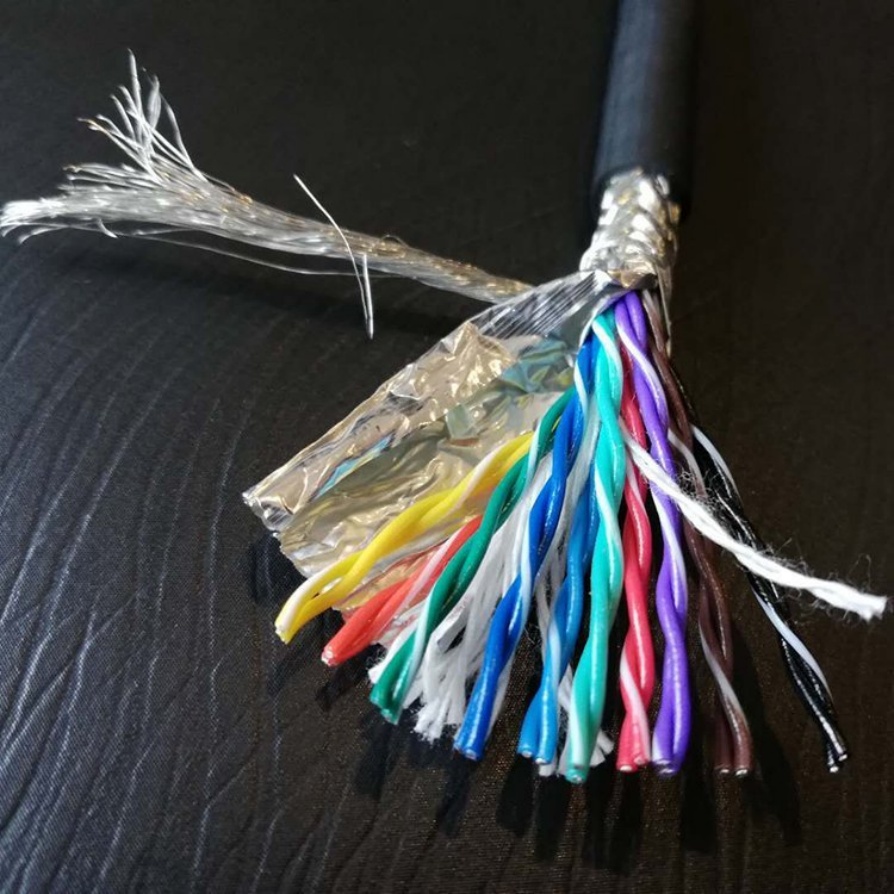
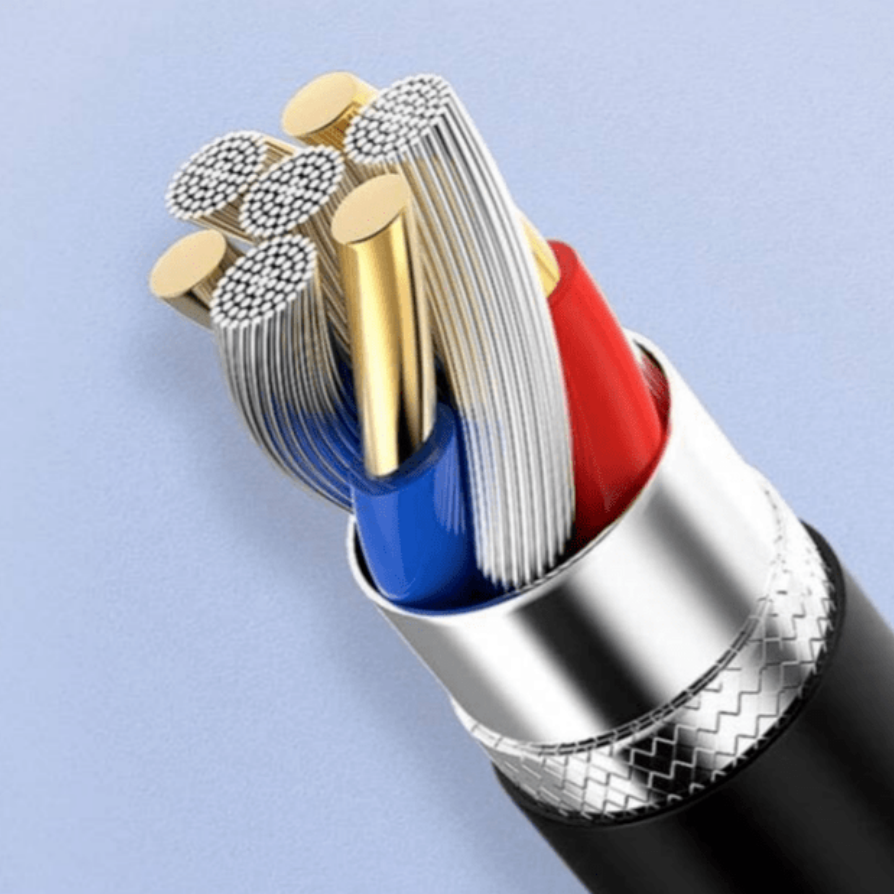
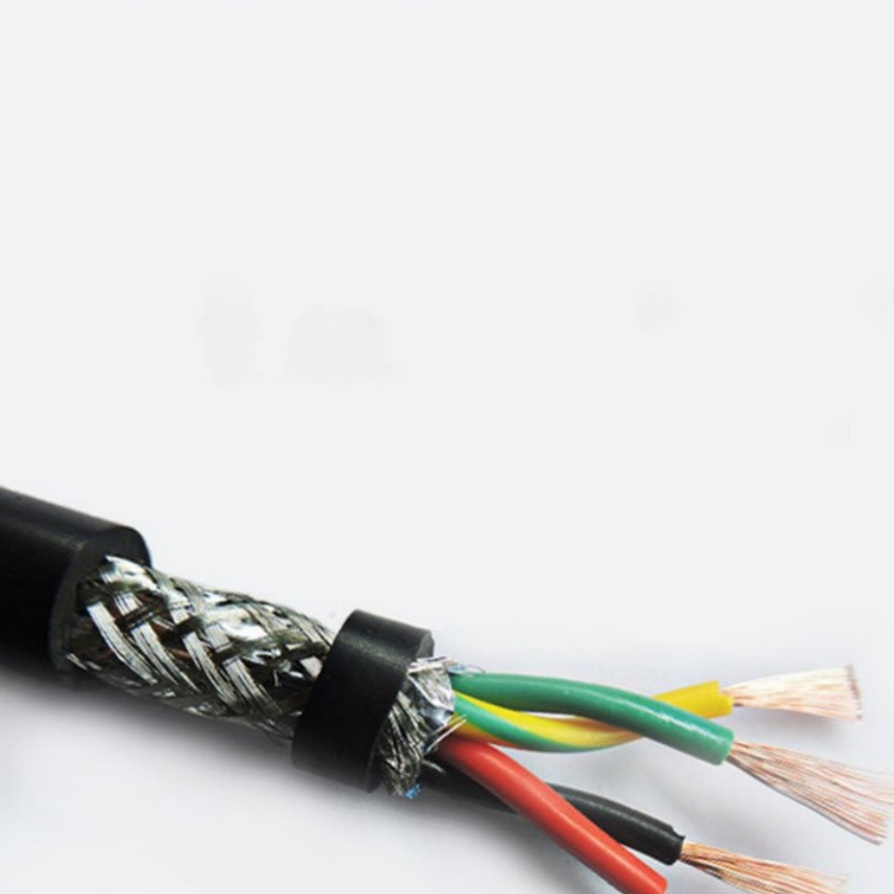
In addition to waterproofing and mechanical durability, these cables also feature high-quality internal conductors and shielding. Machine vision systems require high-speed data transmission, often in the form of GigE Vision, USB3 Vision, or CoaXPress signals. To ensure signal integrity and minimize interference, waterproof machine vision cables are equipped with twisted-pair conductors with tight pitch, which reduce crosstalk, and advanced shielding options such as foil shielding, braided shielding, or a combination of both. This shielding effectively blocks electromagnetic interference (EMI) and radio frequency interference (RFI) from nearby electrical equipment, ensuring that the data transmitted between the camera and the controller is accurate and reliable, even in noisy industrial environments.
Flexibility is another important consideration for waterproof machine vision cables, especially in applications where the cable needs to be routed through tight spaces or moving parts. Many of these cables are designed with a flexible core and a durable outer jacket that allows for easy installation and bending without compromising performance. Some cables also feature a small bend radius, which means they can be bent tightly without causing damage to the internal components, making them ideal for use in robotic arms, conveyor systems, and other dynamic industrial setups.
Applications of Waterproof Machine Vision Cables
The versatility and durability of waterproof machine vision cables make them suitable for a wide range of industrial applications. Let’s explore some of the key industries where these cables play a crucial role:
Automotive Manufacturing
The automotive industry is one of the largest users of machine vision systems, which are used for tasks such as part inspection, weld quality control, paint defect detection, and assembly verification. Automotive manufacturing plants are often harsh environments with exposure to oil, grease, coolant, and water from washing processes. Waterproof machine vision cables ensure that the machine vision cameras installed in these areas continue to operate reliably, even when exposed to these substances. They are also resistant to the high temperatures generated during certain manufacturing processes, making them suitable for use in engine assembly lines and paint shops.
Food and Beverage Processing
In the food and beverage industry, hygiene is of utmost importance, and machine vision systems are used for quality control, packaging inspection, and label verification. These systems are often installed in areas where frequent washdowns with high-pressure, high-temperature water and cleaning chemicals are required to maintain sanitary conditions. Waterproof machine vision cables with an IP69K rating are ideal for this application, as they can withstand the harsh washdown processes without suffering any damage. They are also made from food-grade materials that are non-toxic and compliant with regulatory standards such as FDA, ensuring that they do not contaminate the food products.
Pharmaceutical Production
Pharmaceutical manufacturing requires strict adherence to quality and safety standards, and machine vision systems are used for tasks such as tablet inspection, vial filling verification, and packaging integrity checks. The production environment in pharmaceutical plants is often controlled, but there may be exposure to moisture, cleaning agents, and sterile solutions. Waterproof machine vision cables provide a reliable connection for machine vision systems in these environments, ensuring that the data transmitted is accurate and that the cables do not contribute to any contamination risks. They are also resistant to corrosion, which is important in areas where chemicals are used for cleaning and sterilization.
Marine and Offshore Engineering
Marine and offshore environments are some of the harshest in the world, with exposure to saltwater, high humidity, strong winds, and extreme temperatures. Machine vision systems are used in marine applications for tasks such as vessel inspection, offshore platform monitoring, and underwater surveillance. Waterproof machine vision cables are essential in these applications, as they can withstand the corrosive effects of saltwater and the harsh environmental conditions. They are also designed to be resistant to UV radiation, which can degrade conventional cables over time, ensuring long-term reliability in outdoor marine settings.
Outdoor Surveillance Systems
Outdoor surveillance systems rely on machine vision cameras to monitor public areas, transportation hubs, and critical infrastructure. These cameras are exposed to rain, snow, dust, and extreme temperatures, making waterproof machine vision cables a necessity. These cables ensure that the video data transmitted from the cameras to the monitoring center is clear and uninterrupted, even in inclement weather conditions. They are also durable enough to withstand physical damage from vandalism or environmental factors such as falling branches.
Benefits of Using Waterproof Machine Vision Cables
Investing in high-quality waterproof machine vision cables offers a range of benefits for industrial operations. One of the primary benefits is improved system reliability. By preventing water ingress and protecting against environmental damage, these cables reduce the risk of cable failure, which can lead to costly downtime, lost production, and compromised product quality. This is especially important in industries where even a short period of downtime can result in significant financial losses.
Another benefit is reduced maintenance costs. Conventional cables that are not waterproof may need to be replaced frequently due to water damage, corrosion, or wear and tear. Waterproof machine vision cables, on the other hand, have a longer service life and require less maintenance, which helps to lower overall operational costs. This is particularly advantageous in hard-to-reach areas where cable replacement is time-consuming and expensive.
Waterproof machine vision cables also contribute to enhanced system performance. Their advanced shielding and high-quality conductors ensure that signal integrity is maintained, even in noisy industrial environments. This results in clearer images, more accurate data, and better overall performance of the machine vision system, which can improve the quality of products and increase operational efficiency.
Additionally, these cables offer greater flexibility in installation. Their durability and flexibility allow them to be installed in a wide range of locations, including wet areas, tight spaces, and moving parts, without compromising performance. This gives engineers and system integrators more flexibility in designing machine vision systems that meet the specific needs of their applications.
Why Choose FRS for Your Waterproof Machine Vision Cable Needs?
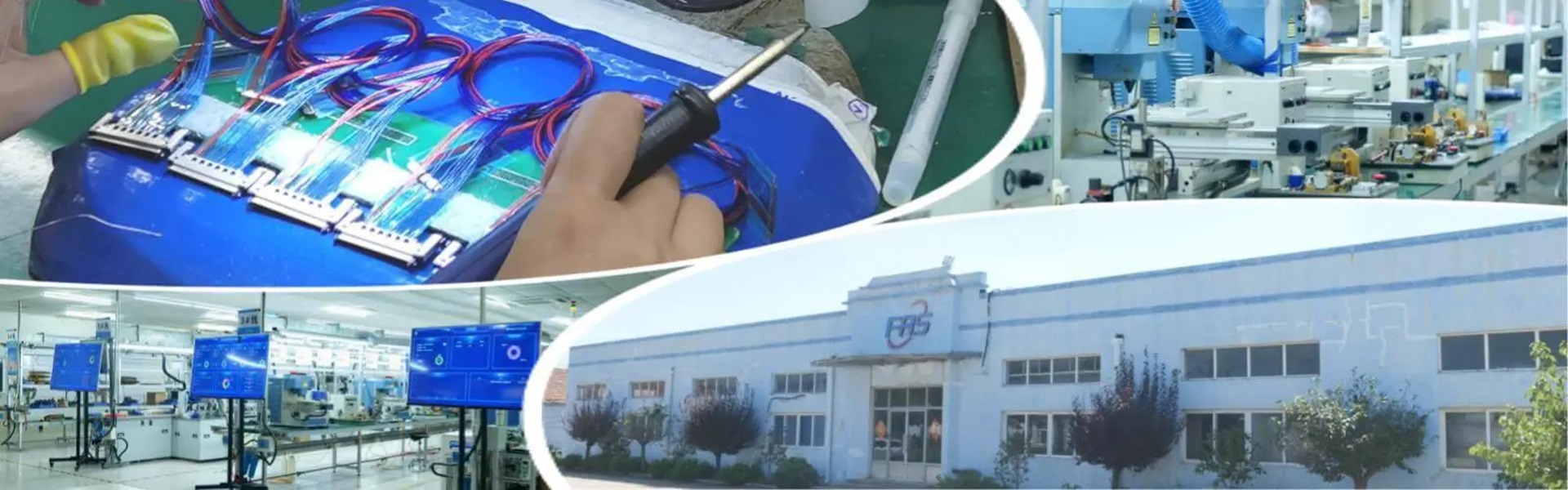
When it comes to selecting a reliable supplier of waterproof machine vision cables, FRS stands out as a trusted and experienced brand. With years of expertise in the design and manufacturing of industrial cables, FRS is committed to providing high-quality, durable, and high-performance cables that meet the rigorous demands of modern industrial environments.
FRS’s waterproof machine vision cables are engineered with the latest technologies and highest quality materials to ensure exceptional performance and reliability. Each cable undergoes strict quality control tests, including waterproofing tests, mechanical strength tests, signal integrity tests, and environmental resistance tests, to ensure that it meets or exceeds international standards such as IP67, IP68, and IP69K. Whether you need a cable for automotive manufacturing, food processing, pharmaceutical production, or marine applications, FRS has a solution that is tailored to your specific needs.
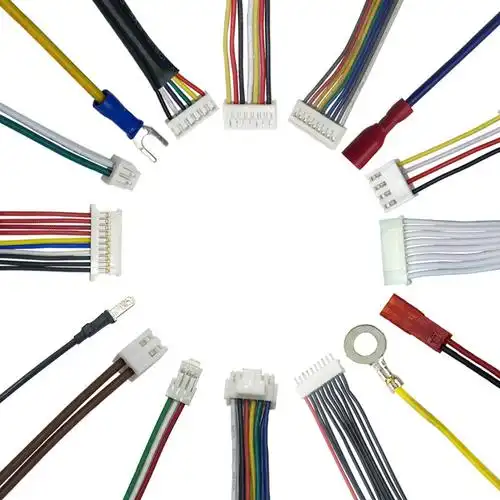
In addition to high-quality products, FRS also offers customization options to meet the unique requirements of your application. Our team of experienced engineers can work with you to design cables with specific lengths, connectors, shielding options, and jacket materials, ensuring that you get a cable that perfectly fits your machine vision system. We also provide excellent customer service and technical support, helping you to select the right cable for your application and providing assistance with installation and troubleshooting.
At FRS, we understand the importance of reliability and performance in industrial operations, which is why we are dedicated to producing waterproof machine vision cables that you can trust. Our commitment to quality, innovation, and customer satisfaction has made us a preferred supplier for businesses around the world. When you choose FRS, you are not just buying a cable; you are investing in a solution that will help to improve the efficiency, reliability, and performance of your machine vision system.
If you are looking for high-quality waterproof machine vision cables that can withstand the harshest industrial environments, look no further than FRS. Contact us today to learn more about our products and how we can help you meet your machine vision cable needs.