What are the common mistakes in machine cable Assemblies installation
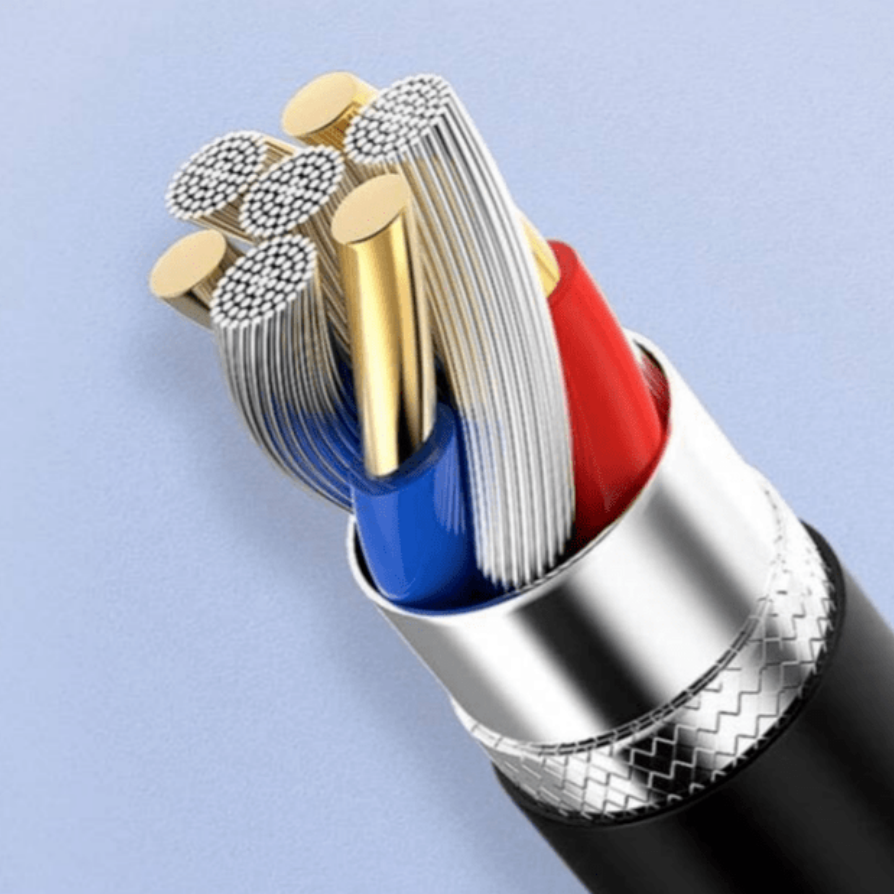
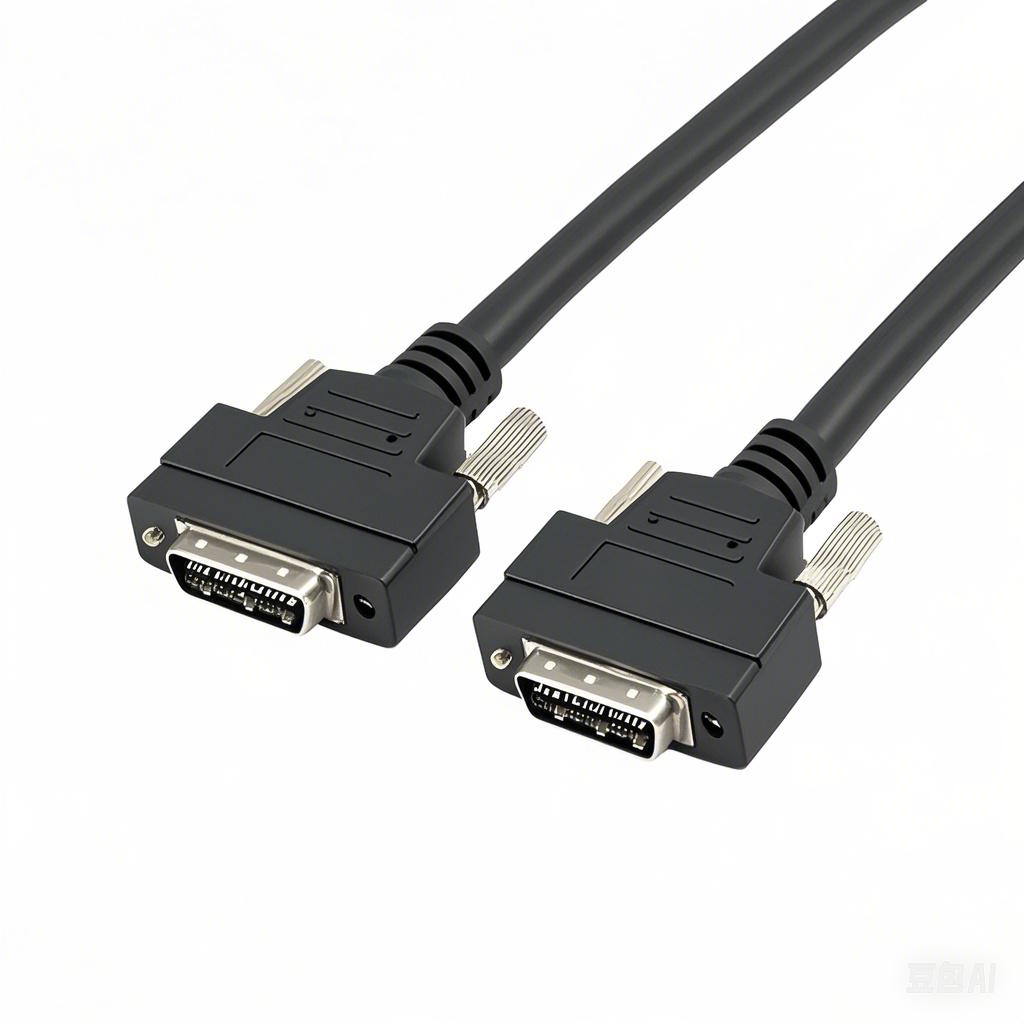
Machine cable assemblies are the lifeline of industrial equipment, ensuring seamless transmission of power, signals, and data between components. Proper installation is critical to maintaining equipment reliability, reducing downtime, and avoiding costly repairs or safety hazards. However, many installers, even experienced ones, often fall prey to common mistakes that compromise the performance and longevity of these assemblies. In this article, we’ll delve into the most frequent errors in machine cable assemblies installation, explain their consequences, and provide insights into how to avoid them—helping you ensure your industrial systems operate at peak efficiency.
1. Neglecting Pre-Installation Planning and Inspection
One of the most foundational mistakes starts long before any physical installation begins: skipping thorough pre-installation planning and inspection. Many teams rush into mounting cables without first assessing the application environment, verifying cable specifications, or mapping out the routing path. This oversight leads to a cascade of issues down the line.
For instance, failing to check the environmental conditions—such as temperature extremes, moisture levels, chemical exposure, or mechanical vibration—can result in using cables that aren’t rated for the operating environment. A cable assembly designed for standard room temperature, for example, will degrade rapidly if installed in a high-heat industrial oven area, leading to insulation breakdown and short circuits. Similarly, ignoring vibration levels in machinery can cause cables to rub against sharp edges or loosen connections over time, disrupting signal transmission.
Another critical oversight is not verifying cable specifications against equipment requirements. Using a cable with insufficient current-carrying capacity for a power-hungry machine will lead to overheating, while a signal cable with improper shielding will suffer from electromagnetic interference (EMI), causing data errors or equipment malfunctions. Additionally, neglecting to inspect the cable assembly itself for defects—such as damaged connectors, frayed insulation, or crimping issues—before installation means these flaws are embedded into the system, creating hidden failure points.
2. Improper Cable Routing and Stress
Once installation begins, improper cable routing is a pervasive mistake that impacts both performance and durability. Cables are often routed too tightly, bent beyond their minimum bend radius, or placed in areas where they’re exposed to physical damage or excessive stress.
The minimum bend radius is a critical specification that dictates how tightly a cable can be curved without damaging its internal conductors or shielding. Exceeding this limit—for example, bending a thick power cable into a sharp 90-degree angle to fit into a tight cabinet—can crack the insulation, break conductors, or compromise shielding effectiveness. Over time, this leads to short circuits, signal loss, or EMI issues. Installers may also fail to secure cables properly, allowing them to hang loosely or swing freely. In dynamic machinery, this results in repeated flexing, which fatigues the cable and leads to conductor breakage.
Routing cables too close to sources of EMI is another costly error. Power cables carrying high currents generate strong magnetic fields, and if signal cables are routed parallel to them without proper separation, the EMI will induce noise in the signal lines. This is particularly problematic in automation systems, where precise sensor data is critical for machine operation—noise can cause false readings, leading to incorrect machine movements or production errors. Additionally, routing cables near heat sources (e.g., motors, heaters) or sharp metal edges can accelerate insulation wear, exposing conductors and creating safety risks.
3. Poor Connector Installation and Termination
The connectors of a machine cable assembly are its critical interface with equipment, and poor installation or termination of these connectors is a leading cause of system failures. Even a slight imperfection in crimping, soldering, or mating can result in high resistance, intermittent connections, or complete signal loss.
Improper crimping is a common culprit. Using the wrong crimp tool size for the connector or applying insufficient pressure leads to loose crimps, which increase electrical resistance. This causes the connection to overheat, melting the insulation and potentially welding the connector to the terminal. Conversely, over-crimping can crush the connector’s pins or damage the cable’s conductors, rendering the assembly useless. Installers may also skip the step of stripping the insulation to the correct length—stripping too much exposes excess conductor, which can short-circuit against other components, while stripping too little leaves insulation trapped in the crimp, preventing a solid electrical connection.
For soldered connections, cold solder joints are a frequent issue. These occur when the solder doesn’t properly flow and bond with the connector and conductor, often due to insufficient heating or moving the connector before the solder cools. Cold joints have high resistance and are prone to cracking, leading to intermittent connectivity. Additionally, failing to clean the connector pins and conductors before soldering results in oxidation or dirt interfering with the solder bond, creating another weak point.
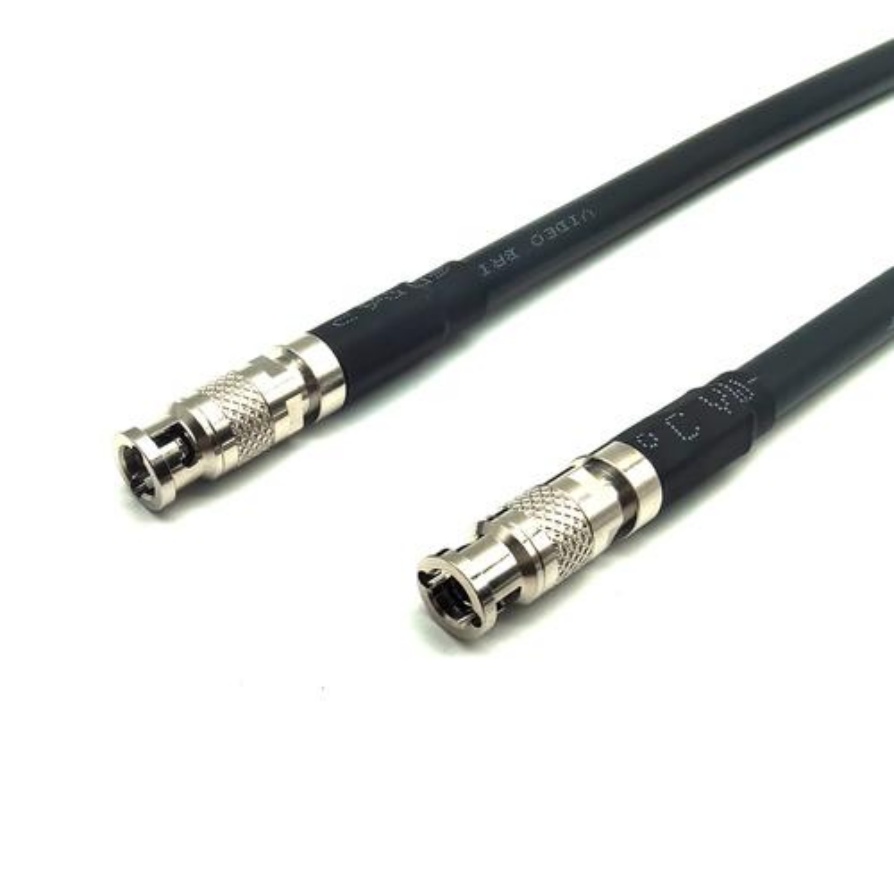
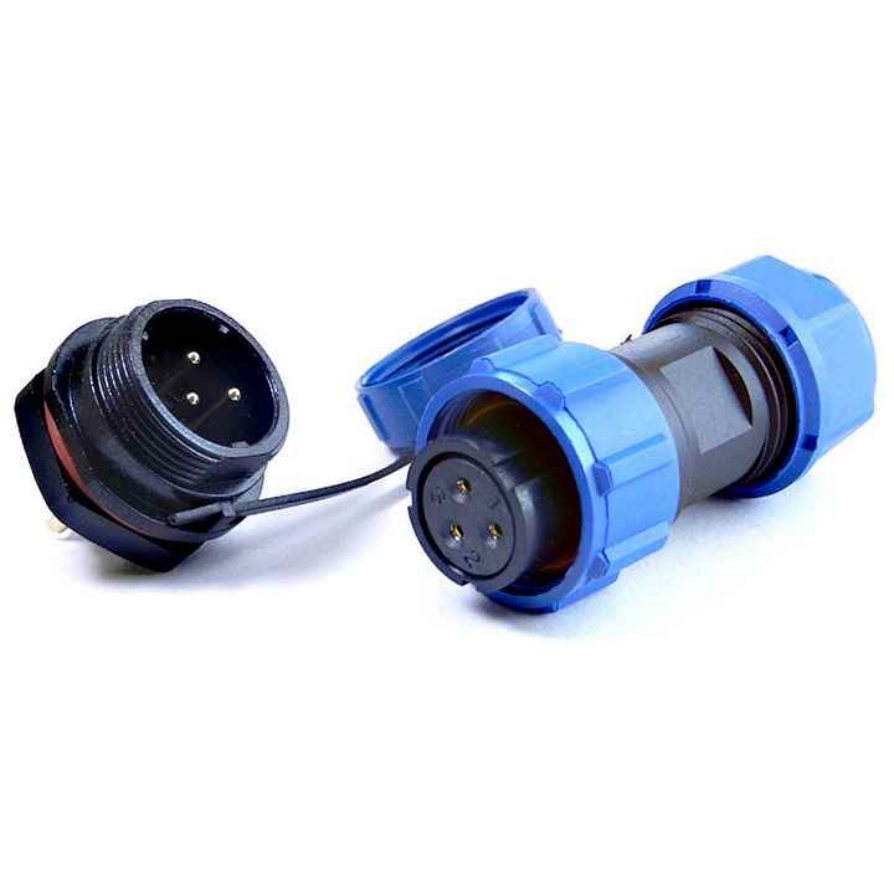
Mating connectors incorrectly is another mistake. Forcing a connector into a port (e.g., using excessive force with a keyed connector) can bend pins or damage the port, making future connections impossible. Similarly, not fully seating the connector until it clicks into place leaves the connection loose, leading to signal dropout or arcing.
4. Inadequate Cable Management and Protection
After routing and connecting the cables, inadequate cable management and protection often leads to long-term degradation. Cables are left unorganized, tangled, or exposed to potential damage, which not only makes maintenance difficult but also accelerates wear and tear.
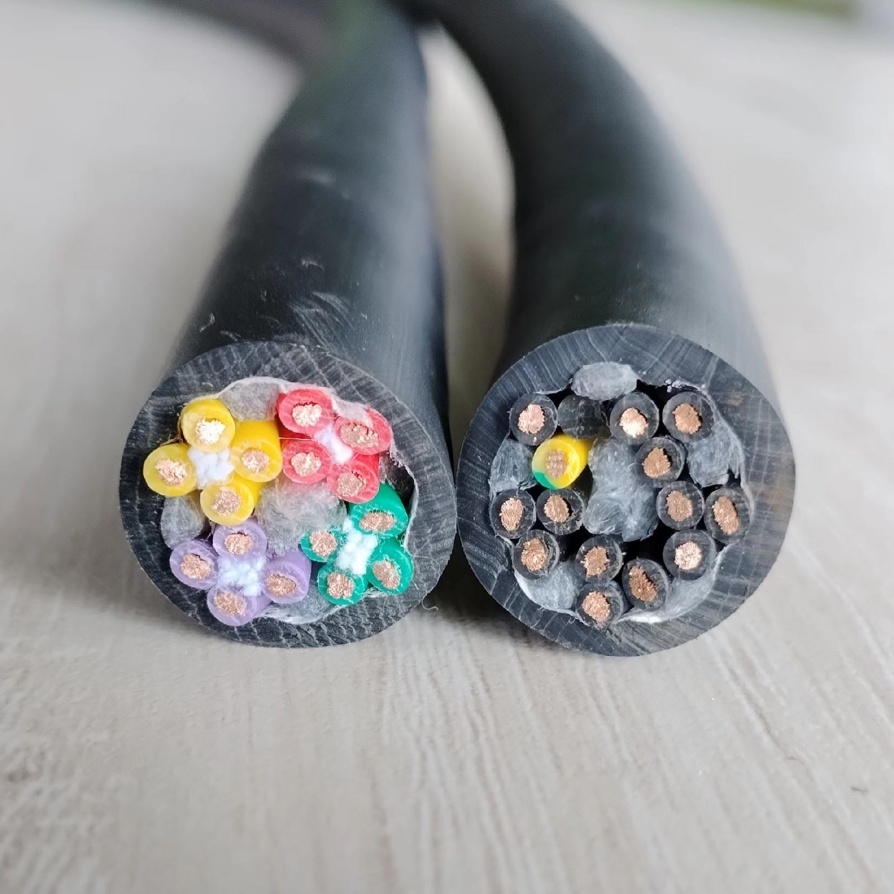
Failing to use cable management accessories—such as cable ties, loom, conduit, or cable trays—results in a disorganized mess. Tangled cables rub against each other, causing insulation abrasion, and make it impossible to trace individual cables during troubleshooting, increasing downtime when issues arise. Over-tightening cable ties is another error: this can compress the cable, damaging the insulation or restricting the flow of cooling air around power cables, leading to overheating.
Exposing cables to physical hazards is also common. Cables routed near moving parts (e.g., conveyor belts, robotic arms) are at risk of being caught or crushed, while those placed on the floor without protection are vulnerable to being tripped over or run over by equipment. Even in static environments, cables without proper conduit or loom are susceptible to damage from falling objects or chemical spills.
5. Ignoring Grounding and Shielding Requirements
Machine cable assemblies, especially those carrying sensitive signals or operating in high-EMI environments, rely on proper grounding and shielding to function correctly. Ignoring these requirements is a mistake that leads to EMI-related issues, safety hazards, and equipment malfunction.
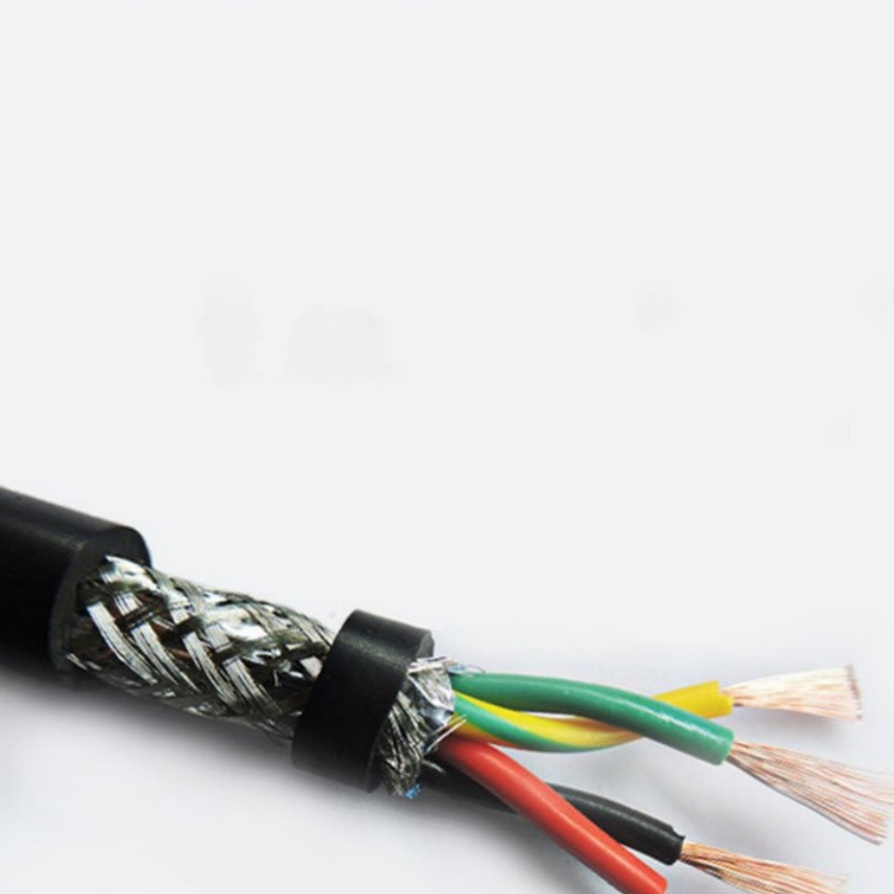
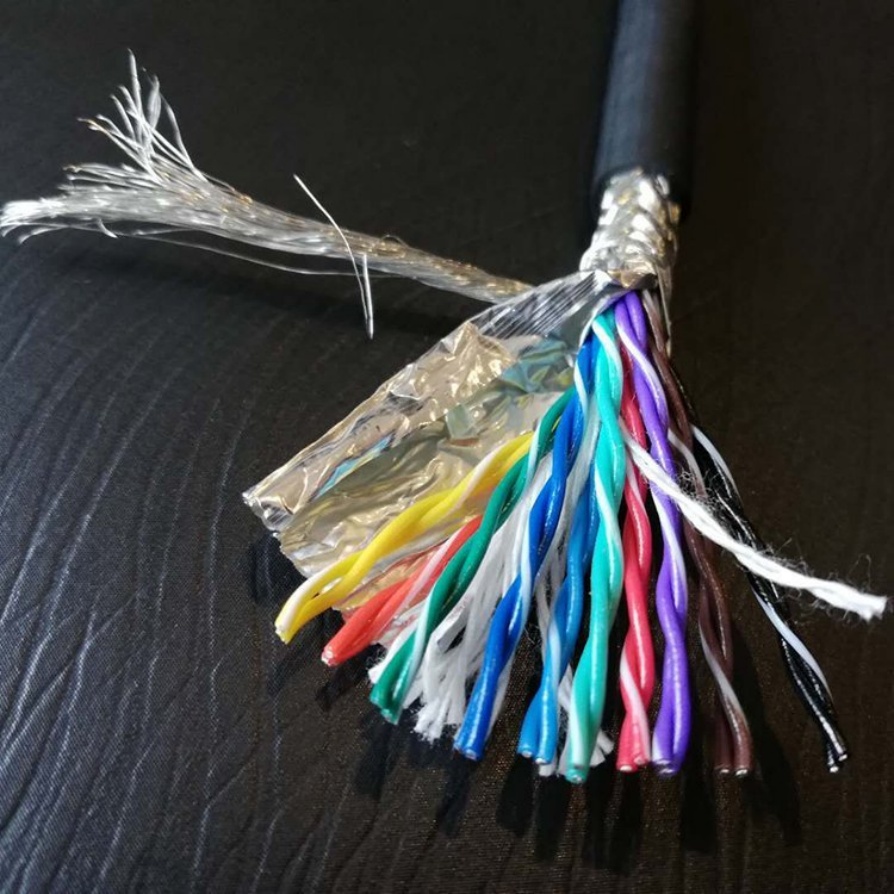
Shielding failure occurs when the cable’s shield is not properly connected to ground or is damaged during installation. A shield that’s only grounded on one end, for example, won’t effectively block EMI—instead, it acts as an antenna, picking up interference and transmitting it to the signal conductors. Similarly, cutting or nicking the shield while stripping the cable removes its protective barrier, allowing external noise to infiltrate the signal path. This is particularly problematic in industries like automotive manufacturing or aerospace, where precise sensor data and control signals are essential.
Improper grounding also poses safety risks. Power cable assemblies that aren’t grounded correctly can cause electric shock if a fault occurs, as the excess current has no safe path to dissipate. Additionally, poor grounding can lead to voltage spikes, which damage sensitive electronics in the machine. Installers may also use undersized grounding wires or connect multiple ground wires to a single terminal, creating ground loops that introduce noise into signal circuits.
6. Skipping Post-Installation Testing and Documentation
The final mistake in many installation processes is neglecting post-installation testing and documentation. Even if the installation seems to go smoothly, failing to verify performance and record key details leaves the system vulnerable to undetected issues and makes future maintenance a nightmare.
Not testing for continuity, insulation resistance, or signal integrity means that hidden problems—like a broken conductor, partial short circuit, or EMI interference—remain unaddressed. A cable assembly with a continuity issue may work intermittently at first but will fail completely under load, causing unexpected downtime. Insulation resistance testing is critical for power cables, as it identifies degradation that could lead to漏电 (leakage current) or short circuits. For signal cables, testing signal integrity with tools like oscilloscopes ensures that data is transmitted without distortion.
Skipping documentation is another oversight. Without records of cable routing diagrams, connector pinouts, cable specifications, and test results, maintenance teams waste hours troubleshooting when issues arise. They may even accidentally damage other components while trying to trace cables or replace parts. Documentation also helps with future upgrades or expansions, as it provides a clear map of the existing system.
Why Choosing the Right Partner Avoids These Mistakes
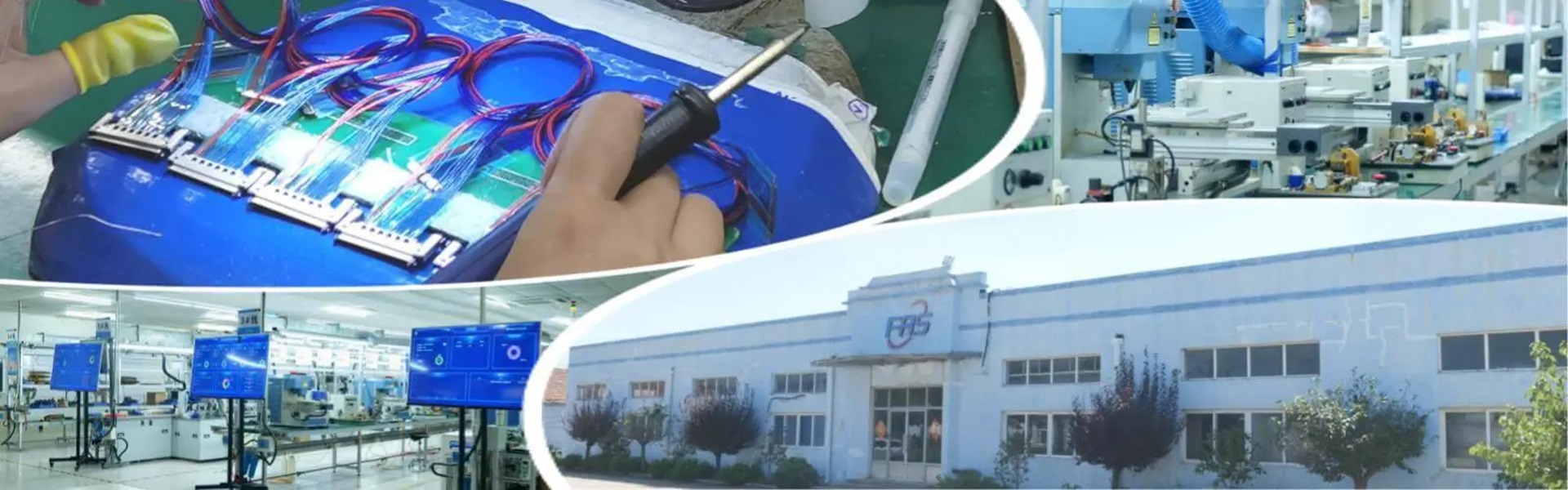
Avoiding these common mistakes requires a combination of expertise, attention to detail, and high-quality components. This is where FRS comes in. As a leading manufacturer of machine cable assemblies, FRS is dedicated to providing solutions that eliminate the risks associated with improper installation—from design to delivery.
At FRS, we start by engineering cable assemblies tailored to your specific application. Our team works closely with you to assess environmental conditions, equipment requirements, and routing constraints, ensuring every assembly is rated for your operating environment and meets exact performance specifications. We use only premium materials—from high-temperature insulation to EMI-shielded conductors—and subject every assembly to rigorous pre-shipment inspections, including continuity testing, insulation resistance checks, and crimp quality verification, so you never install a defective product.
Beyond high-quality components, FRS provides detailed installation guidelines and technical support to help your team avoid common pitfalls. Our documentation includes clear routing diagrams, minimum bend radius specifications, and connector mating instructions, ensuring your installers have all the information they need to do the job right the first time. We also offer custom cable management solutions—such as pre-cut loom, labeled connectors, and mounting brackets—to simplify routing and protect cables from damage.
With FRS machine cable assemblies, you’re not just getting a component—you’re getting a partner committed to minimizing downtime, reducing maintenance costs, and maximizing the reliability of your industrial systems. Our decades of experience in industrial cable solutions mean we understand the challenges of installation and design our products to eliminate common errors. Whether you’re operating in automotive, aerospace, manufacturing, or any other industrial sector, FRS has the expertise and products to ensure your machine cable assemblies perform flawlessly for years to come.
Don’t let common installation mistakes compromise your equipment. Choose FRS for machine cable assemblies that are engineered for your success.