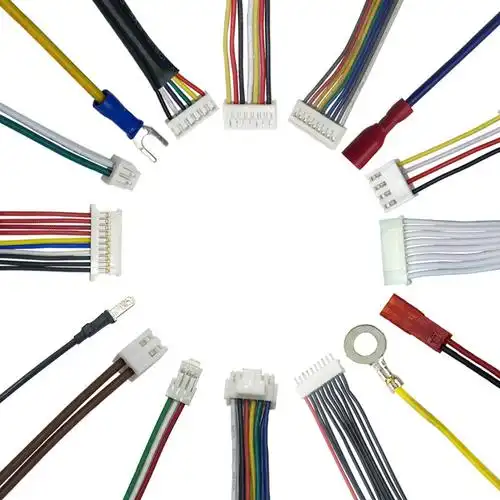
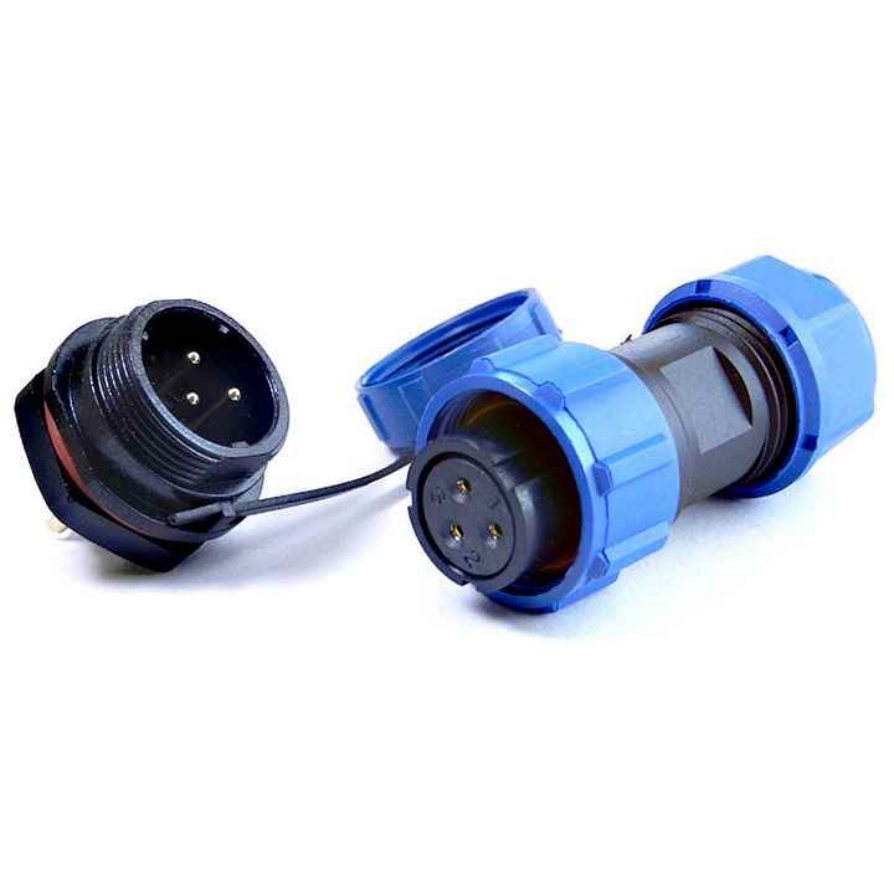
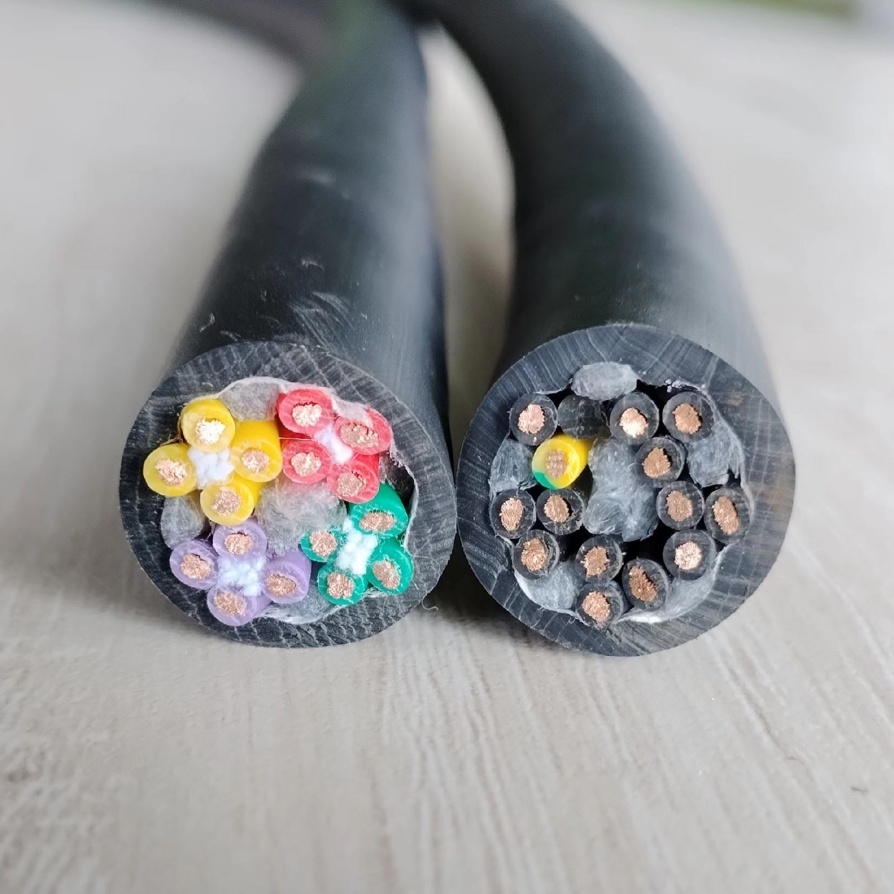
How to test machine cable Assemblies after installation
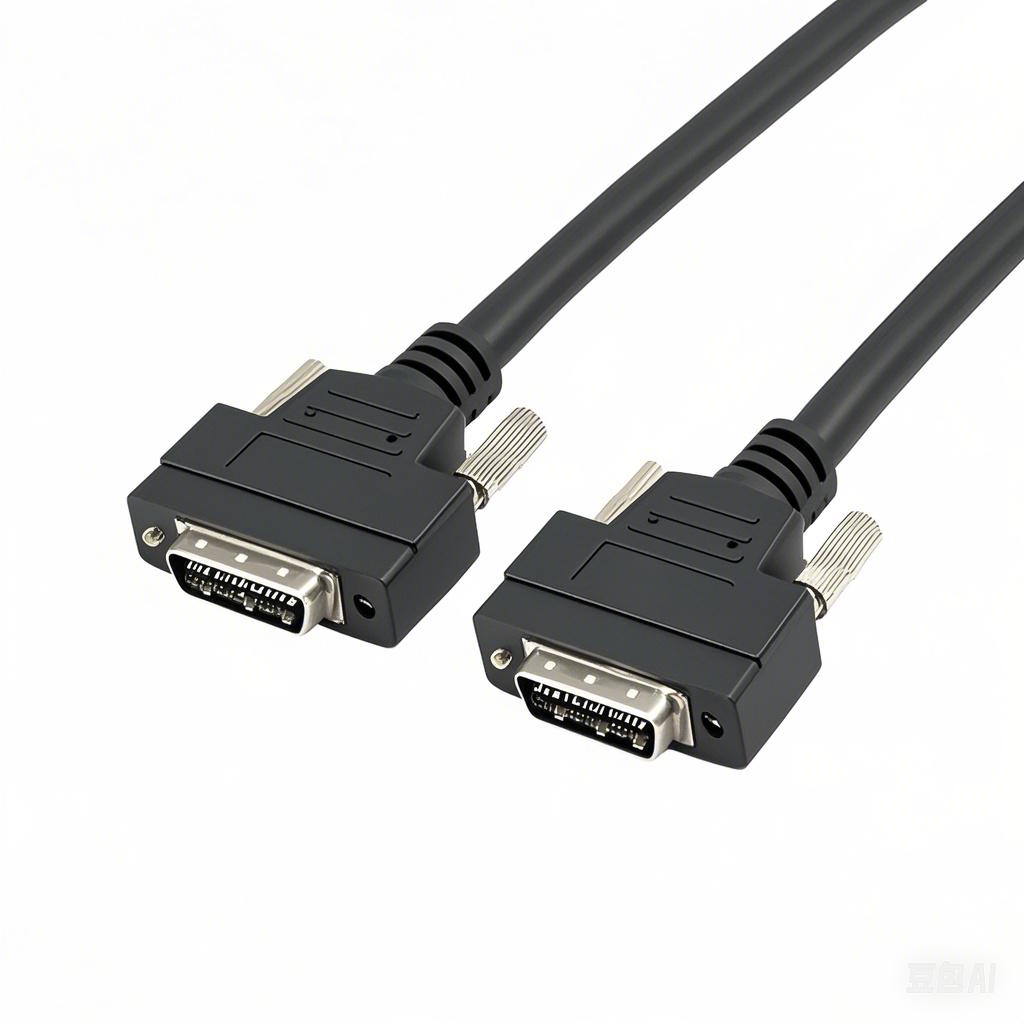
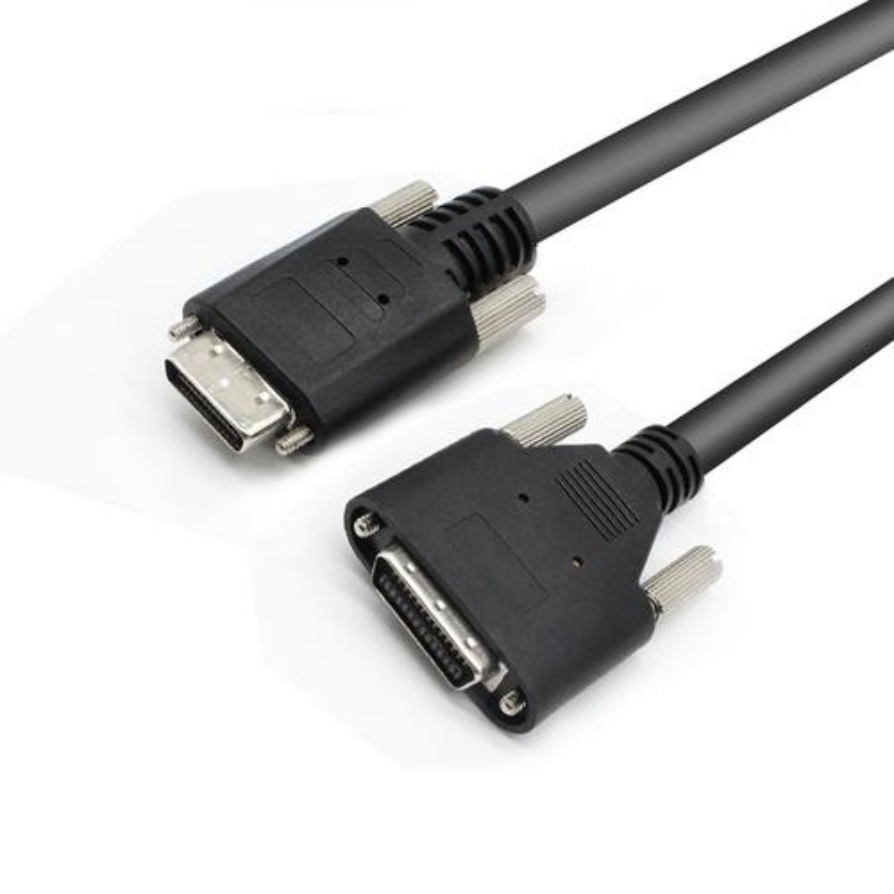
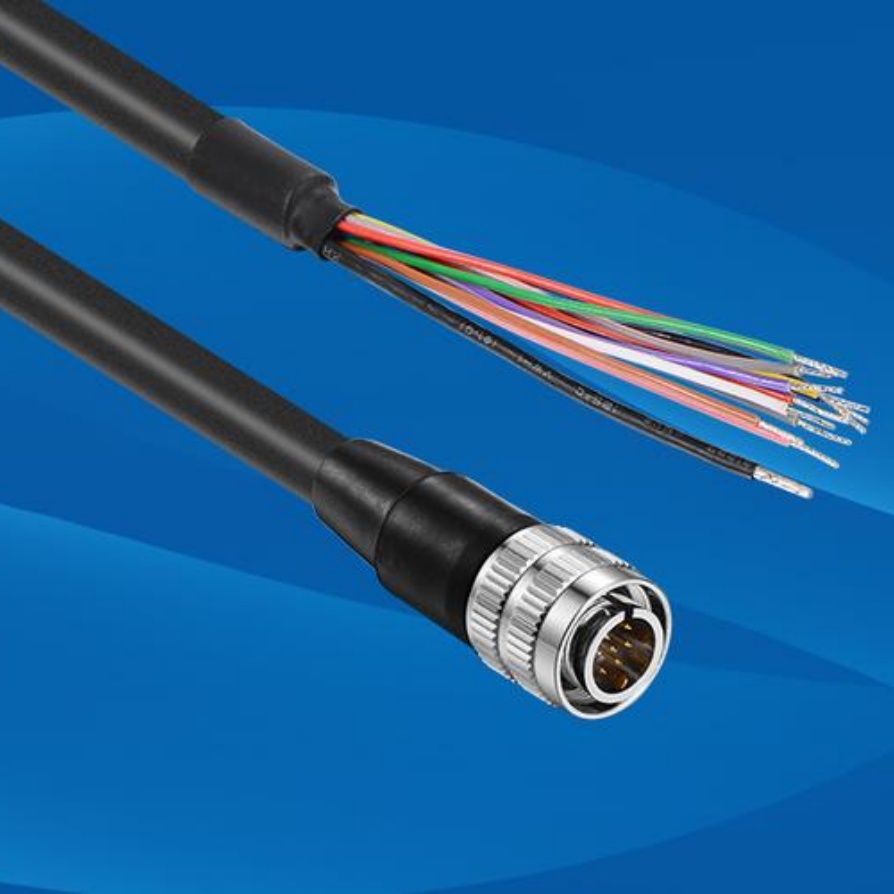
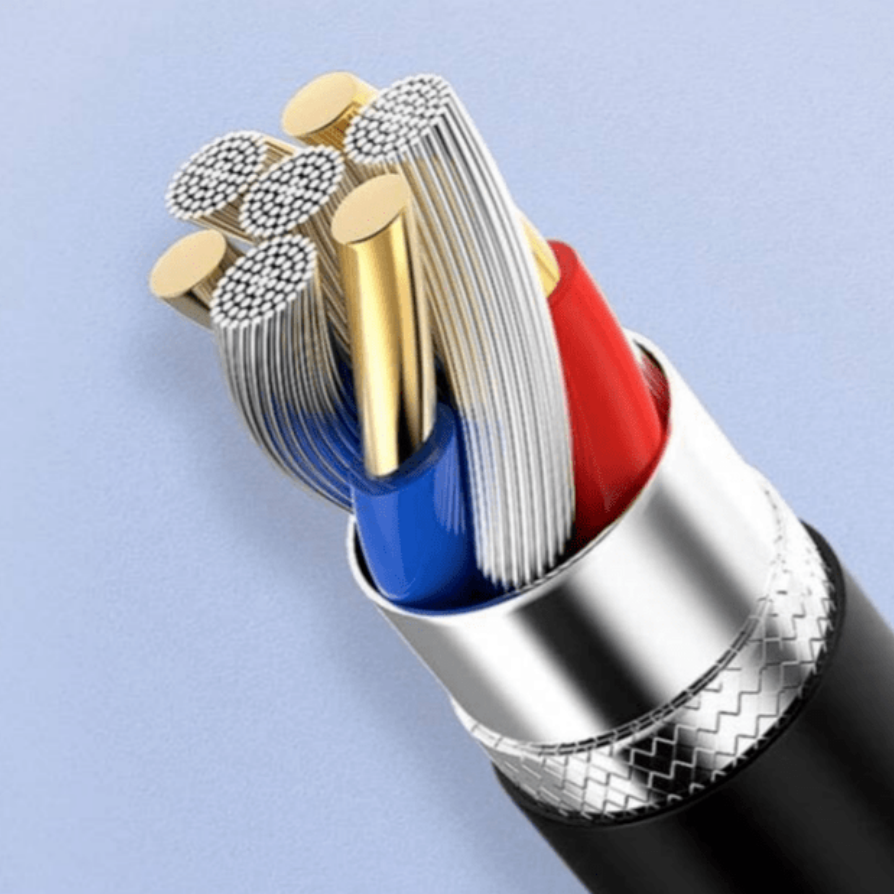
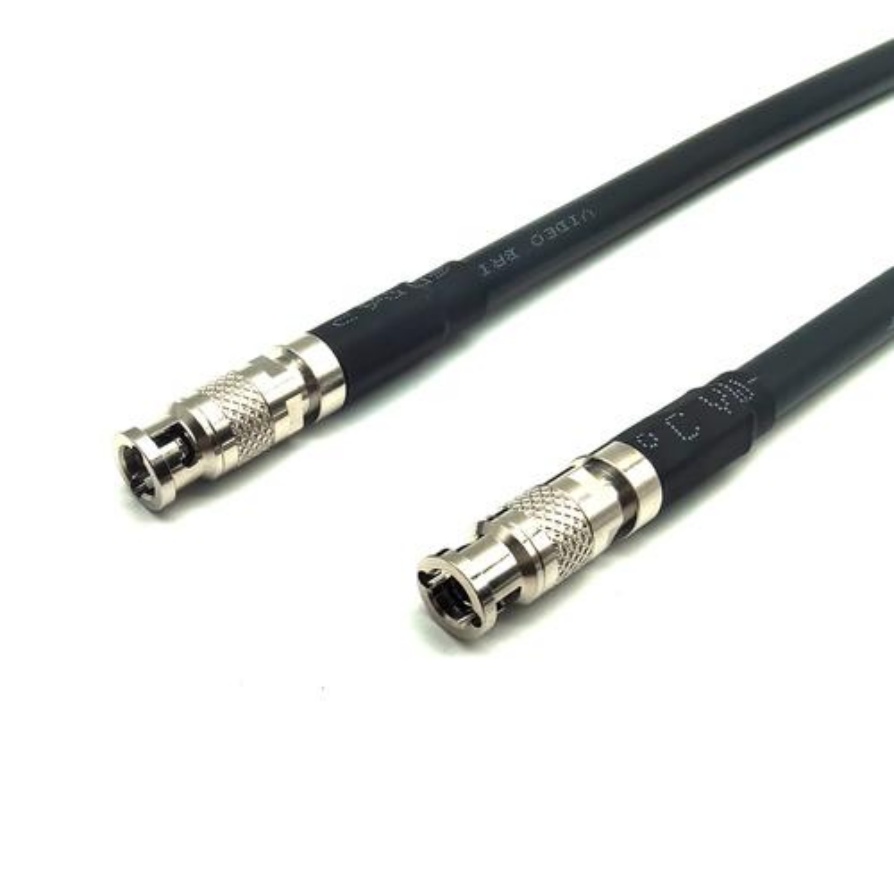
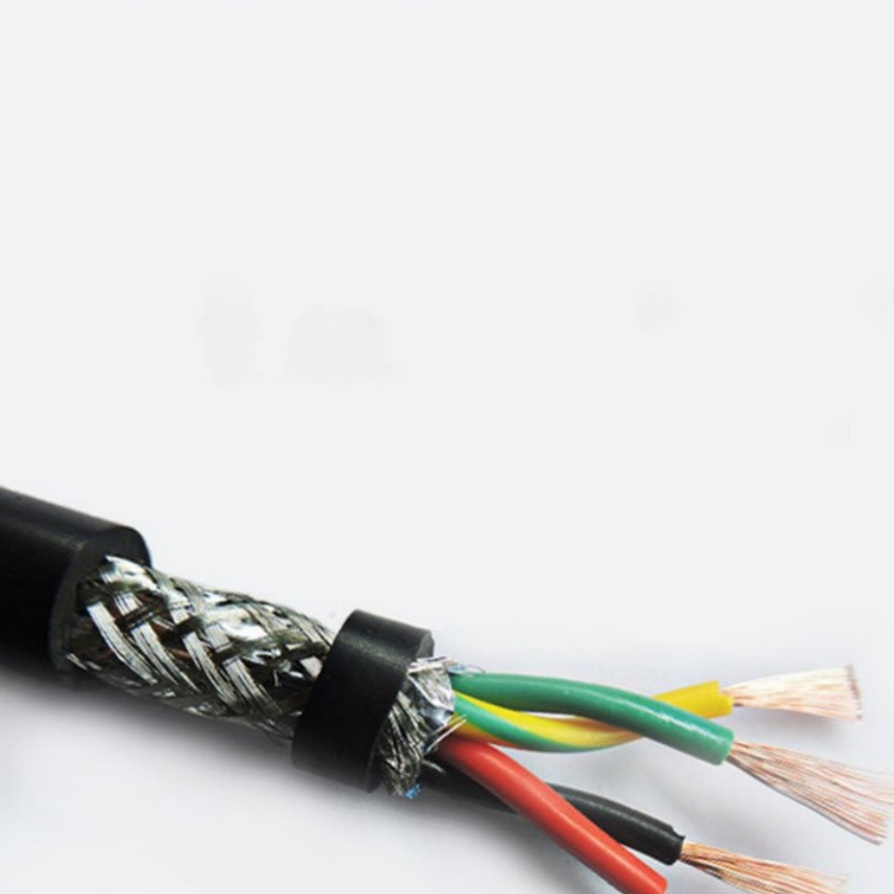
Machine cable assemblies are the lifeline of industrial machinery, responsible for transmitting power, signals, and data between critical components. Whether in manufacturing plants, automation systems, or heavy-duty equipment, the reliability of these assemblies directly impacts operational efficiency, safety, and downtime costs. After installation, thorough testing is not just a quality check—it’s a proactive measure to prevent costly failures, equipment damage, and even workplace hazards. This comprehensive guide will walk you through the essential steps, methods, and best practices for testing machine cable assemblies post-installation, ensuring they perform optimally in their intended applications.
Why Post-Installation Testing of Machine Cable Assemblies Matters
Before diving into the testing process, it’s crucial to understand why this step is non-negotiable. During installation, machine cable assemblies can be subjected to various stresses: bending beyond recommended radii, pulling or twisting forces, exposure to contaminants like dust or moisture, or improper termination. Even high-quality assemblies can develop issues such as broken conductors, insulation damage, or poor connector seating if not installed correctly. Without testing, these hidden flaws may go undetected until they cause unexpected downtime—resulting in lost production, expensive repairs, or even safety risks like short circuits or electrical shocks.
For example, in an automotive assembly line, a faulty machine cable assembly controlling a robotic arm could lead to production halts lasting hours, costing manufacturers thousands of dollars per minute. In industrial settings with hazardous materials, a damaged cable’s insulation might spark, igniting a fire or explosion. Post-installation testing mitigates these risks by verifying that the assemblies meet performance specifications and can withstand the operational environment.
Pre-Testing Preparation for Machine Cable Assemblies
Effective testing starts with proper preparation. Rushing into tests without the right tools or documentation can lead to inaccurate results or missed issues. Here’s what you need to do before beginning the testing process:
1. Gather Essential Documentation
Retrieve the technical specifications for the machine cable assemblies, including conductor gauge, insulation material, voltage rating, current capacity, and shielding requirements. Also, have the installation manual on hand, as it may outline specific testing guidelines for the assembly’s application (e.g., high-temperature environments or high-vibration machinery). Cross-referencing test results with these specs ensures the assembly meets the manufacturer’s standards.
2. Assemble Testing Tools
The tools required depend on the type of tests you’ll perform, but common equipment includes:
- Multimeter: For measuring continuity, resistance, voltage, and current.
- Insulation Resistance Tester (Megohmmeter): To check for insulation breakdown between conductors or between conductors and ground.
- Cable Tester: Specialized for verifying conductor continuity, polarity, and short circuits in multi-conductor assemblies.
- Visual Inspection Tools: Magnifying glass, flashlight, and cable径规 to check for physical damage.
- Environmental Test Equipment (if applicable): Heat guns, humidity chambers, or vibration testers for simulating operational conditions.
3. Ensure Safety
Safety should always be a top priority. Before testing, disconnect the machine cable assemblies from power sources to avoid electrical shocks. Wear appropriate personal protective equipment (PPE), such as insulated gloves, safety glasses, and closed-toe shoes. If testing in a hazardous area, ensure the environment is free of flammable materials and that you’re following site-specific safety protocols.
Step-by-Step Testing Process for Machine Cable Assemblies
Now that you’re prepared, follow this step-by-step process to test your machine cable assemblies thoroughly.
Step 1: Visual Inspection
Start with a detailed visual inspection—this is often the first line of defense against obvious issues. Examine the entire length of the machine cable assembly, including connectors, insulation, and shielding. Look for:
- Physical damage: Cuts, abrasions, or tears in the insulation or jacket.
- Connector issues: Bent pins, corrosion, loose pins, or improper seating in the housing.
- Bending and routing: Ensure the cable is routed without exceeding the minimum bend radius (specified in the technical docs). Over-bending can damage conductors or shielding.
- Contamination: Signs of dust, oil, moisture, or other debris on the cable or connectors, which can cause corrosion or insulation degradation over time.
- Labeling: Verify that the assembly is correctly labeled (if required) for traceability and identification.
If any visual defects are found, address them before proceeding to electrical testing. For example, a damaged connector may need to be replaced, while a contaminated cable can be cleaned with a lint-free cloth and appropriate solvent (as recommended by the manufacturer).
Step 2: Continuity Testing
Continuity testing verifies that electrical current can flow through each conductor in the machine cable assembly without interruption. A break in continuity (open circuit) means the cable won’t transmit power or signals properly. Here’s how to perform it:
- Set your multimeter to the continuity mode (usually indicated by a sound wave icon).
- Disconnect both ends of the machine cable assembly from all power sources and equipment.
- Touch one test lead of the multimeter to a conductor pin at one end of the assembly.
- Touch the other test lead to the corresponding pin at the opposite end. If continuity exists, the multimeter will beep or show a low resistance value (typically less than 1 ohm).
- Repeat this process for every conductor in the assembly. Note any conductors that don’t show continuity—these may have broken wires or poor terminations.
For multi-conductor assemblies, a cable tester can speed up this process by checking all conductors simultaneously and identifying open circuits instantly.
Step 3: Short Circuit Testing
A short circuit occurs when two or more conductors come into contact with each other, either directly or through damaged insulation. This can cause overheating, equipment damage, or tripped circuit breakers. To test for short circuits:
- Keep the multimeter in continuity mode or switch to resistance mode (ohms).
- Touch one test lead to a conductor pin at one end of the assembly.
- Touch the other test lead to every other conductor pin at the same end. If there’s a short circuit, the multimeter will beep or show a low resistance value (indicating current is flowing between the two conductors).
- Repeat this for all conductors at both ends of the machine cable assembly.
If a short circuit is detected, isolate the affected area by checking sections of the cable (if possible) or inspecting the connectors for bent pins that may be touching. In some cases, the cable may need to be replaced if the insulation damage is severe.
Step 4: Insulation Resistance Testing
Insulation resistance testing (also called megohm testing) measures the resistance of the insulation between conductors or between conductors and ground. This test is critical for identifying insulation degradation, which can lead to leakage current, short circuits, or electrical shocks over time. Here’s how to perform it:
- Use an insulation resistance tester (megohmmeter) set to the appropriate voltage rating for the machine cable assembly (e.g., 500V or 1000V, as specified in the technical specs).
- Disconnect the assembly from all power sources and equipment. Ensure all conductors are separated at both ends.
- Connect one lead of the megohmmeter to a conductor and the other lead to ground (e.g., the cable’s shielding or a grounded metal surface).
- Activate the tester and record the resistance reading. A good insulation resistance value is typically above 1 megohm (MΩ), but check the manufacturer’s specs for the exact requirement.
- Repeat this process for each conductor, and also test the resistance between each pair of conductors (to check for cross-insulation issues).
Low insulation resistance may be caused by moisture absorption, insulation damage, or contamination. If this occurs, dry the cable thoroughly (if moisture is the issue) or replace it if the insulation is damaged.
Step 5: Polarity and Phase Testing (for Power Cables)
For machine cable assemblies used in three-phase power systems or DC applications, verifying polarity and phase is essential to ensure equipment operates correctly. Incorrect polarity or phase can cause motors to run in reverse, damage sensitive electronics, or create power imbalances. Here’s how to test:
- Polarity Testing (DC): Use a multimeter in voltage mode. Connect the positive test lead to the positive conductor at one end and the negative lead to the negative conductor. If the voltage reading is positive, the polarity is correct; if negative, the conductors are reversed.
- Phase Testing (AC): Use a phase rotation tester. Connect the tester’s leads to the three phase conductors at one end of the assembly. The tester will indicate the phase sequence (e.g., ABC or ACB). Compare this to the required sequence specified by the equipment manufacturer. If the sequence is incorrect, swap the appropriate conductors to correct it.
Step 6: Signal Integrity Testing (for Data/Signal Cables)
Machine cable assemblies used for transmitting high-speed data or signals (e.g., in automation systems, robotics, or sensor networks) require signal integrity testing to ensure data is transmitted without errors. This test checks for issues like crosstalk, impedance mismatch, and signal attenuation. Here’s what to do:
- Use a signal generator and oscilloscope or a specialized cable analyzer (e.g., a TDR—Time Domain Reflectometer).
- Connect the signal generator to one end of the machine cable assembly and the oscilloscope/analyzer to the other end.
- Transmit a test signal (e.g., a square wave or sine wave) through the cable and measure the received signal.
- Check for: Crosstalk: Unwanted signal leakage between adjacent conductors. This appears as noise on the oscilloscope.
- Impedance Mismatch: Reflections in the signal, indicated by voltage spikes or dips.
- Attenuation: Loss of signal strength over distance. Ensure the received signal amplitude meets the equipment’s requirements.
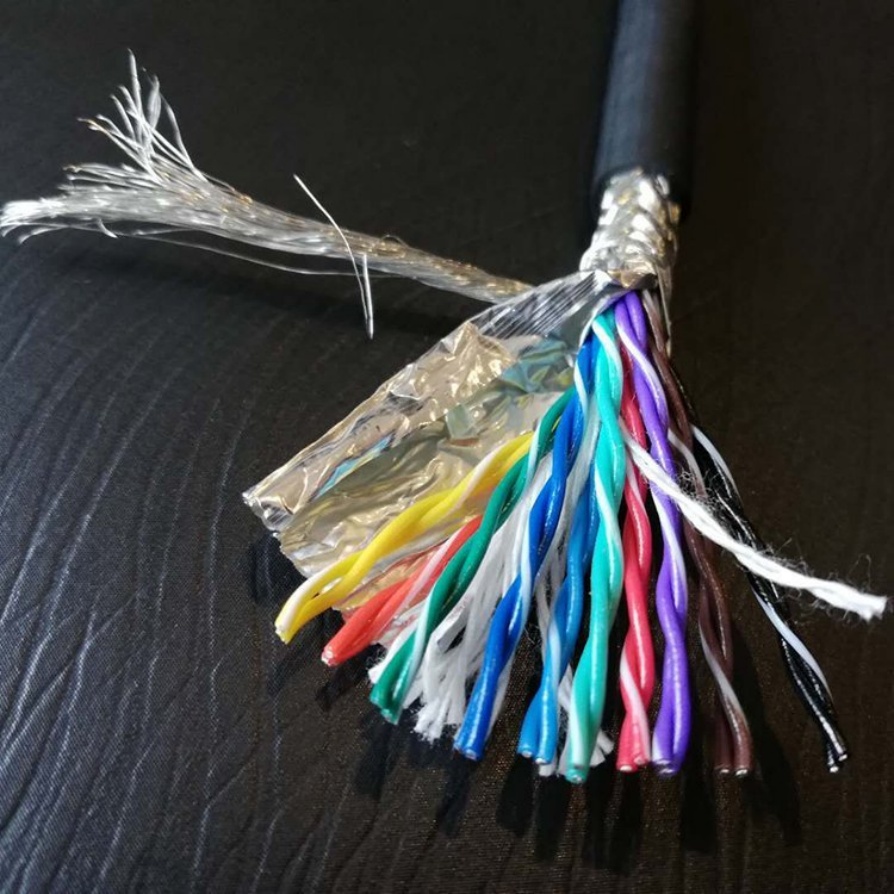
If signal integrity issues are found, check the cable’s shielding (ensure it’s properly grounded) or verify that the cable is rated for the signal’s frequency. In some cases, using a twisted-pair or shielded cable may be necessary to reduce interference.
Step 7: Environmental and Mechanical Stress Testing (Optional but Recommended)
For machine cable assemblies used in harsh environments (e.g., high temperatures, humidity, vibration, or chemical exposure), optional environmental and mechanical stress testing can simulate real-world conditions and ensure long-term reliability. Examples of these tests include:
- Thermal Cycling: Expose the cable to extreme temperature changes (e.g., -40°C to 85°C) to test insulation flexibility and conductor integrity.
- Vibration Testing: Mount the cable on a vibration table and subject it to frequencies and amplitudes similar to its operational environment. Check for loose connectors or conductor damage after testing.
- Chemical Resistance Testing: Expose the cable to oils, solvents, or other chemicals present in the application to ensure the jacket/insulation doesn’t degrade.
While these tests are more time-consuming, they’re invaluable for critical applications where downtime is particularly costly.
Documentation and Follow-Up for Machine Cable Assemblies
After completing all tests, document the results thoroughly. Include the date of testing, the type of tests performed, equipment used, test readings, and any issues found and resolved. This documentation serves as a record for future maintenance, troubleshooting, and compliance audits. It also helps identify patterns—for example, if multiple assemblies from the same batch have insulation issues, it may indicate a manufacturing problem.
Additionally, establish a regular testing schedule for machine cable assemblies. Even after successful post-installation testing, cables can degrade over time due to wear and tear, environmental factors, or operational stress. Periodic testing (e.g., quarterly or annually, depending on the application) ensures ongoing reliability and allows for proactive replacement before failures occur.
Why Choose FRS for Your Machine Cable Assemblies
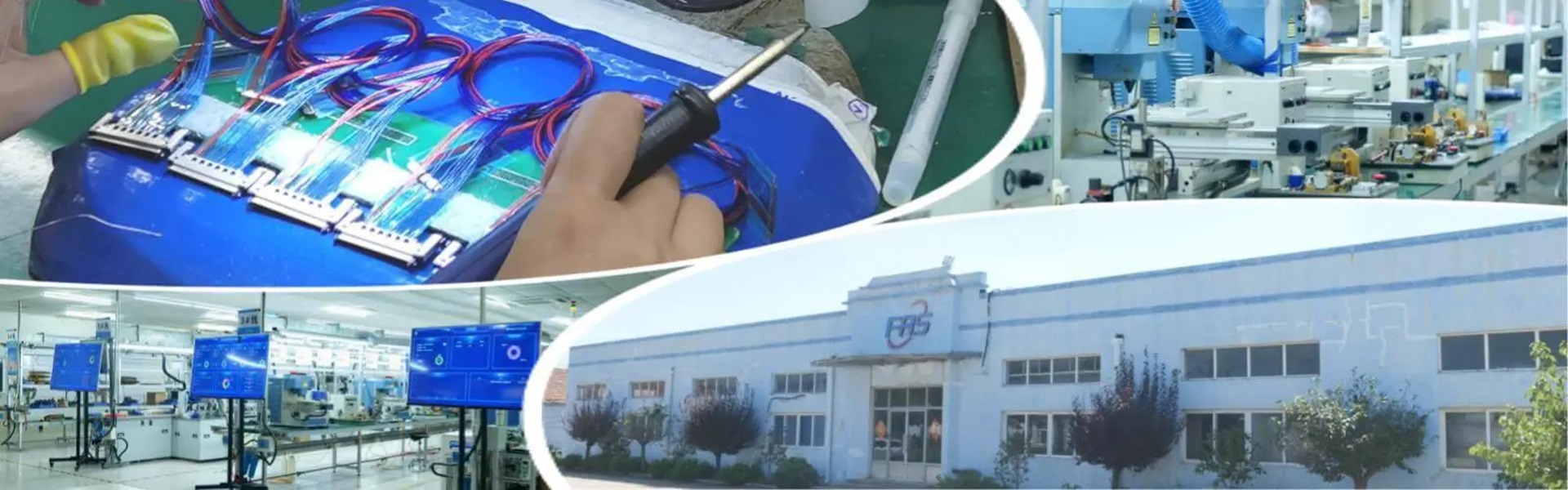
When it comes to machine cable assemblies, the quality of the product itself is the foundation of reliable performance—even the most thorough post-installation testing can’t compensate for a poorly manufactured assembly. That’s where FRS comes in. As a leading manufacturer of machine cable assemblies, FRS is committed to delivering high-quality, durable solutions that meet the rigorous demands of industrial applications.
FRS machine cable assemblies are engineered with precision, using premium materials such as high-grade conductors, flame-retardant insulation, and rugged jackets that resist abrasion, moisture, and chemicals. Each assembly undergoes strict quality control checks during manufacturing—including continuity, insulation resistance, and signal integrity testing—ensuring it meets or exceeds industry standards before it even reaches your facility. This attention to detail reduces the risk of post-installation issues, saving you time and money on testing and troubleshooting.
Whether you need standard machine cable assemblies or custom solutions tailored to your specific application (e.g., high-temperature, high-vibration, or high-speed data transmission), FRS has the expertise and capabilities to deliver. Our team of engineers works closely with customers to understand their unique requirements, designing assemblies that optimize performance and reliability. Plus, with our commitment to on-time delivery and competitive pricing, FRS is your trusted partner for all your machine cable assembly needs.
Invest in machine cable assemblies that you can count on—choose FRS. With FRS, you’re not just getting a product; you’re getting a solution that’s built to last, backed by quality, expertise, and exceptional customer service.