Durable Machine Cable Assemblies: The Backbone of Reliable Industrial...
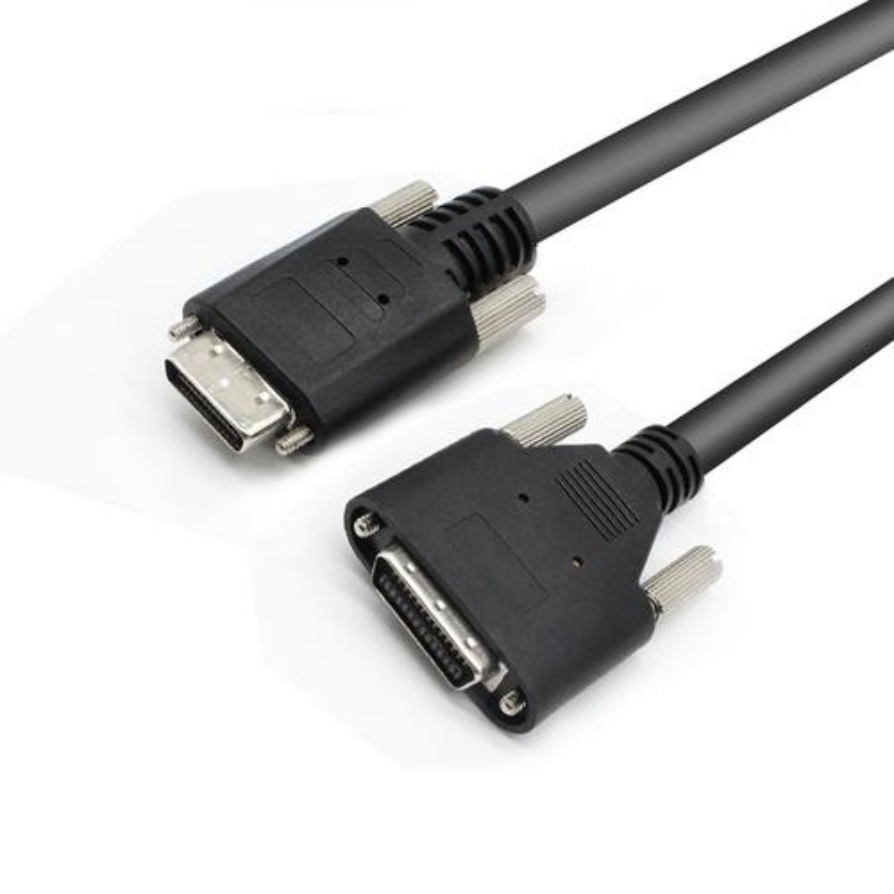
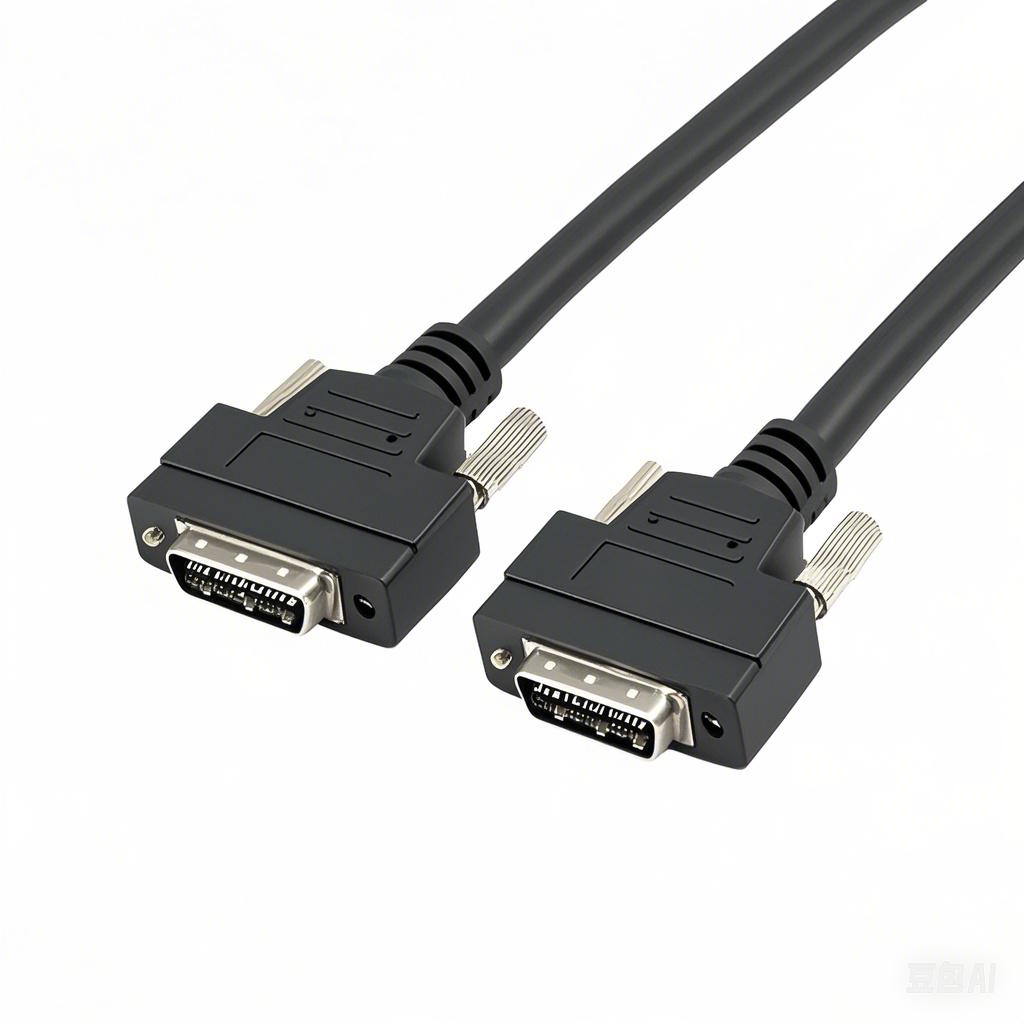
In the complex ecosystem of industrial machinery, every component plays a critical role in ensuring seamless performance, but few are as foundational as durable machine cable assemblies. These specialized cable assemblies serve as the lifelines of countless industrial applications, transmitting power, data, and control signals between machines, sensors, and control systems with unwavering consistency. Unlike standard cables, machine cable assemblies are engineered to withstand the harshest operating environments—from extreme temperatures and relentless vibration to exposure to chemicals, moisture, and physical abrasion. Their durability isn’t just a desirable feature; it’s a non-negotiable requirement that directly impacts operational uptime, safety, and the bottom line of businesses across sectors.
Imagine a manufacturing plant where production lines run 24/7, or a renewable energy facility where wind turbines operate in gusty, freezing conditions, or a medical device manufacturer that relies on precision equipment for life-saving procedures. In each of these scenarios, a single cable failure could lead to costly downtime, compromised safety, or even regulatory violations. This is why investing in high-quality, durable machine cable assemblies is not an expense but a strategic investment. Businesses that prioritize durability in their cable assemblies reduce maintenance costs, minimize production disruptions, and extend the lifespan of their equipment—ultimately gaining a competitive edge in today’s fast-paced industrial landscape.
What Defines Truly Durable Machine Cable Assemblies?
Durability in machine cable assemblies is the result of deliberate engineering choices, premium materials, and rigorous testing. It’s not a one-size-fits-all attribute; instead, it’s tailored to the specific demands of the application. Below are the key factors that distinguish durable machine cable assemblies from their inferior counterparts:
1. Robust Material Selection
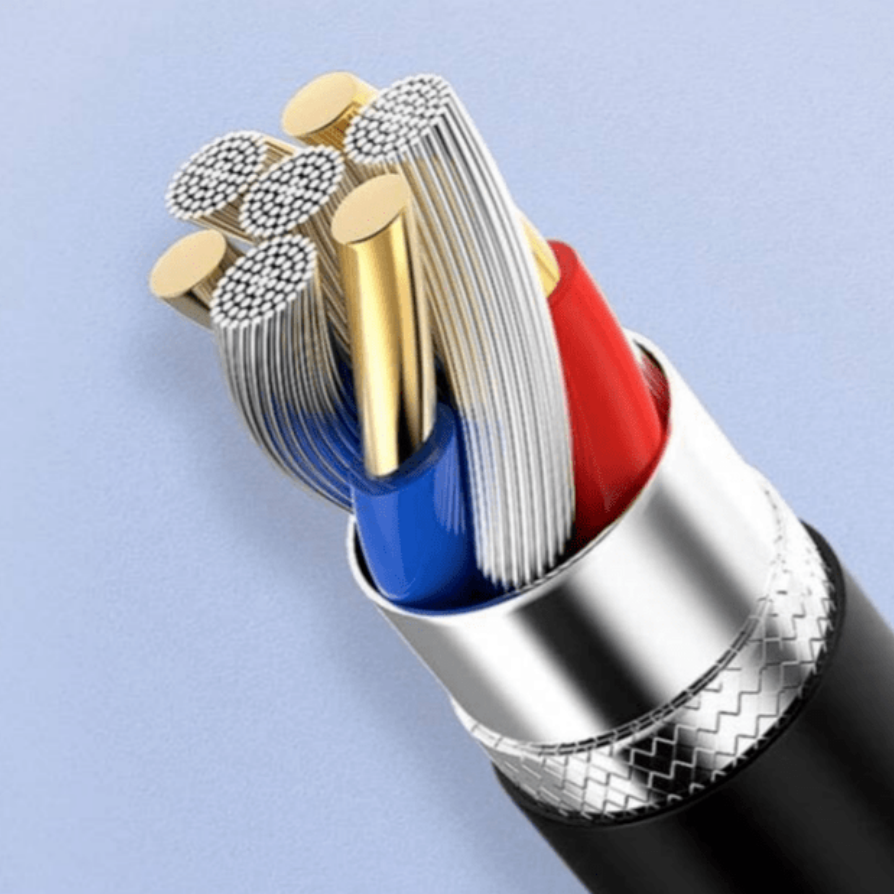
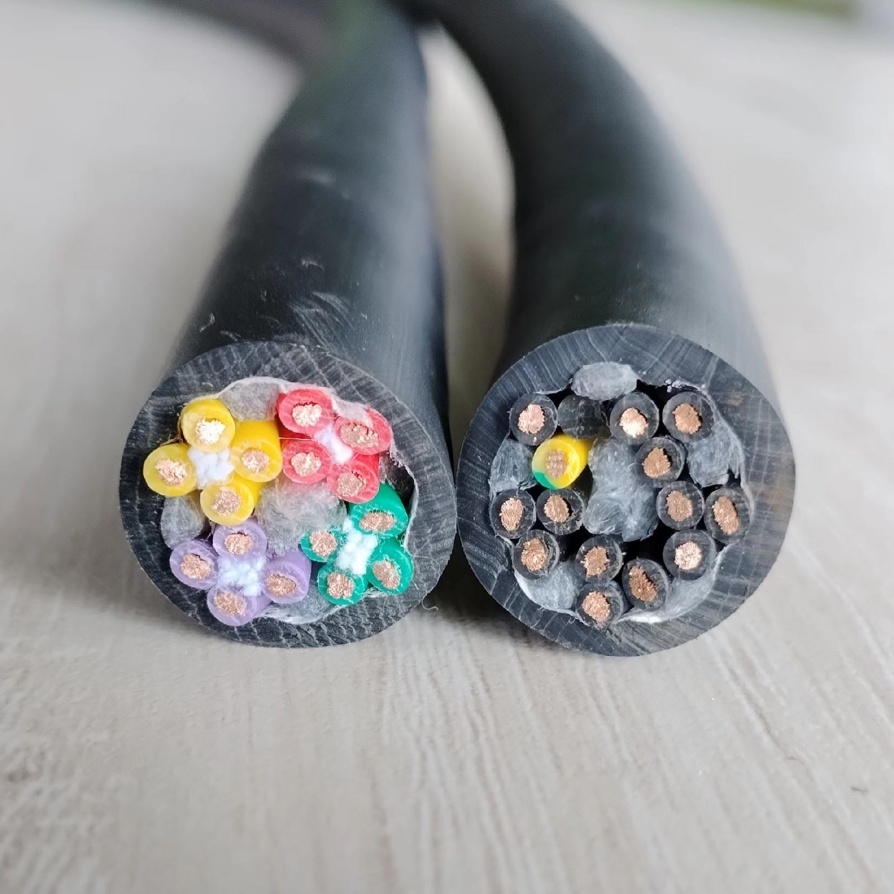
The foundation of a durable cable assembly lies in the materials used for its conductors, insulation, shielding, and jacket. Conductors, typically made of high-purity copper or copper alloys, must offer excellent electrical conductivity while resisting corrosion and fatigue. Stranded conductors are often preferred over solid ones because they provide greater flexibility, making them less prone to breaking under repeated bending or vibration— a common issue in moving machinery parts like robotic arms or conveyor systems.
Insulation materials are equally critical. Options like cross-linked polyethylene (XLPE), polyvinyl chloride (PVC), and fluoropolymers (such as PTFE) are chosen based on the application’s temperature range, chemical exposure, and electrical requirements. For example, XLPE insulation excels in high-temperature environments up to 150°C, while PTFE offers superior chemical resistance, making it ideal for industrial settings where oils, solvents, or acids are present. The jacket, the outermost layer of the cable assembly, acts as the first line of defense against physical damage, moisture, and UV radiation. Materials like polyurethane (PU) are popular for their exceptional abrasion resistance, while neoprene provides excellent flexibility in cold temperatures.
2. Advanced Shielding Technologies
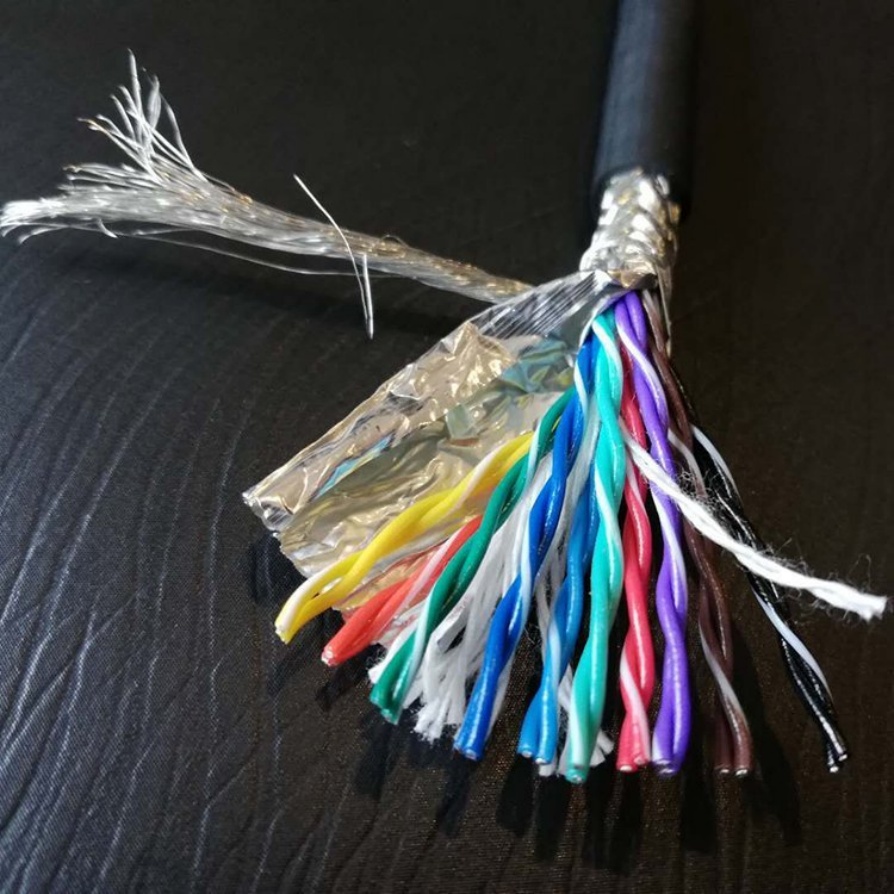
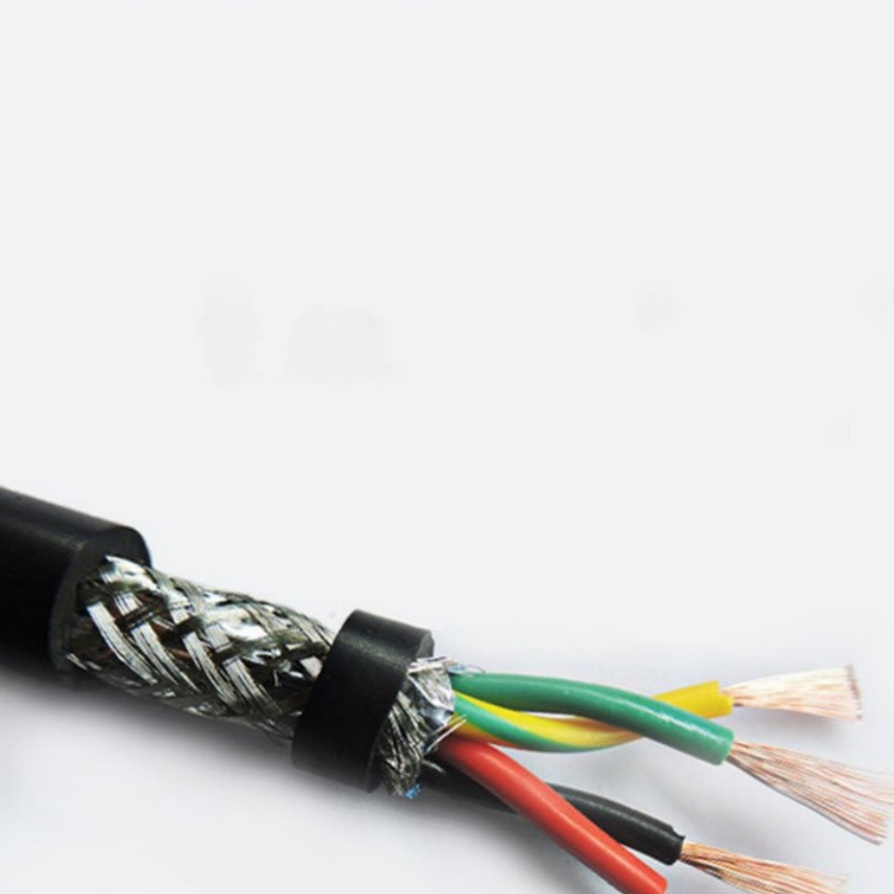
In industrial environments, electromagnetic interference (EMI) and radio frequency interference (RFI) are constant threats that can disrupt signal transmission, leading to inaccurate data readings or equipment malfunctions. Durable machine cable assemblies incorporate advanced shielding technologies to mitigate these risks. Common shielding options include braided shielding (made of copper or aluminum), foil shielding (aluminum-polyester laminates), or a combination of both (foil + braid). Braided shielding offers superior EMI/RFI protection and mechanical strength, while foil shielding provides 100% coverage, making it ideal for high-frequency applications. The choice of shielding depends on the level of interference in the environment—for example, in power generation facilities with high-voltage equipment, double-shielded cable assemblies may be necessary to ensure signal integrity.
3. Precision Termination and Assembly
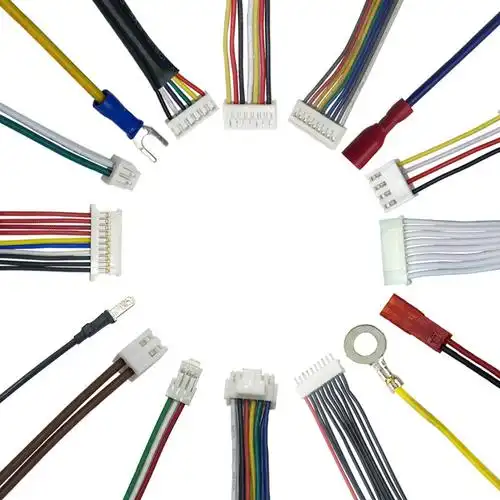
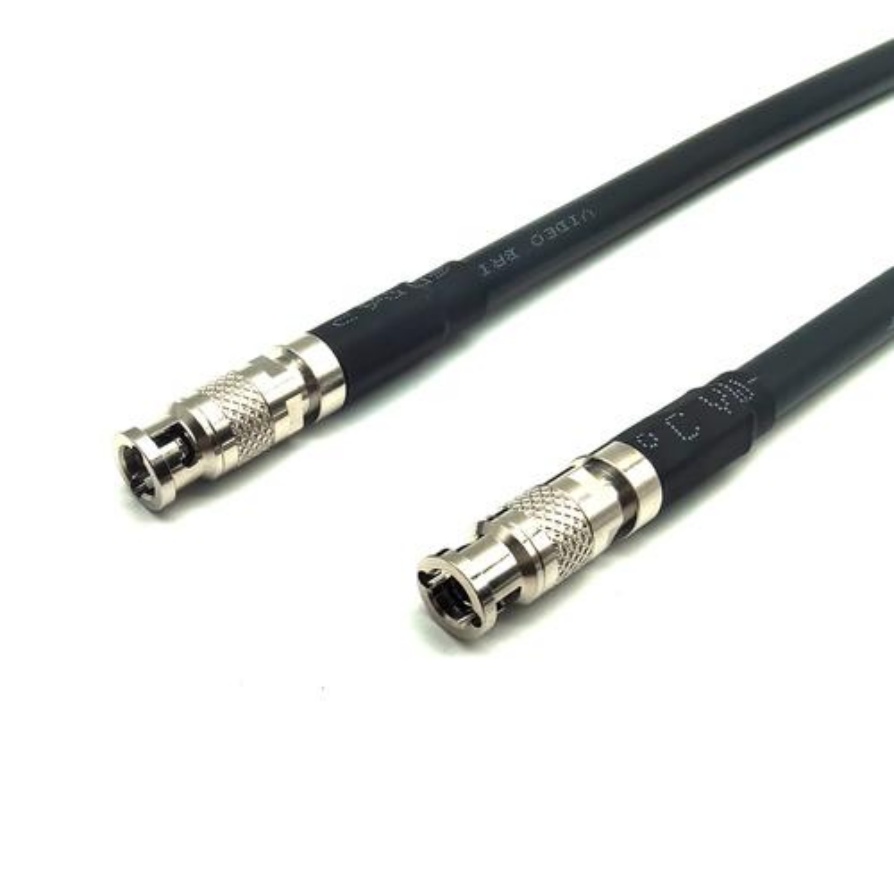
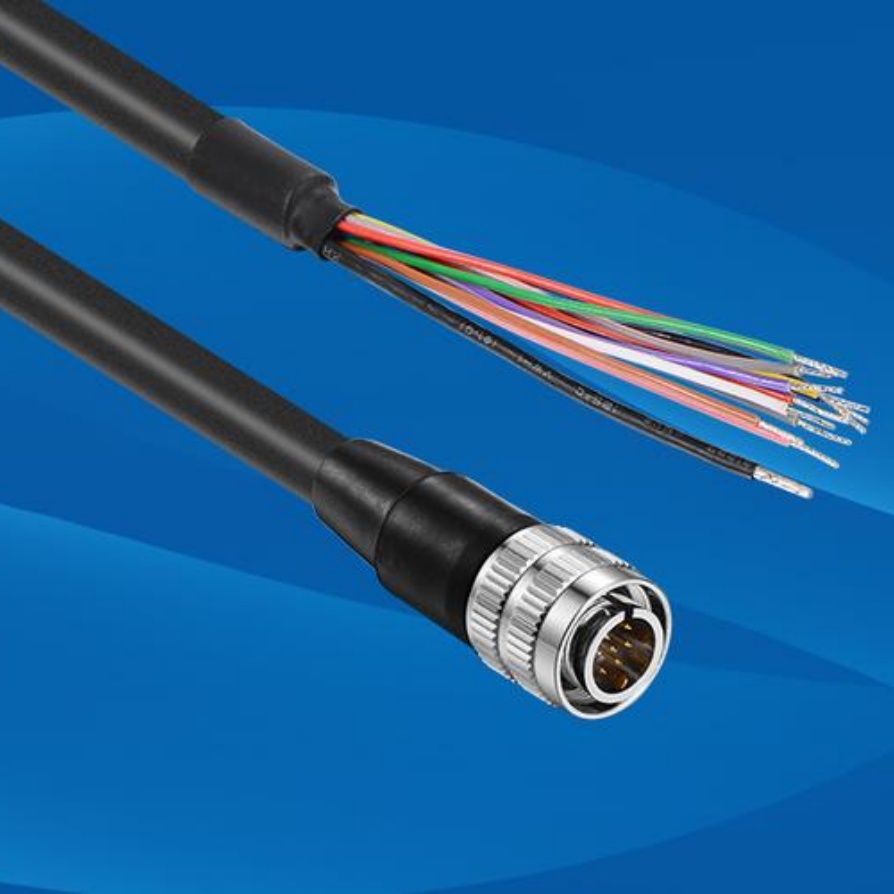
Even the highest-quality materials can fail if the cable assembly is poorly terminated. Durable machine cable assemblies undergo precision termination processes, where connectors are attached to the cables with strict adherence to industry standards. Techniques like crimping, soldering, or insulation displacement contact (IDC) are used, depending on the connector type and application. Crimping, when done correctly with calibrated tools, creates a gas-tight seal that resists vibration and moisture, ensuring a reliable electrical connection for years. Additionally, strain relief features—such as booties or overmolding—are integrated into the assembly to prevent the cable from pulling away from the connector, a common failure point in high-flex applications.
4. Rigorous Testing and Quality Control
True durability can only be verified through rigorous testing. Reputable manufacturers subject their machine cable assemblies to a battery of tests to ensure they meet or exceed industry standards (such as IEC, UL, or CSA). These tests include:
- Temperature cycling: Exposing the cable assembly to extreme hot and cold temperatures to test for insulation cracking or conductor fatigue.
- Vibration testing: Subjecting the assembly to simulated industrial vibration levels to ensure connectors remain secure and conductors don’t break.
- Abrasion resistance testing: Rubbing the cable jacket against rough surfaces to measure its durability against physical wear.
- Chemical resistance testing: Immersing the assembly in common industrial chemicals to check for jacket or insulation degradation.
- Electrical performance testing: Measuring resistance, capacitance, and signal integrity to ensure consistent electrical transmission.
Only cable assemblies that pass these stringent tests can be considered truly durable, as they’ve proven their ability to withstand the real-world challenges of industrial operations.
Applications of Durable Machine Cable Assemblies Across Industries
The demand for durable machine cable assemblies spans virtually every industrial sector, as each industry relies on machinery that requires reliable power and signal transmission. Below are some of the key industries where these cable assemblies are indispensable:
1. Manufacturing and Automation
In manufacturing facilities, automated production lines, robotic arms, and CNC machines depend on durable cable assemblies to function with precision. These environments are characterized by constant movement, vibration, and exposure to coolants, oils, and metal shavings. Cable assemblies used here must be flexible enough to handle repeated bending (often millions of cycles) and resistant to abrasion and chemical damage. For example, robotic welding stations require cable assemblies that can withstand high temperatures from the welding process and resist spatter, while conveyor systems need assemblies that can endure continuous vibration without signal loss.
2. Renewable Energy
The renewable energy sector—including wind, solar, and hydroelectric power—poses unique challenges for cable assemblies. Wind turbines, for instance, operate in remote locations with extreme weather conditions: freezing temperatures, high winds, and UV exposure. Cable assemblies in wind turbines must be durable enough to withstand these elements while transmitting power from the generator to the grid and carrying control signals between the turbine’s components. Solar farms, on the other hand, require cable assemblies that can resist UV radiation and high temperatures, as they’re often installed outdoors in direct sunlight. Durable cable assemblies in renewable energy applications not only ensure consistent power generation but also reduce the need for costly maintenance in hard-to-reach locations.
3. Medical Devices
In the medical industry, durability is tied to patient safety. Medical devices such as MRI machines, surgical robots, and patient monitors rely on cable assemblies to transmit sensitive data and power. These assemblies must meet strict regulatory standards (such as ISO 13485) and be resistant to sterilization processes—including autoclaving, ethylene oxide (EtO) sterilization, and chemical disinfection. Additionally, they must be flexible to allow for easy maneuvering of medical equipment while maintaining signal integrity, as any disruption could compromise patient care. Durable cable assemblies in medical devices are designed to withstand repeated sterilization cycles without degradation, ensuring long-term reliability.
4. Automotive and Transportation
The automotive and transportation industry—from electric vehicles (EVs) to heavy-duty trucks and rail systems—requires cable assemblies that can endure harsh conditions. EV batteries, for example, generate high levels of heat, so cable assemblies must be rated for high temperatures and resistant to flame. Heavy-duty trucks operating on rough terrain face constant vibration and exposure to road salts and chemicals, so their cable assemblies must be abrasion-resistant and corrosion-proof. Rail systems, meanwhile, require cable assemblies that can withstand extreme temperature fluctuations (from freezing winters to hot summers) and electromagnetic interference from nearby power lines. Durable cable assemblies in transportation applications contribute to vehicle safety, performance, and longevity.
The Cost of Cutting Corners on Durability
Some businesses may be tempted to opt for cheaper, less durable machine cable assemblies to reduce upfront costs, but this decision often leads to significant long-term expenses. A single cable failure in a manufacturing plant can result in hours or even days of downtime, costing thousands of dollars in lost production. For example, a automotive assembly line that halts due to a cable failure could lose $50,000 or more per hour. Additionally, frequent cable replacements add to maintenance costs, and the labor required to install new assemblies further eats into profits.
Safety is another critical concern. In industries like oil and gas or power generation, a faulty cable assembly could spark a fire or cause an electrical shock, putting workers at risk and leading to regulatory fines. Even in less hazardous sectors, equipment damage caused by cable failures can be expensive to repair or replace. When compared to these potential costs, investing in durable machine cable assemblies is clearly the more cost-effective choice.
Why FRS Is Your Trusted Partner for Durable Machine Cable Assemblies
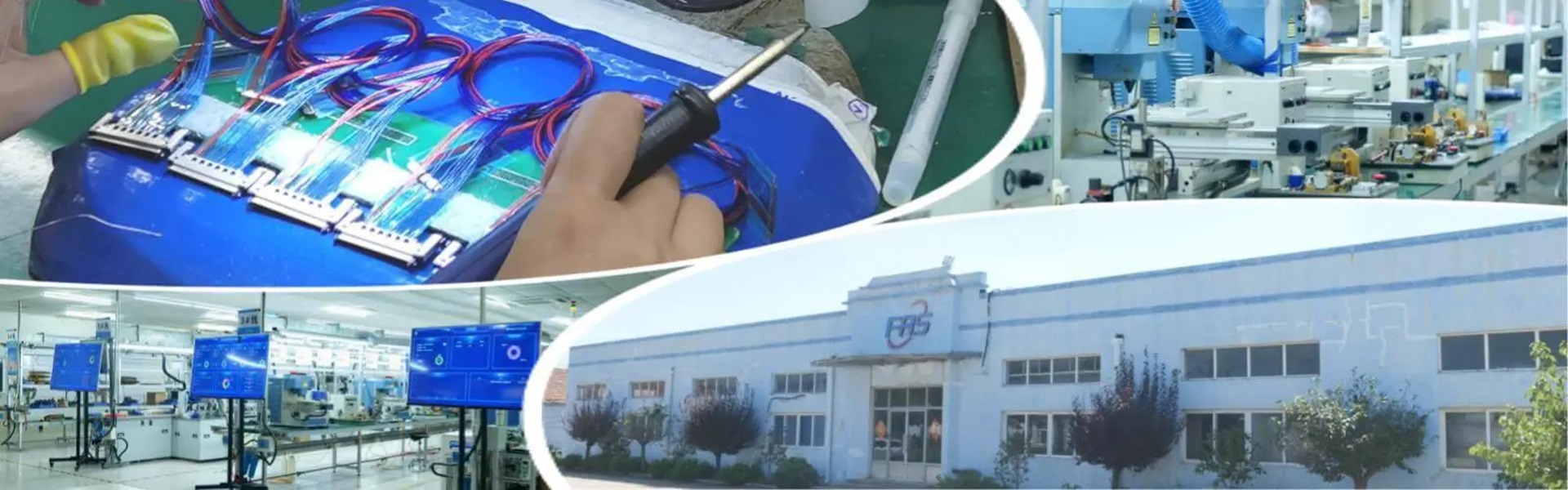
When it comes to durable machine cable assemblies, FRS stands out as a leading manufacturer dedicated to engineering solutions that exceed industry standards and customer expectations. For over a decade, FRS has specialized in designing and producing custom machine cable assemblies tailored to the unique needs of diverse industries—from manufacturing and renewable energy to medical devices and transportation.
At FRS, durability is embedded in every step of our production process. We start with the selection of premium materials, sourcing high-purity copper conductors, industrial-grade insulation, and abrasion-resistant jackets from trusted global suppliers. Our engineering team works closely with customers to understand their application requirements, recommending the optimal shielding, termination, and strain relief solutions to ensure maximum durability. We utilize state-of-the-art manufacturing equipment, including precision crimping tools and automated testing systems, to ensure consistent quality across every batch.
What truly sets FRS apart is our commitment to rigorous testing. Every cable assembly we produce undergoes a comprehensive suite of tests—including temperature cycling, vibration testing, abrasion resistance, and electrical performance—to ensure it can withstand the harshest operating conditions. We don’t just meet industry standards; we strive to exceed them, giving our customers the confidence that their cable assemblies will perform reliably, even in the most demanding environments.
Whether you need a standard cable assembly or a custom solution for a unique application, FRS has the expertise, experience, and technology to deliver. Our team of engineers and customer service professionals is dedicated to providing personalized support, from initial design to final delivery, ensuring that you get the right cable assembly for your needs. With FRS, you’re not just buying a product—you’re investing in a partnership that prioritizes your operational success.
Don’t let cable failures compromise your productivity, safety, or bottom line. Choose FRS for durable machine cable assemblies that deliver consistent performance, long-term reliability, and exceptional value. Contact FRS today to learn how we can tailor a cable assembly solution to meet your specific requirements.