Small-Diameter Machine Cable Assemblies: The Ultimate Guide for Preci...
In the world of industrial machinery and precision engineering, the demand for compact, high-performance components has never been greater. Among these critical components, small-diameter machine cable assemblies stand out as unsung heroes, enabling the seamless operation of everything from medical devices to automated manufacturing systems. These specialized cable assemblies, typically defined by an outer diameter of less than 0.25 inches (6.35 mm), are engineered to deliver reliable signal transmission, power distribution, and mechanical flexibility in spaces where standard-sized cables simply cannot fit. As industries continue to push toward miniaturization and higher efficiency, understanding the nuances of small-diameter machine cable assemblies—their design, benefits, applications, and selection criteria—becomes essential for engineers, procurement managers, and technical decision-makers alike.
What Are Small-Diameter Machine Cable Assemblies?
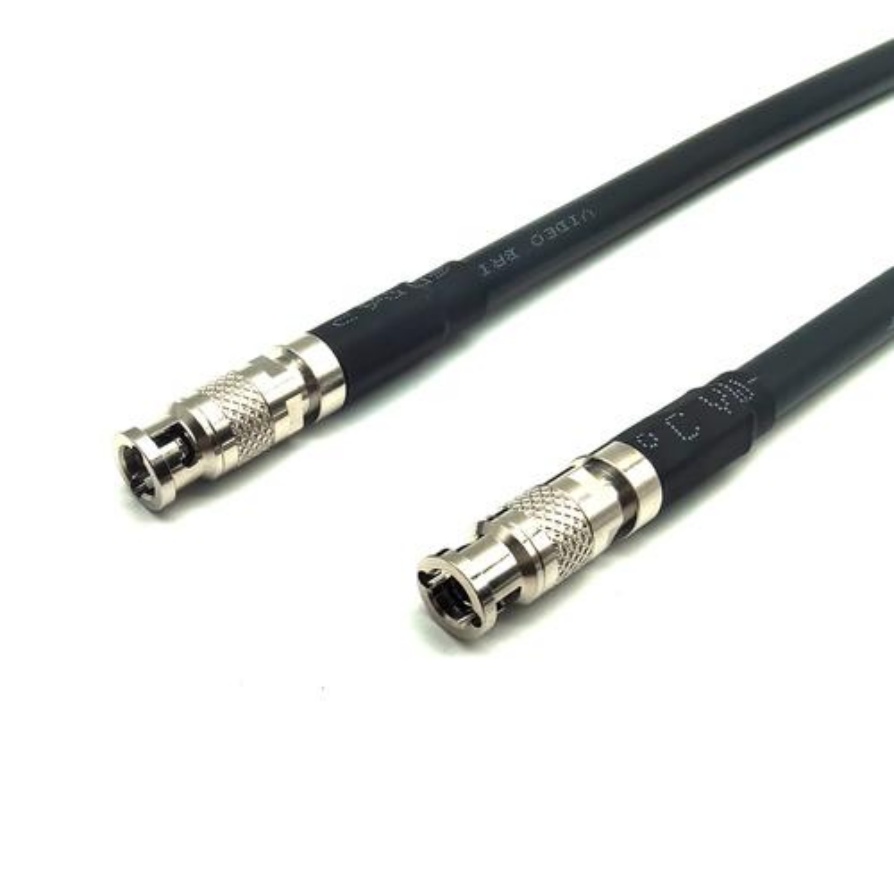
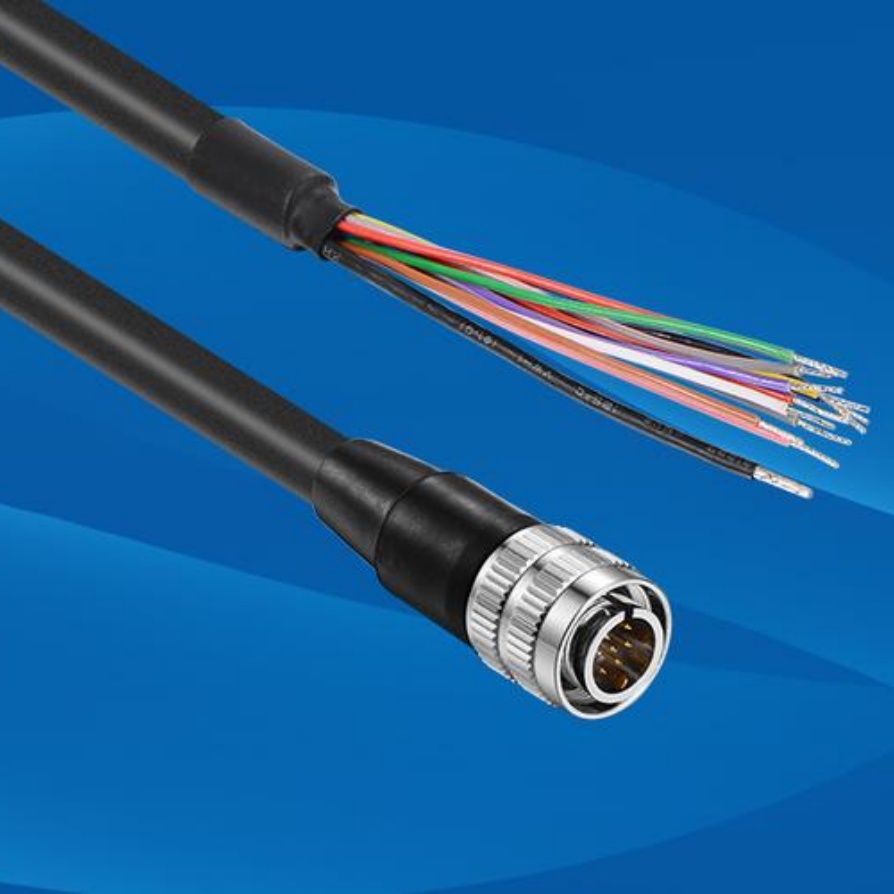
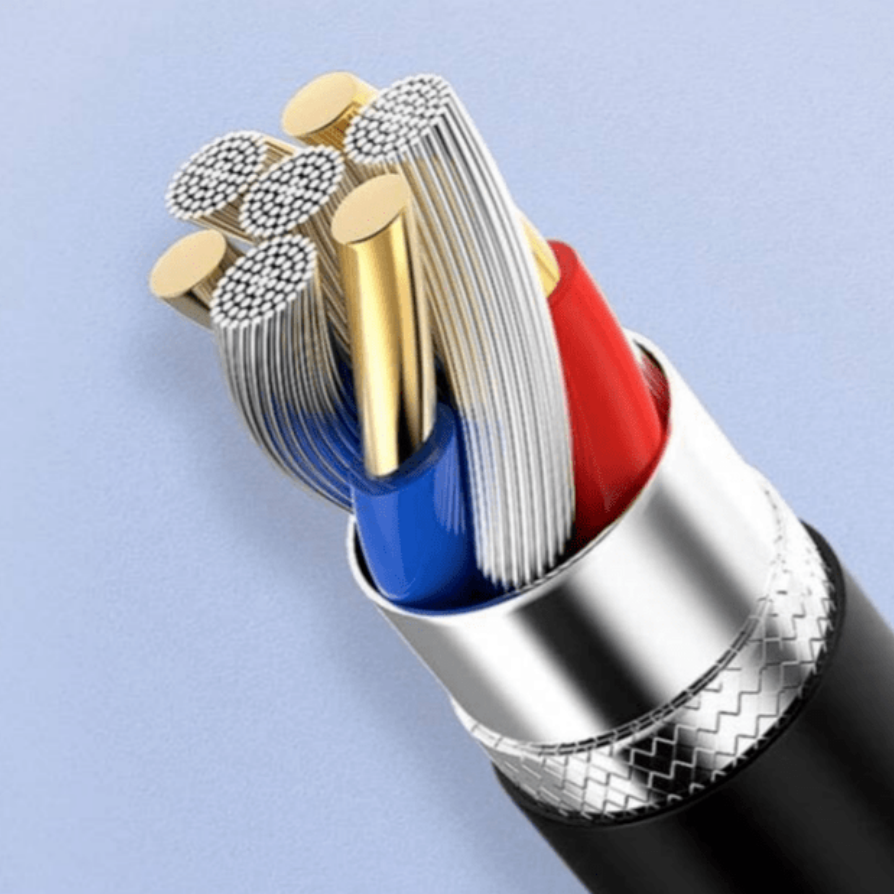
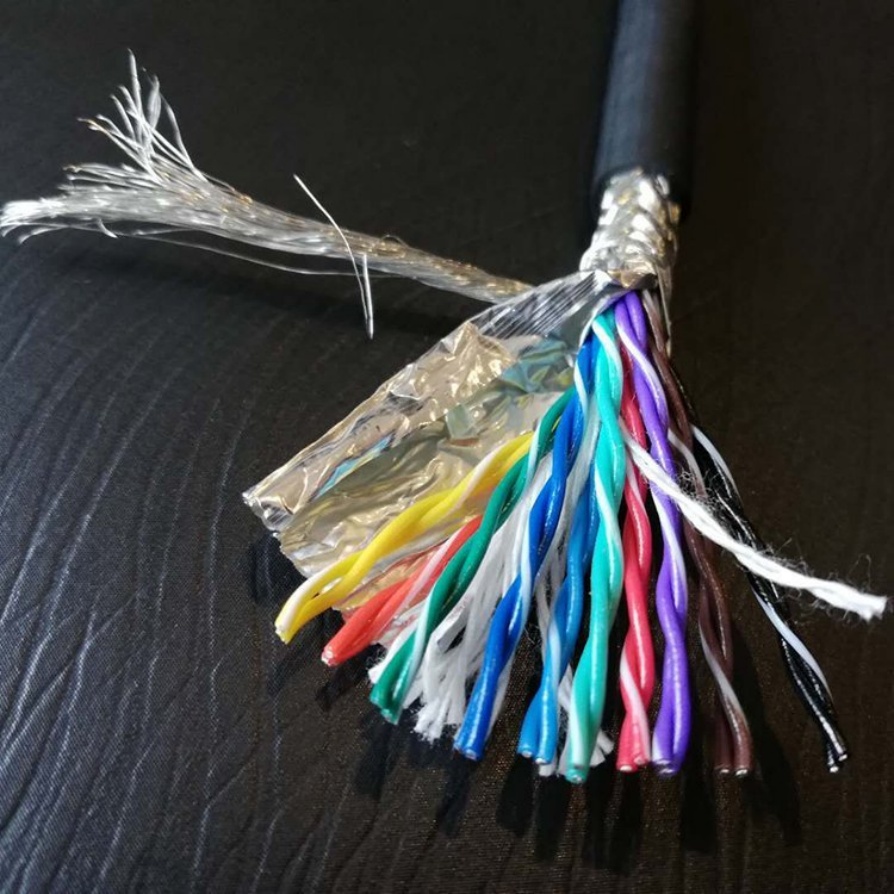
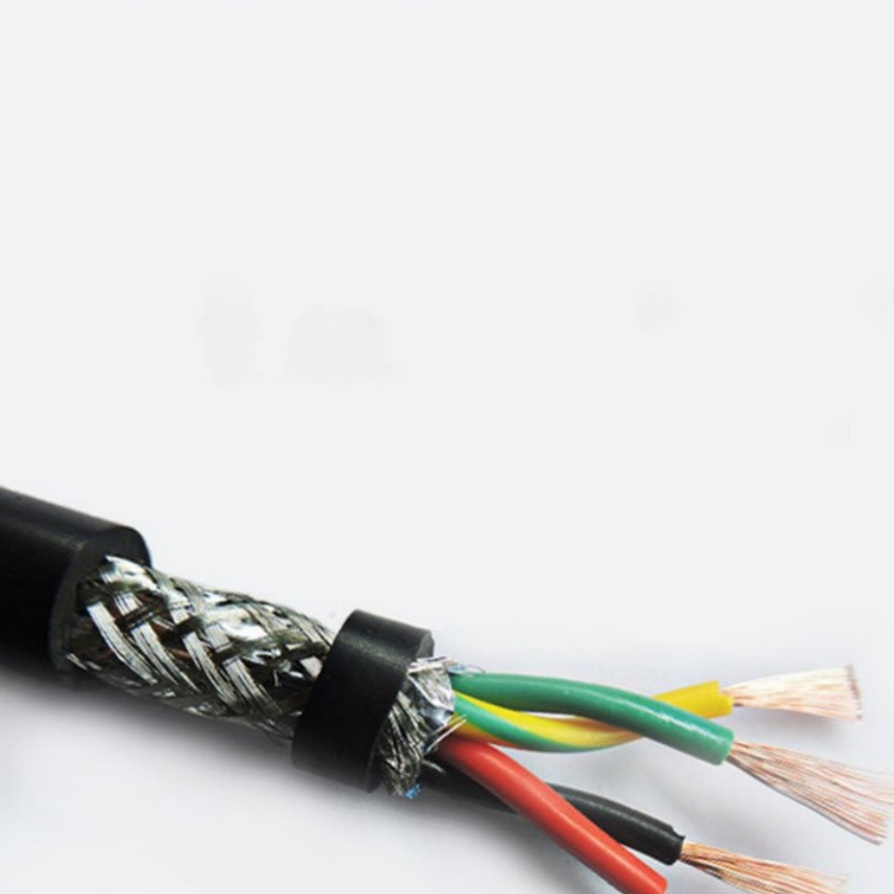
Small-diameter machine cable assemblies are integrated units consisting of thin-gauge conductors, insulating materials, shielding layers (when required), and protective jackets, all terminated with connectors suitable for industrial use. Unlike standard cables, which prioritize robustness over size, these assemblies are optimized for space-constrained environments without compromising on performance or durability.
The key defining feature is their outer diameter, which typically ranges from 0.05 inches (1.27 mm) to 0.25 inches (6.35 mm). This compact profile allows them to be routed through tight channels, inside small enclosures, or alongside delicate components where larger cables would cause interference or mechanical stress. Despite their small size, modern small-diameter machine cable assemblies are designed to meet rigorous industry standards for temperature resistance, chemical compatibility, and electrical performance, making them suitable for even the most demanding industrial applications.
Key Features and Benefits of Small-Diameter Machine Cable Assemblies
The popularity of small-diameter machine cable assemblies stems from their unique combination of size, performance, and reliability. Below are the most notable features and the benefits they deliver to end-users:
1. Exceptional Space Efficiency
The primary advantage of small-diameter cable assemblies is their ability to fit into tight spaces. In applications such as robotic arms, where cables must bend and flex within narrow joint cavities, or in medical devices like endoscopic tools, where every millimeter of space is critical, these assemblies eliminate the need for bulky cable management systems. This space efficiency not only reduces the overall size of the equipment but also minimizes the risk of cable tangling or damage caused by friction with adjacent components.
2. High Flexibility and Durability
Small-diameter cables are often constructed with stranded conductors (rather than solid conductors) and flexible insulating materials like PTFE (polytetrafluoroethylene) or FEP (fluorinated ethylene propylene). This design allows them to withstand repeated bending, twisting, and flexing without breaking or losing electrical performance. For example, in automated assembly lines where machines operate 24/7, small-diameter machine cable assemblies can endure millions of flex cycles, reducing downtime and maintenance costs compared to less flexible alternatives.
3. Reliable Electrical Performance
Despite their thin profile, these cable assemblies are engineered to deliver consistent signal integrity and power transmission. Many models include shielding layers (such as braided copper or foil shielding) to protect against electromagnetic interference (EMI) and radio frequency interference (RFI)—critical in industries like aerospace, where sensitive electronic components rely on noise-free signals. Additionally, high-quality insulation materials ensure low dielectric loss and stable electrical properties across a wide temperature range (-65°C to 200°C or higher, depending on the material), making them suitable for extreme environments.
4. Chemical and Environmental Resistance
Industrial environments often expose cables to harsh chemicals, oils, solvents, and moisture. Small-diameter machine cable assemblies are typically jacketed with materials like polyurethane (PU) or PEEK (polyether ether ketone), which offer excellent resistance to these substances. This chemical inertness ensures that the cables maintain their structural integrity and performance even in settings such as automotive manufacturing plants, where exposure to lubricants and cleaning agents is common, or in food processing facilities, where hygiene and resistance to sanitizing solutions are essential.
5. Customization Capabilities
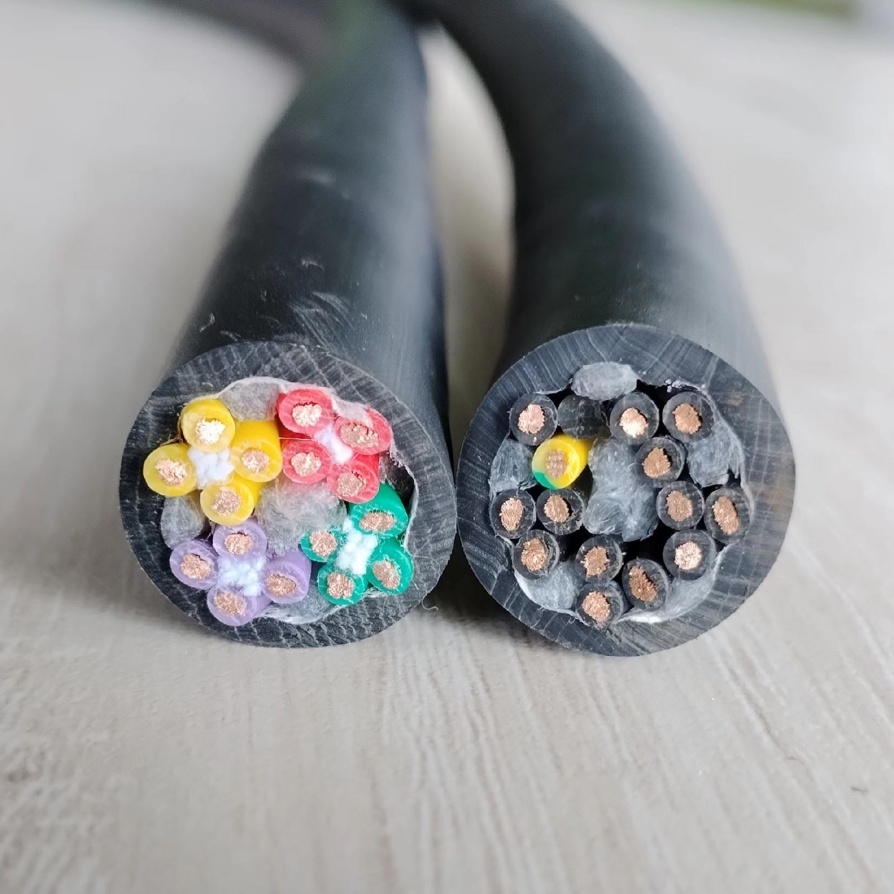
Every industrial application has unique requirements, and small-diameter machine cable assemblies can be highly customized to meet specific needs. Manufacturers can adjust factors such as conductor count (from 1 to 50+), conductor gauge (typically 24 AWG to 36 AWG), shielding type, jacket material, and connector type (e.g., Micro-D, M8/M12, or custom connectors). This level of customization ensures that the cable assembly integrates seamlessly with existing equipment, reducing installation time and improving overall system reliability.
Applications of Small-Diameter Machine Cable Assemblies
The versatility of small-diameter machine cable assemblies makes them indispensable across a wide range of industries. Below are some of the most common applications where these components play a critical role:
1. Medical Devices
The medical industry relies heavily on small-diameter cable assemblies for devices such as diagnostic equipment (e.g., MRI machines, ultrasound probes), surgical tools (e.g., laparoscopic instruments), and patient monitoring systems. These cables must be compact to fit inside minimally invasive tools, flexible to allow precise movement, and biocompatible to ensure patient safety. Additionally, they often require shielding to prevent interference with sensitive medical electronics.
2. Aerospace and Defense
In aerospace and defense applications, weight and space are at a premium. Small-diameter cable assemblies are used in aircraft avionics, satellite systems, and military communication devices. They must withstand extreme temperatures, vibration, and radiation while maintaining reliable performance. For example, in unmanned aerial vehicles (UAVs), these cables transmit data between sensors and the flight controller, enabling precise navigation and mission execution.
3. Industrial Automation and Robotics
Industrial automation systems, including robotic arms, conveyor belts, and pick-and-place machines, depend on small-diameter cable assemblies to transmit power and control signals between components. The cables must be flexible enough to handle the constant movement of robotic joints and durable enough to withstand the rigors of factory environments. In smart factories, where IoT (Internet of Things) devices are prevalent, these assemblies also facilitate data transfer between sensors and central control systems, enabling real-time monitoring and process optimization.
4. Electronics and Consumer Devices
Consumer electronics such as smartphones, laptops, and wearable devices (e.g., smartwatches) use small-diameter cables for internal connections between components like batteries, displays, and microchips. While these are often referred to as “internal cables,” they share the same core characteristics as industrial small-diameter machine cable assemblies—compact size, high flexibility, and reliable performance. In addition, industrial-grade small-diameter cables are used in electronic test equipment, where precision signal transmission is essential for accurate measurements.
5. Automotive Electronics
Modern automobiles are equipped with an increasing number of electronic systems, from infotainment and navigation to advanced driver-assistance systems (ADAS). Small-diameter cable assemblies are used to connect these systems, as they can be routed through the tight spaces between the car’s body panels and components. They must withstand high temperatures under the hood, exposure to automotive fluids, and vibration while maintaining signal integrity—critical for the safe operation of ADAS features like lane-keeping assist and adaptive cruise control.
Factors to Consider When Selecting Small-Diameter Machine Cable Assemblies
Choosing the right small-diameter machine cable assembly for your application requires careful consideration of several key factors. Below is a checklist to help you make an informed decision:
- Application Requirements: Start by defining the specific needs of your application, including the type of signal (power, data, or both) to be transmitted, the required voltage and current ratings, and the operating environment (temperature, humidity, chemical exposure, vibration).
- Conductor Specifications: Select the appropriate conductor count and gauge based on the number of signals to be transmitted and the current requirements. Stranded conductors are preferred for flexible applications, while solid conductors may be used for fixed installations where flexibility is not a concern.
- Insulation and Jacket Materials: Choose insulation and jacket materials that are compatible with the operating environment. For high-temperature applications, PTFE or FEP are ideal, while PU or PVC may be suitable for milder environments. Ensure the materials meet industry standards for flame resistance and chemical compatibility.
- Shielding: Determine if shielding is necessary to protect against EMI/RFI. Braided shielding offers better flexibility and coverage, while foil shielding is more compact and cost-effective. For extreme noise environments, a combination of braided and foil shielding (double shielding) may be required.
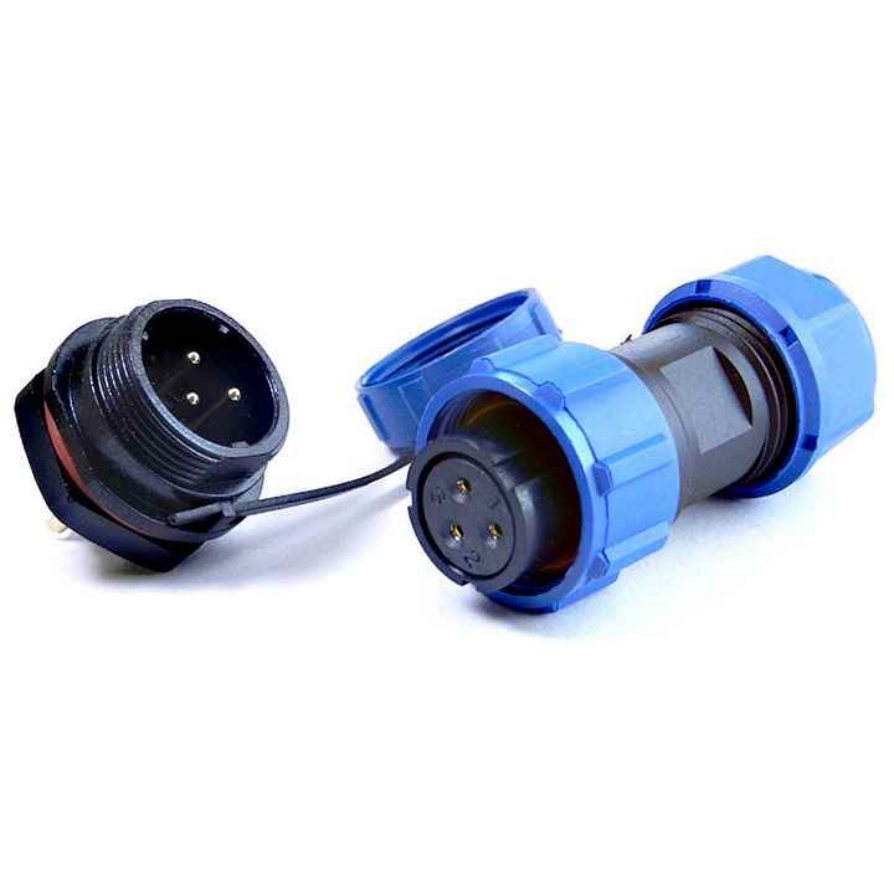
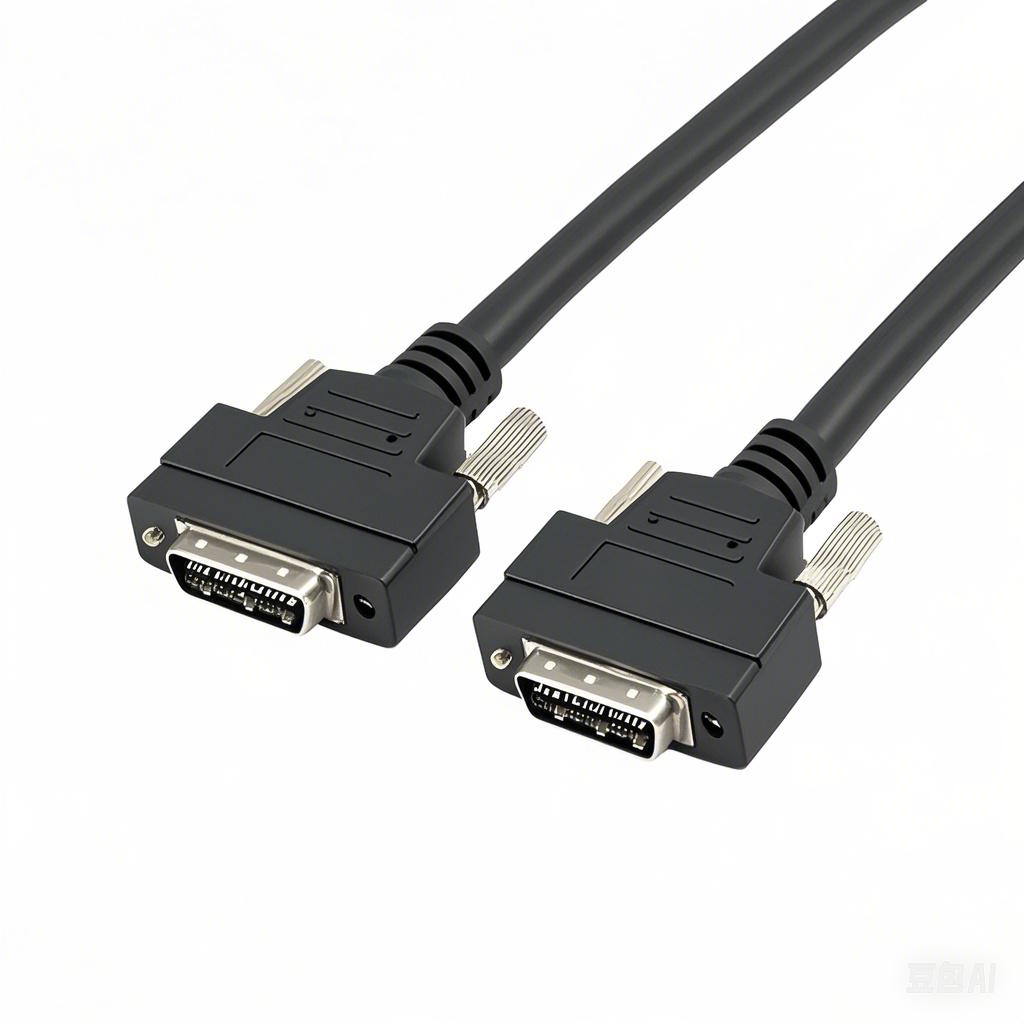
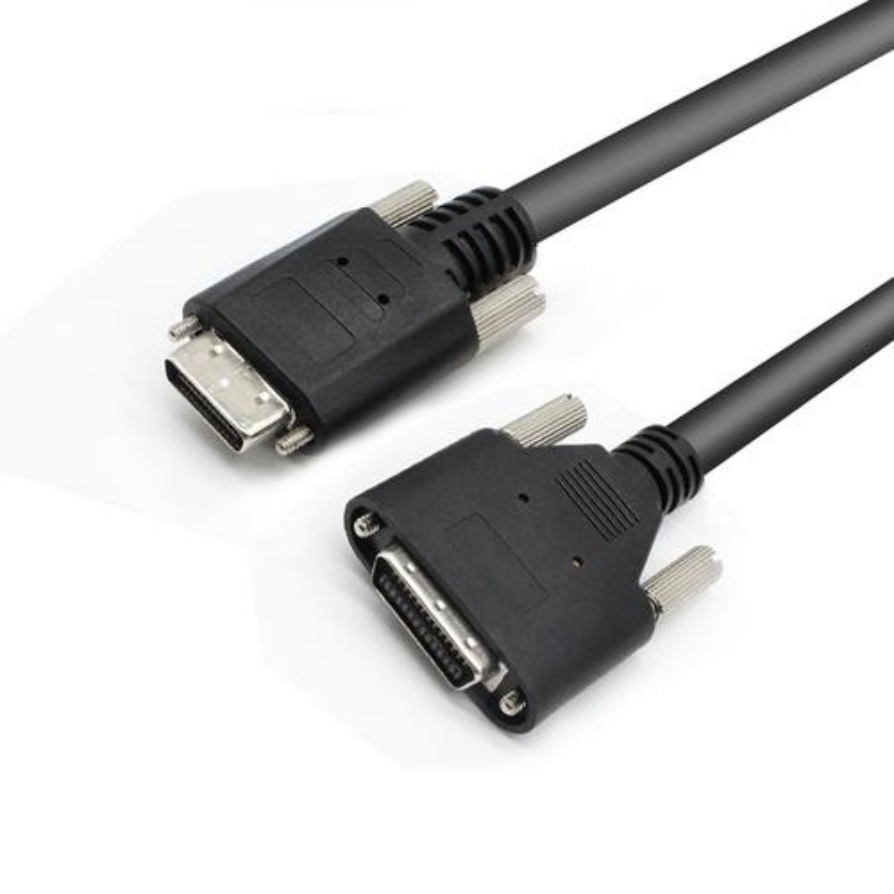
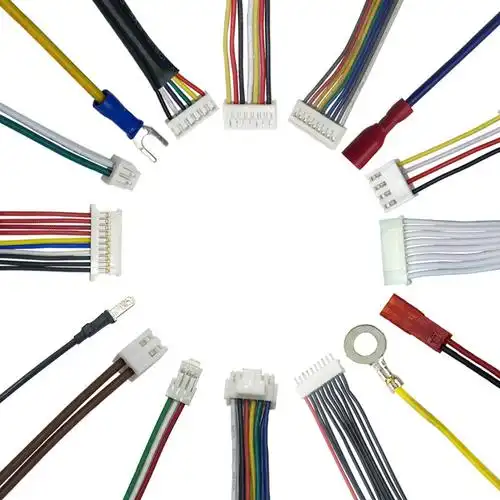
- Connectors: Select connectors that are compatible with your equipment and provide a secure, reliable connection. Common options include Micro-D, M8/M12, D-subminiature, and custom connectors. Ensure the connectors are rated for the same environmental conditions as the cable.
- Flex Life: If the cable will be subjected to repeated bending, check the manufacturer’s flex life rating (typically measured in cycles). Choose a cable with a flex life that exceeds the expected number of cycles in your application to avoid premature failure.
- Certifications and Standards: Ensure the cable assembly meets relevant industry standards, such as UL (Underwriters Laboratories) for safety, RoHS (Restriction of Hazardous Substances) for environmental compliance, or MIL-SPEC (Military Specifications) for aerospace and defense applications.
Why Choose FRS for Your Small-Diameter Machine Cable Assemblies?
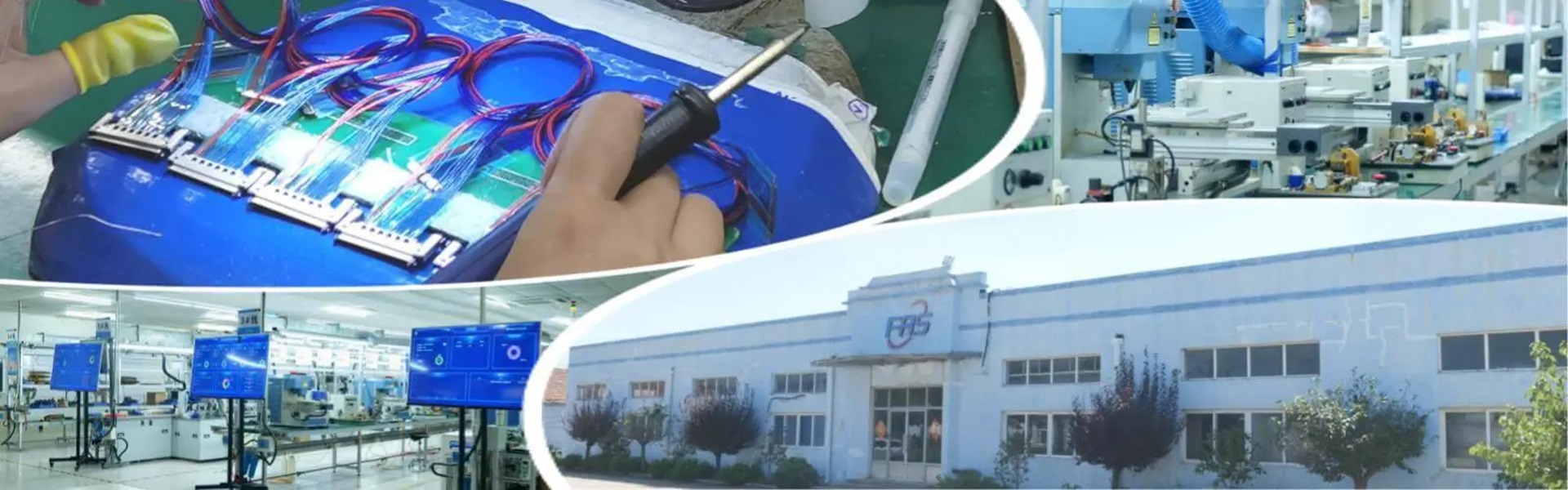
When it comes to small-diameter machine cable assemblies, quality, reliability, and customization are non-negotiable. At FRS, we specialize in designing and manufacturing high-performance small-diameter cable assemblies that meet the most demanding industrial requirements. With decades of experience in the cable and connector industry, we combine engineering expertise with state-of-the-art manufacturing facilities to deliver products that exceed our customers’ expectations.
At FRS, we understand that every application is unique. That’s why we offer fully customized small-diameter machine cable assemblies, tailored to your specific conductor count, gauge, shielding, jacket material, and connector needs. Our team of skilled engineers works closely with you from concept to production, ensuring that the final product integrates seamlessly with your equipment and delivers optimal performance. We use only the highest-quality materials—including PTFE, FEP, and PU insulation, and high-conductivity copper conductors—to ensure our cable assemblies are durable, flexible, and resistant to harsh environments.
Quality is at the core of everything we do. FRS is ISO 9001 certified, and all our small-diameter machine cable assemblies undergo rigorous testing, including electrical performance testing, flex life testing, temperature cycling, and chemical resistance testing, to ensure they meet or exceed industry standards. Whether you need cable assemblies for medical devices, aerospace systems, industrial robotics, or automotive electronics, you can trust FRS to deliver products that are reliable, consistent, and built to last.
In addition to our customization capabilities and quality commitment, FRS offers competitive lead times and exceptional customer service. We understand that downtime is costly, so we work efficiently to deliver your order on time, every time. Our technical support team is always available to answer your questions and provide guidance, ensuring that you select the right cable assembly for your application.
For small-diameter machine cable assemblies that combine precision, performance, and reliability, look no further than FRS. Contact us today to learn more about our products and how we can help solve your cable assembly challenges.