What is Camera Link cable MDR 26pin high flex and its role in machine...
In the rapidly evolving field of machine vision, where precision, speed, and reliability are non-negotiable, the choice of connectivity solutions directly impacts the overall performance of the system. Among the various cables designed for industrial imaging applications, the Camera Link cable MDR 26pin high flex stands out as a critical component. This specialized cable is engineered to address the unique demands of high-speed data transmission and continuous motion in dynamic machine vision environments. Whether in automated manufacturing, quality inspection, or robotics, understanding what a Camera Link cable MDR 26pin high flex is and its role in machine vision systems is essential for engineers, system integrators, and industry professionals seeking to optimize their imaging setups.
1. What is Camera Link Cable MDR 26pin High Flex?
To fully grasp the value of this cable, it’s necessary to break down its key components and design characteristics. Let’s start with the basics: Camera Link itself is a widely adopted industrial communication standard specifically developed for machine vision applications. It was created to address the limitations of older interfaces by enabling high-bandwidth data transfer between cameras and frame grabbers (or other image processing devices), which is crucial for capturing high-resolution, high-frame-rate images.
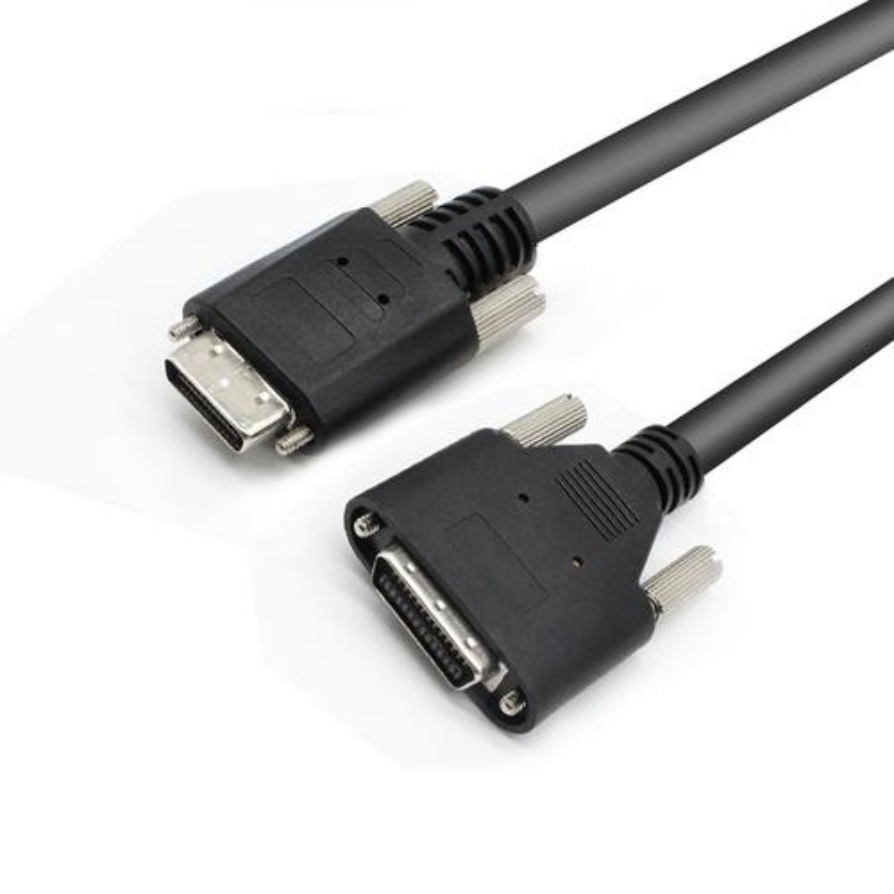
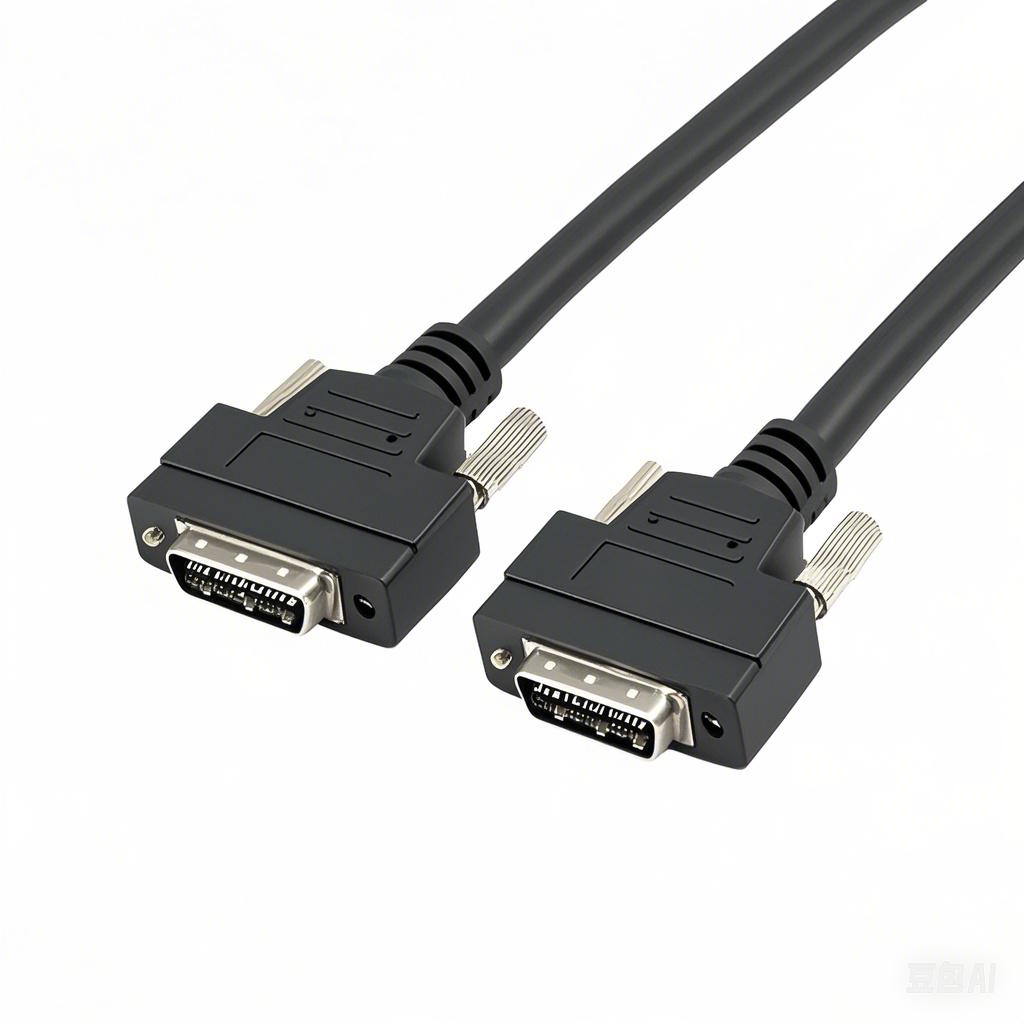
The “MDR 26pin” designation refers to the connector type and pin count of the cable. MDR (Mini Delta Ribbon) connectors are compact, high-density connectors commonly used in Camera Link applications. The 26pin configuration is a standard for many Camera Link variants, including Base, Medium, and Full configurations, providing the necessary pins for data signals, power, and control lines. These connectors are designed for secure mating and reliable signal transmission, even in harsh industrial environments where vibration, dust, and temperature fluctuations are common.
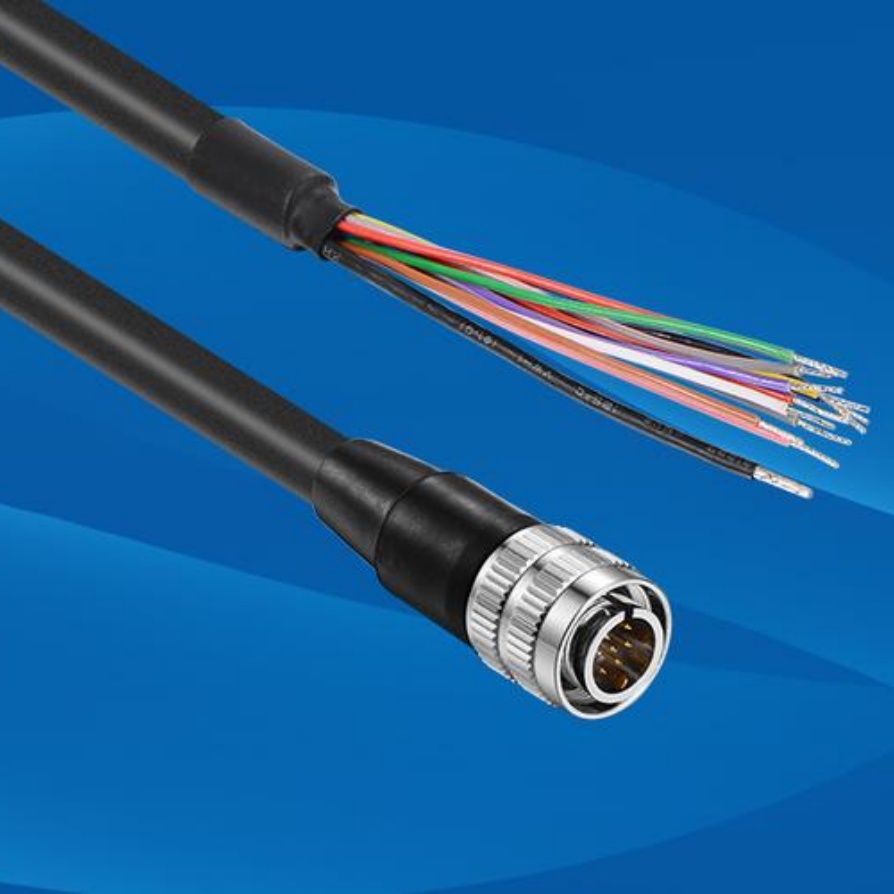
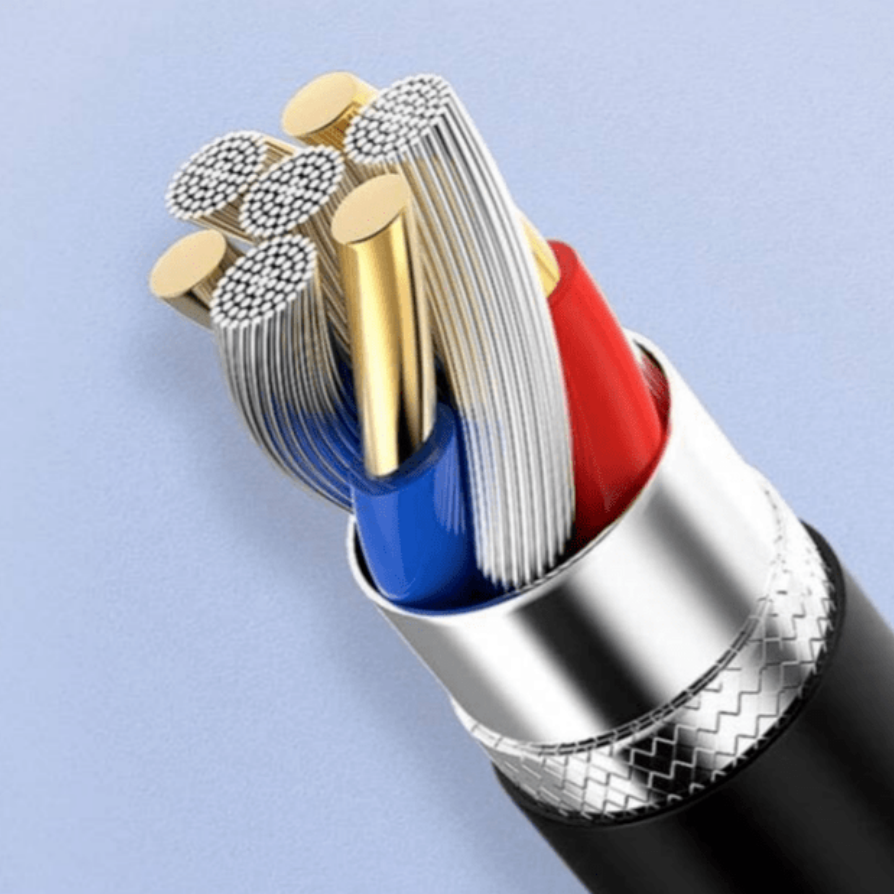
The “high flex” attribute is what sets this cable apart from standard Camera Link cables. High flex cables are engineered with specialized materials and construction techniques to withstand repeated bending and flexing without compromising performance or durability. In machine vision systems, cameras are often mounted on moving components such as robotic arms, gantries, or conveyor systems, which require the cable to bend and twist continuously during operation. Standard cables would quickly degrade under these conditions, leading to signal loss, intermittent failures, or complete cable breakdown. High flex Camera Link cables are built with flexible conductors, robust insulation, and strain relief features to endure millions of flex cycles, making them ideal for dynamic applications.
In summary, a Camera Link cable MDR 26pin high flex is a specialized connectivity solution that combines the high-bandwidth capabilities of the Camera Link standard, the compact and reliable MDR 26pin connector, and a high-flex construction to enable seamless, long-lasting data transmission in dynamic machine vision environments.
2. Core Characteristics of Camera Link Cable MDR 26pin High Flex
The performance of Camera Link cable MDR 26pin high flex is defined by several core characteristics that make it suitable for machine vision applications. Understanding these features helps explain why it’s the preferred choice for many high-performance setups:
2.1 High Bandwidth for High-Speed Data Transmission
Machine vision cameras, especially high-resolution (e.g., 4K, 8K) and high-frame-rate models, generate massive amounts of image data. The Camera Link standard supports bandwidths ranging from 2.0 Gbps (Base configuration) to 6.0 Gbps (Full configuration), and the MDR 26pin high flex cable is designed to fully leverage this capability. The cable’s conductors and shielding are optimized to minimize signal interference (EMI/RFI) and signal loss, ensuring that data is transmitted accurately and efficiently. This high bandwidth is critical for real-time image processing, where delays or data corruption can lead to errors in inspection, measurement, or automation tasks.
2.2 Exceptional Flexibility and Durability
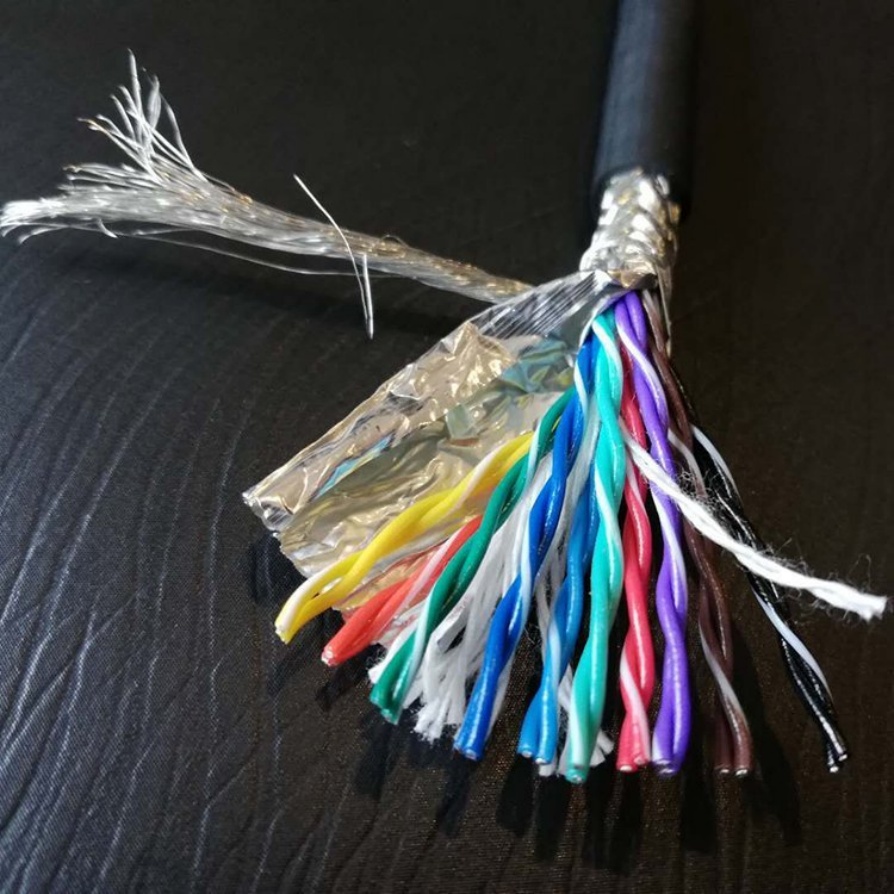
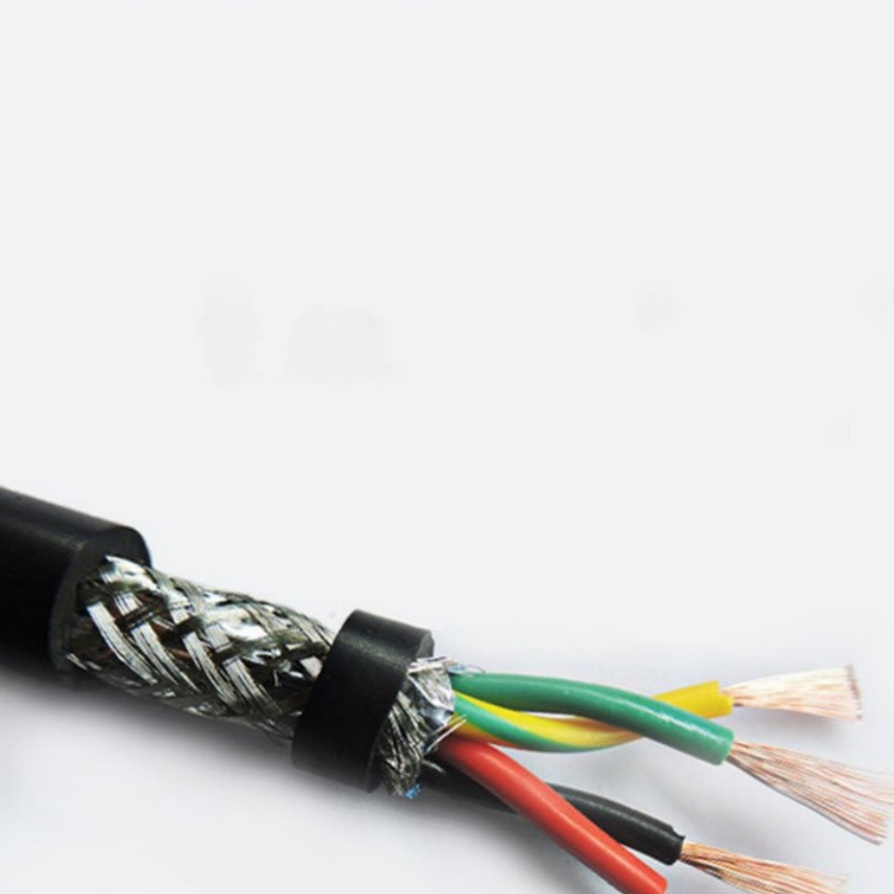
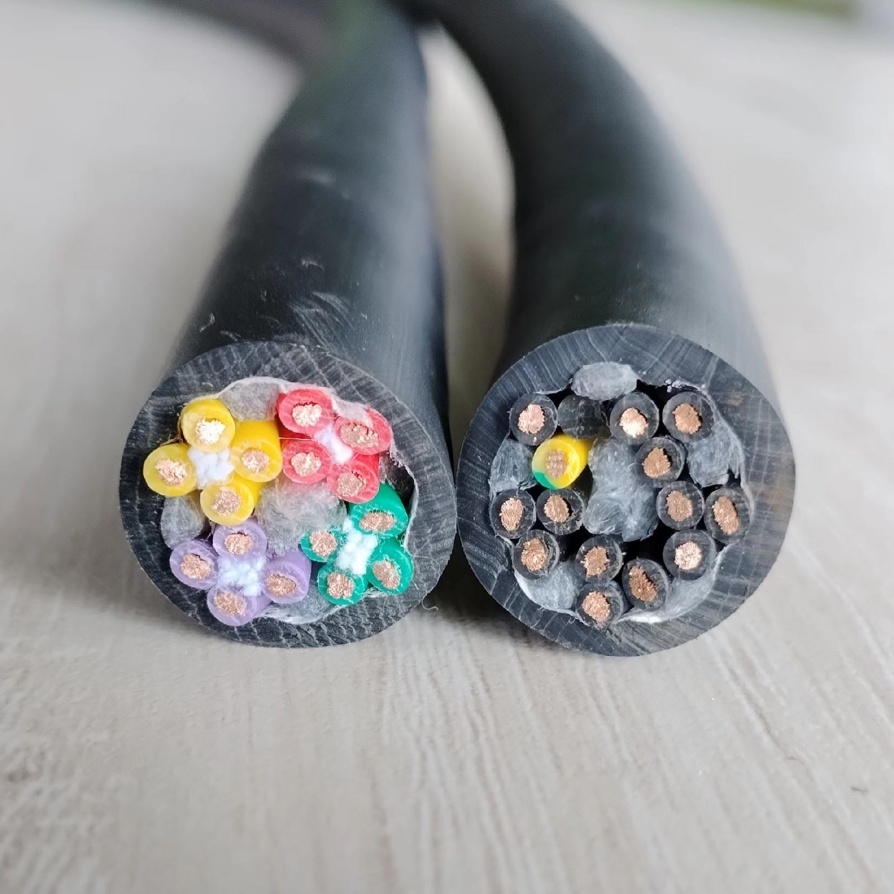
As mentioned earlier, the high flex construction is a defining feature. These cables are typically made with stranded copper conductors, which are more flexible than solid conductors, and covered with a flexible, abrasion-resistant jacket (e.g., polyurethane or PVC). The internal shielding (often foil and braid) is also designed to maintain integrity during flexing, preventing EMI leakage. Additionally, high flex cables undergo rigorous testing to ensure they can withstand millions of flex cycles—some models can handle up to 10 million cycles or more—making them suitable for continuous-motion applications like robotic vision systems or high-speed conveyor inspections.
2.3 Secure and Reliable MDR 26pin Connectors
The MDR 26pin connectors are engineered for industrial reliability. They feature a latching mechanism that ensures a secure connection, preventing accidental disconnection due to vibration or movement. The connectors are also designed to resist environmental factors such as dust, moisture, and temperature extremes (typically operating ranges of -40°C to 85°C), making them suitable for use in harsh industrial settings. The 26pin configuration provides a balance of compact size and functionality, supporting both data and power transmission, which simplifies system design by reducing the number of cables needed.
2.4 Compatibility with Camera Link Standards
Camera Link cable MDR 26pin high flex is fully compatible with the Camera Link standard, including Base, Medium, and Full configurations. This compatibility ensures that it can be used with a wide range of Camera Link cameras, frame grabbers, and other peripherals from leading manufacturers. This versatility is a key advantage for system integrators, who can use the same cable type across different components, reducing inventory and simplifying maintenance.
3. The Critical Role of Camera Link Cable MDR 26pin High Flex in Machine Vision Systems
Machine vision systems rely on the seamless flow of data from cameras to processing units to function effectively. The Camera Link cable MDR 26pin high flex plays a central role in this data flow, and its performance directly impacts the system’s accuracy, speed, and reliability. Below are the key roles it fulfills in machine vision systems:
3.1 Enabling Real-Time Image Data Transmission
In many machine vision applications, such as real-time quality inspection on a production line, there is no room for delay. Cameras capture images at high frame rates (often 30 fps or higher), and the data must be transmitted to the frame grabber or processing unit instantly for analysis. The high bandwidth of Camera Link cable MDR 26pin high flex ensures that this data is transmitted in real time, allowing the system to make immediate decisions—such as rejecting a defective part or adjusting a robotic arm. Without this high-speed transmission, the system would suffer from lag, leading to missed defects, production bottlenecks, or errors in automation.
3.2 Supporting Dynamic Camera Movements
Many machine vision systems require cameras to move dynamically to capture images from different angles or positions. For example, in robotic assembly, a camera mounted on a robotic arm may need to move around a part to inspect all surfaces. In such cases, the cable must flex and bend with the arm without breaking or losing signal. Standard cables would fail quickly under these conditions, but the high flex construction of Camera Link cable MDR 26pin high flex allows it to withstand continuous movement, ensuring that the camera remains connected and operational. This flexibility is essential for expanding the range of motion of machine vision systems, making them more versatile and adaptable to complex tasks.
3.3 Ensuring Signal Integrity in Industrial Environments
Industrial environments are filled with sources of electromagnetic interference (EMI), such as motors, inverters, and other electrical equipment. EMI can corrupt the image data transmitted by the cable, leading to distorted images or incorrect processing results. The Camera Link cable MDR 26pin high flex is equipped with robust shielding (typically a combination of foil and braid) that blocks EMI and prevents signal leakage. This shielding ensures that the image data remains intact, even in noisy industrial settings, maintaining the accuracy of the machine vision system. Additionally, the durable jacket and connectors protect the cable from physical damage, such as abrasion, impact, or exposure to chemicals, further enhancing reliability.
3.4 Simplifying System Integration and Maintenance
The MDR 26pin connector’s compact size and compatibility with Camera Link standards make it easy to integrate into machine vision systems. The cable supports both data and power transmission, which means fewer cables are needed to connect the camera to the frame grabber or power supply. This simplifies system design, reduces clutter, and makes installation faster and easier. Additionally, the reliable latching mechanism of the MDR connector ensures that connections are secure, reducing the risk of accidental disconnection and minimizing downtime. For maintenance, the compatibility of the cable with a wide range of components means that replacements are easy to source, and the durable construction reduces the frequency of replacements, lowering maintenance costs.
3.5 Enabling High-Resolution Imaging
Modern machine vision applications increasingly require high-resolution images to capture fine details, such as small defects in electronic components or precise measurements in medical device manufacturing. High-resolution cameras generate larger image files, which require higher bandwidth for transmission. The Camera Link cable MDR 26pin high flex is designed to handle this high bandwidth, enabling the use of high-resolution cameras in machine vision systems. This capability is critical for applications where accuracy is paramount, as it ensures that every detail of the image is transmitted clearly and accurately for analysis.
4. Key Applications of Camera Link Cable MDR 26pin High Flex
The unique combination of high bandwidth, flexibility, and durability makes Camera Link cable MDR 26pin high flex suitable for a wide range of machine vision applications. Below are some of the most common use cases:
4.1 Automated Manufacturing and Quality Control
In automated manufacturing lines, machine vision systems are used to inspect products for defects, ensure proper assembly, and verify dimensions. Cameras are often mounted on moving gantries or robotic arms to inspect products from multiple angles. The high flex Camera Link cable enables these dynamic movements while transmitting high-resolution image data in real time. For example, in automotive manufacturing, the cable can be used to connect cameras that inspect welds, paint quality, or component fitment, ensuring that every vehicle meets quality standards.
4.2 Robotics and Automation
Robotic systems often integrate machine vision to navigate, manipulate objects, or interact with their environment. Cameras mounted on robotic arms require cables that can flex with the arm’s movements without compromising performance. The Camera Link cable MDR 26pin high flex is ideal for this application, as it can withstand the continuous bending and twisting of robotic motion while transmitting high-speed image data. This enables robots to perform precise tasks, such as picking and placing small components or inspecting parts in hard-to-reach areas.
4.3 Medical Imaging and Diagnostics
In medical applications, machine vision systems are used for tasks such as medical device inspection, tissue analysis, and surgical guidance. These applications require high-resolution images and reliable data transmission to ensure accuracy. The Camera Link cable MDR 26pin high flex is suitable for medical environments, as it can transmit high-bandwidth image data securely and reliably. For example, in endoscopy, a small camera mounted on a flexible endoscope can use the cable to transmit real-time images to a display, allowing doctors to visualize internal organs with clarity.
4.4 Aerospace and Defense
Aerospace and defense applications demand high reliability and performance in harsh environments. Machine vision systems are used for tasks such as inspecting aircraft components, detecting defects in military equipment, or guiding unmanned aerial vehicles (UAVs). The Camera Link cable MDR 26pin high flex is designed to withstand extreme temperatures, vibration, and EMI, making it suitable for these demanding applications. For example, a UAV equipped with a machine vision camera can use the cable to transmit high-resolution images back to a ground station in real time, enabling precise navigation and surveillance.
4.5 Food and Beverage Inspection
In the food and beverage industry, machine vision systems are used to inspect products for contaminants, ensure proper labeling, and verify fill levels. Cameras are often mounted on high-speed conveyor belts, requiring cables that can withstand constant movement and exposure to moisture or cleaning chemicals. The durable, high flex Camera Link cable is ideal for this application, as it can resist abrasion, moisture, and chemicals while transmitting real-time image data. This ensures that contaminated or defective products are detected and removed from the production line quickly.
5. Choosing the Right Camera Link Cable MDR 26pin High Flex
When selecting a Camera Link cable MDR 26pin high flex for a machine vision system, there are several factors to consider to ensure optimal performance and reliability:
- Flex Cycle Rating: Different applications require different flex cycle ratings. For applications with frequent, continuous movement (e.g., robotic arms), choose a cable with a high flex cycle rating (e.g., 10 million cycles or more).
- Bandwidth Requirements: Consider the resolution and frame rate of the camera to determine the required bandwidth. Ensure the cable is compatible with the Camera Link configuration (Base, Medium, Full) needed for the application.
- Environmental Conditions: Evaluate the operating environment, including temperature range, moisture, dust, chemicals, and EMI. Choose a cable with a jacket and connectors that can withstand these conditions.
- Cable Length: Camera Link cables have maximum length limitations (typically up to 10 meters for standard cables). Ensure the cable length is sufficient for the system layout without exceeding the maximum length, which can cause signal loss.
- Manufacturer Reliability: Choose a cable from a reputable manufacturer with a proven track record in industrial connectivity. Look for certifications and test reports to verify the cable’s performance and durability.
6. Conclusion
The Camera Link cable MDR 26pin high flex is a critical component in modern machine vision systems, enabling high-speed, reliable data transmission in dynamic and harsh industrial environments. Its unique combination of high bandwidth, flexibility, and durability makes it suitable for a wide range of applications, from automated manufacturing to medical imaging. By understanding what this cable is, its core characteristics, and its role in machine vision systems, engineers and system integrators can make informed decisions when designing or upgrading their imaging setups.
As machine vision technology continues to advance, with higher resolution cameras and more complex dynamic applications, the demand for high-performance connectivity solutions like Camera Link cable MDR 26pin high flex will only grow. Investing in a high-quality cable ensures that machine vision systems operate at peak performance, delivering accurate, real-time results that drive efficiency, quality, and productivity in industrial and commercial applications.