What is the bandwidth performance of CoaXPress 2.0 BNC cable for mach...
In the fast-paced world of machine vision, where every millisecond and every pixel count, the performance of transmission cables directly determines the accuracy and efficiency of the entire system. Among the numerous transmission solutions available, CoaXPress 2.0 with BNC connectors has emerged as a preferred choice for high-speed, high-resolution machine vision applications, largely due to its exceptional bandwidth performance. For engineers, system integrators, and procurement professionals searching for “CoaXPress 2.0 cable BNC high bandwidth,” understanding the actual bandwidth capabilities, influencing factors, and practical implications in machine vision scenarios is critical. This article delves into the bandwidth performance of CoaXPress 2.0 BNC cables, unpacking key specifications, real-world performance considerations, and why it stands out as a reliable solution for demanding machine vision tasks.
1. An Overview of CoaXPress 2.0 and BNC Connectors: The Foundation of High Bandwidth
Before diving into bandwidth performance, it’s essential to establish a clear understanding of CoaXPress 2.0 and BNC connectors, as their design synergistically enables high-bandwidth transmission. CoaXPress (CXP) is a digital interface standard specifically developed for machine vision applications, engineered to transmit high-resolution image data, control signals, and power over a single coaxial cable. The 2.0 version, a significant upgrade from its predecessor, marked a leap in bandwidth capabilities, addressing the growing demand for higher frame rates and larger sensor sizes in modern machine vision systems.
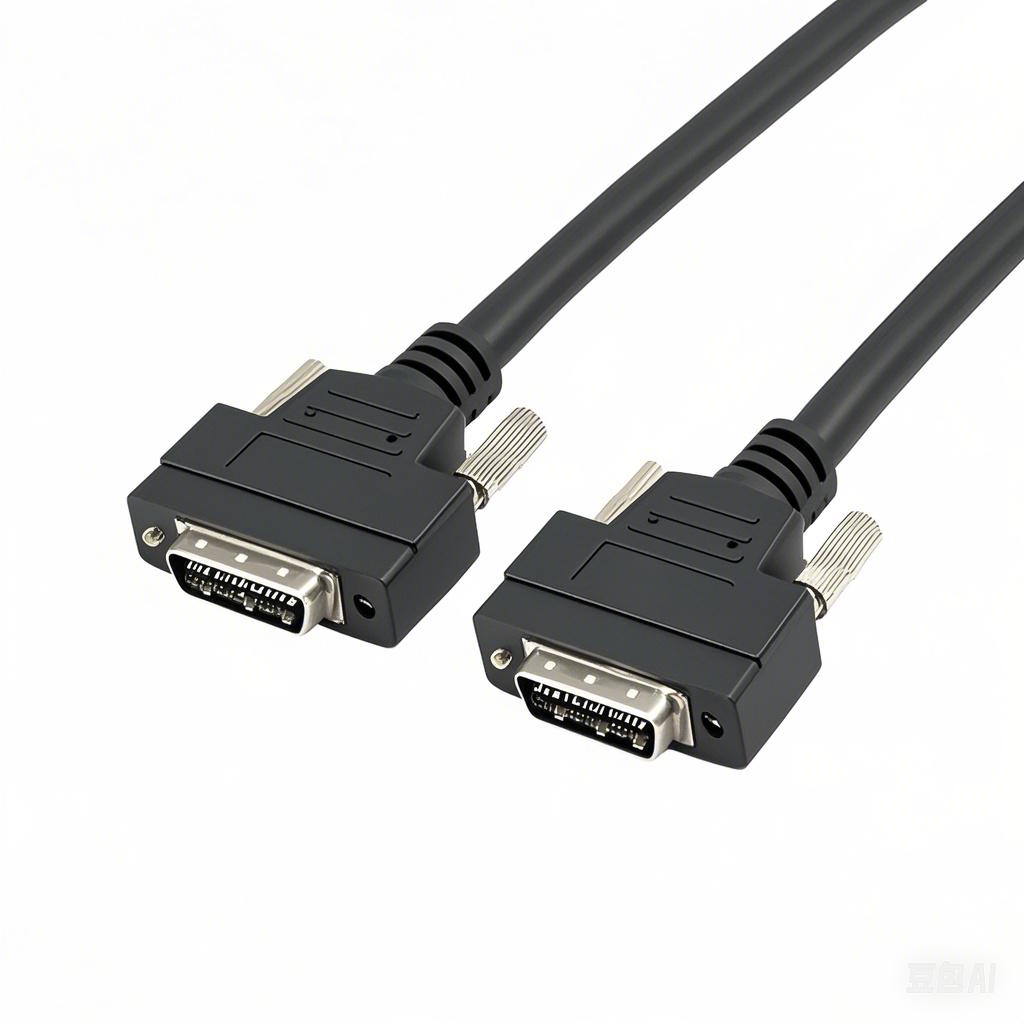
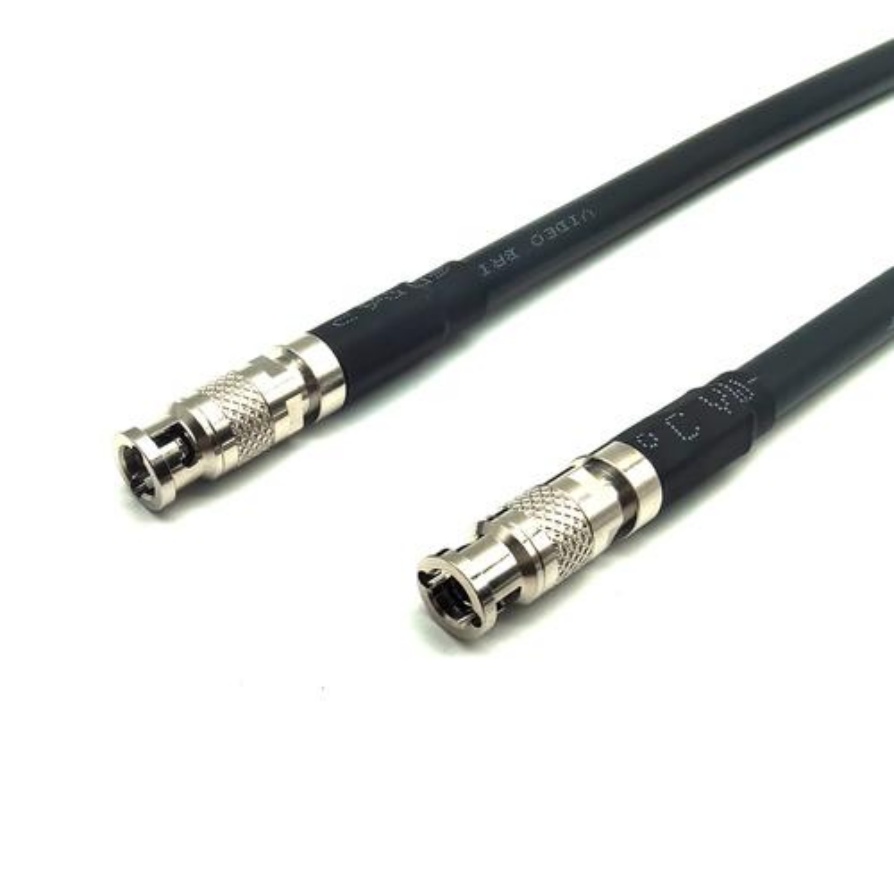
BNC (Bayonet Neill-Concelman) connectors, a staple in coaxial cable systems, are renowned for their robust mechanical design and excellent electrical performance. Characterized by their bayonet locking mechanism, BNC connectors ensure a secure, low-contact-resistance connection, which is vital for maintaining signal integrity at high frequencies. When paired with CoaXPress 2.0, BNC connectors (specifically those compliant with the CXP 2.0 standard) are optimized to handle the high-frequency signals required for high-bandwidth data transmission, making them an ideal choice for machine vision setups where reliability and signal quality are non-negotiable.
2. Core Bandwidth Specifications of CoaXPress 2.0 BNC Cable
The primary question driving users to search for “CoaXPress 2.0 cable BNC high bandwidth” is: What is the actual bandwidth performance of this combination? To answer this, we must first look at the official specifications defined by the CoaXPress 2.0 standard, as these set the baseline for performance.
According to the CoaXPress 2.0 standard, a single CoaXPress 2.0 channel (utilizing a BNC connector and compatible coaxial cable) supports a maximum data rate of 12.5 Gbps. It’s important to distinguish between data rate and bandwidth here, as the two terms are often used interchangeably but are not identical. Bandwidth, typically measured in hertz (Hz), refers to the range of frequencies a cable can transmit without significant signal degradation. Data rate, measured in bits per second (bps), is the amount of digital data that can be transmitted per second. For CoaXPress 2.0, the 12.5 Gbps data rate is achieved by utilizing advanced modulation techniques (specifically 64QAM, Quadrature Amplitude Modulation) that allow multiple bits to be transmitted per frequency cycle. This translates to a bandwidth requirement of approximately 2.5 GHz for a single CoaXPress 2.0 channel—meaning the BNC cable and connector must effectively transmit frequencies up to 2.5 GHz to support the full 12.5 Gbps data rate.
Furthermore, CoaXPress 2.0 supports multi-channel configurations, where multiple coaxial cables (each with BNC connectors) can be aggregated to achieve even higher total bandwidth. For example, a 4-channel CoaXPress 2.0 setup can deliver a combined data rate of 50 Gbps (4 x 12.5 Gbps), while an 8-channel configuration can reach up to 100 Gbps. This scalability is a key advantage for machine vision applications that require ultra-high-resolution images (such as 8K or higher) or extremely high frame rates (e.g., hundreds of frames per second for fast-moving objects), as it allows the system to be tailored to specific bandwidth needs.
3. Factors Influencing the Actual Bandwidth Performance of CoaXPress 2.0 BNC Cables
While the CoaXPress 2.0 standard defines the theoretical maximum bandwidth, real-world performance can be affected by several factors. For users implementing CoaXPress 2.0 BNC cables in machine vision systems, understanding these factors is crucial to ensuring they achieve the expected bandwidth and avoid signal issues that could compromise image quality.
3.1 Cable Quality and Type
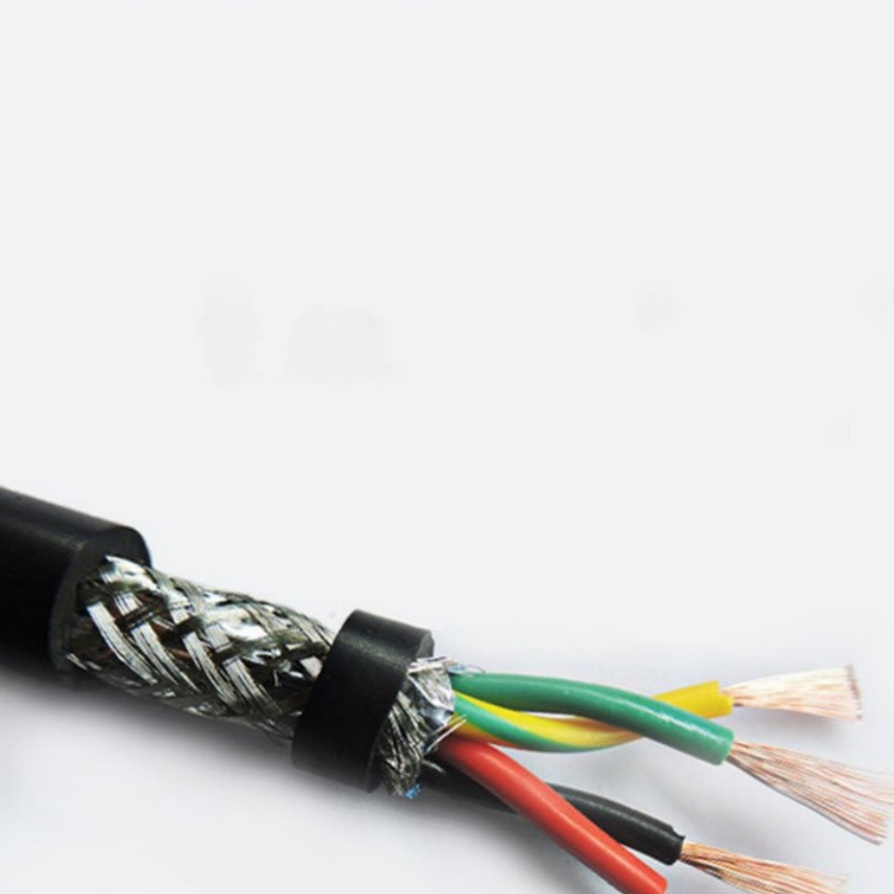
Not all coaxial cables are created equal, and the quality of the cable directly impacts its bandwidth capabilities. CoaXPress 2.0 requires coaxial cables that are designed for high-frequency transmission, typically with a characteristic impedance of 75 ohms (the standard for video and machine vision applications). The key parameters to look for in a CoaXPress 2.0-compatible BNC cable include:
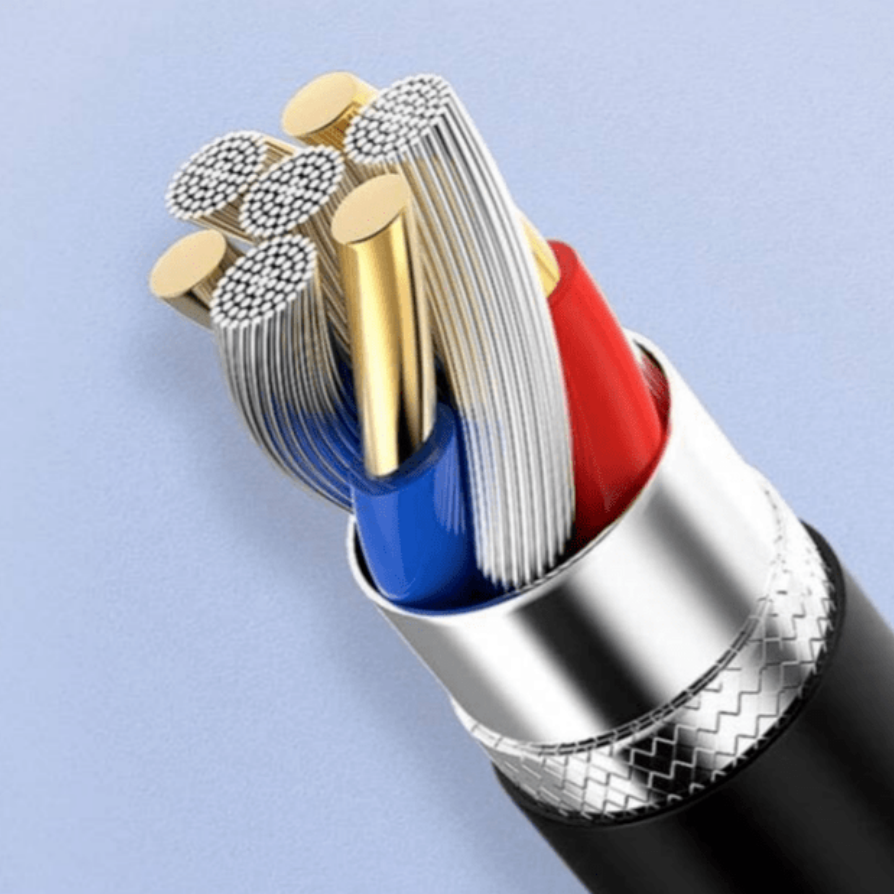
- Conductor Material and Gauge: High-purity copper conductors (or copper-clad steel for added durability) minimize signal loss at high frequencies. A larger conductor gauge (e.g., 20 AWG vs. 24 AWG) can also reduce attenuation, allowing for higher bandwidth transmission over longer distances.
- Dielectric Material: The dielectric (the insulating material between the conductor and the shield) plays a critical role in signal integrity. Low-loss dielectrics, such as foam polyethylene or Teflon, reduce signal dispersion and attenuation, enabling higher bandwidths. Solid dielectrics are more durable but may have higher loss than foam dielectrics, making them better suited for shorter cable runs.
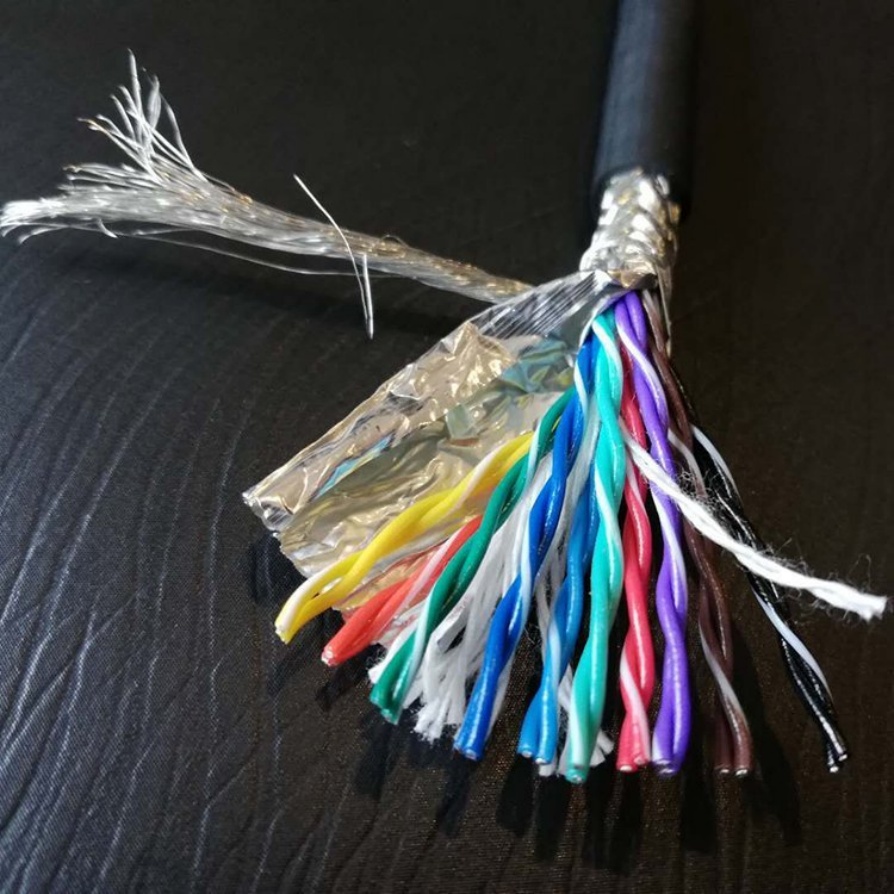
- Shielding: Effective shielding (e.g., braided shield with high coverage, or double shielding with a braid and foil) minimizes electromagnetic interference (EMI) and radio frequency interference (RFI), which can degrade signal quality and reduce effective bandwidth. In industrial machine vision environments, where EMI from motors, inverters, and other equipment is common, high-quality shielding is essential for maintaining full bandwidth performance.
3.2 Cable Length
Signal attenuation increases with cable length, which can limit bandwidth performance over longer distances. CoaXPress 2.0 BNC cables typically support full 12.5 Gbps data rate (and corresponding 2.5 GHz bandwidth) for cable lengths up to 10 meters when using high-quality coaxial cable. For longer runs (up to 30 meters), the bandwidth may decrease slightly, but the data rate can still be maintained at acceptable levels for many machine vision applications (e.g., 10 Gbps at 20 meters). Beyond 30 meters, signal repeaters or fiber optic extenders may be required to restore full bandwidth performance. This length-bandwidth relationship is a key consideration for system integrators designing machine vision setups where cameras are located far from the processing unit (e.g., in large manufacturing facilities or inspection lines).
3.3 Connector Quality and Installation
Even the highest-quality cable will underperform if paired with substandard BNC connectors or improperly installed. BNC connectors for CoaXPress 2.0 must be precision-manufactured to ensure a tight, consistent impedance match (75 ohms) and minimal signal reflection. Poorly crimped or soldered connectors can introduce signal loss, impedance mismatches, and EMI susceptibility, all of which reduce effective bandwidth. It’s recommended to use connectors from reputable manufacturers that are specifically certified for CoaXPress 2.0 and to follow proper installation procedures (e.g., using the correct crimping tools, ensuring the dielectric is properly seated, and trimming the conductor to the correct length) to maximize bandwidth performance.
3.4 Environmental Factors
Environmental conditions in machine vision applications can also impact bandwidth performance. Extreme temperatures (both high and low), humidity, and vibration can degrade cable and connector performance over time. For example, high temperatures can soften the dielectric material, increasing signal loss, while vibration can loosen connectors, leading to intermittent signal issues. In harsh industrial environments, using ruggedized CoaXPress 2.0 BNC cables and connectors (with reinforced shielding, weather-resistant jackets, and locking mechanisms) can help maintain consistent bandwidth performance.
4. Bandwidth Performance in Practical Machine Vision Applications
Understanding the theoretical and real-world bandwidth of CoaXPress 2.0 BNC cables is only meaningful when viewed in the context of actual machine vision use cases. Let’s explore how this bandwidth translates to real performance in common applications:
4.1 High-Resolution Inspection (e.g., Semiconductor, Electronics Manufacturing)
Semiconductor and electronics manufacturing require machine vision systems to inspect tiny components (e.g., microchips, solder joints) with extreme precision, often using high-resolution cameras (e.g., 5MP, 12MP, or 24MP). A 24MP camera capturing images at 30 frames per second (fps) generates approximately 2.88 Gbps of data (assuming 8-bit pixel depth: 24,000,000 pixels/frame x 8 bits/pixel x 30 frames/second = 5,760,000,000 bits/second = 5.76 Gbps). A single CoaXPress 2.0 BNC cable (12.5 Gbps bandwidth) easily handles this data rate, with ample headroom for additional control signals or higher frame rates. For even higher resolution (e.g., 48MP cameras), a 2-channel CoaXPress 2.0 setup (25 Gbps total bandwidth) provides more than enough capacity, ensuring smooth, real-time image transmission without lag or dropped frames.
4.2 High-Speed Motion Capture (e.g., Automotive, Packaging)
In automotive manufacturing (e.g., inspecting moving assembly lines) or packaging (e.g., checking product labels at high speeds), machine vision systems need to capture fast-moving objects at high frame rates (e.g., 100 fps or more). A 1MP camera capturing at 100 fps generates approximately 800 Mbps of data, which is well within the bandwidth of a single CoaXPress 2.0 BNC cable. For multiple high-speed cameras (e.g., 4 cameras each capturing at 100 fps), a 4-channel CoaXPress 2.0 setup (50 Gbps total bandwidth) can aggregate the data from all cameras, simplifying the system design and reducing cable clutter compared to lower-bandwidth interfaces.
4.3 Multi-Camera Synchronized Systems
Many machine vision applications require multiple cameras to be synchronized to capture images from different angles simultaneously (e.g., 3D inspection of objects). CoaXPress 2.0’s ability to transmit control signals (including synchronization signals) alongside image data over the same BNC cable is a significant advantage. The high bandwidth ensures that synchronization signals are transmitted with minimal latency, allowing cameras to operate in perfect harmony. For example, a 6-camera synchronized system, each capturing 5MP images at 30 fps, generates a total data rate of approximately 34.56 Gbps (6 x 5.76 Gbps). An 8-channel CoaXPress 2.0 setup (100 Gbps total bandwidth) easily handles this load, providing the necessary bandwidth for both image data and synchronization signals.
5. Comparing CoaXPress 2.0 BNC Bandwidth to Other Machine Vision Interfaces
To fully appreciate the bandwidth performance of CoaXPress 2.0 BNC cables, it’s helpful to compare them to other popular machine vision interfaces. This comparison helps users understand why CoaXPress 2.0 BNC is often the preferred choice for high-bandwidth applications:
- GigE Vision: GigE Vision uses Ethernet cables (Cat5e/Cat6) and supports a maximum data rate of 1 Gbps (GigE) or 10 Gbps (10 GigE). While 10 GigE offers higher bandwidth than standard GigE, it still falls short of CoaXPress 2.0’s 12.5 Gbps per channel. Additionally, GigE requires separate cables for power and control signals, increasing system complexity.
- USB3 Vision: USB3 Vision supports data rates up to 5 Gbps (USB 3.0) or 10 Gbps (USB 3.1 Gen 2). While USB3 Vision is compact and cost-effective, its bandwidth is lower than CoaXPress 2.0, and cable length is limited to 3 meters (without extenders), making it less suitable for long-distance industrial applications.
- Camera Link: Camera Link (Base, Medium, Full, Deca) supports data rates up to 6.8 Gbps (Deca). While Camera Link is widely used, its maximum bandwidth is lower than CoaXPress 2.0, and it requires specialized cables (Camera Link cables) that are often more expensive and less readily available than BNC coaxial cables.
Compared to these interfaces, CoaXPress 2.0 BNC offers higher per-channel bandwidth, longer cable lengths (up to 30 meters without extenders), and the ability to transmit data, power, and control signals over a single cable—making it a more versatile and high-performance solution for demanding machine vision applications.
6. Best Practices for Maximizing Bandwidth Performance of CoaXPress 2.0 BNC Cables
To ensure that you get the most out of your CoaXPress 2.0 BNC cable’s bandwidth capabilities in machine vision applications, follow these best practices:
- Choose Certified CoaXPress 2.0 Components: Use cables and BNC connectors that are officially certified for CoaXPress 2.0. Certified components are tested to meet the standard’s bandwidth and signal integrity requirements, ensuring reliable performance.
- Opt for High-Quality Coaxial Cable: Select cables with low-loss dielectric materials (e.g., foam polyethylene), high-purity copper conductors, and high-coverage shielding (e.g., 95% braided shield). These features minimize signal loss and EMI, preserving bandwidth over longer distances.
- Keep Cable Lengths Within Recommended Limits: To maintain full 12.5 Gbps bandwidth, limit cable lengths to 10 meters or less. For longer runs, use signal repeaters or fiber optic extenders designed for CoaXPress 2.0.
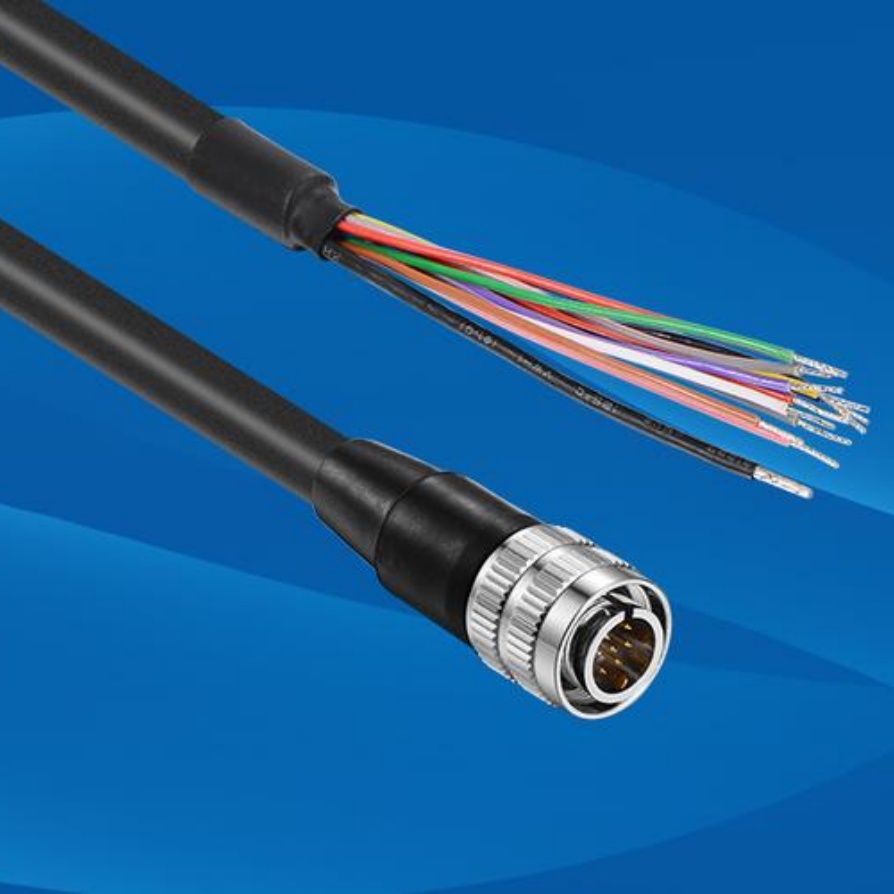
- Ensure Proper Connector Installation: Use the correct tools and procedures to crimp or solder BNC connectors. Improperly installed connectors can cause impedance mismatches and signal loss, reducing effective bandwidth. Consider using pre-terminated cables from reputable manufacturers to avoid installation errors.
- Minimize EMI Exposure: Route CoaXPress 2.0 BNC cables away from sources of EMI (e.g., motors, power cables, inverters). Use shielded conduit or cable trays if necessary to protect the cables from interference.
- Regularly Inspect and Maintain Cables and Connectors: In industrial environments, cables and connectors can become damaged or contaminated over time. Regular inspections (checking for frayed cables, loose connectors, or corrosion) and maintenance (cleaning connectors, replacing damaged cables) help ensure consistent bandwidth performance.
7. Conclusion: CoaXPress 2.0 BNC Cable—A High-Bandwidth Solution for Modern Machine Vision
The bandwidth performance of CoaXPress 2.0 BNC cables is a defining feature that makes them an ideal choice for modern machine vision applications. With a theoretical per-channel data rate of 12.5 Gbps (corresponding to ~2.5 GHz bandwidth) and support for multi-channel aggregation (up to 100 Gbps), CoaXPress 2.0 BNC cables can handle the high-resolution, high-frame-rate data requirements of today’s machine vision systems. Real-world performance is influenced by cable quality, length, connector installation, and environmental factors, but by following best practices and using certified components, users can achieve and maintain the full bandwidth capabilities of the standard.
For engineers and system integrators searching for “CoaXPress 2.0 cable BNC high bandwidth,” the key takeaway is that this combination offers a balance of high performance, versatility, and reliability that is unmatched by many other machine vision interfaces. Whether用于 high-resolution inspection, high-speed motion capture, or multi-camera synchronized systems, CoaXPress 2.0 BNC cables provide the bandwidth needed to ensure accurate, real-time image transmission—making them a critical component in the success of modern machine vision applications.