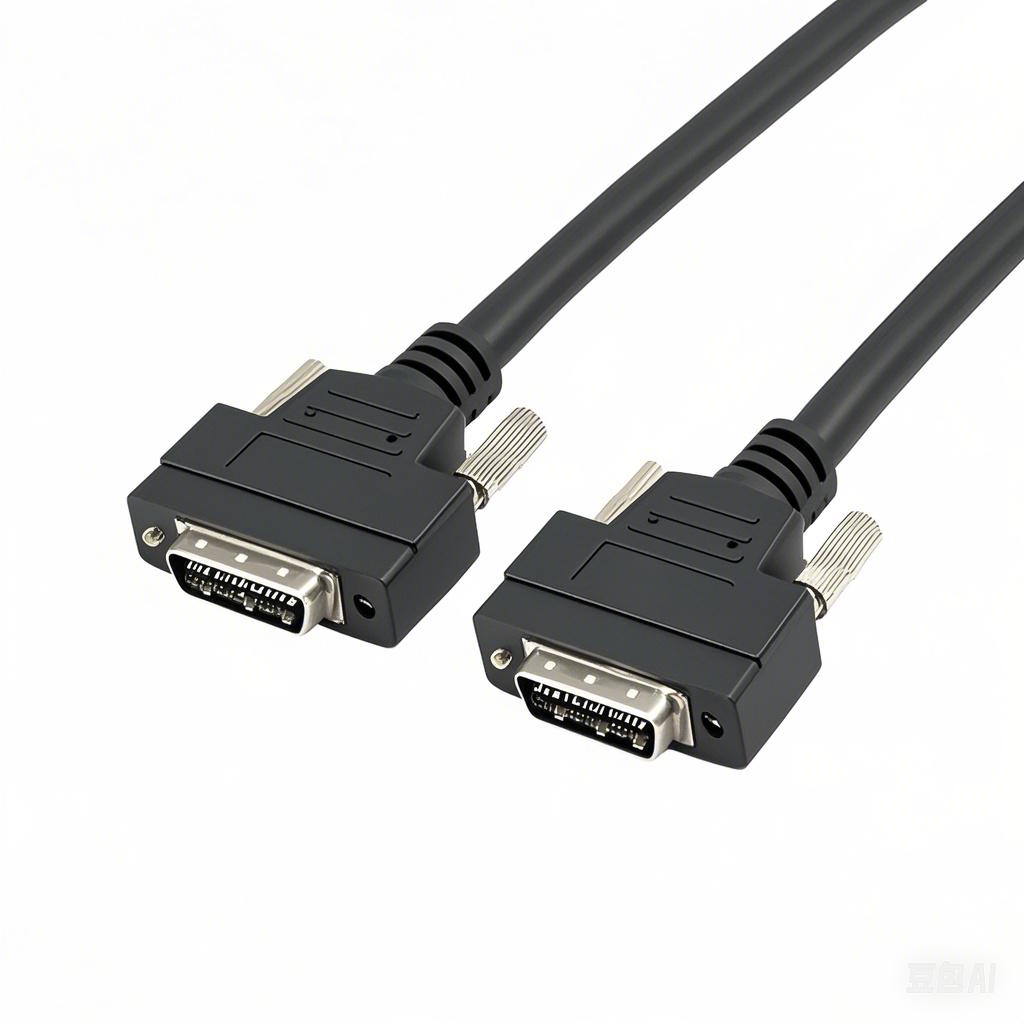
What are the core advantages of drag chain rated machine vision cable...
In the fast-paced and precision-driven world of industrial automation, machine vision systems have become indispensable components, serving as the “eyes” that ensure accuracy, efficiency, and reliability in countless manufacturing and processing workflows. At the heart of these systems lies a critical yet often overlooked element: the cables that transmit data, power, and control signals between cameras, processors, and other peripheral devices. Among the various cable solutions available, the drag chain rated machine vision cable 10m stands out as a tailored choice for industrial environments, offering a unique set of advantages that directly address the harsh conditions and high-performance demands of automation processes. This article delves into the core advantages of this specialized cable, explaining why it has become a preferred option for engineers and system integrators seeking to optimize machine vision performance in industrial settings.
1. Exceptional Drag Chain Compatibility: Built for Continuous Motion
One of the most defining features of drag chain rated machine vision cable 10m is its inherent compatibility with drag chain systems, which are ubiquitous in industrial automation. Unlike standard cables that are designed for static or minimal-movement applications, these cables are engineered to withstand the repeated bending, twisting, and flexing that occur when they are routed through drag chains—components that protect and guide cables as robotic arms, conveyors, and other automated machinery move.
The 10m length is particularly advantageous in this context, as it provides sufficient reach to connect machine vision components across typical automation workcells without requiring excessive cable slack (which can lead to tangling or damage) or additional splices (which introduce points of failure). Manufacturers of drag chain rated machine vision cables optimize the conductor stranding, insulation materials, and jacket construction to ensure long-term flex life. For instance, many use fine-stranded copper conductors that offer greater flexibility than solid conductors, while high-quality insulation materials like TPE (Thermoplastic Elastomer) or PUR (Polyurethane) resist cracking and abrasion even after millions of flex cycles. This translates to reduced downtime and maintenance costs, as the cables are less likely to fail due to motion-induced wear and tear—a critical benefit in 24/7 industrial operations where unplanned downtime can result in significant productivity losses.
2. Reliable High-Speed Data Transmission for Precision Machine Vision
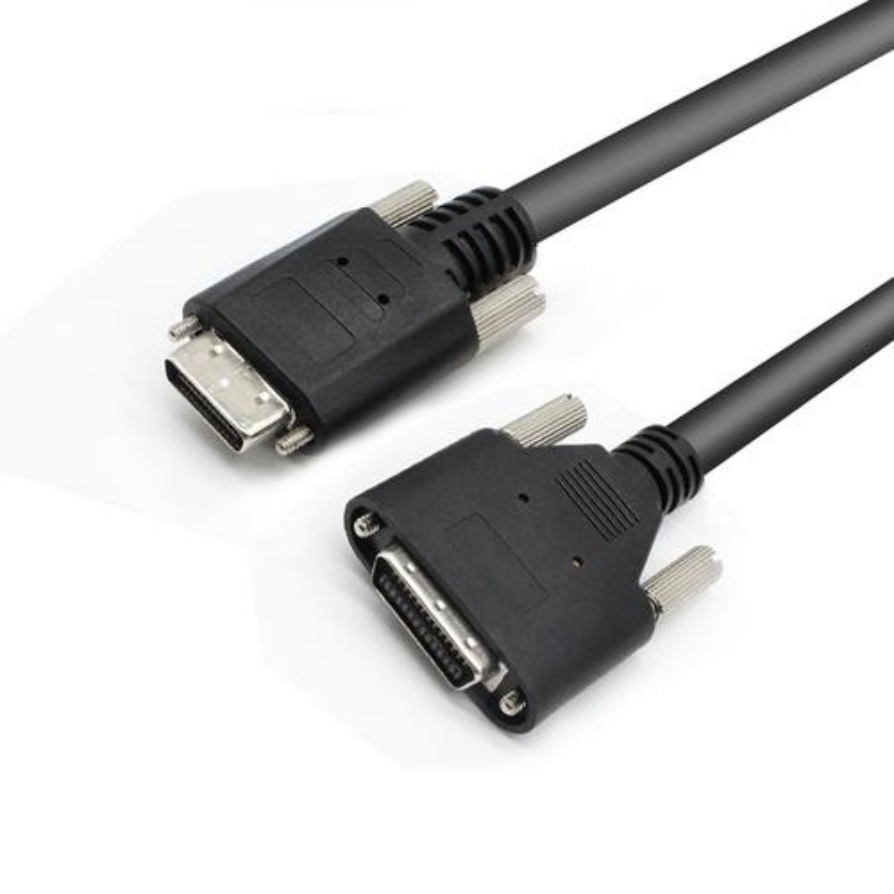
Machine vision systems rely on the rapid and accurate transmission of high-resolution image data from cameras to processing units. Even minor data loss, latency, or signal interference can compromise the performance of these systems, leading to errors in quality control, part inspection, or robotic guidance. Drag chain rated machine vision cable 10m is specifically designed to support high-speed data transmission, making it ideal for use with modern machine vision cameras (such as those with GigE Vision, USB3 Vision, or Camera Link interfaces) that generate large volumes of data.
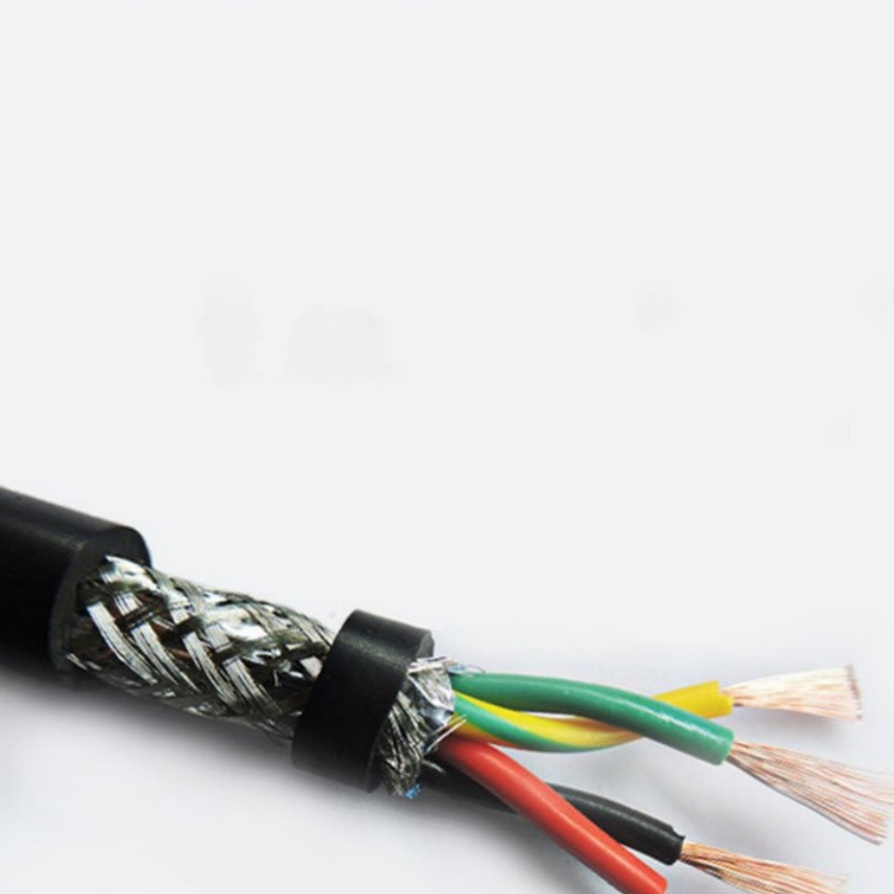
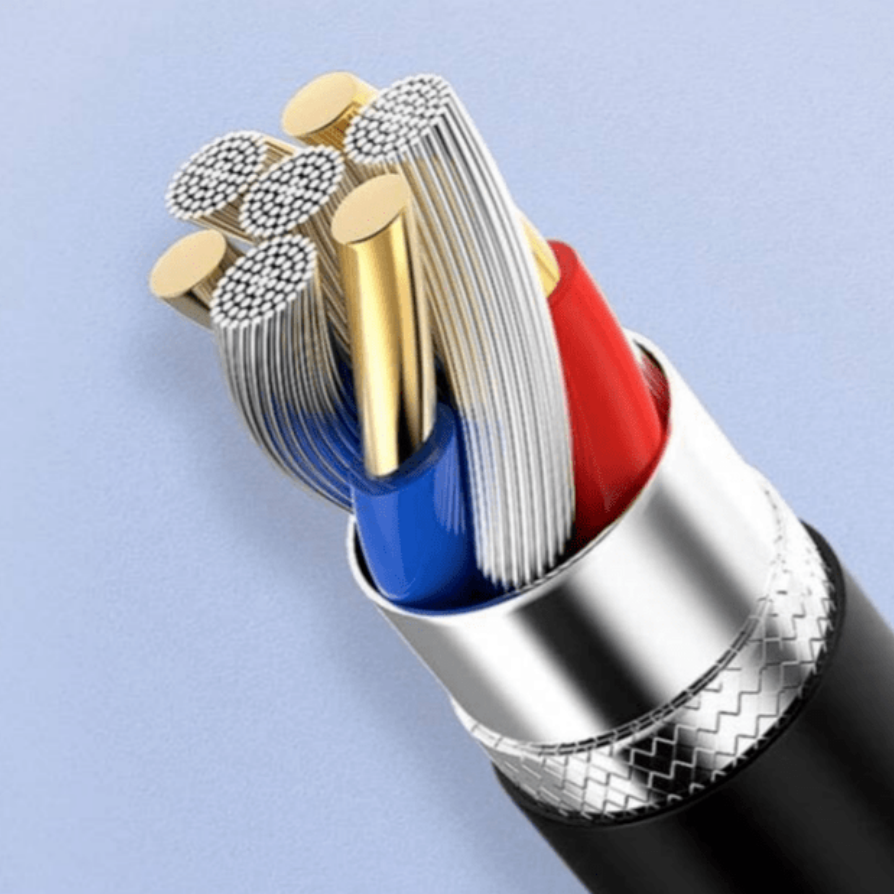
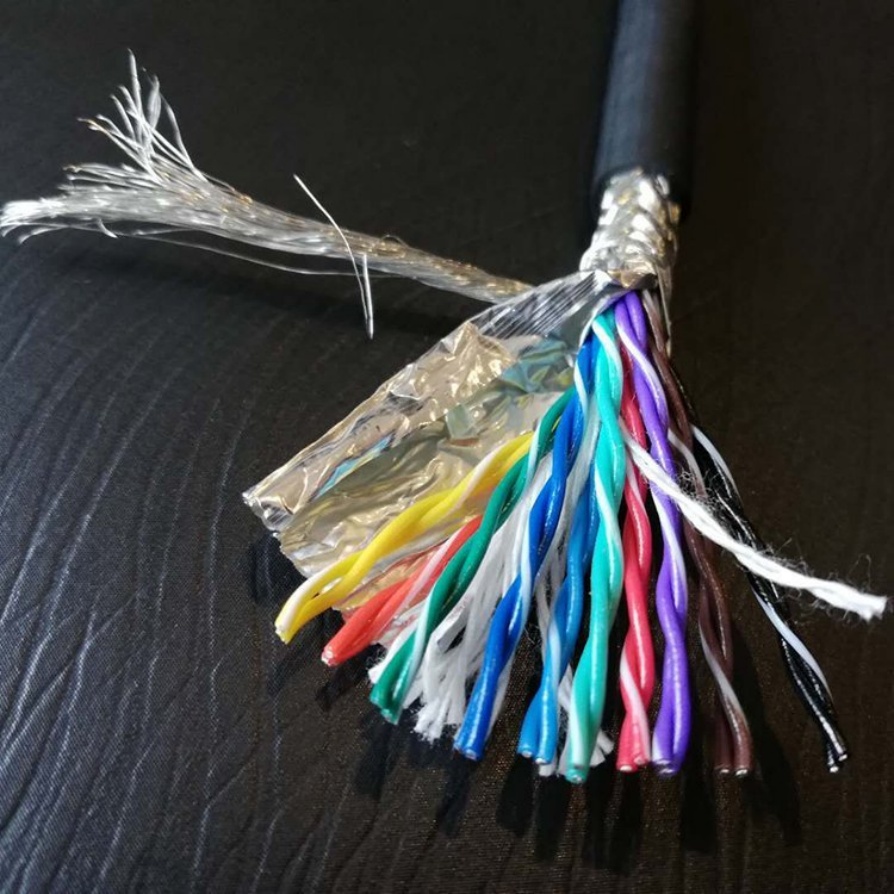
To ensure signal integrity, these cables incorporate advanced shielding technologies, such as foil shielding, braided shielding, or a combination of both. Shielding is critical in industrial environments, which are filled with electromagnetic interference (EMI) from motors, inverters, welders, and other electrical equipment. By blocking EMI, the cables prevent signal degradation and ensure that image data is transmitted accurately and in real time. The 10m length is carefully calibrated to maintain signal quality—longer cables can suffer from signal attenuation, while shorter cables may not provide enough reach for larger automation setups. Additionally, the cable’s impedance matching (a key factor in high-speed data transmission) is optimized to minimize signal reflection, further enhancing data reliability. For industrial applications where precision is non-negotiable—such as automotive part inspection, electronics manufacturing, or pharmaceutical packaging—this reliable data transmission capability is a game-changer, enabling machine vision systems to make accurate decisions quickly.
3. Robust Construction for Harsh Industrial Environments
Industrial automation environments are notoriously harsh, exposing cables to a wide range of damaging factors, including mechanical impact, abrasion, chemicals, extreme temperatures, and moisture. Drag chain rated machine vision cable 10m is built to withstand these challenges, with a rugged construction that ensures durability and longevity.
The outer jacket of these cables is typically made from PUR or TPE, materials that offer excellent resistance to abrasion, oil, grease, solvents, and UV radiation. This makes the cables suitable for use in environments such as automotive factories (where oil and grease are prevalent), food processing plants (where frequent washdowns with harsh chemicals occur), and outdoor automation setups (where UV exposure is a concern). The jacket also provides mechanical protection against impact and crushing, which is important in busy industrial settings where cables may come into contact with moving parts or heavy equipment.
Furthermore, these cables are designed to operate over a wide temperature range—often from -40°C to 80°C or higher—making them suitable for use in cold storage facilities, high-temperature manufacturing processes (such as metalworking), and other extreme-temperature environments. The 10m length’s consistent construction (from conductor to jacket) ensures that these environmental resistance properties are maintained throughout the cable’s entire length, eliminating weak points that could lead to failure. For industrial operators, this robustness means fewer cable replacements, lower maintenance costs, and greater peace of mind that their machine vision systems will continue to operate reliably even in the harshest conditions.
4. Optimized Power and Signal Integration for Simplified System Design
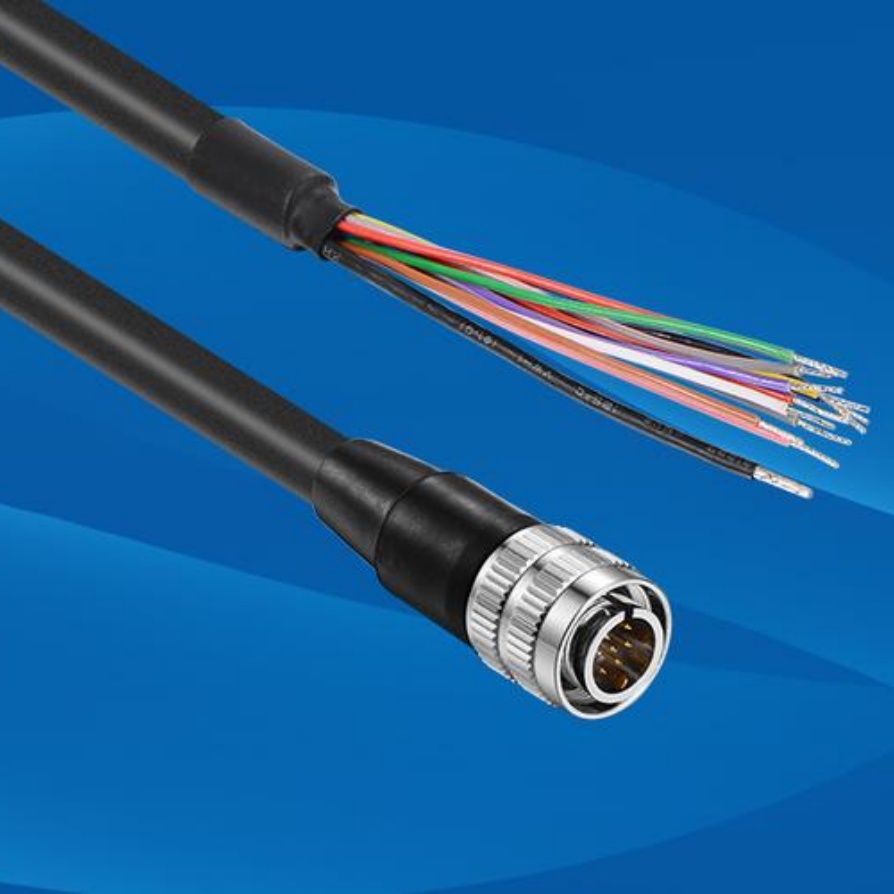
Modern machine vision systems often require both data transmission and power supply to cameras and other components. Drag chain rated machine vision cable 10m is frequently designed as a hybrid cable, integrating both data conductors and power conductors in a single jacket. This integration offers several key advantages for industrial automation.
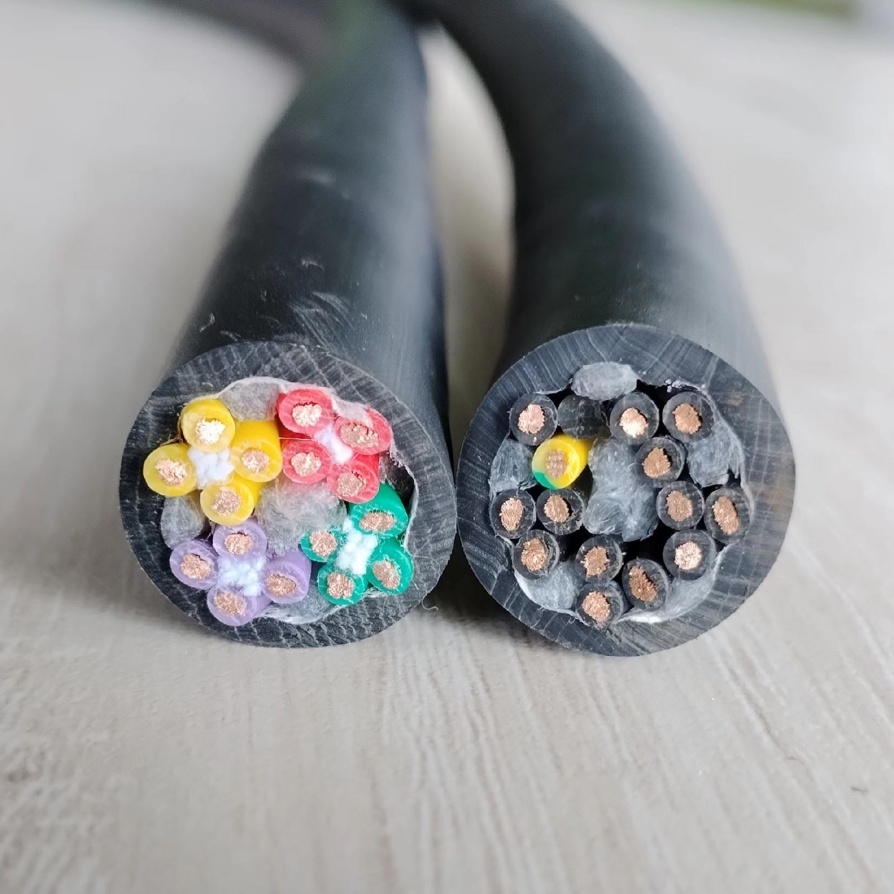
First, it simplifies cable routing and management. Instead of running separate cables for data and power, system integrators can use a single 10m cable, reducing the number of cables in the drag chain and minimizing clutter. This not only makes installation faster and easier but also reduces the risk of cable tangling or damage, as there are fewer cables to manage. Second, integrating power and data in a single cable helps to reduce electromagnetic interference between the two signal types. Manufacturers carefully design the cable’s internal structure—separating power and data conductors with shielding or insulation—to prevent power signals from interfering with sensitive data signals, ensuring both reliable power delivery and accurate data transmission.
The 10m length is particularly beneficial here, as it allows for a clean, streamlined connection between machine vision components (e.g., a camera mounted on a robotic arm and a control cabinet) without the need for multiple cable segments. This simplified system design not only reduces installation time and costs but also improves the overall reliability of the machine vision system, as there are fewer connections and potential points of failure.
5. Consistent Performance Over Long-Term Use: Reducing Total Cost of Ownership
In industrial automation, the total cost of ownership (TCO) of equipment and components is a key consideration for businesses. Drag chain rated machine vision cable 10m offers significant advantages in terms of TCO, thanks to its long service life and consistent performance over time.
As mentioned earlier, the cable’s design for drag chain compatibility and harsh environments ensures that it can withstand millions of flex cycles and resist damage from abrasion, chemicals, and extreme temperatures. This long service life means that businesses do not need to replace the cables frequently, reducing the direct costs of cable purchases and the indirect costs associated with downtime for maintenance and replacement. Additionally, the cable’s reliable data transmission and power delivery capabilities ensure that machine vision systems operate at peak performance over time, minimizing errors and rework in manufacturing processes. For example, in a quality control application, a reliable cable ensures that defective parts are consistently detected, reducing the cost of scrapped materials and ensuring that only high-quality products reach the market.
Furthermore, the 10m length’s standardization makes it easy to source replacements if needed, reducing lead times and ensuring that maintenance can be completed quickly. Many manufacturers also offer warranties on drag chain rated machine vision cables, providing additional protection against premature failure. All these factors combine to lower the TCO of machine vision systems, making the 10m drag chain rated cable a cost-effective choice for industrial automation applications.
6. Versatility Across Diverse Industrial Automation Applications
Another core advantage of drag chain rated machine vision cable 10m is its versatility, which allows it to be used in a wide range of industrial automation applications. Machine vision systems are employed in numerous industries, including automotive, electronics, pharmaceuticals, food and beverage, logistics, and metalworking—each with its own unique requirements and challenges. The 10m cable’s combination of drag chain compatibility, high-speed data transmission, rugged construction, and power-data integration makes it suitable for all these industries.
For example, in automotive manufacturing, it can be used to connect machine vision cameras that inspect welds, paint quality, or component assembly on robotic production lines. In electronics manufacturing, it can transmit high-resolution image data from cameras inspecting printed circuit boards (PCBs) for defects such as solder bridges or missing components. In the food and beverage industry, its chemical resistance makes it ideal for use in washdown environments where cameras monitor packaging integrity or product quality. In logistics, it can support machine vision systems that track and sort packages on conveyor belts.
The 10m length is a versatile option that fits many standard automation workcell sizes, making it a go-to choice for system integrators who need a reliable cable solution that can adapt to different applications. This versatility eliminates the need for businesses to stock multiple types of cables for different systems, simplifying inventory management and reducing costs.
Conclusion
Drag chain rated machine vision cable 10m is a critical component in modern industrial automation, offering a unique combination of advantages that address the specific needs of machine vision systems in harsh, high-motion environments. Its exceptional drag chain compatibility ensures long-term reliability in moving applications, while its high-speed data transmission capabilities support the precision required of modern machine vision systems. The cable’s robust construction makes it resistant to the harsh conditions of industrial environments, and its integrated power and data design simplifies system installation and management. Additionally, its long service life reduces total cost of ownership, and its versatility makes it suitable for a wide range of industrial applications.
For engineers, system integrators, and industrial operators looking to optimize their machine vision systems, choosing a drag chain rated machine vision cable 10m is a decision that delivers tangible benefits in terms of performance, reliability, and cost-effectiveness. As industrial automation continues to evolve and become more sophisticated, the importance of high-quality, application-specific cables like this will only grow—ensuring that machine vision systems can continue to serve as the “eyes” of automation, driving efficiency and precision in manufacturing and processing operations worldwide.