What are the core benefits of PoCL cable Power over Camera Link SDR f...
In the fast-paced world of industrial automation and machine vision, every component plays a pivotal role in ensuring precision, efficiency, and reliability. Among the critical technologies that power modern machine vision systems, Power over Camera Link (PoCL) cable with Single Data Rate (SDR) capabilities stands out as a game-changer. As industries increasingly adopt machine vision for quality control, inspection, robotics, and beyond, the demand for seamless, high-performance connectivity solutions has never been higher. PoCL cable Power over Camera Link SDR addresses this demand by integrating power and data transmission into a single, streamlined cable, offering a range of core benefits that elevate the performance and usability of machine vision systems. In this article, we will delve into these core benefits, exploring how PoCL cable Power over Camera Link SDR transforms industrial machine vision operations and why it has become an indispensable component for businesses aiming to stay competitive in the automation era.
1. Simplified System Design and Reduced Installation Complexity
One of the most significant advantages of PoCL cable Power over Camera Link SDR for machine vision systems is its ability to simplify system design and reduce installation complexity. Traditional machine vision setups require separate cables for data transmission (from the camera to the frame grabber or processing unit) and power supply (to the camera). This dual-cable configuration not only increases the number of components needed but also complicates routing, especially in compact industrial environments or large-scale setups with multiple cameras.
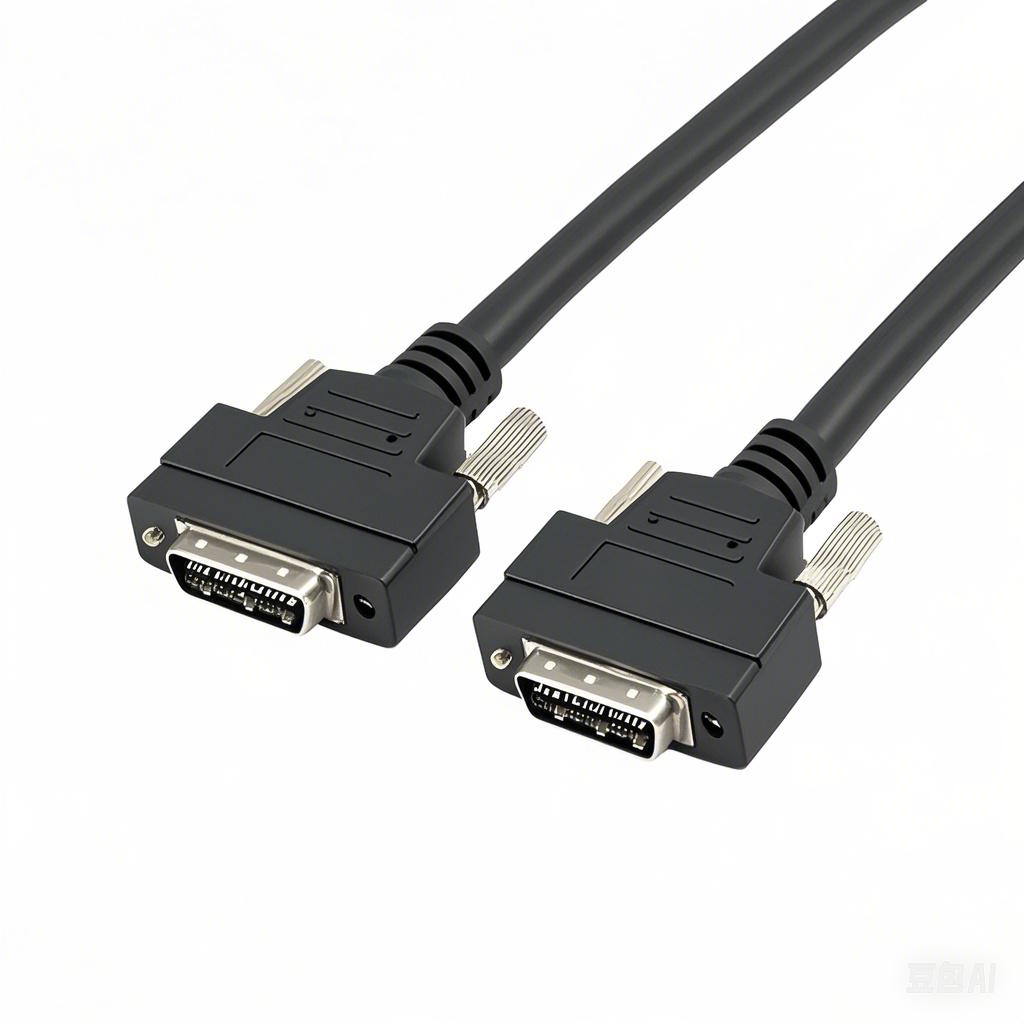
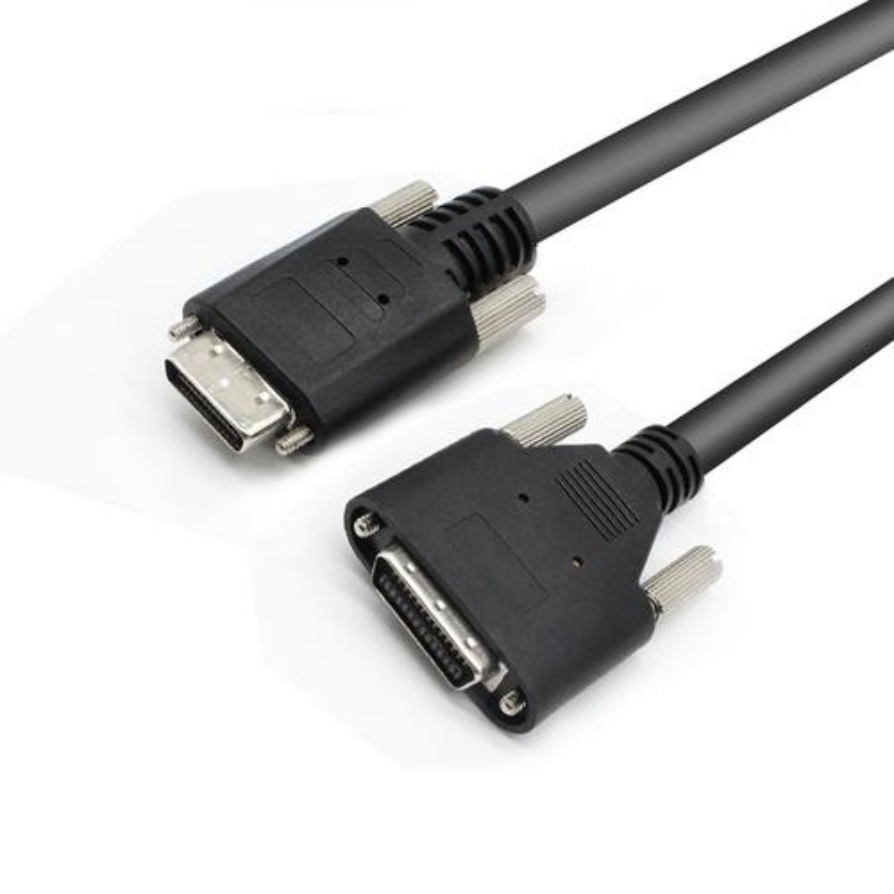
PoCL cable Power over Camera Link SDR eliminates this redundancy by delivering both power and high-speed data over a single Camera Link cable. The Camera Link standard, developed specifically for machine vision applications, supports high-bandwidth data transfer, making it ideal for transmitting high-resolution images and video from cameras to processing units. By integrating power delivery into this existing data cable, PoCL eliminates the need for separate power cables, power supplies, and associated connectors. This simplification of the cabling infrastructure reduces the overall footprint of the machine vision system, making it easier to install in tight spaces such as production lines, robotic workcells, or inspection booths.
Moreover, reduced cabling complexity translates to faster installation times and lower labor costs. Technicians no longer need to route and terminate two separate sets of cables for each camera, minimizing the risk of errors such as incorrect wiring or cable damage. This is particularly beneficial for large-scale machine vision systems with dozens of cameras, where the time and cost savings from simplified installation can be substantial. Additionally, fewer cables mean a cleaner, more organized setup, which improves maintainability and reduces the likelihood of cable tangling or accidental disconnection—common issues in high-vibration industrial environments.
2. Enhanced Reliability and Reduced Downtime
Reliability is a critical factor in industrial machine vision systems, as unplanned downtime can lead to lost production, increased costs, and compromised product quality. PoCL cable Power over Camera Link SDR significantly enhances the reliability of machine vision systems and reduces downtime through several key mechanisms.
First, the reduction in the number of cables and connectors directly lowers the points of failure in the system. Each additional cable, connector, and power supply introduces a potential weak point where issues such as loose connections, corrosion, or component failure can occur. By eliminating separate power cables and connectors, PoCL reduces the total number of failure points, making the system more robust. This is especially important in harsh industrial environments where factors like dust, moisture, temperature fluctuations, and vibration can degrade component performance over time.
Second, PoCL cable Power over Camera Link SDR is designed to meet the rigorous requirements of industrial applications. Camera Link cables, including PoCL-compliant cables, are constructed with durable materials that can withstand the harsh conditions of industrial environments, such as oil, grease, chemicals, and physical abrasion. Additionally, PoCL power delivery is regulated and optimized for machine vision cameras, ensuring a stable and consistent power supply. Voltage fluctuations or unstable power can cause camera malfunctions, such as distorted images, frame drops, or complete camera shutdown. PoCL’s integrated power delivery system prevents these issues by providing a reliable power source that meets the specific voltage and current requirements of the camera.
Furthermore, many PoCL-enabled Camera Link SDR systems include built-in diagnostic features that monitor power delivery and data transmission in real time. These diagnostics can alert operators to potential issues, such as cable degradation, power supply anomalies, or connection problems, before they lead to system failure. Proactive monitoring allows for timely maintenance and repairs, minimizing unplanned downtime and ensuring continuous operation of the machine vision system. For example, if a PoCL cable begins to degrade, the diagnostic system can notify technicians to replace it before it fails, preventing disruptions to the production or inspection process.
3. High-Speed Data Transmission for High-Resolution Imaging
Machine vision systems rely on high-speed, high-bandwidth data transmission to process high-resolution images and video in real time. PoCL cable Power over Camera Link SDR excels in this area, leveraging the Camera Link SDR standard to deliver exceptional data transfer performance while simultaneously providing power to the camera.
Camera Link SDR supports data rates of up to 2.0 Gbps per channel, with multiple channels available depending on the cable configuration (e.g., 1x, 2x, or 4x Camera Link). This high bandwidth is essential for machine vision cameras that capture high-resolution images (such as 4K, 8K, or higher) or high-frame-rate video, as it ensures that image data is transmitted from the camera to the processing unit without latency or frame drops. For applications such as high-speed inspection of printed circuit boards (PCBs), automotive part testing, or food packaging verification, real-time processing of high-resolution images is critical to detecting defects accurately and efficiently.
Importantly, the integration of power delivery into the Camera Link SDR cable does not compromise data transmission performance. PoCL is designed to coexist with the high-speed data signals on the cable, using dedicated pins for power delivery that do not interfere with the data channels. This ensures that the full bandwidth of the Camera Link SDR standard is available for data transmission, allowing machine vision systems to operate at their maximum performance potential. Additionally, Camera Link SDR uses differential signaling, which provides excellent noise immunity, ensuring that image data is transmitted clearly even in noisy industrial environments where electromagnetic interference (EMI) from motors, generators, or other equipment is common.
The combination of high-speed data transmission and integrated power delivery makes PoCL cable Power over Camera Link SDR ideal for demanding machine vision applications that require both high performance and reliability. Whether it’s inspecting tiny electronic components with sub-micron precision or monitoring fast-moving production lines, PoCL ensures that image data is delivered quickly and accurately, enabling real-time decision-making and efficient processing.
4. Cost Savings Across the System Lifecycle
Cost efficiency is a top priority for businesses investing in industrial machine vision systems, and PoCL cable Power over Camera Link SDR offers significant cost savings across the entire system lifecycle—from initial setup to long-term maintenance.
In the initial setup phase, the elimination of separate power cables, power supplies, and connectors reduces the total cost of components. Businesses no longer need to purchase additional power supplies for each camera, nor do they need to invest in extra cables and connectors. This is particularly impactful for large-scale systems with multiple cameras, where the cost of additional power components can add up quickly. Additionally, as mentioned earlier, simplified installation reduces labor costs, as technicians spend less time routing, terminating, and testing cables.
Over the long term, PoCL’s enhanced reliability translates to lower maintenance costs. Fewer components mean fewer parts to replace or repair, reducing the frequency of maintenance interventions. The durable construction of PoCL-compliant Camera Link cables also extends their lifespan, reducing the need for frequent cable replacements. Furthermore, the proactive diagnostic features of many PoCL systems help identify potential issues early, allowing for cost-effective preventive maintenance rather than expensive emergency repairs. For example, replacing a degraded cable before it fails is far less costly than dealing with the downtime and production losses caused by a sudden cable failure.
Another long-term cost benefit is energy efficiency. PoCL cable Power over Camera Link SDR delivers power efficiently to the camera, minimizing energy waste. Traditional power supplies often have low efficiency, especially when operating at less than full load, leading to unnecessary energy consumption. PoCL’s integrated power delivery system is optimized for the specific power requirements of machine vision cameras, ensuring that energy is used efficiently. This can result in lower energy bills over time, especially for large-scale systems with multiple cameras operating 24/7.
5. Flexibility and Scalability for Diverse Applications
Machine vision systems are used in a wide range of industrial applications, from automotive manufacturing and electronics assembly to food and beverage inspection and pharmaceutical quality control. Each application has unique requirements in terms of camera placement, resolution, frame rate, and environmental conditions. PoCL cable Power over Camera Link SDR offers exceptional flexibility and scalability, making it suitable for diverse machine vision applications.
The single-cable design of PoCL provides greater flexibility in camera placement. Since there’s no need to run separate power cables, cameras can be installed in remote or hard-to-reach locations where access to power outlets is limited. This is particularly useful in large factories, where cameras may need to be mounted on moving parts, overhead structures, or in confined spaces. For example, in automotive assembly lines, cameras used to inspect welds or paint quality can be placed closer to the production process without worrying about routing power cables to those locations.
Additionally, PoCL cable Power over Camera Link SDR is compatible with a wide range of machine vision cameras and processing units that support the Camera Link standard. This compatibility ensures that businesses can easily integrate PoCL into their existing machine vision systems or upgrade their systems without having to replace all components. For example, if a business wants to add more cameras to its existing system, it can simply use additional PoCL cables and compatible cameras, leveraging the existing processing infrastructure. This scalability is essential for businesses that need to expand their machine vision capabilities as production volumes increase or new products are introduced.
Furthermore, PoCL supports various Camera Link configurations (1x, 2x, 4x), allowing businesses to choose the appropriate bandwidth and power delivery capacity based on their specific application needs. For low-resolution, low-frame-rate applications, a 1x PoCL cable may be sufficient, while high-resolution, high-frame-rate applications can benefit from a 4x PoCL cable to ensure adequate bandwidth. This flexibility allows businesses to optimize their machine vision systems for performance and cost, selecting the right components for each application.
6. Compliance with Industrial Standards and Safety
Industrial applications are subject to strict standards and safety regulations, and PoCL cable Power over Camera Link SDR is designed to comply with these requirements, ensuring safe and reliable operation.
Camera Link, the underlying standard for PoCL, is widely recognized and adopted in the machine vision industry, ensuring compatibility with a broad range of industrial components. PoCL itself complies with relevant standards for power delivery and data transmission, such as IEC (International Electrotechnical Commission) standards for electrical safety and EMC (Electromagnetic Compatibility). Compliance with EMC standards is particularly important in industrial environments, as it ensures that PoCL cables and components do not emit excessive electromagnetic radiation that could interfere with other equipment, and that they are immune to interference from external sources.
In terms of safety, PoCL cable Power over Camera Link SDR incorporates features to protect both the machine vision system and personnel. For example, many PoCL systems include over-voltage protection, over-current protection, and short-circuit protection, which prevent damage to cameras, processing units, or other components in the event of a power surge or electrical fault. These safety features also reduce the risk of electrical hazards, such as fires or electric shocks, making the system safer to install and maintain.
Additionally, PoCL cables are designed to meet industrial safety ratings for temperature, moisture, and chemical resistance, ensuring that they can operate safely in harsh environments without compromising performance or safety. This compliance with industrial standards and safety regulations gives businesses peace of mind, knowing that their machine vision systems are operating within legal and safety guidelines.
Conclusion
PoCL cable Power over Camera Link SDR offers a multitude of core benefits that make it an essential component for modern machine vision systems. From simplifying system design and reducing installation complexity to enhancing reliability, delivering high-speed data transmission, generating cost savings, providing flexibility and scalability, and ensuring compliance with industrial standards, PoCL addresses the key challenges faced by businesses in the industrial automation sector.
As machine vision technology continues to evolve and become more integral to industrial processes, the demand for efficient, reliable, and high-performance connectivity solutions will only grow. PoCL cable Power over Camera Link SDR not only meets these demands but also provides a competitive edge by improving operational efficiency, reducing costs, and ensuring consistent, high-quality performance. Whether used in small-scale inspection systems or large-scale production lines, PoCL is a versatile and valuable solution that empowers businesses to maximize the potential of their machine vision systems.
For businesses looking to upgrade their existing machine vision systems or implement new ones, investing in PoCL cable Power over Camera Link SDR is a strategic decision that delivers long-term value. By leveraging the core benefits of PoCL, businesses can enhance their productivity, improve product quality, and stay ahead in the rapidly evolving world of industrial automation.