What is 10GigE Vision cable industrial grade and its advantages for m...
In the era of Industry 4.0, machine vision systems have become the “eyes” of intelligent manufacturing, undertaking critical tasks such as product inspection, precision measurement, and automated assembly. The performance of these systems is not only dependent on high-resolution cameras and powerful processors but also on the transmission medium that connects core components—cables. Among the various cable solutions available, 10GigE Vision cable industrial grade stands out as a high-performance, reliable option tailored for harsh industrial environments. This article will delve into what 10GigE Vision industrial-grade cables are, their core characteristics, and the significant advantages they bring to machine vision systems, helping you understand why they have become the preferred choice for modern industrial automation.
1. What is 10GigE Vision Cable Industrial Grade?
To understand 10GigE Vision cable industrial grade, we first need to clarify the two core concepts it combines: 10GigE Vision and industrial-grade cables.
10GigE Vision is a global standard based on the 10 Gigabit Ethernet protocol, specifically designed for high-speed data transmission in machine vision applications. It is an extension of the GigE Vision standard, upgrading the data transfer rate from 1 Gigabit per second (Gbps) to 10 Gbps. This leap in speed enables machine vision systems to handle large-volume data streams from high-resolution cameras (such as 4K, 8K, or multi-sensor cameras) in real time, eliminating latency bottlenecks that could affect inspection accuracy and production efficiency.
Industrial-grade cables, on the other hand, are cables engineered to withstand the extreme conditions of industrial environments. Unlike commercial-grade cables, which are designed for office or home use, industrial-grade cables must resist factors such as mechanical stress, temperature fluctuations, electromagnetic interference (EMI), chemical corrosion, and dust. They undergo rigorous testing to meet industry-specific standards (such as IEC, UL, or IEEE) for durability and performance.
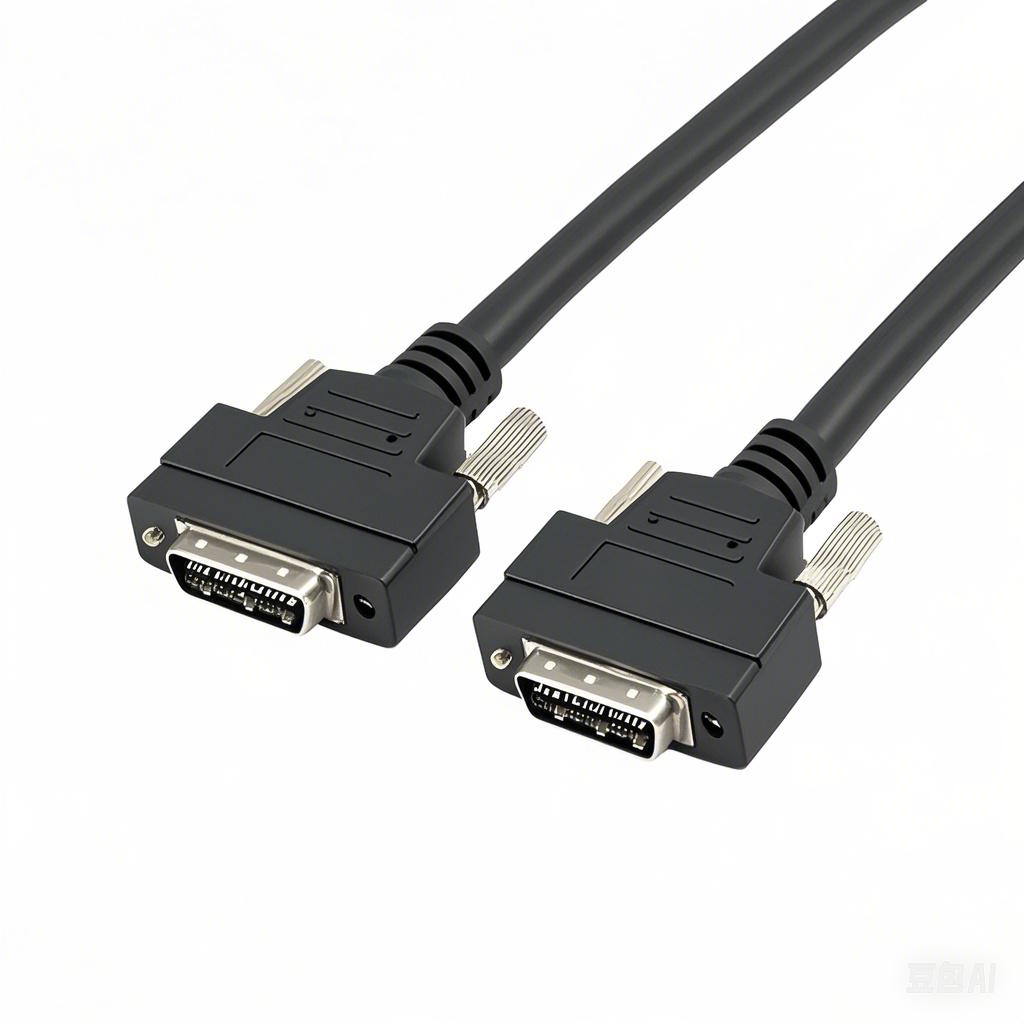
Combining these two elements, 10GigE Vision cable industrial grade is a specialized transmission cable that complies with the 10GigE Vision standard and meets industrial-grade environmental and mechanical requirements. It is designed to transmit high-speed, uncompressed machine vision data (including images, videos, and control signals) between cameras, frame grabbers, and processors in industrial settings, ensuring stable, low-latency, and error-free data transmission even in the harshest operating conditions.
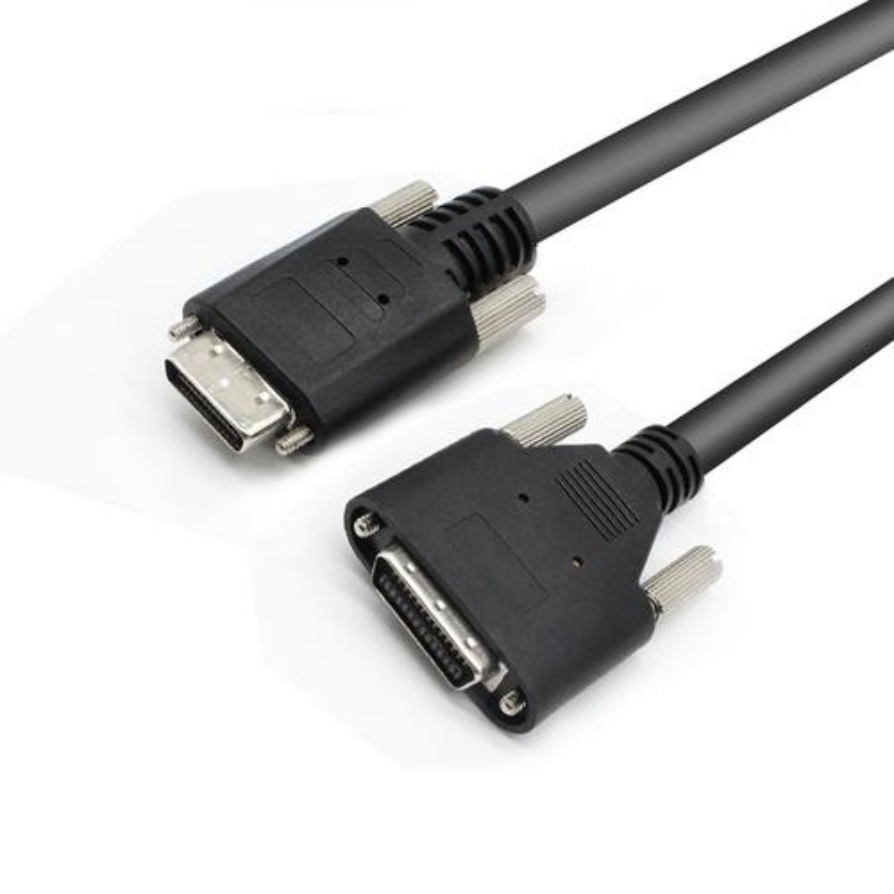
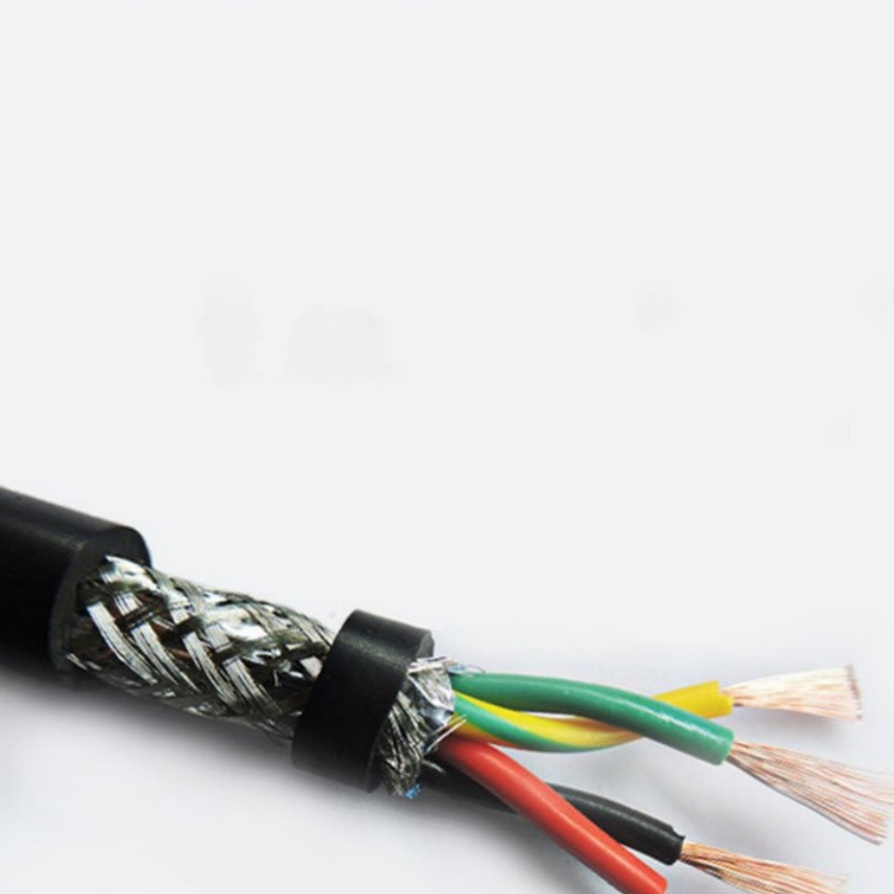
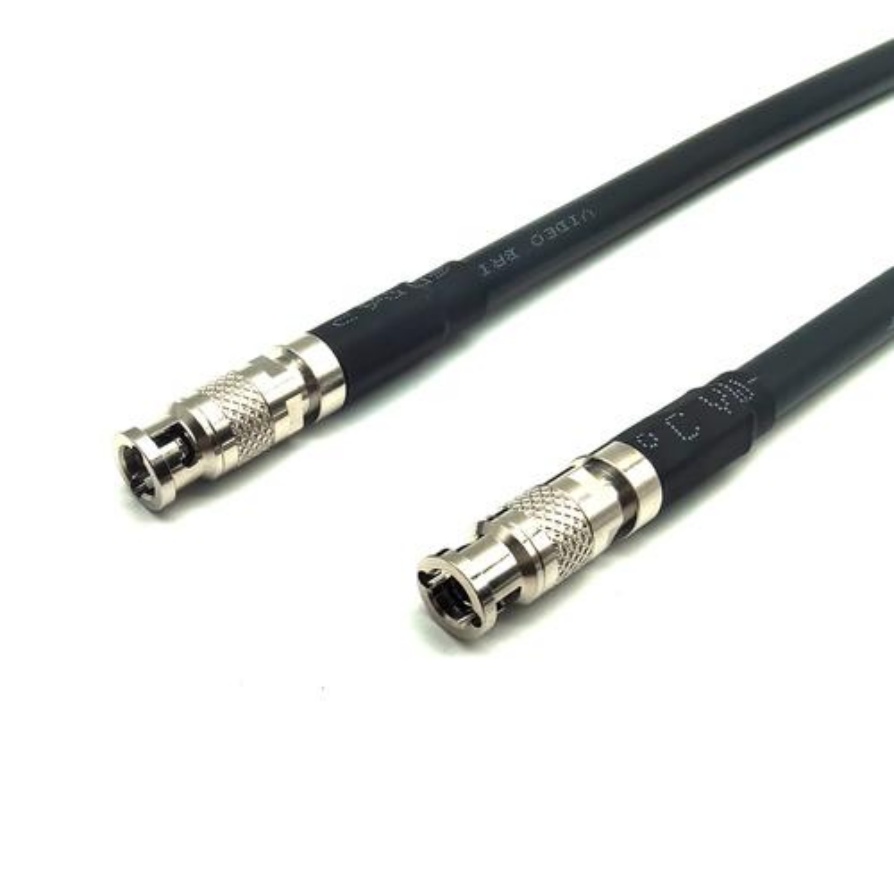
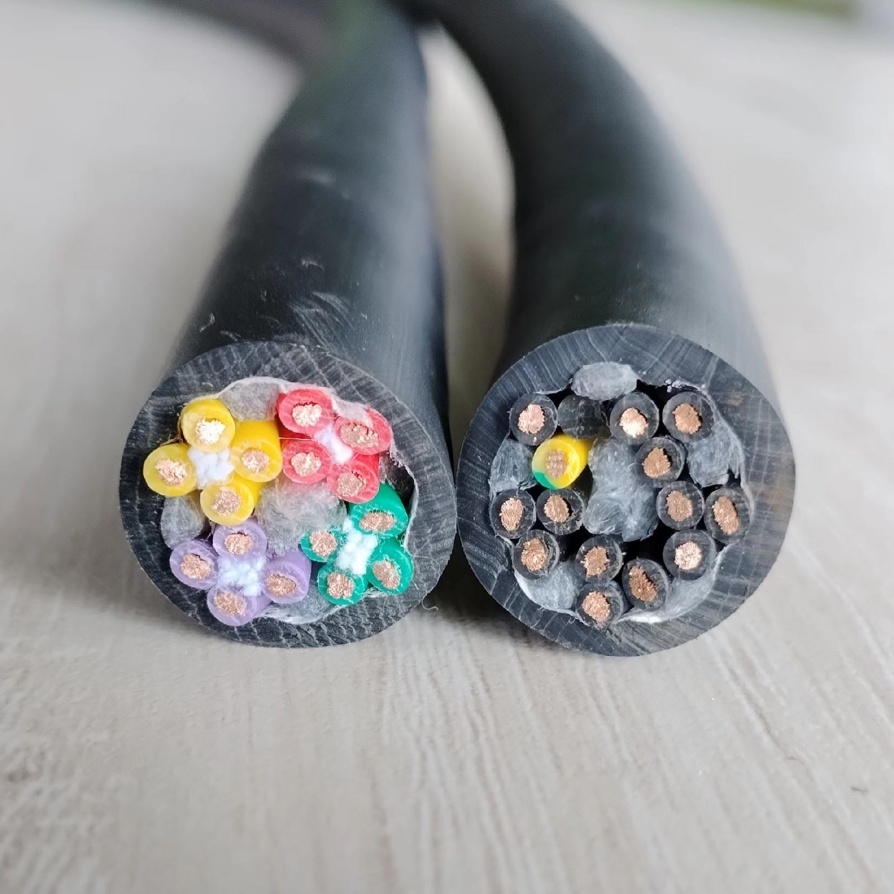
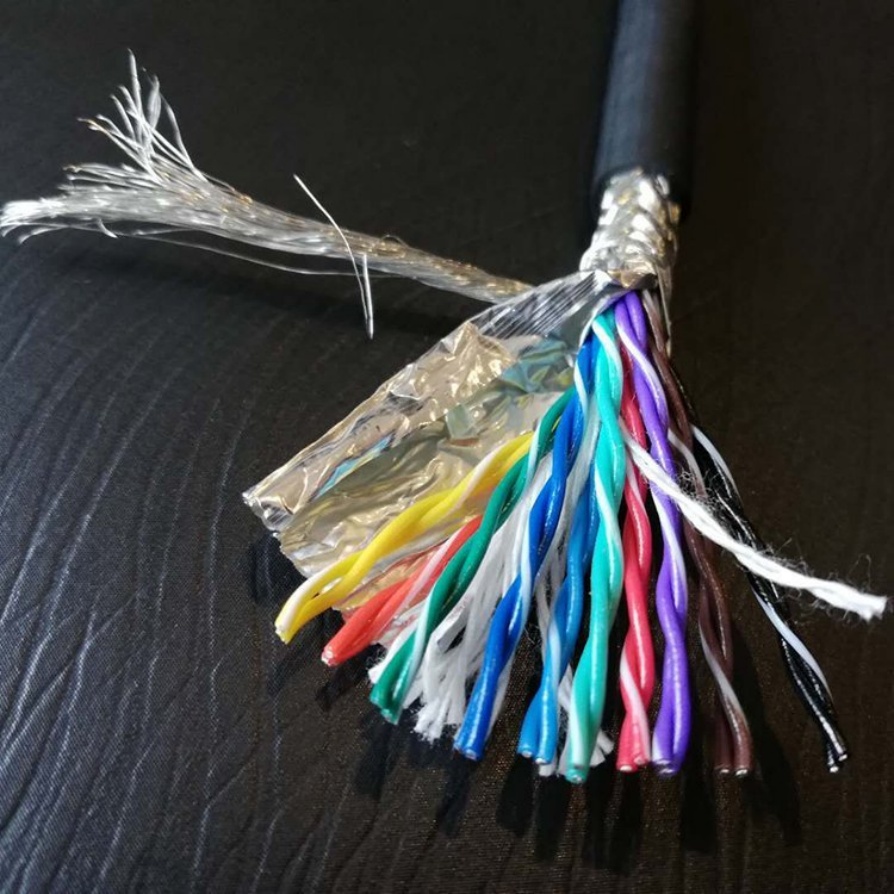
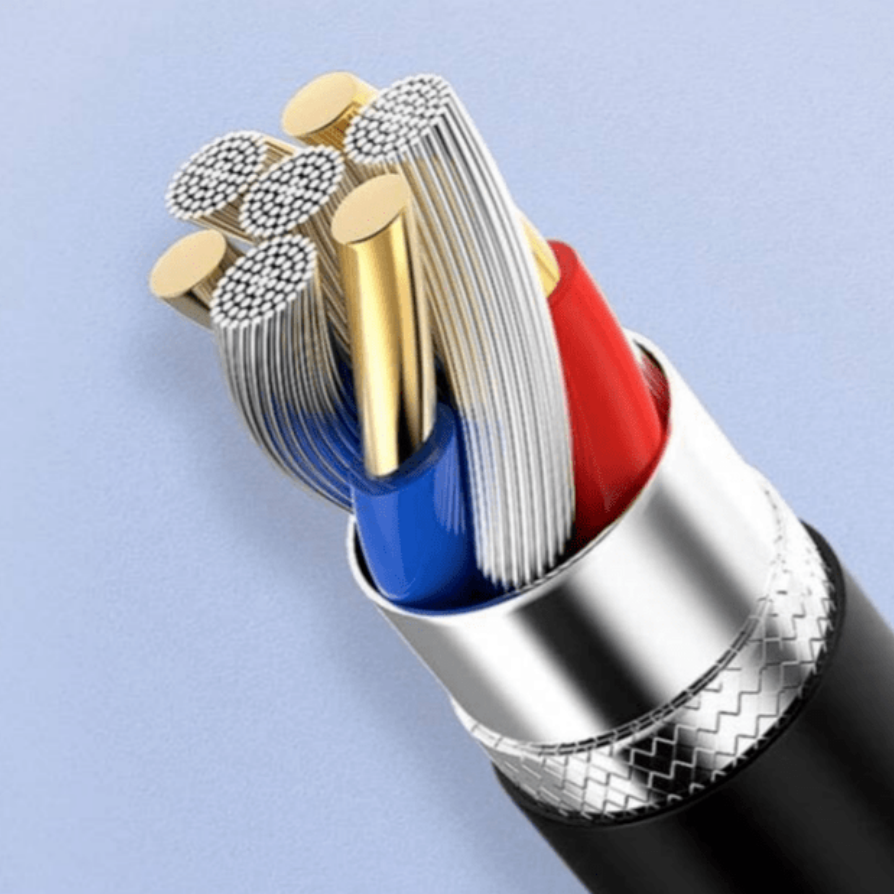
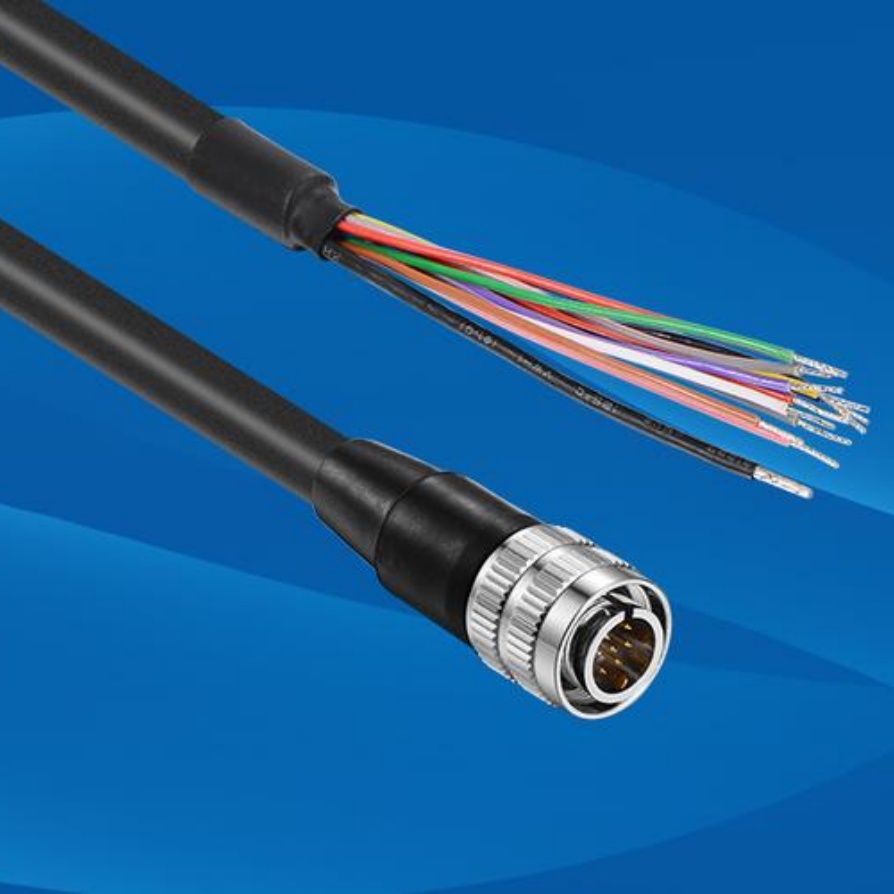
Key components of 10GigE Vision industrial-grade cables typically include: a robust outer jacket (made of materials like PVC, PUR, or TPE for abrasion and chemical resistance), shielded twisted pairs (STP) or unshielded twisted pairs (UTP) with high-quality copper conductors (to minimize signal loss), and reinforced connectors (such as RJ45, SFP+, or M12) that provide secure, vibration-resistant connections—critical for industrial applications where equipment movement or vibration is common.
2. Core Characteristics of 10GigE Vision Cable Industrial Grade
10GigE Vision industrial-grade cables are distinguished by a set of core characteristics that make them suitable for industrial machine vision applications. These characteristics are tailored to address the unique challenges of industrial environments and the high-performance demands of 10GigE Vision systems.
2.1 High-Speed Data Transmission Capability
At the heart of 10GigE Vision cable industrial grade is its ability to support 10 Gbps data transfer rates. This is achieved through optimized conductor design, precise twisted-pair configurations, and advanced insulation materials that reduce signal attenuation and crosstalk (interference between adjacent cables). For machine vision systems, this high speed is essential for handling the massive data generated by modern high-resolution cameras. For example, a 4K camera capturing 30 frames per second generates approximately 3.5 Gbps of data—data that a 1GigE cable would struggle to transmit in real time, leading to frame drops or latency. A 10GigE Vision industrial-grade cable, however, can easily handle this data load, even when multiple cameras are connected to a single system, enabling synchronous image capture and processing.
2.2 Industrial-Grade Durability
Industrial environments are harsh, with factors like mechanical abrasion, impact, vibration, extreme temperatures, and chemical exposure posing significant threats to cable performance. 10GigE Vision industrial-grade cables are built to withstand these conditions:
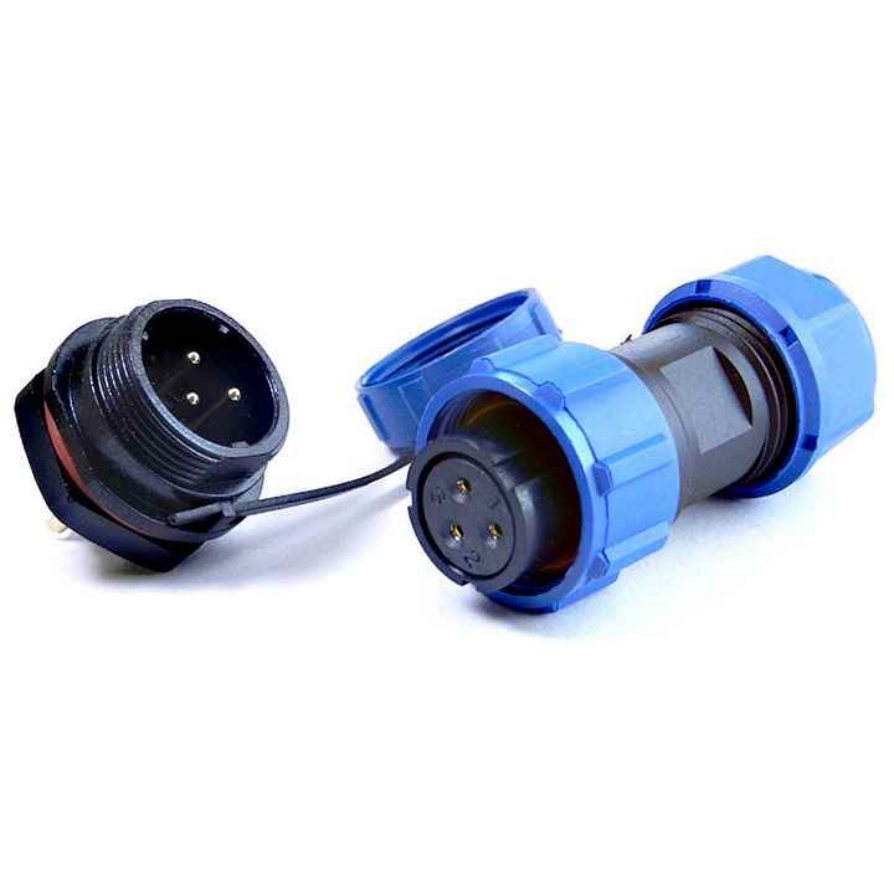
- Mechanical Resistance: The outer jacket is made of durable materials such as polyurethane (PUR) or thermoplastic elastomer (TPE), which are resistant to abrasion, tearing, and crushing. Reinforced connectors (e.g., M12 connectors with a locking mechanism) prevent accidental disconnection due to vibration or movement.
- Temperature Tolerance: These cables can operate within a wide temperature range, typically from -40°C to 85°C, making them suitable for use in cold storage facilities, high-temperature manufacturing plants (such as automotive foundries), and outdoor industrial applications.
- Chemical Resistance: The jacket and insulation materials are resistant to common industrial chemicals, including oils, solvents, and cleaning agents, ensuring long-term performance in environments where chemical exposure is common (such as pharmaceutical or food processing plants).
2.3 Strong Anti-Interference Performance
Industrial facilities are filled with electrical equipment (such as motors, inverters, and welding machines) that generate electromagnetic interference (EMI). EMI can disrupt data transmission, leading to corrupted images or lost control signals—critical issues for machine vision systems that rely on accurate data. 10GigE Vision industrial-grade cables address this problem through shielding:
Most industrial-grade 10GigE Vision cables use shielded twisted pairs (STP) with a metal foil or braided shield. This shielding acts as a barrier, blocking external EMI from penetrating the cable and preventing the cable’s internal signals from interfering with other equipment. Some high-performance cables also feature double shielding (foil + braid) for enhanced protection in high-EMI environments, such as automotive assembly lines or heavy machinery facilities.
2.4 Compliance with Global Standards
10GigE Vision industrial-grade cables comply with a range of global standards, ensuring compatibility and reliability across different regions and applications. Key standards include:
- 10GigE Vision Standard: Developed by the Automated Imaging Association (AIA), this standard defines the protocol for data transmission in machine vision systems, ensuring interoperability between different manufacturers’ equipment (cameras, cables, frame grabbers).
- Ethernet Standards: Compliance with IEEE 802.3ae (10 Gigabit Ethernet) ensures that the cables can work seamlessly with standard Ethernet infrastructure, reducing the need for specialized hardware.
- Industrial Safety Standards: Certifications such as UL (Underwriters Laboratories) and IEC (International Electrotechnical Commission) ensure that the cables meet strict safety and performance requirements for industrial use.
3. Advantages of 10GigE Vision Cable Industrial Grade for Machine Vision Systems
For machine vision systems, the choice of cable directly impacts performance, reliability, and overall system cost. 10GigE Vision industrial-grade cables offer a range of advantages that make them superior to other cable solutions (such as USB 3.0, Camera Link, or commercial-grade GigE cables) in industrial applications.
3.1 Enables High-Resolution, Real-Time Imaging
Modern machine vision applications increasingly demand high-resolution cameras (4K, 8K, or higher) to capture fine details in products—for example, detecting micro-defects in electronic components or verifying the accuracy of small mechanical parts. These cameras generate massive amounts of data, and slow data transmission can lead to latency, frame drops, or incomplete image capture—all of which compromise inspection accuracy.
10GigE Vision industrial-grade cables solve this problem by providing 10 Gbps transmission speeds, enabling real-time transmission of uncompressed high-resolution images and videos. This ensures that the system can process images as soon as they are captured, allowing for fast decision-making (such as rejecting defective products) and maintaining high production line speeds. For example, in a semiconductor manufacturing plant, a 10GigE Vision system using industrial-grade cables can inspect 1000+ wafers per hour with 100% accuracy, a feat that would be impossible with slower cable solutions.
3.2 Enhances System Reliability in Harsh Industrial Environments
Machine vision systems are often deployed in harsh environments, such as automotive factories (with high temperatures, vibration, and oil exposure), food processing plants (with water and chemical cleaning agents), or outdoor inspection sites (with extreme weather conditions). Commercial-grade cables are not designed to withstand these conditions—they may degrade quickly, leading to system downtime, costly repairs, and lost production.
10GigE Vision industrial-grade cables are built for durability, withstanding temperature fluctuations, mechanical stress, chemical exposure, and EMI. This ensures that the cable maintains stable performance even in the harshest conditions, reducing system downtime and increasing overall reliability. For example, in a automotive paint shop, where temperatures can exceed 60°C and chemicals are present, an industrial-grade 10GigE Vision cable can operate continuously for years without degradation, while a commercial-grade cable would likely fail within months.
3.3 Supports Long-Distance Transmission
In large industrial facilities (such as warehouses, assembly plants, or logistics centers), machine vision cameras may need to be installed far from the control room or processing unit. Traditional cable solutions (such as USB 3.0) have limited transmission distances (typically 3-5 meters), requiring the use of repeaters or extenders, which add complexity and cost.
10GigE Vision industrial-grade cables support long-distance transmission, with distances of up to 100 meters for copper cables (Cat 6A or Cat 7) and up to 10 kilometers for fiber optic cables. This eliminates the need for repeaters, simplifying system design and reducing installation costs. For example, in a large logistics warehouse, a 10GigE Vision system using industrial-grade fiber optic cables can connect cameras installed at the far end of the warehouse (500+ meters from the control room) to the processing unit, enabling real-time package inspection without signal loss.
3.4 Improves System Scalability and Flexibility
Industrial automation systems often need to be scaled or modified as production needs change—for example, adding more cameras to expand inspection coverage or integrating new equipment into the system. 10GigE Vision industrial-grade cables, based on Ethernet technology, offer excellent scalability and flexibility:
- Easy Integration: 10GigE Vision is compatible with standard Ethernet networks, allowing machine vision systems to be easily integrated with other industrial automation systems (such as PLCs, SCADA, or MES systems) using existing network infrastructure. This reduces the need for specialized wiring and simplifies system integration.
- Support for Multiple Cameras: A single 10GigE switch can connect multiple cameras to a single processing unit, enabling the creation of multi-camera systems without sacrificing performance. This makes it easy to scale the system by adding more cameras as needed.
- Hot-Swapping Capability: Some 10GigE Vision industrial-grade cables support hot-swapping, allowing cameras to be connected or disconnected without shutting down the system. This improves system flexibility and reduces downtime during maintenance or upgrades.
3.5 Reduces Total Cost of Ownership (TCO)
While 10GigE Vision industrial-grade cables may have a higher initial cost than commercial-grade cables, they offer significant cost savings over the long term, reducing the total cost of ownership (TCO) of the machine vision system. Key cost-saving factors include:
- Lower Downtime Costs: The durability and reliability of industrial-grade cables reduce system downtime, which is critical in manufacturing environments where downtime can cost thousands of dollars per hour.
- Reduced Installation and Maintenance Costs: Long-distance transmission capability eliminates the need for repeaters or extenders, simplifying installation. The compatibility with standard Ethernet infrastructure also reduces the need for specialized wiring and maintenance.
- Longer Lifespan: Industrial-grade cables have a longer lifespan than commercial-grade cables, reducing the frequency of cable replacements and associated costs.
For example, a study by a leading industrial automation company found that using 10GigE Vision industrial-grade cables reduced the TCO of a machine vision system by 30% over five years compared to using commercial-grade cables, due to lower downtime, maintenance, and replacement costs.
4. Common Applications of 10GigE Vision Cable Industrial Grade
10GigE Vision industrial-grade cables are widely used in a range of machine vision applications across various industries, where high speed, reliability, and durability are critical. Some common applications include:
4.1 Automotive Manufacturing
In automotive manufacturing, machine vision systems are used for tasks such as weld inspection, paint defect detection, and component assembly verification. The harsh environment (high temperatures, vibration, oil exposure) and the need for high-resolution imaging (to detect small defects) make 10GigE Vision industrial-grade cables an ideal choice. For example, in a car body assembly line, a 10GigE Vision system using industrial-grade cables can inspect welds in real time, ensuring that each weld meets quality standards, and transmit the data to the control system for immediate action.
4.2 Semiconductor and Electronics Manufacturing
Semiconductor and electronics manufacturing require extremely high-precision inspection to detect micro-defects in components such as wafers, chips, and printed circuit boards (PCBs). High-resolution cameras (8K or higher) are used for these tasks, generating massive amounts of data. 10GigE Vision industrial-grade cables enable real-time transmission of this data, ensuring that defects are detected early in the production process, reducing waste and improving yield. Additionally, the anti-interference performance of these cables is critical in semiconductor facilities, where sensitive electronic equipment is susceptible to EMI.
4.3 Food and Beverage Processing
In food and beverage processing, machine vision systems are used for tasks such as product inspection (detecting foreign objects, checking fill levels), label verification, and quality control. The harsh environment (water, chemical cleaning agents, temperature fluctuations) requires durable cables that can withstand frequent cleaning and exposure to moisture. 10GigE Vision industrial-grade cables with chemical-resistant jackets and waterproof connectors are ideal for these applications, ensuring reliable performance even in wet and corrosive environments.
4.4 Logistics and Packaging
Logistics and packaging facilities use machine vision systems for tasks such as package sorting, barcode scanning, and label verification. These systems often require long-distance transmission (connecting cameras in large warehouses to central processing units) and the ability to handle high-speed data from multiple cameras. 10GigE Vision industrial-grade cables support long-distance transmission and multi-camera integration, enabling efficient and accurate package processing even in large-scale facilities.
5. Conclusion
10GigE Vision cable industrial grade is a critical component of modern machine vision systems, combining the high-speed data transmission capability of the 10GigE Vision standard with the durability and reliability of industrial-grade cables. Its core characteristics—high-speed transmission, industrial-grade durability, strong anti-interference performance, and compliance with global standards—make it ideal for use in harsh industrial environments.
For machine vision systems, the advantages of 10GigE Vision industrial-grade cables are clear: they enable high-resolution, real-time imaging, enhance system reliability, support long-distance transmission, improve scalability and flexibility, and reduce total cost of ownership. As industrial automation continues to advance, and machine vision systems become more sophisticated, the demand for 10GigE Vision industrial-grade cables will only grow, making them an essential investment for businesses looking to improve productivity, quality, and efficiency in their manufacturing and logistics processes.
Whether you are designing a new machine vision system or upgrading an existing one, choosing the right 10GigE Vision industrial-grade cable is critical to ensuring optimal performance and reliability. By understanding the key characteristics and advantages of these cables, you can make an informed decision that meets the unique needs of your industrial application.