What is the compatibility of Cognex camera M12 X-code vision cable wi...
In the realm of industrial automation, vision systems have become the “eyes” of smart factories, and Cognex cameras, as a leading brand in machine vision, are widely deployed in quality inspection, assembly guidance, and logistics sorting processes. The Cognex camera M12 X-code vision cable, as a critical connection component between the camera and the industrial control system, directly determines the stability of data transmission, the accuracy of image capture, and the overall operational efficiency of the vision system. For industrial engineers, system integrators, and procurement professionals, understanding the compatibility of this specific cable with different industrial systems is not only a key prerequisite for system configuration but also a core factor in avoiding equipment mismatches, reducing maintenance costs, and ensuring long-term reliable operation of the production line. This article will conduct an in-depth analysis of the compatibility of the Cognex camera M12 X-code vision cable with industrial systems, covering compatible system types, underlying compatibility principles, practical verification methods, common compatibility issues, and solutions, to provide comprehensive and actionable guidance for industry practitioners.
1. An Overview of Cognex Camera M12 X-code Vision Cable
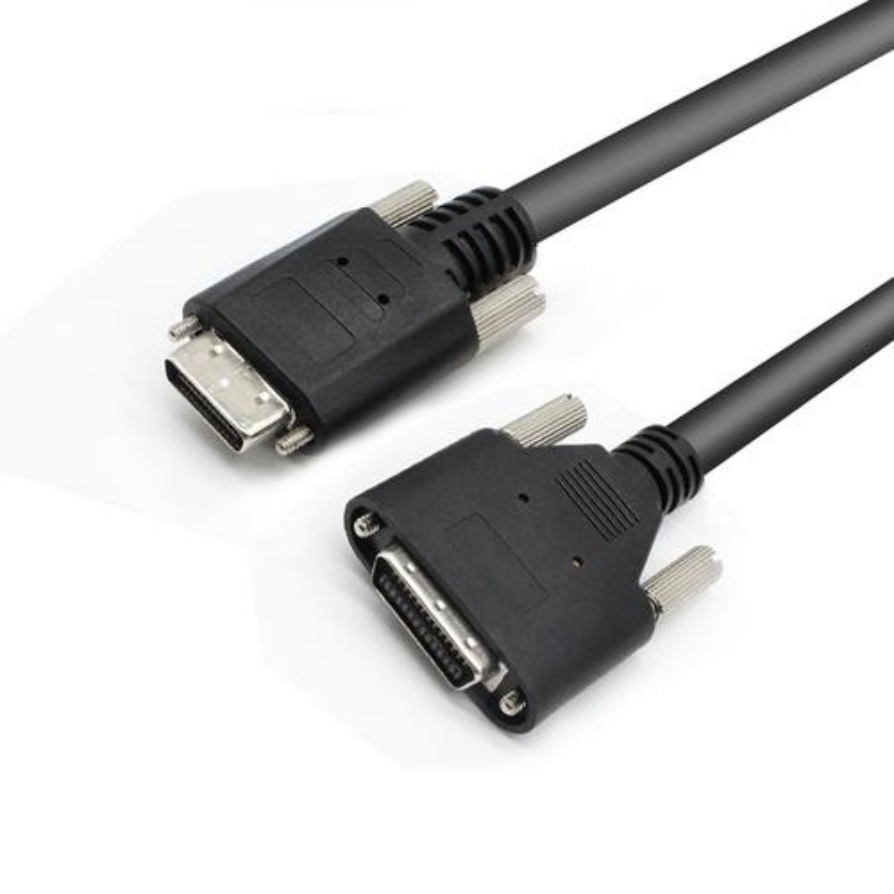
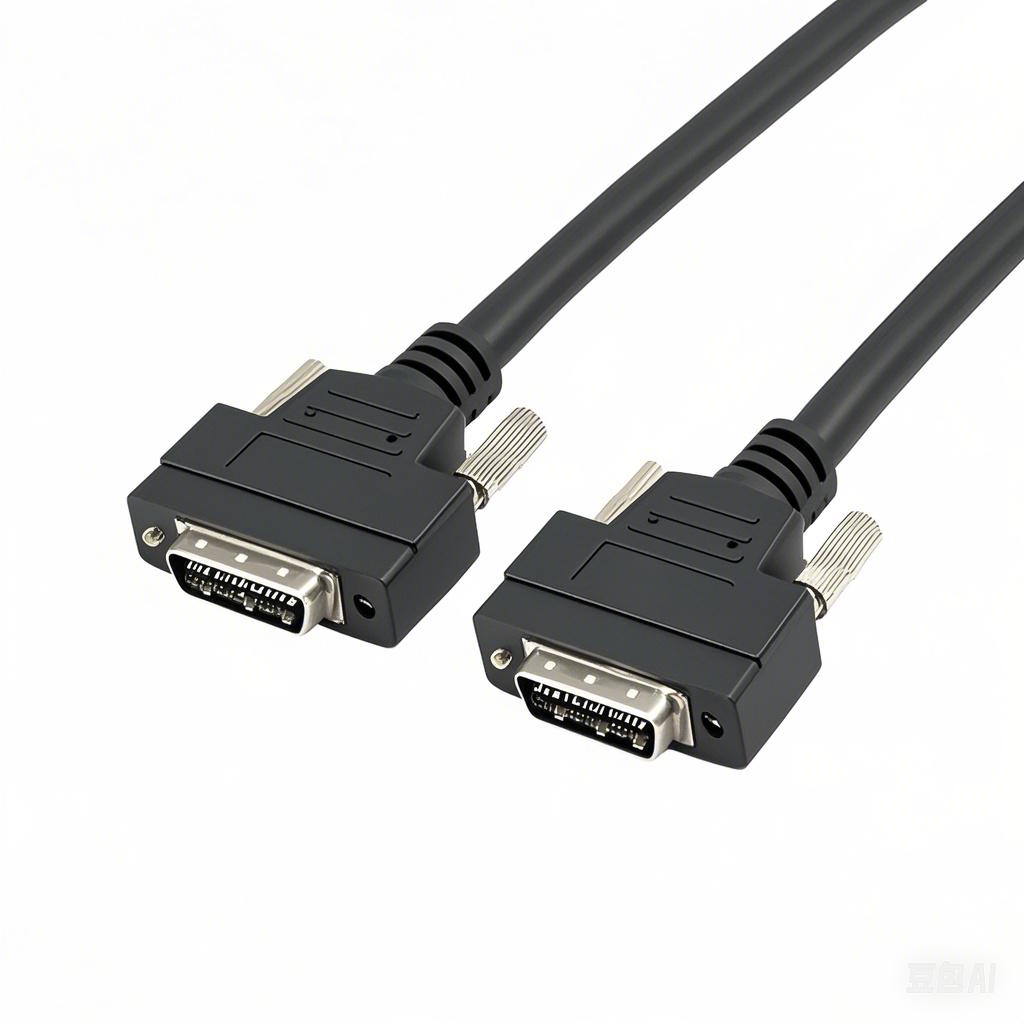
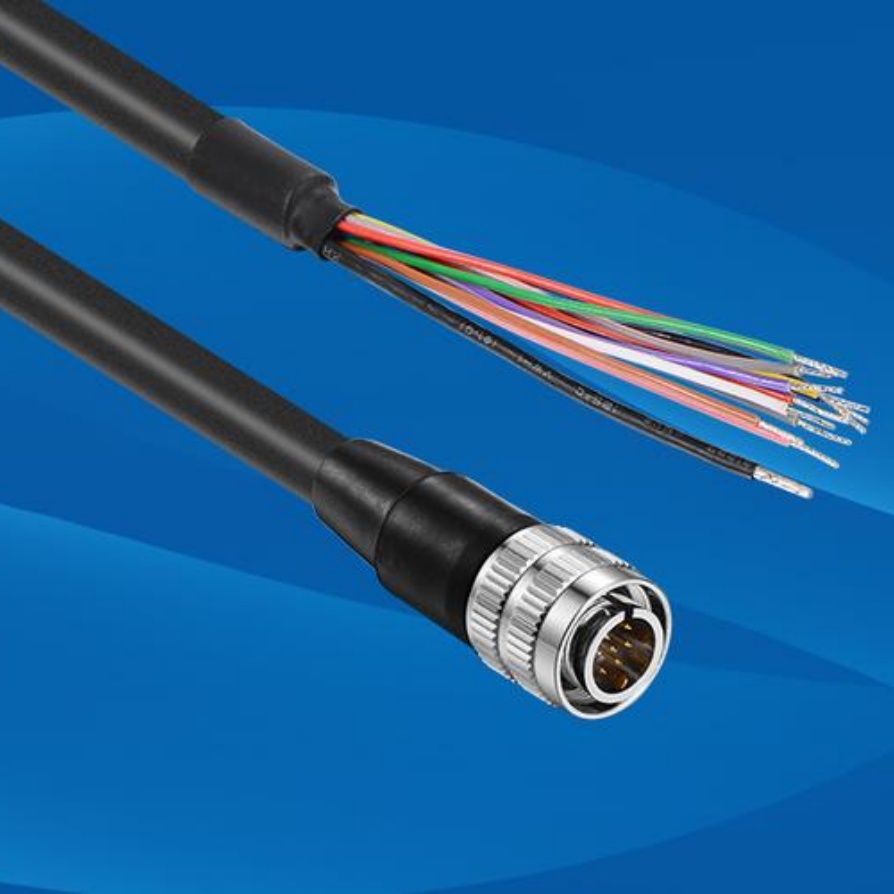
Before delving into compatibility issues, it is essential to have a clear understanding of the core characteristics of the Cognex camera M12 X-code vision cable, as these characteristics are the fundamental basis for its compatibility with industrial systems. The M12 X-code is a standardized connector specification, where “M12” refers to the 12mm diameter of the connector, and “X-code” denotes the 10-pin pinout configuration and shielding design, which is specifically optimized for high-speed data transmission in industrial environments.
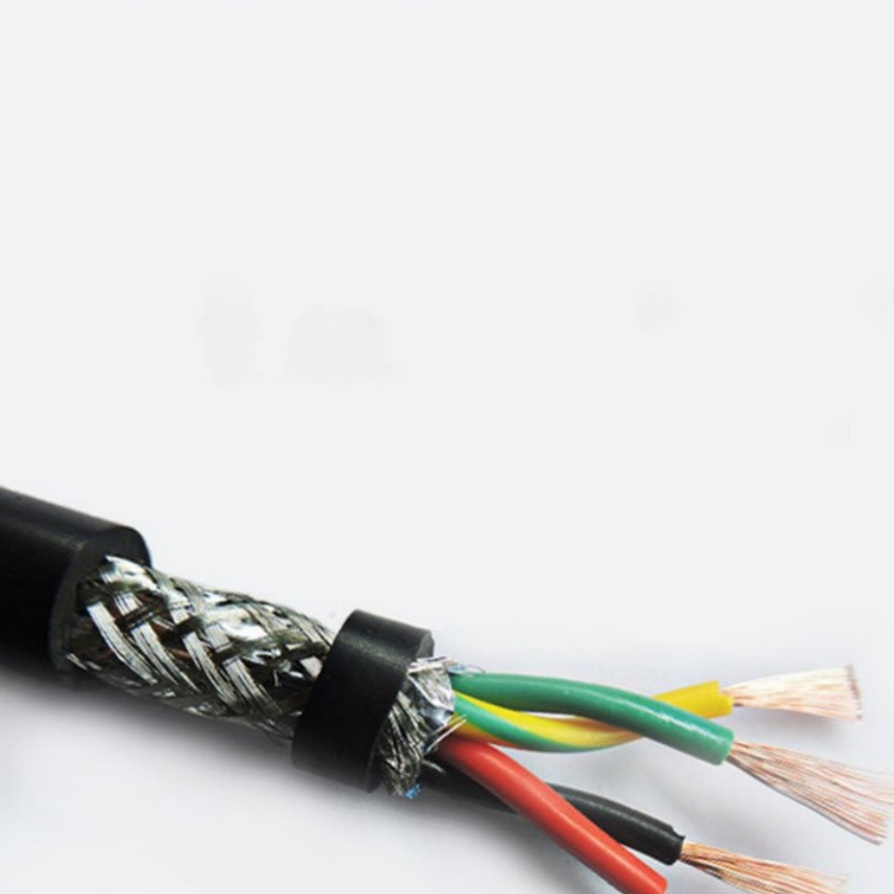
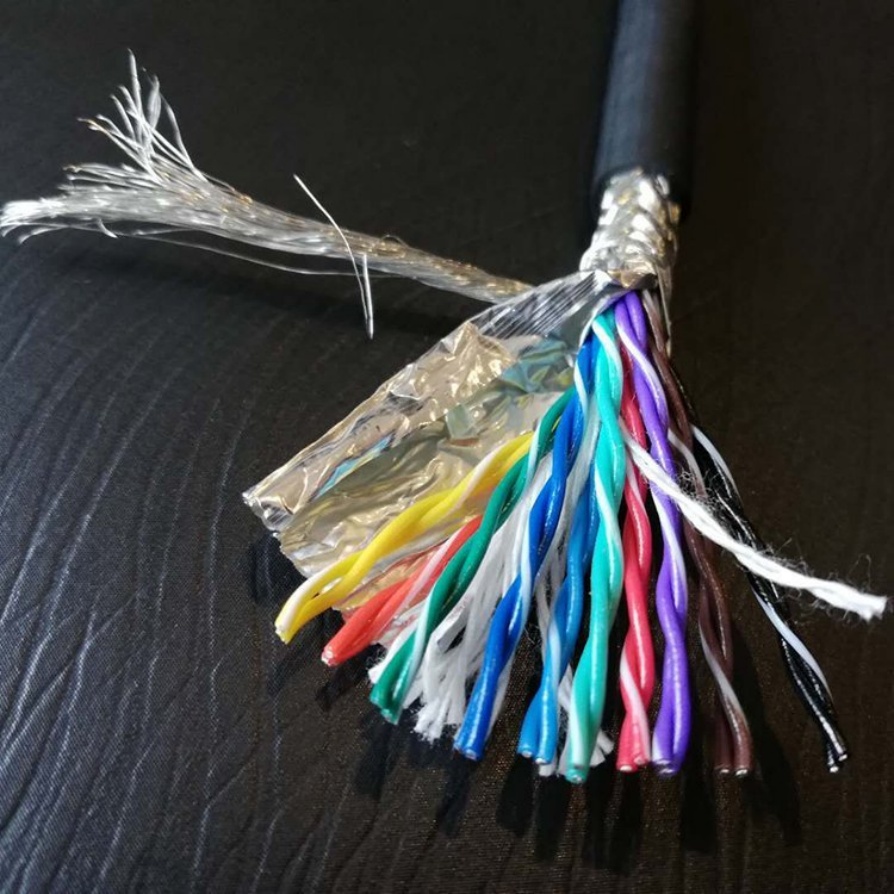
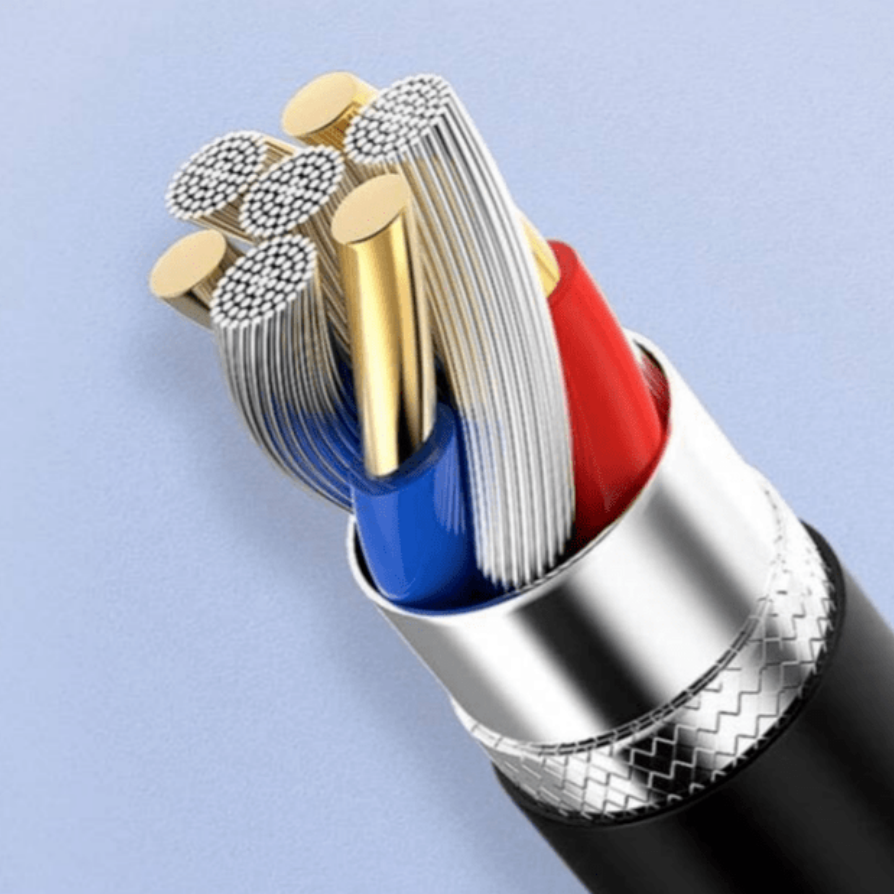
Cognex’s M12 X-code vision cable is tailored for its series of industrial cameras (such as the DataMan, In-Sight, and VisionView series), featuring high-quality shielded twisted-pair conductors. This design effectively resists electromagnetic interference (EMI) and radio frequency interference (RFI) common in industrial sites, ensuring the integrity of image data and control signals during transmission. Additionally, the cable supports high-speed Ethernet communication protocols, which is critical for real-time image processing—an indispensable requirement for modern industrial vision systems. The cable’s IP67 or higher protection rating also enables it to adapt to harsh industrial environments with dust, moisture, and vibration, further expanding its application scope across different industrial scenarios.
2. Core Factors Determining Compatibility
The compatibility of the Cognex camera M12 X-code vision cable with industrial systems is not a single-dimensional matching issue but is jointly determined by multiple core factors. Understanding these factors is crucial for accurately judging whether the cable can be integrated into a specific industrial system.
2.1 Connector Interface Standard
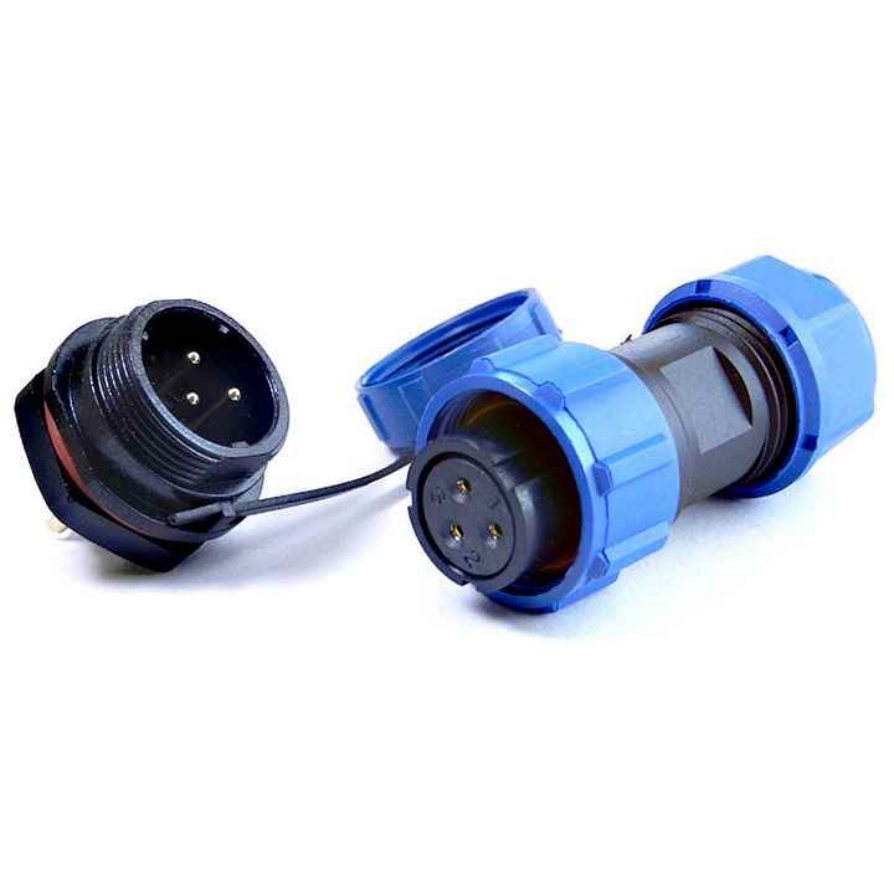
The most basic prerequisite for compatibility is the matching of connector interfaces. The M12 X-code connector of the Cognex cable adopts a 10-pin design, and its pinout definition is standardized (compliant with IEC 61076-2-104). Industrial systems that need to connect with Cognex cameras must be equipped with M12 X-code female connectors that match this pinout. If the industrial controller, switch, or terminal block uses other M12 code types (such as A-code, B-code, or D-code), direct physical connection is impossible, and even if forced connection is attempted, it will lead to signal confusion or equipment damage. It should be emphasized that although some M12 connectors have similar appearances, their pin counts and signal definitions differ significantly—for example, the A-code is 4-pin for basic Ethernet, while the X-code is 10-pin for high-speed data and power integration—making cross-code compatibility impossible.
2.2 Communication Protocol Support
Industrial vision systems rely on specific communication protocols to realize data interaction between cameras and control systems, and the Cognex M12 X-code vision cable’s support for communication protocols directly affects its compatibility with industrial systems. Cognex cameras typically use industrial Ethernet protocols such as GigE Vision, Ethernet/IP, and PROFINET, and the M12 X-code cable is optimized for these protocols. For example, GigE Vision, as a widely used industrial vision communication standard, enables high-speed transmission of uncompressed image data, and the Cognex M12 X-code cable’s high-bandwidth transmission capability (supporting up to 10 Gigabit Ethernet in some models) fully meets the requirements of GigE Vision. Therefore, industrial systems that support these standard industrial Ethernet protocols will have better compatibility with the cable, while systems that use proprietary or non-standard communication protocols may require additional protocol converters to achieve compatibility.
2.3 Power Supply Requirements
Many Cognex industrial cameras support Power over Ethernet (PoE) or Power over M12, which means the M12 X-code vision cable not only transmits data but also supplies power to the camera. In this case, the compatibility of the cable also depends on whether the industrial system (such as the industrial switch or controller) can provide the required PoE power. The Cognex M12 X-code cable typically supports PoE+ (IEEE 802.3at) standard, which provides up to 30W of power, suitable for power-hungry high-resolution cameras. If the industrial system’s PoE module only supports the basic PoE (IEEE 802.3af) standard (providing up to 15.4W), it may not meet the camera’s power requirements, leading to unstable camera operation or failure to start. For non-PoE systems, the cable’s power pins must be correctly connected to an external power supply that matches the voltage and current specifications, which also requires compatibility between the system’s power interface and the cable’s pin definition.
2.4 Environmental Adaptability
Although the Cognex M12 X-code vision cable itself has excellent environmental adaptability, its compatibility with industrial systems also includes matching the operating environment of the system. For example, in high-temperature industrial scenarios (such as steelmaking, glass manufacturing), the cable’s high-temperature resistance (usually -20°C to 70°C for standard models, and up to 125°C for high-temperature models) must match the system’s operating temperature range. In scenarios with strong vibration (such as automotive assembly lines, heavy machinery), the cable’s connector locking mechanism (usually a threaded lock) must be compatible with the system’s vibration resistance requirements to prevent loose connections. In addition, the cable’s chemical resistance (resistance to oil, acid, and alkali) must also be considered in environments with corrosive substances, ensuring that it does not degrade prematurely and affect system stability.
3. Compatible Industrial System Types and Application Scenarios
Based on the above core compatibility factors, the Cognex camera M12 X-code vision cable is compatible with a wide range of industrial systems, covering multiple fields of industrial automation. Below is a detailed breakdown of the main compatible system types and their typical application scenarios.
3.1 Industrial Ethernet Control Systems
Industrial Ethernet control systems are the most common type compatible with the Cognex M12 X-code vision cable, including systems based on GigE Vision, Ethernet/IP, and PROFINET protocols. These systems are widely used in automated production lines, where Cognex cameras (equipped with M12 X-code cables) are connected to industrial switches, programmable logic controllers (PLCs), and industrial computers (IPCs) to realize real-time image data transmission and control signal interaction.
Typical application scenarios include: In the automotive manufacturing industry, Cognex In-Sight cameras connected via M12 X-code cables are used for body part assembly inspection—images of assembled parts are transmitted to the Ethernet/IP-based PLC system in real time, and the PLC issues control commands based on the inspection results (such as passing or rejecting the part). In the electronics manufacturing industry, DataMan cameras connected via M12 X-code cables are used for printed circuit board (PCB) barcode reading, and the read data is transmitted to the PROFINET-based production management system to realize traceability of PCB production.
3.2 Machine Vision Inspection Systems
Specialized machine vision inspection systems are another core application field for the Cognex M12 X-code vision cable. These systems are composed of Cognex cameras, vision processors, light sources, and software, and the M12 X-code cable serves as the key connection between the camera and the vision processor. Cognex’s own VisionView vision systems are fully compatible with this cable, and third-party vision systems that support standard M12 X-code interfaces and GigE Vision protocols can also be seamlessly integrated.
Application scenarios include: In the food and beverage industry, machine vision inspection systems using Cognex cameras and M12 X-code cables inspect the packaging of products (such as checking for missing labels, damaged packaging, or incorrect sealant application). The high-speed data transmission capability of the cable ensures that high-resolution images of fast-moving products on the production line are captured and processed in real time. In the pharmaceutical industry, the cable connects Cognex cameras to vision systems for drug bottle label verification and batch number reading, ensuring compliance with pharmaceutical industry regulations.
3.3 Industrial IoT (IIoT) and Smart Factory Systems
With the development of Industry 4.0, Industrial IoT (IIoT) and smart factory systems have become mainstream trends, and the Cognex M12 X-code vision cable, with its high-speed data transmission and reliable connection capabilities, is well-suited for these systems. In IIoT systems, Cognex cameras collect image data from the production site and transmit it to the cloud platform or edge computing nodes via the M12 X-code cable and industrial Ethernet, enabling remote monitoring, data analysis, and predictive maintenance of production processes.
For example, in a smart logistics warehouse, Cognex cameras connected via M12 X-code cables capture images of goods on conveyor belts, and the image data is transmitted to the IIoT platform to realize automatic identification, sorting, and inventory management of goods. The cable’s stable connection ensures that data is not lost during transmission, laying a solid foundation for the efficient operation of the smart warehouse system.
3.4 Special Industrial Control Systems (High-Temperature, High-Vibration Environments)
As mentioned earlier, the Cognex M12 X-code vision cable has excellent environmental adaptability, making it compatible with special industrial control systems operating in high-temperature, high-vibration, or dusty environments. For example, in the steel industry, the cable connects Cognex cameras to high-temperature-resistant industrial control systems to inspect the surface quality of steel plates during the rolling process. The cable’s high-temperature-resistant materials and secure locking mechanism ensure that it can work stably in high-temperature environments up to 125°C. In the mining industry, the cable is used in vibration-resistant control systems to monitor the operation status of mining equipment, and its vibration-resistant design prevents loose connections caused by equipment vibration, ensuring continuous and reliable data transmission.
4. Practical Methods for Verifying Compatibility
For industrial engineers and system integrators, theoretical analysis of compatibility is not sufficient; practical verification is essential to ensure that the Cognex M12 X-code vision cable can work stably with the industrial system. Below are several practical verification methods that can be applied in actual work.
4.1 Pre-Connection Interface Check
Before connecting the cable to the industrial system, conduct a detailed check of the connector interface. First, confirm that the industrial system’s connector is an M12 X-code female connector (10-pin) that matches the Cognex cable’s male connector. You can check the connector’s code mark (usually marked with “X” on the connector) and refer to the system’s technical manual to confirm the pinout definition. Ensure that the pinout of the system’s connector is consistent with the Cognex cable’s pinout (for example, the data transmission pins, power pins, and ground pins are correctly aligned). If there is any inconsistency in the pinout, do not connect the cable to avoid damaging the camera or the system.
4.2 Communication Protocol Testing
After the physical connection is completed, conduct a communication protocol test to verify whether the cable can transmit data normally between the camera and the industrial system. For GigE Vision systems, you can use Cognex’s VisionView software or third-party GigE Vision testing tools (such as the GigE Vision Compliance Test Software) to check if the camera can be successfully discovered by the system, and test the data transmission rate and latency. For Ethernet/IP or PROFINET systems, use the corresponding protocol testing tools (such as Rockwell’s RSLinx for Ethernet/IP, Siemens’ TIA Portal for PROFINET) to verify the establishment of communication connections and the accuracy of data exchange. If the system cannot discover the camera or data transmission is interrupted, it may indicate that the cable is incompatible with the system’s communication protocol, or there is a problem with the protocol configuration.
4.3 Power Supply Compatibility Test
If the camera uses PoE power supply, test whether the industrial system’s PoE module can provide sufficient power to the camera. Use a PoE tester to measure the voltage and current output by the system’s PoE port, and compare it with the camera’s power requirements (indicated in the camera’s technical manual). If the output power is insufficient, replace the PoE module with a higher power rating (such as upgrading from PoE to PoE+). For non-PoE systems, check whether the external power supply connected to the cable’s power pins matches the camera’s voltage and current specifications, and verify that the camera can start normally and operate stably.
4.4 Environmental Adaptability Test
For industrial systems operating in harsh environments, conduct environmental adaptability tests on the cable. For example, in high-temperature environments, place the connected system in a high-temperature test chamber and simulate the actual operating temperature to check if the cable can maintain stable data transmission and connection. In high-vibration environments, use a vibration test bench to simulate the vibration intensity of the industrial site and verify that the cable’s connector does not loosen and the signal does not drop. If the cable fails in these tests, replace it with a high-temperature-resistant or high-vibration-resistant model of the Cognex M12 X-code cable.
5. Common Compatibility Issues and Solutions
In practical applications, even if theoretical compatibility is confirmed, compatibility issues may still arise due to factors such as system configuration, environmental interference, or cable aging. Below are several common compatibility issues and corresponding solutions to help users quickly troubleshoot and resolve problems.
5.1 Issue 1: Physical Connection Cannot Be Established
Symptom: The Cognex M12 X-code cable cannot be inserted into the industrial system’s connector, or it can be inserted but cannot be locked. Cause: The industrial system’s connector is not an M12 X-code type (e.g., using A-code or B-code), or the connector is damaged (e.g., bent pins, broken locking mechanism). Solution: First, confirm the connector type of the industrial system according to the technical manual. If it is not an M12 X-code, replace the system’s connector with a compatible M12 X-code female connector, or use a professional M12 code converter (note: converters may affect data transmission speed, so they are not recommended for high-speed vision systems). If the connector is damaged, replace the connector to ensure a secure physical connection.
5.2 Issue 2: Communication Interruption or Data Loss
Symptom: The camera can be connected to the industrial system initially, but communication is frequently interrupted, or image data is lost during transmission. Cause: The cable’s shielding layer is damaged, leading to electromagnetic interference; the communication protocol configuration is incorrect; or the cable’s transmission distance exceeds the maximum limit. Solution: First, check the cable’s shielding layer for damage. If damaged, replace the cable with a new Cognex M12 X-code cable (ensure it is an original genuine cable to avoid quality issues). Then, recheck the communication protocol configuration (e.g., IP address setting for GigE Vision, baud rate for Ethernet/IP) to ensure it is consistent with the camera’s configuration. If the transmission distance exceeds the maximum limit (usually 100 meters for standard Cat5e/Cat6 cables), add an industrial Ethernet switch to extend the transmission distance, or use a fiber optic converter for long-distance transmission.
5.3 Issue 3: Camera Fails to Start or Operates Unstably (PoE Power Supply)
Symptom: When using PoE power supply, the camera cannot start, or it starts but shuts down unexpectedly. Cause: The industrial system’s PoE module does not support the PoE+ standard, and the output power is insufficient; or the PoE port of the system is faulty. Solution: Use a PoE tester to measure the output power of the PoE port. If it is insufficient, replace the PoE module with a PoE+ (IEEE 802.3at) compatible model. If the PoE port is faulty, switch to another PoE port or use an external PoE injector to supply power to the camera (connect the injector between the system and the cable, with the injector providing power to the camera).
5.4 Issue 4: Cable Damage in Harsh Environments
Symptom: The cable’s outer sheath is cracked, or the connector is corroded, leading to connection failure in high-temperature, high-humidity, or corrosive environments. Cause: The cable’s environmental adaptability does not match the industrial environment (e.g., using a standard-temperature cable in a high-temperature environment). Solution: Replace the cable with a Cognex M12 X-code cable that is suitable for the specific environment. For example, use a high-temperature-resistant cable (operating temperature up to 125°C) in high-temperature environments, a waterproof and corrosion-resistant cable (IP68 protection rating) in high-humidity or corrosive environments, and a high-vibration-resistant cable with a reinforced locking mechanism in high-vibration environments.
6. Conclusion
The compatibility of the Cognex camera M12 X-code vision cable with industrial systems is a comprehensive issue involving interface standards, communication protocols, power supply requirements, and environmental adaptability. For industrial automation practitioners, a thorough understanding of the cable’s core characteristics, the core factors affecting compatibility, and the compatible industrial system types is the basis for ensuring successful system integration. By conducting practical compatibility verification (interface checks, protocol testing, power supply testing, and environmental adaptability testing) and mastering the solutions to common compatibility issues, users can effectively avoid mismatches, ensure stable and reliable operation of the vision system, and improve the overall efficiency of the production line.
It should be emphasized that choosing original Cognex M12 X-code vision cables is crucial for ensuring compatibility and reliability. Non-genuine cables may have inconsistent pinout definitions, inferior shielding performance, or poor environmental adaptability, which can easily lead to compatibility issues and even damage the camera or industrial system. In addition, with the continuous upgrading of industrial systems and communication protocols, it is recommended to regularly check the compatibility between the cable and the system, and update the cable or system configuration in a timely manner to adapt to new application requirements.