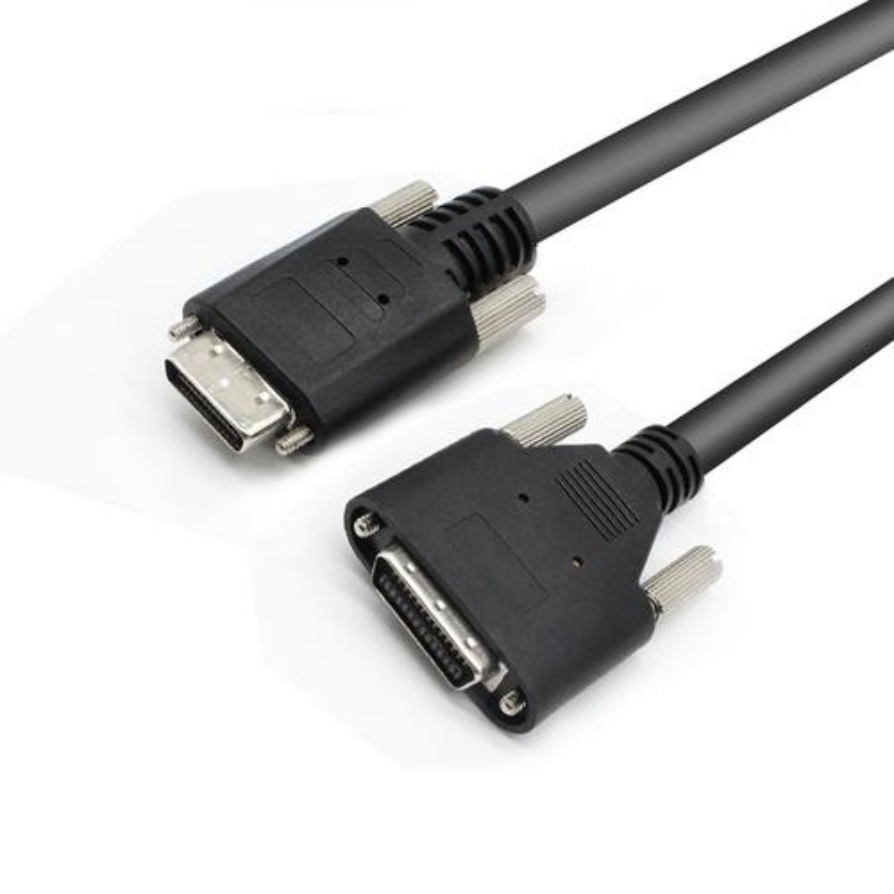
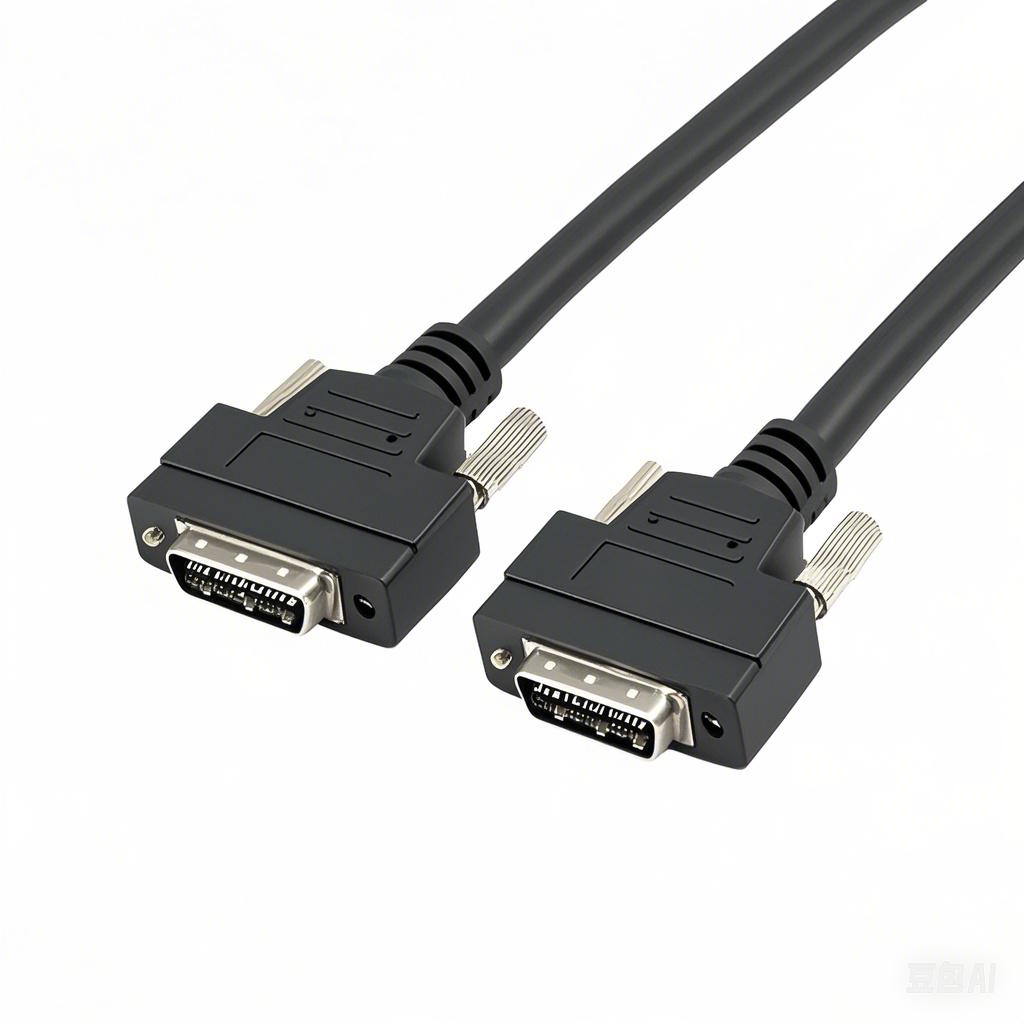
What advantages does Low latency USB3.2 Gen2x2 vision cable bring to ...
In the rapidly evolving landscape of industrial automation, machine vision systems have become the “eyes” of smart factories, underpinning critical processes such as quality inspection, precision positioning, and automated assembly. The performance of these systems is inherently tied to the reliability and efficiency of data transmission between cameras, sensors, and processing units. As machine vision technology advances—with higher resolution cameras, faster frame rates, and more complex algorithmic processing—the demand for high-speed, low-latency data transmission solutions has never been greater. This is where the Low latency USB3.2 Gen2x2 vision cable emerges as a game-changing component. Unlike standard data cables, it is engineered specifically to meet the rigorous requirements of machine vision applications, delivering a suite of advantages that elevate system performance, reliability, and scalability. In this article, we will delve into the key benefits of integrating Low latency USB3.2 Gen2x2 vision cables into machine vision systems, exploring how they address the industry’s most pressing transmission challenges.
Before examining the specific advantages, it is essential to establish a foundational understanding of the technology behind Low latency USB3.2 Gen2x2 vision cables. USB3.2 Gen2x2, also known as USB 3.2 20Gbps (double-lane), is an advanced iteration of the USB standard that leverages two 10Gbps lanes to achieve a maximum data transfer rate of 20Gbps. This is a significant leap forward compared to earlier USB3.2 Gen1 (5Gbps) and even USB3.2 Gen2 (10Gbps) single-lane solutions. What sets “vision cables” apart from generic USB3.2 Gen2x2 cables is their optimized design for machine vision use cases—including shielded conductors to minimize electromagnetic interference (EMI), robust connectors for industrial environments, and low-latency signal processing. When combined, these features make Low latency USB3.2 Gen2x2 vision cables uniquely suited to the demands of machine vision systems, where even microsecond delays or data loss can lead to costly errors, production downtime, or compromised quality control.
1. Ultra-High Data Transfer Speed: Unlocking High-Resolution, High-Frame-Rate Imaging
One of the most transformative advantages of Low latency USB3.2 Gen2x2 vision cables is their ultra-high data transfer speed, which directly addresses the growing bandwidth requirements of modern machine vision cameras. Today’s industrial machine vision systems increasingly rely on high-resolution cameras (e.g., 12MP, 24MP, or even 48MP) to capture fine details in manufacturing processes—whether inspecting tiny electronic components, detecting surface defects in automotive parts, or verifying print quality on packaging. These high-resolution images generate massive amounts of data; for example, a 24MP camera capturing 8-bit RGB images at 30 frames per second (fps) produces approximately 1.7Gbps of data. A standard USB3.2 Gen1 cable (5Gbps) may struggle to handle this load consistently, especially when multiple cameras are connected to a single processing unit. In contrast, Low latency USB3.2 Gen2x2 vision cables deliver a maximum data transfer rate of 20Gbps, providing ample bandwidth to support not just one, but multiple high-resolution, high-frame-rate cameras simultaneously.
This increased bandwidth is not just about accommodating more data—it also enables machine vision systems to operate at higher frame rates without sacrificing image quality. In applications such as high-speed bottling lines, where products move at speeds of 1,000+ units per minute, or in robotic pick-and-place operations that require real-time object tracking, frame rate is critical. A Low latency USB3.2 Gen2x2 vision cable ensures that every frame captured by the camera is transmitted to the processing unit instantly, allowing the system to make split-second decisions. For instance, in a pharmaceutical packaging line, a high-frame-rate camera paired with a Low latency USB3.2 Gen2x2 vision cable can detect missing labels or damaged vials in real time, triggering an immediate stop to prevent defective products from entering the supply chain. Without this high-speed transmission, the system would either drop frames (leading to missed defects) or reduce frame rates (compromising inspection accuracy).
2. Minimal Latency: Enabling Real-Time Decision-Making in Critical Applications
Latency—defined as the time delay between when data is captured by the camera and when it is processed— is a make-or-break factor in many machine vision applications. Even a delay of a few milliseconds can result in catastrophic failures in high-speed industrial processes. Low latency USB3.2 Gen2x2 vision cables are specifically engineered to minimize this delay, outperforming both standard USB cables and even some specialized industrial communication cables (e.g., Gigabit Ethernet) in latency-sensitive scenarios.
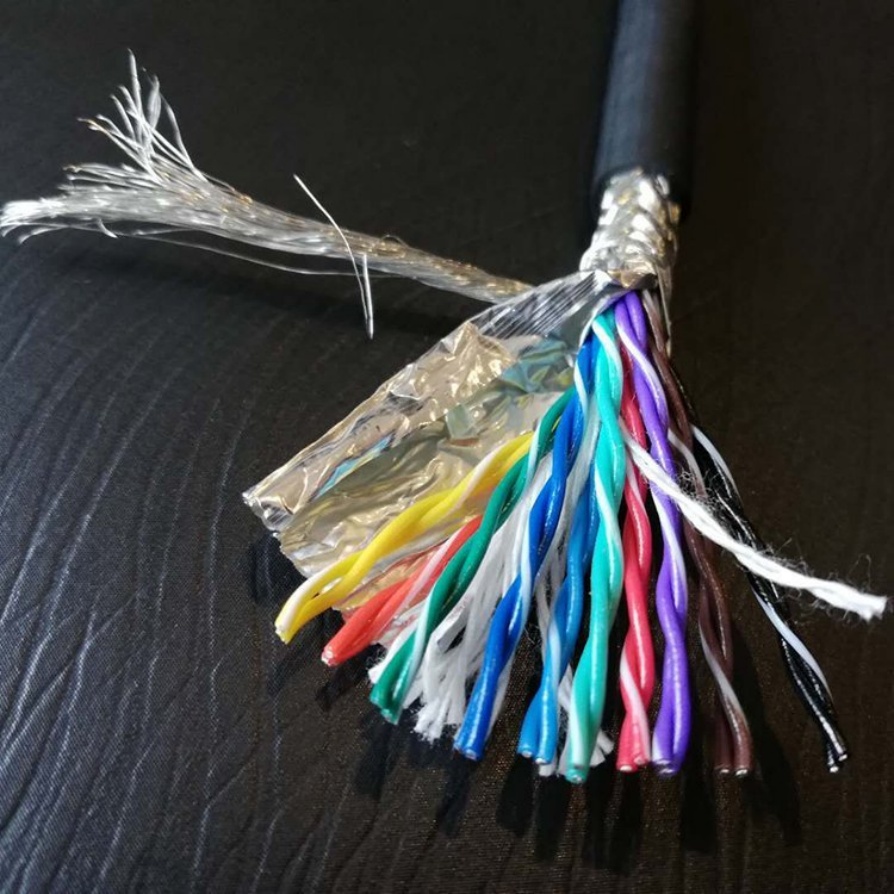
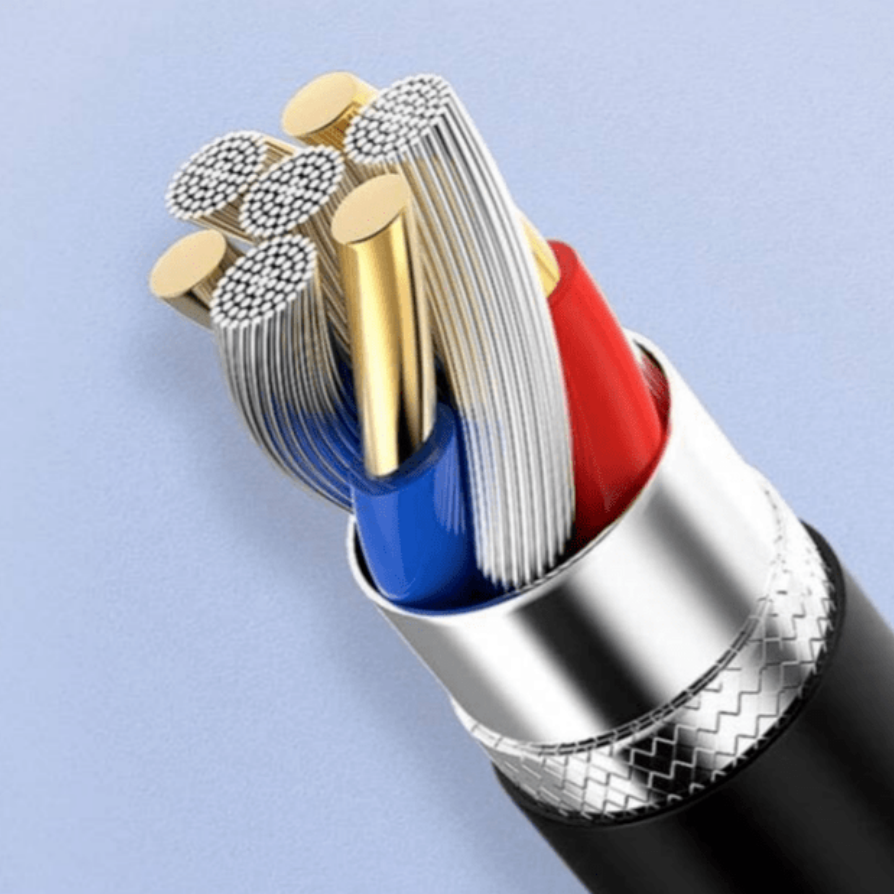
The low latency of these cables stems from two key design features: optimized signal integrity and reduced protocol overhead. Unlike generic USB cables, which may use lower-quality conductors or inadequate shielding, Low latency USB3.2 Gen2x2 vision cables feature high-purity copper conductors and multi-layer shielding (e.g., braided shielding + aluminum foil) that minimize signal degradation and crosstalk. This ensures that data signals travel from the camera to the processor with minimal delay, as there is no need for retransmissions due to signal errors. Additionally, the USB3.2 Gen2x2 protocol is designed with low overhead, meaning less time is spent on error checking, handshaking, and other administrative tasks compared to protocols like Ethernet. This streamlined data transmission process further reduces latency, making the cables ideal for real-time machine vision applications.
A prime example of where low latency is critical is in robotic vision guidance systems. These systems use machine vision cameras to guide robots in precise tasks such as welding, soldering, or assembling small components. The robot’s movements must be synchronized perfectly with the camera’s image data—any latency between image capture and processing would cause the robot to miss its target, resulting in damaged parts or equipment. By using Low latency USB3.2 Gen2x2 vision cables, the system can transmit image data with latencies as low as a few microseconds, ensuring that the robot receives real-time feedback and adjusts its movements accordingly. This level of synchronization is impossible with higher-latency cables, which would introduce a lag between the camera’s view and the robot’s actions.
3. Robust EMI/RFI Immunity: Ensuring Reliable Operation in Industrial Environments
Industrial environments are rife with electromagnetic interference (EMI) and radio frequency interference (RFI) sources, including motors, inverters, welding equipment, and other high-power industrial machinery. These interference sources can disrupt data transmission, leading to corrupted images, dropped frames, or complete communication failures in machine vision systems. Generic USB cables are often not designed to withstand these harsh conditions, making them prone to interference and unreliable in industrial settings. Low latency USB3.2 Gen2x2 vision cables, however, are built with industrial-grade shielding and ruggedized components that provide exceptional EMI/RFI immunity, ensuring consistent and reliable data transmission even in the most challenging environments.
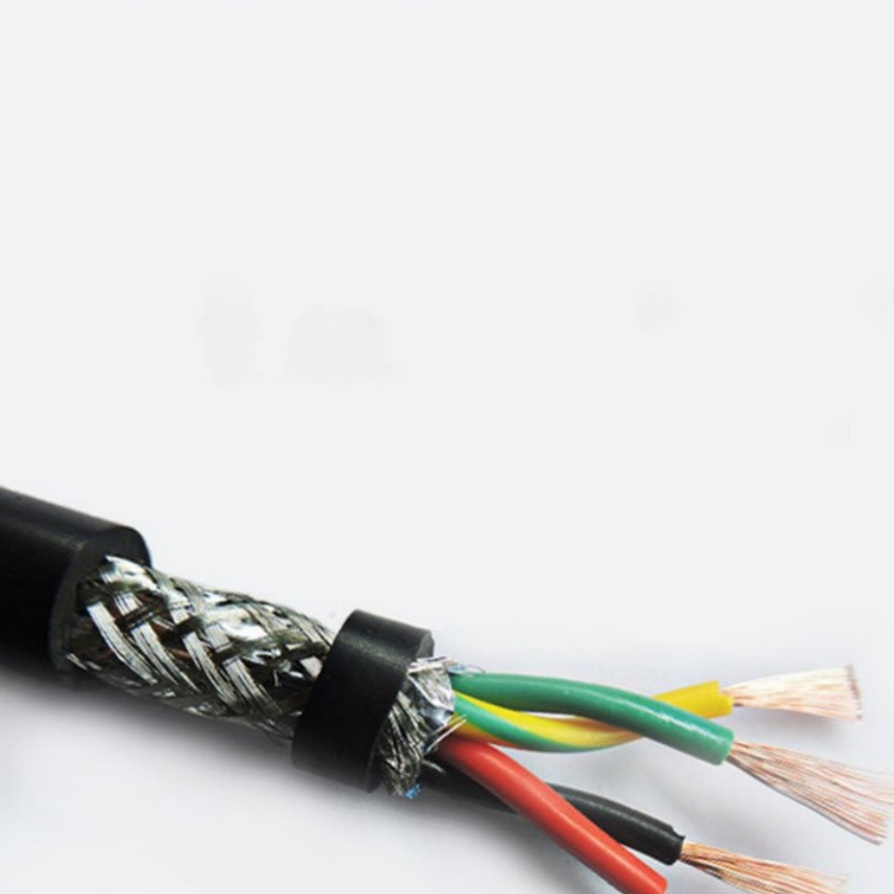
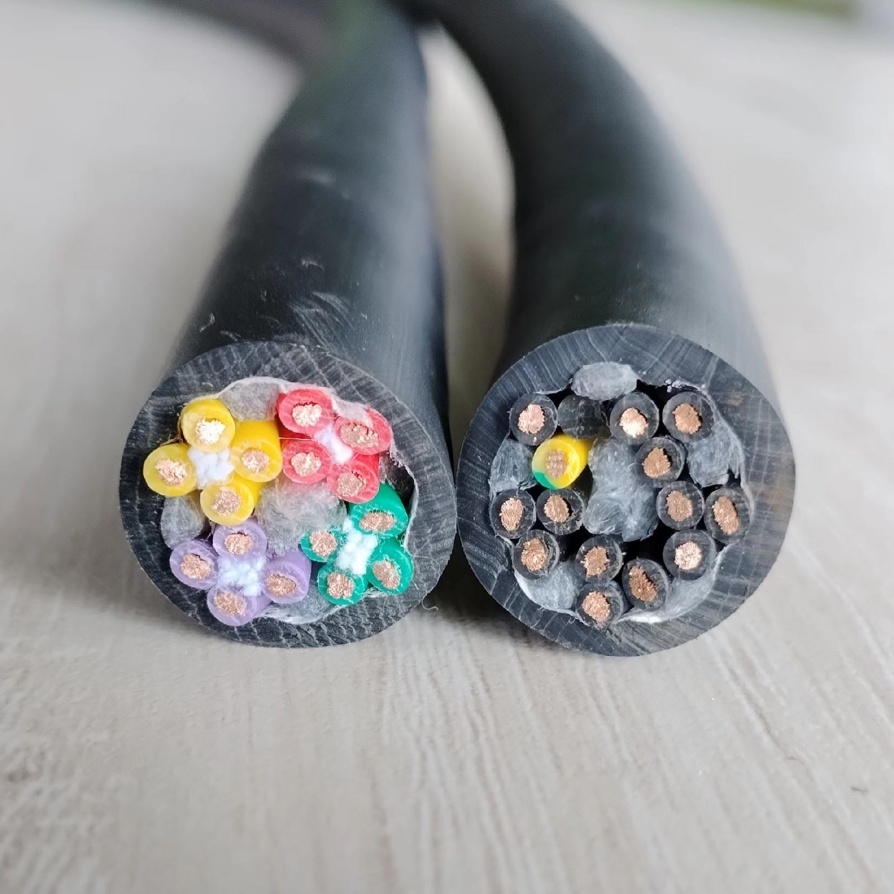
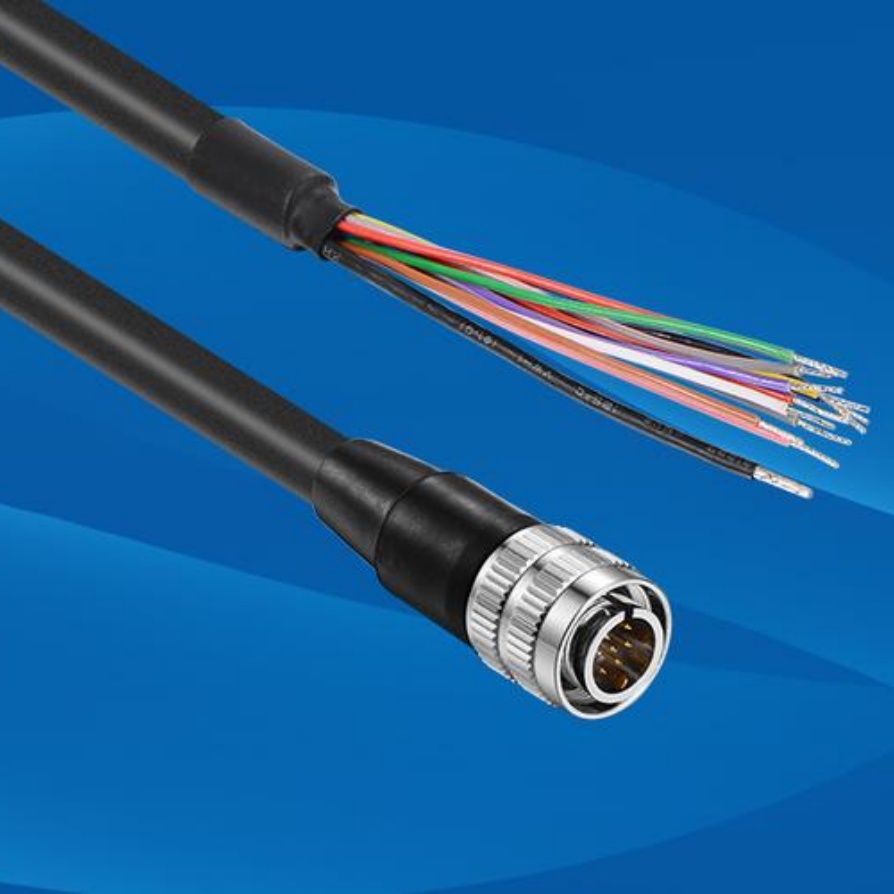
The multi-layer shielding used in these vision cables is a key differentiator. Typically, they feature a combination of tinned copper braided shielding (which provides 95%+ coverage) and aluminum foil shielding (which blocks high-frequency interference). This dual-shielding design creates a Faraday cage around the conductors, preventing external EMI/RFI from penetrating the cable and disrupting the data signal. Additionally, the cables use twisted-pair conductors, which further reduce crosstalk between signal lines and minimize the cable’s own electromagnetic emissions (which could interfere with other nearby equipment). The connectors of Low latency USB3.2 Gen2x2 vision cables are also ruggedized—often featuring metal housings, locking mechanisms, and IP-rated protection (e.g., IP67) to prevent dust, moisture, and physical damage, further enhancing reliability in industrial settings.
For example, in an automotive manufacturing plant, where welding robots, conveyor motors, and high-voltage power supplies generate significant EMI, a machine vision system using generic USB cables might experience frequent communication errors, leading to missed defects in car body panels. By switching to Low latency USB3.2 Gen2x2 vision cables with robust EMI shielding, the system can maintain stable data transmission, ensuring that every image is captured and processed correctly. This reliability not only improves the accuracy of quality control but also reduces unplanned downtime caused by communication failures—a critical advantage in high-volume manufacturing environments where even a few minutes of downtime can result in significant production losses.
4. Simplified System Integration and Scalability
Another key advantage of Low latency USB3.2 Gen2x2 vision cables is their ability to simplify system integration and enhance scalability—two critical factors for industrial automation systems that often need to be expanded or reconfigured as production needs change. Unlike specialized industrial communication protocols (e.g., Camera Link, GigE Vision), which require dedicated hardware (e.g., frame grabbers, specialized network cards) and complex configuration, USB3.2 Gen2x2 is a universal standard that is widely supported by modern computers, industrial PCs (IPCs), and machine vision cameras.
Low latency USB3.2 Gen2x2 vision cables can be plugged directly into standard USB3.2 Gen2x2 ports on IPCs or motherboards, eliminating the need for expensive frame grabbers or additional interface cards. This plug-and-play functionality significantly reduces integration time and costs, allowing system integrators to deploy machine vision systems more quickly and efficiently. Additionally, the USB standard supports daisy-chaining and the use of USB hubs, making it easy to connect multiple cameras to a single processing unit. For example, a quality control system for a electronics assembly line can use a single IPC connected to 4-6 high-resolution cameras via Low latency USB3.2 Gen2x2 vision cables and a USB3.2 Gen2x2 hub—all without compromising data transfer speed or latency. This scalability is particularly valuable for manufacturers that need to expand their machine vision capabilities as production lines grow or as new inspection requirements are added.
Furthermore, Low latency USB3.2 Gen2x2 vision cables are compatible with a wide range of machine vision software and libraries (e.g., OpenCV, HALCON, VisionPro), ensuring seamless integration with existing system workflows. This compatibility eliminates the need for software rewrites or custom drivers, further reducing integration complexity and costs. For small and medium-sized manufacturers (SMEs) that may not have dedicated in-house engineering teams, this simplified integration is a major advantage, allowing them to adopt advanced machine vision technology without the need for specialized expertise.
5. Cost-Effectiveness: Delivering High Performance Without Premium Pricing
While machine vision systems are critical for industrial automation, cost is always a key consideration—especially for SMEs. Traditional high-performance data transmission solutions for machine vision (e.g., Camera Link cables with frame grabbers, GigE Vision with specialized network hardware) can be prohibitively expensive, with frame grabbers alone costing hundreds or even thousands of dollars. Low latency USB3.2 Gen2x2 vision cables offer a cost-effective alternative, delivering comparable or superior performance at a fraction of the cost.
The cost savings stem from several factors. First, as mentioned earlier, USB3.2 Gen2x2 is a universal standard, so there is no need for expensive specialized hardware (e.g., frame grabbers). Industrial PCs and motherboards with USB3.2 Gen2x2 ports are widely available at competitive prices, and most modern machine vision cameras come with USB3.2 Gen2x2 interfaces as a standard feature. Second, Low latency USB3.2 Gen2x2 vision cables themselves are more affordable than specialized industrial cables (e.g., Camera Link cables), which require custom manufacturing and are produced in lower volumes. Third, the simplified integration process reduces labor costs for system deployment and maintenance, as there is no need for specialized technicians to configure complex hardware or software.
Despite their lower cost, Low latency USB3.2 Gen2x2 vision cables do not compromise on performance. They deliver the high bandwidth, low latency, and reliability required for demanding machine vision applications, making them an ideal choice for cost-conscious manufacturers that need to balance performance and budget. For example, a small electronics manufacturer looking to implement a basic quality control system for printed circuit boards (PCBs) can use a low-cost IPC, a 12MP USB3.2 Gen2x2 camera, and a Low latency USB3.2 Gen2x2 vision cable to create a high-performance system that detects solder defects and component misplacements—all at a fraction of the cost of a Camera Link-based system.
6. Enhanced Power Delivery for Compact Camera Designs
Many modern machine vision cameras are designed to be compact and lightweight, making them suitable for installation in tight spaces (e.g., inside robotic arms, on small production lines). These compact cameras often rely on the USB interface for power delivery, eliminating the need for separate power cables and reducing overall system complexity. Low latency USB3.2 Gen2x2 vision cables leverage the USB Power Delivery (PD) standard, which can deliver up to 100W of power—more than enough to power even high-performance machine vision cameras with integrated lighting or heating elements.
This integrated power delivery is a significant advantage for machine vision systems, as it reduces cable clutter and simplifies installation. For example, a compact camera mounted on a robotic arm can be powered and connected to the processing unit via a single Low latency USB3.2 Gen2x2 vision cable, eliminating the need for separate power cables that could get tangled or damaged during robotic movement. Additionally, the USB PD standard supports dynamic power adjustment, meaning the camera can draw only the power it needs, reducing overall energy consumption and lowering operating costs.
In applications where power reliability is critical—such as in remote or harsh environments where access to power outlets is limited—the integrated power delivery of Low latency USB3.2 Gen2x2 vision cables ensures that the camera remains operational even if the main power supply fluctuates. This is because the USB PD standard includes built-in voltage regulation and surge protection, providing a stable power source for the camera.
Real-World Applications: How Low Latency USB3.2 Gen2x2 Vision Cables Are Transforming Industries
To better understand the practical impact of these advantages, let’s explore a few real-world applications where Low latency USB3.2 Gen2x2 vision cables are making a difference:
• Electronics Manufacturing: In the production of smartphones and other consumer electronics, machine vision systems are used to inspect PCBs for solder defects, component misplacements, and bent pins. High-resolution cameras (24MP+) capture detailed images of the PCBs, and Low latency USB3.2 Gen2x2 vision cables transmit this data to processing units in real time. The low latency ensures that defects are detected immediately, and the high bandwidth supports multiple cameras inspecting different parts of the PCB simultaneously. The robust EMI shielding of the cables ensures reliable operation in the presence of soldering irons and other EMI sources.
• Food and Beverage Packaging: In high-speed food packaging lines, machine vision systems inspect packages for missing labels, incorrect expiration dates, and seal defects. Low latency USB3.2 Gen2x2 vision cables support high-frame-rate cameras (60+ fps) that capture images of packages as they move down the line at high speeds. The low latency ensures that defective packages are rejected instantly, preventing them from reaching consumers. The plug-and-play functionality of the cables makes it easy to reconfigure the system for different package sizes or inspection requirements.
• Automotive Assembly: In automotive manufacturing, machine vision systems guide robots in tasks such as welding, painting, and component assembly. Low latency USB3.2 Gen2x2 vision cables transmit real-time image data from cameras mounted on the robots to the control system, ensuring precise synchronization between the robot’s movements and the camera’s view. The ruggedized design of the cables withstands the harsh conditions of automotive factories, including dust, moisture, and vibration.
Conclusion
Low latency USB3.2 Gen2x2 vision cables are more than just data transmission components—they are critical enablers of modern machine vision systems, delivering a unique combination of high bandwidth, low latency, reliability, and cost-effectiveness. By addressing the key challenges of data transmission in industrial environments—including bandwidth constraints, latency issues, EMI interference, and integration complexity—these cables elevate the performance and efficiency of machine vision systems across a wide range of industries. Whether it’s enabling high-resolution, high-frame-rate imaging in electronics manufacturing, ensuring real-time defect detection in food packaging, or supporting precise robotic guidance in automotive assembly, Low latency USB3.2 Gen2x2 vision cables play a vital role in driving the adoption of smart manufacturing technologies.
As machine vision technology continues to evolve—with the emergence of AI-powered inspection, 3D imaging, and edge computing—the demand for high-performance data transmission solutions will only grow. Low latency USB3.2 Gen2x2 vision cables are well-positioned to meet this demand, offering a scalable, cost-effective, and reliable solution that empowers manufacturers to unlock the full potential of machine vision systems. For any organization looking to improve quality control, increase production efficiency, and reduce costs, integrating Low latency USB3.2 Gen2x2 vision cables into their machine vision systems is a strategic investment that delivers tangible and long-lasting benefits.