Does Shielded USB3 Vision cable IP67 waterproof support 5Gbps high-sp...
In industrial automation, machine vision, and outdoor monitoring systems, the demand for high-speed, reliable data transmission in harsh environments is increasingly prominent. Shielded USB3 Vision cables with IP67 waterproof rating have become a core component in these scenarios, as they need to simultaneously meet two critical requirements: resisting harsh environmental factors such as dust and water, and transmitting large-volume image and video data at high speeds. A common question among engineers, system integrators, and procurement professionals is: Can shielded USB3 Vision cables with IP67 waterproof rating really support 5Gbps high-speed data transmission? This article will comprehensively analyze this question from the perspectives of technical principles, product design, actual test data, and application cases, helping you gain a clear understanding of the performance characteristics of such cables.
1. Understanding the Core Concepts: What Do Shielded, USB3 Vision, IP67 Waterproof Mean?
Before delving into the key question of 5Gbps transmission support, it is essential to clarify the core definitions of the three key attributes of the cable, as they are the foundation for determining whether high-speed transmission is possible.
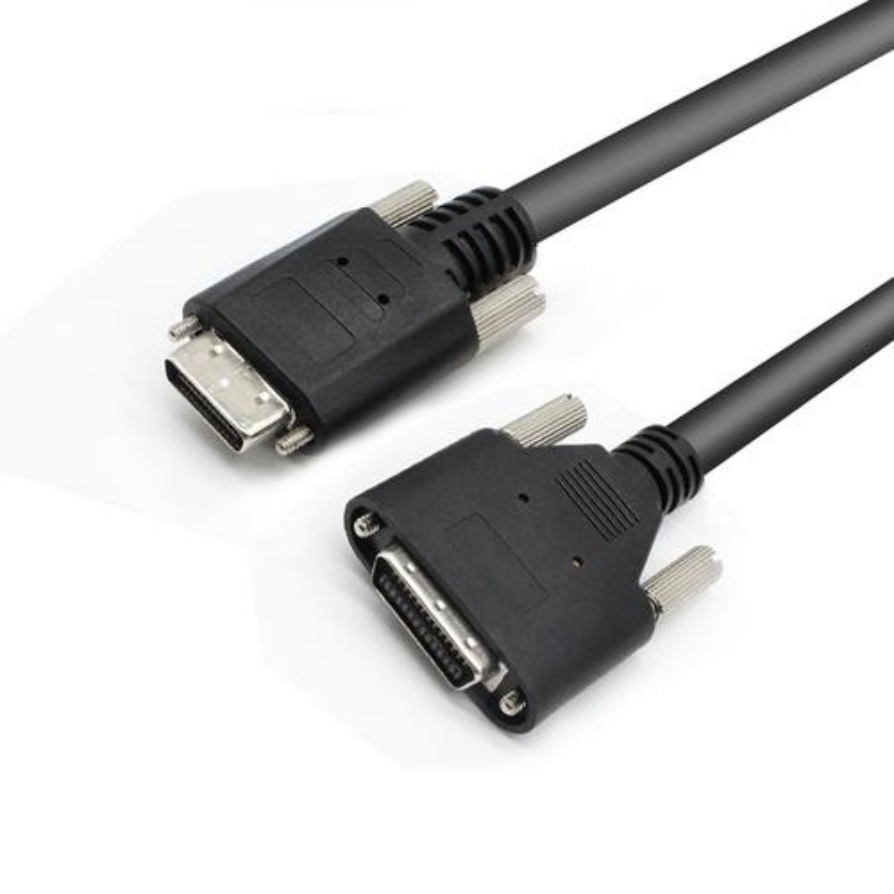
First, USB3 Vision is an interface standard developed by the Automated Imaging Association (AIA) specifically for machine vision applications. It is based on the USB 3.0/3.2 Gen 1 standard, which natively supports a maximum transmission rate of 5Gbps (also known as SuperSpeed USB). Unlike ordinary USB cables, USB3 Vision cables have standardized mechanical and electrical specifications, including locked connectors to ensure stable connections in vibrating industrial environments, and support direct memory access (DMA) data transmission, which can directly transfer image data from the camera to the user buffer without occupying excessive CPU resources. This standardization ensures the compatibility and reliability of USB3 Vision cables in machine vision systems.
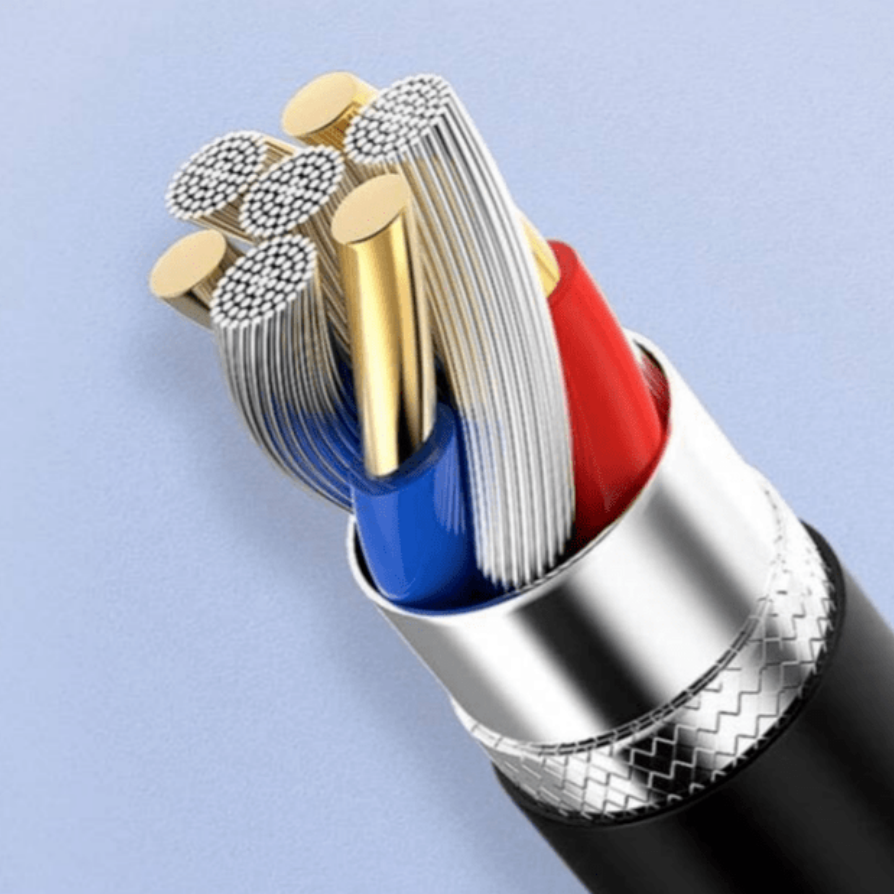
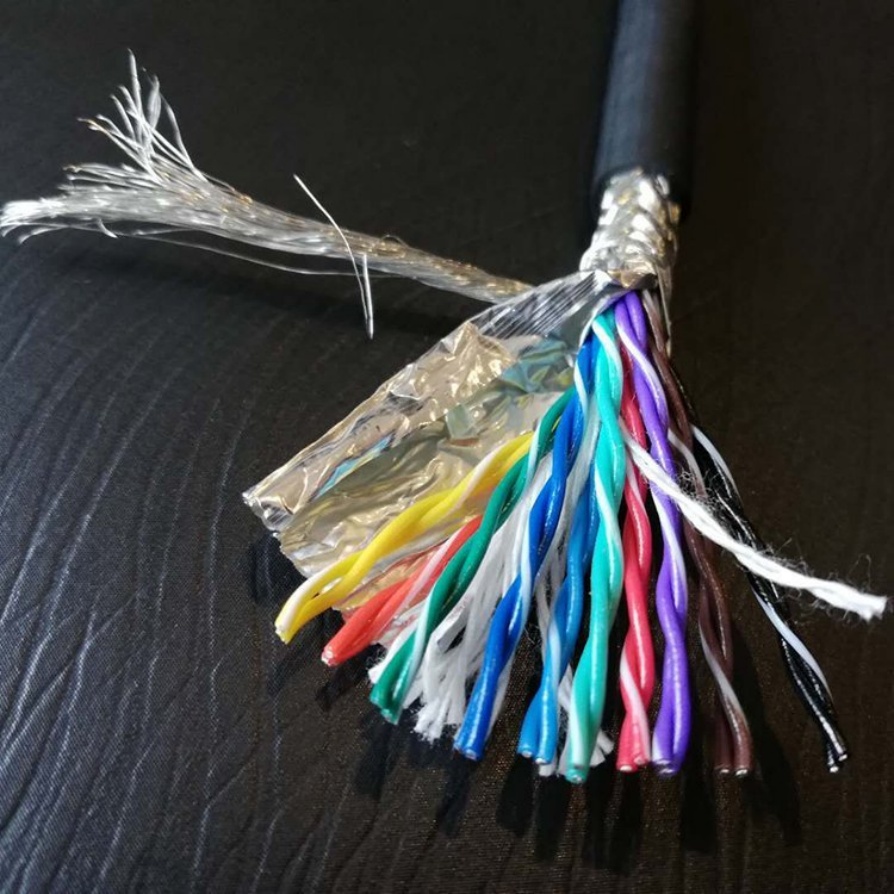
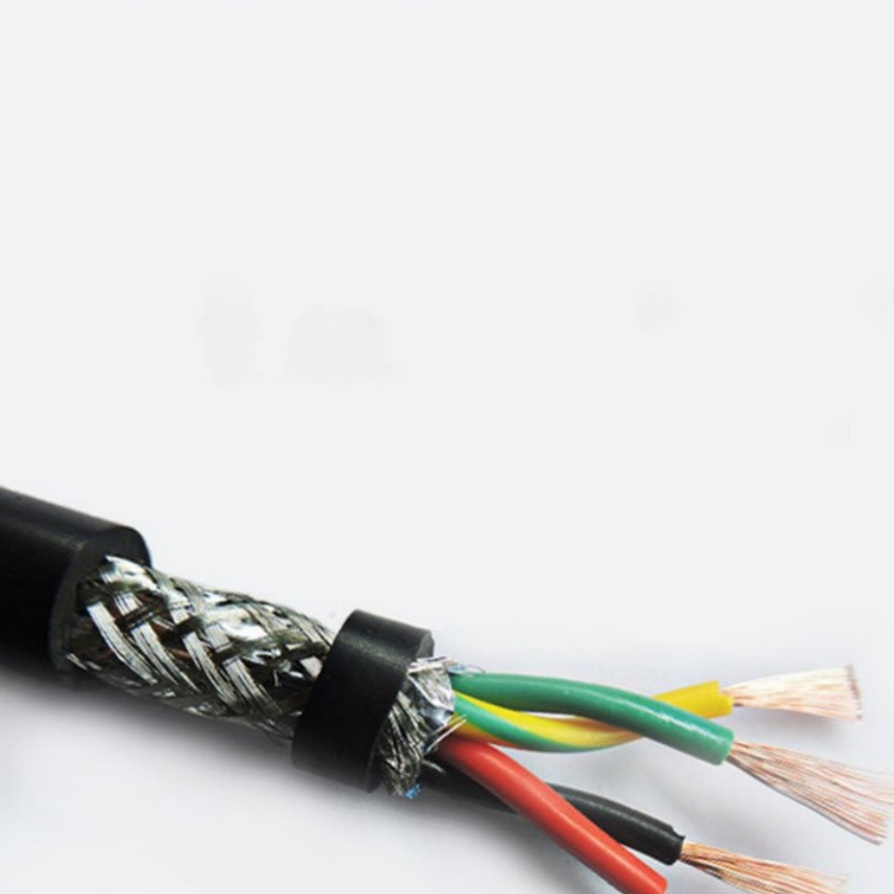
Second, Shielded (shielding) is a key design to ensure signal integrity. Industrial environments are often filled with electromagnetic interference (EMI) from equipment such as motors, inverters, and high-voltage circuits. The shielding layer of the cable—usually made of tinned copper braid or aluminum foil—can effectively block external EMI and prevent the cable’s own signal from radiating outward to interfere with other equipment. For high-speed data transmission at 5Gbps, the signal wavelength is short, and it is more sensitive to interference. Without effective shielding, signal distortion and packet loss will occur, directly affecting the transmission rate and stability.
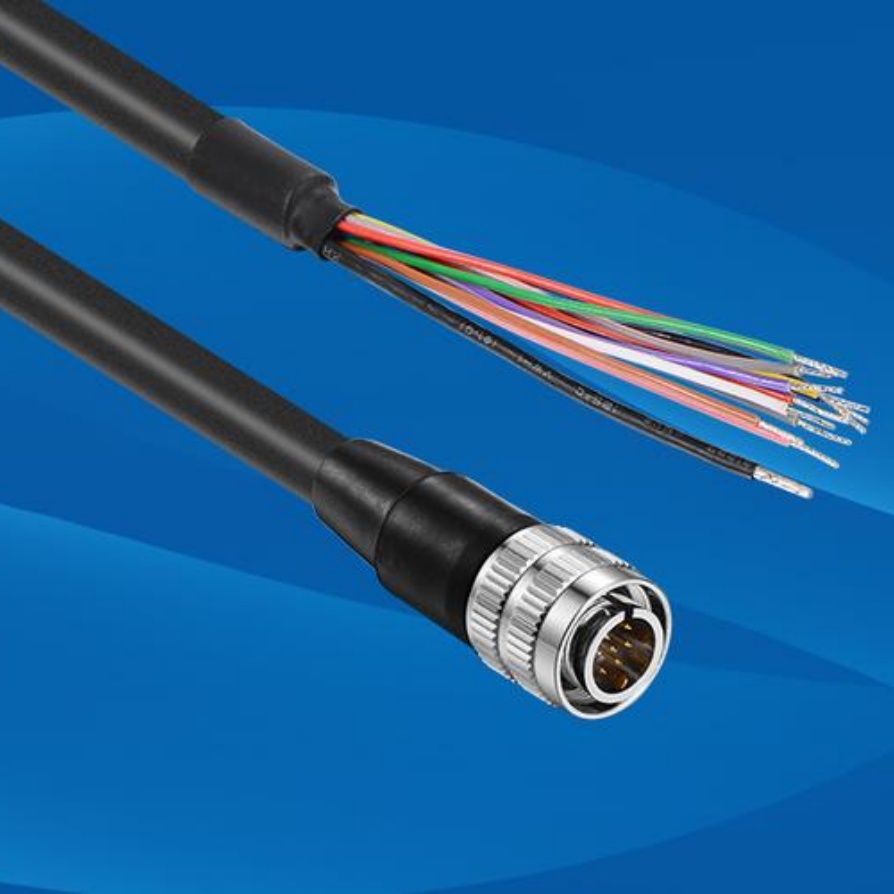
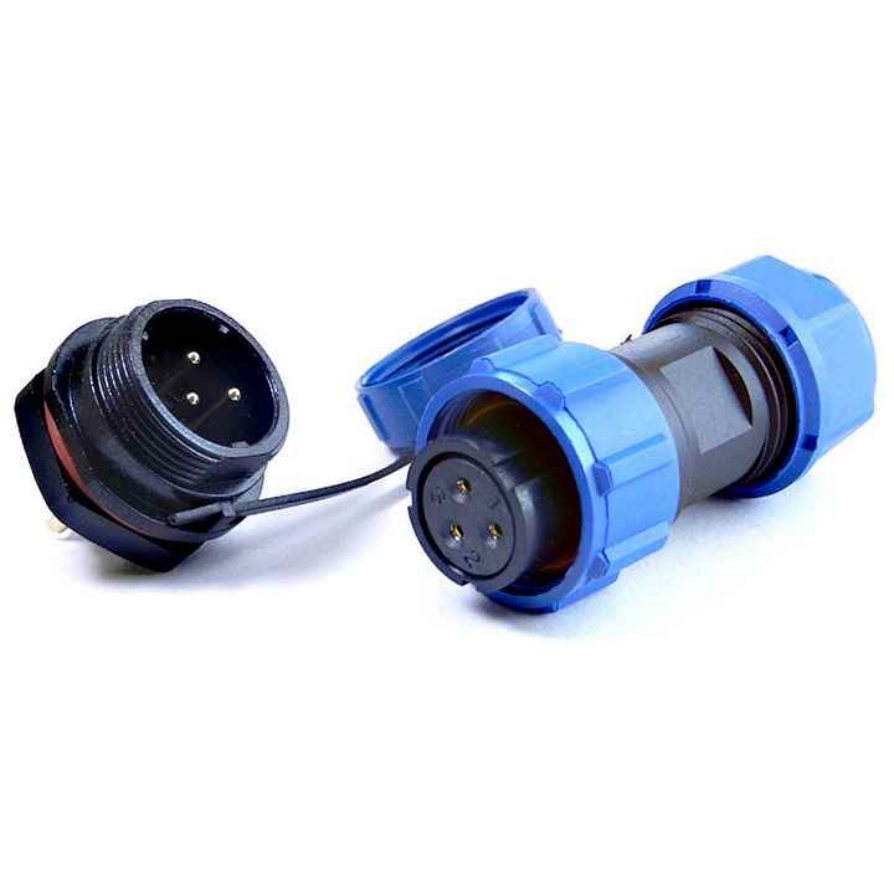
Third, IP67 waterproof rating is defined by the International Electrotechnical Commission (IEC) 60529 standard. The “6” indicates complete protection against dust, and the “7” indicates protection against temporary immersion in water (up to 1 meter deep for 30 minutes). To achieve IP67 rating, USB3 Vision cables need to adopt special sealed connector designs, such as rubber gaskets, threaded locking structures (e.g., M12 connectors), and waterproof cable jackets. These waterproof and dustproof designs must not affect the electrical performance of the cable, which is a key challenge in product design.
2. Technical Principle: Why Can Shielded USB3 Vision IP67 Cables Support 5Gbps Transmission?
The core reason why shielded USB3 Vision IP67 waterproof cables can support 5Gbps high-speed data transmission lies in their compliance with the USB 3.2 Gen 1 electrical standard and the scientific design of shielding and waterproof structures that do not damage signal integrity. Specifically, this can be analyzed from three aspects:
2.1 Compliance with USB 3.2 Gen 1 Electrical Specifications
The 5Gbps transmission rate is a native feature of the USB 3.2 Gen 1 standard (formerly USB 3.0). USB3 Vision cables, as derivatives of this standard, must meet strict electrical parameter requirements to achieve this rate. These parameters include characteristic impedance (controlled at 90Ω ± 15%), signal attenuation, and timing skew (signal delay difference). For example, the signal attenuation of a standard USB 3.2 Gen 1 cable at 5GHz (the carrier frequency corresponding to 5Gbps) should not exceed -3.5dB at 3 meters. Shielded USB3 Vision IP67 cables use high-quality oxygen-free copper (OFC) conductors, low-loss FEP insulation materials, and optimized twisted-pair structures to ensure that electrical parameters meet the standard, laying the foundation for 5Gbps transmission.
2.2 Shielding Design Ensures Signal Integrity
As mentioned earlier, 5Gbps high-speed signals are extremely sensitive to electromagnetic interference. The shielding layer of the cable plays a vital role in ensuring signal integrity. High-quality shielded USB3 Vision IP67 cables usually adopt a double-shielding structure (aluminum foil + tinned copper braid) with a shielding coverage rate of over 95%. This structure can effectively absorb and reflect external interference signals, reducing signal distortion caused by EMI. At the same time, the shielding layer is grounded at both ends, forming a Faraday cage, which further enhances the anti-interference ability. In contrast, unshielded or poorly shielded cables will experience significant signal degradation in industrial environments, making it impossible to maintain 5Gbps transmission even if they meet the waterproof requirement.
2.3 Waterproof Design Compromises Neither Protection nor Performance
Many people worry that the sealed waterproof structure of IP67 cables will affect signal transmission. However, mature product designs have solved this problem through scientific structural optimization. For example, the connector adopts a precision-machined threaded locking structure with a rubber O-ring seal, which not only achieves IP67 protection but also ensures stable contact between the connector pins. The cable jacket uses wear-resistant and waterproof materials such as PVC or PUR, which have excellent electrical insulation properties and will not increase signal attenuation. In addition, the cable’s strain relief design (the part connecting the connector and the cable body) is also optimized to avoid signal distortion caused by cable bending or pulling while enhancing waterproof performance.
3. Actual Test Data: Verifying 5Gbps Transmission Capability
The theoretical feasibility of 5Gbps transmission needs to be supported by actual test data. Many well-known manufacturers (such as 3M, Newnex, and Hewtech) have published test results of their shielded USB3 Vision IP67 cables, which can directly prove their 5Gbps transmission capability.
3.1 3M 1U30A-TC Series Test Data
3M’s 1U30A-TC series shielded USB3 Vision cable is an IP67-rated product designed for industrial vision applications. According to 3M’s laboratory test results, this cable can achieve reliable 5Gbps transmission at lengths up to 7 meters when used with USB3.2 Gen 1 cameras. The test data shows that the bit error rate (BER) is less than 10⁻¹², which meets the requirements of machine vision systems for data transmission reliability (bit error rate ≤ 10⁻¹²). Even at 10 meters (custom length), the actual transmission rate can reach 4.8Gbps, which is very close to the theoretical 5Gbps.
3.2 Hewtech USB3 Vision Cable Test Data
Hewtech’s shielded USB3 Vision IP67 cables (such as the UB3 series) use gold-plated connectors to reduce contact resistance and improve signal transmission efficiency. According to the company’s test data, the passive type of this cable can maintain 5Gbps transmission at 5 meters, with a signal attenuation of only -2.8dB at 5GHz, which is lower than the critical value of -3.5dB. The active type (with built-in signal repeater) can even achieve 5Gbps transmission at 10 meters, which is suitable for long-distance application scenarios.
3.3 Common Test Methods and Standards
The transmission performance of shielded USB3 Vision IP67 cables is usually tested in accordance with the USB-IF (USB Implementers Forum) certification standards. Common test items include signal eye diagram (evaluating signal clarity), bit error rate, and actual data transmission rate. The eye diagram test can直观ly reflect the signal integrity—if the eye diagram is open and clear, it indicates that the signal distortion is small and the transmission rate is stable. The bit error rate test is carried out by transmitting a large amount of data continuously (usually 10¹² bits) to check the number of error bits. A bit error rate of less than 10⁻¹² is considered to meet the 5Gbps transmission requirement.
4. Application Scenarios: Where 5Gbps Transmission of Shielded USB3 Vision IP67 Cables Is Critical
The 5Gbps transmission capability of shielded USB3 Vision IP67 cables is not only a theoretical indicator but also a practical requirement in many key application scenarios. Here are some typical examples:
4.1 Industrial Machine Vision Inspection
In automated production lines (such as automobile manufacturing, electronic component inspection), machine vision cameras need to capture high-resolution images (e.g., 4K resolution) at high frame rates (e.g., 30 frames per second). The data volume of a single 4K image is about 12MB, and transmitting 30 frames per second requires a bandwidth of about 2.88Gbps, which is close to the 5Gbps limit. Shielded USB3 Vision IP67 cables can transmit this data stably while resisting water and dust in the production workshop, ensuring the normal operation of the inspection system.
4.2 Outdoor Environmental Monitoring
Outdoor monitoring cameras (such as those used in hydrological monitoring, highway surveillance) often work in harsh environments with rain, dust, and humidity. These cameras need to transmit high-definition video data to the backend in real time. A 1080p high-definition video stream requires a bandwidth of about 4-5Mbps, which is far lower than 5Gbps, but if multiple cameras are connected in parallel or high-resolution video (such as 8K) is transmitted, the 5Gbps bandwidth becomes critical. Shielded USB3 Vision IP67 cables can ensure stable data transmission in outdoor environments, avoiding video freezes or frame drops caused by signal interference or water ingress.
4.3 Robotics and AGV Systems
Robotic arms and Automated Guided Vehicles (AGVs) in industrial workshops are often equipped with vision sensors to achieve precise positioning and obstacle avoidance. These sensors need to transmit real-time image data to the robot’s control system, which requires high transmission speed and low latency. The 5Gbps transmission rate of shielded USB3 Vision IP67 cables can meet the low-latency requirement (usually within 1ms), and the IP67 waterproof and dustproof performance can adapt to the harsh environment of the workshop. Some high-flex versions of these cables can withstand millions of bending cycles, making them suitable for the dynamic movement of robotic arms.
5. Factors Affecting 5Gbps Transmission: How to Ensure Optimal Performance
Although shielded USB3 Vision IP67 cables theoretically support 5Gbps transmission, actual performance may be affected by several factors. Understanding these factors and taking corresponding measures can ensure that the cable exerts its optimal performance:
5.1 Cable Length
Signal attenuation increases with the length of the cable. The maximum length of a passive shielded USB3 Vision IP67 cable that can maintain 5Gbps transmission is usually 5-7 meters. Beyond this length, signal attenuation will exceed the critical value, resulting in a decrease in transmission rate. If long-distance transmission is required (e.g., 10-30 meters), an active cable with a built-in signal repeater (Redriver/Retimer chip) should be selected. The repeater can compensate for signal loss and ensure 5Gbps transmission over long distances. For example, Newnex’s active USB3 Vision IP67 cable can achieve 5Gbps transmission up to 30 meters without external power supply.
5.2 Quality of Connectors and Terminations
The connector is a key part affecting signal transmission. Poor-quality connectors or incorrect termination will cause signal reflection and attenuation, reducing the transmission rate. When selecting cables, ensure that the connectors are USB-IF certified and have a precision-locked structure (such as M12 or screw-locked USB Type-C). At the same time, the termination process should be standardized—avoiding excessive force when crimping or soldering to prevent damage to the conductor or shielding layer.
5.3 Environmental Factors
Although IP67 cables are waterproof and dustproof, extreme temperatures can affect their performance. Most industrial-grade shielded USB3 Vision IP67 cables have a working temperature range of -40°C to 80°C. Beyond this range, the insulation material may harden or melt, increasing signal attenuation. In addition, strong electromagnetic fields (such as near high-power radio equipment) may also affect transmission performance, so it is necessary to avoid parallel routing with high-voltage cables or use additional shielding measures.
5.4 Compatibility with Equipment
The 5Gbps transmission rate also requires the cooperation of the connected equipment (such as cameras, host controllers) to support the USB 3.2 Gen 1 standard. If the camera or host only supports USB 2.0 (maximum 480Mbps), the cable cannot achieve 5Gbps transmission even if it meets the requirements. Therefore, when building the system, it is necessary to ensure that all components are compatible with the USB 3.2 Gen 1 standard.
6. Conclusion: Shielded USB3 Vision IP67 Cables Do Support 5Gbps Transmission
To answer the core question at the beginning of this article: Yes, high-quality shielded USB3 Vision cables with IP67 waterproof rating can stably support 5Gbps high-speed data transmission. This conclusion is based on the following facts: First, USB3 Vision is based on the USB 3.2 Gen 1 standard, which natively supports 5Gbps transmission; second, the shielding design ensures signal integrity in interference-prone environments; third, the scientific waterproof structure compromises neither protection nor electrical performance; fourth, a large number of actual test data and application cases have verified this capability.
When selecting shielded USB3 Vision IP67 cables, it is recommended to focus on the following points to ensure that 5Gbps transmission is achieved: choose products from well-known brands with USB-IF certification; select the appropriate cable type (passive/active) according to the transmission distance; ensure that the connectors have reliable locking and sealing structures; and confirm the compatibility of the cable with the connected equipment. By doing so, you can ensure that the cable exerts its optimal performance in harsh environments, providing a stable and efficient data transmission guarantee for industrial automation, machine vision, and other critical applications.
In summary, shielded USB3 Vision IP67 waterproof cables combine the advantages of high-speed transmission, anti-interference, and harsh environment resistance, and their 5Gbps transmission capability is an inherent feature supported by technology and practice. With the continuous development of industrial intelligence, the application of such cables will become more widespread, and their performance will be further optimized to meet higher requirements for data transmission speed and reliability.