What is Hirose 12pin high flex vision cable and its role in machine v...
In the rapidly evolving landscape of industrial automation and machine vision technology, the reliability of connectivity components directly determines the performance of the entire system. Among these critical components, the Hirose 12pin high flex vision cable has emerged as a cornerstone for seamless data transmission and power supply in dynamic operational environments. As machine vision systems become increasingly prevalent in sectors such as manufacturing inspection, robotics, medical imaging, and aerospace, the demand for cables that can withstand continuous motion, harsh industrial conditions, and maintain signal integrity has never been higher. This article delves into the fundamental characteristics of the Hirose 12pin high flex vision cable, its core advantages, and the indispensable role it plays in optimizing machine vision system performance.
Understanding Hirose 12pin High Flex Vision Cable: Definition and Core Components
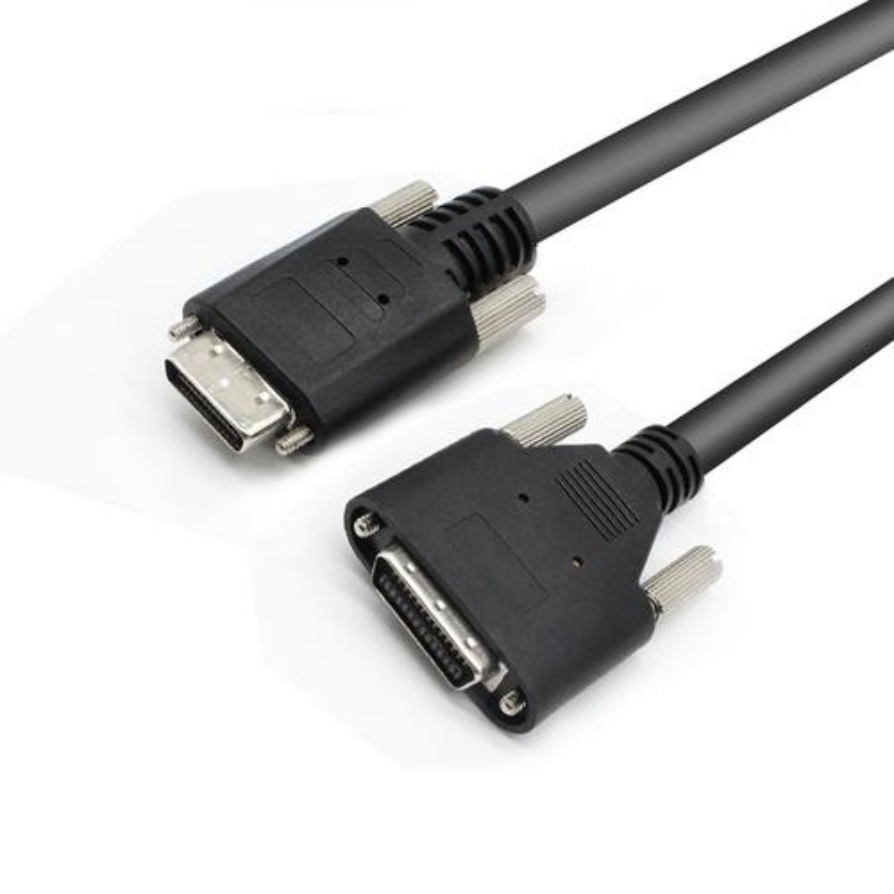
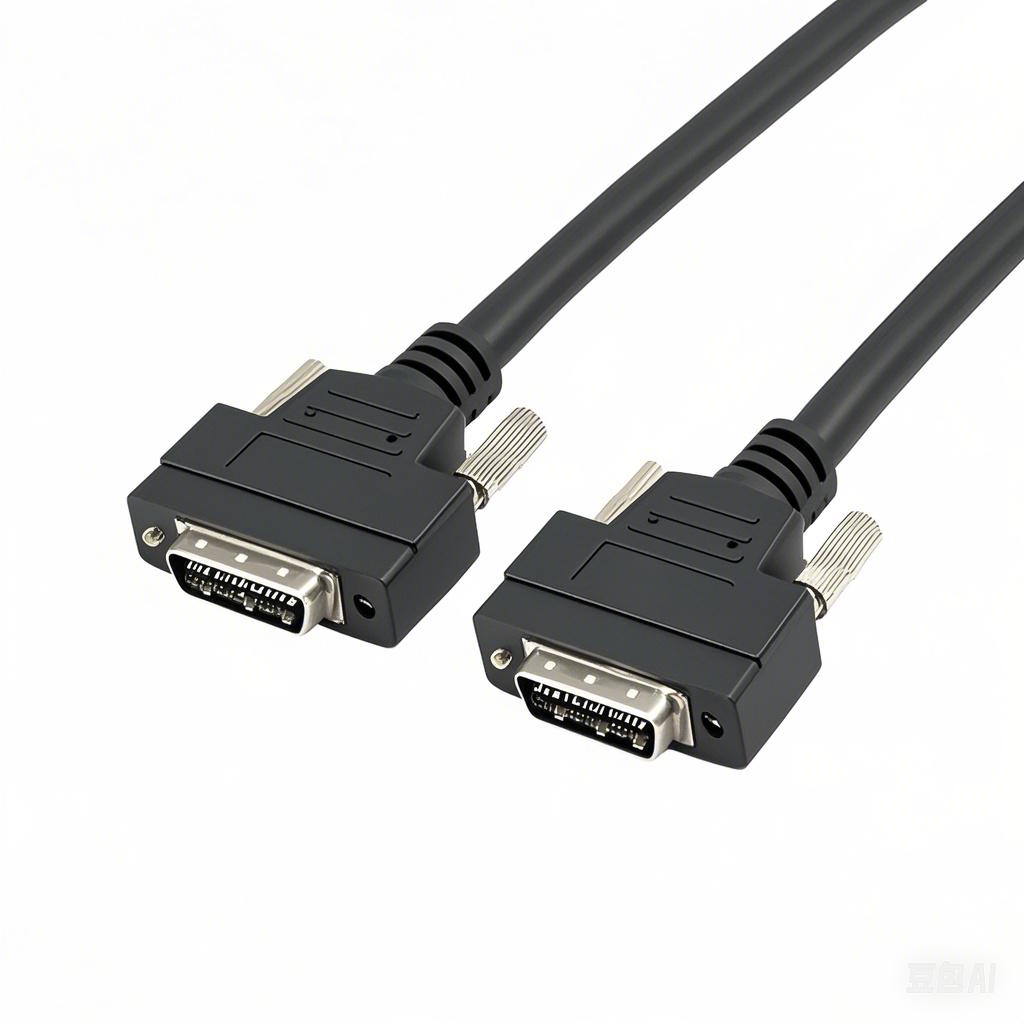
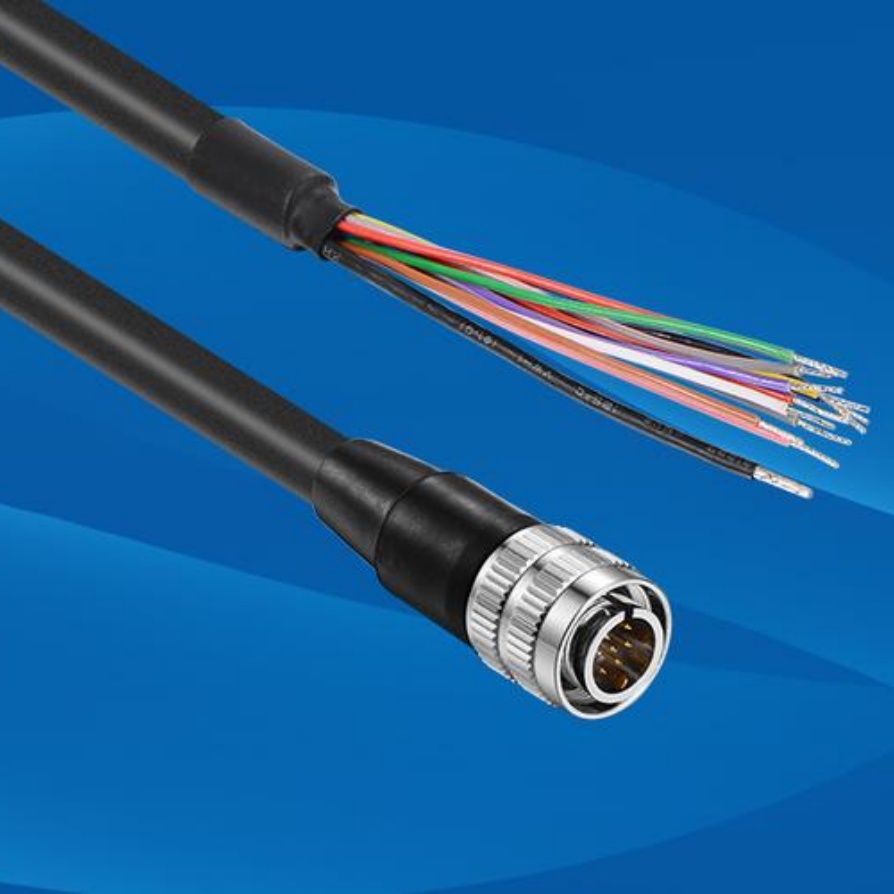
The Hirose 12pin high flex vision cable is a specialized connectivity solution designed explicitly for machine vision applications, engineered to facilitate both power transmission and high-speed data communication between vision cameras (such as GigE, CCD, and CMOS cameras) and other system components like frame grabbers, controllers, or power supplies. The “12pin” designation refers to the number of conductive pins in its Hirose connector, which enables multiple signal and power channels to be integrated into a single, compact interface. The “high flex” attribute is its defining feature, meaning the cable is constructed to endure repeated bending, twisting, and flexing without compromising structural integrity or signal quality— a critical requirement for dynamic applications like robotic arm-mounted cameras or drag chain systems in factory automation.
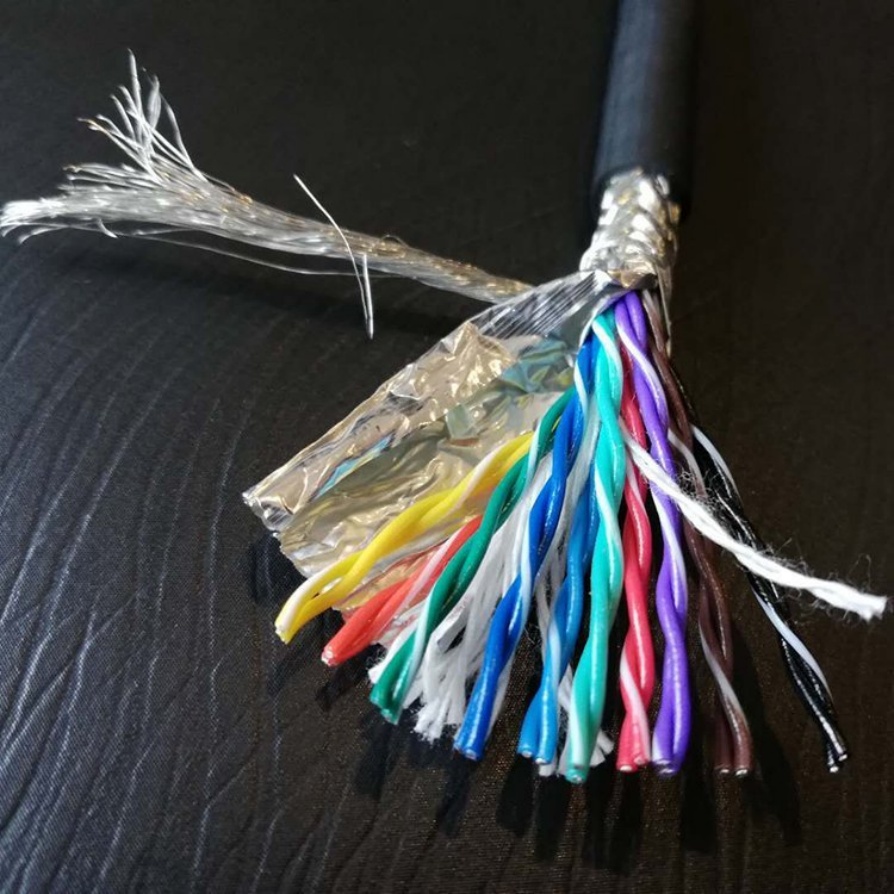
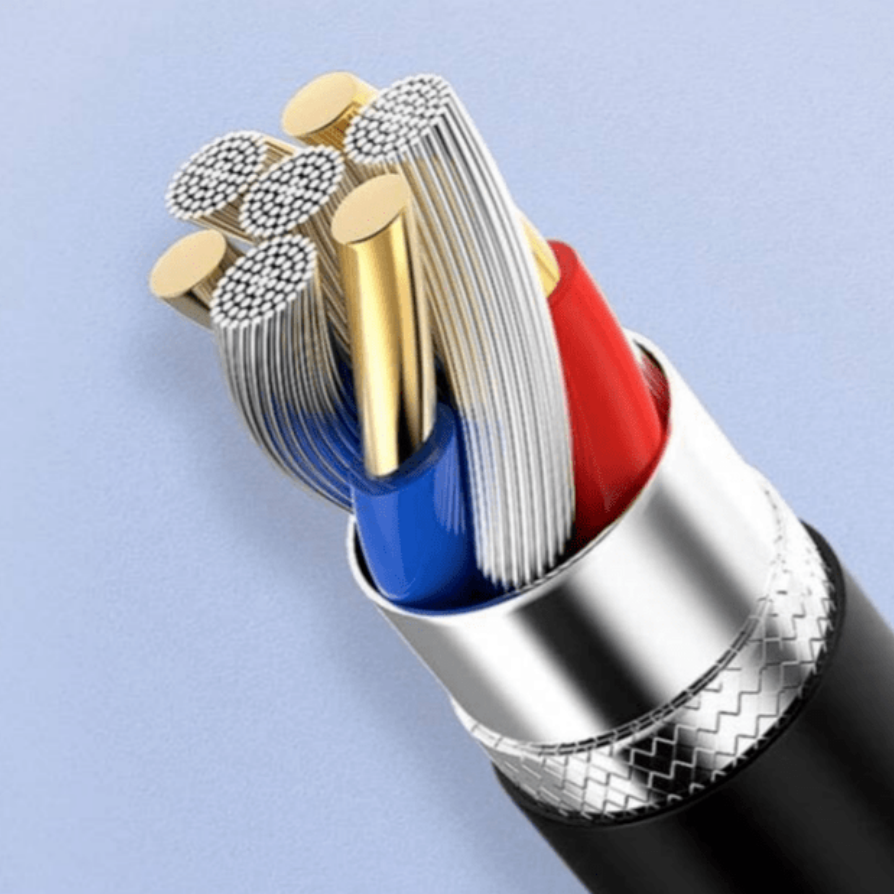
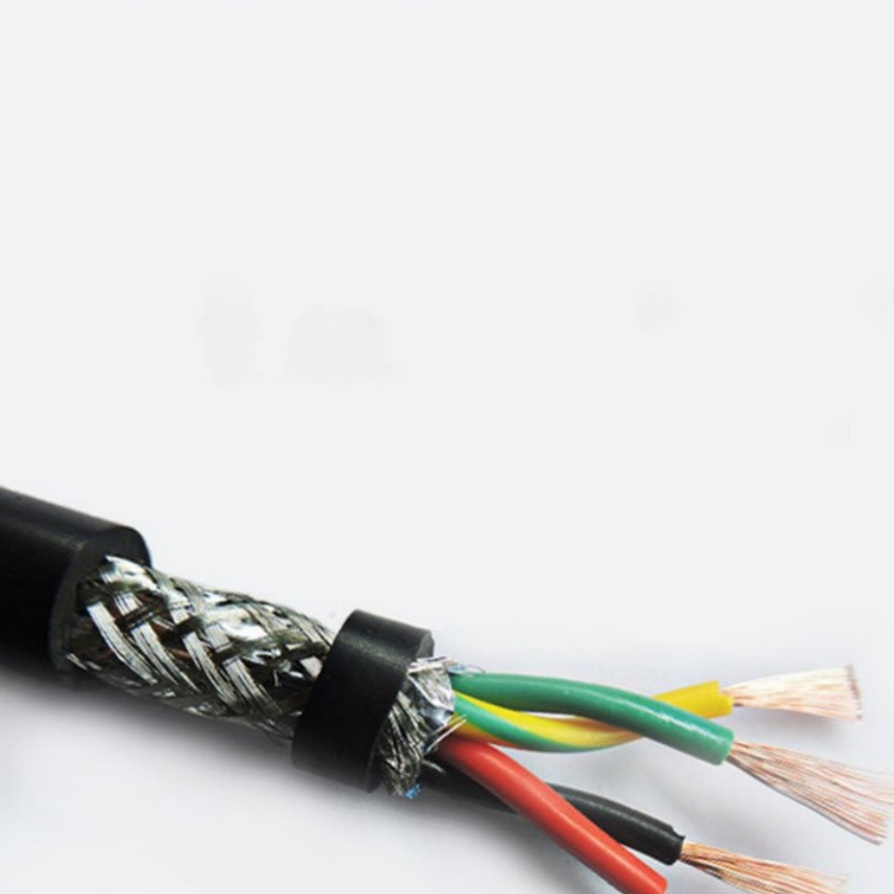
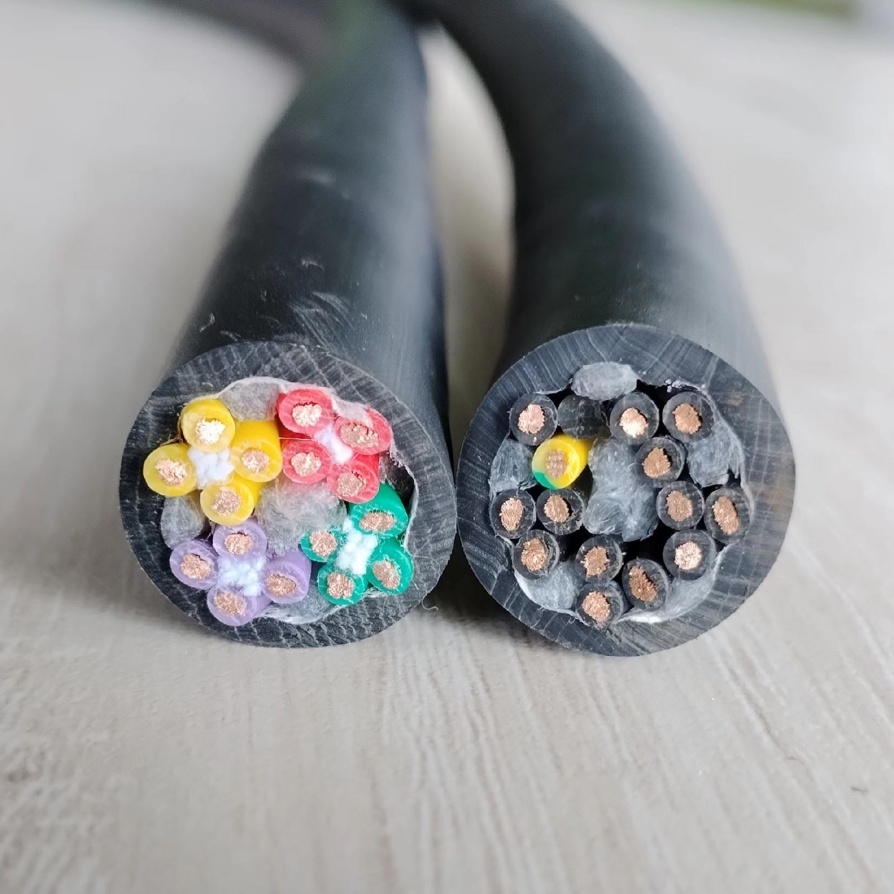
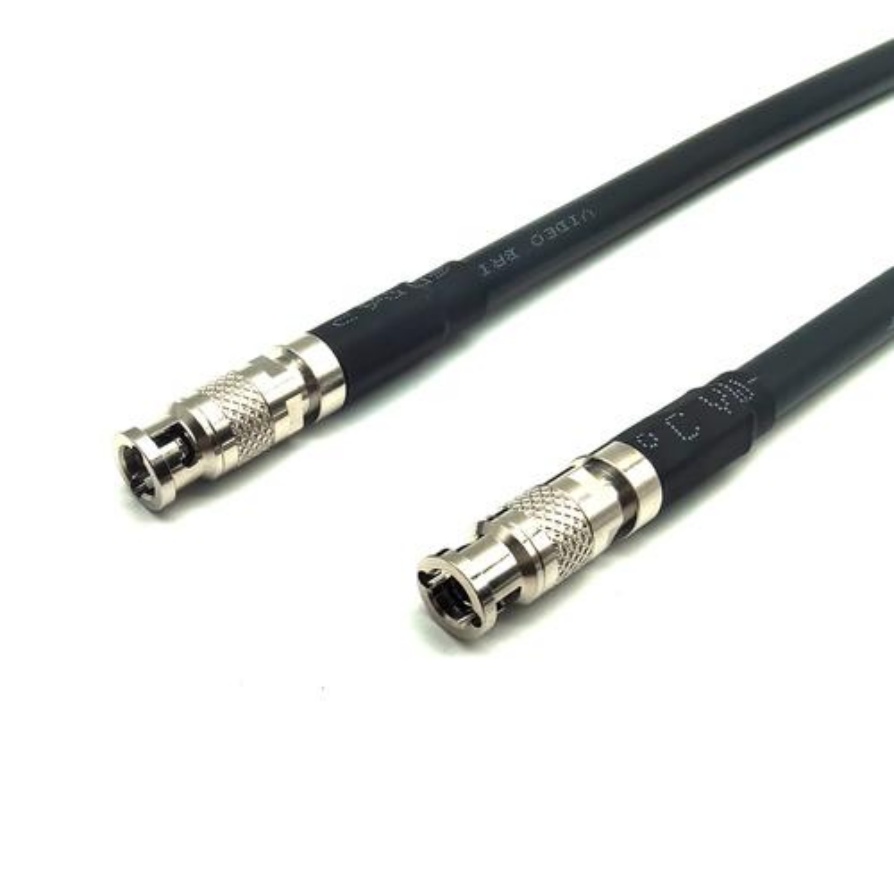
At the heart of this cable is its robust connector, typically utilizing Hirose’s proprietary circular connectors such as the HR10A-10J-12P(73) or HR10A-10J-12S(73) models . These connectors are renowned for their compact design, secure locking mechanisms (push-pull locking), and visual mating guides, which ensure easy and reliable installation even in tight spaces. The cable itself features multi-strand pure copper conductors (often 26 AWG) that minimize electrical resistance and support high-speed signal transmission without attenuation . To combat electromagnetic interference (EMI) and radio frequency interference (RFI)—common pitfalls in industrial environments with numerous electrical devices—these cables are equipped with multi-layer shielding, which effectively isolates the signal conductors and maintains transmission stability .
The outer jacket of the Hirose 12pin high flex vision cable is typically made from durable materials like PVC or PUR (polyurethane), offering resistance to oil, chemicals, and abrasion—essential properties for use in manufacturing plants, automotive assembly lines, or other harsh industrial settings . Additionally, these cables are designed to operate within a wide temperature range (commonly -20°C to 80°C, with some high-grade variants capable of -50°C to 150°C ), ensuring performance consistency in extreme environmental conditions. Most variants also comply with international standards such as RoHS and ISO, aligning with global environmental and safety requirements .
Key Features of Hirose 12pin High Flex Vision Cable
The Hirose 12pin high flex vision cable stands out from standard cables due to a suite of features tailored to the unique demands of machine vision systems. These features not only enhance reliability but also extend the cable’s lifespan in high-stress applications:
1. Exceptional Flexibility and Durability
Unlike standard cables that degrade quickly under repeated motion, high flex variants are tested to withstand millions of bending cycles—often 5 to 20 million cycles . This makes them ideal for use in drag chains, robotic arms, or any application where the camera or connected components are in constant motion. The multi-strand copper conductors and flexible jacket materials work in tandem to absorb the mechanical stress of repeated flexing, preventing conductor breakage and jacket cracking.
2. Reliable Signal and Power Transmission
Machine vision systems rely on high-fidelity data transmission to ensure accurate image capture and analysis. The Hirose 12pin high flex vision cable’s multi-layer shielding and high-quality conductors minimize signal loss and interference, enabling stable transmission of high-resolution image data (up to 31.4 megapixels ) and control signals. Simultaneously, the 12-pin configuration supports efficient power delivery to cameras and other peripherals, eliminating the need for separate power cables and simplifying system布线.
3. Robust and Secure Connectivity
Hirose’s push-pull locking connectors ensure a secure connection that resists accidental disconnection due to vibration, shock, or cable tugging—common hazards in industrial environments . The connectors also feature visual mating guides, which facilitate quick and error-free installation, reducing downtime during system setup or maintenance. Additionally, the connectors are available in straight and right-angle configurations, providing flexibility for routing cables in space-constrained areas .
4. Customization Capabilities
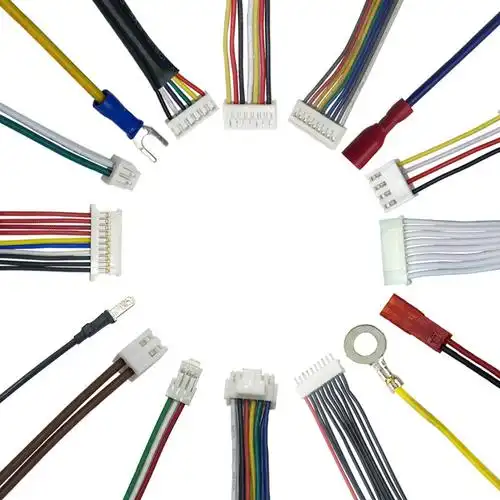
To accommodate the diverse needs of different machine vision applications, Hirose 12pin high flex vision cables offer extensive customization options. Manufacturers provide cables in lengths ranging from 0.3 meters to 10 meters (with longer lengths available on request ), and can tailor conductor sizes, jacket materials, and connector types (female-to-male, female-to-open end, etc.) to specific requirements . OEM/ODM services are also widely available, allowing for the development of application-specific cable assemblies .
The Indispensable Role of Hirose 12pin High Flex Vision Cable in Machine Vision Systems
Machine vision systems are complex assemblies comprising cameras, lenses, lighting, frame grabbers, controllers, and software—all of which rely on seamless connectivity to function in harmony. The Hirose 12pin high flex vision cable serves as the critical link between these components, performing several vital roles that directly impact system performance, reliability, and efficiency:
1. Enabling High-Resolution Image Data Transmission
The primary function of machine vision systems is to capture and process high-quality images for tasks such as defect detection, product inspection, and dimension measurement. High-resolution cameras (e.g., Allied Vision Prosilica GT series, Sony CCXC-12P10N ) generate large volumes of data that must be transmitted to frame grabbers or controllers in real time without distortion. The Hirose 12pin high flex vision cable’s low-loss conductors and multi-layer shielding ensure that this data is transmitted accurately, even in environments with high EMI/RFI interference (such as near industrial motors or power lines). This reliability is essential for maintaining the precision of vision-based inspections, which directly affects product quality and manufacturing yields.
2. Supporting Dynamic Camera Movement in Robotics and Automation
In robotic automation and high-speed manufacturing lines, vision cameras are often mounted on robotic arms or moving platforms to inspect products from multiple angles or track moving objects. These applications require cables that can keep up with continuous motion without failing. The Hirose 12pin high flex vision cable’s ability to withstand millions of bending cycles makes it the ideal choice for these dynamic scenarios. By maintaining connectivity during motion, the cable ensures that the camera can capture images consistently, enabling the robot to make real-time decisions based on accurate visual data. This is particularly critical in applications like automotive assembly, where robotic arms rely on vision systems to position components with sub-millimeter precision .
3. Simplifying System Integration and Reducing Downtime
The 12-pin configuration of the Hirose cable integrates both signal and power transmission into a single cable, eliminating the need for separate power and data cables. This simplifies system布线, reduces clutter, and lowers the risk of cable tangling or damage—especially in compact or dynamic environments. The secure locking connectors further reduce downtime by preventing accidental disconnections, which can disrupt production and require time-consuming reconfiguration. Additionally, the cable’s durability and resistance to harsh conditions (oil, chemicals, extreme temperatures) minimize the need for frequent replacements, reducing maintenance costs and improving overall system uptime .
4. Ensuring Compatibility Across Diverse Components
Machine vision systems often utilize components from different manufacturers, such as Basler, Cognex, Sony, and Omron . The Hirose 12pin high flex vision cable is designed to be compatible with a wide range of cameras, frame grabbers, and controllers, making it a versatile connectivity solution for system integrators. For example, it is commonly used with GigE Vision cameras (such as Allied Vision’s Prosilica GT series ) and CCD cameras, providing a standardized interface that simplifies system design and integration. This compatibility also allows for easy upgrades or modifications to the system, as new components can be seamlessly connected using the same cable type.
5. Enhancing Safety in Industrial Environments
Industrial environments pose numerous safety risks, including fire, chemical exposure, and electrical hazards. The Hirose 12pin high flex vision cable addresses these concerns through its use of flame-retardant and chemical-resistant jacket materials (such as PUR and low-smoke halogen-free variants ). These materials reduce the risk of fire propagation and minimize the release of toxic fumes in the event of a fire, protecting both personnel and equipment. Additionally, the cable’s compliance with international safety standards (RoHS, CE, UL ) ensures that it meets the rigorous safety requirements of industries such as aerospace, medical imaging, and food processing.
Common Applications of Hirose 12pin High Flex Vision Cable
The versatility and reliability of the Hirose 12pin high flex vision cable make it suitable for a wide range of machine vision and industrial automation applications. Some of the most common use cases include:
- Manufacturing Inspection: Used in automated inspection lines for electronics, automotive parts, and consumer goods to transmit image data from cameras to inspection controllers. The cable’s durability ensures consistent performance in high-speed production environments.
- Robotics: Integrated into robotic vision systems, where cameras are mounted on robotic arms to guide assembly, pick-and-place operations, and quality control. The high flex capability supports the robot’s repeated motion without cable failure.
- Medical Imaging: Used in diagnostic equipment (such as endoscopes and medical cameras) to transmit high-resolution image data. The cable’s biocompatible and chemical-resistant materials make it suitable for sterile medical environments.
- Aerospace and Defense: Employed in vision systems for aircraft component inspection and unmanned aerial vehicle (UAV) surveillance. The cable’s ability to withstand extreme temperatures and harsh environmental conditions ensures reliability in mission-critical applications.
- Traffic and Surveillance: Used in high-speed traffic cameras and security surveillance systems to transmit real-time image data. The cable’s shielding and signal integrity ensure clear image transmission even in urban environments with high EMI interference .
Best Practices for Using Hirose 12pin High Flex Vision Cable
To maximize the performance and lifespan of Hirose 12pin high flex vision cables, it is important to follow best practices for installation, operation, and maintenance:
- Ensure Proper Cable Routing: Avoid exceeding the cable’s minimum bending radius (specified by the manufacturer) to prevent damage to conductors and shielding. Use drag chains to protect cables in dynamic applications, ensuring that the cable has sufficient slack to accommodate motion .
- Handle Connectors with Care: Always turn off power before connecting or disconnecting the cable to prevent damage to the connector pins or internal circuitry . Keep connector surfaces clean and free of dust, oil, or debris, as contamination can degrade signal quality or cause connection failures.
- Use Stable Power Sources: Fluctuations in power can damage both the cable and connected components. Ensure that the power supply is stable and compatible with the cable’s voltage rating (typically 30V ).
- Perform Regular Inspections: Periodically check the cable for signs of wear, such as jacket cracks, conductor exposure, or connector damage. Replace damaged cables immediately to avoid system downtime or data loss.
- Choose the Right Cable for the Application: Select the appropriate jacket material (PVC for standard environments, PUR for oil-resistant or harsh conditions) and length based on the specific requirements of the application. Consult the manufacturer for custom solutions if standard cables do not meet your needs .
Conclusion
The Hirose 12pin high flex vision cable is more than just a connectivity accessory—it is a critical component that enables the reliable and efficient operation of modern machine vision systems. Its unique combination of high flexibility, robust construction, secure connectivity, and versatile customization options makes it ideally suited for the dynamic and harsh environments of industrial automation, robotics, medical imaging, and beyond. By ensuring seamless transmission of high-resolution image data and power, this cable plays a pivotal role in enhancing the precision, reliability, and uptime of machine vision systems, ultimately driving productivity and quality in a wide range of industries.
As machine vision technology continues to advance—with higher resolution cameras, faster processing speeds, and more complex automation workflows—the demand for high-performance connectivity solutions like the Hirose 12pin high flex vision cable will only grow. Whether you are designing a new machine vision system or upgrading an existing one, choosing the right cable is essential to unlocking the full potential of your system. With its proven track record of reliability and performance, the Hirose 12pin high flex vision cable remains a top choice for engineers, system integrators, and manufacturers worldwide.