What is the operating temperature range of high temperature resistant...
In the realm of industrial automation, machine vision systems serve as the “eyes” of intelligent production, and high temperature resistant machine vision cables are the critical “nerve conductors” that ensure these “eyes” function stably in harsh environments. For engineers, procurement specialists, and technical managers engaged in industrial manufacturing, understanding the operating temperature range of high temperature resistant machine vision cables is not only a basic requirement for system design but also a key factor in avoiding equipment failures, reducing maintenance costs, and ensuring production continuity. This article will comprehensively explore the operating temperature range of high temperature resistant machine vision cables, analyze the factors affecting temperature resistance, and provide practical guidance for selecting the right cable for different application scenarios.
The Basic Operating Temperature Range of High Temperature Resistant Machine Vision Cables
Unlike standard machine vision cables, which typically have an operating temperature range of -20°C to 80°C, high temperature resistant machine vision cables are designed with specialized materials and structures to withstand more extreme thermal environments. Generally speaking, the continuous operating temperature range of most commercial high temperature resistant machine vision cables is between -40°C and 125°C. This range covers the thermal conditions of most high-temperature industrial scenarios, such as general industrial ovens, automotive painting workshops, and electronic component soldering lines.
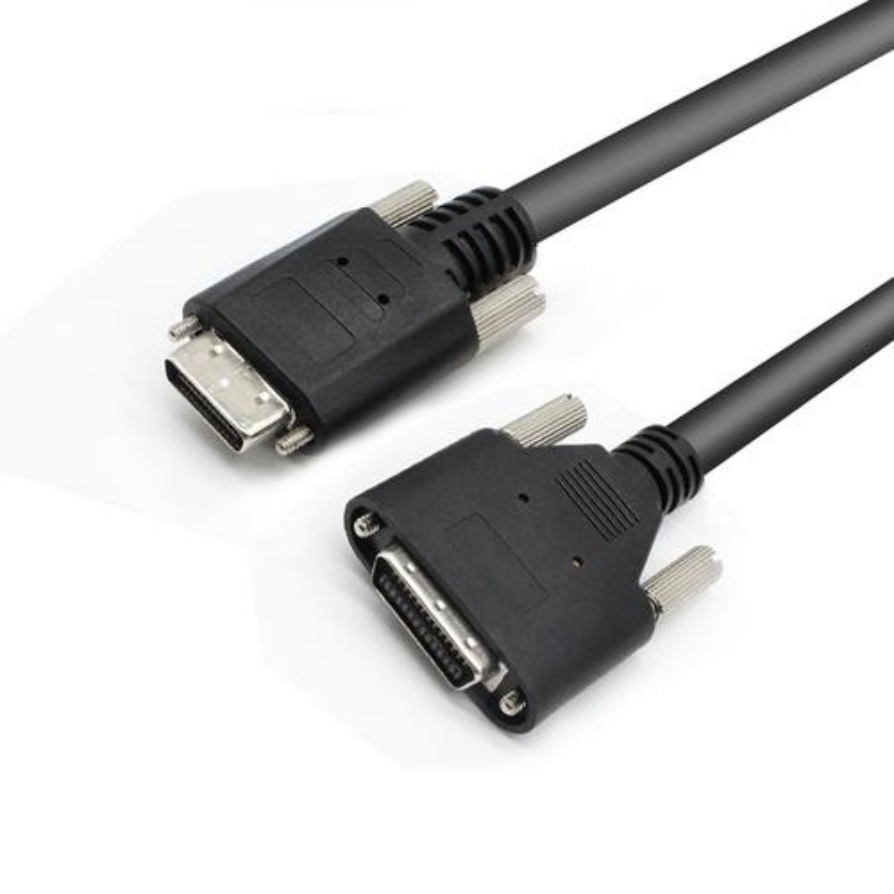
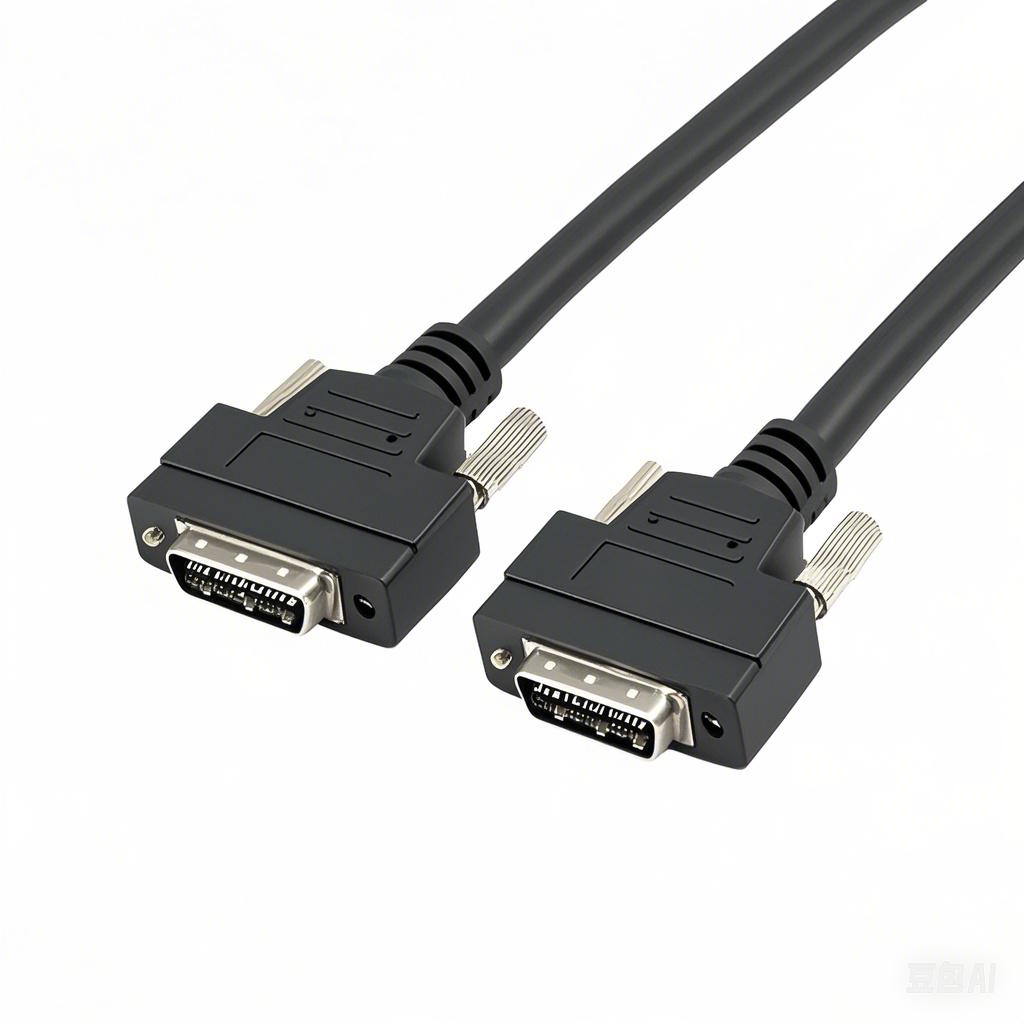
For more demanding high-temperature applications, there are ultra-high temperature resistant models available. For example, some specialized camera link cables use patented Flexx-Sil™ clear jacketing, enabling them to operate continuously at temperatures up to 165°C (329°F) and even withstand short-term exposure to higher temperatures. Additionally, cables with Teflon (PTFE, FEP, or PFA) insulation can achieve an operating temperature range of -40°C to 180°C, and can tolerate brief peaks of up to 250°C, making them suitable for extreme high-temperature environments such as foundries and industrial furnaces.
It should be emphasized that the operating temperature range usually refers to the continuous working state. If the cable is exposed to temperatures exceeding the continuous operating limit for a short time (such as during equipment startup or abnormal process fluctuations), its service life may be affected, but it will not immediately fail. However, long-term operation beyond the rated temperature range will inevitably lead to accelerated aging of the cable jacket and insulation materials, reduced signal transmission performance, and even short circuits or open circuits, which will cause the machine vision system to malfunction.
Factors Affecting the Temperature Resistance of High Temperature Resistant Machine Vision Cables
The operating temperature range of high temperature resistant machine vision cables is not arbitrarily determined; it is mainly affected by the material of the cable’s core conductor, insulation layer, jacket, and shielding structure. Understanding these influencing factors can help users more accurately judge the reliability of cables in practical applications.
1. Jacket Material: The First Line of Defense Against High Temperatures
The outer jacket of the cable directly contacts the external environment, so its high-temperature resistance determines the cable’s overall thermal tolerance to a large extent. Common high-temperature resistant jacket materials include the following types:
- Silicone Rubber: Cables with silicone rubber jackets have excellent high-temperature resistance, with a continuous operating temperature range of -50°C to 180°C. They also have good flexibility and resistance to chemical corrosion, making them suitable for high-temperature and humid environments such as food processing and pharmaceutical production.
- PUR (Polyurethane) and TPE (Thermoplastic Elastomer): These materials are widely used in high-temperature resistant machine vision cables due to their high wear resistance and oil resistance. Their continuous operating temperature range is generally -40°C to 90°C, and some modified versions can reach 125°C. PUR jackets, in particular, have a service life 3-5 times longer than PVC jackets in drag chain systems, making them ideal for high-temperature applications involving frequent movement.
- PTFE (Polytetrafluoroethylene): As a high-performance engineering plastic, PTFE has excellent high-temperature resistance, with a continuous operating temperature of up to 260°C. Cables with PTFE jackets are suitable for extreme high-temperature environments such as aerospace manufacturing and semiconductor wafer processing, but they are relatively rigid and costly.
2. Insulation Material: Ensuring Stable Signal Transmission at High Temperatures
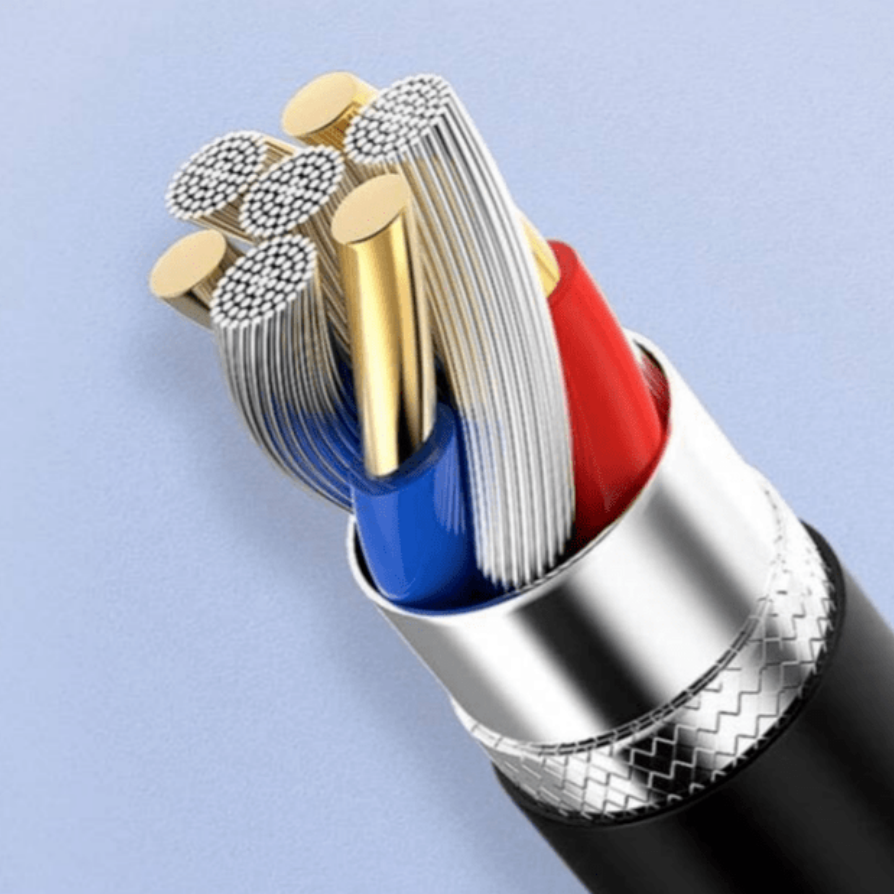
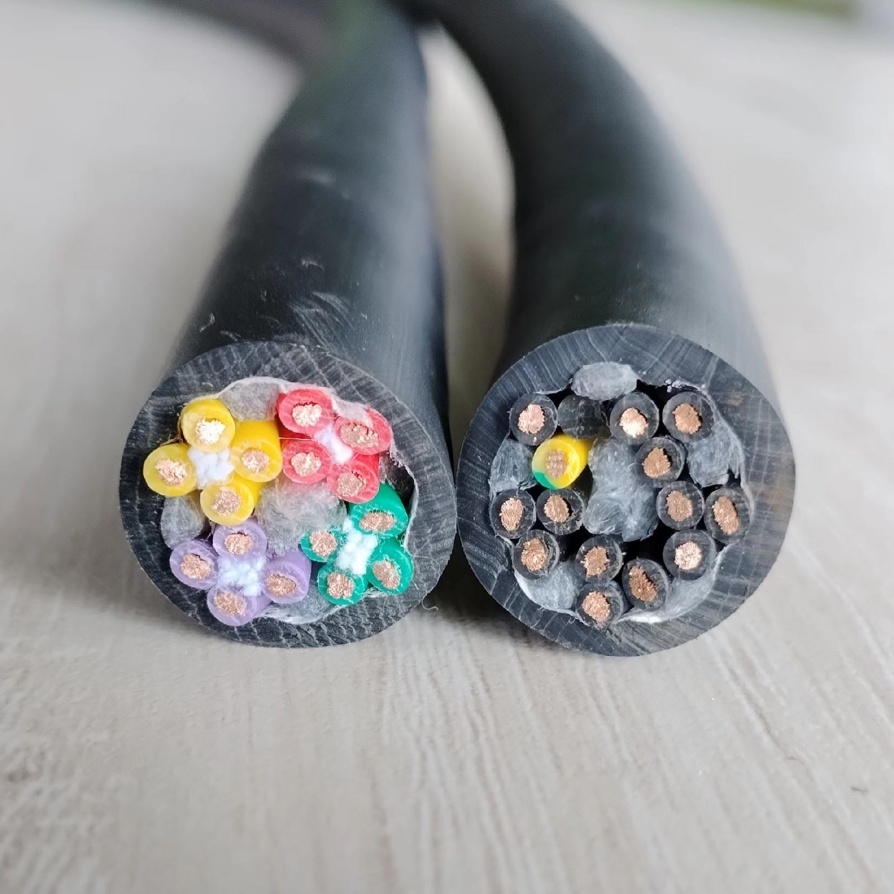
The insulation layer between the cable’s conductors is responsible for isolating signals and preventing short circuits. High-temperature environments can cause insulation materials to soften, melt, or decompose, leading to signal interference or cable failure. Common high-temperature resistant insulation materials include cross-linked polyolefin, silicone rubber, and PTFE. Cross-linked polyolefin insulation can withstand temperatures up to 125°C, while silicone rubber and PTFE insulation can meet the requirements of higher temperature environments. For example, in Cicoil’s high-temperature Camera Link® cables, individually shielded twisted-pair conductors are encapsulated in heat-resistant Flexx-Sil™ insulation, ensuring stable signal transmission even at 165°C.
3. Conductor Material: Maintaining Conductivity Under Thermal Stress
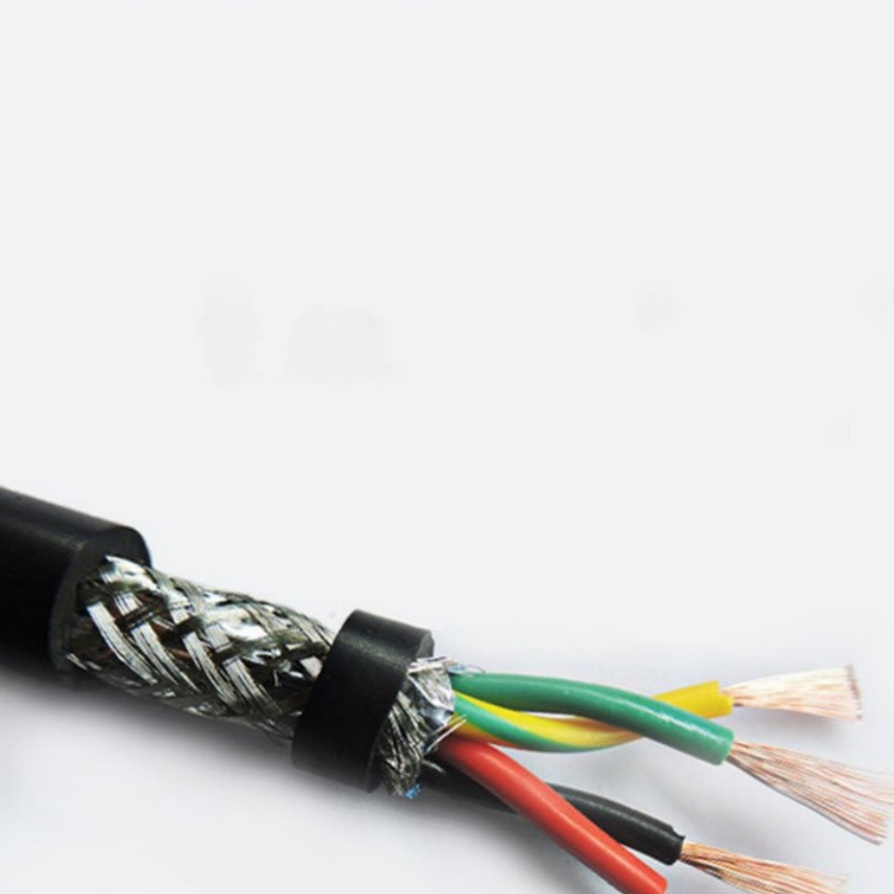
The conductor of high temperature resistant machine vision cables is usually made of tinned copper or bare copper. Tinned copper conductors are more resistant to oxidation and corrosion at high temperatures than bare copper, which helps maintain stable conductivity. In ultra-high temperature environments, special coated conductors may be used to further protect the copper core from thermal degradation. The stranding process of the conductor also affects its high-temperature performance; multi-strand ultra-fine oxygen-free copper conductors with short-pitch stranding can maintain flexibility and stable conductivity even under thermal expansion and contraction caused by temperature changes.
4. Shielding Structure: Balancing High-Temperature Resistance and Anti-Interference Performance
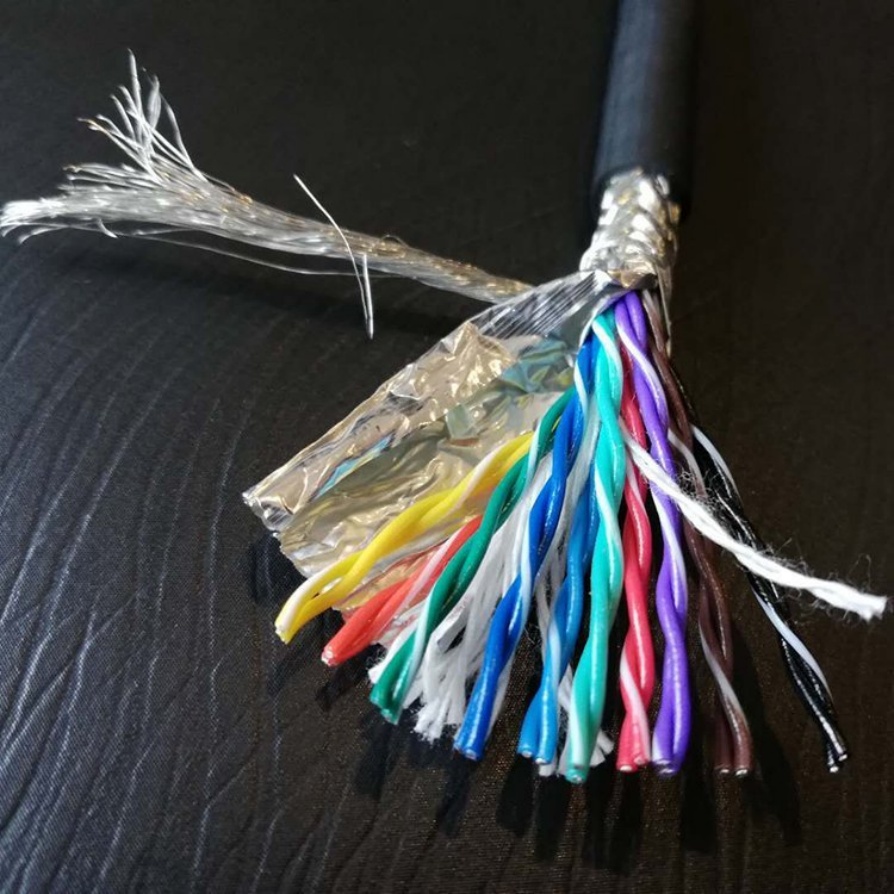
Machine vision systems require high-quality signal transmission, so high temperature resistant machine vision cables are usually equipped with shielding structures (such as aluminum foil shielding, copper braid shielding, or double shielding). The shielding material must also have good high-temperature resistance to avoid losing its shielding effect due to material degradation at high temperatures. For example, some high-temperature cables use 90% coverage braided shielding made of tinned copper, which not only effectively resists electromagnetic interference (EMI) but also maintains structural stability at temperatures up to 165°C.
Operating Temperature Ranges of High Temperature Resistant Machine Vision Cables for Different Application Scenarios
The actual operating temperature range of high temperature resistant machine vision cables varies according to application scenarios. Choosing the appropriate cable based on the specific temperature environment and application requirements is crucial to ensuring system reliability. Below are the recommended temperature ranges and cable types for common high-temperature application scenarios:
1. Automotive Manufacturing Industry
In automotive manufacturing processes such as painting workshops and engine assembly lines, the ambient temperature is usually between 60°C and 120°C, and there may be exposure to oil and chemical solvents. For machine vision systems used in these scenarios, it is recommended to select high temperature resistant machine vision cables with a continuous operating temperature range of -40°C to 125°C, using PUR or TPE jackets and tinned copper conductors. These cables not only withstand high temperatures but also have excellent oil resistance and wear resistance, adapting to the frequent movement of robotic arms.
2. Food and Beverage Processing Industry
In food baking, sterilization, and packaging processes, the ambient temperature can reach 80°C to 150°C, and the environment is often humid. Cables with silicone rubber jackets are preferred here, with a recommended operating temperature range of -50°C to 180°C. Silicone rubber is non-toxic, odorless, and resistant to high temperatures and humidity, complying with food safety standards. At the same time, its good flexibility ensures stable operation in drag chain systems of packaging equipment.
3. Semiconductor and Electronic Manufacturing Industry
Semiconductor wafer processing and electronic component soldering involve ultra-high temperature environments, with temperatures up to 160°C to 180°C. In these scenarios, ultra-high temperature resistant machine vision cables with PTFE insulation or Flexx-Sil™ jackets are required, with a continuous operating temperature range of -40°C to 165°C or higher. These cables can maintain stable signal transmission under extreme high temperatures, ensuring the accuracy of vision inspection systems for tiny electronic components.
4. Aerospace and Foundry Industry
Foundries and aerospace component manufacturing involve extremely high temperatures, with ambient temperatures often exceeding 180°C. Cables with PTFE jackets are required here, which can withstand continuous temperatures up to 260°C and short-term peaks of 250°C. Additionally, these cables must have excellent flame retardancy and chemical resistance to adapt to the harsh environments of foundries and aerospace manufacturing sites.
How to Verify the Operating Temperature Range of High Temperature Resistant Machine Vision Cables?
When selecting high temperature resistant machine vision cables, it is not enough to rely solely on the manufacturer’s specifications; practical verification and certification checks are also required to ensure the cables meet the actual application requirements.
1. Check Certification and Test Reports
Qualified high temperature resistant machine vision cables should have relevant certifications, such as UL, CSA, or RoHS certifications. Users should request detailed test reports from manufacturers, including high-temperature aging test data, flex life test results at high temperatures, and flame retardancy test reports. For example, Cicoil’s high-temperature Camera Link® cables have passed UL 94 V-0 and FAA vertical burn tests, confirming their high-temperature resistance and flame retardancy.
2. Conduct On-Site Simulation Tests
Before large-scale deployment, on-site simulation tests should be conducted to install the cables in the actual application environment and test their signal transmission performance and structural stability over a long period. For example, in an industrial oven at 150°C, the cable’s signal attenuation, insulation resistance, and jacket integrity should be tested continuously to ensure it meets the system’s operating requirements.
3. Pay Attention to the Influence of Auxiliary Factors
In addition to temperature, other factors in the application environment can also affect the cable’s performance, such as humidity, chemical solvents, and mechanical stress. For example, high humidity at high temperatures can accelerate the aging of insulation materials, while frequent bending can cause fatigue damage to the cable core. Therefore, when verifying the temperature range, these factors should be considered comprehensively to ensure the cable’s overall reliability.
Common Misunderstandings About the Operating Temperature Range of High Temperature Resistant Machine Vision Cables
In practical applications, there are many misunderstandings about the operating temperature range of high temperature resistant machine vision cables, which can easily lead to incorrect selection and equipment failures. Here are some common misunderstandings to clarify:
1. Confusing Continuous Operating Temperature with Short-Term Peak Temperature
Many users confuse the continuous operating temperature with the short-term peak temperature of the cable. For example, a cable with a continuous operating temperature of 125°C may withstand a short-term peak of 150°C, but long-term operation at 150°C will inevitably lead to accelerated aging of the cable jacket and insulation layer, reducing its service life. Therefore, the actual operating temperature should not exceed the continuous operating temperature range specified by the manufacturer.
2. Believing That Higher Temperature Resistance Is Better
While higher temperature resistance seems more advantageous, ultra-high temperature resistant cables are usually more expensive and may have poor flexibility. For example, PTFE-jacketed cables have excellent high-temperature resistance but are relatively rigid, making them unsuitable for scenarios requiring frequent bending. Therefore, the appropriate temperature range should be selected based on the actual application environment, rather than blindly pursuing ultra-high temperature resistance.
3. Ignoring the Influence of Low Temperatures
Most users focus on the high-temperature resistance of cables but ignore their low-temperature performance. In cold regions or low-temperature workshops, the cable jacket and insulation layer may become brittle at low temperatures, leading to cracking and signal failure. Therefore, the low-temperature limit of the cable should also be considered when selecting cables for environments with large temperature fluctuations. For example, silicone rubber-jacketed cables can withstand low temperatures of -50°C, making them suitable for cold northern industrial sites.
Conclusion
The operating temperature range of high temperature resistant machine vision cables is a key parameter that directly affects the stability and reliability of machine vision systems in harsh environments. Generally, the continuous operating temperature range of most high temperature resistant machine vision cables is -40°C to 125°C, while ultra-high temperature resistant models can reach 165°C to 260°C. This range is determined by the cable’s jacket material, insulation material, conductor material, and shielding structure. When selecting cables, users should not only refer to the manufacturer’s specifications but also comprehensively consider the actual application scenario, temperature fluctuations, and auxiliary environmental factors, and verify through certifications and on-site tests.
In the context of increasing intelligence in industrial manufacturing, the demand for high temperature resistant machine vision cables will continue to grow. Understanding and mastering the operating temperature range of these cables is crucial for improving production efficiency, reducing maintenance costs, and ensuring production safety. By selecting the right high temperature resistant machine vision cable, enterprises can maximize the performance of machine vision systems, laying a solid foundation for intelligent production.