High-Flex USB Type-C Machine Vision Cable Passes 10 Million Drag Chai...
In high-performance machine vision systems, a standard USB-C cable is often the weakest link. Vibration, constant motion, tight bend radii, and EMI can cause image dropouts, data errors, or even complete disconnections. For engineers, this means production line downtime, costly scrap, and difficult troubleshooting.
This is why a new class of high-flex USB Type-C vision cablehas been engineered specifically for industrial environments, one that has passed an industry-leading 10 million drag chain testwhile maintaining stable USB 3.2 Gen 2 (10 Gbps) transmission. This article explains what this means in practice and how to select the right cable for your application.
🎯 The Core Problem: Why Standard Cables Fail
Industrial cameras, especially in automated inspection, robotics, and motion platforms, are rarely stationary. They are mounted on moving arms, gantries, or inside cable tracks (drag chains). In these scenarios, several failure modes are common:
Connector Loosening:Standard friction-fit USB-C connectors can wiggle loose due to vibration, leading to intermittent connections.
Cable Fatigue:Ordinary USB cables use conductors and shielding not designed for millions of repeated flexes, causing broken strands and signal loss.
Signal Attenuation:As cable length increases, especially beyond 3-5 meters, high-speed signals (5 Gbps / 10 Gbps) degrade due to cable impedance and loss.
EMI Susceptibility:Industrial environments are electrically noisy. Without robust shielding, electromagnetic interference can corrupt image data.
For demanding applications, engineers often turn to alternatives like GigE or Camera Link. However, a high-performance USB Type-C vision cableoffers a compelling solution by combining the simplicity of USB with the robustness required for industrial use.
🔬 Decoding the 10 Million Drag Chain Test
The “10 million drag chain test” is a key benchmark for industrial cable reliability. Here’s what it entails:
The Test Setup:A cable is mounted in a cable carrier (drag chain) and cycled through tight bends repeatedly. A typical test might involve a bend radius of 10 times the cable OD, a cycle speed of 60-120 per minute, and millions of cycles.
The Performance Benchmark:Passing 10 million cycleswithout a significant increase in attenuation or bit errors signifies an extremely durable cable. For context, many standard “high-flex” cables are rated for 1-5 million cycles.
Real-World Translation:10 million cycles at 60 cycles per minute equates to roughly 3.8 years of continuous 24/7 operation. This provides a substantial service life buffer for most industrial applications.
💡 Key Features of a High-Flex USB Type-C Vision Cable
A cable that can survive 10 million drag chain cycles while maintaining 10 Gbps performance incorporates several critical design elements:
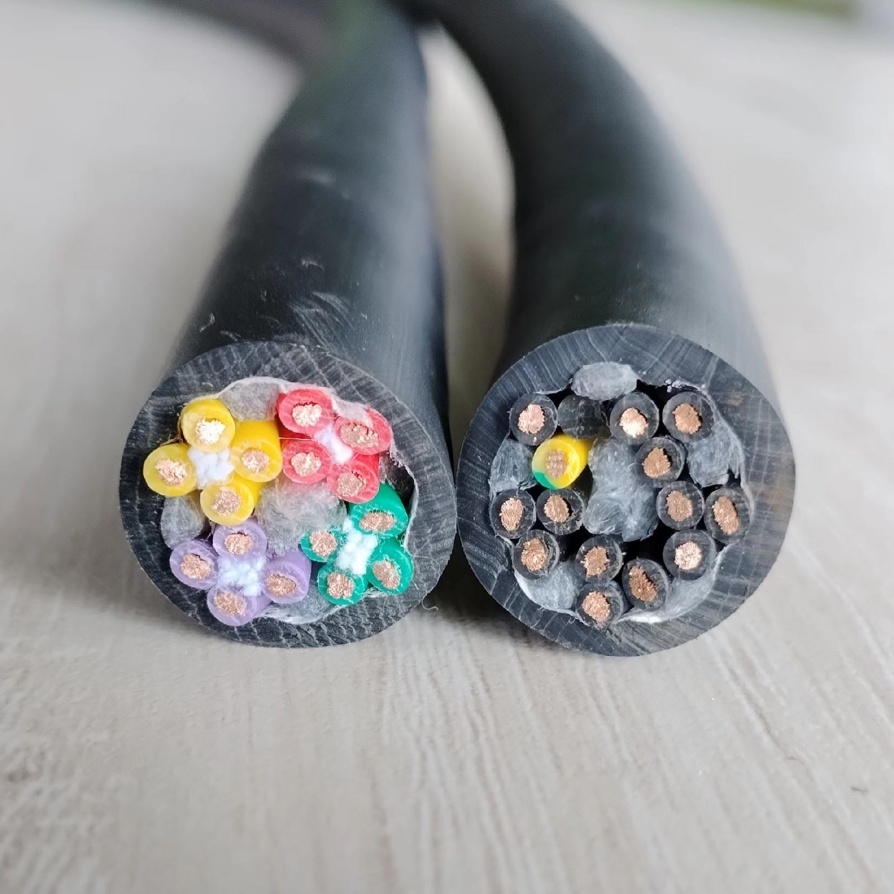
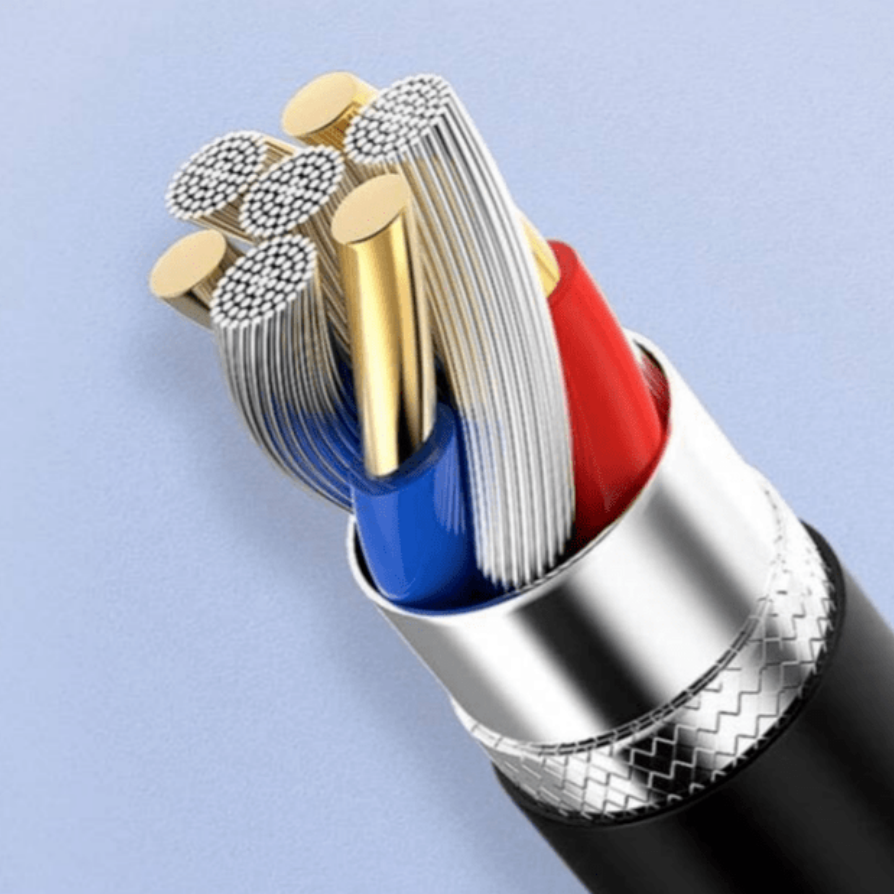
High-Flex Conductor Design:Uses very fine, high-tensile copper strands with optimized lay lengths to distribute bending stress evenly and prevent work-hardening and breakage.
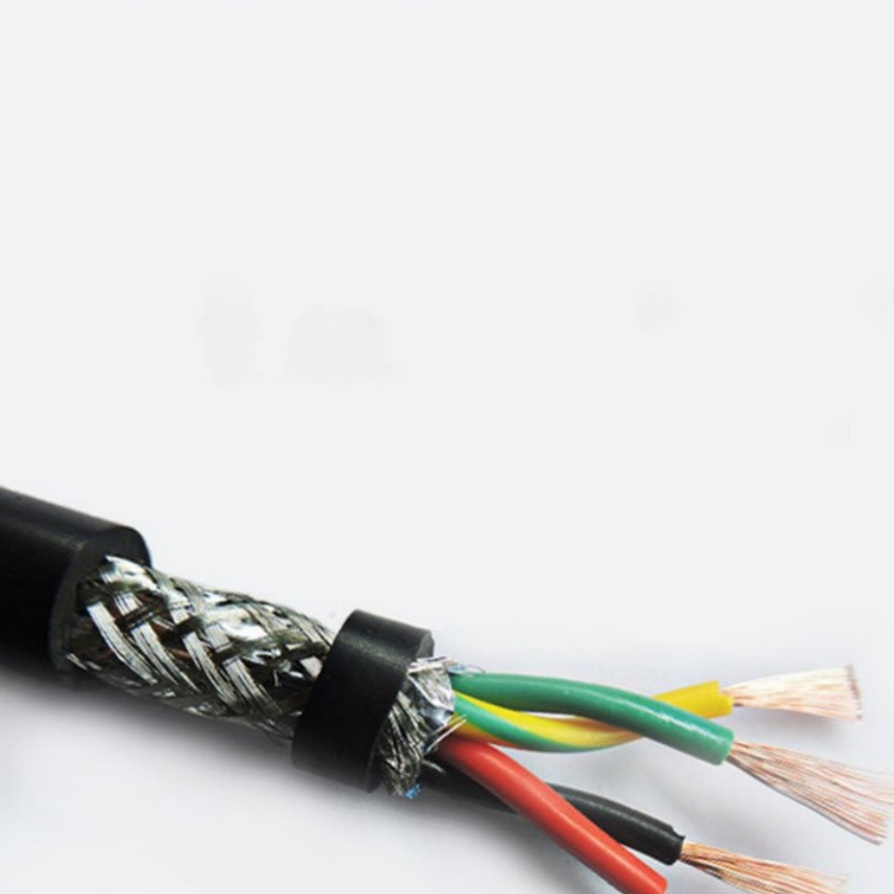
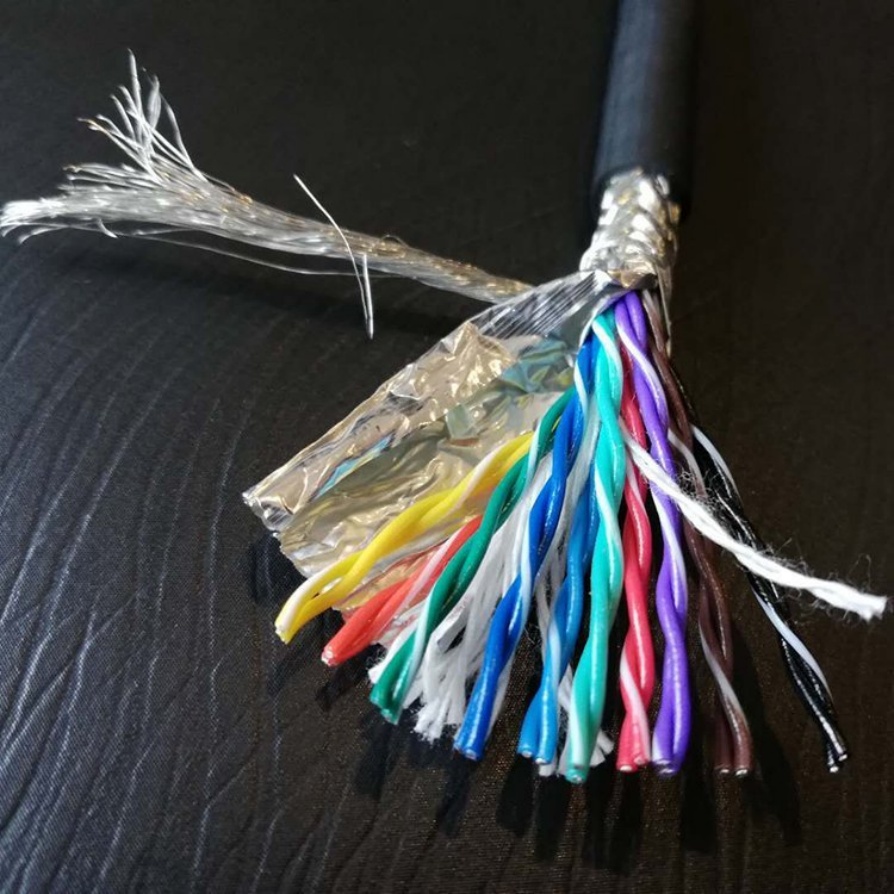
Robust Shielding:Employs a combination of braided shielding and foil shields, often with individually shielded twisted pairs, to minimize EMI/RFI and crosstalk, ensuring signal integrity at high speeds.
Durable Jacket Materials:Utilizes tough, flexible materials like PUR or TPE, often with a VW-1 or UL20276 flammability rating, chosen for their resistance to abrasion, oil, and chemicals.
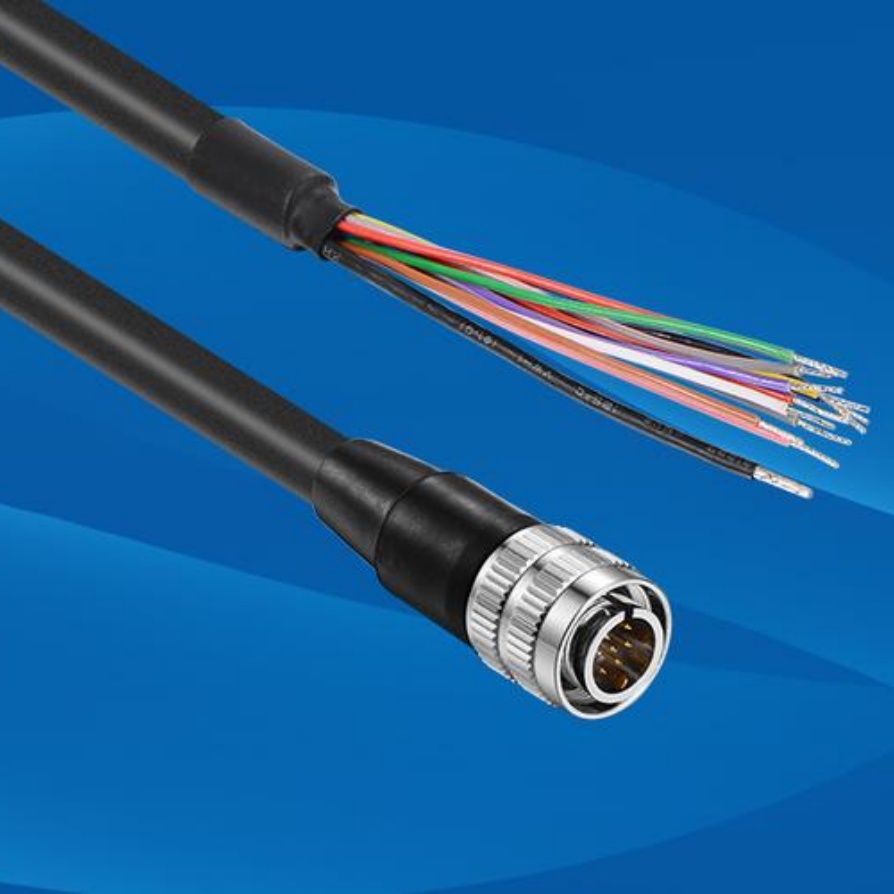
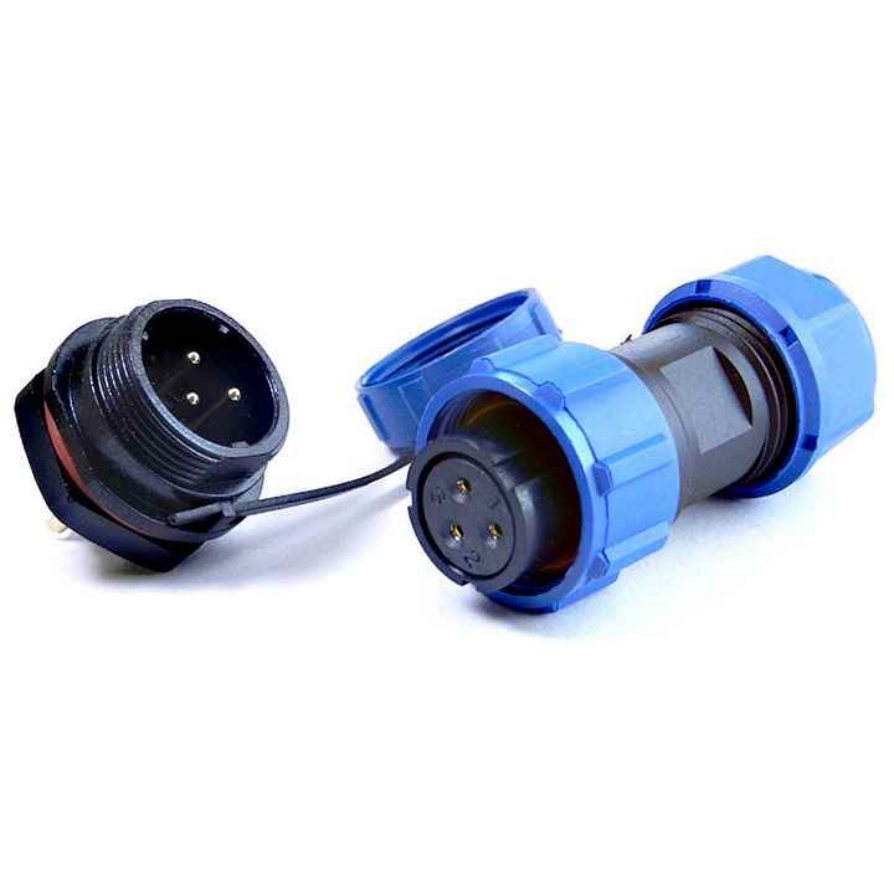
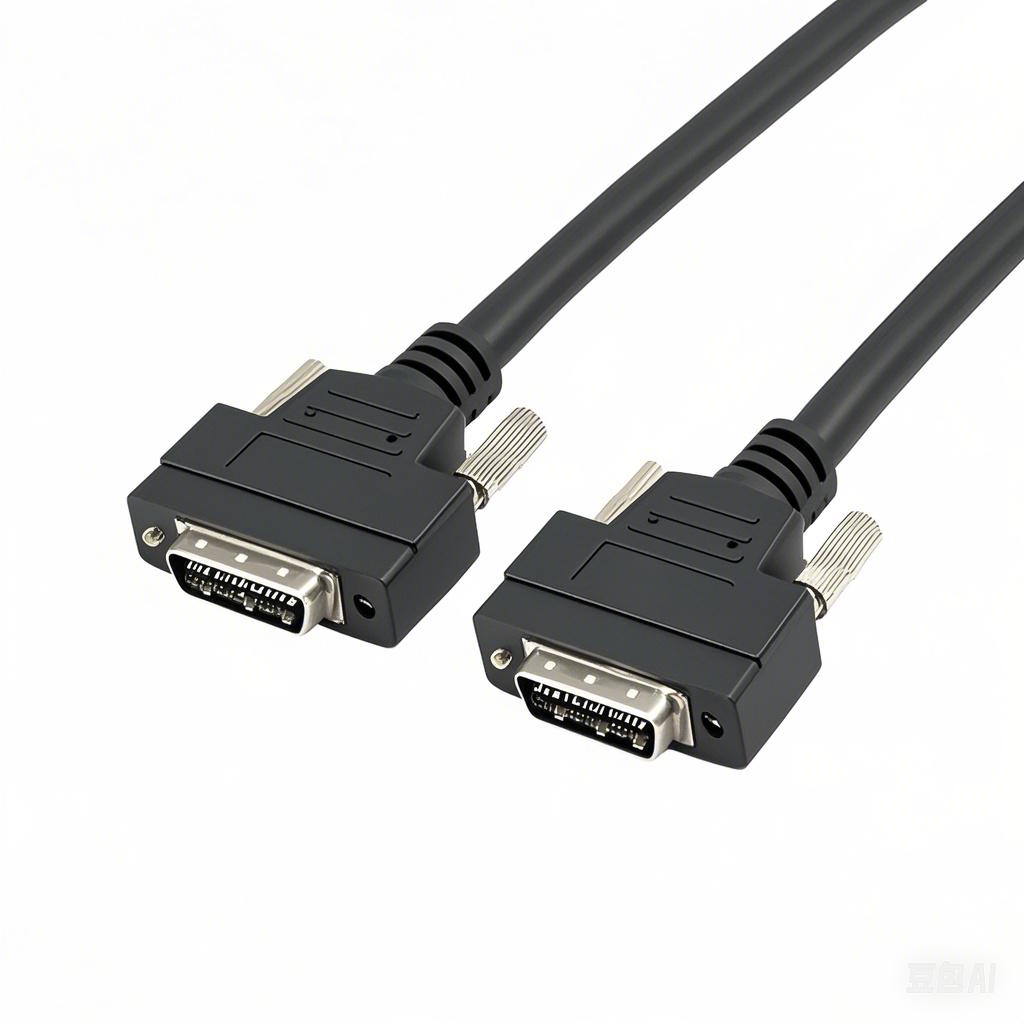
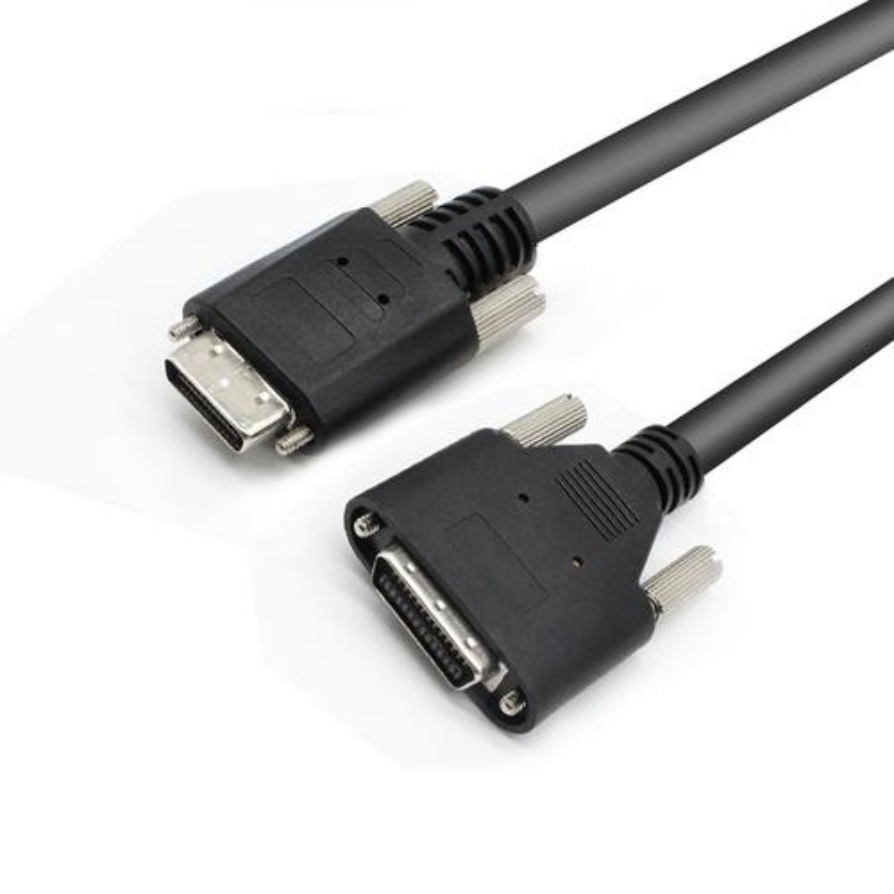
Reinforced Connectors:Features overmolded connectors with strain relief boots. For machine vision, screw-lockor locking screwmechanisms (e.g., M2) are essential to prevent accidental disconnection in high-vibration environments.
Integrated Signal Conditioning:For longer lengths (5-10+ meters), active repeater cablesor active optical cables (AOC)incorporate chips to boost and regenerate the USB signal, ensuring it meets the 10 Gbps specification at the destination.
📊 Active vs. Passive: Choosing the Right Cable
The choice between active and passive cables depends on your required cable length and budget.
Feature
Passive High-Flex Cable
Active / AOC Cable
Max Length (USB 3.x)
Up to ~3-5 meters reliably
10 meters to 20+ meters
Signal Boosting
No
Yes, built-in repeater or optical conversion
Power Delivery (PoCXP)
Limited, depends on cable gauge
Can support higher power over longer distances
Cost
Lower
Higher
Best For
Short-reach, high-flex applications
Long-reach, mission-critical, or EMI-heavy environments
🛠️ Engineering Specifications to Consider
When evaluating a high-flex USB Type-C vision cable, look beyond the marketing claims and focus on these specifications:
USB Standard & Speed:Ensure it supports USB 3.2 Gen 1 (5 Gbps)or, for newer cameras, USB 3.2 Gen 2 (10 Gbps).
Cable Bend Radius:Verify the minimum bend radius, which should be at least 5-10 times the cable ODfor high-flex operation.
Current Rating:Check the cable’s current-carrying capacity, especially if your camera supports Power over Camera Link (PoCL).
Shielding & Jacket:Look for cables with full shielding and an industrial-grade jacket (PUR, TPE, or PVC) that meets relevant flammability standards.
Connector Options:Confirm the availability of screw-lockconnectors and panel-mount options for secure and convenient installations.
Compliance & Certifications:Check for compliance with USB3 Visionstandards and relevant safety certifications (e.g., RoHS, CE).
🏭 Real-World Applications
This type of cable is the ideal choice for a wide range of demanding applications:
Robotic Inspection Cells:Cables on robot arms or gantries that flex millions of times.
High-Speed Sorting Systems:Mounted on vibrating feeders or conveyors where EMI is prevalent.
Automated Test Equipment (ATE):Test heads with long travel ranges requiring reliable data links.
Medical Imaging Devices:Surgical robots or imaging systems where cables are moved frequently and reliability is paramount.
Transportation Systems:On-vehicle or rail-mounted vision systems that experience constant vibration and environmental stress.
✅ Conclusion
In mission-critical machine vision applications, cable failure is not an option. A high-flex USB Type-C vision cablethat has passed rigorous 10 million drag chain testsprovides the proven reliability needed to ensure consistent, high-quality image data transmission. By understanding the engineering behind these cables and carefully evaluating key specifications, you can select the right solution to keep your production line running smoothly and your inspection processes accurate.
High-speed factories demand flawless synchronization between machines and vision systems. Yet, challenges like electromagnetic interference (EMI), cable fatigue, and data bottlenecks often disrupt operations. The right machine vision cab.
Meta Description: Discover the Flexible & Bend-Resistant Vision Cable, engineered for precision imaging in demanding environments. Durable, reliable, and built to last. Perfect for industrial, medical, and robotic applications.
Int.
Meta Description: Discover premium Robotic Vision System Cables engineered for seamless data transmission, durability, and precision in industrial automation. Ensure flawless vision system performance.
Enhance Automation Precision with.
Meta Description: Experience seamless 4K/8K video transmission with our High-Speed Anti-Interference Vision Cable. Engineered for crystal-clear visuals, robust durability, and interference-free performance. Perfect for gaming, profes.
Elevate your visual data transmission with the IP67 Waterproof Vision Connection Cable, engineered to deliver seamless performance in the harshest conditions. Designed for industrial, outdoor, and mission-critical applications, this rugg.
Product Overview: Machine Vision Cables
Machine vision cables are specialized components designed to ensure high-speed, stable data transmission and signal integrity in automated imaging systems. Key features include:
Technical S.
Shielded Twisted-Pair Vision Cable – Ultra-Clear Signal Transmission for Demanding Environments
Ensure flawless video and data transmission in high-interference environments with our Shielded Twisted-Pair (STP) Vision Cable. Engineere.
Enhance the reliability and performance of your automated systems with our Industrial-Grade Machine Vision Cable—engineered to deliver unparalleled signal integrity, durability, and speed for demanding industrial applications. Designed f.
Subtitle: A High-Performance Signal Cable Designed for 3D Scanners, Ensuring Lossless Data and Minimal Latency
Product OverviewThe 3D Scanner Vision Signal Cable is a premium signal transmission cable engineered for both industrial a.
The Precision Imaging Dedicated Vision Cable is a cutting-edge connectivity solution designed to deliver crystal-clear image transmission in high-stakes environments. Optimized for industrial automation, medical imaging, machine vision, .