When to Choose Multi-layer Shielding Camera Link Cable for Machine Vi...
In high-performance machine vision, a multi-layer shielding Camera Link cableis not just a component; it’s critical insurance for image quality and system uptime. But when is this extra protection truly necessary?
This article explains the key scenarios where multi-layer shielding is essential, what it protects against, and how to choose the right cable for your application.
Quick Recap: What is a Camera Link Cable?
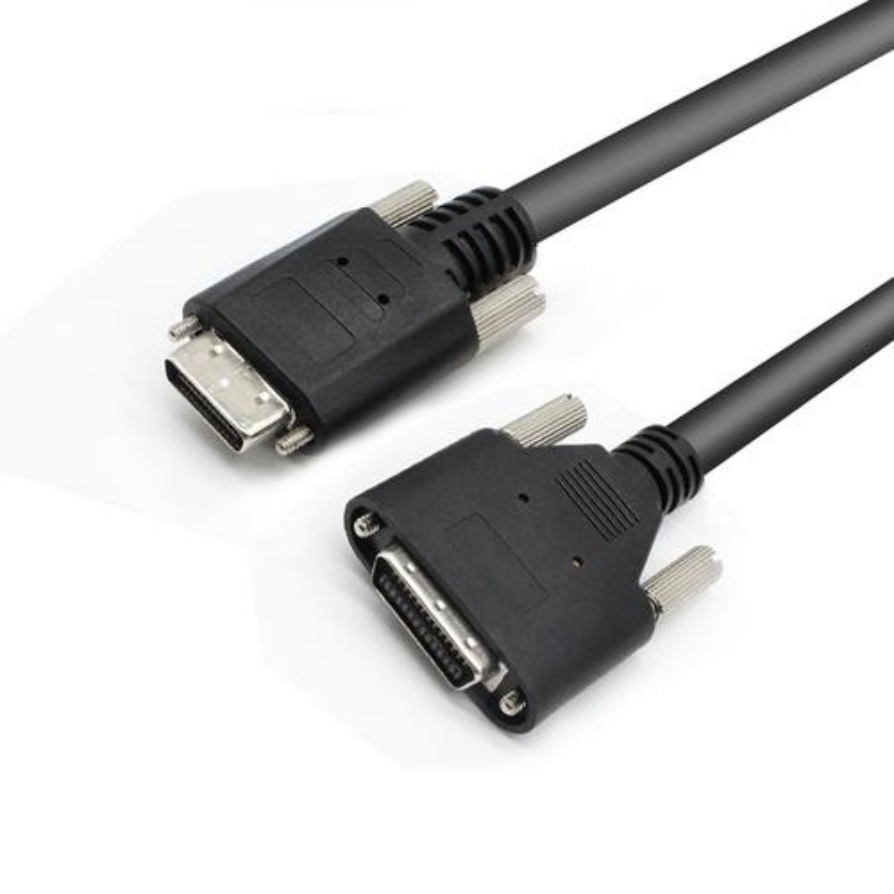
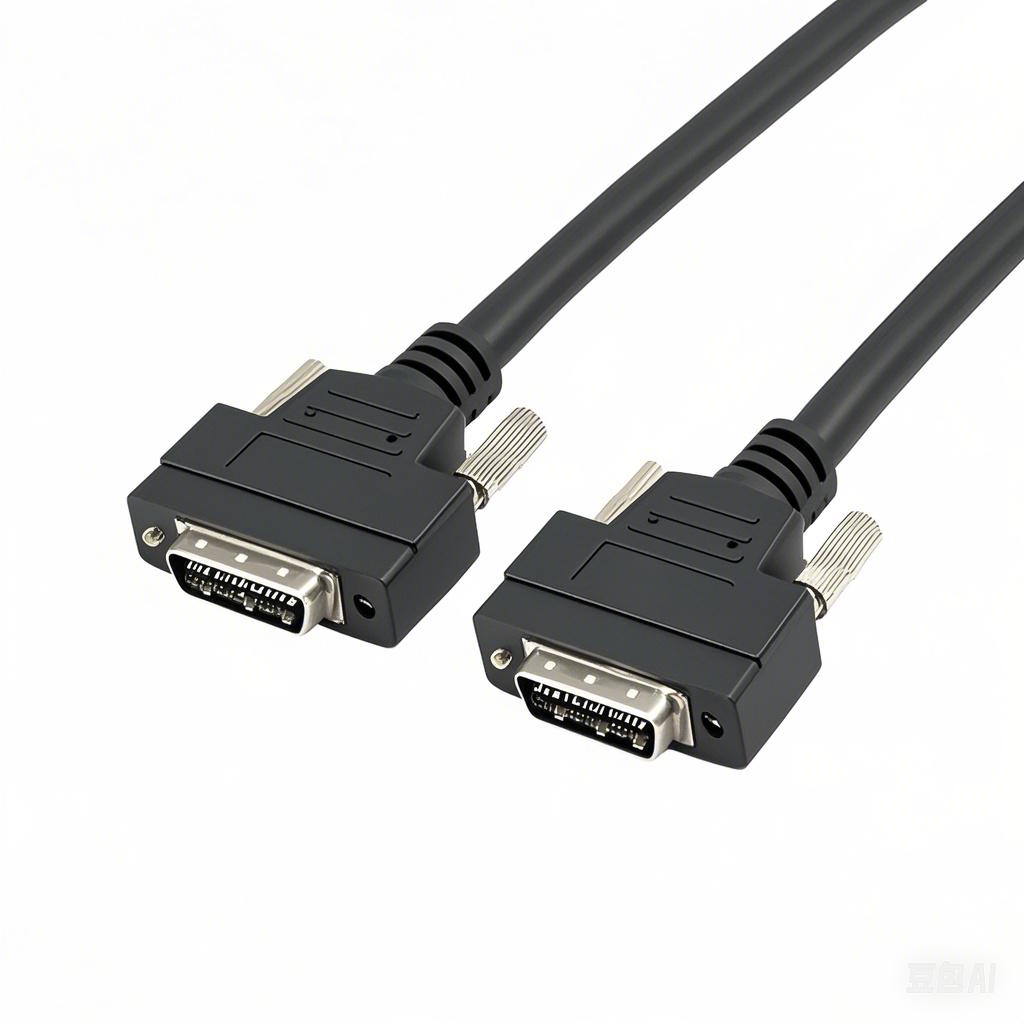
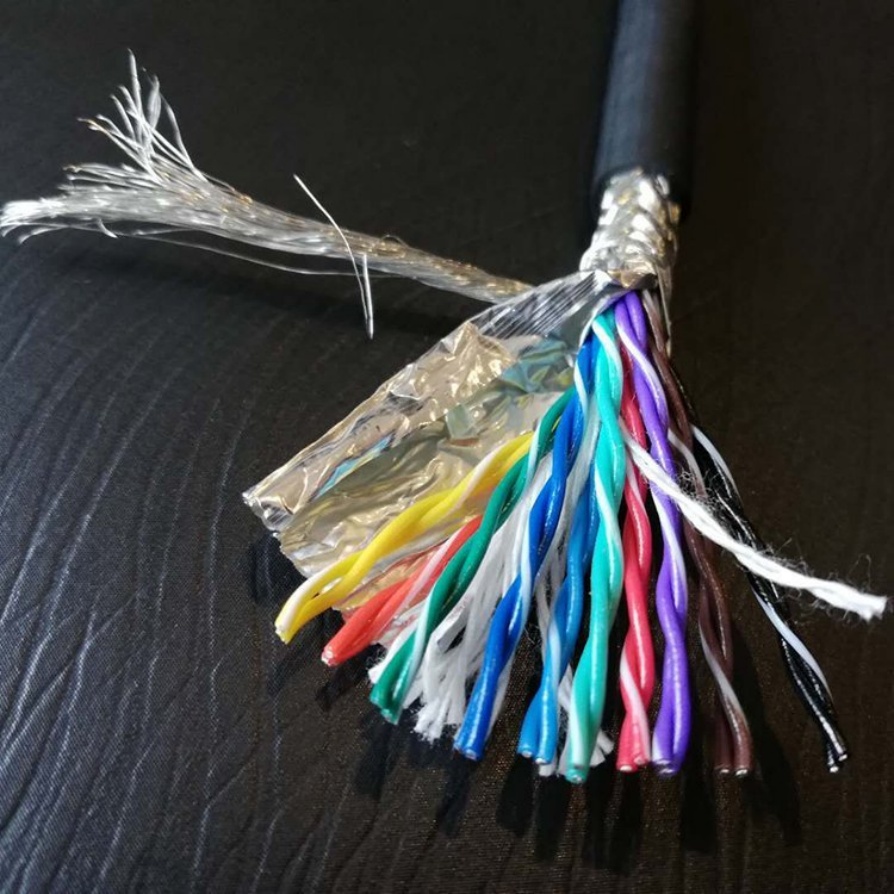
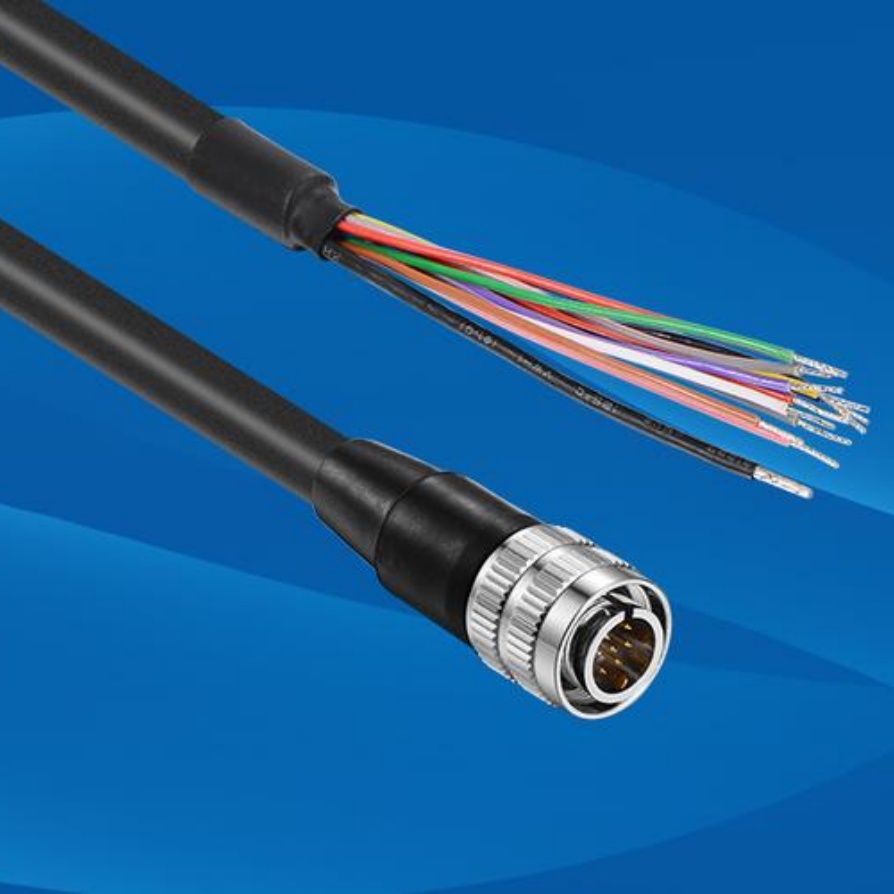
Camera Link is a mature, high-speed digital interface standard for industrial cameras. It uses a 26-pin MDR/SDR connector and transmits data over multiple shielded twisted pairs and coaxial lines, supporting speeds up to 6.8 Gbpsfor the Full configuration.
The standard specifies a maximum cable length of about 10 metersfor reliable operation. Exceeding this requires repeaters or fiber extenders. However, even within this limit, real-world conditions like EMI, cable routing, and motion can impact performance.
🛡️ Why Multi-Layer Shielding Matters
Camera Link cables carry low-voltage differential signals that are highly susceptible to noise. Multi-layer shielding provides a crucial barrier against this interference.
1. The Signal & the Noise
- The Signal:Camera Link uses LVDS (Low-Voltage Differential Signaling), which is robust but operates at high frequencies. Any impedance mismatch or interference can cause bit errors, leading to dropped frames or corrupted images.
- The Noise Sources:
- EMI/RFI:From motors, VFDs, servo drives, welders, and power cables.
- Crosstalk:Between internal cable pairs or from nearby cables.
- Ground Loops:Differences in ground potential creating unwanted currents.
2. How Multi-Layer Shielding Works
A robust Camera Link cable typically features:
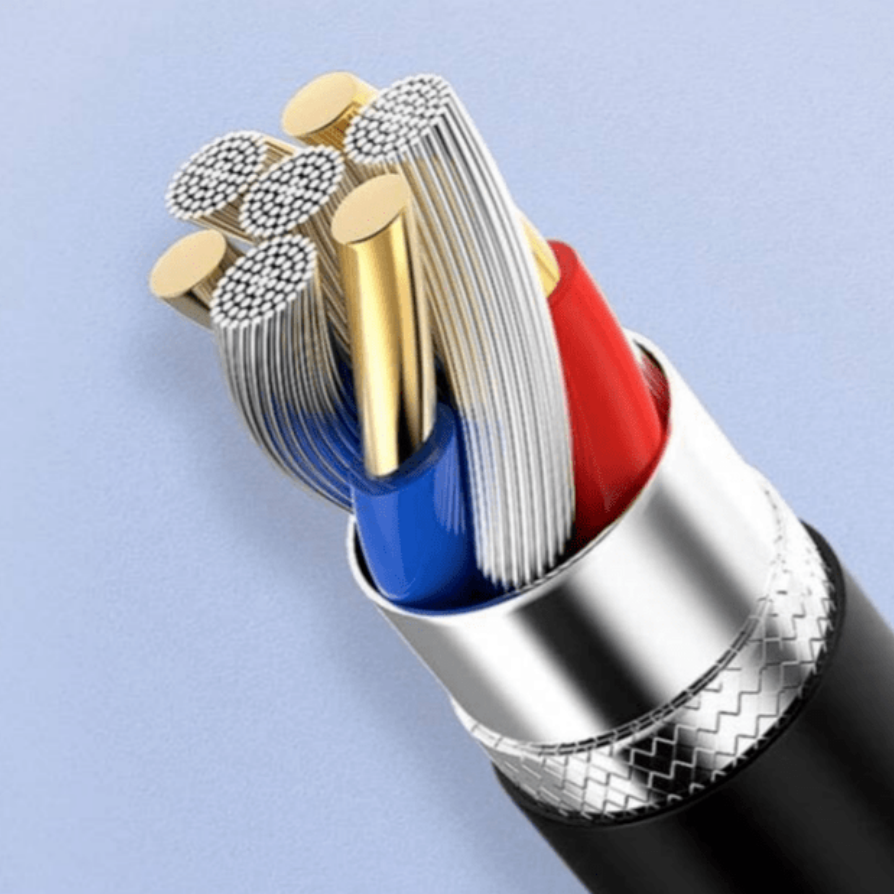
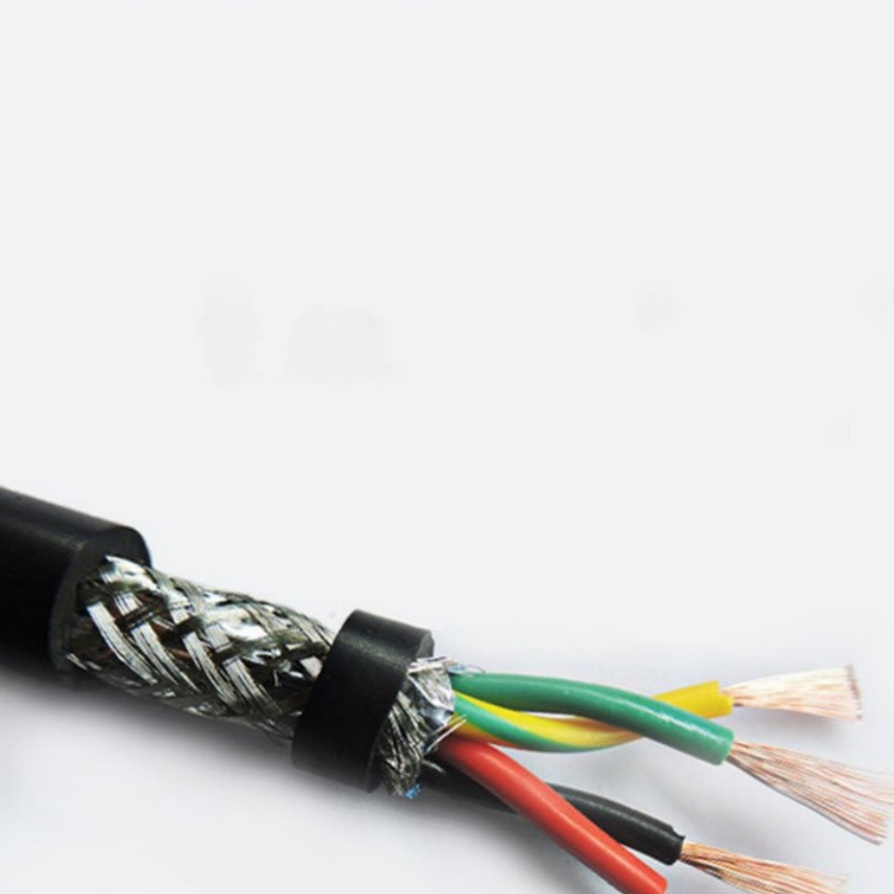
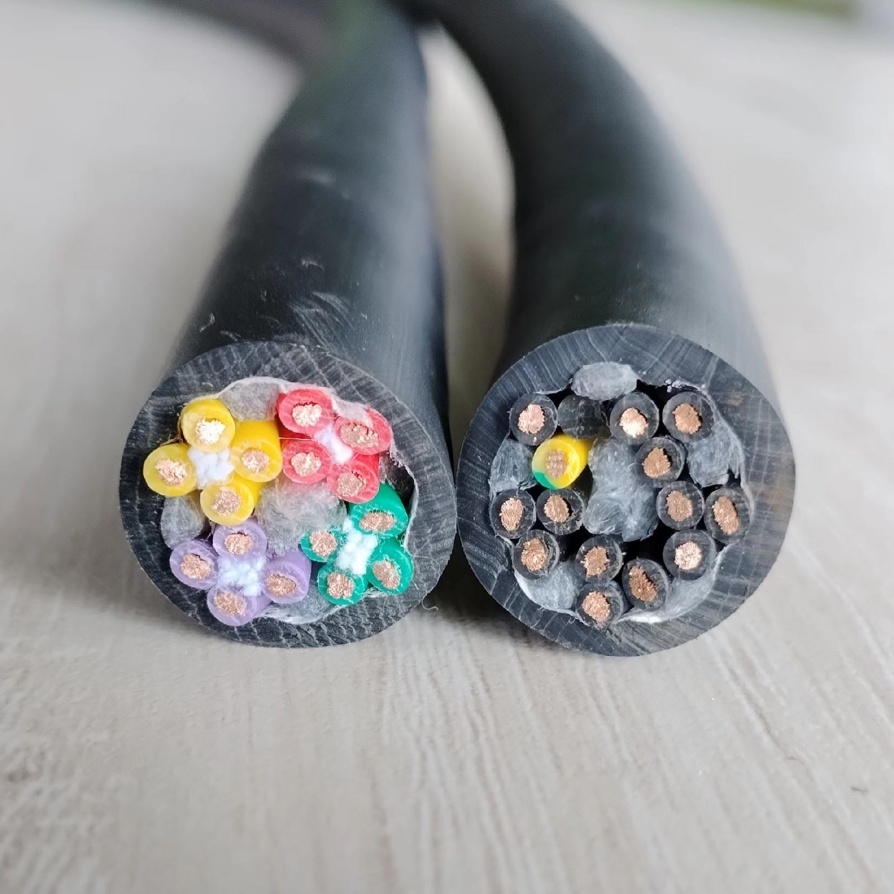
- Individual Pair Shielding:Each twisted pair is wrapped in its own aluminum foil or mylar shield to contain interference.
- Overall Braided Shield:A tinned copper braid surrounds all internal pairs, providing 360° protection from external noise.
- Drain Wire:A tinned copper wire bonded to the shield ensures a low-resistance path to ground.
- High-Quality Jacket:Often made of PVC, PUR, or TPE, providing mechanical protection and resistance to oil, abrasion, and temperature.
This combination is designed to maintain signal integrity in electrically noisy industrial environments.
When to Choose Multi-Layer Shielding
1. High-EMI Industrial Environments
Use multi-layer shielding when your camera is near strong electrical noise sources.
- Typical Locations:Near motors, VFDs, servo drives, welding robots, or power distribution cabinets.
- The Risk:Strong EMI can cause intermittent frame drops, image artifacts (streaks, bands), or even complete link loss.
- The Solution:A multi-layer shielded cable with high braid coverage (>85%) acts as a Faraday cage, significantly reducing interference and ensuring a stable image.
2. Long Cable Runs (Approaching 10m)
For runs at the edge of the 10m spec, shielding is critical.
- The Risk:Signal attenuation and reflections increase with length. In a noisy environment, this can push a marginal link over the edge into instability.
- The Solution:A well-shielded, low-capacitance cable helps maintain signal integrity. Ensure your frame grabber and cable are from the same product family, as manufacturers often tune them as a system.
3. Dynamic Applications (Cable in Motion)
For cables that move in drag chains or robot arms, shielding must be combined with flexibility.
- The Risk:Constant flexing can break shielding strands, creating an antenna that picks up noise. Poorly designed cables can fail in weeks or months.
- The Solution:Look for high-flex Camera Link cablesspecified for millions of bending cycles(e.g., >5-10 million). These cables use fine-stranded conductors and robust shielding designed to withstand motion while maintaining EMI protection.
4. Multi-Camera Systems & Sensitive Measurements
In critical applications, shielding is non-negotiable.
- Typical Applications:3D reconstruction, stereo vision, or any task requiring high measurement accuracy.
- The Risk:A single corrupted frame can ruin a measurement batch, causing costly scrap or rework.
- The Solution:Use shielded cables for every connection. Employ proper cable management (separating data and power cables) and ensure a solid system ground to minimize noise coupling.
5. Harsh Environments (Temperature, Oil, Dust)
When the environment is tough, shielding must be part of a robust cable design.
- The Risk:Harsh conditions can degrade cable jackets and shielding, exposing the conductors to failure.
- The Solution:Choose cables with industrial-grade jackets (PUR, TPE) that are oil-resistant, abrasion-resistant, and UV-stable. Ensure the shielding remains intact despite flexing or temperature swings.
When Standard Shielding Might Suffice
Multi-layer shielding adds cost and stiffness. It might be overkill in the following controlled scenarios:
- Benchtop or Lab Use:Short, fixed cables in a low-noise environment (e.g., away from VFDs) with stable power.
- Low-Speed Applications:Tasks like barcode reading or presence detection that don’t require maximum bandwidth or are run well below the 10m limit.
- Budget-Constrained OEM Prototypes:For early development or non-critical internal tools, a standard cable may be acceptable, with plans to upgrade later.
How to Choose the Right Multi-Layer Shielded Cable
- Match the Spec:Ensure the cable supports your required Camera Link configuration(Base, Medium, Full) and data rate.
- Verify Shielding:Look for specifications like “double shielding (aluminum foil + braid)” or “100% coverage braid.” For noisy environments, opt for higher braid coverage.
- Check Flex Life:For moving applications, confirm the bend cycles (e.g., >5 million) and minimum bend radius. Ensure the connector is also rated for drag chain use.
- Confirm Connector Quality:Use MDR/SDR connectors with a secure locking mechanism (screw or latch) to prevent accidental disconnection and ensure a reliable shield connection.
- Consider the Environment:Select a jacket material (PUR, TPE, PVC) appropriate for your temperature, oil, and abrasion requirements.
- Test Systematically:If possible, test your system with the chosen cable. Use a frame grabber with link status/error counters to objectively measure performance.
Conclusion
A multi-layer shielding Camera Link cableis essential for any machine vision system that demands high reliability. If your application involves high EMI, long or moving cables, or mission-critical measurements, investing in a high-quality, well-shielded cable is a small price to pay for protecting your investment and ensuring consistent, high-quality results.