Why Do Machine Vision Cables Fail in Humid Conditions?
In food processing, pharmaceuticals, outdoor inspection, and wash-down environments, humidity is a silent killer of machine vision systems. Failures often appear suddenly: image dropouts, flickering frames, or complete signal loss, even though the cable “looks fine.”
This article explains exactly why machine vision cables fail in humid conditions, how to recognize early warning signs, and what you can do today to prevent downtime and costly line stops.
How Humidity Enters Machine Vision Cables
Standard industrial cables are not naturally waterproof. Moisture typically enters through three main paths:
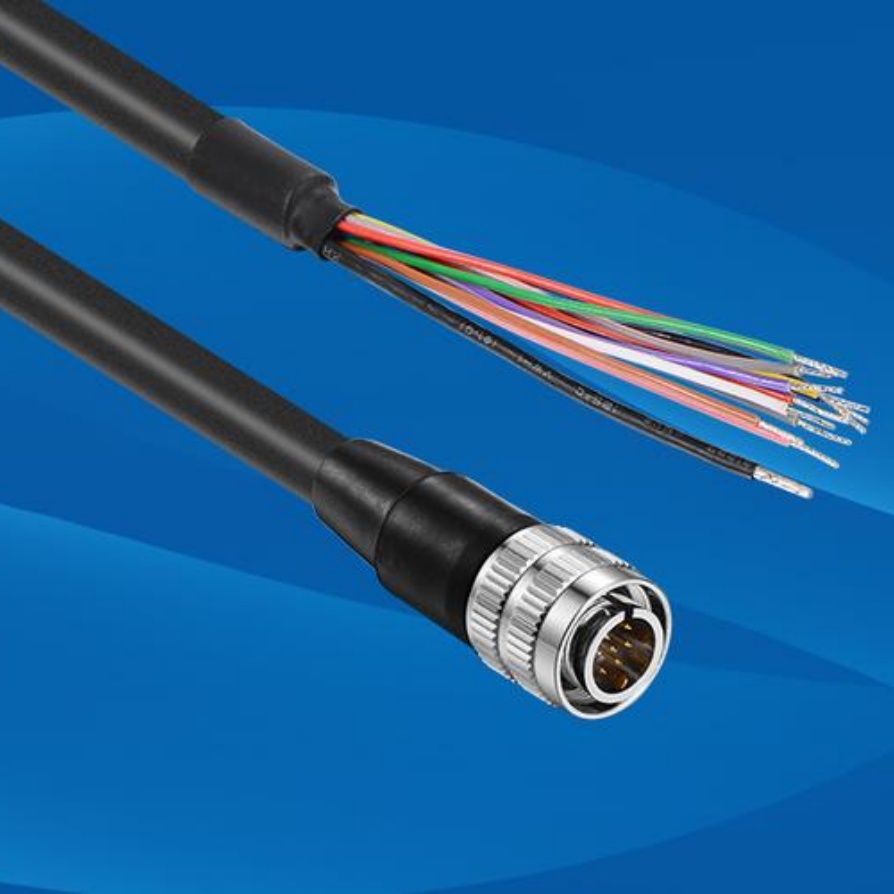
- Connector interfaces:The gap between the cable and camera, lens, light, or frame grabber is a common entry point for humid air, spray, and cleaning fluids.
- Cable entry points:The junction where the cable jacket meets the connector backshell is a well-known vulnerability if not hermetically sealed.
- Damaged cable jackets:Physical stress, chemical exposure, and repeated cleaning can create micro-cracks, allowing moisture to penetrate the inner layers and conductors.
The Impact of Moisture on Cable Performance
Once moisture is inside, it degrades both the electrical and mechanical integrity of the cable.
1. Insulation Resistance Degrades
Water absorbed by the insulation (PVC, PE, etc.) increases dielectric loss. In high-humidity environments, the insulation resistance of a PVC cable can drop from over 1000 MΩ·km to below 10 MΩ·km, leading to higher leakage current and signal distortion.
2. Corrosion of Conductors and Contacts
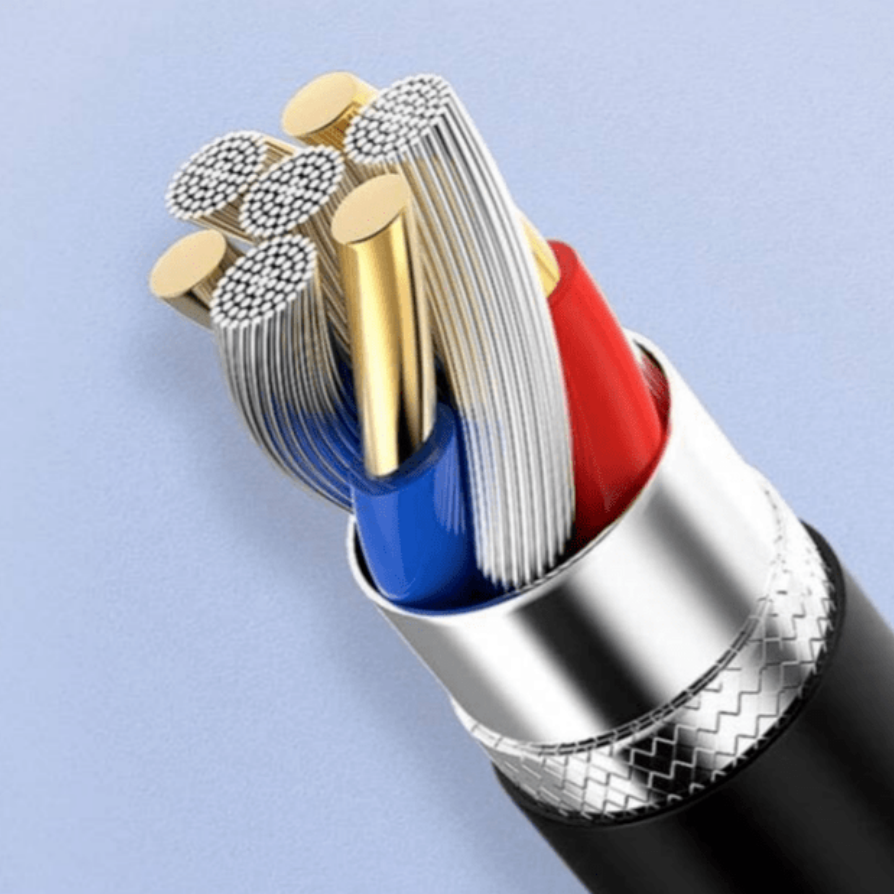
Oxygen and water cause electrochemical corrosion of copper conductors and connector pins, forming oxides that increase contact resistance. This can result in:
- Voltage drops at power lines.
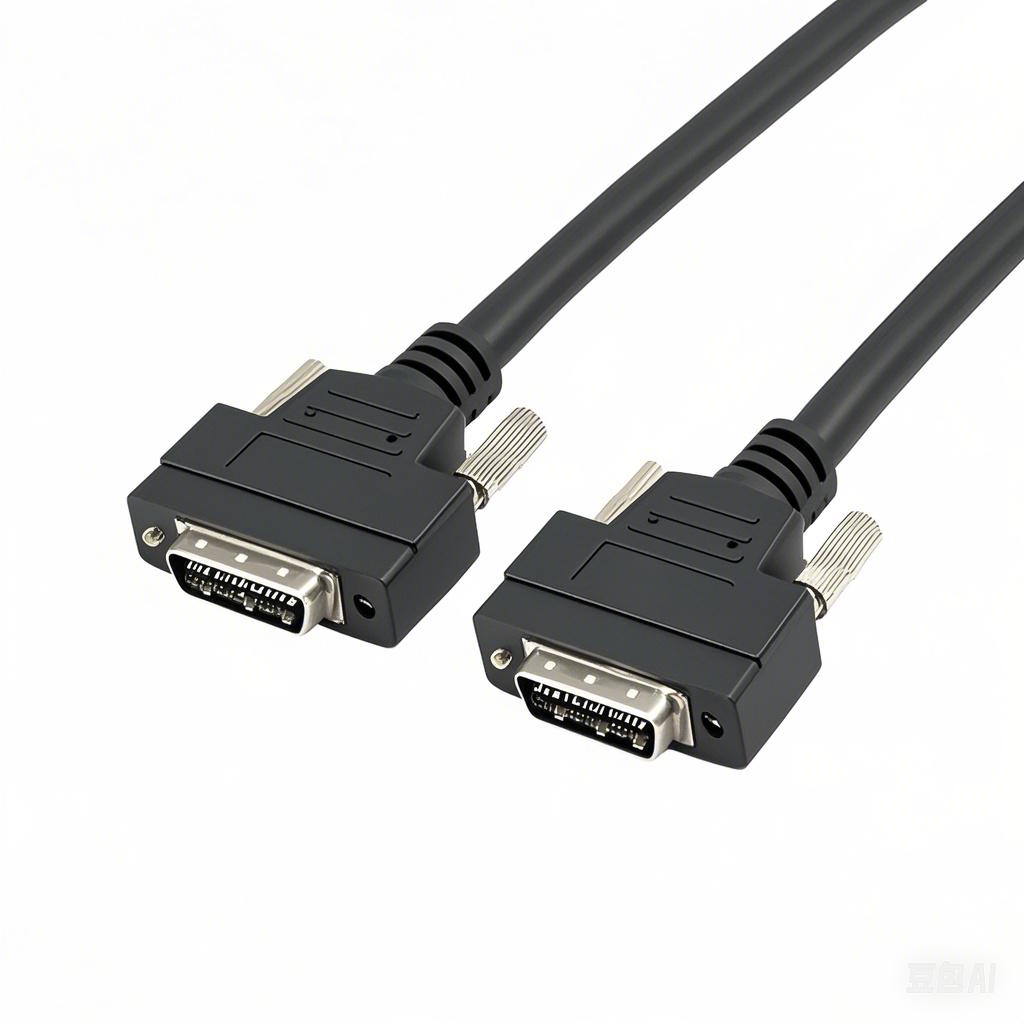
- Signal integrity issues in high-speed data lines (Camera Link, GigE, USB3 Vision, CoaXPress).
3. Local Discharge and Dielectric Breakdown
Water molecules聚集 inside the insulation can initiate partial discharge under high voltage. Continuous discharge erodes the insulation, eventually creating conductive paths that lead to failure.
4. Accelerated Jacket and Insulation Aging
Heat and humidity accelerate hydrolysis and plasticizer leaching, making the cable jacket brittle. This leads to cracking, flaking, and more opportunities for moisture ingress.
5. Shield Failure and Increased EMI
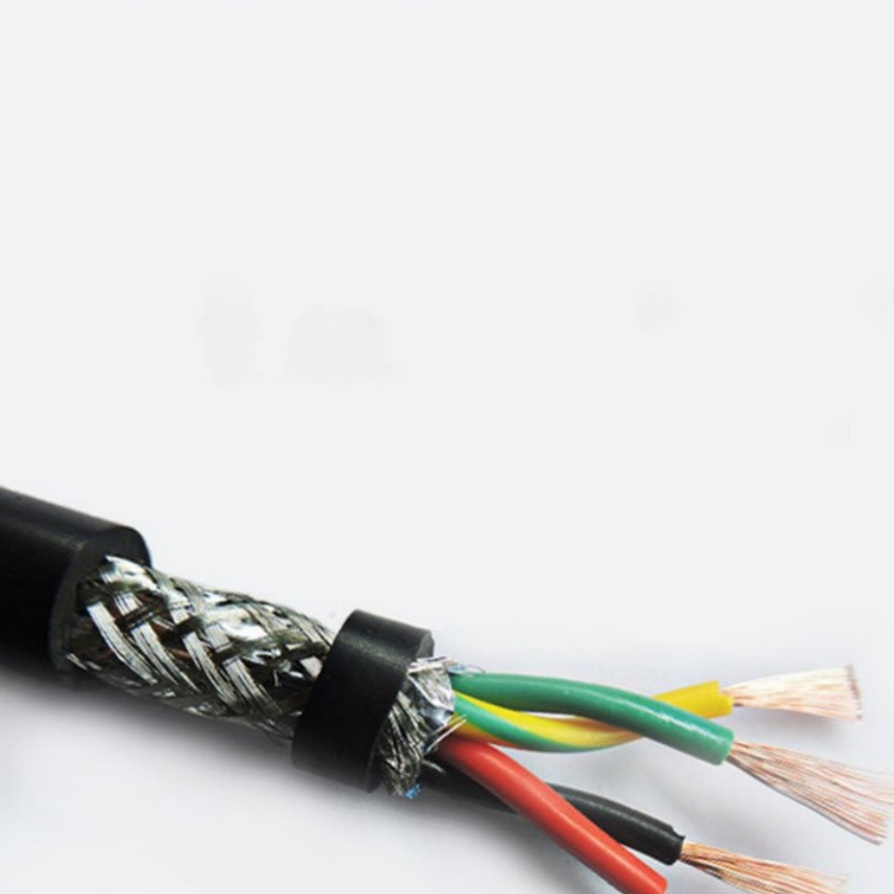
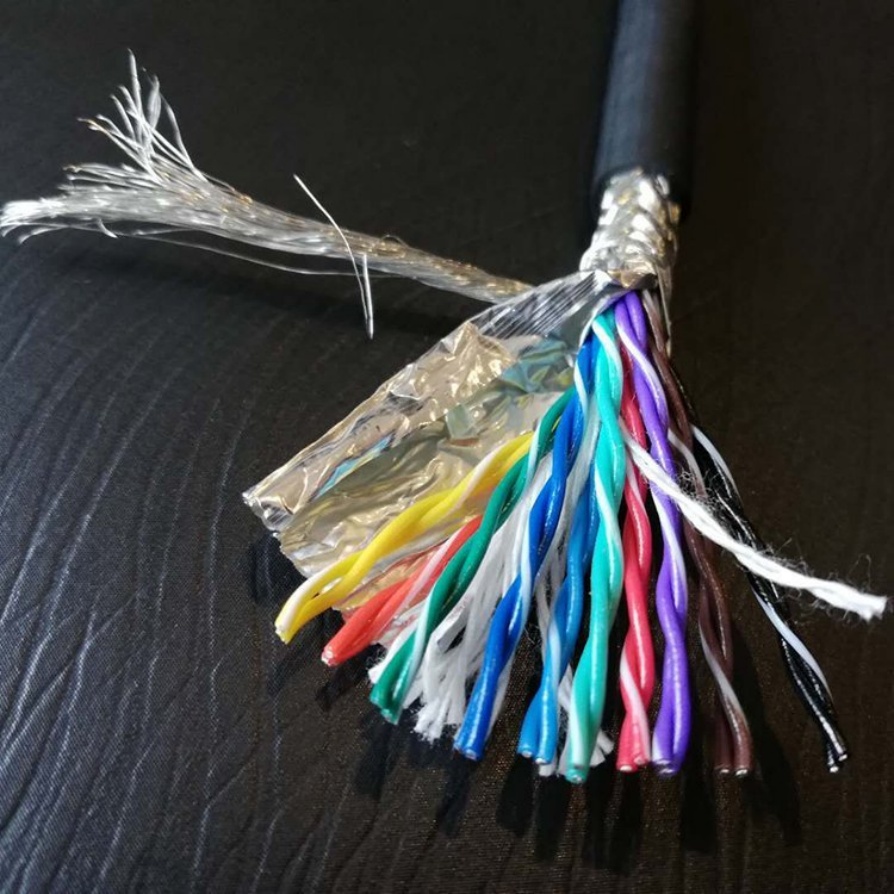
Moisture corrodes the braid or foil shield, reducing its effectiveness. This increases electromagnetic interference (EMI), causing image artifacts like noise, flicker, or missing lines.
Why Machine Vision Cables Are Especially Vulnerable
Vision cables are more sensitive to humidity than standard power cables for several reasons:
- High-speed data transmission:Small timing errors from moisture-induced impedance changes can cause frame drops and CRC errors.
- Thinner conductors:Higher currents in thinner wires mean small increases in resistance lead to significant voltage drops.
- Frequent movement:In robotic or moving inspection setups, micro-cracks from humidity are rapidly expanded by flexing, accelerating failure.
- Harsh cleaning processes:High-pressure washing and aggressive chemicals attack seals and gaskets, creating entry points for moisture.
Diagnosing Humidity-Related Failures: A Practical Checklist
Use this checklist to identify if humidity is the root cause of your cable issues:
- Visual Inspection:
- Check for white or green deposits on connector pins.
- Look for swollen, cracked, or discolored jackets.
- Inspect seals and gaskets for damage.
- Electrical Tests:
- Insulation Resistance:A significant drop compared to the datasheet value indicates moisture ingress.
- Contact Resistance:High readings on power or data lines suggest corrosion.
- Signal Integrity:Use a frame grabber or cable tester to check for CRC errors, bit errors, or missing packets.
- Environmental Correlation:
- Does the failure occur after wash-down or during seasonal humidity changes?
- Is the issue isolated to cables in specific, poorly ventilated zones?
If several checks point to humidity, it is time to upgrade your cabling strategy.
How to Prevent Failures: Engineering Solutions That Work
Here are concrete steps to mitigate the risk of humidity-related failures.
1. Select the Right Cable Rating
- IP67 or Higher:For wash-down or outdoor use, specify cables and connectors with at least an IP67 rating, ensuring protection against temporary immersion.
- Material Choice:Opt for low water-absorption insulation like Cross-linked Polyethylene (XLPE) and robust jackets like Polyurethane (PUR) for enhanced chemical and moisture resistance.
2. Use Environmental Sealing at Every Connection
- Ensure all mated connectors have IP-rated seals.
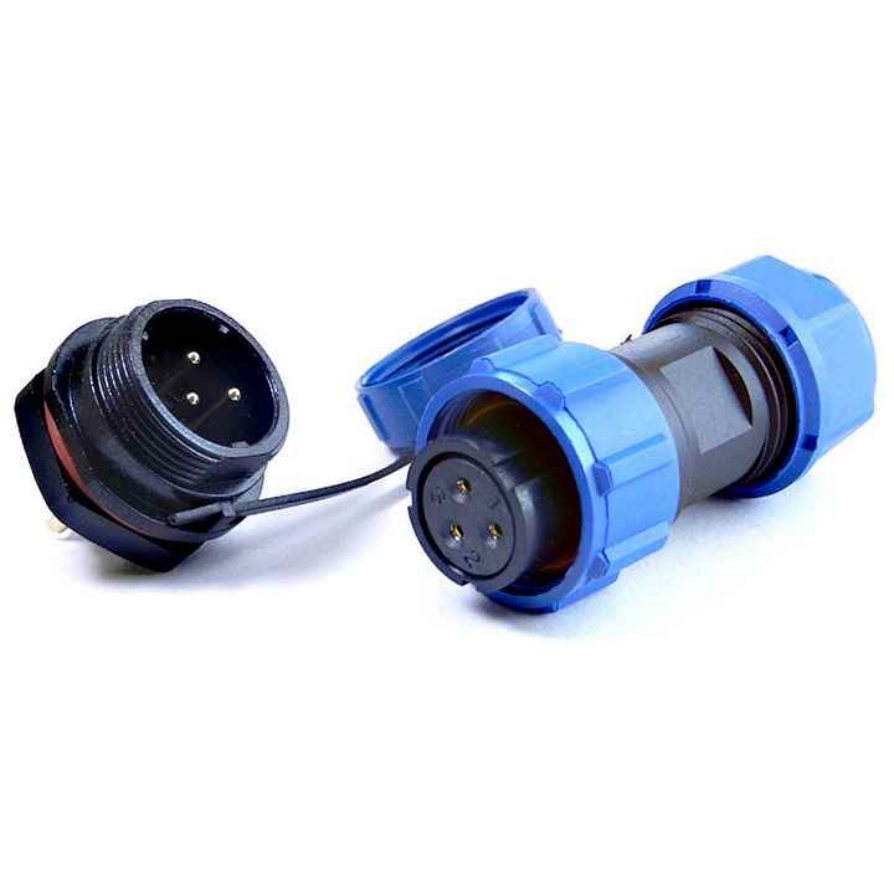
- Use panel-mount connectors with gaskets to create a waterproof bulkhead.
- Apply recommended torque when securing connectors to avoid deforming seals.
3. Control the Installation Environment
- Route cables away from direct spray and standing water.
- Use drip loops to prevent water from running along the cable into the connector.
- In condensation-prone areas, consider localized heating, improved airflow, or a controlled atmosphere.
4. Standardize on Connector Technologies
- Choose industrial connectors (e.g., M8/M12, locking RJ45) with gold-plated contacts and locking mechanisms.
- For field termination, use connectors with integrated sealing glands or potting.
5. Implement a Preventive Maintenance Program
- Create a maintenance schedule for visual inspection and electrical testing.
- Replace cables that show signs of corrosion, jacket cracking, or significant insulation resistance drop, even if they are still functioning.
Cable Selection Checklist for Humid Environments
When specifying cables for humid or wet conditions, verify the following:
- IP Rating:Is the cable and connector system rated IP67 or higher?
- Jacket Material:Is it suitable for chemicals, oils, and frequent cleaning?
- Insulation Material:Is it low water-absorption (e.g., XLPE)?
- Sealing:Does the connector have a continuous seal from cable to equipment?
- Shielding:Is the shield robust and corrosion-resistant to maintain EMC performance?
- Flexing:If moving, does the cable have the appropriate bend radius and cycle rating?
Professional Summary
Humidity-related cable failures are rarely caused by a single defect, but by the combination of material limitations, environmental stress, and improper installation. To prevent these failures:
- Engineer for the environment:Don’t use standard cables where IP67-rated ones are needed.
- Seal every entry point:From connector interfaces to cable entries, ensure a complete environmental seal.
- Monitor degradation:Use inspections and tests to catch early signs of moisture ingress before they lead to downtime.
By applying these principles, you can significantly improve the reliability of your machine vision systems, reduce unplanned downtime, and protect your return on investment in automation.