Are there high-flexibility machine cable options for robotics
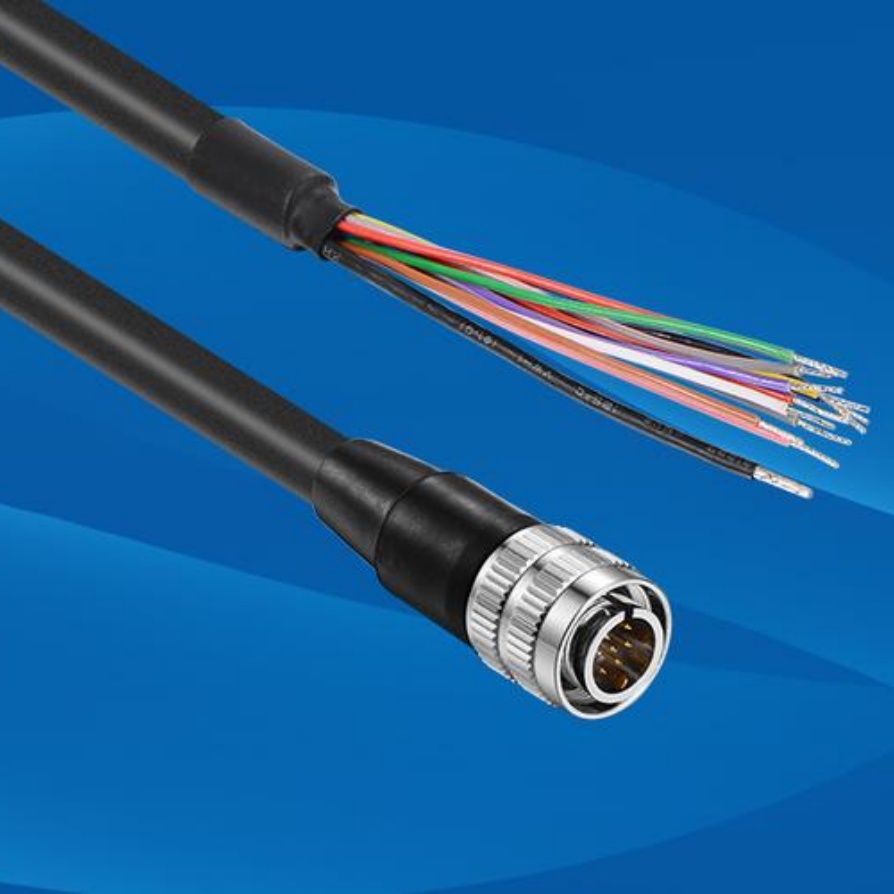
The short answer is yes—high-flexibility machine cables are not only available but also essential for modern robotic systems. As robotics technology advances toward greater agility, precision, and compactness, the cables powering and controlling these machines face unprecedented mechanical stress. Traditional cables often fail prematurely under repeated bending, torsion, and movement, leading to costly downtime and maintenance. High-flexibility machine cables are specifically engineered to address these challenges, making them a critical component in robotic applications.
Robots, whether used in manufacturing assembly lines, medical surgery, or logistics automation, rely on cables to transmit power, data, and control signals between their fixed bases and moving arms or end effectors. These cables must endure millions of bending cycles—sometimes at tight radii—without breaking conductors or degrading insulation. For example, a collaborative robot (cobot) working on a production line may perform hundreds of pick-and-place movements daily, each time flexing its internal cables. A standard PVC-insulated cable might last only a few thousand cycles in this scenario, while a high-flexibility alternative can withstand 10 million or more cycles, significantly reducing replacement frequency.
Key characteristics of high-flexibility machine cables for robotics include:
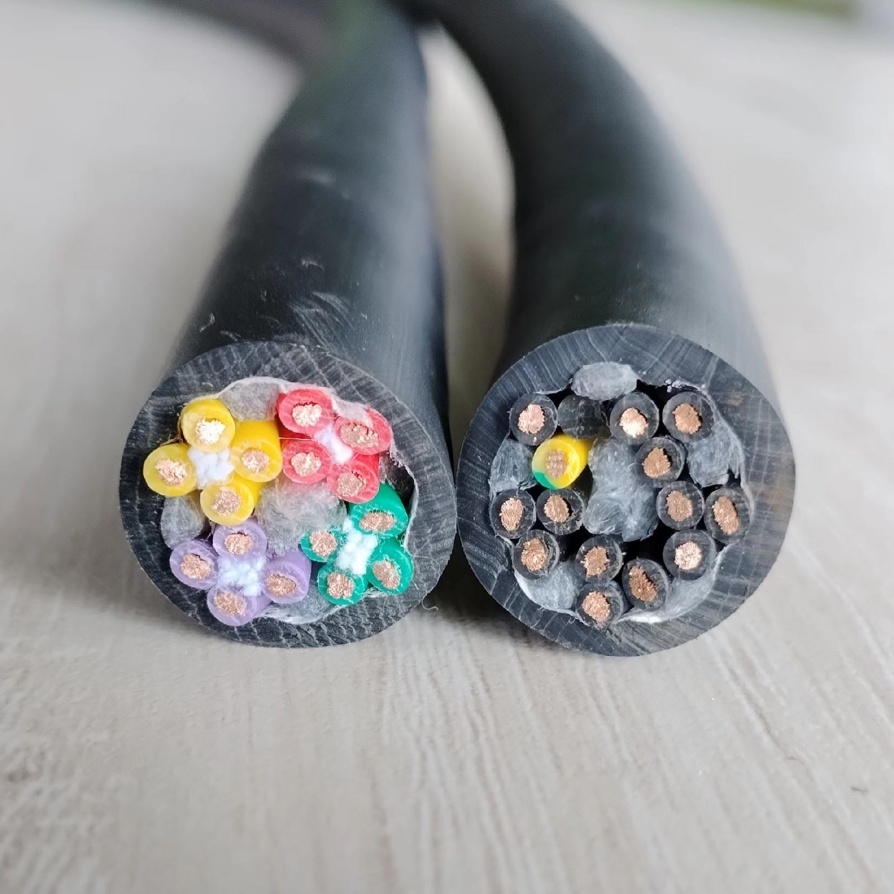
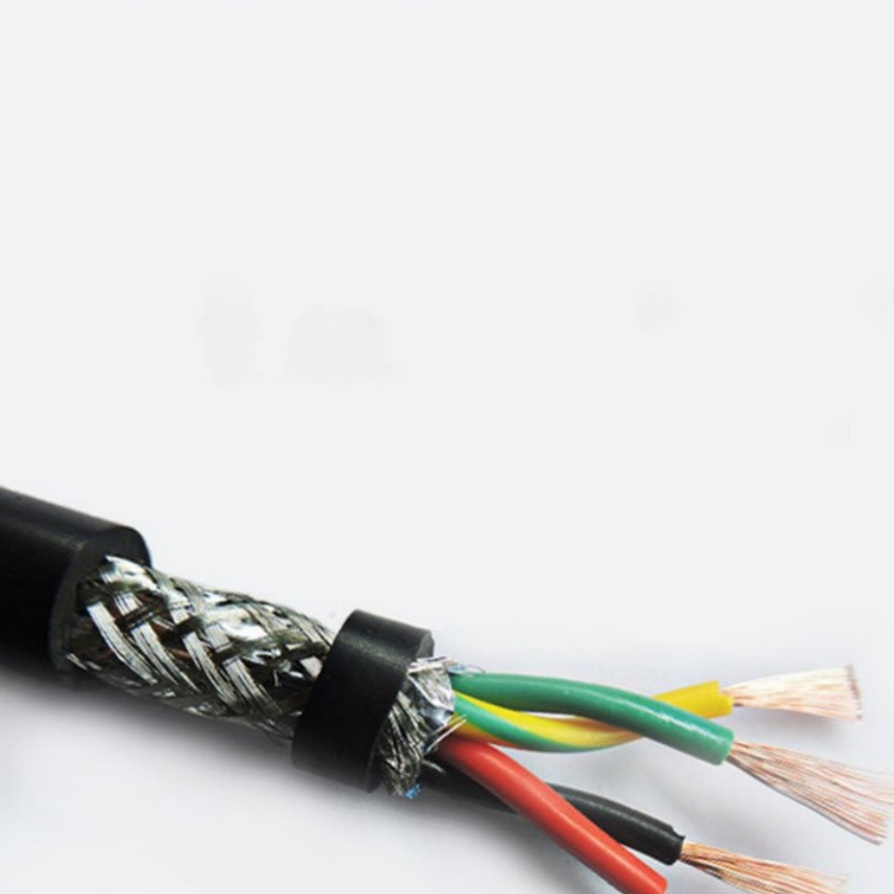
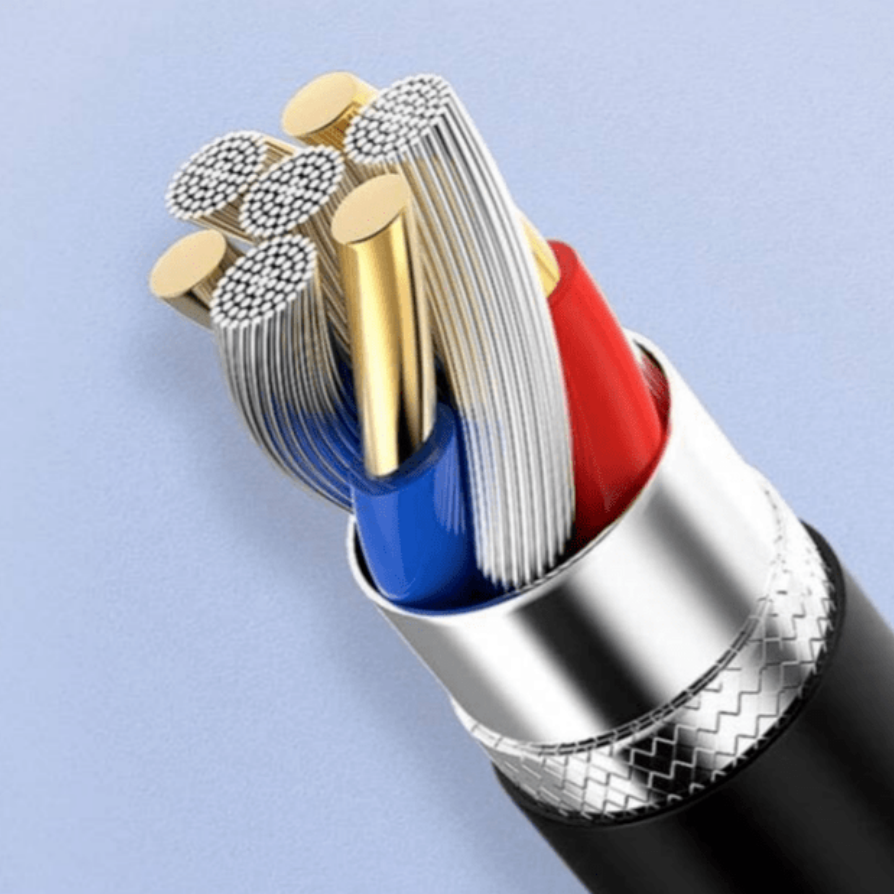
- Stranded Conductors: Instead of solid copper wires, high-flex cables use finely stranded conductors. More strands increase flexibility and distribute stress evenly during bending, preventing conductor fatigue. For instance, a 16 AWG high-flex cable may have 196 strands, compared to just 7 strands in a standard cable.
- Durable Insulation and Sheathing: Materials like thermoplastic polyurethane (TPU) or ethylene tetrafluoroethylene (ETFE) are commonly used. TPU offers excellent abrasion resistance and flexibility at both high and low temperatures, while ETFE provides superior chemical resistance—ideal for robots operating in harsh environments with oils, solvents, or coolants.
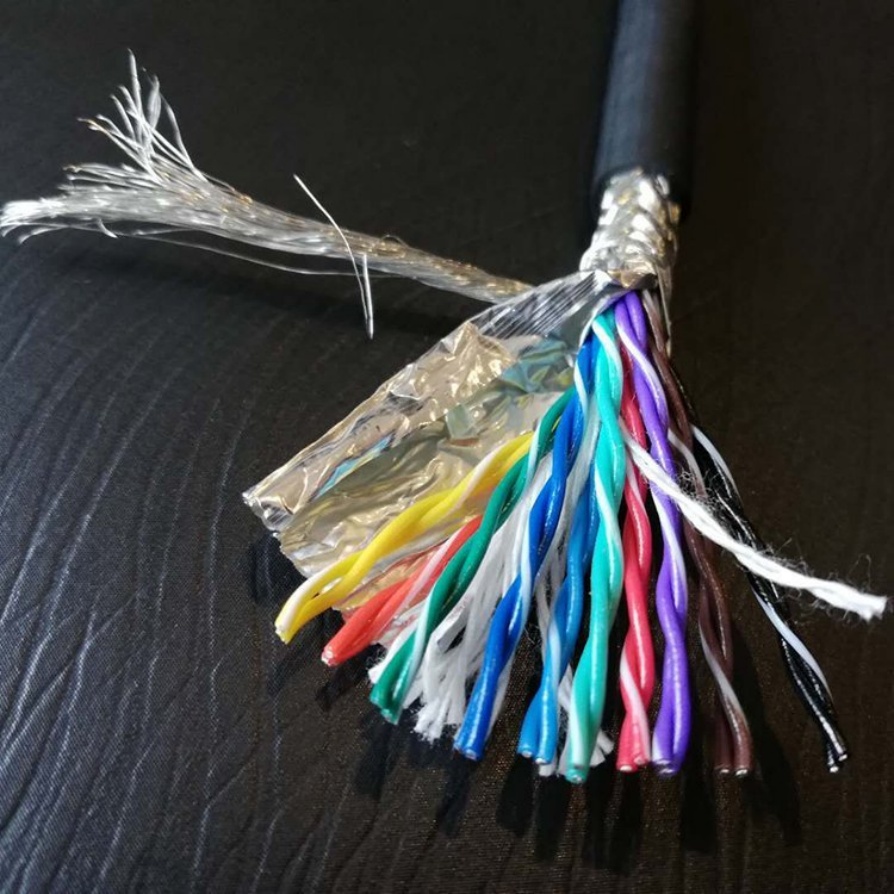
- Optimized Core Design: Some high-flex cables feature a twisted or braided core structure to enhance torsional stability. This is crucial for robotic arms that rotate or pivot, as it prevents the cable from tangling or developing kinks that could disrupt signal transmission.
- Shielding Options: Many robotic applications require protection against electromagnetic interference (EMI), which can corrupt sensitive data signals. High-flex cables may include foil shielding, braided shielding, or a combination of both to ensure reliable communication between the robot and its controller.
- Wide Temperature Range: From cold storage robots operating at -40°C to industrial robots in foundries exposed to 125°C, high-flex cables are designed to maintain performance across extreme temperature fluctuations.
When selecting high-flexibility machine cables for robotics, several factors should be considered. First, determine the bending radius—cables should be rated for a radius that matches or exceeds the robot’s minimum bend requirement (typically 5-10 times the cable diameter). Second, assess the number of bending cycles the robot will perform annually to choose a cable with a compatible cycle rating. Third, consider the environmental conditions: Will the cable be exposed to moisture, chemicals, or physical abrasion? Finally, ensure the cable’s voltage and current ratings align with the robot’s power requirements, and that data cables meet the necessary signal speed (e.g., Cat6 for Ethernet-based robotic systems).
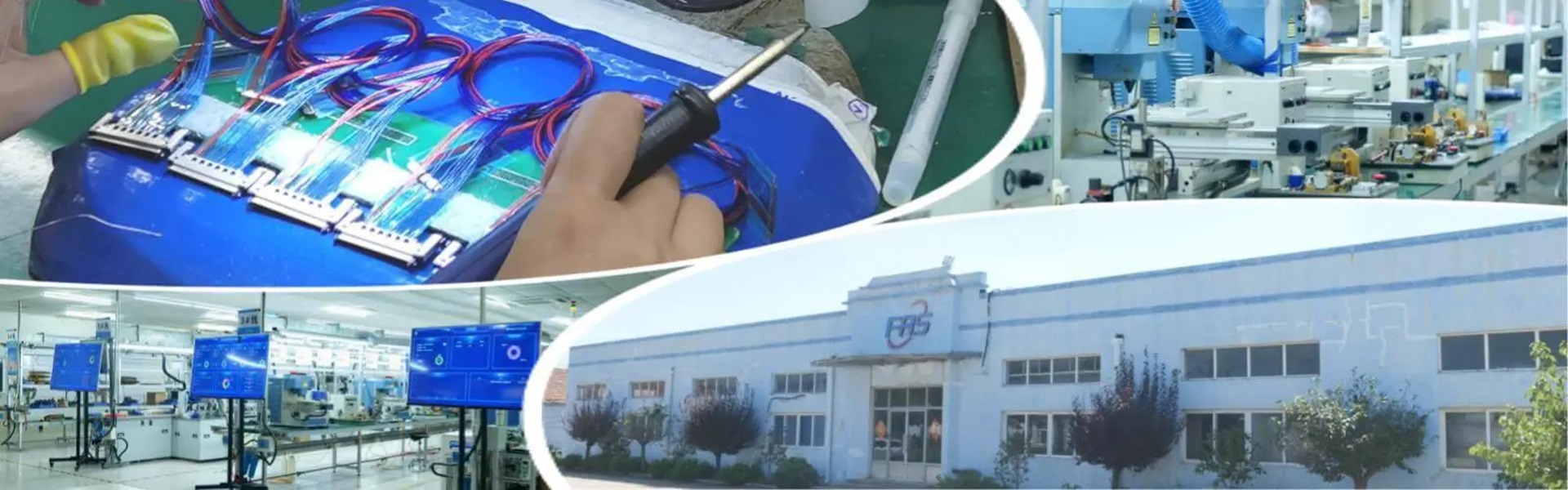
For robotics manufacturers and integrators seeking reliable high-flexibility machine cables, FRS brand factory stands out as a trusted partner. With years of expertise in engineering cables for demanding industrial applications, FRS produces high-flex cables tailored to the unique needs of robotics. Our cables feature precision-stranded conductors, rugged TPU/ETFE sheathing, and advanced shielding solutions, ensuring exceptional durability and signal integrity even under the most rigorous movement conditions. Whether you need cables for collaborative robots, SCARA robots, or articulated robotic arms, FRS offers customizable options to match your specific bending cycles, temperature ranges, and environmental challenges. Choose FRS for high-quality cables that keep your robotic systems running smoothly, minimizing downtime and maximizing productivity.