Are there low-capacitance machine cable options
The answer is a resounding yes. In today’s industrial landscape, where precision, efficiency, and reliability are paramount, low-capacitance machine cables have emerged as a critical component for a wide range of high-performance applications. As industries continue to adopt advanced automation, robotics, and sensitive electronic equipment, the demand for cables that can minimize signal interference, ensure accurate data transmission, and operate seamlessly in harsh environments has grown exponentially. Low-capacitance machine cables are specifically engineered to address these needs, making them an indispensable option for businesses looking to optimize their operations.
To understand the value of low-capacitance machine cables, it’s first essential to grasp what capacitance means in the context of cables. Capacitance refers to a cable’s ability to store electrical charge between its conductors. In machine cables, which are often used to transmit high-frequency signals or power sensitive devices, excessive capacitance can lead to a host of issues. These include signal degradation, crosstalk (unwanted transfer of signals between adjacent conductors), increased power loss, and even interference with the performance of connected equipment. Low-capacitance machine cables are designed with specialized materials and construction techniques to reduce this charge storage, ensuring that signals remain intact and equipment operates at peak efficiency.
Key Characteristics of Low-Capacitance Machine Cables
Low-capacitance machine cables are distinguished by several core characteristics that make them suitable for demanding industrial applications. One of the most notable is their low capacitance value, typically measured in picofarads per meter (pF/m). Depending on the specific application and cable design, these cables can have capacitance values as low as 30 pF/m, significantly lower than standard machine cables, which often range from 60 to 100 pF/m or higher. This reduced capacitance minimizes signal delay and distortion, making them ideal for transmitting high-speed data or precise control signals.
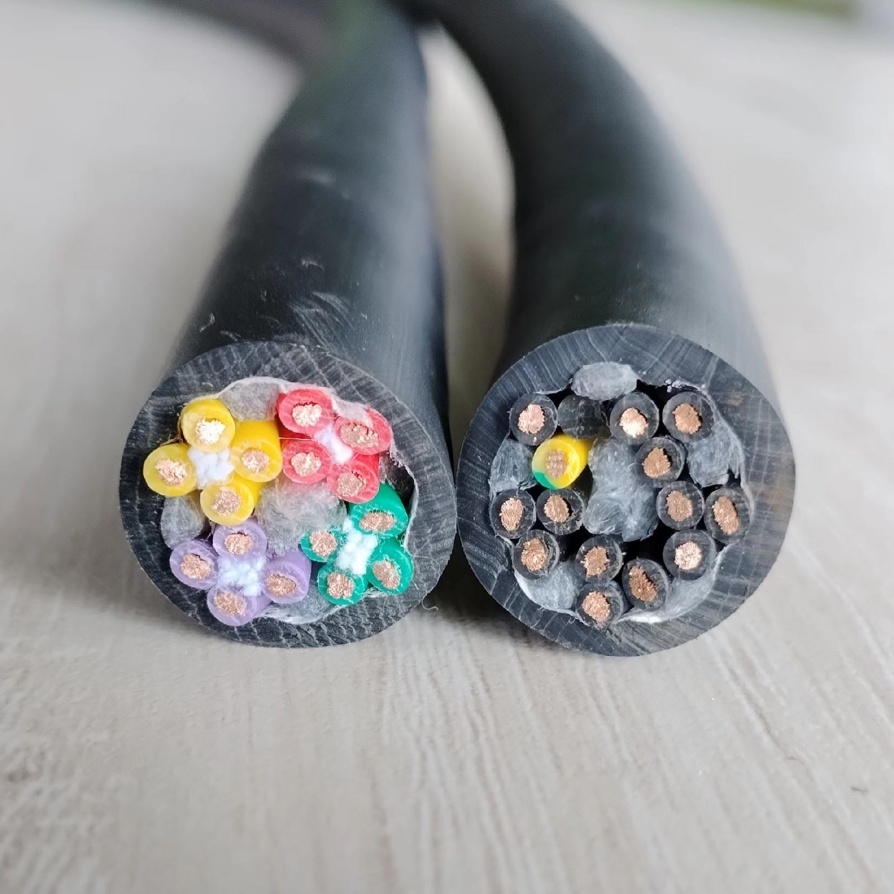
Another critical feature is their superior insulation. The insulation material plays a vital role in determining a cable’s capacitance, as well as its overall performance. Low-capacitance machine cables often use high-quality insulating materials such as polyethylene (PE), polypropylene (PP), or fluoropolymers like PTFE. These materials have low dielectric constants, which directly contribute to lower capacitance. Additionally, they offer excellent resistance to temperature extremes, chemicals, oils, and abrasion—common hazards in industrial settings. This ensures that the cables can withstand harsh operating conditions without compromising their electrical or mechanical properties.
Mechanical durability is also a key consideration. Industrial environments are often filled with moving parts, vibrations, and physical stress, so low-capacitance machine cables are built to be robust. They may feature reinforced jackets made from materials like polyurethane (PUR) or PVC, which provide resistance to tearing, impact, and flexing. Some cables are also designed with stranded conductors to enhance flexibility, allowing them to bend and move with machinery without breaking or suffering signal loss. This flexibility is particularly important in applications involving robotics or automated machinery with repetitive motion.
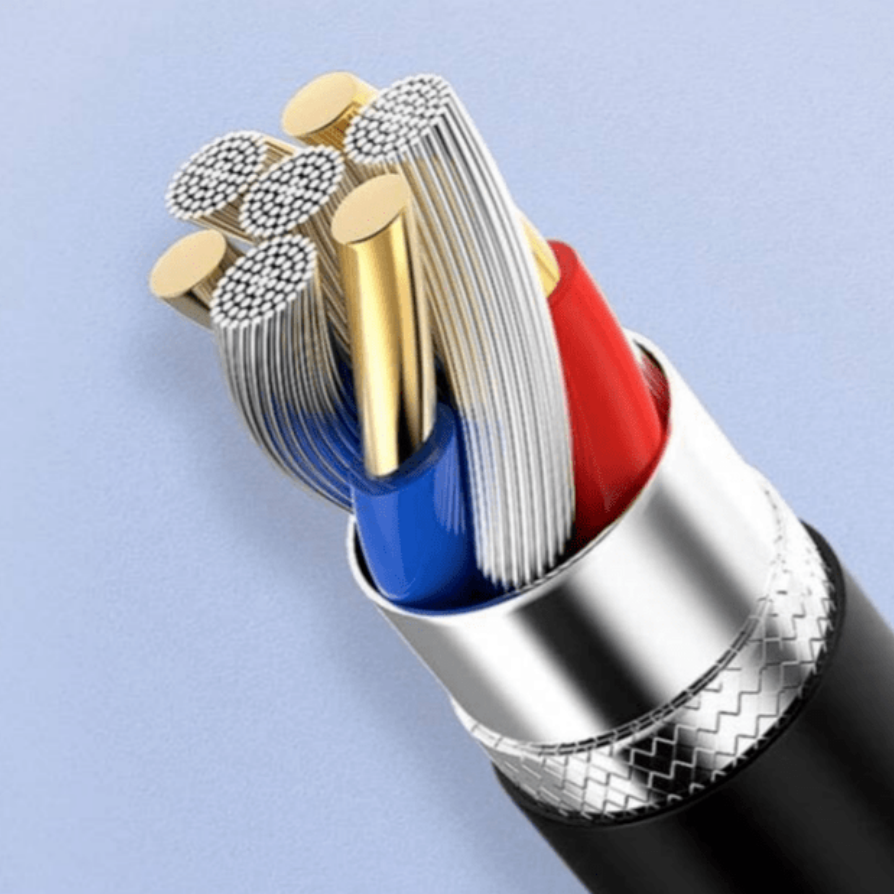
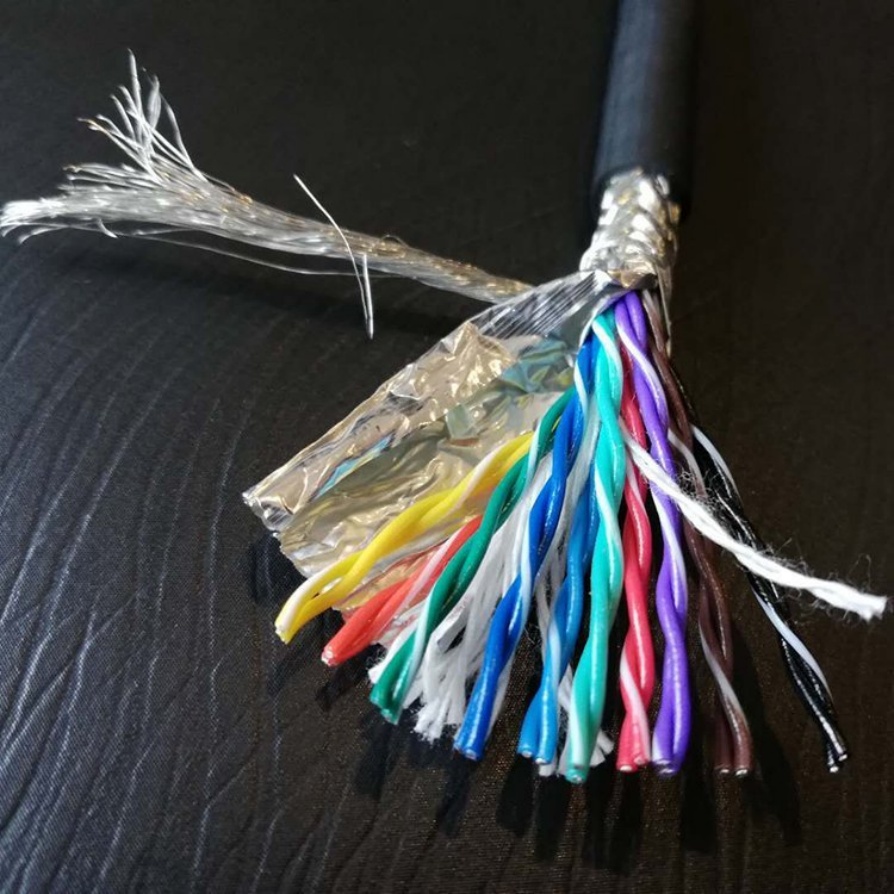
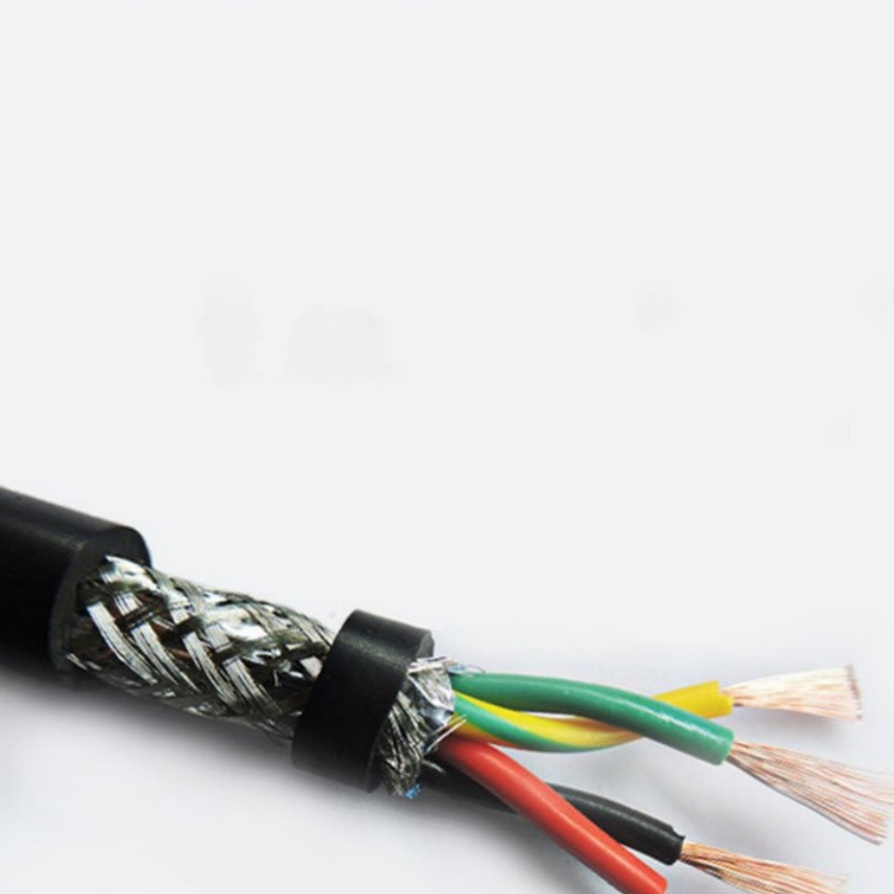
Shielding is another important aspect of low-capacitance machine cables. While low capacitance helps reduce internal signal interference, external electromagnetic interference (EMI) and radio frequency interference (RFI) can still disrupt signal transmission. To combat this, many low-capacitance cables are equipped with shielding layers, such as foil shielding, braided shielding, or a combination of both. Foil shielding provides excellent coverage against high-frequency interference, while braided shielding offers better protection against low-frequency interference and mechanical damage. The choice of shielding depends on the specific interference environment of the application.
Applications of Low-Capacitance Machine Cables
Low-capacitance machine cables find application in a diverse range of industries, each with unique requirements that these cables are well-suited to meet. One of the primary industries is industrial automation. In automated production lines, precise control signals are essential for the smooth operation of conveyors, sensors, actuators, and other equipment. Low-capacitance cables ensure that these signals are transmitted accurately and without delay, reducing the risk of production errors and downtime. They are also used in programmable logic controllers (PLCs) and distributed control systems (DCS), where reliable data transmission is critical for process control.
Robotics is another major application area. Modern robots are equipped with numerous sensors and actuators that require high-speed, low-noise signal transmission. Low-capacitance machine cables can handle the complex signal requirements of robotic arms, grippers, and vision systems, enabling precise movement and operation. Their flexibility and durability also make them suitable for use in the tight spaces and moving parts of robotic machinery, where standard cables might fail due to repeated flexing or physical stress.
The medical equipment industry also relies heavily on low-capacitance machine cables. Medical devices such as diagnostic imaging equipment (MRI, CT scanners), patient monitors, and surgical instruments require accurate signal transmission to ensure reliable results and patient safety. Low-capacitance cables help minimize interference that could affect the performance of these sensitive devices, while their biocompatible and chemical-resistant materials make them suitable for use in sterile environments.
Aerospace and defense applications also benefit from low-capacitance machine cables. In aircraft and spacecraft, weight, space, and performance are critical factors. Low-capacitance cables are lightweight and compact, making them ideal for use in these environments. They can transmit high-frequency signals for communication, navigation, and avionics systems without interference, even in the presence of strong electromagnetic fields. Their resistance to extreme temperatures and harsh conditions also ensures they can withstand the rigors of aerospace and defense operations.
Other applications include telecommunications, where low-capacitance cables are used in high-speed data transmission networks, and renewable energy systems, such as wind turbines and solar panels, where they help transmit power and control signals efficiently. They are also used in automotive manufacturing, particularly in electric and hybrid vehicles, where precise control of electrical systems is essential.
How Low-Capacitance Machine Cables Compare to Traditional Machine Cables
To fully appreciate the advantages of low-capacitance machine cables, it’s helpful to compare them to traditional machine cables. Traditional cables are designed primarily for basic power transmission and general signal传输, with less emphasis on minimizing capacitance. As a result, they often have higher capacitance values, which can lead to signal degradation, crosstalk, and increased power loss, especially when transmitting high-frequency signals or in long cable runs.
In contrast, low-capacitance machine cables are engineered to address these limitations. Their lower capacitance reduces signal delay and distortion, ensuring that high-speed data and precise control signals reach their destination accurately. This is particularly important in applications where even a small delay or error can have significant consequences, such as in industrial automation or medical equipment. Additionally, the superior insulation and shielding of low-capacitance cables provide better protection against interference, both internal and external, further enhancing signal quality.
Another advantage is their improved efficiency. Traditional cables with high capacitance can consume more power due to increased charging and discharging currents, leading to higher energy costs and reduced equipment lifespan. Low-capacitance cables minimize these currents, resulting in lower power consumption and less stress on connected devices. This not only saves energy but also helps extend the life of expensive equipment, reducing maintenance and replacement costs.
Mechanical durability is also a key difference. While traditional machine cables may be durable enough for basic applications, low-capacitance cables are often built with more robust materials and construction techniques to withstand the demanding conditions of high-performance industries. Their flexibility and resistance to abrasion, oils, and temperature extremes make them more reliable in harsh environments, reducing the risk of cable failure and unplanned downtime.
Key Considerations When Choosing Low-Capacitance Machine Cables
When selecting low-capacitance machine cables for a specific application, there are several important factors to consider. First and foremost is the capacitance value. Different applications require different levels of capacitance, so it’s essential to choose a cable with a capacitance rating that meets the specific needs of the equipment and signal type. For example, high-speed data transmission may require a lower capacitance than general control signals.
The insulation material is another critical factor. The type of insulation affects not only capacitance but also the cable’s resistance to temperature, chemicals, and mechanical stress. For applications in extreme temperatures, fluoropolymers like PTFE may be the best choice, while polyethylene or polypropylene may be suitable for less harsh environments. It’s also important to consider the insulation’s dielectric strength, which determines its ability to withstand high voltages without breakdown.
Shielding requirements should also be evaluated. The level of shielding needed depends on the interference environment of the application. If the cable will be used near high-power equipment or sources of EMI/RFI, a combination of foil and braided shielding may be necessary. For less noisy environments, foil shielding alone may be sufficient. Additionally, the grounding of the shield is important to ensure effective interference protection.
Mechanical properties such as flexibility, abrasion resistance, and tensile strength are also important. Cables used in moving parts or tight spaces require high flexibility, while those in industrial settings with heavy machinery may need greater abrasion resistance. The cable’s jacket material plays a key role in these properties, so it’s important to choose a jacket material that is suitable for the application’s physical conditions.
Finally, it’s important to consider industry standards and certifications. Many industries have specific standards for cables, such as UL (Underwriters Laboratories) certifications for the United States, CE (Conformité Européenne) markings for the European Union, or IEC (International Electrotechnical Commission) standards. Choosing cables that meet these standards ensures that they are safe, reliable, and compatible with other equipment in the system.
Why Choose FRS for Your Low-Capacitance Machine Cable Needs
When it comes to sourcing high-quality low-capacitance machine cables that meet the demanding requirements of modern industries, FRS stands out as a trusted and reliable partner. With years of experience in the cable manufacturing industry, FRS has established a reputation for producing innovative, high-performance cables that deliver consistent results in even the most challenging environments.
At FRS, we understand that every application is unique, which is why we offer a wide range of low-capacitance machine cables tailored to meet specific needs. Our cables are engineered using the highest quality materials, including premium insulating materials with low dielectric constants and robust shielding layers, ensuring low capacitance, excellent signal integrity, and superior resistance to interference. We also prioritize mechanical durability, with cables designed to withstand flexing, abrasion, temperature extremes, and chemical exposure, making them suitable for a diverse range of industries from industrial automation to aerospace.
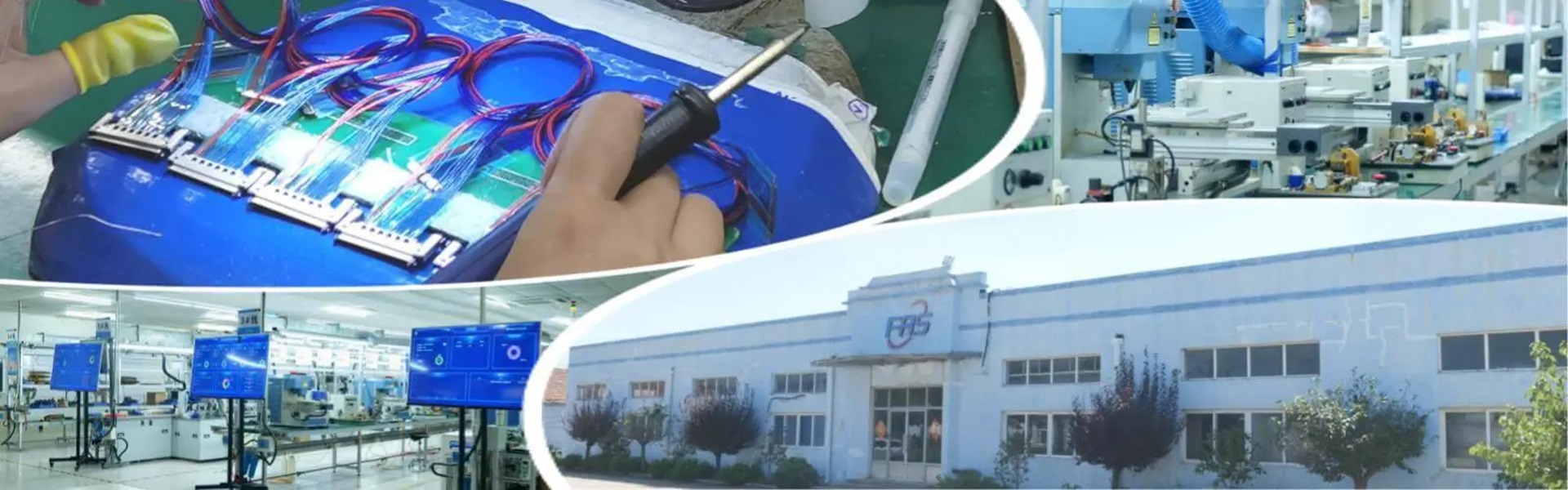
FRS is committed to quality and compliance. All our low-capacitance machine cables undergo rigorous testing to ensure they meet or exceed industry standards such as UL, CE, and IEC. Our state-of-the-art manufacturing facilities are equipped with advanced production and testing equipment, allowing us to maintain strict quality control throughout the production process. This commitment to quality ensures that our customers receive cables that are reliable, safe, and built to last.
In addition to our standard product line, FRS also offers custom low-capacitance machine cable solutions. Our team of experienced engineers works closely with customers to understand their specific application requirements and design cables that meet their unique needs. Whether it’s a custom capacitance value, specialized insulation or shielding, or a unique mechanical design, we have the expertise and capabilities to deliver tailored solutions that optimize performance and efficiency.
At FRS, we believe in providing exceptional customer service. From the initial consultation to after-sales support, our team is dedicated to ensuring that our customers have a seamless experience. We offer fast lead times, competitive pricing, and global distribution, making it easy for customers around the world to access our high-quality cables. Our technical support team is also available to answer questions and provide guidance, helping customers choose the right cables for their applications and troubleshoot any issues that may arise.
If you’re in need of low-capacitance machine cables that deliver superior performance, reliability, and durability, look no further than FRS. With our commitment to quality, innovation, and customer satisfaction, we are the ideal partner for all your low-capacitance machine cable needs. Contact us today to learn more about our products and how we can help optimize your operations.