Automotive Machine Cable Assemblies
In the complex and highly integrated world of automotive manufacturing, every component plays a critical role in ensuring the smooth, safe, and efficient operation of vehicles. Among these components, automotive machine cable assemblies stand out as the unsung heroes that facilitate the transfer of power, signals, and data between various mechanical and electronic systems in automobiles. From the engine compartment to the chassis, from infotainment systems to advanced driver – assistance systems (ADAS), these cable assemblies form the nervous system and circulatory system of modern vehicles, enabling seamless communication and power distribution.
What Are Automotive Machine Cable Assemblies?
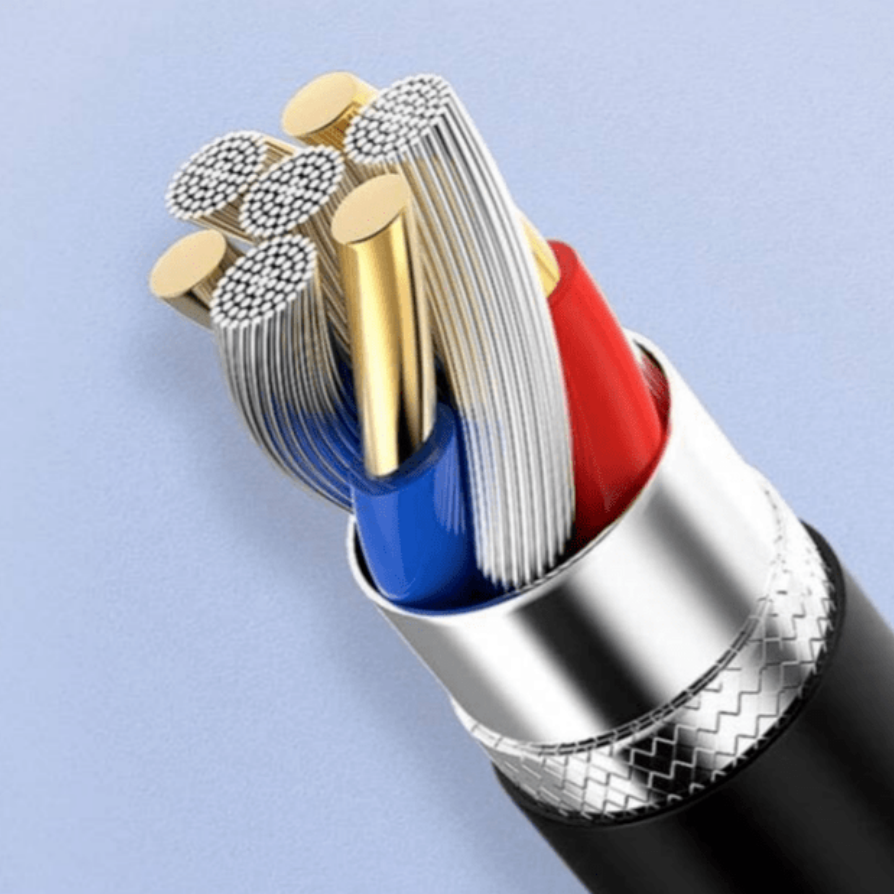
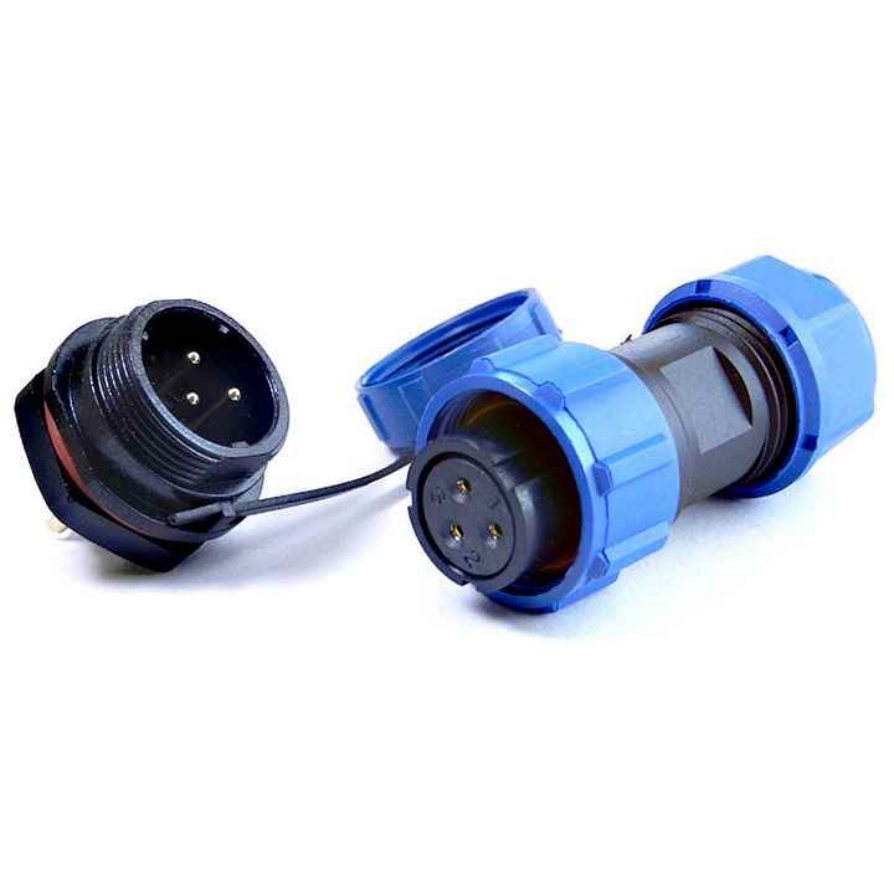
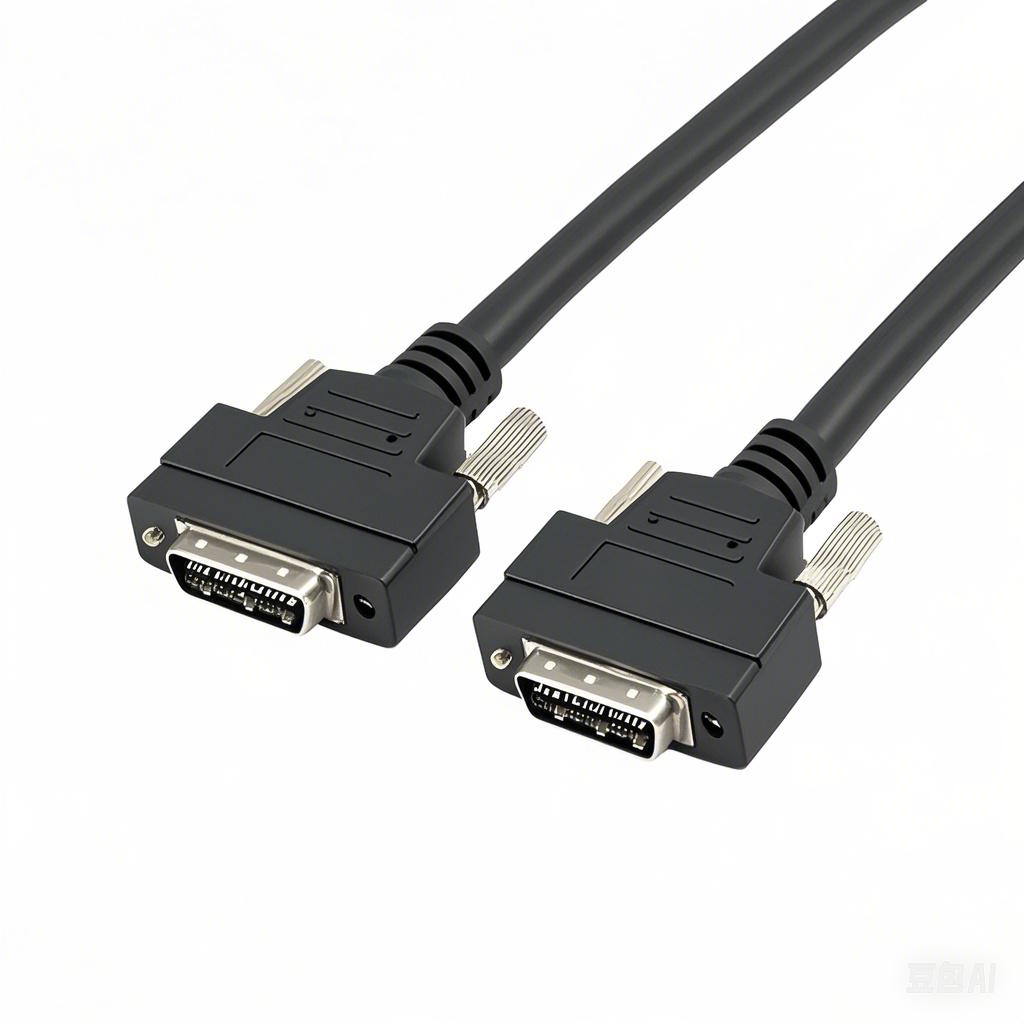
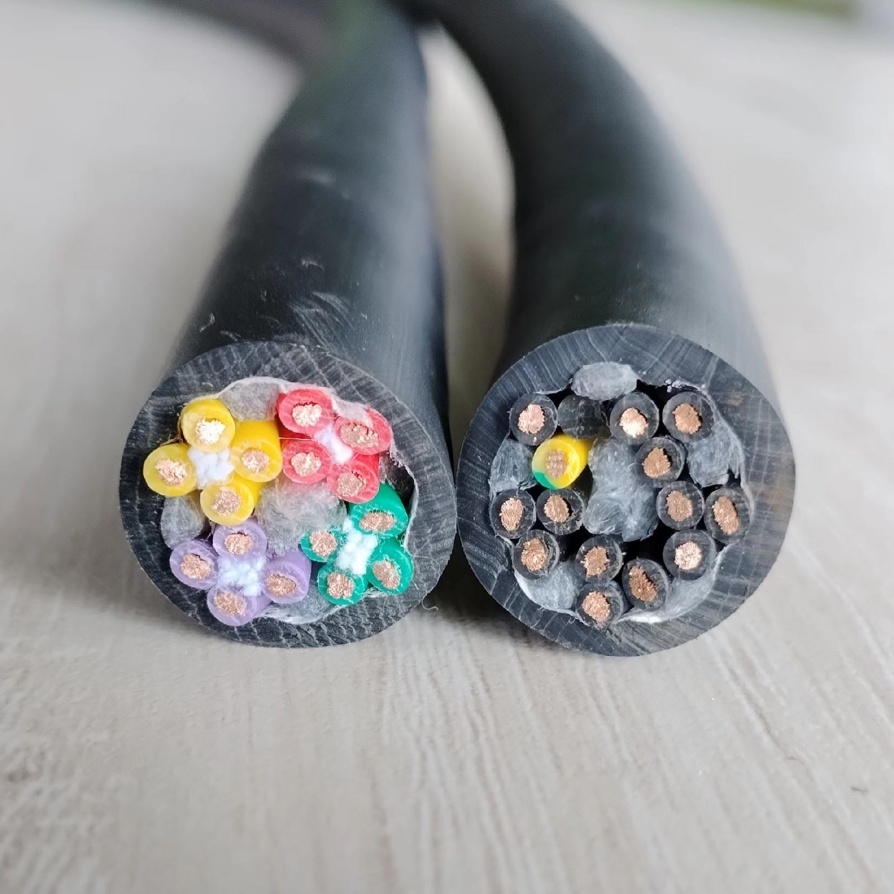
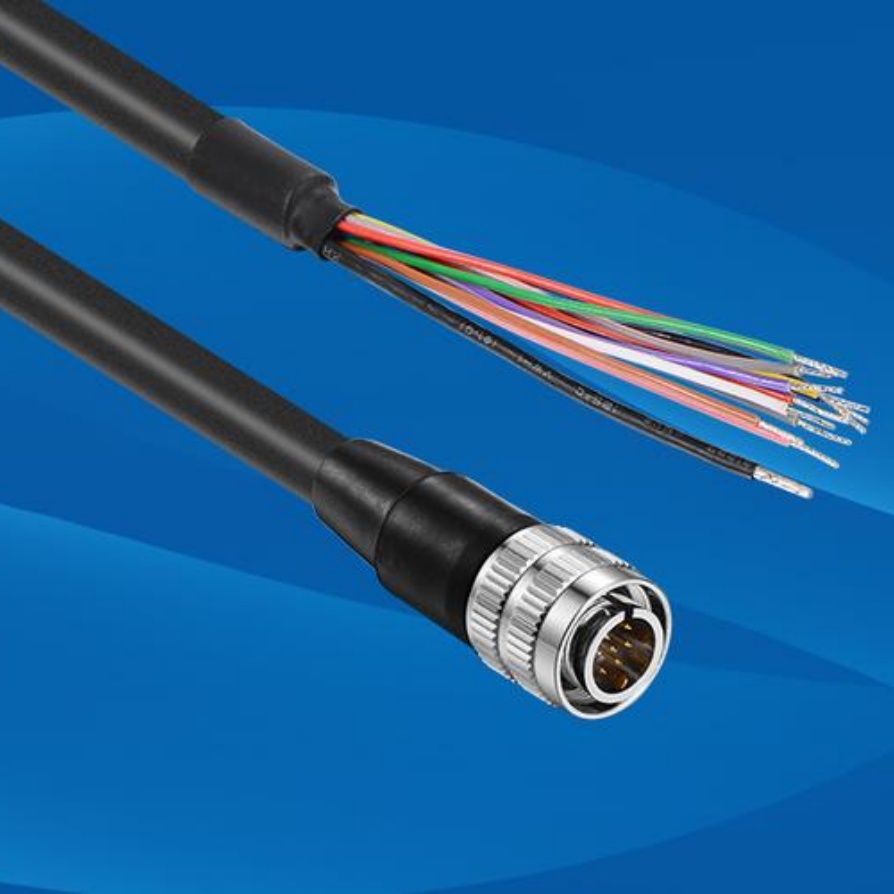
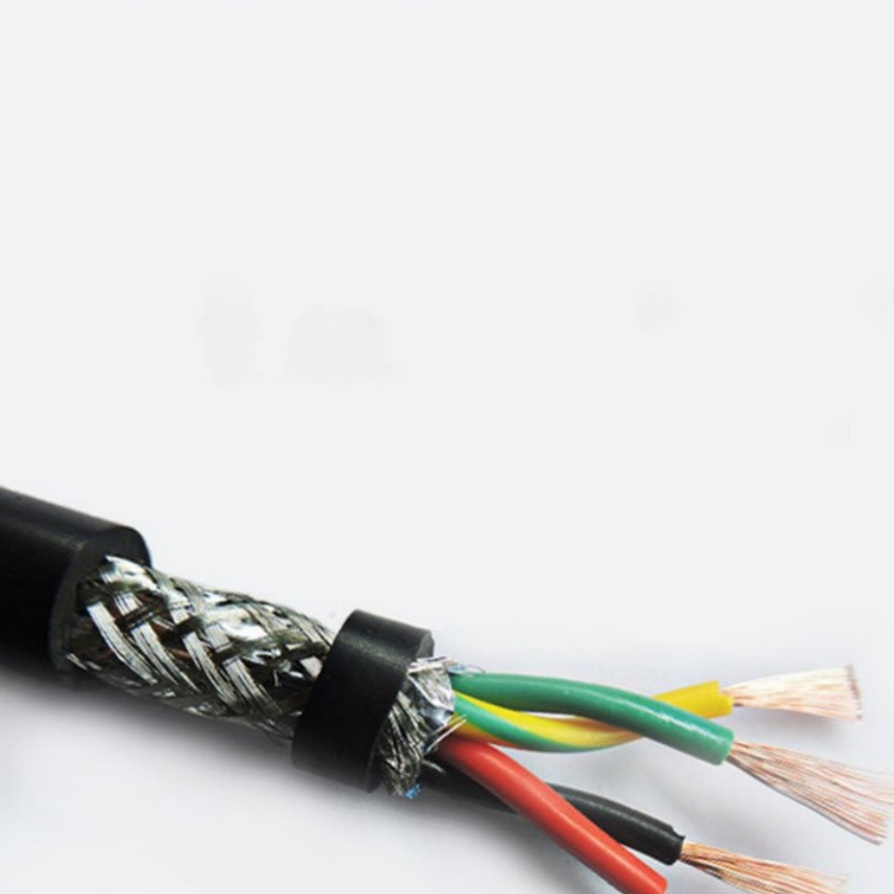
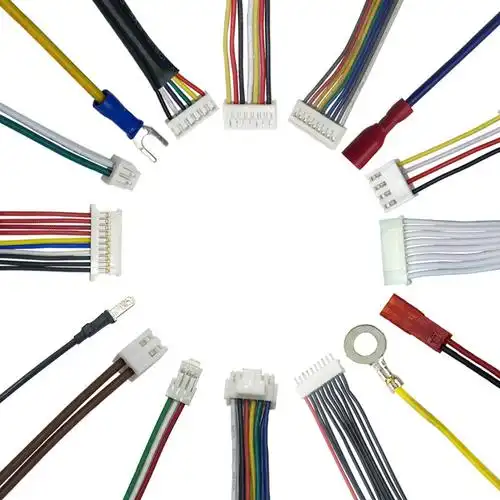
Automotive machine cable assemblies are specialized collections of cables, wires, connectors, terminals, and protective sleeves or jackets, designed specifically for use in automotive machinery and vehicle systems. Unlike standard cables, these assemblies are engineered to meet the rigorous demands of the automotive environment, which includes exposure to extreme temperatures, vibrations, moisture, chemicals, and mechanical stress. Each component of the assembly is carefully selected and integrated to ensure optimal performance, reliability, and durability in these harsh conditions.
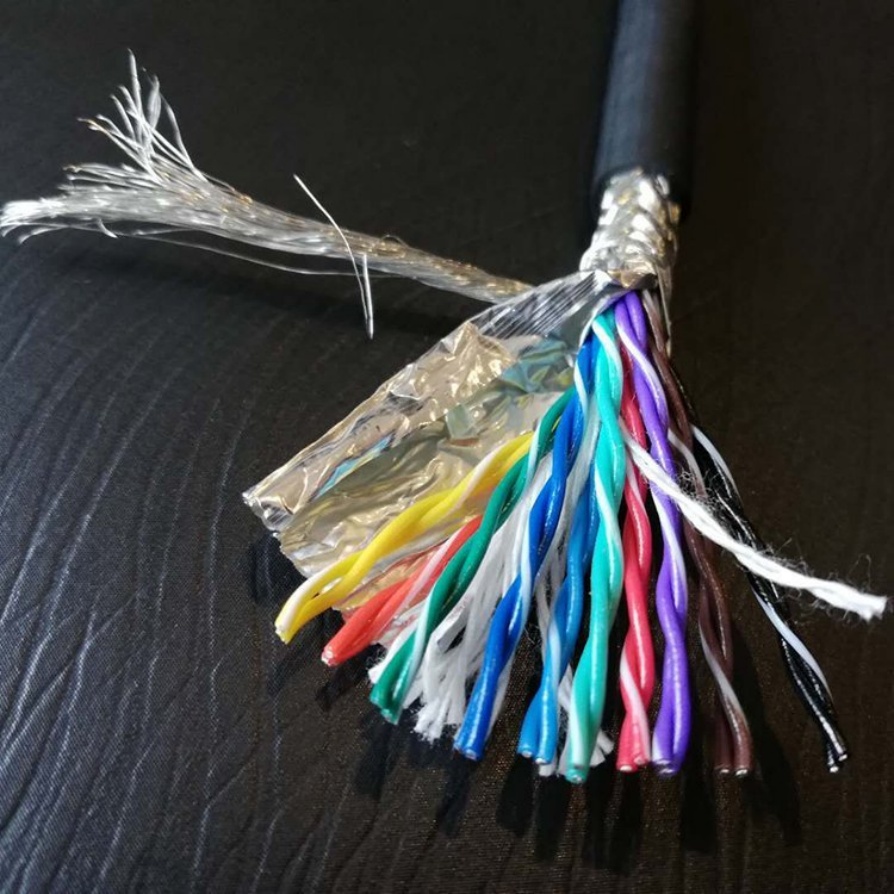
The cables used in these assemblies are typically made from high – quality copper or aluminum conductors, known for their excellent electrical conductivity. The insulation and sheathing materials, such as PVC (polyvinyl chloride), XLPE (cross – linked polyethylene), or TPE (thermoplastic elastomer), are chosen for their resistance to heat, oil, abrasion, and UV radiation. Connectors and terminals are often constructed from corrosion – resistant metals like brass or stainless steel, with precision engineering to ensure secure and consistent connections.
Common Types of Automotive Machine Cable Assemblies
Automotive machine cable assemblies come in a wide range of types, each tailored to specific applications within a vehicle. Understanding these types is essential for selecting the right assembly for a particular automotive system.
1. Engine Cable Assemblies
Engine cable assemblies are designed to withstand the high temperatures, vibrations, and oil exposure present in the engine compartment. They are responsible for transmitting power to various engine components, such as the starter motor, alternator, and ignition system, as well as carrying signals from sensors (e.g., temperature sensors, pressure sensors) to the engine control unit (ECU). These assemblies often feature heat – resistant insulation and robust shielding to prevent electromagnetic interference (EMI) from affecting signal transmission.
2. Chassis Cable Assemblies
Chassis cable assemblies connect the vehicle’s chassis components, including the braking system, suspension system, and steering system. They must be durable enough to handle constant vibrations and mechanical stress from the road. For example, anti – lock braking system (ABS) cable assemblies transmit signals between the ABS sensors and the ABS control module, enabling the system to prevent wheel lock – up during braking. These assemblies are often flexible to accommodate the movement of chassis parts.
3. Interior Electronics Cable Assemblies
Interior electronics cable assemblies are used in the vehicle’s cabin for infotainment systems, climate control, seating adjustments, and instrument panels. They are designed to be lightweight and compact to fit within the limited space of the cabin. These assemblies may include cables for audio systems, touchscreen displays, USB ports, and steering wheel controls. EMI shielding is also important here to prevent interference between different electronic components, ensuring clear audio and accurate display performance.
4. ADAS Cable Assemblies
With the rapid development of advanced driver – assistance systems (ADAS), such as adaptive cruise control, lane departure warning, and automatic emergency braking, ADAS cable assemblies have become increasingly crucial. These assemblies transmit high – speed data between ADAS sensors (e.g., cameras, radar, lidar) and the vehicle’s central processing unit. They require high – bandwidth capabilities and low signal latency to ensure the timely and accurate operation of ADAS functions, which are vital for vehicle safety.
The Importance of High – Quality Automotive Machine Cable Assemblies
The quality of automotive machine cable assemblies directly impacts the performance, safety, and reliability of vehicles. Low – quality assemblies can lead to a range of issues, from intermittent electrical failures to serious safety hazards.
Reliability is perhaps the most critical factor. In automotive applications, cable assemblies must function consistently under varying conditions for the lifetime of the vehicle. A faulty cable assembly in the engine compartment could cause the engine to stall, while a failure in the ADAS cable assembly could compromise the operation of safety systems, increasing the risk of accidents.
Safety is another key consideration. Many automotive systems, such as the braking system and airbag system, rely on cable assemblies to transmit critical signals. Any disruption in these signals could result in the failure of these safety systems, endangering the lives of drivers and passengers. High – quality cable assemblies are designed to meet strict safety standards, including flame retardancy and resistance to short – circuits.
Performance is also affected by the quality of cable assemblies. For example, in high – speed data transmission applications like ADAS, low – quality cables may introduce signal loss or interference, leading to delayed or inaccurate data processing. This can affect the performance of ADAS functions, reducing their effectiveness in preventing collisions.
Applications of Automotive Machine Cable Assemblies Across Vehicle Types
Automotive machine cable assemblies are used in a wide variety of vehicle types, from passenger cars and trucks to electric vehicles (EVs) and hybrid electric vehicles (HEVs).
1. Passenger Cars and Trucks
In traditional gasoline and diesel – powered passenger cars and trucks, cable assemblies are used in almost every system, including the engine, chassis, interior electronics, and lighting. They ensure the smooth operation of basic functions like starting the engine, controlling the lights, and operating the infotainment system, as well as more advanced features like cruise control and parking sensors.
2. Electric Vehicles (EVs) and Hybrid Electric Vehicles (HEVs)
EVs and HEVs have unique requirements for cable assemblies due to their high – voltage electrical systems. High – voltage cable assemblies are used to connect the battery pack to the electric motor, inverter, and other high – voltage components. These assemblies must be insulated to handle voltages of up to 800V or more and be resistant to electrical arcing. Additionally, EVs and HEVs rely heavily on low – voltage cable assemblies for their electronic control systems, which manage battery charging, motor operation, and regenerative braking.
3. Commercial Vehicles
Commercial vehicles, such as buses, trucks, and construction vehicles, operate in even harsher environments than passenger cars. Their cable assemblies must be able to withstand heavy vibrations, extreme temperatures, and exposure to dust, dirt, and chemicals. For example, in a construction truck, cable assemblies in the hydraulic system must be durable enough to handle the high pressure and mechanical stress of the hydraulic components.
Key Factors to Consider When Choosing Automotive Machine Cable Assemblies
When selecting automotive machine cable assemblies for a specific application, several key factors should be taken into account to ensure optimal performance and reliability.
1. Environmental Conditions
The operating environment of the cable assembly is a primary consideration. Factors such as temperature range, exposure to moisture, oil, chemicals, and vibrations must be evaluated. For example, cable assemblies used in the engine compartment require high – temperature resistance, while those used in the undercarriage need to be resistant to water and road salt.
2. Electrical Requirements
The electrical requirements of the application, including voltage, current, and signal frequency, will determine the type of cable and connectors needed. High – current applications, such as connecting the battery to the starter motor, require cables with larger conductor sizes to handle the current without overheating. High – frequency signal transmission, like in ADAS systems, requires cables with low capacitance and impedance to minimize signal loss.
3. Mechanical Requirements
Mechanical requirements include flexibility, bend radius, and tensile strength. Cable assemblies that need to be routed through tight spaces or around moving components must be flexible. The bend radius specifies the minimum radius a cable can be bent without damaging the insulation or conductors. Tensile strength is important for cable assemblies that may be subjected to pulling forces during installation or operation.
4. Compliance with Standards
Automotive machine cable assemblies must comply with various industry standards, such as those set by the International Organization for Standardization (ISO), Society of Automotive Engineers (SAE), and Underwriters Laboratories (UL). These standards specify requirements for safety, performance, and durability, ensuring that the cable assemblies meet the highest quality levels.
The Future of Automotive Machine Cable Assemblies
As the automotive industry continues to evolve, driven by trends such as electrification, autonomous driving, and connectivity, the demand for advanced automotive machine cable assemblies is expected to grow.
Electrification is a major driver of change. With the increasing adoption of EVs and HEVs, the need for high – voltage cable assemblies will continue to rise. These assemblies will need to be lighter, more efficient, and capable of handling higher voltages to support the development of faster – charging EVs.
Autonomous driving is another trend that will impact cable assemblies. Self – driving vehicles rely on a vast array of sensors and cameras to perceive the environment, generating large amounts of data that need to be transmitted quickly and accurately. This will require high – bandwidth, low – latency cable assemblies that can handle the increased data flow.
Connectivity is also playing a significant role. Modern vehicles are becoming increasingly connected to the internet and other devices, enabling features like over – the – air (OTA) updates, remote vehicle control, and vehicle – to – everything (V2X) communication. Cable assemblies will need to support these connectivity features, with enhanced EMI shielding to prevent interference from external signals.
Choose FRS for Your Automotive Machine Cable Assemblies Needs
When it comes to automotive machine cable assemblies, FRS is a trusted brand that delivers high – quality, reliable, and innovative solutions tailored to the needs of the automotive industry. With years of experience in designing and manufacturing cable assemblies for automotive applications, FRS has a deep understanding of the unique challenges and requirements of this sector.
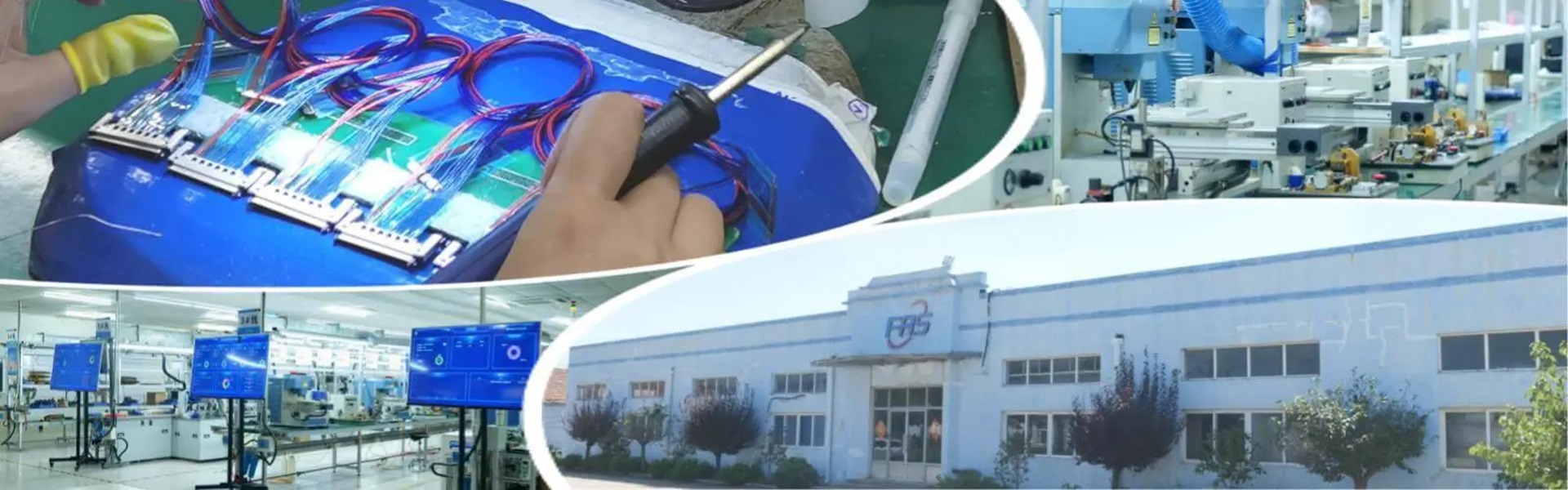
At FRS, we prioritize quality in every step of the manufacturing process. Our cable assemblies are made from premium materials, carefully selected for their durability, performance, and compliance with industry standards. We utilize advanced manufacturing techniques and strict quality control procedures to ensure that each assembly meets or exceeds the expectations of our customers.
We offer a wide range of automotive machine cable assemblies, including engine cable assemblies, chassis cable assemblies, interior electronics cable assemblies, and ADAS cable assemblies, as well as custom solutions to meet specific application requirements. Our team of experienced engineers works closely with customers to design cable assemblies that are optimized for their unique needs, considering factors such as environmental conditions, electrical requirements, and mechanical constraints.
In addition to our commitment to quality and customization, FRS also provides excellent customer service and support. We understand the importance of timely delivery in the automotive industry and strive to meet tight production schedules without compromising on quality. Our dedicated customer service team is always available to answer questions and provide assistance, ensuring a smooth and hassle – free experience for our customers.
Whether you are looking for standard automotive machine cable assemblies or custom solutions for your next project, FRS is the ideal partner. With our expertise, quality products, and customer – centric approach, we are ready to help you meet the demands of the evolving automotive industry. Choose FRS and experience the difference that high – quality cable assemblies can make in your vehicles.