Camera Link Cable MDR 26pin High Flex Solves Motion Application Chall...
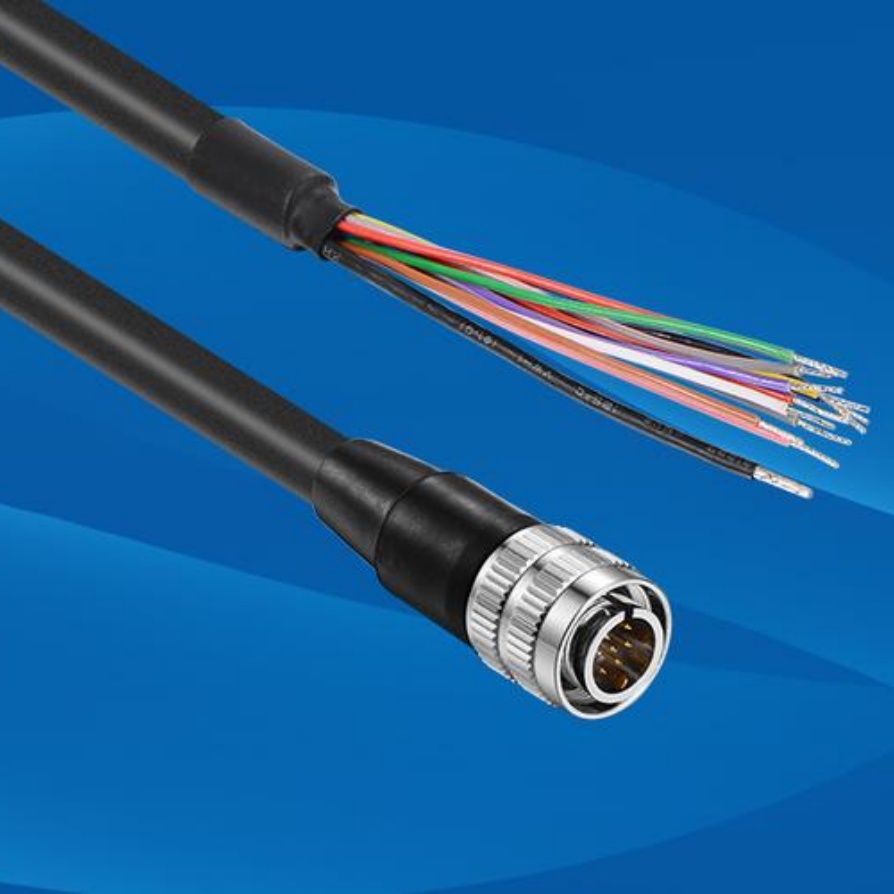
In high-speed, high-precision machine vision systems, the performance of a Camera Link cable MDR 26pin high flexis often the deciding factor between a reliable inspection line and costly downtime. As industrial robots, gantries, and high-speed conveyors push motion systems to their limits, the demand for robust, high-flex Camera Link cables has never been greater.
This article explores the engineering challenges of motion applications and explains why a purpose-built Camera Link MDR 26-pin high-flex cableis essential for modern vision systems.
🎯 The Role of the MDR 26-Pin in Camera Link
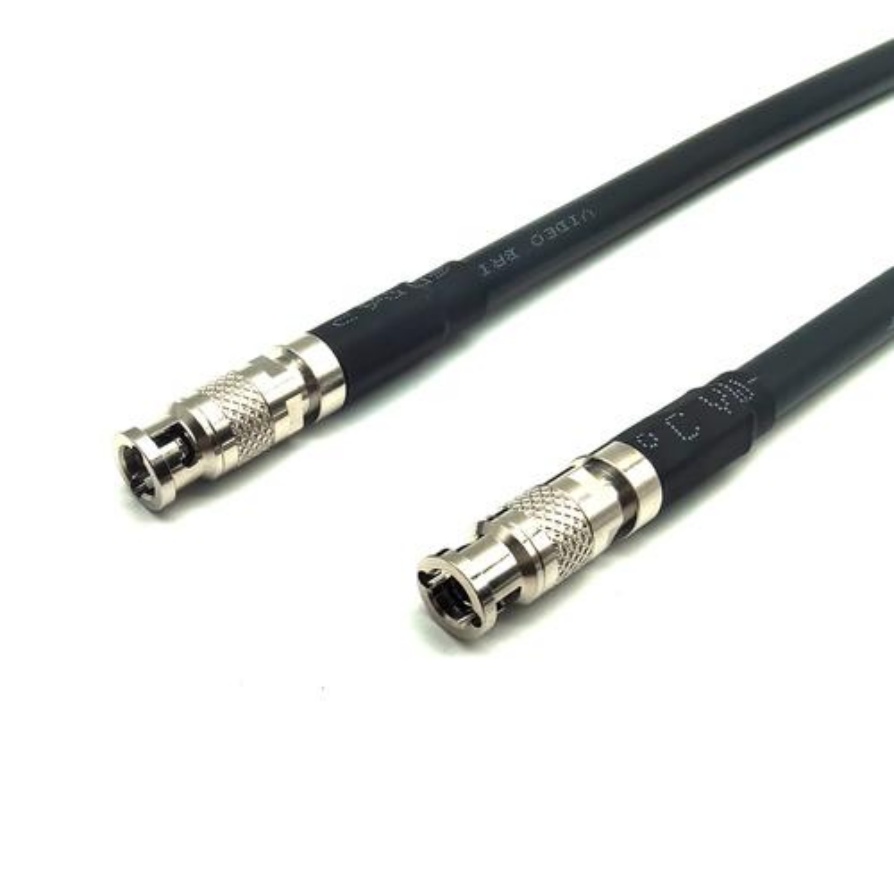
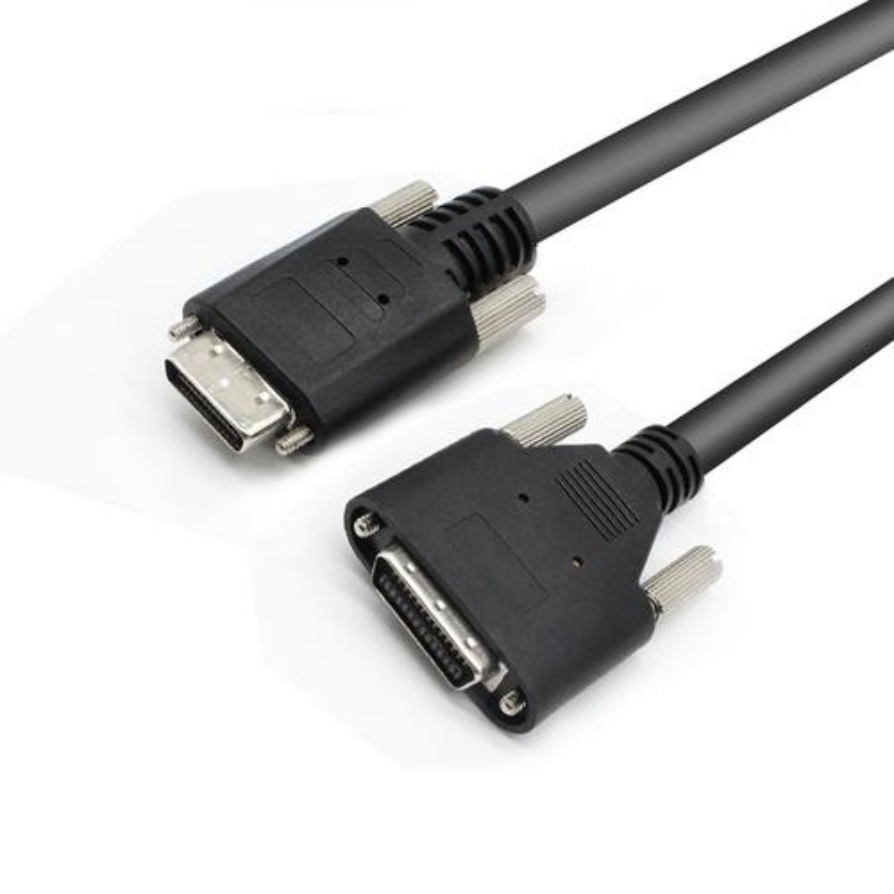
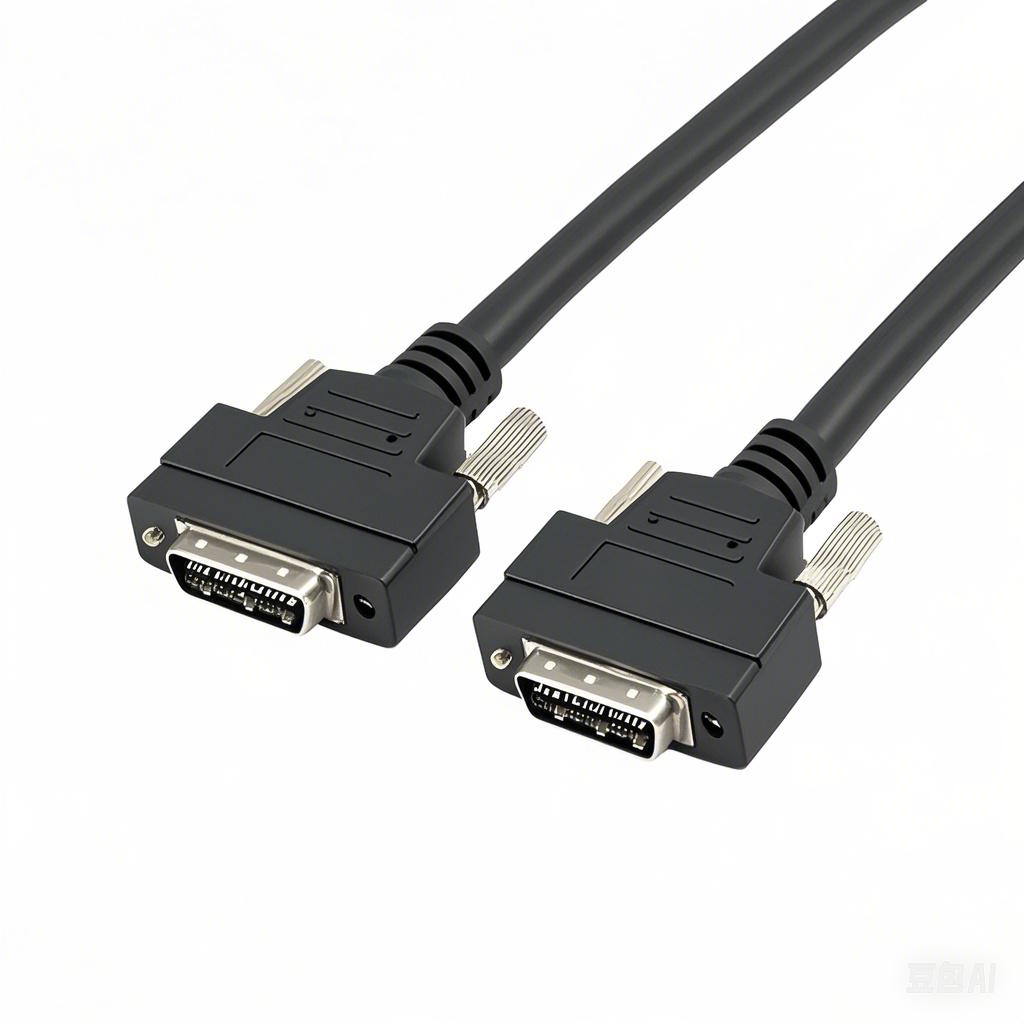
Camera Link is a standardized interface for industrial cameras, using a 26-pin Mini Delta Ribbon (MDR) or Shrunk Delta Ribbon (SDR) connector. The MDR 26-pinis the standard for many industrial cameras and frame grabbers, available in straight, right-angle, and various overmolded designs to suit tight spaces .
The 26 pins are not just for data; they also handle:
- Image Data:Multiple LVDS differential pairs for pixel clocks and video data.
- Control/Trigger:A serial communication channel for camera settings and triggering.
- Power (PoCL):Power over Camera Link, which supplies power to the camera via the data cable, reducing cabling complexity .
⚙️ The Harsh Reality of Motion Applications
Machine vision in motion applications, such as robot-mounted cameras or high-speed sorting, subjects cables to constant bending, torsion, and vibration. Standard cables often fail in these scenarios due to:
- Signal Errors & Dropouts:Broken or fatigued internal conductors cause bit errors, frame loss, or system crashes.
- EMI/RFI Noise:Poor shielding allows electromagnetic interference to disrupt high-speed differential signals, especially near motors and drives.
- Connector Loosening:Vibration can cause MDR connectors with thumbscrews to loosen, leading to intermittent connections.
- Shortened Cable Life:Standard cables not rated for flexing can fail within weeks or months in a motion loop .
💡 Why High-Flex MDR 26-Pin Cables Are the Solution
A Camera Link MDR 26-pin high-flex cableis engineered to overcome these challenges. Key features include:
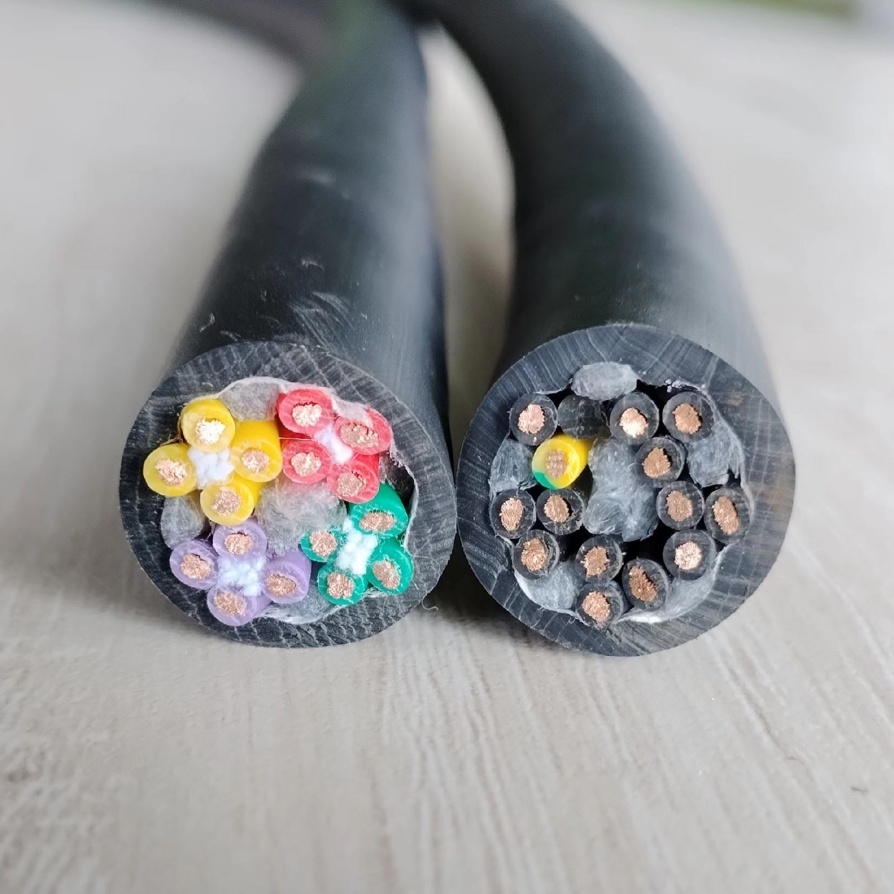
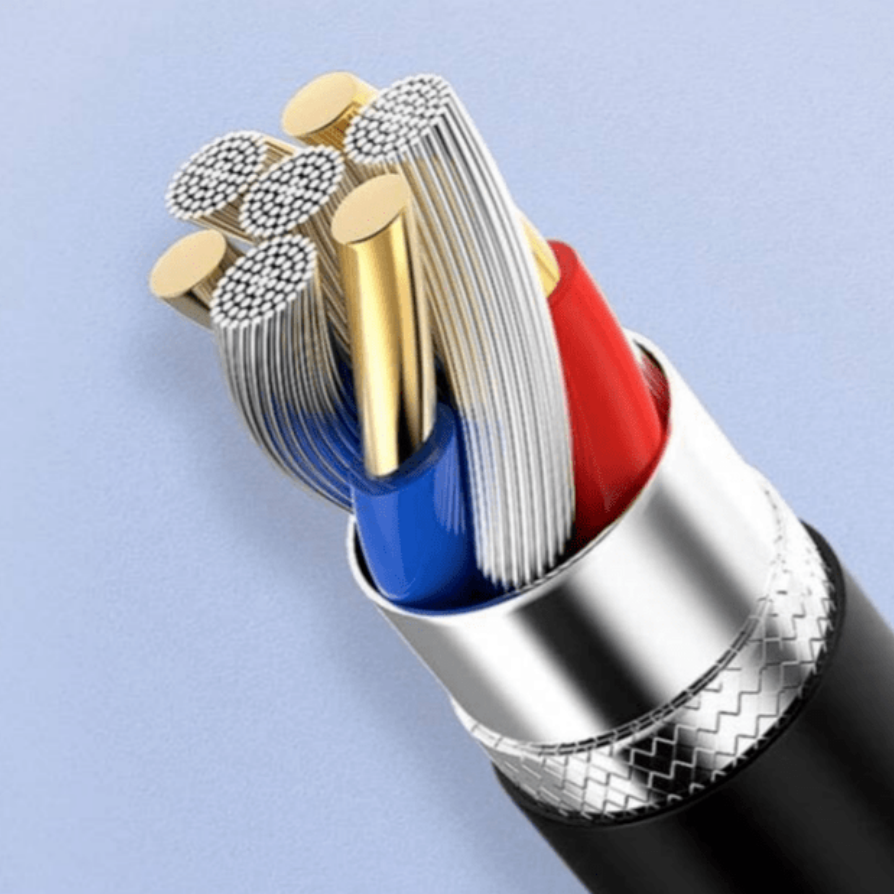
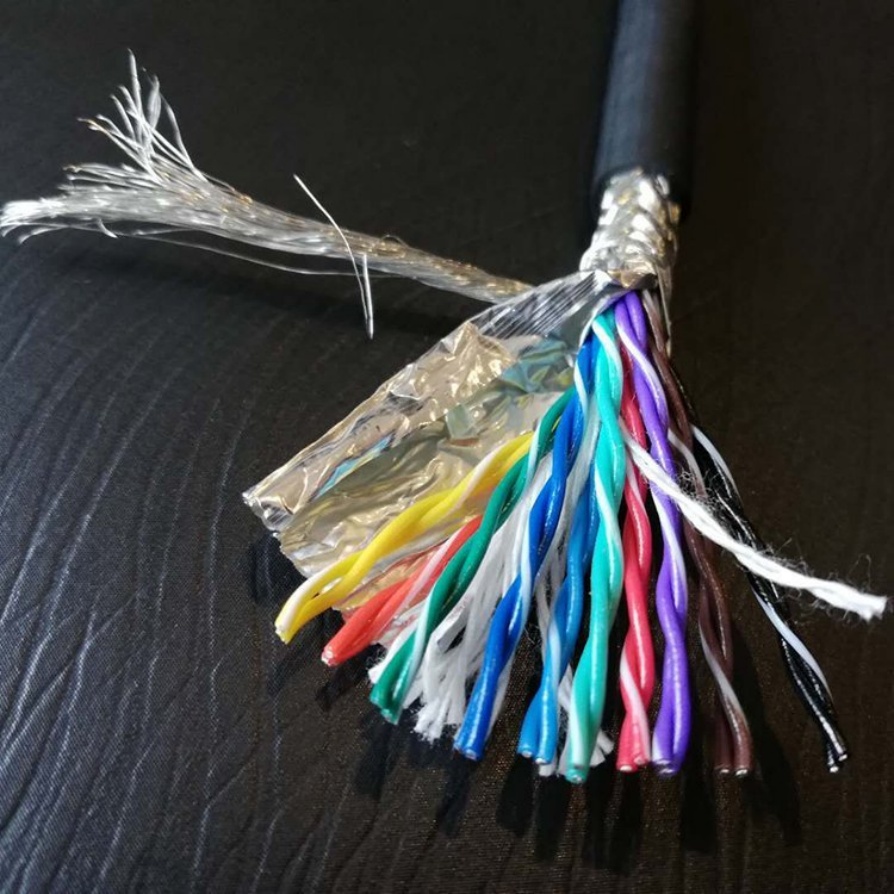
- High-Flex Cable Construction:Uses fine-strand conductors and specialized flexible insulation (e.g., PUR, TPE) to endure millions of bending cycles in drag chains or robot arms.
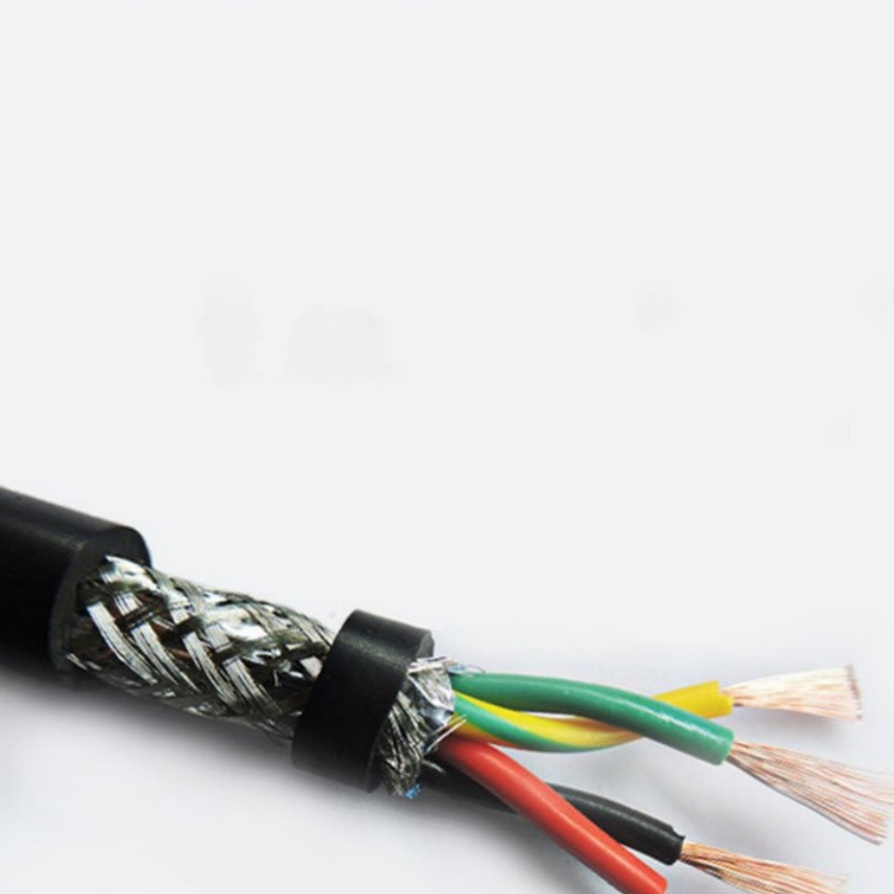
- Optimized Shielding:Employs a combination of foil and braid shielding to protect against EMI/RFI, maintaining signal integrity in electrically noisy environments.
- Durable MDR 26-Pin Connectors:Features a robust metal shell, gold-plated contacts for low resistance, and a secure thumbscrew lock to prevent loosening during vibration.
- PoCL Compatibility:Many high-flex cables support PoCL, simplifying system cabling by providing both data and power over a single cable.
- Certifications & Compliance:Look for cables that meet standards like RoHS and are tested for functional performance .
📋 Key Specs to Evaluate
When selecting a Camera Link MDR 26-pin high-flex cable, consider the following parameters:
- Connector:MDR26 male-to-male is standard, but MDR-to-SDR or custom configurations exist. Ensure compatibility with your frame grabber and camera.
- Cable Flex Rating:For continuous motion, look for cables rated for at least 1-5 million flex cycles. For extremely dynamic applications, some are tested beyond 10 million cycles.
- Bending Radius:Adhere to the manufacturer’s minimum bend radius (e.g., ≥8× cable OD) to avoid damaging the internal structure.
- Shielding & Jacket:Choose a cable with full shielding and an oil-resistant, abrasion-resistant jacket for harsh factory environments.
- PoCL Support:Confirm PoCL compatibility with both your camera and frame grabber.
- Environmental Specs:Verify the operating temperature range (e.g., -20°C to +80°C) and flammability rating (e.g., UL, VW-1) .
🏭 Typical Applications
Camera Link MDR 26-pin high-flex cablesare vital in various demanding settings:
- Robotics & Automated Assembly:For robot-mounted cameras performing 3D inspection or guidance, where cables endure constant flexing in articulated arms.
- High-Speed Sorting & Packaging:On conveyor lines where cameras track products at high speeds, requiring cables that can handle rapid, repetitive motion.
- Pharmaceutical & Medical Device Inspection:In cleanroom or sterile environments, where precision and reliability are paramount, and cables must be durable and easy to clean.
- Printing & Web Inspection:For monitoring high-speed print or web processes, where cables are subject to continuous flexing and tight routing .
🏆 Why FRS is Your Trusted Manufacturing Partner
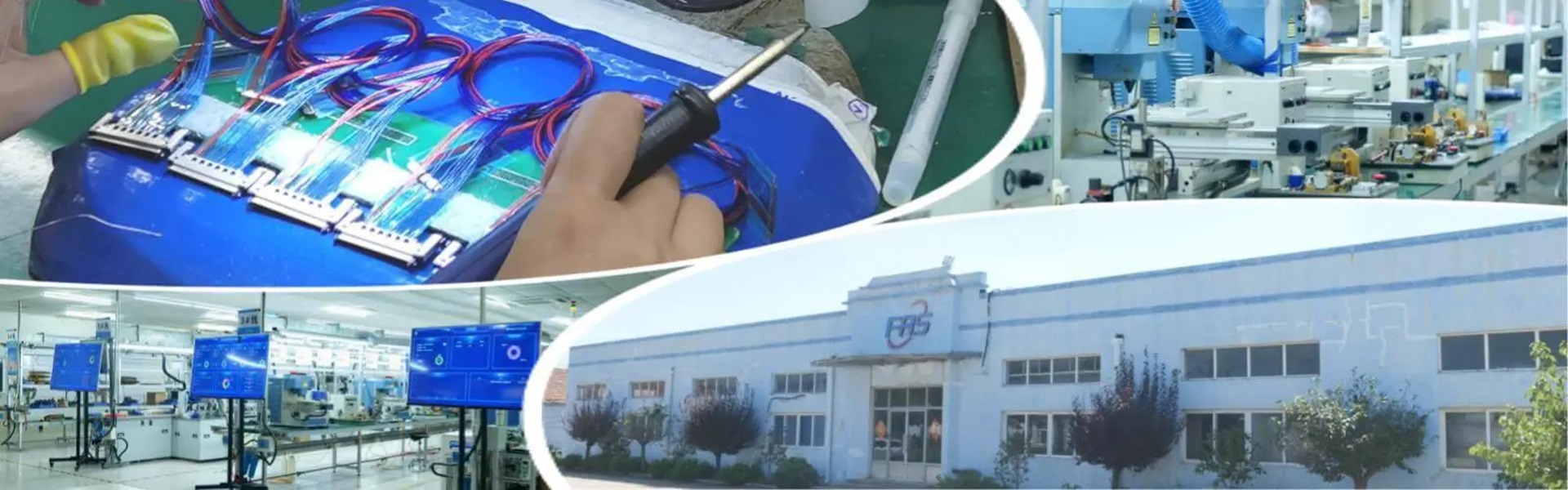
For engineers and procurement teams, finding a reliable Camera Link cable MDR 26pin high flex manufactureris crucial. FRSis a specialized factory with deep expertise in machine vision interconnects.
- Specialized Production:We focus on high-performance vision cables, including Camera Link, GigE, and USB3 Vision, with a strong emphasis on MDR/SDR 26-pin solutions.
- Engineering-Driven:Our experienced engineers work with you to develop custom cables that meet your exact specifications for bending, shielding, and environmental resistance.
- Quality & Reliability:We adhere to strict quality control, ensuring every cable is 100% electrically tested and built to last in demanding industrial applications.
- Flexible Manufacturing:We support both small-batch prototyping and high-volume OEM/ODM production with competitive lead times.
If you’re facing challenges with unreliable cables in your motion vision system, FRScan provide a tailored, high-flex Camera Link MDR 26-pinsolution. Contact our team to discuss your project requirements and experience the FRS difference.
TEL&WECHAT: +86-1881-875-005 (Wechat)
E-MAIL: sales@custom-cable-assemblies.com