Can machine cable be used in electric vehicles
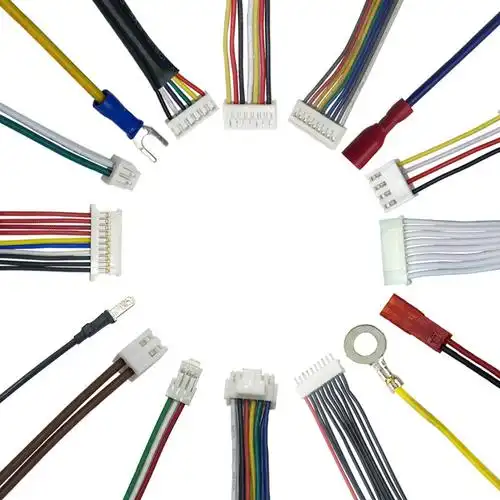
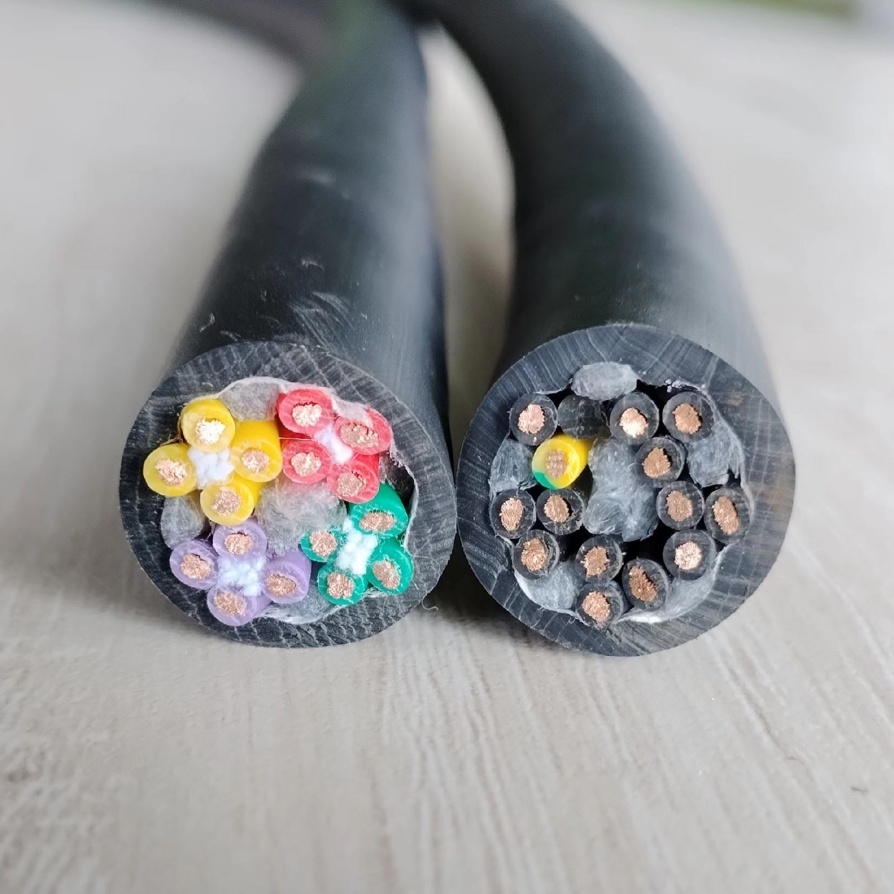
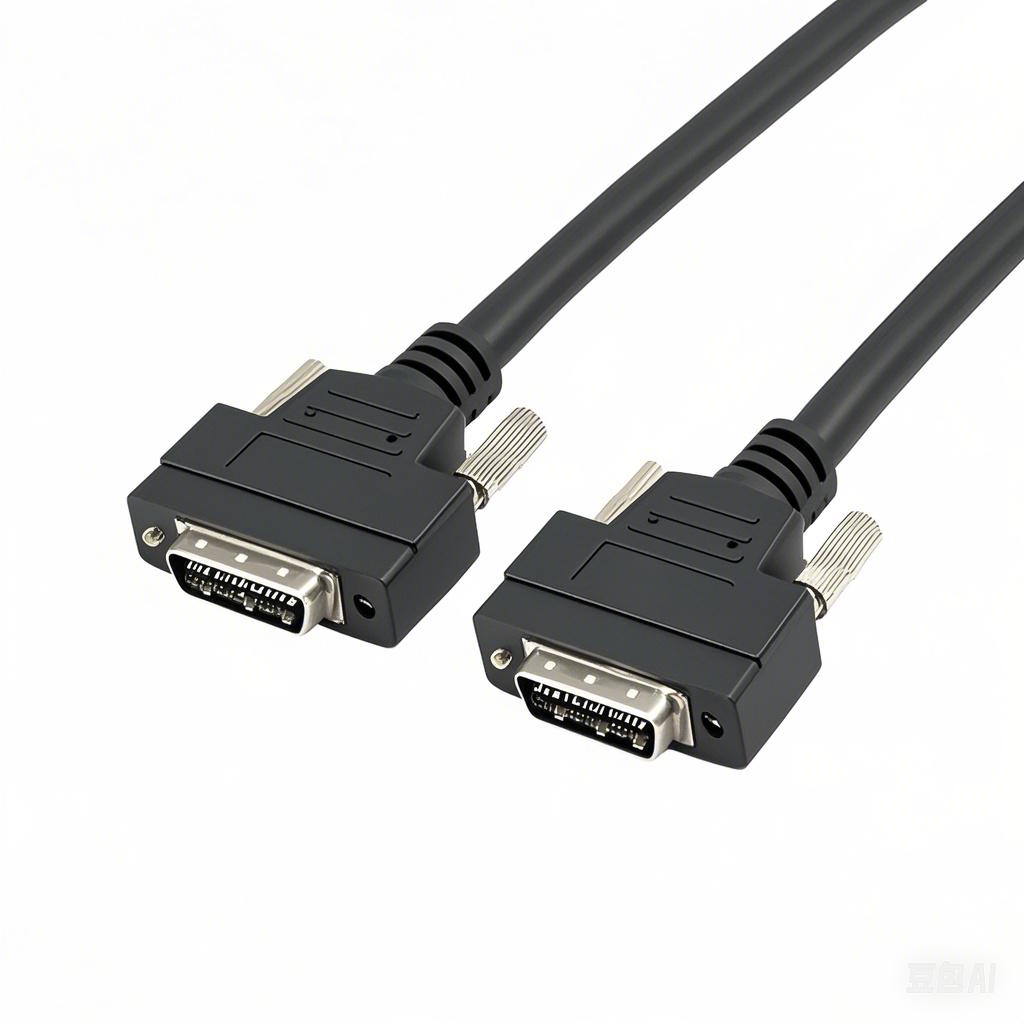
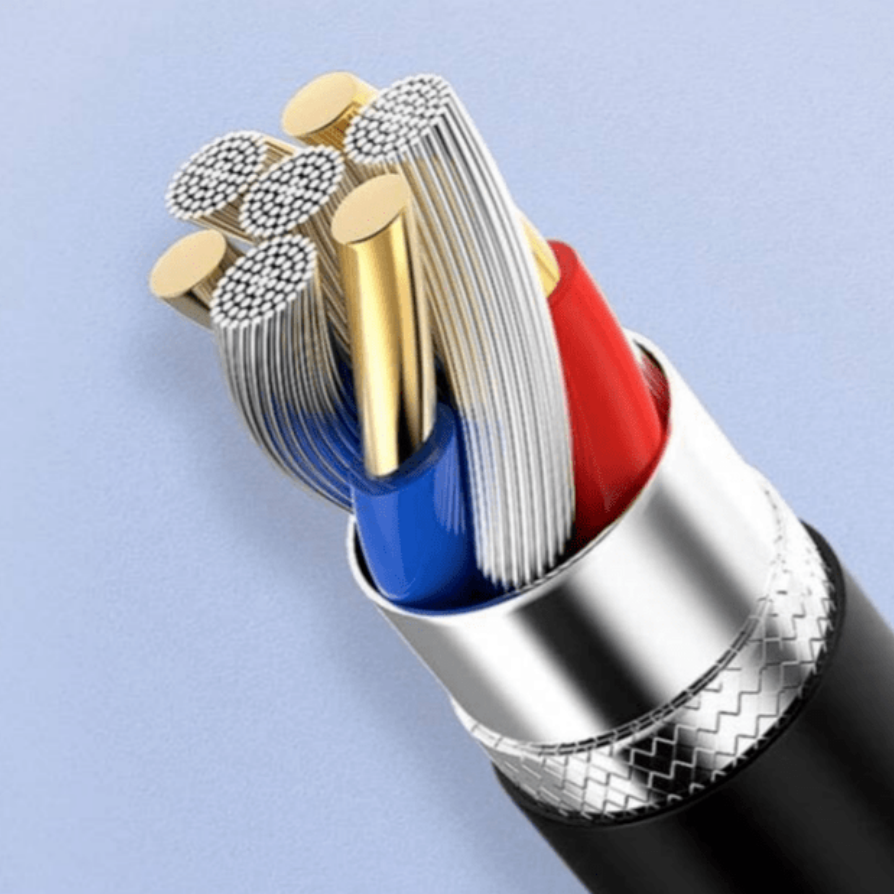
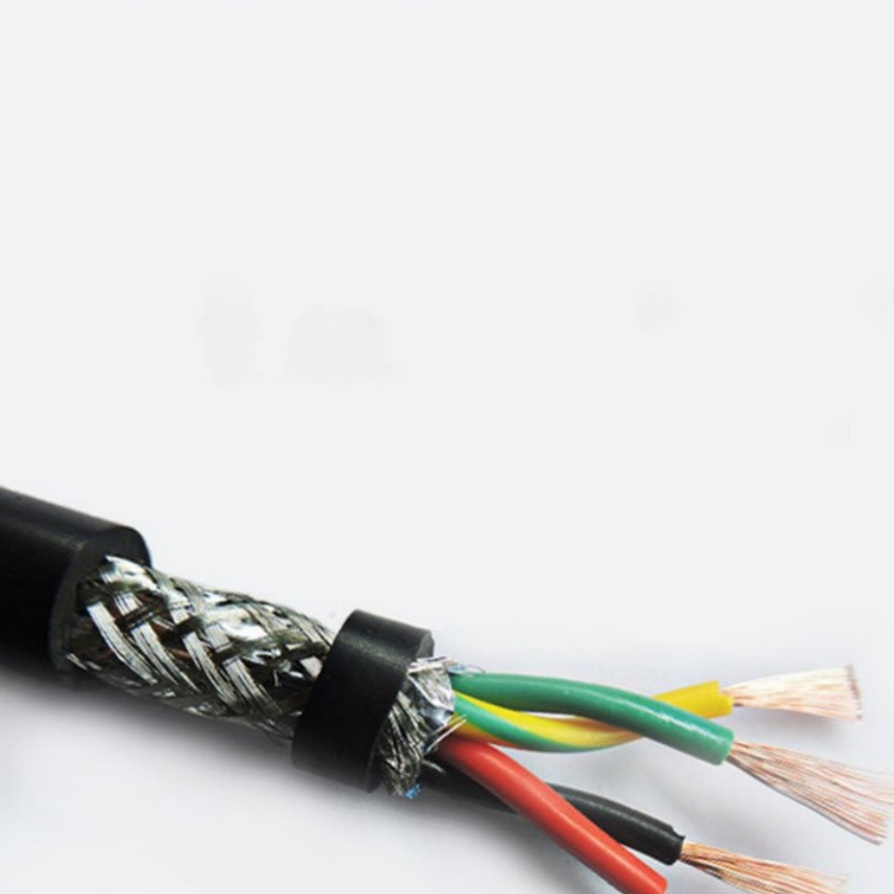
The question of whether machine cables can be used in electric vehicles (EVs) is a critical one for manufacturers, maintenance teams, and even DIY enthusiasts. While machine cables and EV cables may appear similar in basic structure—both consisting of conductors, insulation, and shielding—their design requirements, performance standards, and operational environments differ significantly. To answer this question clearly, we need to examine key factors that distinguish the two types of cables.
1. Technical Parameters: A Fundamental Gap
Electric vehicles operate under unique electrical conditions that machine cables are not engineered to handle. First, voltage and current ratings are a primary concern. Most industrial machine cables are designed for low to medium voltages (typically up to 600V) and moderate current loads. In contrast, EVs, especially battery electric vehicles (BEVs), rely on high-voltage systems (often 300V to 800V) to power their motors and charge their batteries. Using a machine cable with insufficient voltage rating in an EV can lead to insulation breakdown, arcing, or even catastrophic short circuits.
Second, current-carrying capacity (ampacity) is another critical difference. EVs experience sudden surges in current during acceleration or fast charging, which demands cables with excellent heat dissipation and high ampacity. Machine cables, optimized for steady-state industrial loads, may overheat under the dynamic current conditions of EVs, accelerating insulation degradation and posing fire risks.
Additionally, flexibility and durability requirements vary greatly. Machine cables are often used in fixed or semi-fixed industrial setups, where flexibility needs are minimal. EV cables, however, must withstand repeated bending, twisting, and vibration—for example, in charging cables that are plugged and unplugged frequently or in on-board cables routed through moving vehicle components. Machine cables lack the specialized stranding (such as fine-gauge copper strands) and flexible insulation materials needed to endure these mechanical stresses, leading to premature failure.
2. Safety Standards: Non-Negotiable for EVs
Electric vehicles are subject to stringent safety standards to protect passengers, technicians, and the vehicle itself. These standards, such as ISO 6722 (for automotive cables) and SAE J1673 (for high-voltage EV cables), mandate specific requirements for flame resistance, chemical resistance, and electrical safety.
Machine cables, while complying with industrial standards like IEC 60245 or UL 62, do not meet the EV-specific safety criteria. For instance, EV cables must be flame-retardant and self-extinguishing to prevent fire spread in case of a collision or short circuit. They also need to resist exposure to automotive fluids (oil, coolant, brake fluid) and environmental elements (UV radiation, moisture) that machine cables may not be tested against. Using non-compliant machine cables in EVs violates safety regulations and exposes users to severe risks.
3. Environmental Adaptability: EVs Operate in Harsher Conditions
EVs function in a wide range of environmental conditions, from extreme temperatures (-40°C to 85°C) to high humidity and exposure to road salt or dust. Machine cables, designed for controlled industrial environments (often 0°C to 60°C), struggle to maintain performance in these harsh settings.
For example, in cold climates, machine cable insulation may become brittle and crack, while in hot conditions, it may soften and lose its insulating properties. EV cables, on the other hand, use temperature-resistant materials like cross-linked polyethylene (XLPE) or ethylene propylene diene monomer (EPDM) that remain stable across broad temperature ranges. This environmental resilience is non-negotiable for EV reliability and safety.
4. Correct Cable Selection for EVs
Given the above differences, machine cables should not be used in electric vehicles. Instead, EV applications require cables specifically designed for automotive high-voltage systems. These include: High-voltage power cables for battery-to-inverter and inverter-to-motor connectionsCharging cables (AC and DC fast charging) with appropriate current and voltage ratingsLow-voltage signal cables for vehicle control systems (complying with ISO 10681)
Choose FRS: Your Trusted Partner for EV Cable Solutions
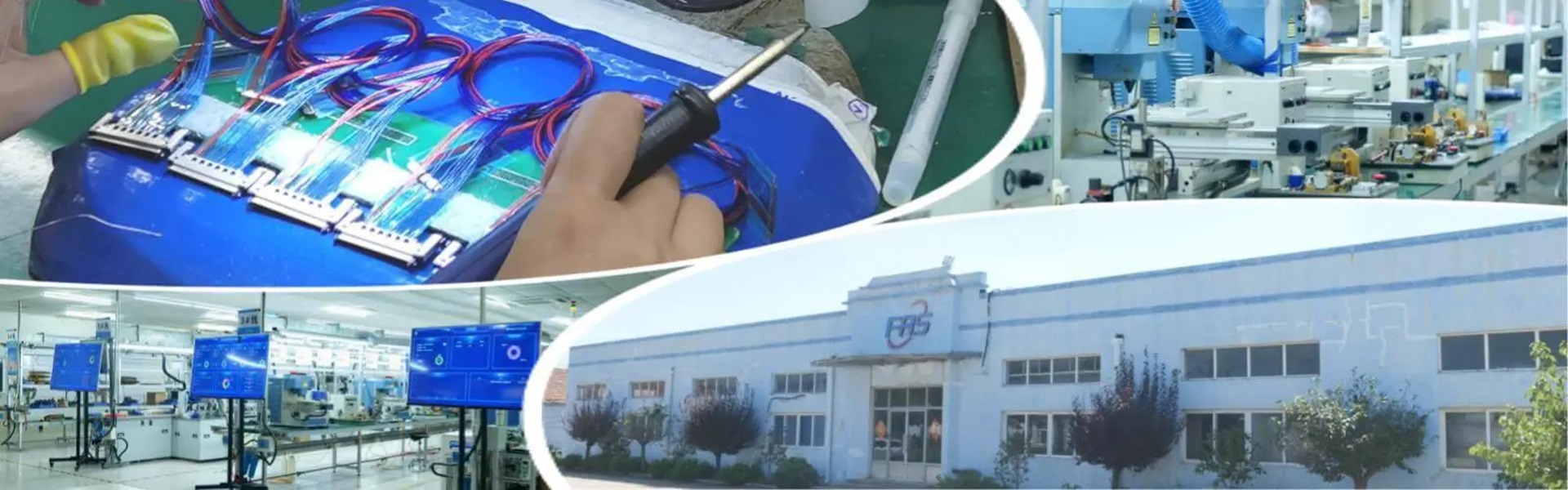
When it comes to electric vehicle cables, quality and compliance are non-negotiable. FRS brand factory understands the unique demands of EV technology and specializes in manufacturing high-performance, safety-certified EV cables. Our cables meet global standards (ISO 6722, SAE J1673, IEC 62890) and are engineered to withstand the toughest electrical, mechanical, and environmental conditions. Whether you need high-voltage power cables for BEVs or durable charging cables, FRS delivers reliable solutions that ensure EV safety and performance. Partner with FRS today for cables you can trust in every mile of the electric journey.