Customizable Length MDR 26pin High Flex Camera Link Cable Launches fo...
In demanding machine vision applications—from high-speed inline inspection to robotic guidance—the quality of your Camera Link cable can make the difference between a reliable system and one plagued by image dropouts or intermittent failures. The Camera Link cable MDR 26pin high flexis engineered specifically for these challenging environments, where cables must endure constant motion, tight bends, and EMI-heavy factory floors.
This article explores the features, applications, and customization options for high-flex MDR 26-pin Camera Link cables, providing machine vision engineers and integrators with the detailed information needed for system design and component selection.
What is a Camera Link MDR 26-Pin High Flex Cable?
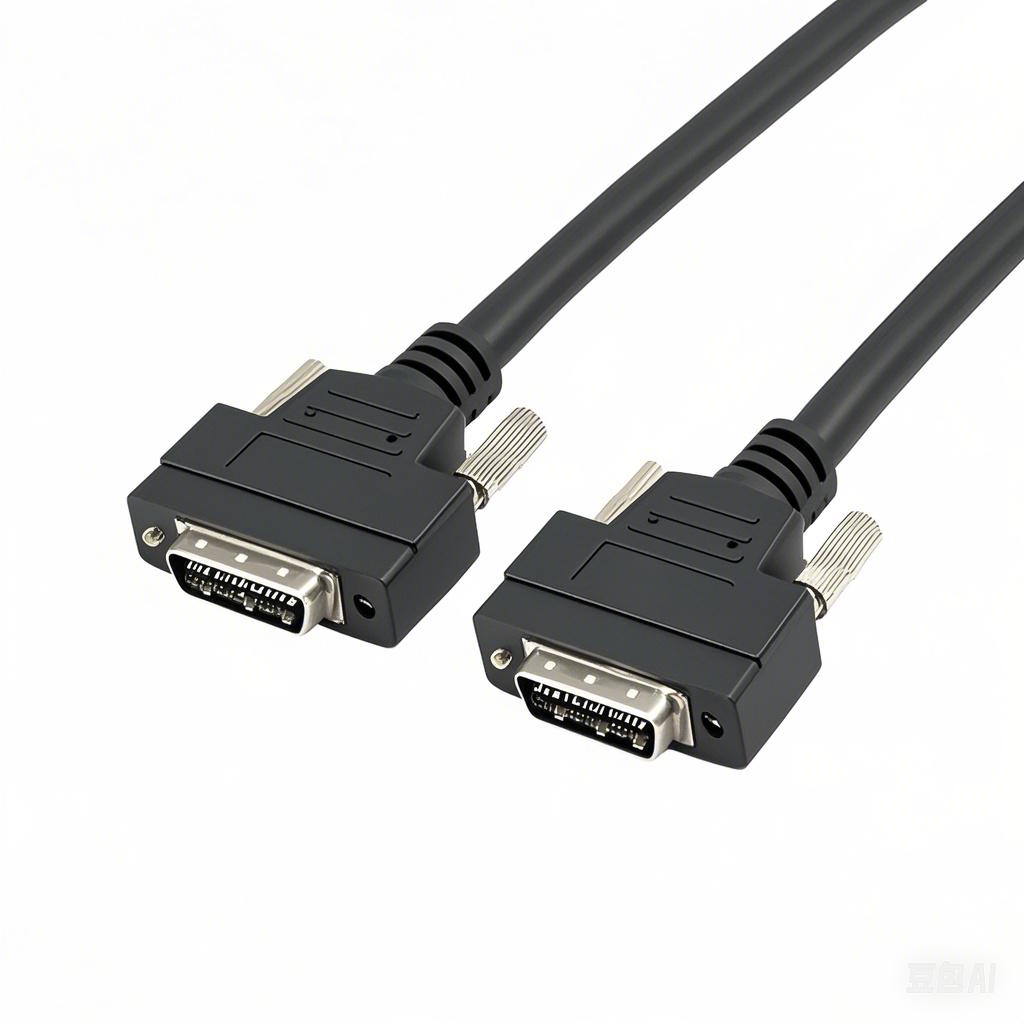
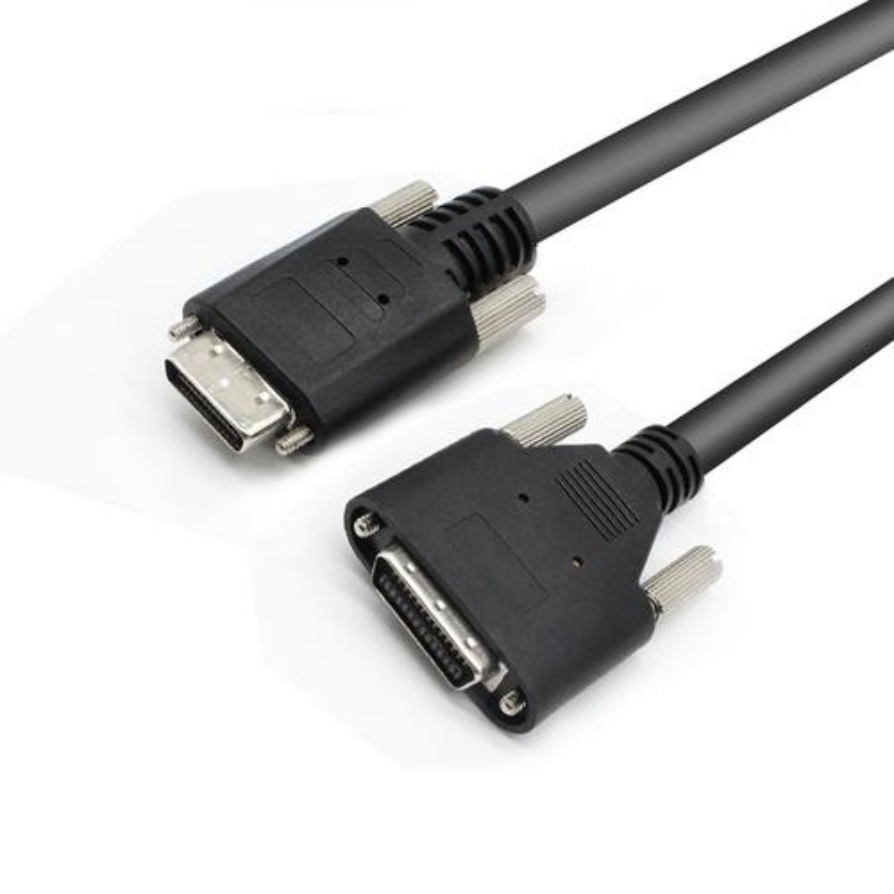
A Camera Link MDR 26-pin high flex cableis a high-performance data cable that connects industrial cameras to frame grabbers or vision controllers. The “MDR” refers to the 26-pin Mini D Ribbon connector, a standard defined by the Automated Imaging Association (AIA) for Camera Link. The “high flex” designation means the cable is specifically built with a special construction to withstand millions of bending cycles, making it suitable for dynamic applications where the cable moves within a drag chain or robot arm.
These cables are used in Base, Medium, Full, and Deca configurations, supporting data rates from roughly 2 Gbit/s to over 8 Gbit/s, depending on the configuration and cable quality.
Key Technical Features
- Connector and Pinout
- MDR 26-Pin Connector: The standard 26-pin Mini D Ribbon (MDR) connector is widely used on industrial cameras and frame grabbers. It features a 1.27 mm pitch and a metal shell with a thumbscrew or latch for a secure connection.
- MDR-to-MDR and MDR-to-SDR: Cables are available with MDR connectors on both ends or with one MDR and one SDR (Shrunk Delta Ribbon) 26-pin mini connector. SDR is a more compact version, ideal for tight spaces.
- High-Flex Cable Construction
- Conductors: Typically 28 AWG stranded copper, designed for flexibility and high current carrying capacity.
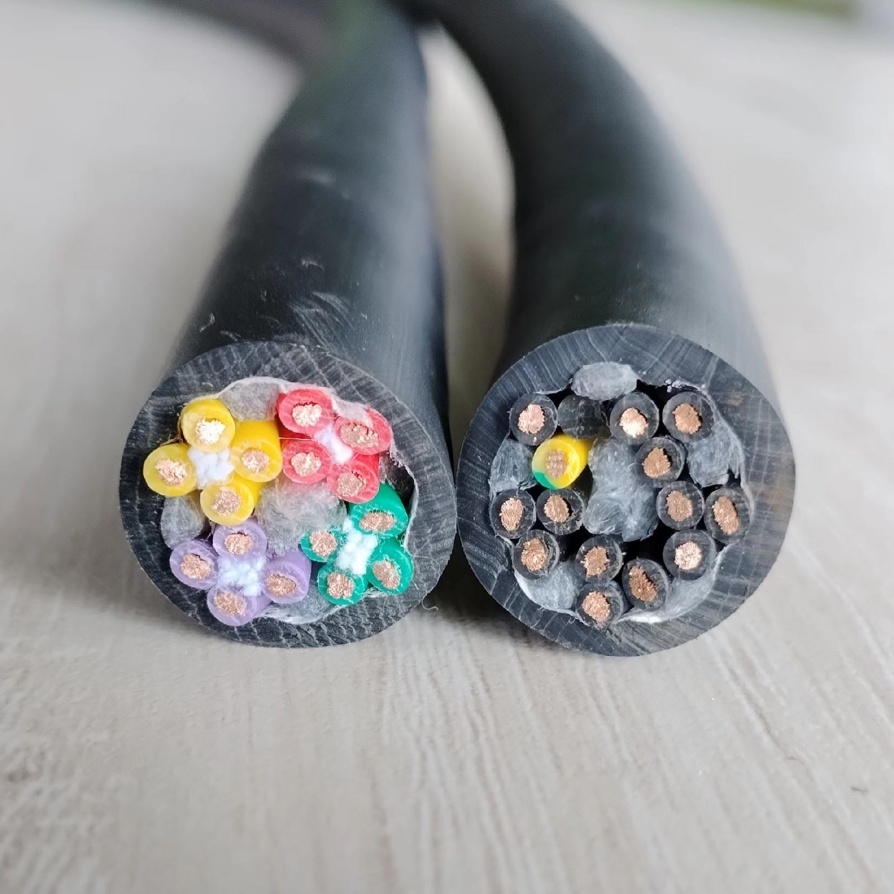
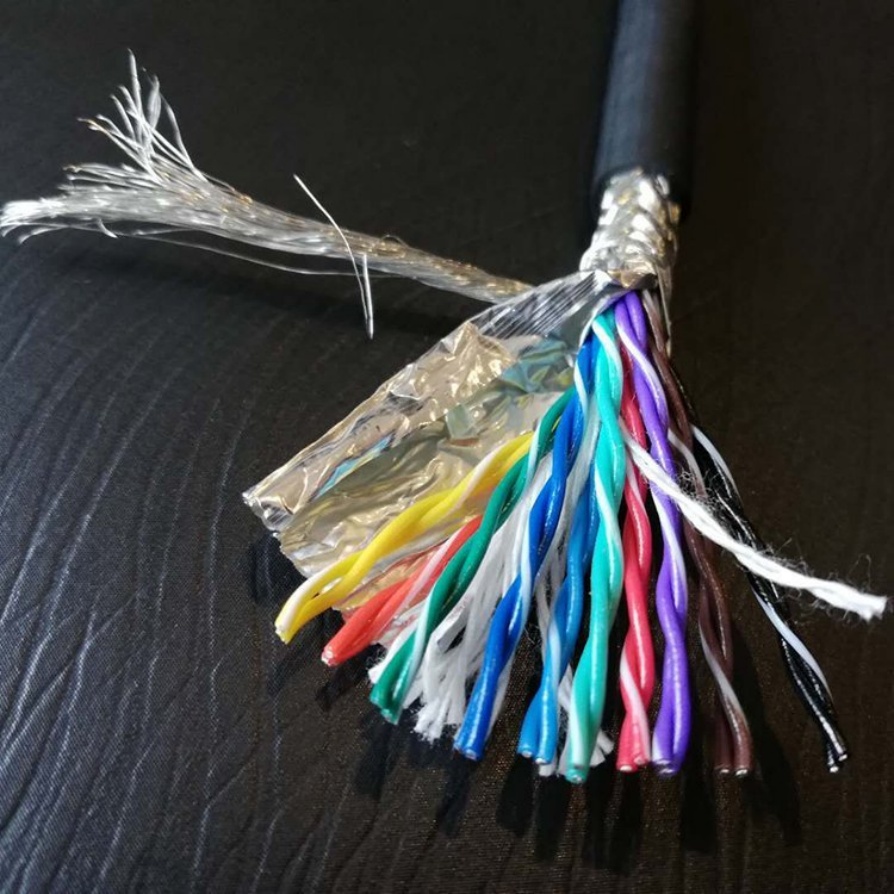
- Pairs: Features 11 individually shielded twisted pairs for data lines, plus additional conductors for control and power.
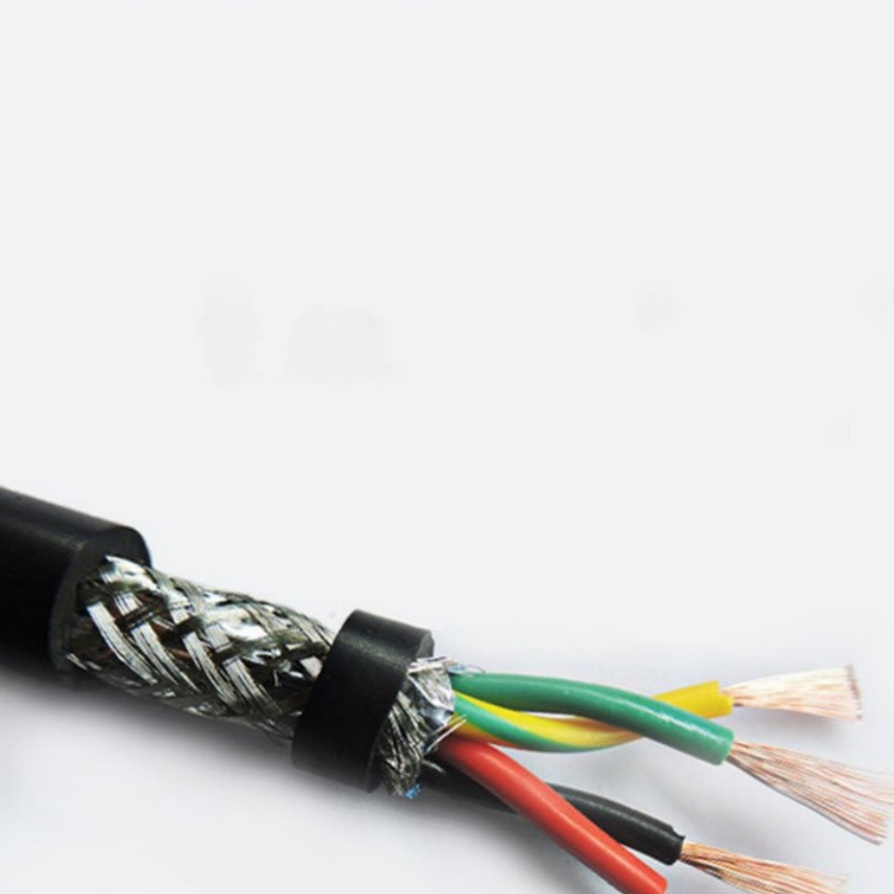
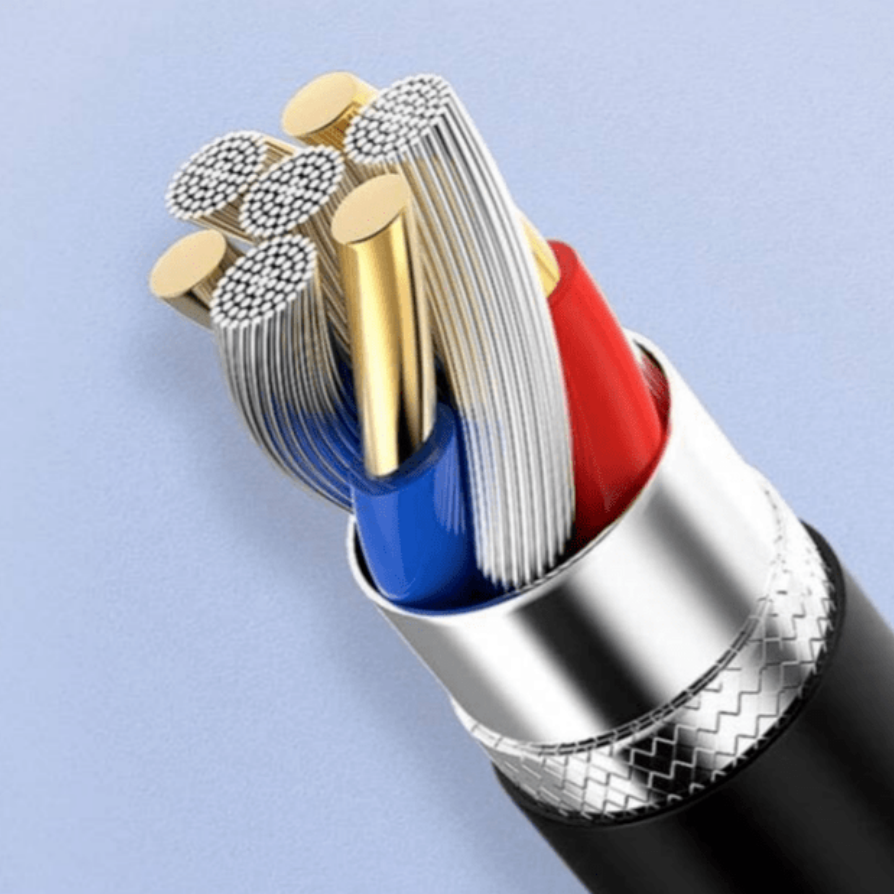
- Shielding: Employs a comprehensive shielding strategy, including individual pair shielding, an overall foil shield, and a braided shield, to minimize electromagnetic interference (EMI) and radio-frequency interference (RFI).
- Jacket: Made from flexible materials like PVC or TPE, rated for industrial environments with a typical diameter of 9–9.5 mm.
- Data Rate and Standards Compliance
- Compliance: Meets or exceeds the Camera Link standard, supporting Base (2.04 Gbit/s), Medium (4.08 Gbit/s), Full (5.44 Gbit/s), and Deca configurations.
- PoCL Support: Many variants support Power over Camera Link (PoCL), allowing the cable to deliver power to the camera, which simplifies cabling in space-constrained setups.
- Mechanical Durability
- Flex Life: High-flex cables are validated for millions of flex cycles, making them suitable for continuous motion in drag chains (tested up to 5 million to 10 million cycles).
- Bending Radius: Features a minimum bending radius, often specified as 4D to 8D (where D is the cable outer diameter), to prevent damage during installation and operation.
- Environmental and Electrical Specs
- Temperature Range: Typically operates from -20°C to +80°C, with some options for extended ranges.
- Certifications: Compliant with RoHS and REACH standards. UL-rated jackets are also common.
Why Use a High-Flex MDR 26-Pin Cable?
- Reliability in Motion In applications like bottling lines or PCB inspection, cables in drag chains are bent and twisted millions of times. Standard cables can fail quickly in these conditions, but high-flex cables are specifically engineered for this abuse, ensuring long-term signal integrity.
- EMI/RFI Immunity Factory floors are electrically noisy. The multi-layer shielding of these cables protects high-speed image data from interference, which is critical for maintaining image quality in applications like semiconductor inspection.
- Simplified System Design With PoCL support, a single high-flex MDR 26-pin cable can deliver both data and power, reducing cable clutter and the number of connectors, which is a major advantage in complex machinery.
- Space-Saving Designs The availability of right-angle MDR connectors allows for clean cable routing in tight spaces behind cameras or in compact vision systems, reducing stress on the cable and improving overall system reliability.
🏭 Common Applications
- Industrial Automation & Factory Automation: For tasks like product inspection, robot guidance, and assembly verification.
- Electronics & PCB Inspection: High-resolution, high-frame-rate imaging in AOI (Automated Optical Inspection) systems.
- Pharmaceutical & Medical Imaging: Reliable data transfer in inspection machines and medical imaging devices.
- Logistics & Packaging: High-speed reading and quality control on conveyor belts.
- Scientific & Traffic Vision: Used in research setups and traffic monitoring systems for high-bandwidth image acquisition.
Customization Options
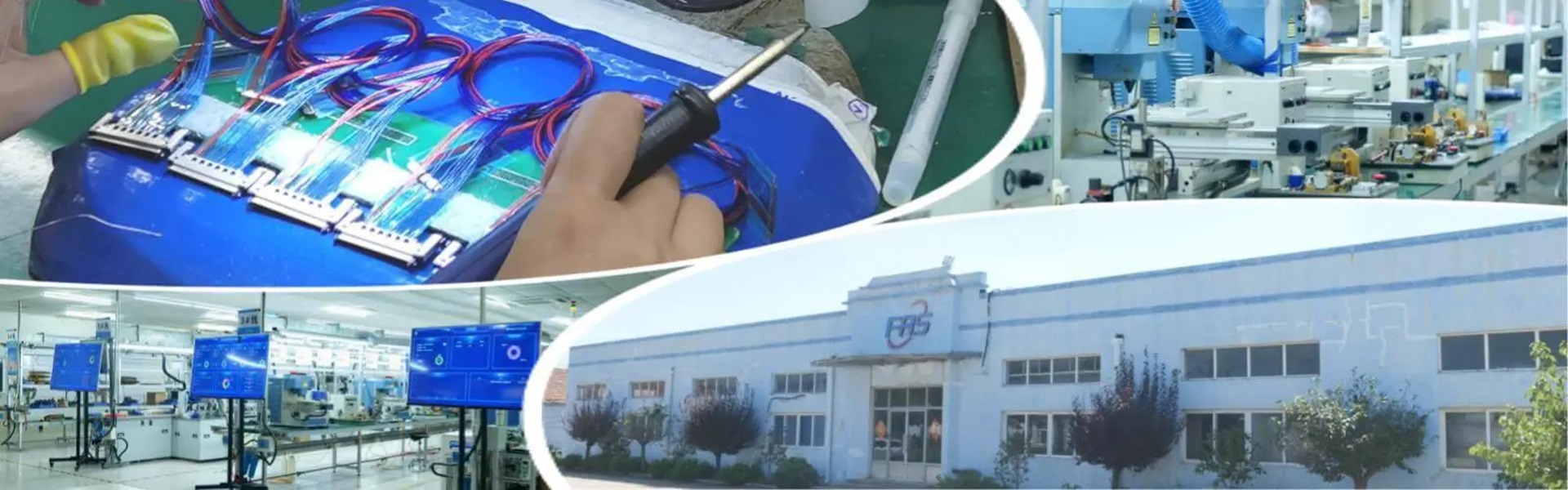
One of the biggest advantages of sourcing directly from a manufacturer is the ability to customize the cable to your exact needs.
- Length: Available in standard lengths (0.5m to 3m) or custom lengths up to 10-15m.
- Connector Configuration: Choose from MDR-to-MDR, MDR-to-SDR, or SDR-to-SDR. Connectors can be straight or right-angled in various orientations.
- Cable Jacket: Select from materials like PVC for general use or TPE for oil-resistant or low-friction applications.
- Shielding & PoCL: Opt for enhanced shielding or integrated PoCL functionality based on your system’s EMI environment and power requirements.
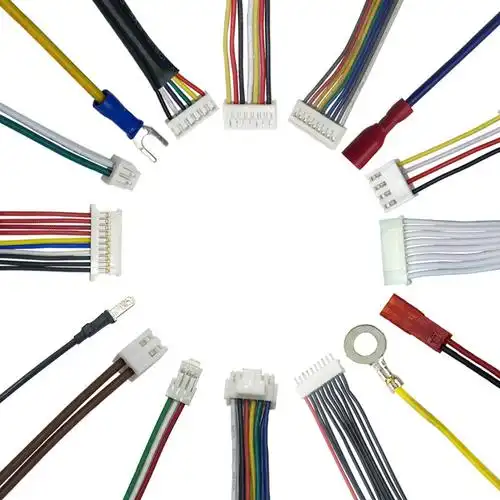
- Special Features: Add ferrite cores, custom labels, or specific color coding for easy identification in complex systems.
How to Choose the Right Cable
- Match the Camera and Frame Grabber: Ensure the connector type (MDR/SDR) and pinout are compatible.
- Define the Operating Environment: Consider temperature, potential oil or chemical exposure, and EMI levels.
- Assess the Motion Profile: For dynamic applications, prioritize high-flex cables validated for drag chain use with a sufficient bending radius.
- Determine Power Needs: If your camera supports PoCL, a PoCL-enabled cable can significantly simplify your setup.
- Plan for Cable Management: Use right-angle connectors and plan cable routing to minimize stress and interference.
Conclusion
The Camera Link cable MDR 26pin high flexis a critical component for any high-performance machine vision system that demands reliability in motion. By understanding its technical features and customization options, you can select the right cable to ensure your system operates flawlessly for years to come.