Does High flex M12 8pin X-code machine vision cable support 10Gbps hi...
In the rapidly evolving field of machine vision, high-speed data transmission is the cornerstone of ensuring real-time image capture, processing, and analysis. As industrial automation, smart manufacturing, and robotics continue to advance, the demand for machine vision systems that can handle large-volume image data with minimal latency has never been higher. Among the key components that determine the performance of these systems is the connection cable, and the High flex M12 8pin X-code machine vision cable has emerged as a popular choice for high-demand applications. A critical question that arises for engineers, procurement professionals, and system integrators is: Does this cable support 10Gbps high-speed transmission? In this comprehensive guide, we will delve into the technical specifications of the High flex M12 8pin X-code cable, explore the principles of high-speed data transmission, and provide a definitive answer to this pressing question—along with valuable insights into its performance, applications, and advantages in machine vision setups.
Understanding the Basics: What is a High flex M12 8pin X-code Machine Vision Cable?
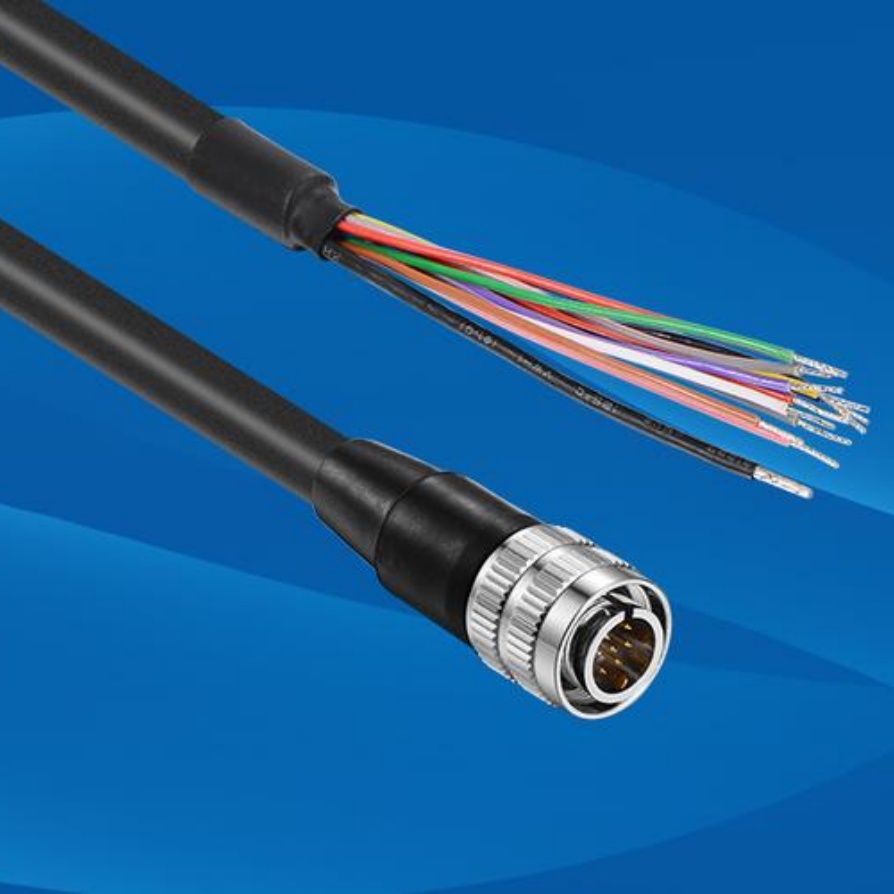
Before addressing the 10Gbps transmission capability, it is essential to understand the core characteristics of the High flex M12 8pin X-code cable and why it is tailored for machine vision applications. The M12 connector standard, defined by IEC 61076-2-101, is widely recognized in industrial environments for its robustness, compact design, and ability to withstand harsh conditions such as vibration, dust, and moisture. The “8pin” designation refers to the number of signal contacts, which is a key factor in supporting high-bandwidth data transfer.
The “X-code” classification is particularly critical for high-speed applications. Unlike other M12 coding types (such as A-code, B-code, or D-code), which are primarily designed for lower-bandwidth signals (e.g., RS-485, Ethernet 10/100BASE-T), X-code is specifically engineered for high-speed Ethernet transmission. It features a shielded twisted-pair (STP) configuration with optimized pair spacing and shielding to minimize electromagnetic interference (EMI) and crosstalk—two major obstacles to high-speed data transfer. Additionally, the “High flex” attribute means the cable is constructed with flexible conductors, specialized insulation, and durable jackets that allow for repeated bending and movement, making it ideal for dynamic machine vision setups (e.g., robotic arms, moving cameras, and automated inspection lines) where cables are subject to continuous flexing.
Machine vision systems rely on the seamless transfer of high-resolution image data (e.g., 4K, 8K, or multi-camera setups) from cameras to processing units. This data transfer requires cables that can handle large bandwidths without signal degradation, and the High flex M12 8pin X-code cable is designed to meet this exact need. But does this translate to support for 10Gbps transmission?
Technical Deep Dive: Can High flex M12 8pin X-code Cables Support 10Gbps?
To answer whether High flex M12 8pin X-code machine vision cables support 10Gbps, we must examine three key factors: the X-code M12 connector’s specifications, the cable’s transmission performance, and compliance with industry standards for high-speed Ethernet.
1. X-code M12 Connector: Built for High-Speed Ethernet
The X-code M12 connector is specifically designed to support 10GBASE-T Ethernet, which is the industry standard for 10Gbps data transmission over twisted-pair cables. Unlike older coding types, X-code connectors feature a 4-pair configuration (matching the 8pin design) that is required for 10GBASE-T. Each pair is shielded individually, and the connector also includes an overall shield to prevent EMI from external sources and reduce crosstalk between pairs. This shielding is critical for maintaining signal integrity at 10Gbps, as higher data rates are more susceptible to interference.
Furthermore, X-code connectors have a precise pinout that aligns with the TIA/EIA-568-B standard for 10GBASE-T, ensuring compatibility with other high-speed Ethernet components (e.g., switches, network interface cards, and machine vision cameras with 10GigE interfaces). The mechanical design of the connector—including its locking mechanism—ensures a secure, vibration-resistant connection, which is essential for maintaining consistent 10Gbps transmission in industrial environments.
2. High Flex Cable Construction: Balancing Flexibility and Transmission Performance
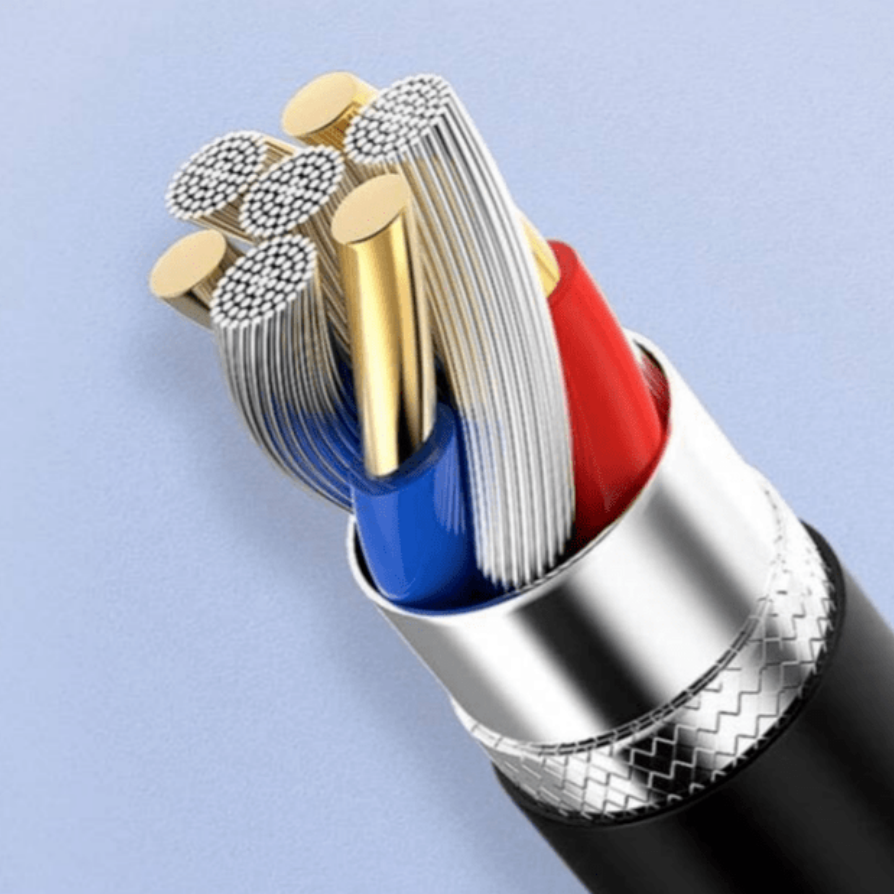
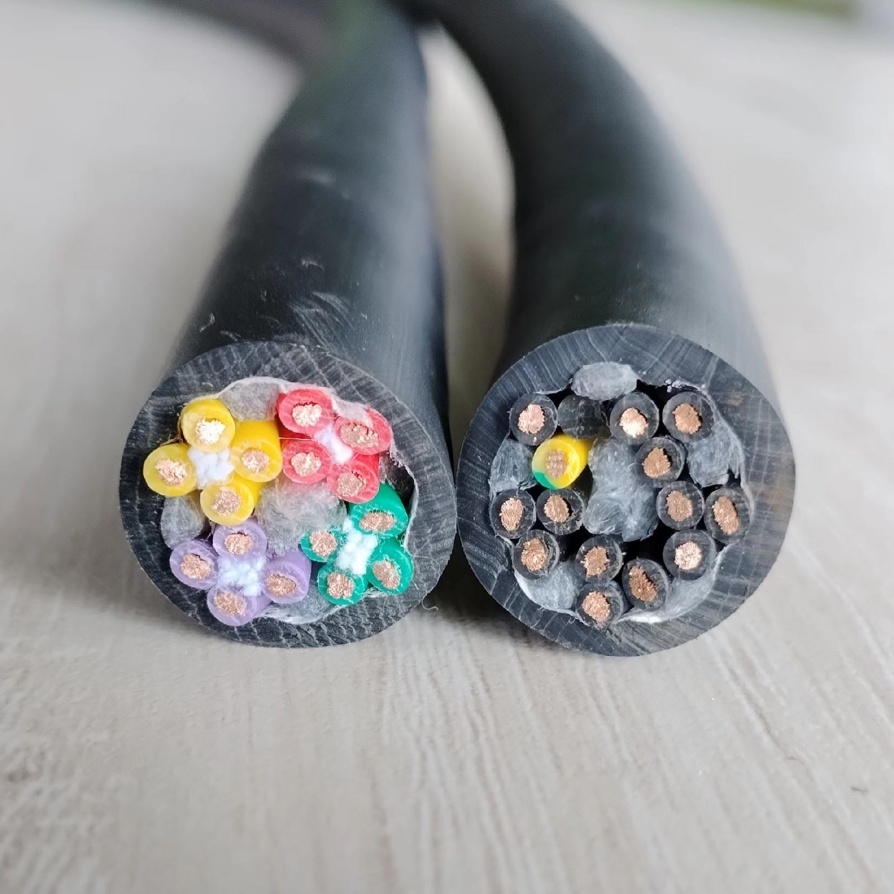
While the X-code connector is 10Gbps-capable, the cable itself must also meet the necessary performance criteria. High flex M12 8pin X-code cables are constructed with high-quality materials to balance flexibility and high-speed transmission:
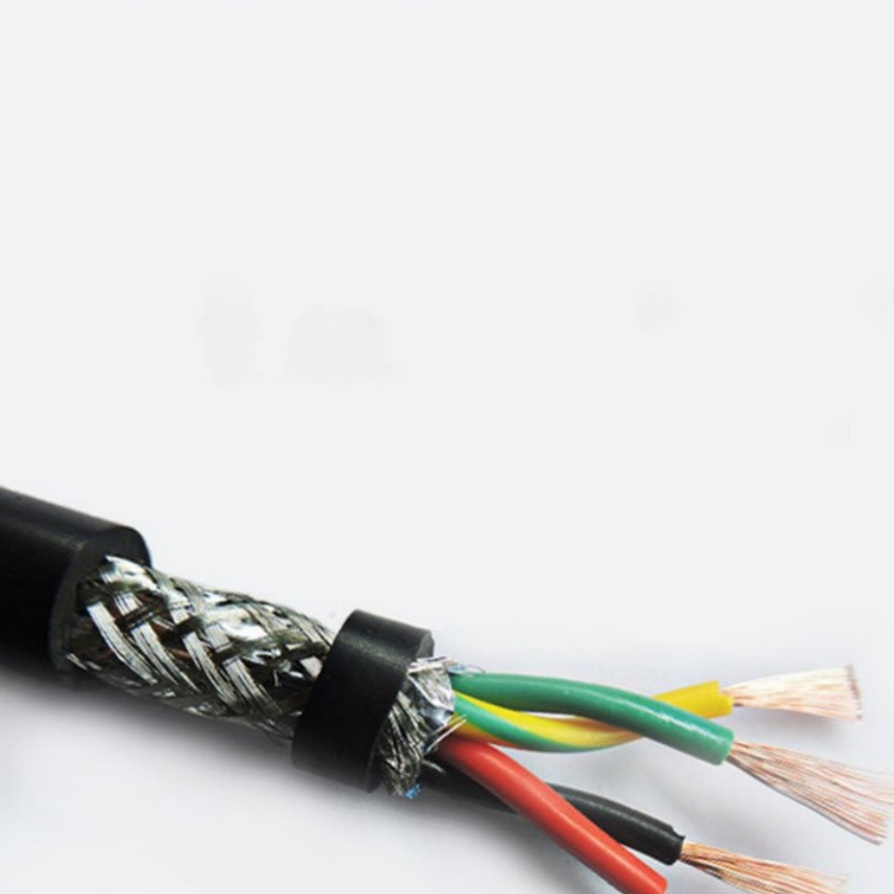
- Conductors: Typically made of oxygen-free copper (OFC) or tinned copper, which offers low resistance and excellent signal conductivity. The conductors are stranded (rather than solid) to enhance flexibility, allowing for repeated bending without breaking.
- Insulation: Uses high-performance materials such as polyethylene (PE) or foamed PE, which have low dielectric constant (Dk) to minimize signal loss (attenuation) at high frequencies.
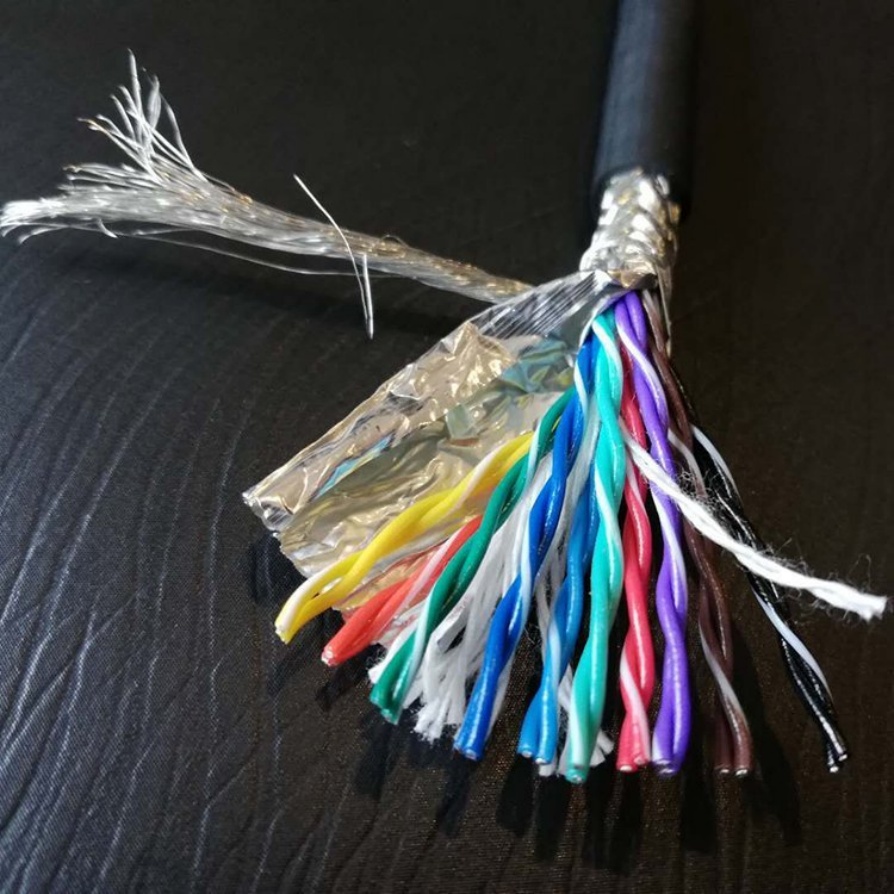
- Shielding: As mentioned earlier, the cable features individual pair shielding (typically aluminum foil) and an overall braided shield (copper or tinned copper). This dual-shielding design effectively blocks EMI and reduces crosstalk, which is crucial for 10Gbps transmission—even in noisy industrial environments with motors, inverters, and other electromagnetic sources.
- Jacket: Made of flexible, durable materials such as PUR (polyurethane) or PVC. PUR is a popular choice for high flex applications because it offers excellent resistance to abrasion, oil, and chemicals, while maintaining flexibility even in low temperatures. The jacket’s design also ensures that the cable can withstand millions of bending cycles without compromising the internal shielding or conductors.
When constructed to these specifications, High flex M12 8pin X-code cables meet the performance requirements for 10GBASE-T, including a maximum attenuation of 24dB at 500MHz (the operating frequency of 10GBASE-T) and a crosstalk (NEXT) of at least -35dB at 500MHz. These values ensure that the cable can transmit 10Gbps data over typical industrial distances (up to 100 meters, depending on the cable grade) without signal degradation.
3. Compliance with Industry Standards
To confirm 10Gbps compatibility, it is important to look for High flex M12 8pin X-code cables that comply with relevant industry standards. The most important standard for 10Gbps twisted-pair cables is Cat6A (Category 6A), which is designed to support 10GBASE-T up to 100 meters. Many high-quality High flex M12 8pin X-code cables are rated as Cat6A or higher (e.g., Cat7), ensuring that they meet the strict transmission requirements for 10Gbps.
Additionally, compliance with IEC 61076-2-101 (for M12 connectors) and IEEE 802.3an (for 10GBASE-T) further validates the cable’s ability to support 10Gbps transmission. These standards ensure that the cable and connector work seamlessly with other 10GigE components, reducing the risk of compatibility issues in machine vision systems.
Why 10Gbps Matters for Machine Vision Applications
Now that we have confirmed that High flex M12 8pin X-code cables support 10Gbps, it is important to understand why this capability is critical for modern machine vision systems. Machine vision applications are increasingly demanding higher resolution, faster frame rates, and more complex image processing—all of which require large amounts of data to be transmitted in real time.
For example:
- High-Resolution Imaging: A 4K machine vision camera (3840 x 2160 pixels) capturing images at 30 frames per second (fps) generates approximately 940 Mbps of data. A multi-camera setup (e.g., 4 cameras) would require over 3.7 Gbps of bandwidth. An 8K camera (7680 x 4320 pixels) at 30 fps generates over 3.7 Gbps per camera—easily exceeding the bandwidth of lower-speed cables (e.g., Cat5e, which supports up to 1 Gbps).
- High-Speed Inspection: In automated manufacturing lines (e.g., automotive, electronics), machine vision systems must inspect hundreds or thousands of parts per minute. This requires cameras with high frame rates (e.g., 100 fps or higher), which significantly increases data throughput. 10Gbps transmission ensures that this data is transferred without latency, preventing bottlenecks that could slow down the production line.
- Real-Time Processing: Many machine vision systems rely on edge computing or cloud-based processing, which requires instant data transfer to processing units. Latency in data transmission can lead to delayed decisions (e.g., failing to detect a defective part in time), which can be costly in industrial settings. 10Gbps transmission minimizes latency, ensuring that image data is processed in real time.
In dynamic machine vision setups (e.g., robotic arms with mounted cameras), the High flex attribute of the cable is just as important as 10Gbps capability. Traditional rigid cables would break or degrade quickly under repeated bending, leading to system downtime. High flex M12 8pin X-code cables solve this problem by combining 10Gbps high-speed transmission with the flexibility to withstand continuous movement—making them ideal for these demanding applications.
Key Considerations When Choosing a High flex M12 8pin X-code Cable for 10Gbps Transmission
While High flex M12 8pin X-code cables are capable of 10Gbps transmission, not all cables are created equal. To ensure optimal performance, there are several key factors to consider when selecting a cable for your machine vision system:
1. Cable Grade (Cat6A vs. Cat7)
Cat6A cables are the minimum requirement for 10GBASE-T up to 100 meters. They offer excellent attenuation and crosstalk performance, making them suitable for most industrial applications. Cat7 cables, on the other hand, offer even better shielding (typically double braided) and lower crosstalk, making them ideal for extremely noisy environments (e.g., near large motors or power lines) or applications that require longer transmission distances (though 10GBASE-T is limited to 100 meters regardless of cable grade).
2. Flex Life Rating
The flex life rating (measured in bending cycles) indicates how many times the cable can be bent without failing. For dynamic machine vision applications (e.g., robotic arms), look for cables with a flex life of at least 10 million cycles (preferably 20 million or more). This ensures that the cable will last for years without requiring replacement, reducing maintenance costs and downtime.
3. Environmental Resistance
Industrial environments can be harsh, so it is important to choose a cable with a jacket that is resistant to abrasion, oil, chemicals, and extreme temperatures. PUR jackets are generally the best choice for these conditions, as they offer superior durability compared to PVC. Additionally, look for cables with an IP rating (e.g., IP67) to ensure they are dust-tight and water-resistant.
4. Connector Quality
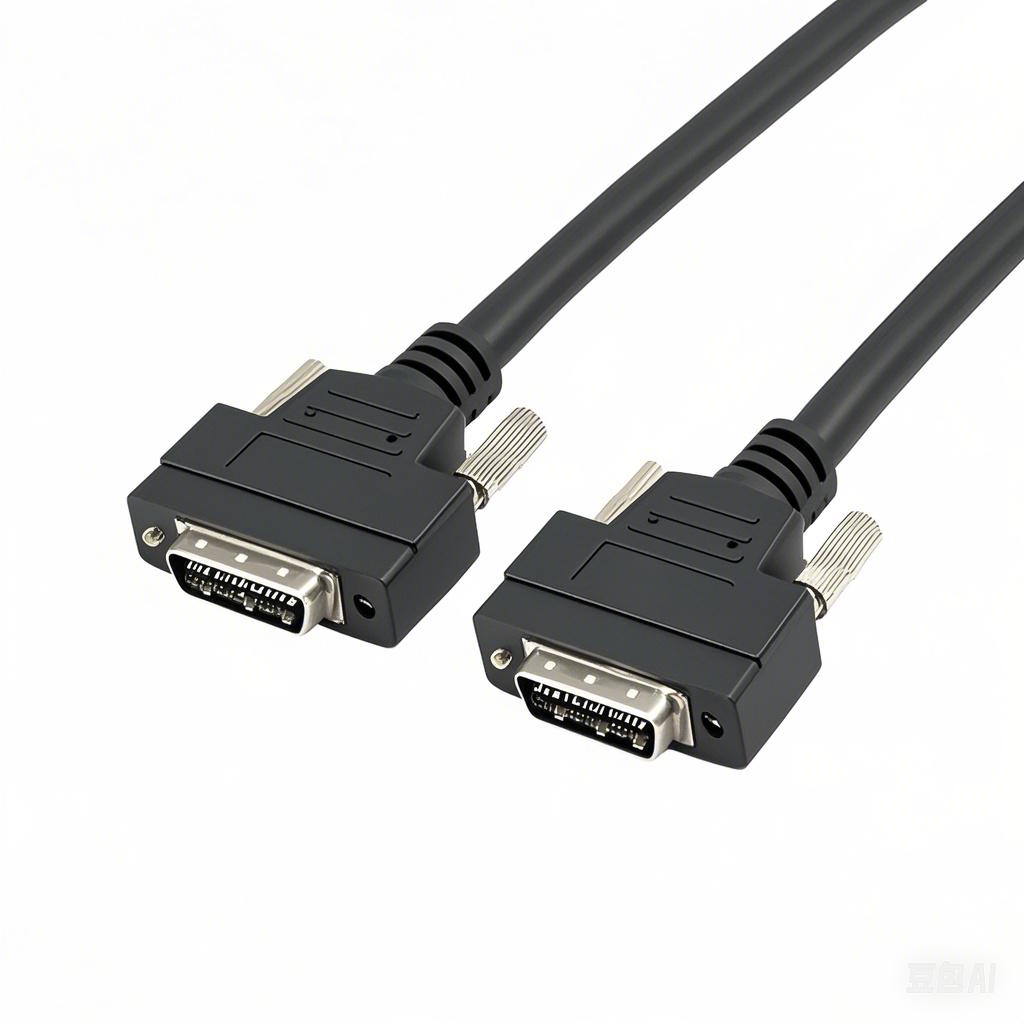
The connector is just as important as the cable for 10Gbps transmission. Ensure that the M12 X-code connector is made of high-quality materials (e.g., nickel-plated brass) and features a secure locking mechanism (e.g., bayonet lock) to prevent accidental disconnection. Additionally, look for connectors with gold-plated contacts, which offer better conductivity and corrosion resistance than silver or tin-plated contacts.
5. Compatibility with Your Machine Vision Components
Before purchasing a High flex M12 8pin X-code cable, verify that it is compatible with your machine vision camera, switch, and processing unit. Most modern machine vision cameras with 10GigE interfaces support M12 X-code connectors, but it is always best to check the manufacturer’s specifications to avoid compatibility issues.
Real-World Applications of High flex M12 8pin X-code Cables in 10Gbps Machine Vision Systems
To illustrate the practical value of High flex M12 8pin X-code cables for 10Gbps transmission, let’s explore some real-world applications where they are making a difference:
1. Automotive Manufacturing
In automotive assembly lines, machine vision systems are used to inspect welds, paint quality, and component placement. These systems often use multiple high-resolution cameras mounted on robotic arms to capture 360-degree views of vehicle parts. High flex M12 8pin X-code cables transmit 10Gbps data from the cameras to processing units, ensuring that defects are detected in real time. The cable’s flexibility allows the robotic arms to move freely without cable damage, while 10Gbps transmission ensures that high-volume image data is processed quickly—keeping the assembly line running efficiently.
2. Electronics Inspection
Electronic components (e.g., circuit boards, microchips) require precise inspection to ensure they meet quality standards. Machine vision systems with high-speed cameras (up to 1000 fps) are used to detect tiny defects (e.g., soldering errors, missing components). These systems generate massive amounts of data, which requires 10Gbps transmission to avoid latency. High flex M12 8pin X-code cables are ideal for these applications because they can handle the high bandwidth while withstanding the continuous movement of the inspection equipment. Additionally, their shielding ensures that data transmission is not affected by the electromagnetic interference from nearby electronic components.
3. Food and Beverage Packaging
In food and beverage manufacturing, machine vision systems are used to inspect packaging for defects (e.g., missing labels, seal gaps) and ensure product quality. These systems often operate in high-speed production lines (up to 1000 packages per minute) and require real-time data transmission. High flex M12 8pin X-code cables support 10Gbps transmission, ensuring that image data from multiple cameras is processed instantly. The cable’s resistance to moisture, oil, and chemicals (thanks to its PUR jacket) makes it suitable for the harsh, wet environments common in food and beverage facilities.
4. Logistics and Warehouse Automation
Logistics and warehouse operations rely on machine vision systems for barcode scanning, package sorting, and inventory management. These systems use high-resolution cameras mounted on automated guided vehicles (AGVs) or conveyor belts to capture image data. High flex M12 8pin X-code cables transmit 10Gbps data from the cameras to central processing units, ensuring that packages are sorted quickly and accurately. The cable’s flexibility allows AGVs to move freely without cable tangling or damage, while its shielding ensures reliable data transmission in noisy warehouse environments (e.g., near forklifts, conveyor motors).
Common Myths and Misconceptions About High flex M12 8pin X-code Cables and 10Gbps Transmission
There are several common myths and misconceptions about High flex M12 8pin X-code cables and their ability to support 10Gbps transmission. Let’s debunk some of the most prevalent ones:
Myth 1: “High flex cables cannot support 10Gbps because flexibility compromises shielding.”
Fact: While it is true that some low-quality high flex cables may have inferior shielding, premium High flex M12 8pin X-code cables are designed with dual shielding (individual pair foil + overall braid) that maintains signal integrity even when flexed. The shielding is engineered to be flexible, using stranded conductors and flexible foil materials that do not crack or break under repeated bending. When constructed to Cat6A or Cat7 standards, these cables offer the same shielding performance as rigid cables—making them fully capable of 10Gbps transmission.
Myth 2: “M12 connectors are only for low-speed applications.”
Fact: This is true for older M12 coding types (e.g., A-code, B-code), but X-code M12 connectors are specifically designed for high-speed Ethernet. They feature a 4-pair configuration, optimized pinout, and robust shielding that supports 10GBASE-T. X-code is quickly becoming the standard for industrial high-speed Ethernet applications, including machine vision, because of its compact size and durability.
Myth 3: “10Gbps transmission requires fiber optic cables, not twisted-pair.”
Fact: While fiber optic cables are ideal for long-distance 10Gbps transmission (over 100 meters), 10GBASE-T twisted-pair cables (such as Cat6A) support 10Gbps up to 100 meters—which is more than sufficient for most industrial machine vision applications. Twisted-pair cables (like High flex M12 8pin X-code) are also more cost-effective, easier to install, and more flexible than fiber optic cables, making them a better choice for dynamic industrial environments.
Conclusion: High flex M12 8pin X-code Cables Are a Reliable Choice for 10Gbps Machine Vision Transmission
To answer the original question: Yes, High flex M12 8pin X-code machine vision cables do support 10Gbps high-speed transmission—provided they are constructed to industry standards (e.g., Cat6A, IEC 61076-2-101) and feature high-quality shielding, conductors, and connectors. The X-code M12 connector’s 4-pair design, optimized for 10GBASE-T, combined with the cable’s high flex construction and dual shielding, makes it an ideal choice for modern machine vision systems that require both high-speed data transfer and flexibility.
Whether you are designing a high-resolution multi-camera setup for automotive inspection, a high-speed packaging line for food and beverage manufacturing, or an automated warehouse system for logistics, High flex M12 8pin X-code cables offer the reliability, performance, and durability needed to support 10Gbps transmission in even the harshest industrial environments. By choosing a high-quality cable that meets Cat6A or higher standards, you can ensure that your machine vision system operates with minimal latency, maximum uptime, and consistent performance—helping you achieve your automation and quality control goals.
When selecting a High flex M12 8pin X-code cable for 10Gbps transmission, remember to prioritize cable grade, flex life, environmental resistance, connector quality, and compatibility with your existing components. By doing so, you can invest in a cable that will not only support 10Gbps but also stand the test of time in your machine vision application.