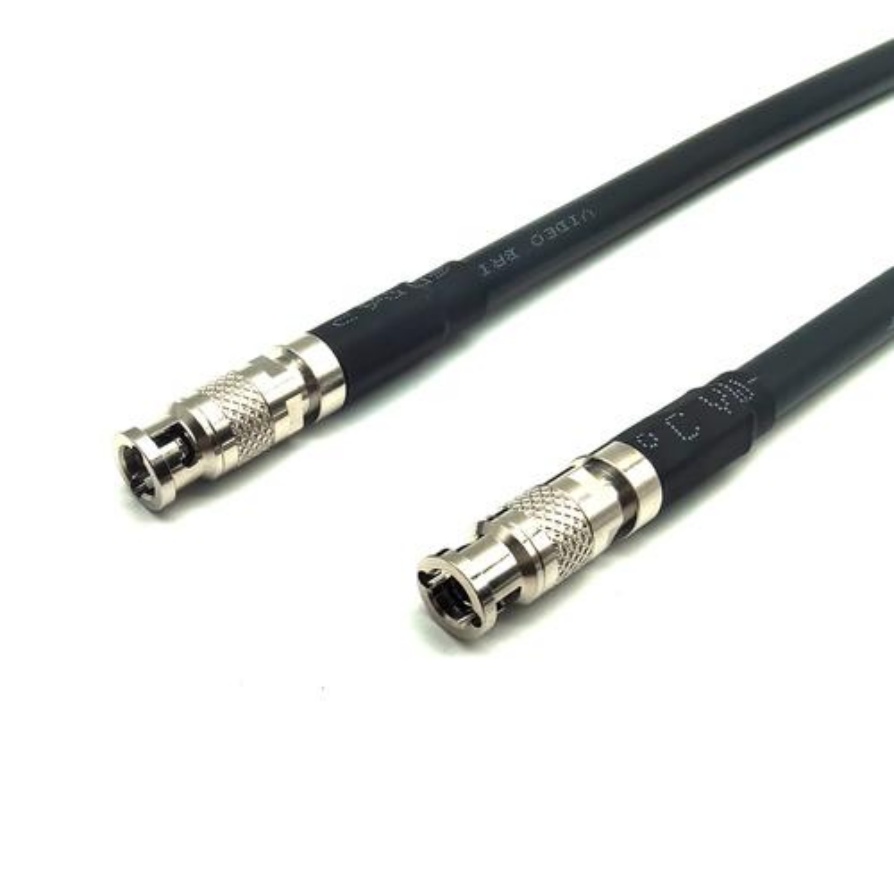
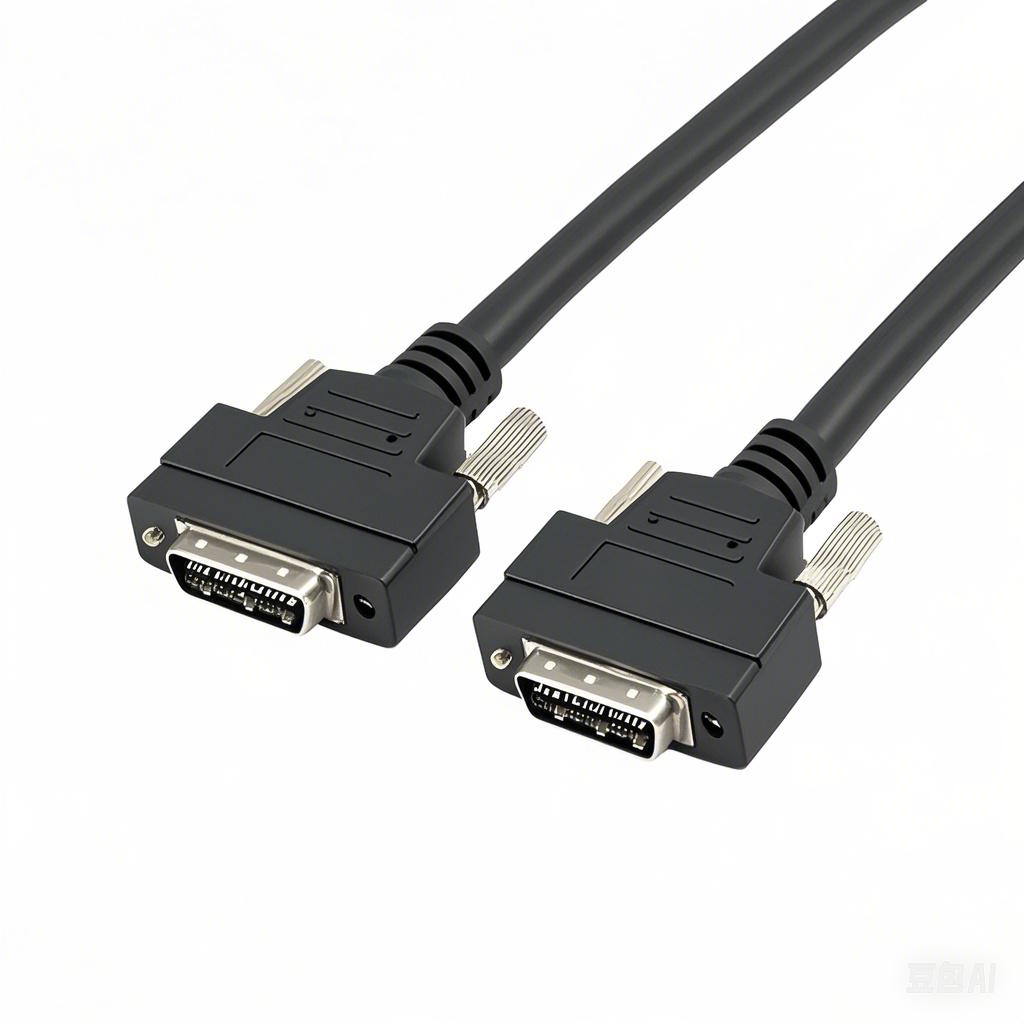
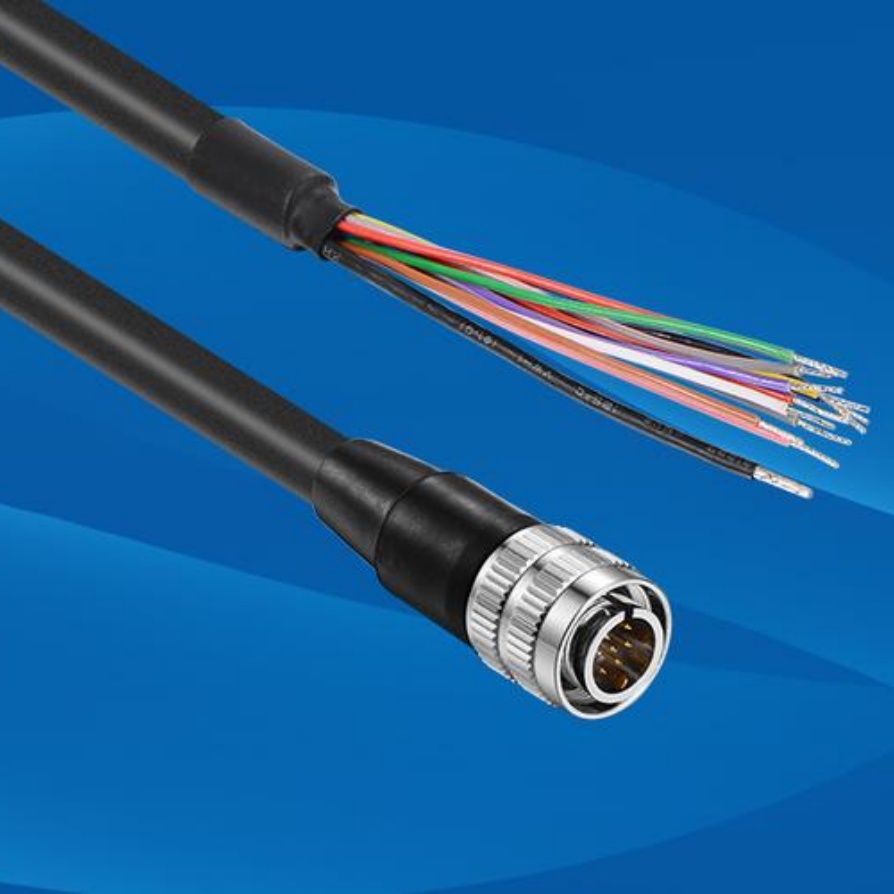
EMI Resistant Vision Cable: The Ultimate Solution for Uninterrupted V...
In today’s digital age, where high-definition visual transmission is the backbone of countless industries—from broadcasting and healthcare to automotive and industrial automation—the quality and reliability of vision cables have never been more critical. However, one persistent challenge that plagues traditional vision cables is Electromagnetic Interference (EMI). EMI, caused by external electromagnetic fields from power lines, machinery, wireless devices, and other electronic equipment, can distort signals, leading to pixelation, color bleeding, signal dropouts, and even complete transmission failure. This is where EMI resistant vision cables step in as a game-changing solution, ensuring crystal-clear, uninterrupted visual data transfer even in the most interference-prone environments.
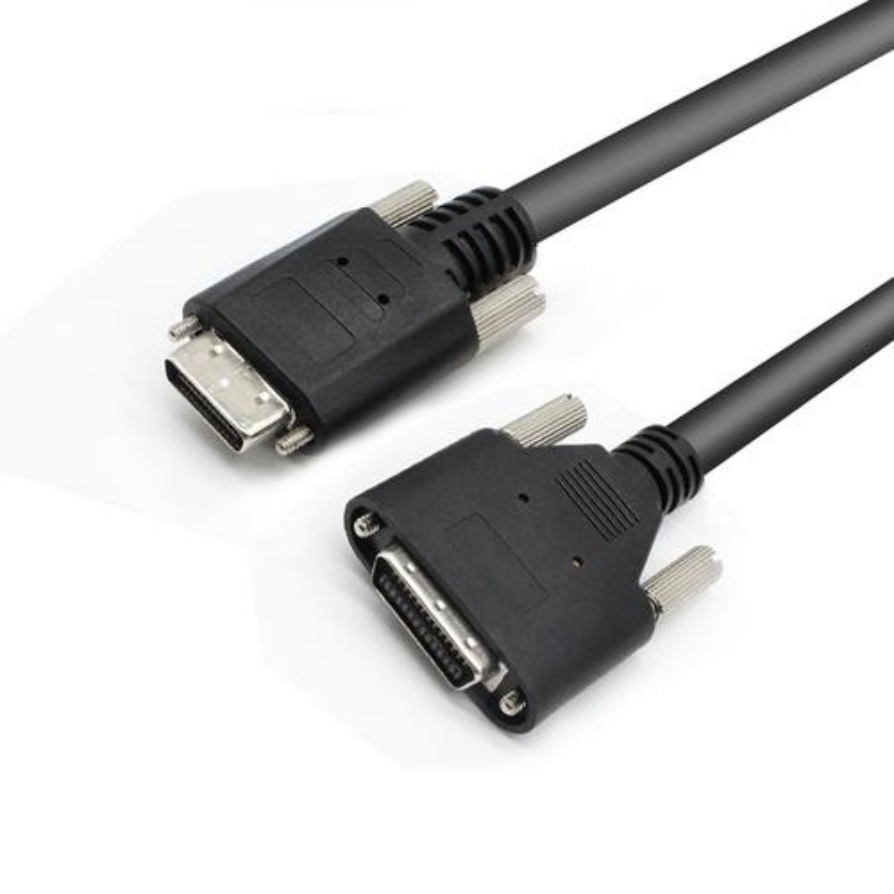
But what exactly is an EMI resistant vision cable, and why is it indispensable for modern applications? Unlike standard vision cables that lack robust shielding against electromagnetic disturbances, EMI resistant vision cables are engineered with advanced materials and design features to mitigate the impact of EMI. These cables are not just a “nice-to-have” accessory; they are a necessity for businesses and industries where visual data accuracy and consistency directly affect operational efficiency, safety, and bottom-line performance.
Understanding EMI: The Hidden Threat to Visual Transmission
Before delving into the specifics of EMI resistant vision cables, it’s essential to grasp the nature of EMI and its consequences. Electromagnetic interference occurs when electromagnetic radiation from one device disrupts the operation of another. In the context of vision cables, which carry analog or digital visual signals (such as HDMI, DisplayPort, SDI, or Camera Link), EMI can infiltrate the cable’s conductor and alter the signal waveform.
For example, in a broadcast studio, where multiple cameras, lighting equipment, and wireless microphones are in use, standard vision cables might pick up interference from nearby power cables or radio frequencies, resulting in a grainy or distorted feed during live broadcasts. In a medical setting, such as an operating room with MRI machines or surgical robots, EMI could corrupt the video signal from endoscopic cameras, putting patient safety at risk. In industrial automation, factory floors are filled with heavy machinery, motors, and variable frequency drives (VFDs)—all major sources of EMI. A compromised vision signal here could lead to errors in quality control systems, causing defective products to pass through or halting production lines altogether.
The cost of EMI-related issues is substantial. According to industry reports, businesses lose billions annually due to downtime, equipment damage, and rework caused by electromagnetic interference. This is why investing in EMI resistant vision cables is not just a preventive measure but a strategic one that safeguards operations and ensures consistent performance.
Key Features of High-Quality EMI Resistant Vision Cables
Not all EMI resistant vision cables are created equal. The effectiveness of these cables depends on the quality of their design, materials, and manufacturing processes. Below are the critical features that define a top-tier EMI resistant vision cable:
1. Advanced Shielding Technologies
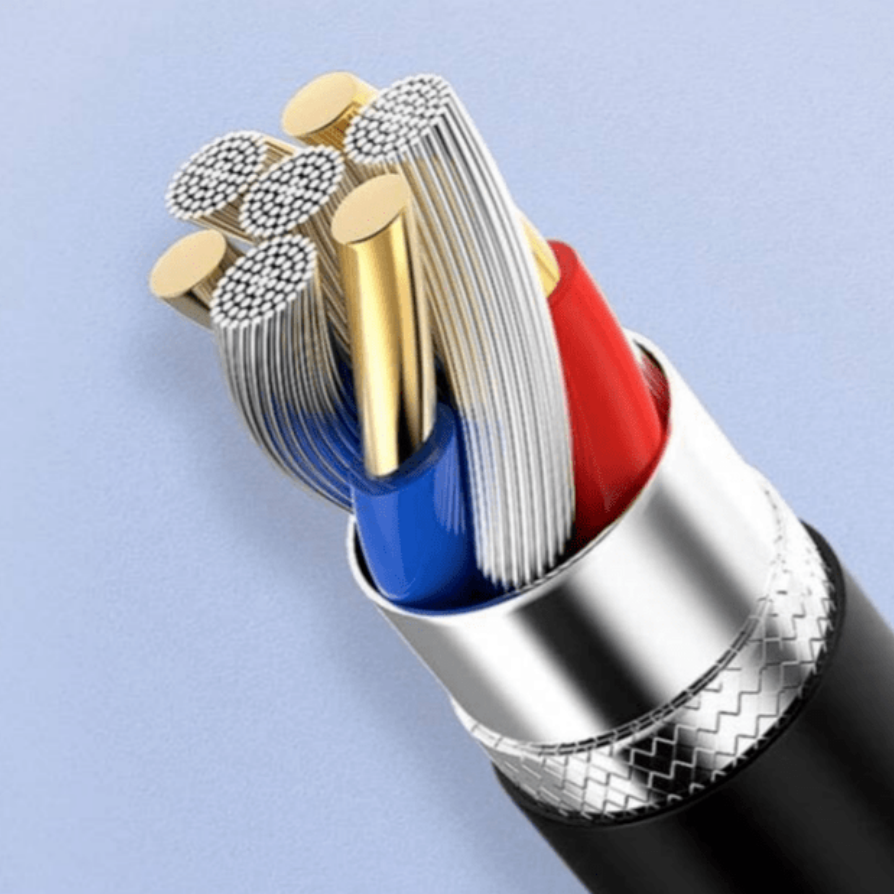
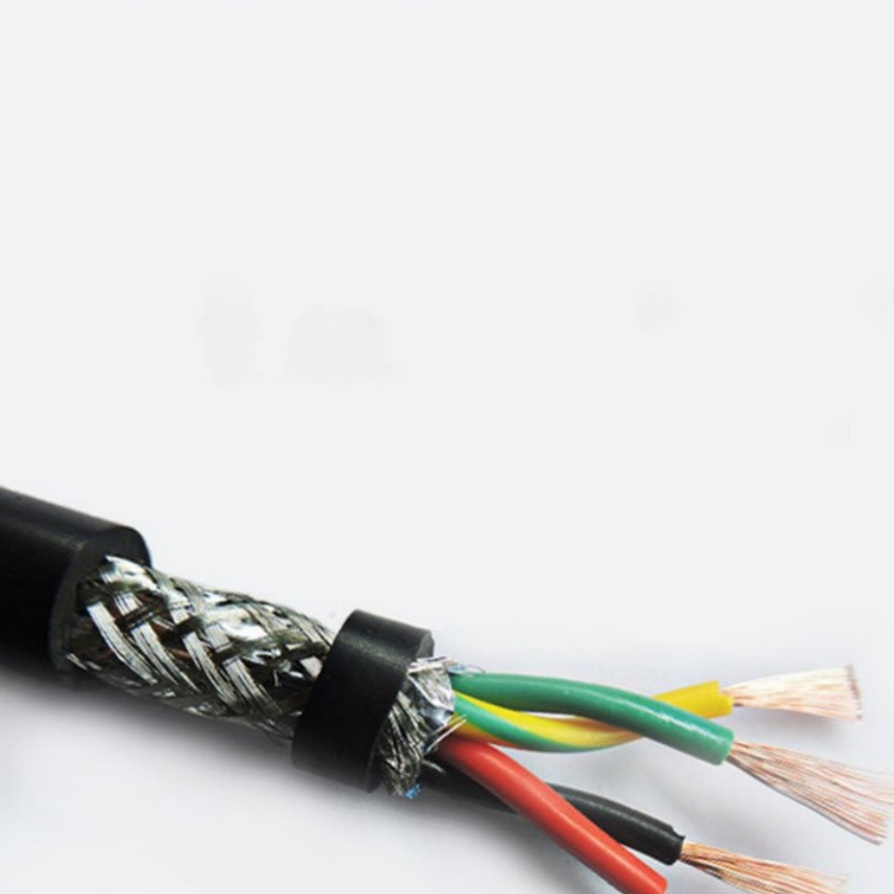
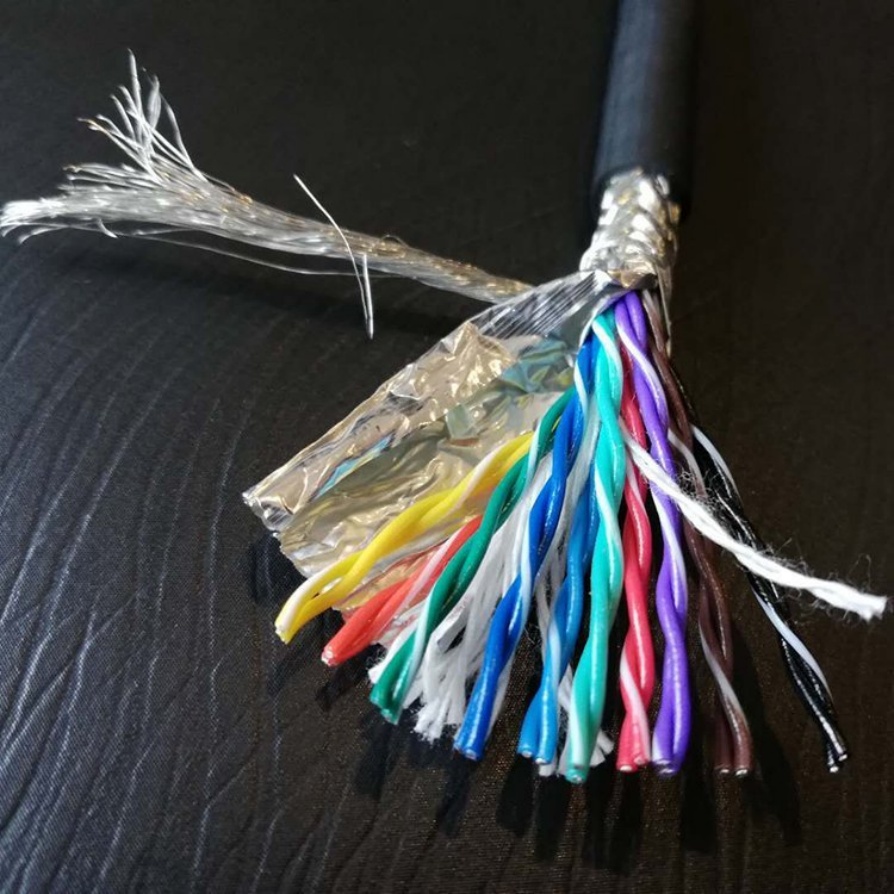
The primary defense against EMI is shielding. High-performance EMI resistant vision cables typically use multi-layer shielding to block both conducted and radiated EMI. Common shielding materials include:
- Aluminum Foil Shielding: A thin layer of aluminum foil wrapped around the cable’s conductors to reflect electromagnetic waves.
- Braided Shielding: A mesh of copper or tinned copper wires that provides 360° coverage, offering superior protection against low-frequency EMI and physical damage.
- Dual Shielding (Foil + Braided): Combining both foil and braided shielding for maximum protection against a wide range of EMI frequencies. This is the gold standard for high-interference environments.
- Carbon-Based Shielding: Some advanced cables use carbon-infused materials to absorb EMI, complementing metallic shielding for even better performance.
The shielding coverage percentage is also crucial. A braided shield with 95%+ coverage ensures minimal gaps for EMI to penetrate, while foil shielding with a drain wire helps channel any absorbed interference to ground, preventing it from affecting the signal.
2. Low-Capacitance and Impedance Matching
EMI resistance isn’t just about shielding—it also involves optimizing the cable’s electrical properties. High capacitance can cause signal degradation over long distances, while impedance mismatches can lead to signal reflections, which manifest as ghosting or signal loss. Premium EMI resistant vision cables are designed with precise impedance matching (e.g., 75Ω for coaxial vision cables, 100Ω for twisted-pair cables) and low capacitance to ensure signals travel farther without distortion, even in the presence of EMI.
3. Durable, High-Quality Conductors
The conductor is the heart of any vision cable. EMI resistant vision cables use high-purity copper conductors (often oxygen-free copper, or OFC) that offer low resistance and excellent signal conductivity. OFC minimizes signal loss and reduces the cable’s susceptibility to EMI by maintaining a consistent signal path. Some cables also use stranded conductors instead of solid ones, providing flexibility for installations in tight spaces while preserving signal integrity.
4. Robust Jacketing Materials
The outer jacket of the cable not only protects against physical damage (such as abrasion, moisture, and chemicals) but also contributes to EMI resistance. Jackets made from materials like PVC, PE, or TPE (thermoplastic elastomer) are resistant to environmental factors and help contain any internal EMI, preventing the cable itself from becoming a source of interference for other devices.
Applications of EMI Resistant Vision Cables Across Industries
EMI resistant vision cables are versatile and find applications in a wide range of industries where reliable visual transmission is non-negotiable. Let’s explore some of the key sectors that benefit from these cables:
1. Broadcasting and Media Production
Broadcasting studios, live event venues, and film sets are hotbeds of electromagnetic activity. With multiple cameras, lighting rigs, audio equipment, and wireless transmitters operating simultaneously, EMI is a constant threat. EMI resistant vision cables (such as SDI or HDMI cables with dual shielding) ensure that live feeds, post-production edits, and video transmissions remain crisp and free from interference. This is critical for maintaining the professional quality that viewers expect from TV networks, streaming platforms, and live events.
2. Healthcare and Medical Imaging
In healthcare, accuracy is a matter of life and death. Medical imaging devices like MRI machines, CT scanners, ultrasound equipment, and endoscopic cameras rely on vision cables to transmit high-resolution images to monitors. EMI from medical equipment or nearby power sources can distort these images, leading to misdiagnoses or surgical errors. EMI resistant vision cables with high shielding effectiveness are used to ensure that medical professionals receive clear, unaltered visual data, enabling them to make informed decisions and provide safe patient care.
3. Industrial Automation and Manufacturing
Factory floors and manufacturing plants are challenging environments for vision cables. Heavy machinery, motors, VFDs, and welding equipment generate intense EMI. Vision systems are used for quality control (e.g., inspecting product defects), robotics (e.g., guiding assembly robots), and surveillance. EMI resistant vision cables ensure that these systems operate reliably, reducing downtime, minimizing product waste, and improving overall productivity. For example, in an automotive assembly line, a vision camera connected via an EMI resistant cable can accurately detect flaws in paint jobs or component alignments, preventing defective cars from rolling off the line.
4. Automotive and Transportation
Modern vehicles are equipped with an increasing number of electronic systems, including infotainment displays, rearview cameras, ADAS (Advanced Driver Assistance Systems), and navigation units. The engine, alternator, and other electrical components in cars generate EMI, which can disrupt the signals from these systems. EMI resistant vision cables are used to connect cameras and displays in vehicles, ensuring that drivers receive clear visuals (e.g., from backup cameras) and that ADAS features (such as lane departure warning systems) function correctly, enhancing road safety.
5. Security and Surveillance
Security cameras in public spaces, commercial buildings, and critical infrastructure (such as airports and power plants) need to transmit clear video feeds 24/7. EMI from streetlights, power lines, or other electronic devices can cause video distortion or signal dropouts, leaving blind spots in surveillance coverage. EMI resistant vision cables (especially those used for IP cameras or analog CCTV systems) ensure that security footage is reliable and usable, helping law enforcement and security personnel monitor and respond to incidents effectively.
Why Choose FRS for Your EMI Resistant Vision Cable Needs?
When it comes to EMI resistant vision cables, not all manufacturers deliver the same level of quality and performance. FRS Company stands out as a trusted partner for businesses worldwide, offering premium EMI resistant vision cables that are engineered to meet the most demanding industry standards.
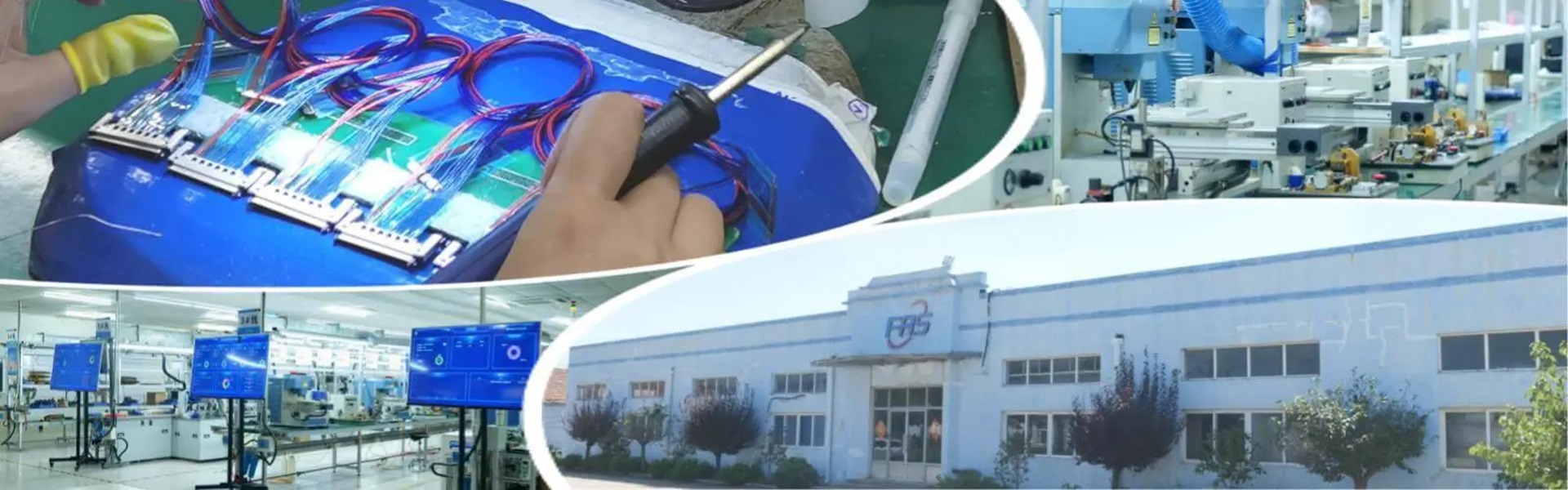
At FRS, we understand that every application has unique requirements, which is why we don’t just produce off-the-shelf cables—we collaborate with our clients to develop customized solutions tailored to their specific needs. Our EMI resistant vision cables are manufactured using the highest quality materials, including oxygen-free copper conductors, dual-layer foil and braided shielding, and durable jacketing materials that withstand harsh environments. We adhere to strict quality control processes, from raw material sourcing to final testing, ensuring that every cable meets or exceeds international standards for EMI shielding effectiveness, signal integrity, and durability.
What sets FRS apart is our commitment to innovation and customer satisfaction. Our team of experienced engineers stays at the forefront of cable technology, continuously研发 new shielding techniques and design improvements to address emerging EMI challenges. Whether you need cables for a broadcast studio, a medical facility, an industrial plant, or an automotive application, FRS has the expertise and capabilities to deliver solutions that ensure uninterrupted visual transmission, reduce downtime, and protect your investments.
We also pride ourselves on our fast turnaround times and global distribution network, ensuring that our clients receive their orders on time, no matter where they are located. Our after-sales support team is always available to assist with installation guidance, troubleshooting, and any other questions you may have, making FRS a reliable partner for all your vision cable needs.
In a world where EMI is an ever-present threat to visual transmission, FRS’s EMI resistant vision cables are the ultimate solution for businesses that refuse to compromise on quality and reliability. Choose FRS, and experience the difference that premium, purpose-built cables can make for your operations.