Ethernet Machine Vision Cable | Gigabit Vision Compatible
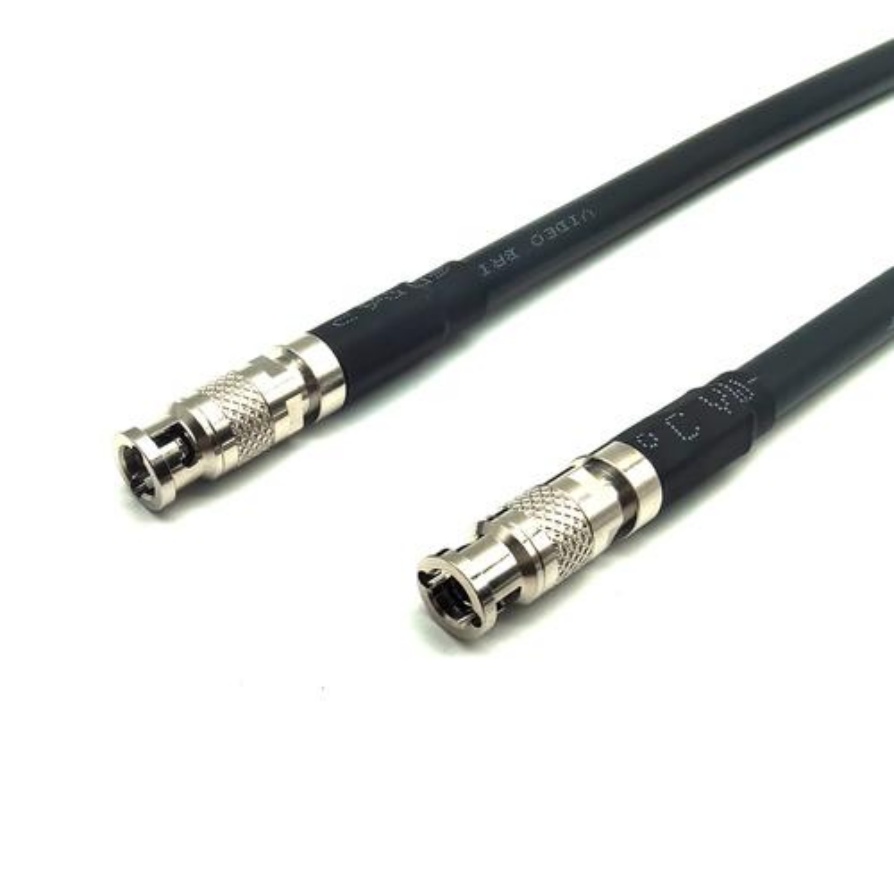
In high-performance machine vision, the physical layer is often the silent bottleneck. While engineers obsess over sensors, FPGAs, and frame grabbers, the cable connecting the camera to the host is frequently an afterthought—until dropped frames, EMI noise, or intermittent links appear. For Gigabit Vision and GigE Vision systems, the Micro Coaxial Cableis increasingly the interconnect of choice, offering a blend of high bandwidth, mechanical flexibility, and robust EMI shielding that standard twisted-pair or bulky Camera Link cables struggle to match.
This article explores the role of micro coaxial cable in Ethernet-based machine vision, its technical advantages, and how to select and deploy it for reliable Gigabit Vision performance.
The Role of Micro Coaxial Cable in Machine Vision
Machine vision cables fall into two main categories:
- Protocol Cables: Such as GigE Vision over Cat5e/Cat6, CoaXPress over coax, or Camera Link over multi-coax/fiber.
- Physical Layer Cables: The actual conductors and shielding that carry high-speed signals between modules.
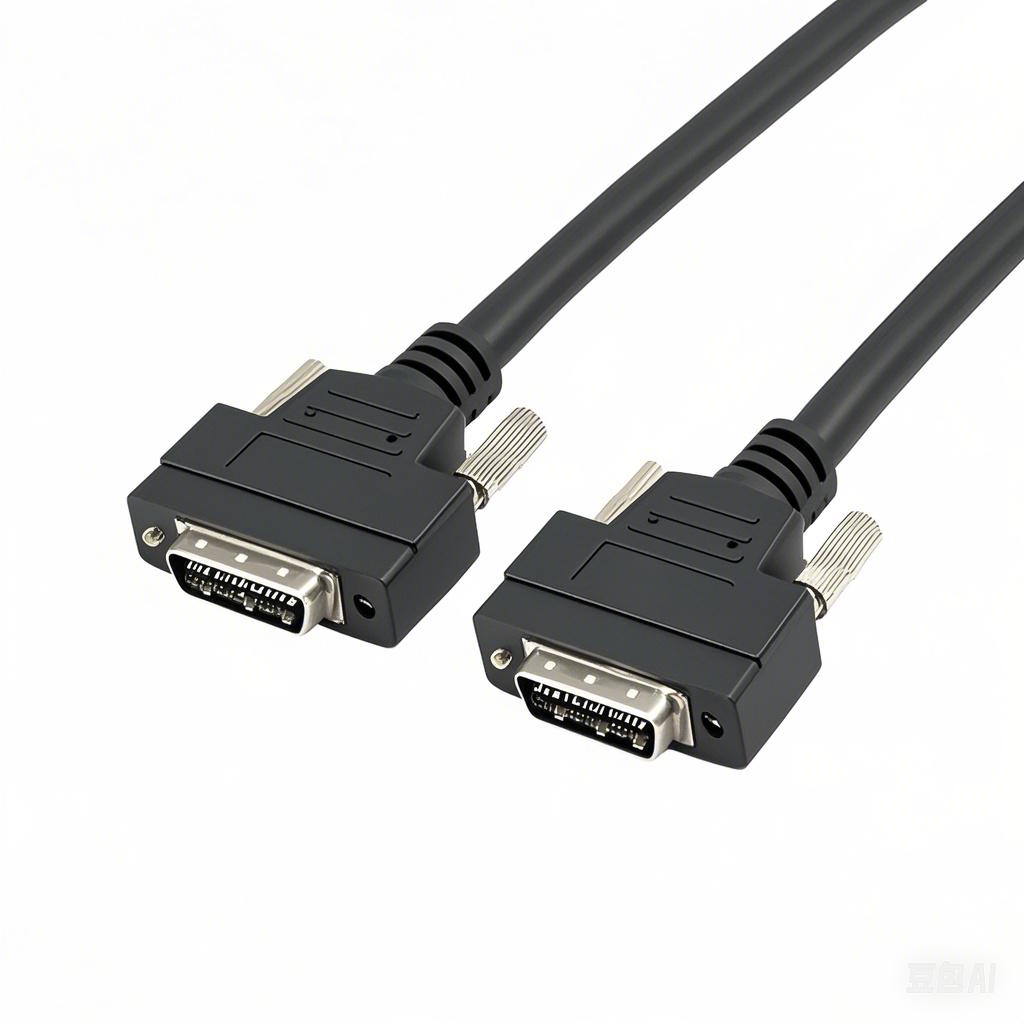
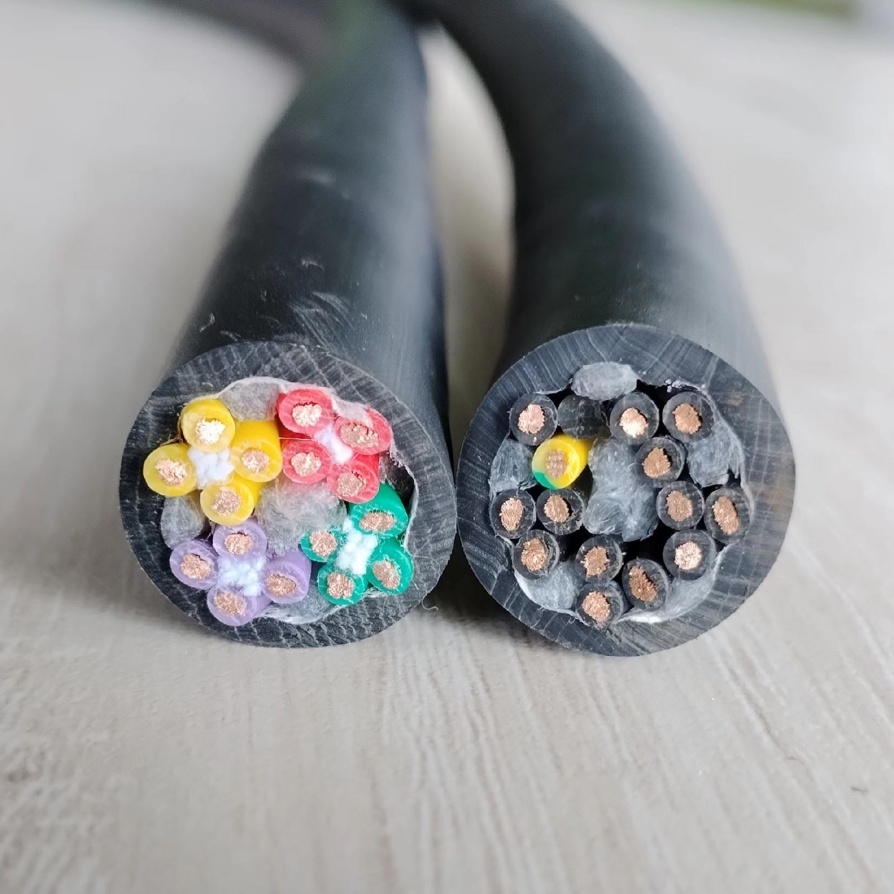
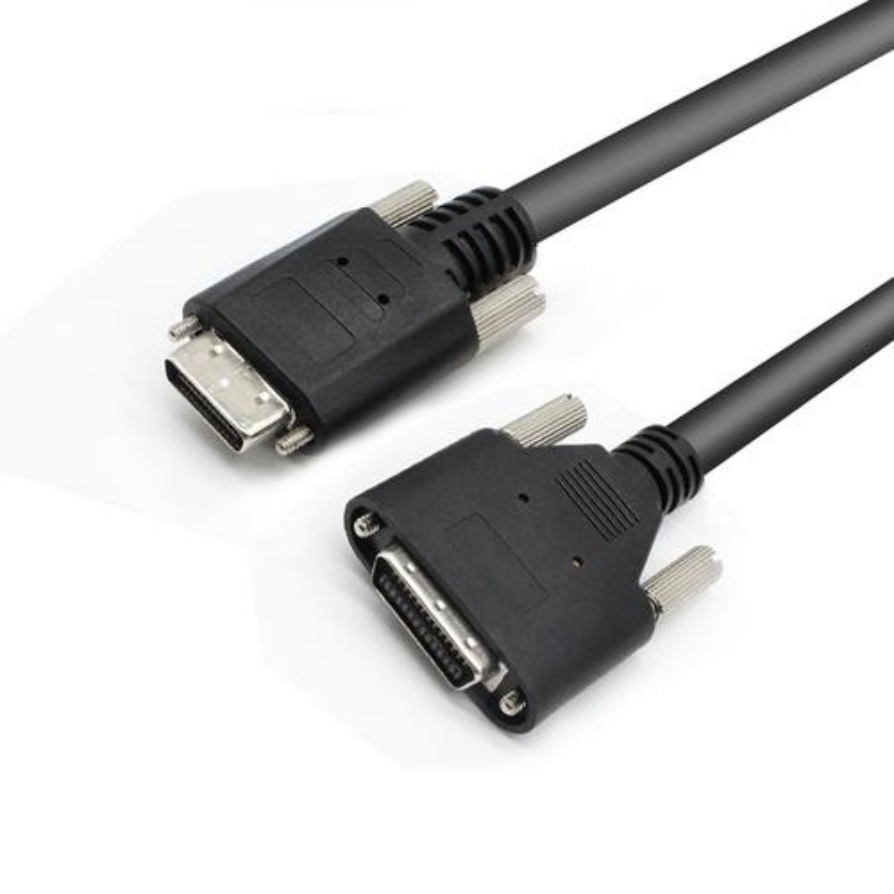
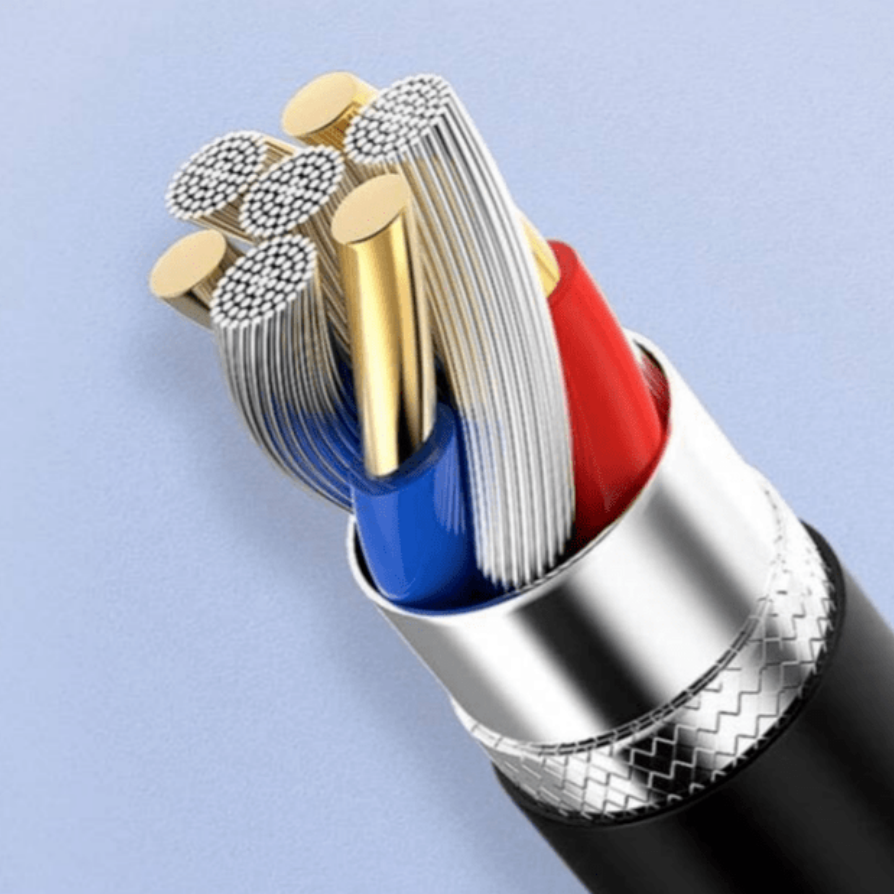
Micro coaxial cable is a type of physical layer interconnect designed for high-frequency, high-density applications. Each core is a miniature coax with a center conductor, dielectric, shield, and jacket. These are often bundled into multi-core assemblies or paired with fine-pitch connectors like I-PEX CABLINE® for tight spaces .
In a Gigabit Vision context, micro coax appears in two primary ways:
- Internal Camera Linkage: Connecting the image sensor to the camera’s mainboard via MIPI CSI-2 or LVDS/SLVS-EC. This is where micro coax truly shines, as it maintains signal integrity over short distances in a highly space-constrained environment.
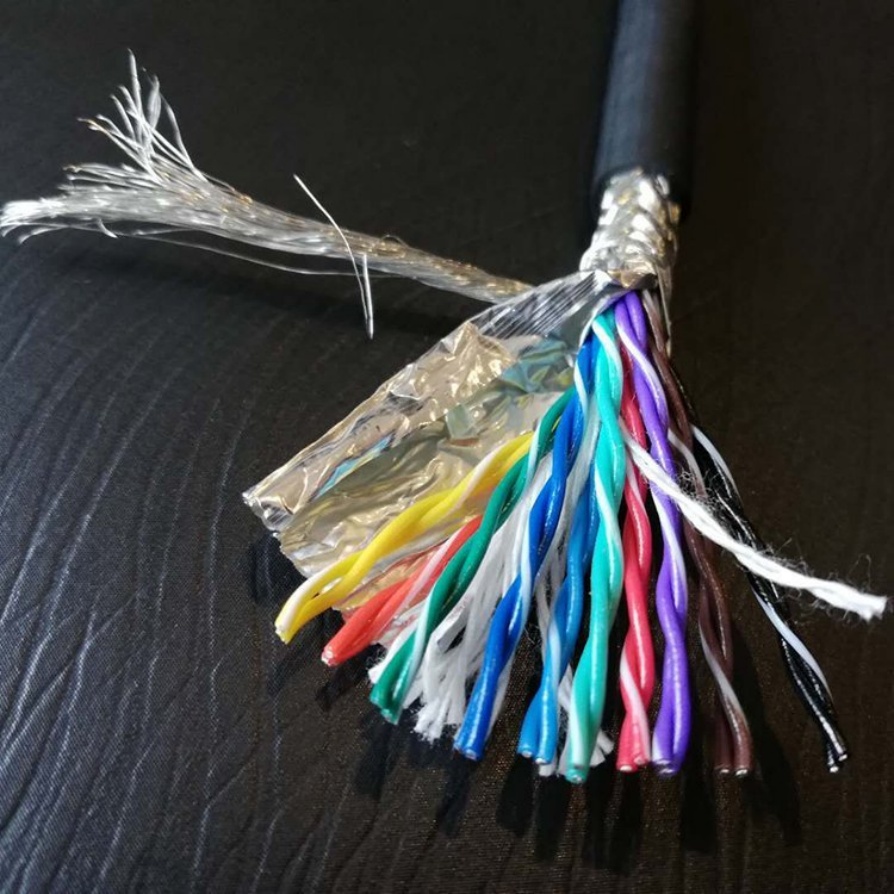
- External Cable Assemblies: Used in hybrid designs or proprietary high-speed links where a few coax pairs replace twisted pairs to achieve higher data rates or longer transmission distances within the same cable diameter .
Why Micro Coax Outperforms Twisted Pair in Vision Systems
1. Superior Signal Integrity at High Frequencies
Gigabit Vision’s 1 Gbps over copper is modest by modern standards, but the challenge lies in maintaining signal integrity across multi-meter cable runs, connectors, and PCB transitions. Micro coax is engineered for this:
- Precise Impedance Control: With a typical impedance of 50 Ω or 100 Ω, micro coax ensures minimal signal reflection. This is critical for multi-gigabit per lane interfaces like MIPI or CoaXPress, where even small impedance mismatches can cause eye diagram closure and increase bit error rates.
- Low Insertion Loss: The dielectric and shielding are optimized to minimize high-frequency attenuation. This allows reliable transmission over longer distances than standard twisted pairs, especially in the multi-gigabit regime .
2. Exceptional EMI Shielding and Crosstalk Resistance
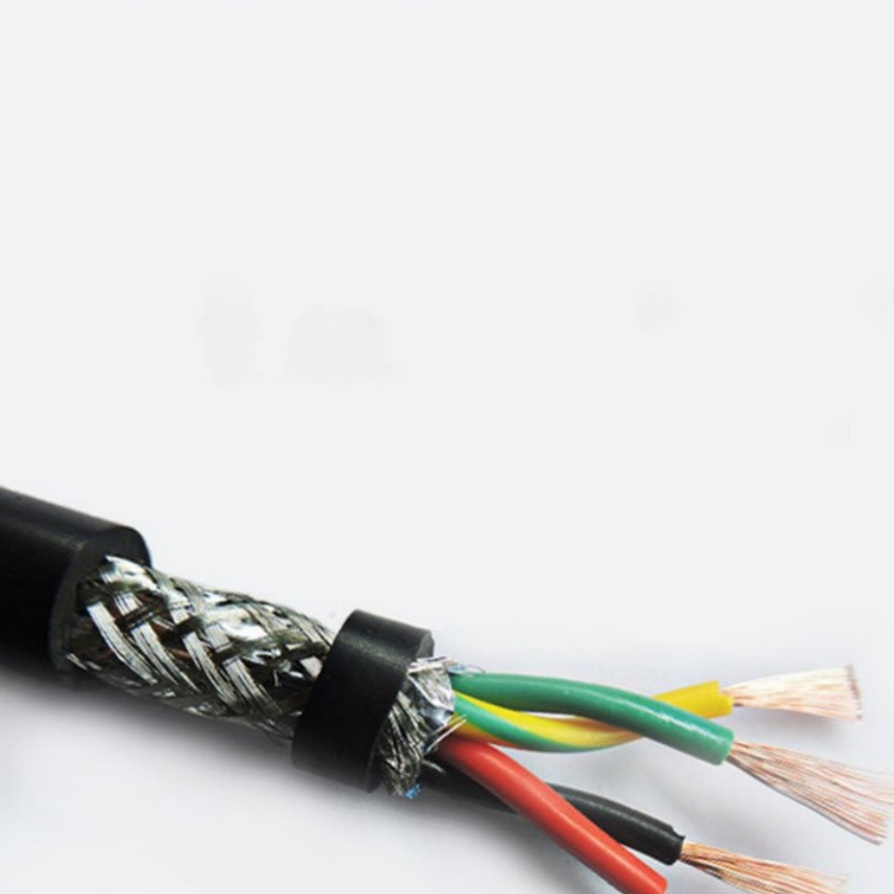
Machine vision systems are electrically noisy, with motors, drives, and switching power supplies in close proximity. Micro coax addresses this with a fully shielded structure for each channel, significantly reducing electromagnetic interference (EMI) and crosstalk compared to unshielded twisted pairs (UTP). This is vital for maintaining image quality in industrial environments where EMI can manifest as horizontal lines or random noise .
3. Mechanical Flexibility for Complex Installations
Industrial vision systems often involve moving parts, such as robot arms or rotating platforms. Cables in these scenarios must endure constant flexing without degrading performance. Micro coax is designed to be both thin (often 0.3–0.8 mm in diameter) and highly flexible, with a small bend radius that allows it to route through tight spaces and moving assemblies where stiffer cables would fail .
4. High Density for Miniaturized Designs
Modern cameras are trending towards smaller footprints and higher channel counts. Micro coax, especially when paired with fine-pitch connectors, enables extremely compact designs. This allows for more I/O in less space, which is essential for multi-camera arrays or embedded vision systems where PCB real estate is at a premium .
Micro Coax in Gigabit Vision Architectures
Gigabit Vision (based on GigE Vision and the GigE Vision Standard) typically uses standard Ethernet over twisted pair for its simplicity and long reach. However, micro coax plays a crucial role in several scenarios:
- Internal Camera PCB Routing: As mentioned, the transition from the sensor to the GigE PHY often uses MIPI or LVDS over micro coax. The quality of this internal link directly impacts the camera’s maximum achievable resolution and frame rate.
- Hybrid Cable Assemblies: Some industrial designs use a hybrid approach, combining twisted pairs for the Ethernet link with one or more micro coax lines for auxiliary high-speed signals like trigger, control, or even a secondary data path.
- Proprietary High-Speed Links: Certain camera manufacturers use proprietary protocols over micro coax to achieve higher data rates than standard GigE, leveraging the superior signal integrity of coax for short-reach, high-bandwidth applications .
Key Considerations for Selecting Micro Coax Cable
Choosing the right micro coax cable involves a careful balance of electrical, mechanical, and environmental factors.
1. Impedance and Frequency
- Characteristic Impedance: Match the cable impedance to the system requirement, typically 50 Ω for single-ended or 100 Ω for differential pairs. Mismatches can severely degrade signal quality.
- Bandwidth: Ensure the cable’s frequency response exceeds the fundamental frequency of your signal. For Gigabit Vision’s 1 Gbps signal, the fundamental is 500 MHz, but harmonics and noise require a cable with excellent high-frequency performance .
2. Conductor Size and Loss
- AWG Rating: Smaller AWG numbers (e.g., 28, 30) have lower resistance but are stiffer. Larger AWG numbers (e.g., 36, 40) are more flexible but have higher loss. For machine vision, a balance must be struck between flexibility and signal integrity.
- Insertion Loss: This is a function of frequency, conductor size, and dielectric material. High-quality micro coax will specify insertion loss in dB/m at various frequencies, allowing you to calculate the maximum allowable cable length for your application .
3. Shielding Effectiveness
- Shielding Structure: Look for cables with multiple layers of shielding, such as a braided shield plus a foil shield. This provides excellent protection against both external EMI and internal crosstalk.
- Connector Shielding: The connector is often the weakest point in the EMI chain. Ensure the connector provides 360° shielding and that the shield is properly terminated to the cable’s drain wire and the chassis ground .
4. Mechanical Properties
- Bend Radius: Specify a minimum bend radius that the cable can withstand without permanent deformation or performance degradation. This is critical for moving applications.
- Flex Life: For cables that will be flexed repeatedly, such as on a robot arm, consider cables with a high flex life rating. These use special conductor and insulation materials to withstand millions of flex cycles .
5. Environmental Resistance
- Temperature Range: Ensure the cable can operate reliably in the expected temperature range of your application, from cold storage to hot factory floors.
- Chemical Resistance: For applications exposed to oils, coolants, or cleaning agents, choose a cable with a jacket material that is resistant to these substances.
- Flame Retardancy: In industrial environments, fire safety is paramount. Look for cables with appropriate flame retardant ratings (e.g., UL VW-1, IEC 60332-1) .
Advanced Topics in Micro Coax for Vision Systems
1. Signal Integrity Analysis
For high-performance vision systems, signal integrity (SI) analysis is no longer optional. Tools like time-domain reflectometry (TDR) and eye diagram analysis can help identify impedance mismatches, signal reflections, and crosstalk issues before they become field problems. When working with micro coax, pay close attention to:
- Connector Transitions: The transition from the PCB to the connector and from the connector to the cable can introduce impedance discontinuities. Use high-quality connectors and follow the manufacturer’s layout guidelines.
- Via Stubs: Long via stubs on the PCB can act as antennas, radiating noise and degrading signal quality. Minimize via stubs by using blind or buried vias where possible .
2. Multi-Channel Synchronization
In multi-camera systems, precise synchronization is critical for applications like 3D vision or stereo imaging. Micro coax can help here by providing low-jitter, high-bandwidth links between cameras and the host. However, careful attention must be paid to:
- Cable Length Matching: Ensure that the lengths of the micro coax cables between cameras and the host are matched to within a few millimeters to minimize skew.
- Clock Distribution: Use a low-jitter clock source and distribute it to all cameras over a separate, high-quality coax or twisted-pair link .
3. Future-Proofing Your Design
As machine vision systems continue to evolve, it’s essential to future-proof your design. Consider the following:
- Bandwidth Headroom: Choose a micro coax cable with sufficient bandwidth to support future upgrades in resolution, frame rate, or data rate.
- Modularity: Use modular cable assemblies that can be easily replaced or upgraded as your system requirements change.
- Standardization: Where possible, standardize on industry-standard interfaces and connectors to ensure compatibility with a wide range of equipment .
Conclusion: Elevating Your Vision System with Micro Coax
In the world of machine vision, the cable is far more than just a passive conduit. It is a critical component that can make or break system performance. For Gigabit Vision and other high-speed vision applications, micro coaxial cable offers a unique combination of high bandwidth, mechanical flexibility, and robust EMI shielding that standard cables simply cannot match.
By carefully selecting and deploying micro coax in your system, you can achieve higher resolutions, faster frame rates, and more reliable operation—even in the most demanding industrial environments. Whether you’re designing a compact embedded vision system or a large-scale multi-camera array, the right micro coax cable can help you unlock the full potential of your vision system.